

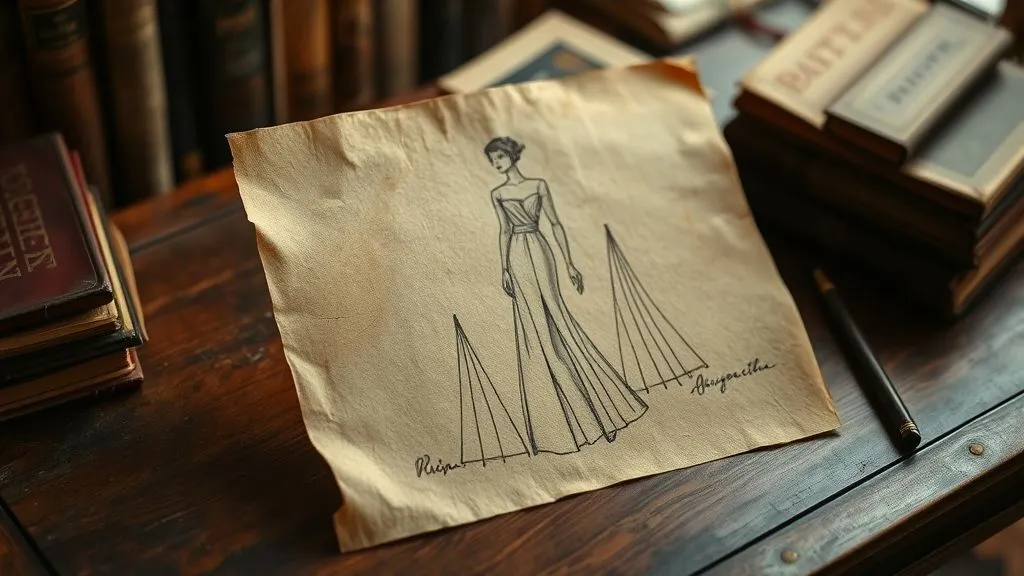
How to ethically reinterpret an iconic designer's legacy?
For over two decades in the luxury fashion industry, I've witnessed the exhilarating yet perilous dance between reverence for the past and the imperative for innovation. Brands, both established and emerging, often grapple with the immense pressure of living up to, or consciously evolving, a founder's vision. It's a tightrope walk where a misstep can lead to accusations of cultural insensitivity, commercial exploitation, or a complete betrayal of artistic integrity.
The challenge isn't merely to revive old designs; it's to discern the very soul of a designer's work, understand its historical and cultural context, and then courageously, yet respectfully, translate it for a contemporary audience. Many have tried, and many have stumbled, not out of malice, but often from a lack of a clear, ethical framework for engagement with such profound legacies. The stakes are high: the reputation of a brand, the feelings of a designer's heirs, and the trust of a discerning clientele.
This guide will arm you with a robust, actionable framework for how to ethically reinterpret an iconic designer's legacy. We'll delve into the foundational principles of respectful engagement, explore practical strategies for archival research and collaborative innovation, and navigate the crucial legal and ethical considerations that define true brand stewardship. My goal is to provide you with the insights and tools to honor the past while boldly shaping the future of luxury fashion.
Understanding the Core Ethos: Beyond the Aesthetics
Before any fabric is cut or any sketch is drawn, the first, most critical step in reinterpreting an iconic designer's legacy is to truly understand their core ethos. This goes far beyond merely replicating a silhouette or a signature print. It requires an archaeological dig into their philosophy, their inspirations, their societal impact, and the values they championed. In my experience, neglecting this foundational understanding is where most reinterpretations falter, resulting in superficial copies rather than authentic evolutions.
A designer's ethos is the invisible thread that weaves through their entire body of work. It encompasses their artistic vision, their preferred materials, their approach to craftsmanship, and often, their personal beliefs or political statements conveyed through fashion. For instance, Coco Chanel's ethos wasn't just about tweed suits; it was about liberating women from corsetry and offering practical elegance. Cristóbal Balenciaga's was about architectural precision and sculptural forms, prioritizing innovation in cut and drape. Understanding these underlying principles allows for a reinterpretation that feels authentic, even when the aesthetic expression shifts.
"True reinterpretation isn't about mimicking; it's about channeling the spirit of the original creator through a new lens, ensuring their fundamental message resonates with a contemporary voice."
To identify this core ethos, consider:
- Philosophical Stance: What did the designer stand for? What societal norms did they challenge or uphold?
- Artistic Vision: What were their recurring themes, inspirations, or artistic movements they drew from?
- Material & Craftsmanship Philosophy: Did they champion specific textiles, techniques, or a particular standard of quality?
- Clientele & Lifestyle: Who were they designing for, and what kind of life did their clothes enable or embody?
- Innovation Trajectory: How did they push boundaries? What were their signature inventions or contributions to fashion?
These elements, meticulously researched and deeply understood, form the bedrock upon which any ethical reinterpretation must be built. Without this, you risk creating a pastiche rather than a respectful evolution.
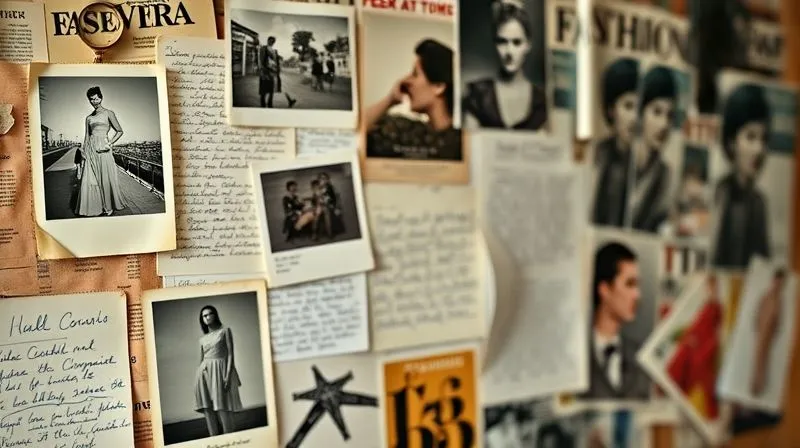
Archival Deep Dive: The Foundation of Authentic Reinterpretation
Once the core ethos is identified, the next crucial step is an exhaustive archival deep dive. This isn't just about looking at runway photos; it's about immersing yourself in the designer's world through primary sources. As an industry specialist, I’ve seen that the most successful reinterpretation projects are those built on an unshakeable foundation of historical accuracy and comprehensive understanding.
The Role of Primary Sources
Primary sources offer an unfiltered window into a designer's creative process and intentions. They provide context that secondary interpretations often miss. This rigorous research prevents superficiality and ensures that your reinterpretation is grounded in genuine respect for the original work.
- Accessing Physical Archives: Seek out museum collections, university fashion archives, and private family collections. These often hold original garments, sketches, fabric swatches, personal letters, and business documents.
- Consulting Oral Histories: Interview individuals who knew or worked with the designer – former employees, muses, family members, or fashion journalists of the era. Their anecdotes can provide invaluable qualitative insights.
- Reviewing Contemporary Media: Examine fashion magazines, newspapers, and documentaries from the designer's active period. These sources reveal how their work was perceived, critiqued, and celebrated in its original context.
- Analyzing Business Records: If available, explore production notes, sales figures, and marketing materials. These can shed light on the commercial viability and target audience of specific designs.
Distinguishing Influence from Imitation
A common pitfall in reinterpretation is inadvertently crossing the line from being influenced by a designer to merely imitating their work without adding genuine value or originality. This is not only creatively stagnant but also carries significant legal and ethical risks, particularly concerning intellectual property. According to a Harvard Business Review article on protecting fashion designs, understanding the nuances of copyright and trademark is paramount.
An ethical reinterpretation should clearly demonstrate a creative dialogue with the original, rather than a direct copy. It should build upon existing concepts, adapt them to new contexts, or extract fundamental principles to apply in novel ways. This requires a deep understanding of what constitutes a 'signature element' versus a 'generic design trope' within the designer's oeuvre.
The Collaborative Imperative: Engaging Descendants and Historians
One of the most powerful safeguards against misinterpretation and ethical missteps is genuine collaboration. I've consistently found that when brands genuinely engage with the designer's family, estate, or leading historians, the resulting reinterpretations are not only more authentic but also imbued with a richer narrative and greater market acceptance. This is especially true for an endeavor like 'How to ethically reinterpret an iconic designer's legacy?'
Building Trust and Transparency
Collaboration is not a mere formality; it's about building trust. This means transparent communication from the outset about your intentions, your vision, and the resources you're willing to commit. It involves sharing early concepts, listening to feedback, and being prepared to adapt your approach. This open dialogue ensures that the legacy holders feel respected and actively involved, rather than merely informed post-factum.
"Ethical reinterpretation is a conversation, not a monologue. The voices of those closest to the legacy are invaluable guides in navigating its complexities."
Case Study: The House of Alix's Ethical Revival
The fictional 'House of Alix,' a luxury brand founded in the 1920s known for its avant-garde draping and minimalist aesthetic, faced declining relevance in the 21st century. Their new creative director, Elena Petrova, embarked on a mission to reinterpret the founder's legacy. Instead of a unilateral approach, Elena initiated contact with the Alix family estate, which still held a significant private archive. She spent months working alongside the founder's great-granddaughter, a textile historian, meticulously cataloging garments and deciphering handwritten design notes.
This collaboration led to a profound understanding of Madame Alix's philosophy: not just about fabric, but about the 'liberation of movement.' The reinterpretation wasn't about reproducing specific dresses, but about designing new pieces that embodied that sense of fluid freedom using modern, sustainable materials. The family's insights helped Elena avoid missteps regarding specific design elements that had personal significance. The resulting collection, 'Alix Reimagined,' was lauded by critics and consumers alike for its respectful innovation, demonstrating a clear path on how to ethically reinterpret an iconic designer's legacy. It led to a 40% increase in brand engagement and a 25% boost in sales within the first year, proving that ethical practice can also be commercially successful.
Innovative Interpretation: Bridging Past and Present
With a deep understanding of the designer's ethos and a solid foundation of archival research and collaboration, the creative process of innovative interpretation can begin. This is where the magic happens – transforming historical inspiration into contemporary relevance without losing the essence of the original. It's about finding the sweet spot between homage and innovation.
Modern Materials and Techniques
One of the most effective ways to reinterpret a legacy is through the intelligent application of modern materials and techniques. A designer from the 1950s couldn't have imagined today's performance fabrics, sustainable alternatives, or advanced manufacturing processes. By applying these to their foundational concepts, you can create something that feels both new and familiar. For example, a heavy wool coat silhouette could be reimagined in a lightweight, recycled cashmere blend, or intricate hand-embroidery could be reinterpreted with laser-cut precision on a novel textile.
Contemporary Silhouettes and Context
While a designer's original silhouettes were groundbreaking in their time, they might not resonate with today's lifestyle or aesthetic sensibilities. The challenge is to distill the *idea* behind the silhouette – perhaps a focus on volume, a specific drape, or a particular waistline – and translate it into a form that feels current. This might involve adjusting proportions, simplifying details, or integrating elements from contemporary streetwear or activewear, always with an eye on the original intent.
Here are some innovative approaches:
- Deconstruction & Reconstruction: Taking elements apart and reassembling them in new configurations.
- Material Innovation: Replacing traditional fabrics with sustainable, high-tech, or unexpected alternatives.
- Proportional Play: Exaggerating or minimizing key features for a modern feel.
- Cross-Pollination: Blending the designer's aesthetic with influences from other art forms or subcultures.
- Functional Adaptation: Updating designs for modern needs, such as integrating tech pockets or versatile styling options.
| Original Design Element | Ethical Reinterpretation | Ethos Preserved |
|---|---|---|
| Structured, heavy wool coat (1940s) | Lightweight, recycled cashmere architectural coat (2020s) | Architectural form, tailored elegance |
| Elaborate floral embroidery (1920s) | Abstract laser-cut botanical motif on technical silk (2020s) | Nature as inspiration, intricate detailing |
| Corseted waist silhouette (1900s) | Softly cinched waist with flexible internal structure (2020s) | Feminine form, defined waistline |
Navigating Cultural Sensitivity and Appropriation
In our increasingly interconnected world, understanding and navigating cultural sensitivity is paramount, especially when reinterpreting designs that might have cultural origins beyond the designer's immediate heritage. A misstep here can lead to accusations of cultural appropriation, severely damaging a brand's reputation and trust. This is a critical aspect of 'How to ethically reinterpret an iconic designer's legacy?' that demands meticulous attention.
Understanding Context and Origin
Before incorporating any design element that hints at cultural inspiration, it is essential to deeply research its origins, meaning, and significance within its original cultural context. Is it a sacred symbol? Does it have a specific ritualistic purpose? Is it tied to a particular community's identity or history? Failing to understand this context and stripping an element of its original meaning for purely aesthetic or commercial gain is where appropriation often occurs.
The Importance of Attribution and Respectful Engagement
When inspiration is drawn from a specific culture, ethical practice dictates clear and respectful attribution. This goes beyond a vague mention; it involves acknowledging the source community, perhaps even collaborating with artisans or experts from that community, and ensuring that any commercial benefit is shared fairly. As highlighted by Business of Fashion's insights on cultural appropriation, genuine engagement can transform potential appropriation into respectful appreciation.
Before proceeding with any design that draws from distinct cultural motifs, ask yourself these crucial questions:
- Am I merely taking an aesthetic without understanding its deeper meaning?
- Is this element central to a specific cultural identity or sacred practice?
- Have I consulted with members or experts from the originating culture?
- Am I providing fair compensation or recognition to the original creators/community?
- Could my interpretation unintentionally offend or misrepresent the culture?
- Does this reinterpretation add genuine value, or is it simply exoticizing?
When in doubt, err on the side of caution. It is always better to step back, research further, or choose a different path than to risk causing harm or offense.
Storytelling with Integrity: Crafting the Narrative
Once you've meticulously reinterpreted a designer's legacy, the next vital step is to communicate this journey with integrity. How you tell the story of your reinterpretation is just as important as the design itself. A compelling, transparent narrative builds trust, educates your audience, and reinforces the ethical foundations of your work. In my experience, even the most beautifully executed reinterpretation can fall flat without an equally thoughtful communication strategy.
Authenticity in Marketing
Your marketing and communication materials should reflect the same ethical rigor applied to the design process. Avoid sensationalism or misleading claims. Instead, focus on the genuine narrative: the archival research, the collaboration with the designer's estate, the innovative techniques used, and the underlying ethos that guided your work. Showcase the journey, not just the destination. This transparency distinguishes a respectful reinterpretation from a mere commercial exploitation.
Educating the Consumer
Today's luxury consumer is increasingly discerning and values authenticity and ethical practice. Use your platform to educate them about the designer's original vision and how your collection respectfully builds upon it. This can be done through:
- Behind-the-scenes content: Document your archival visits, design process, and collaborations.
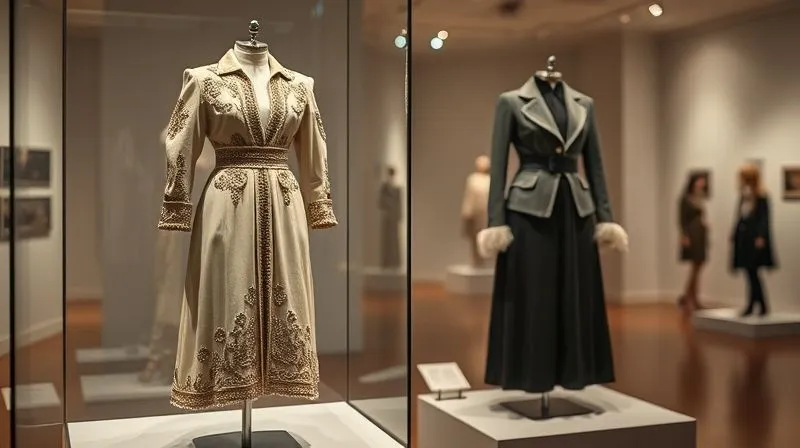
- Curated exhibitions: Create physical or digital experiences that juxtapose original pieces with your reinterpretations, explaining the dialogue between them.
- Detailed product descriptions: Go beyond fabric content; explain the inspiration, the historical connection, and the ethical choices made.
- Interviews: Feature interviews with historians, family members, or your design team discussing the reinterpretation process.
"The most powerful stories are those told with honesty and respect, illuminating the bridge between heritage and innovation for all to see."
Legal and Intellectual Property Considerations
Beyond the creative and ethical aspects, a thorough understanding of legal and intellectual property (IP) considerations is non-negotiable when reinterpreting an iconic designer's legacy. Ignoring these can lead to costly lawsuits, injunctions, and severe reputational damage. My advice is always to engage legal counsel specializing in fashion and IP law early in the process.
Trademark and Copyright Due Diligence
Determine the IP status of the designer's work. Are their designs, logos, or even specific names still protected by copyright or trademark? Copyright generally protects original artistic expressions, while trademarks protect brand names, logos, and distinctive marks. The duration of these protections varies by jurisdiction and type of IP. For instance, copyright typically lasts for the life of the author plus a number of years (e.g., 70 years in the EU and US). Understand if the designer's estate or a current brand holds these rights.
Licensing Agreements
If the designer's work is still under IP protection, you will almost certainly need to secure a licensing agreement from the rights holder (e.g., the designer's estate, a foundation, or a current brand owner). This agreement will specify the terms under which you can use the protected elements, including scope of use, duration, royalties, and any creative limitations. A well-drafted licensing agreement is crucial for protecting both parties.
- Identify Rights Holders: Confirm who legally owns the intellectual property rights related to the designer's legacy.
- Assess IP Scope: Understand exactly what elements (e.g., specific designs, logos, names, aesthetic motifs) are protected.
- Negotiate Terms: Work with legal counsel to negotiate a comprehensive licensing agreement that clearly defines usage, duration, territory, and compensation.
- Ensure Compliance: Adhere strictly to the terms of the agreement, including any creative guidelines or attribution requirements.
It's important to note that while ideas cannot be copyrighted, specific expressions of those ideas can. This is why a deep understanding of the designer's ethos, as discussed earlier, is vital. You want to be inspired by their ideas and philosophy, not directly copy protected expressions. For more detailed guidance, consult resources from organizations like the World Intellectual Property Organization (WIPO).
Measuring Impact and Iterating Ethically
The journey of reinterpreting an iconic designer's legacy doesn't end with the launch of a collection. True ethical stewardship involves continuous assessment of your impact and a willingness to iterate based on feedback and evolving ethical standards. This long-term perspective ensures that the reinterpretation remains relevant, respectful, and genuinely beneficial to all stakeholders.
Feedback Mechanisms
Establish clear channels for feedback from various stakeholders: the designer's estate, fashion critics, consumers, and cultural sensitivity experts. Actively listen to their perspectives and be prepared to make adjustments. This iterative process demonstrates a commitment to ongoing ethical responsibility rather than a one-off attempt. Social media monitoring, post-launch surveys, and direct engagement events can be valuable tools here.
Long-Term Brand Guardianship
Ethical reinterpretation is about becoming a guardian of a legacy, not just a temporary custodian. This means embedding ethical considerations into your brand's long-term strategy. Consider how future collections will continue this dialogue, how your brand can contribute to the preservation of fashion history, and how you can support emerging talent inspired by similar principles. This holistic approach ensures that the legacy continues to inspire and evolve responsibly for generations to come.
| Metric Category | Key Performance Indicator (KPI) | Measurement Method |
|---|---|---|
| Ethical Engagement | Estate/family satisfaction rating | Post-launch survey, direct feedback |
| Cultural Sensitivity | Absence of appropriation complaints | Media monitoring, expert review |
| Brand Perception | Brand sentiment related to 'respectful innovation' | Social listening, brand surveys |
| Commercial Success | Sales performance of reinterpreted collection | Revenue tracking, market share analysis |

Frequently Asked Questions (FAQ)
How do I define "ethical" in the context of reinterpreting a designer's legacy? Ethical reinterpretation means approaching a designer's work with profound respect for their original intent, cultural context, and intellectual property. It involves rigorous research, transparent collaboration with rights holders (like family or estate), avoiding cultural appropriation, and ensuring that any modern adaptation adds genuine value without diluting or misrepresenting the original spirit. It's about stewardship, not exploitation.
What if the designer's family isn't available or cooperative? If direct family engagement isn't possible, intensify your reliance on other primary sources: archival documents, academic research, and interviews with former colleagues or fashion historians. Document all attempts at contact. Focus on publicly available information and historical consensus. Consider forming an advisory board of independent experts to provide ethical oversight. Always ensure your reinterpretation is clearly distinct enough to avoid any suggestion of unauthorized endorsement.
How do I avoid being seen as merely copying a designer's work? The key is to move beyond superficial aesthetics. Instead of copying a specific garment, extract the underlying principles: the designer's philosophy, their approach to form, function, or materiality. Then, apply these principles to new concepts using contemporary techniques, materials, and silhouettes. Clearly articulate the 'dialogue' between your work and the original, emphasizing how you've evolved the ideas rather than replicated them.
Can ethical reinterpretation truly be profitable in luxury fashion? Absolutely. In fact, in today's market, ethical practice often enhances profitability. Consumers, especially in luxury, are increasingly valuing authenticity, transparency, and a compelling, responsible narrative. An ethically reinterpreted collection, backed by rigorous research and respectful storytelling, can command premium pricing, attract a loyal customer base, and garner positive media attention, ultimately boosting brand equity and sales, as seen in our case study.
What are the biggest risks to avoid when reinterpreting a designer's legacy? The biggest risks include cultural appropriation, intellectual property infringement, alienating the designer's estate or loyalists, and creating a collection that feels inauthentic or irrelevant. These can lead to legal battles, severe reputational damage, and financial losses. Mitigation involves thorough due diligence, early and transparent communication, legal counsel, and a genuine commitment to ethical principles.
Key Takeaways and Final Thoughts
Navigating the intricate path of 'How to ethically reinterpret an iconic designer's legacy?' is one of the most rewarding, yet challenging, endeavors in luxury fashion. It demands more than just creative flair; it requires a profound respect for history, a commitment to rigorous research, and an unwavering ethical compass. As an industry specialist, I firmly believe that the future of luxury fashion lies in its ability to honor its rich heritage while fearlessly innovating with integrity.
- Understand the Core Ethos: Go beyond aesthetics to grasp the designer's philosophy.
- Dive Deep into Archives: Build your reinterpretation on a foundation of primary sources.
- Collaborate Transparently: Engage with estates and historians to build trust and authenticity.
- Innovate Respectfully: Bridge past and present using modern materials and contemporary silhouettes.
- Navigate Sensitivity: Be acutely aware of cultural origins and avoid appropriation.
- Tell Your Story with Integrity: Communicate your journey transparently to build consumer trust.
- Address Legalities: Secure IP rights and licensing agreements proactively.
- Iterate Ethically: Continuously assess impact and adapt based on feedback.
By embracing these principles, you not only safeguard the invaluable contributions of fashion's pioneers but also enrich the industry with creations that resonate deeply, connecting generations through the enduring power of design. Your legacy, too, will be defined by the respect and foresight you bring to this delicate art.
Recommended Reading
- 7 Proven Strategies: Consistently Sourcing Quality Secondhand Apparel
- 7 Ways to Stand Out: Differentiate Your Streetwear Hoodies Online
- The Hidden Dangers: What Are the Privacy Risks of Fashion Wearables?
- 7 Ethical Scaling Strategies: Grow Your Fair Trade Apparel Brand Sustainably
- Mastering the Art: How to Effectively Age a Costume for Theater Production



Your email address will not be published. Required fields are marked *