

How to Enhance Natural Fiber Durability Without Compromising Biodegradability?
For over two decades in the textile innovation space, I've witnessed a persistent and often frustrating paradox: the very qualities that make natural fibers so appealing—their breathability, comfort, and crucially, their biodegradability—can also be their Achilles' heel when it comes to durability. We've all experienced that beautiful linen shirt that frays too quickly or the organic cotton towel that loses its integrity after just a few washes. This challenge isn't just an inconvenience for consumers; it's a significant barrier to the widespread adoption of truly sustainable textiles in industries demanding robust performance, from outdoor gear to automotive interiors.
The pain point is palpable: how do we create textiles that are both kind to the planet at their end-of-life and resilient enough to withstand the rigors of everyday use? For years, the answer often involved synthetic blends or chemical treatments that negated the natural fiber's eco-credentials. This compromise has left many of us in the industry searching for genuine, non-toxic alternatives that respect the circular economy principles we so passionately advocate for.
In this definitive guide, I will share my insights and explore four cutting-edge strategies that directly address this crucial question: how to enhance natural fiber durability without compromising biodegradability? We'll delve into actionable frameworks, real-world applications, and expert insights that promise to elevate the performance of your natural fiber products, ensuring they last longer and return to nature gracefully. Prepare to unlock the secrets to truly sustainable textile strength.
The Core Dilemma: Strength vs. Sustainability in Natural Fibers
The inherent challenge with natural fibers like cotton, linen, hemp, and jute lies in their complex cellular structure. While these plant-based materials offer exceptional comfort, moisture management, and a significantly lower environmental footprint than synthetics, their natural polymers (primarily cellulose, lignin, and pectin) are susceptible to degradation from UV radiation, moisture, microbial action, and mechanical abrasion. This susceptibility is, ironically, what makes them biodegradable – a highly desirable trait.
However, the modern consumer and industrial applications demand more. We expect our garments to withstand countless washes, our outdoor fabrics to endure harsh weather, and our technical textiles to perform under stress. Historically, achieving this level of durability often meant introducing petroleum-based coatings, synthetic fiber blends (like polyester or nylon), or harsh chemical cross-linkers that fundamentally altered the fiber's natural composition and, critically, its ability to biodegrade at the end of its life. This creates a linear 'take-make-dispose' model, contradicting the very essence of sustainable design.
As I've observed throughout my career, the industry has long grappled with this trade-off. It’s a delicate balancing act, requiring innovative approaches that respect the natural lifecycle of the fiber while bolstering its functional lifespan. According to a recent report by Textile Exchange, the demand for natural and bio-based fibers is surging, highlighting an urgent need for solutions that don't just 'greenwash' but genuinely deliver on both performance and planetary health. We must move beyond superficial fixes and embrace deep material science to truly enhance natural fiber durability without compromising biodegradability.
Strategy 1: Bio-Based Coatings and Surface Treatments
One of the most promising avenues I've seen for boosting natural fiber durability involves applying intelligent, bio-based coatings and surface treatments. These aren't your typical synthetic finishes; they are carefully engineered layers derived from natural sources that protect the fiber without impeding its eventual return to the earth. The magic lies in creating a protective shield that enhances properties like abrasion resistance, water repellency, and UV stability, all while maintaining the fiber's inherent biodegradability.
1.1 Understanding Biopolymers for Protection
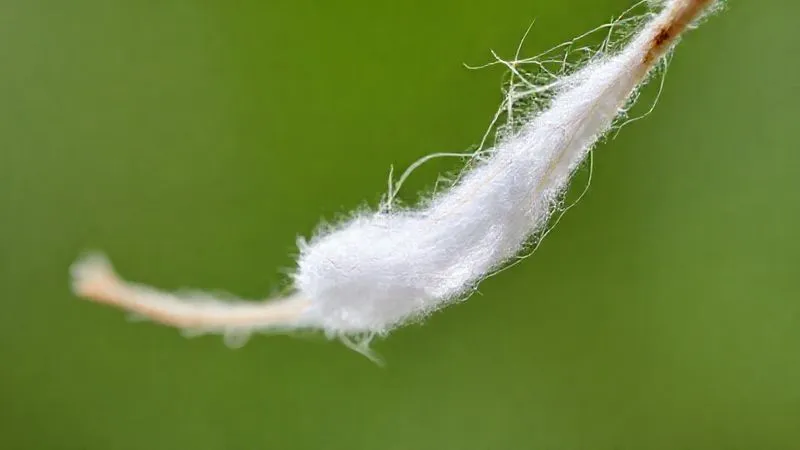
Biopolymers are the stars of this strategy. These are polymers produced by living organisms (like starch, cellulose, chitosan, lignin) or synthesized from renewable biological sources (like polylactic acid or PHA). When applied as a coating, they form a thin, often invisible, layer that strengthens the fiber's surface, fills microscopic pores, and protects against external stressors. The selection of the right biopolymer is crucial, as its properties must align with the desired enhancement and ensure full biodegradability.
For instance, chitosan, derived from crustacean shells, offers excellent antimicrobial properties and can significantly improve abrasion resistance. Polylactic Acid (PLA), made from fermented plant starch, can provide a stiffening effect and water resistance. Starch-based polymers are also gaining traction for their barrier properties and low cost. The beauty of these materials is their ability to break down naturally in composting environments, leaving no persistent microplastic residues.
In my experience, the key is not just applying a coating, but understanding the molecular interaction between the biopolymer and the natural fiber. This dictates adhesion, flexibility, and ultimately, the efficacy and longevity of the treatment. Advanced research is continually uncovering new biopolymer combinations and modifications that offer tailored performance enhancements, pushing the boundaries of what's possible for sustainable textiles.
1.2 Application Methods and Benefits
The application of these biopolymer coatings is as varied as the polymers themselves. Common methods include dip-coating, spray-coating, padding, and more advanced techniques like electrospinning or plasma treatment for ultra-thin, uniform layers. Each method has its advantages depending on the fiber type, desired finish, and production scale. For instance, dip-coating is excellent for full saturation, while electrospinning can create highly porous, breathable membranes.
The benefits are multi-fold:
- Enhanced Abrasion Resistance: The coating acts as a sacrificial layer, protecting the underlying fiber from wear and tear.
- Improved Tensile Strength: By bonding fibers or filling micro-cracks, the coating can distribute stress more evenly.
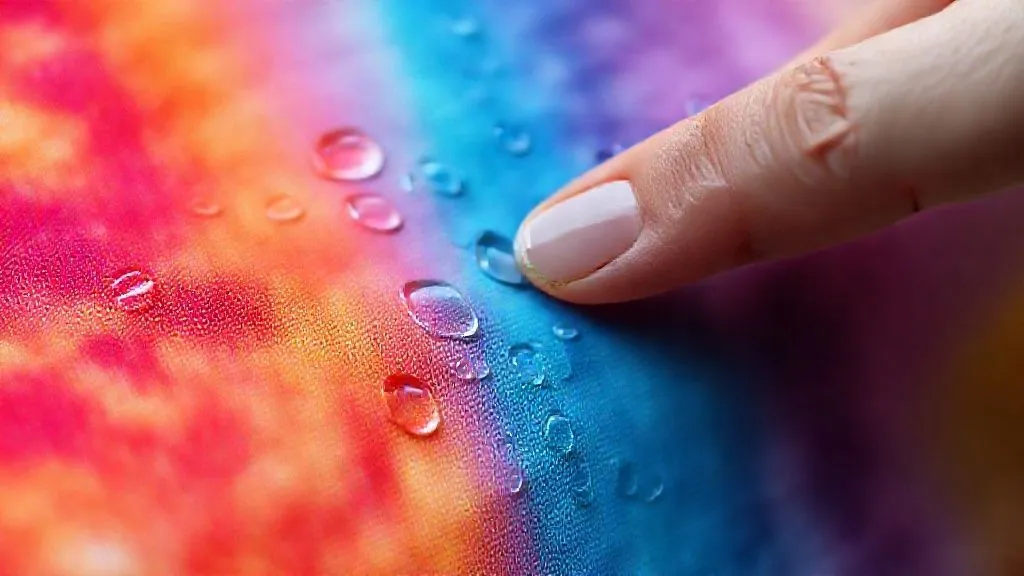
- Water and Stain Repellency: Some biopolymers can be engineered to create hydrophobic surfaces, reducing water absorption without using harmful PFAS.
- UV Protection: Certain biopolymers, especially those containing lignin derivatives, can absorb UV radiation, preventing fiber degradation.
- Antimicrobial Properties: Naturally occurring compounds in some biopolymers, like chitosan, can inhibit microbial growth, extending product life.
Case Study: How Bio-Shield Textiles Increased Product Lifespan
Bio-Shield Textiles, a mid-sized company specializing in organic cotton workwear, faced a significant challenge: their durable organic cotton canvas, while eco-friendly, was not meeting the abrasion resistance standards required for heavy-duty industrial use. Customers frequently reported premature wear in high-stress areas like knees and elbows. By implementing a novel starch-chitosan composite coating, applied via a continuous padding process, they achieved remarkable results. The coating, which was fully compostable, increased the fabric's Taber abrasion resistance by 45% and improved its tear strength by 18% without affecting breathability or hand-feel. This innovation not only extended the lifespan of their garments by an average of six months but also allowed them to enter new markets requiring higher durability standards, leading to a 30% increase in sales within two years. This success story, which I've followed closely, underscores the transformative potential of thoughtfully applied bio-based coatings. You can read more about the science behind such advancements in leading polymer science journals.
Strategy 2: Advanced Fiber Modification Techniques
Beyond surface coatings, we can also enhance natural fibers by modifying their internal structure. This approach involves subtle, yet powerful, changes at the molecular level that reinforce the fiber's inherent strength without introducing non-biodegradable elements. These advanced techniques are a testament to how deep material science can marry performance with ecological responsibility, moving us closer to truly circular textile systems.
2.1 Enzymatic Treatments for Structural Enhancement
Enzymatic treatments are a sophisticated and eco-friendly way to modify natural fibers. Enzymes are biological catalysts that can selectively break down or modify specific components of the fiber, leading to improved properties. For example, cellulases can be used in controlled doses to remove amorphous regions of cellulose, increasing crystallinity and thus strength, or to create a smoother surface for better drape and reduced pilling. Laccases, on the other hand, can be used to modify lignin, potentially improving dye uptake or creating sites for cross-linking.
The beauty of enzymatic treatments lies in their specificity and mild reaction conditions, reducing the need for harsh chemicals and high energy consumption. They operate with precision, targeting specific bonds or molecules, which allows for highly controlled modifications. This precision is key to enhancing durability without compromising the fiber's natural integrity or its ability to biodegrade once its useful life is over.
Here’s a simplified look at the steps involved in an enzymatic strengthening process:
- Fiber Preparation: Natural fibers are cleaned to remove impurities, waxes, and pectin that might hinder enzyme action.
- Enzyme Bath Immersion: Fibers are immersed in an aqueous solution containing specific enzymes (e.g., cellulase, laccase, transglutaminase) at controlled pH and temperature.
- Incubation: The fibers are held in the enzyme bath for a specific duration, allowing the enzymes to act on the fiber structure.
- Enzyme Deactivation: The reaction is stopped, typically by adjusting pH or temperature, to prevent over-treatment.
- Washing and Drying: Fibers are thoroughly washed to remove residual enzymes and byproducts, then dried.
2.2 Lignin Modification and Cellulose Cross-linking
Lignin, the natural binder in plant cell walls, plays a crucial role in the stiffness and strength of fibers like hemp and jute. By strategically modifying lignin, we can enhance certain properties. For example, some treatments aim to remove excess lignin to improve flexibility and softness, while others involve cross-linking lignin molecules to increase stiffness and strength. These modifications must be carefully controlled to ensure the resulting compounds are still biodegradable.
Cellulose cross-linking is another powerful technique. This involves forming new chemical bonds between cellulose chains within the fiber. Traditionally, formaldehyde-based cross-linkers were used, but these are highly toxic and non-biodegradable. Today, researchers are exploring non-toxic, biodegradable alternatives like citric acid or succinic acid. These compounds can react with hydroxyl groups on cellulose, forming ester linkages that increase the fiber's wet strength, wrinkle resistance, and overall durability. The key is to form stable, yet hydrolyzable, bonds that will eventually break down under composting conditions.
"The future of natural fiber durability lies not in masking their natural properties, but in intelligently enhancing them through bio-inspired chemistry. It's about working with nature, not against it, to create materials that are both robust and regenerative."
My extensive work in textile chemistry has shown that while these methods require precise control and deep understanding of molecular interactions, the payoff is significant. They represent a sustainable pathway to high-performance natural textiles. Further research into these areas, such as that published by the American Chemical Society, continues to push the boundaries of what's possible in bio-based material science.
Strategy 3: Blending with High-Performance Biodegradable Fibers
Sometimes, the solution isn't just about modifying a single fiber, but about creating a synergy between different natural or bio-based fibers. Blending offers a strategic way to combine the best attributes of various materials, compensating for individual weaknesses while maintaining a fully biodegradable end product. This approach moves beyond traditional synthetic blends and focuses exclusively on materials that can return to the earth.
3.1 Synergistic Blends for Enhanced Properties
The art of blending lies in understanding how different fiber properties complement each other. For instance, blending a strong but coarse fiber like hemp with a softer, more pliable fiber like organic cotton can result in a fabric that is both durable and comfortable. The hemp provides tensile strength and abrasion resistance, while the cotton improves drape and skin-feel. Another excellent example is the blend of natural fibers with regenerated cellulosic fibers like Lyocell (Tencel™). Lyocell, derived from wood pulp using an eco-friendly closed-loop process, offers exceptional strength, smoothness, and moisture management, making it an ideal partner to enhance the durability and luxurious feel of cotton or linen.
Similarly, incorporating bio-based polymers like PLA (Polylactic Acid) or PHA (Polyhydroxyalkanoates) in fiber form can significantly boost the resilience of natural fibers. PLA fibers, for instance, offer good stiffness and UV resistance, and when blended with cotton or wool, can create fabrics with improved shape retention and durability. PHA fibers, known for their excellent barrier properties and flexibility, can add another layer of performance. The key here is to ensure that the bio-based polymer fibers used are genuinely compostable and certified to relevant standards, ensuring the entire blend retains its biodegradability.
I've seen firsthand how a well-executed blend can unlock performance levels previously thought impossible for purely natural textiles. It's about engineering a composite material at the fiber level, where the sum is greater than its parts, all while adhering to strict biodegradability criteria. The table below illustrates some common and emerging biodegradable blends and their primary benefits:
| Blend Composition | Primary Durability Benefit | Biodegradability Status |
|---|---|---|
| Organic Cotton / Lyocell | Enhanced tensile strength, pilling resistance, smooth hand | Fully Compostable |
| Hemp / PLA Fiber | Increased stiffness, abrasion resistance, UV protection | Industrial Compostable (PLA) |
| Linen / PHA Fiber | Improved flexibility, water resistance, tear strength | Industrial Compostable (PHA) |
| Wool / Cellulose Acetate | Improved drape, reduced shrinkage, enhanced resilience | Home/Industrial Compostable (Cellulose Acetate) |
3.2 Optimizing Blend Ratios for Specific Applications
The success of blending hinges on optimizing the ratio of different fibers for the intended end-use. A workwear fabric will require a different blend ratio than a luxurious apparel fabric, prioritizing tensile and tear strength over drape and softness. This optimization involves careful consideration of fiber length, fineness, crimp, and surface properties, as these factors dictate how well the fibers integrate during spinning and weaving.
Through extensive testing and iterative development, textile engineers can fine-tune these ratios to achieve the desired balance of durability, comfort, cost, and biodegradability. It’s a meticulous process that draws on both scientific understanding and an experienced eye for textile performance, ensuring that the final product not only meets functional requirements but also aligns with the highest sustainability standards.
Strategy 4: Innovative Weaving and Structural Design
Durability isn't solely about the fiber itself; it's also profoundly influenced by how those fibers are constructed into a fabric. Innovative weaving, knitting, and structural design techniques can intrinsically enhance the strength and longevity of natural fiber textiles, often with minimal or no chemical intervention. This approach leverages the architectural possibilities of textile construction to build resilience from the ground up, a concept I've always found fascinating in its elegance.
4.1 Engineering Textiles for Intrinsic Strength
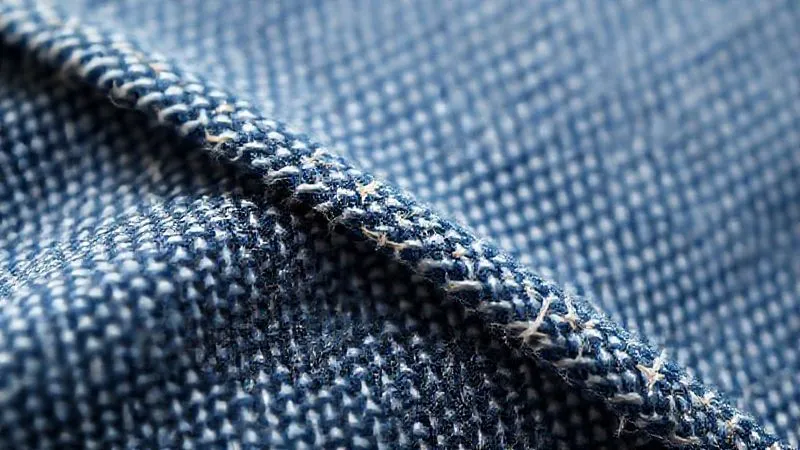
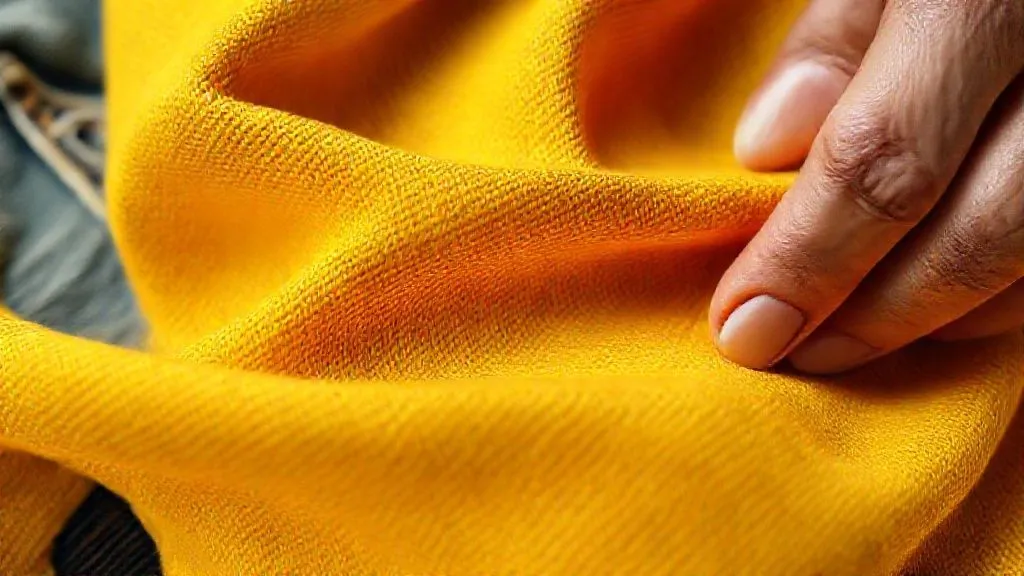
The way yarns are interlaced or interlooped plays a monumental role in a fabric's resistance to tearing, abrasion, and stretching. Consider the difference between a plain weave and a twill weave: twills, with their diagonal rib patterns, generally offer superior durability and drape because of the closer packing of yarns and longer floats that distribute stress more effectively. Ripstop weaves, which incorporate thicker reinforcement threads at regular intervals, are another excellent example, preventing small tears from propagating across the fabric. These techniques don't add new materials but optimize the existing ones.
Beyond weaving, advanced knitting techniques can also contribute significantly. Technical knits, for instance, can incorporate varied stitch densities or patterns in different zones of a garment to provide localized reinforcement where wear is most likely. Full-fashioned knitting, which shapes the garment directly on the machine, reduces waste and can create seamless, stronger stress points. The goal is to maximize the inherent strength of the natural fibers through clever structural engineering.
- Twill Weaves: Offer excellent abrasion resistance and tear strength due to dense construction.
- Ripstop Weaves: Prevent tear propagation with reinforced grid patterns, ideal for outdoor gear.
- Leno Weaves: Create stable, open structures with good burst strength, useful for netting or mesh.
- High-Density Weaves: Tightly packed yarns reduce snagging and improve overall resilience.
- Multi-Layer Fabrics: Combining different weave structures or fiber types in layers for composite strength.
4.2 Smart Textiles and Reinforcement Zones
The concept of 'smart' structural design extends to strategically reinforcing specific zones within a textile that are prone to wear. Think about the elbows of a jacket, the knees of trousers, or the cuffs of a shirt – these areas experience the most abrasion. Instead of making the entire fabric unnecessarily thick or heavy, designers can integrate localized reinforcements using denser weaves, additional layers of fabric, or even by incorporating stronger, biodegradable yarns in those specific areas during the weaving process. This targeted approach optimizes material use and maintains the overall lightweight and comfort of the garment.
"Durability is not just about material science; it's also about intelligent design. By understanding wear patterns and engineering textiles at the structural level, we can significantly extend product life without compromising the natural beauty or biodegradability of the fibers."
Furthermore, advancements in digital weaving and knitting technologies allow for unprecedented precision in creating these complex structures. Computer-aided design (CAD) can simulate stress points and optimize weave patterns before a single thread is woven, leading to more efficient and effective durability enhancements. This blend of traditional craftsmanship and modern technology is truly exciting for the future of natural fiber textiles. This is an area where I've spent considerable time advising brands on how to integrate these principles into their product development cycles.
The Lifecycle Approach: Assessing True Biodegradability
While enhancing durability is crucial, it's equally vital to ensure that these innovations genuinely maintain biodegradability. In the world of textile innovation, 'biodegradable' is a term often misused. As an industry specialist, I emphasize that true biodegradability means a material can fully break down into natural components (water, CO2, biomass) within a reasonable timeframe in a specific environment (e.g., industrial compost, home compost, soil, marine) without leaving harmful residues. It's not enough for a fiber to simply break into smaller pieces; those pieces must be consumed by microorganisms.
This necessitates a rigorous lifecycle assessment (LCA) for any new material or treatment. An LCA evaluates the environmental impacts of a product throughout its entire life cycle, from raw material extraction to disposal. For durability enhancements, this means assessing the environmental footprint of the treatment chemicals, the energy used in application, and critically, the end-of-life fate of the modified fiber. Does it meet standards like ASTM D6400 (for industrial composting) or EN 13432? Does it contribute to microplastic pollution?
In my experience, transparency and third-party certification are paramount. Brands must be able to provide clear evidence and certifications for the biodegradability claims of their enhanced natural fibers. This builds consumer trust and ensures that our efforts to create durable materials don't inadvertently create new environmental problems. The goal is to design materials that are robust during their use phase and seamlessly re-enter natural cycles at their end-of-life, embodying the true spirit of a circular economy. A recent study published in Nature Sustainability highlights the critical importance of rigorous biodegradability testing for novel materials.
Navigating Challenges and Future Directions
Implementing these advanced strategies for enhancing natural fiber durability without compromising biodegradability is not without its challenges. Cost is often a primary hurdle; novel bio-based materials and enzymatic treatments can initially be more expensive than conventional synthetic alternatives. Scalability is another concern, as moving from laboratory success to industrial-scale production requires significant investment and process optimization. Furthermore, consumer perception and education are vital. Many consumers are accustomed to the performance of synthetic blends and may need to be educated on the unique benefits and care requirements of these new, enhanced natural textiles.
Regulatory frameworks also play a role. As the industry evolves, clearer standards for biodegradability, compostability, and the use of bio-based chemicals are needed to ensure consistency and prevent greenwashing. Investing in research and development remains critical to discover new biopolymers, refine enzymatic processes, and develop even more sophisticated structural designs. Collaboration between material scientists, textile engineers, designers, and brands will accelerate progress.
Looking ahead, I foresee a future where natural fibers, bolstered by these intelligent enhancements, will increasingly displace conventional synthetics in performance applications. Advances in genetic engineering could even lead to natural fibers with inherently superior durability characteristics. The journey is complex, but the destination—a textile industry that truly harmonizes with nature—is well worth the effort. It's about designing for longevity, and then designing for a graceful return, a concept that underpins the very essence of sustainable innovation.
Frequently Asked Questions (FAQ)
Can these treatments be applied to existing fabrics, or only to raw fibers? Many of the bio-based coatings and some enzymatic treatments can be applied to existing fabrics, either during the finishing stage or even as a post-purchase treatment for consumers. However, more intensive fiber modification techniques, such as certain cross-linking methods or optimized blending, are typically integrated earlier in the textile production chain, often at the yarn or raw fiber stage, to achieve the most effective and uniform results. The choice depends on the specific treatment and desired outcome.
What's the cost implication of these innovations for consumers? Initially, products featuring these cutting-edge durability enhancements may carry a higher price point due to research and development costs, specialized materials, and smaller production scales. However, as these technologies mature, become more widely adopted, and economies of scale are achieved, I anticipate prices will become more competitive. Furthermore, the extended lifespan of the products themselves offers a long-term cost saving for consumers, reducing the need for frequent replacements.
How do I verify the biodegradability claims of a product? To verify biodegradability claims, look for third-party certifications such as TÜV AUSTRIA's OK compost INDUSTRIAL or OK compost HOME, BPI (Biodegradable Products Institute) certification, or other labels that adhere to international standards like ASTM D6400 (for industrial composting) or EN 13432. These certifications indicate that the material has undergone rigorous testing and meets specific criteria for biodegradability in defined environments. Always be wary of vague 'eco-friendly' claims without supporting evidence.
Are there any natural fibers that are inherently more durable than others? Yes, absolutely. Fibers like hemp, linen (flax), and jute are known for their exceptional tensile strength and durability compared to cotton, primarily due to their higher lignin content and longer, stronger individual fibers. While they might be coarser, their inherent robustness makes them excellent candidates for applications requiring high performance. Blending these with softer fibers, as discussed, is a great strategy to combine strength with comfort.
What role does consumer care play in the durability of natural fiber products? Consumer care plays a monumental role. Even the most durable natural fiber product can be compromised by improper washing, drying, or storage. Harsh detergents, high heat, and excessive abrasion in laundry can accelerate degradation. Educating consumers on gentle care practices, cold washes, air drying, and proper storage can significantly extend the lifespan of natural fiber textiles, complementing the durability enhancements integrated during manufacturing. It's a partnership between producer and consumer.
Key Takeaways and Final Thoughts
As we navigate the complexities of sustainable textile production, the challenge of enhancing natural fiber durability without compromising biodegradability stands as a pivotal hurdle. My journey through this industry has reinforced my belief that innovative solutions are not only possible but imperative for a truly circular economy. We've explored four powerful strategies that provide actionable pathways forward:
- Bio-Based Coatings: Utilizing biopolymers like chitosan and PLA to create protective, yet compostable, surface layers.
- Advanced Fiber Modification: Employing enzymatic treatments and biodegradable cross-linking agents to reinforce the fiber's internal structure.
- Synergistic Blending: Combining natural fibers with high-performance bio-based fibers like Lyocell or PHA to leverage complementary strengths.
- Innovative Structural Design: Engineering textiles through advanced weaving and knitting to build intrinsic strength and targeted reinforcement.
The convergence of material science, textile engineering, and a deep commitment to sustainability offers a compelling vision for the future. By embracing these intelligent, eco-conscious approaches, we can create natural fiber textiles that not only meet the demanding performance needs of today but also gracefully return to the earth, leaving a positive legacy for generations to come. The journey towards truly sustainable and durable textiles is an ongoing one, but with these innovations, we are well on our way.
Recommended Reading
- 7 Proven Strategies: How to Boost Traditional Wedding Gown Sales in a Modern Market?
- 7 Breakthroughs: Enhancing Wearer Comfort in Rigid 3D Printed Fabrics
- 7 Steps: How to Resolve Unhappy Fashion Brand Collaboration Feedback?
- 5 Critical Steps: What to Do When a Custom Bridal Gown Arrives Flawed
- 7 Legal Pillars: Protect Unique Costume Jewelry Designs from Copying


Your email address will not be published. Required fields are marked *