

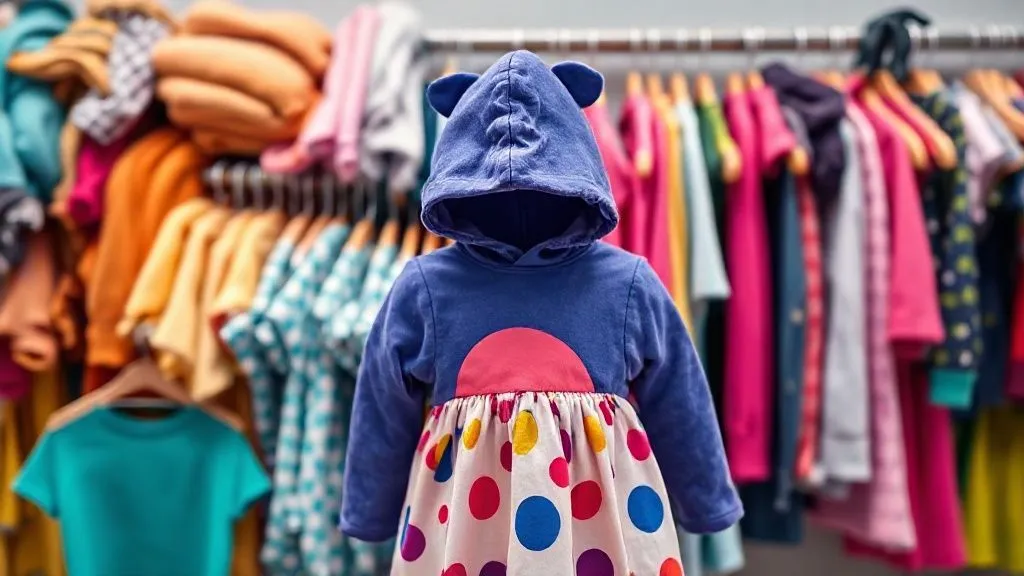
How to Differentiate Playful Kids Fashion Designs in a Crowded Market?
For over 15 years in the dynamic world of kids' fashion, I've witnessed the industry evolve from a charming niche to a bustling, often overwhelming, marketplace. The biggest challenge I've observed isn't a lack of creativity or passion among designers, but rather the struggle for visibility. I've seen countless brilliant, truly unique playful designs get lost in the noise, simply because their creators didn't grasp the fundamental principles of genuine differentiation.
Today, the market is absolutely flooded with 'playful' designs, making it incredibly hard for new brands, and even some established ones, to carve out a distinctive identity. Parents, the ultimate gatekeepers, are overwhelmed by choice, and products often become commoditized, leaving little room for a brand's unique spark to shine. How do you ensure your vibrant vision, your carefully crafted playful pieces, aren't just another drop in a very colorful, yet indistinguishable, ocean?
This article isn't about quick fixes or superficial marketing tricks. It's about building a resilient, distinctive brand foundation that endures. I'll share actionable frameworks, insights gleaned from market leaders, and my own hard-won experience to help you not just stand out, but truly thrive. We'll explore everything from deeply understanding your core audience to crafting unforgettable brand stories and innovating beyond mere aesthetics.
Unearthing Your Unique Niche: Beyond "Playful"
The term "playful" in kids' fashion is, frankly, too broad to be a differentiator on its own. Every brand aims for it. Your first step in truly standing out is to dig deeper and define what specific kind of playful you are, and for whom. This requires precision in understanding your target audience.
Defining Your Micro-Audience
Forget broad demographics like "parents of 3-7 year olds." We need to delve into psychographics. What are their values, their aspirations, their pain points when it comes to dressing their children? Are they:
- Eco-conscious parents seeking sustainable, organic, and ethically produced playful wear?
- Parents of sensory-sensitive children needing playful designs with specific fabric textures, tag-free constructions, or adaptive features?
- Adventure-seeking families looking for durable, functional, yet whimsical outdoor apparel?
- Parents who prioritize gender-neutral or inclusive designs that challenge traditional norms?
Understanding these nuances allows you to tailor your entire offering, from design to marketing, to resonate deeply with a specific group.
Actionable Steps to Define Your Audience:
- Conduct In-Depth Interviews: Talk to real parents. Ask about their struggles, their joys, and what they truly value in children's clothing.
- Create Detailed Personas: Develop 2-3 fictional customer profiles with names, backstories, values, and purchasing habits.
- Analyze Competitors' Gaps: Where are existing "playful" brands failing to meet specific needs or preferences?
- Utilize Social Listening: Monitor online conversations in parenting groups and forums to identify unspoken desires and frustrations.
The Power of a Distinctive Design Philosophy
Once you know your micro-audience, you can define what makes your playful different. Is your brand's playfulness rooted in:
- Educational elements: Designs that teach colors, shapes, or foster curiosity?
- Sustainable innovation: Playful designs made from upcycled materials or with zero-waste patterns?
- Culturally rich storytelling: Infusing playful designs with global folklore or diverse narratives?
- Sensory engagement: Clothes that invite touch, sound, or interaction beyond just visual appeal?
"Differentiation isn't just about what you sell, but fundamentally about why you sell it and who you sell it to. Your philosophy is your compass."
By clearly articulating this unique design philosophy, you move beyond generic 'playful' into a distinctive niche. This becomes your brand's North Star, guiding every design decision and marketing message.
Crafting an Irresistible Brand Story & Identity
In a market awash with products, a compelling brand story is no longer a luxury; it's a necessity. Your story is the emotional bridge between your designs and your customer's heart, transforming a transactional purchase into a meaningful connection.
Beyond Logos: The Narrative of Your Brand
Your brand story should answer the fundamental questions: Why does your brand exist? What values do you uphold? What mission drives you? It's not just about the founder's journey; it's about the bigger purpose. For instance, is your brand born from a desire to empower children through imaginative play, or to protect their future through sustainable practices?
As marketing guru Seth Godin often says, people don't buy what you do, they buy why you do it. Your narrative should be consistent across all touchpoints, from your website's 'About Us' page to your social media captions and even the tags on your garments. A powerful story creates resonance and makes your brand memorable. According to a Harvard Business Review article on brand storytelling, narratives can significantly increase brand recall and emotional engagement.
Visual & Experiential Consistency
A strong brand identity extends far beyond your logo. It encompasses every visual and sensory element that interacts with your customer. This holistic approach ensures that every experience with your brand reinforces its unique personality.
- Color Palette & Typography: Are they vibrant and energetic, or soft and comforting? Do they align with your specific 'playful' niche?
- Brand Voice: Is your communication style whimsical, educational, empowering, or reassuring?
- Packaging: An often-overlooked opportunity. Can your packaging be playful, reusable, or tell a part of your story?
- Sensory Branding: Consider the feel of your fabrics, perhaps a subtle, child-friendly scent in your stores or packaging, or even the sound your clothes make (think rustling elements or soft chimes).
Every element should speak the same language, creating an immersive and unforgettable brand world for your customers and their children.
Innovation in Design: Beyond Trends
While staying aware of trends is important, true differentiation comes from innovation that solves problems or creates new experiences, rather than simply following the latest fad. Your playful designs should offer more than just aesthetic appeal.
Functionality Meets Fantasy
The most successful playful designs often seamlessly integrate practical features with imaginative aesthetics. Think about the specific needs of children and parents. Can your designs offer:
- Adjustable Sizing: Garments that grow with the child, extending their lifespan.
- Sensory-Friendly Fabrics: Soft, non-irritating materials for sensitive skin, or textures that encourage tactile exploration.
- Hidden Pockets & Compartments: For small treasures, adding an element of discovery.
- Interactive Elements: Glow-in-the-dark prints, reversible designs with different patterns, or patches that can be swapped.
- Durability & Ease of Care: Parents appreciate clothes that withstand play and are easy to wash.
These thoughtful considerations elevate your playful designs from mere clothing to cherished items that enhance a child's experience and simplify a parent's life. This blend of fantasy and function is a powerful differentiator.
Sustainable & Ethical Playfulness
The conscious consumer market is rapidly expanding, and this is a significant opportunity for differentiation. Parents are increasingly concerned about the environmental and social impact of their purchases. Integrating sustainability into your core brand values can make your playful designs stand out.
- Organic & Recycled Materials: Using GOTS-certified organic cotton, recycled polyester, or innovative plant-based fabrics.
- Ethical Production: Transparency about your supply chain, fair labor practices, and safe working conditions.
- Circular Design: Creating garments that can be repaired, upcycled, or composted at the end of their life cycle.
- Minimized Waste: Designing with zero-waste patterns or using fabric scraps for accessories.
"True innovation in kids' fashion isn't just about new patterns; it's about new paradigms – embracing sustainability, functionality, and genuine child-centric design."
By making sustainability an intrinsic part of your playful brand, you appeal to a growing segment of mindful parents and contribute positively to the planet, differentiating yourself from fast-fashion alternatives.

Building Community & Engagement, Not Just Customers
In a crowded market, simply selling clothes isn't enough. You need to foster a sense of belonging, a community around your brand. This transforms passive consumers into active advocates and generates invaluable word-of-mouth marketing.
Co-creation with Your Audience
Involving children and their parents in the design process is a powerful way to build engagement and loyalty. This isn't just a marketing gimmick; it's a genuine way to ensure your designs resonate deeply with your target market.
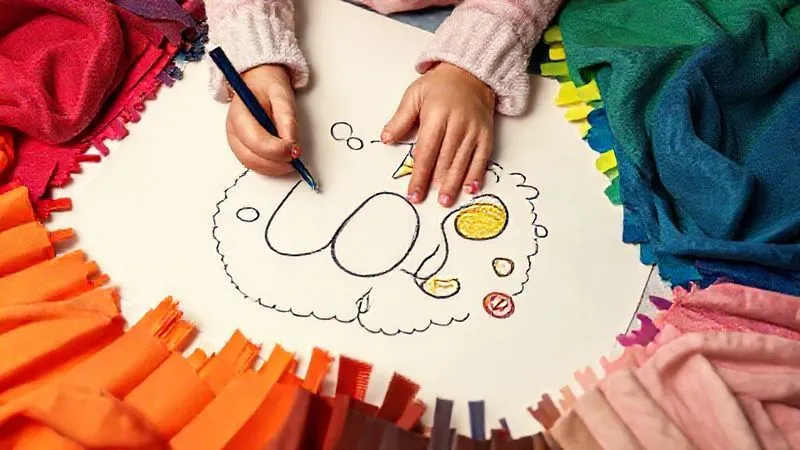
- Design Contests: Invite children to submit drawings or ideas for upcoming collections.
- Feedback Panels: Create a small group of parent-child testers for new prototypes.
- Social Media Polls: Let your audience vote on fabric choices, print variations, or new product categories.
When customers feel they have a stake in your brand, they become its most passionate ambassadors. This approach generates authentic user-generated content and strengthens brand loyalty significantly.
Leveraging Influencers & Micro-Communities
While celebrity endorsements might be out of reach for many, authentic partnerships with micro-influencers and within niche online communities can be incredibly effective. Look for:
- Parents who genuinely embody your brand's values and have engaged followers.
- Bloggers or Instagrammers focused on specific niches (e.g., Waldorf education, outdoor family adventures, special needs parenting).
- Online forums or Facebook groups where your micro-audience congregates.
Focus on building long-term relationships rather than one-off paid posts. As outlined by Forbes, micro-influencers often deliver higher engagement rates and build more trust due to their perceived authenticity.
Case Study: How WhimsyWear Built a Loyal Tribe
WhimsyWear, a small brand specializing in imaginative, eco-friendly kids' clothing, struggled with initial market penetration despite having truly unique designs. Instead of traditional advertising, they launched a "Playful Pioneers" program, inviting their earliest customers to submit design ideas and vote on upcoming collections. The winning designs were produced as limited editions, with credit given to the young designers and their families. This strategy not only generated incredible buzz and user-generated content across social media but also fostered a deep sense of ownership and loyalty among their target audience. This innovative approach led to a 40% increase in repeat purchases within a year and significantly reduced their customer acquisition costs, proving that community can be your most powerful marketing channel.
Strategic Pricing & Perceived Value
Many brands make the mistake of underpricing their unique designs, fearing they can't compete with mass-market retailers. However, if you've successfully differentiated, you're not competing on price; you're competing on value.
Value-Based Pricing, Not Cost-Plus
Your pricing strategy should reflect the unique value your playful designs offer. This isn't just about the cost of materials and labor; it's about the perceived value derived from:
- Superior Quality: Durable, long-lasting garments that justify a higher initial investment.
- Unique Design & Story: Exclusivity, artistic expression, and the emotional connection to your brand's narrative.
- Sustainable & Ethical Production: The peace of mind that comes from conscious consumption.
- Innovative Features: The functionality and interactive elements that enhance a child's experience.
- Limited Editions & Exclusivity: Creating a sense of urgency and desirability.
Communicate this value clearly. Educate your customers on why your clothes cost what they do, highlighting the craftsmanship, materials, and ethical practices involved. This builds trust and justifies a premium price point.
Bundling & Experiential Offers
To further enhance perceived value and encourage larger purchases, consider creative bundling or experiential offers:
- Curated Outfits: Offer complete, styled looks that take the guesswork out of dressing.
- Subscription Boxes: Deliver seasonal collections or themed outfits directly to customers.
- Add-on Experiences: Offer personalized embroidery, a matching storybook, or a DIY craft kit that complements your clothing line.
These approaches transform a simple product purchase into a richer, more engaging experience, further distinguishing your brand.
| Differentiation Strategy | Perceived Value | Pricing Implication |
|---|---|---|
| Unique Design Philosophy | Exclusivity, Artistic Expression | Premium, Collection-based |
| Sustainable & Ethical Practices | Conscious Choice, Durability | Mid-to-High, Justified by Impact |
| Interactive & Functional Features | Engagement, Practicality, Longevity | Mid-to-Premium, Value-added |
Mastering Distribution: Where and How You Sell
Your distribution strategy is just as crucial as your design. The channels you choose to sell through must align with your brand identity and reach your specific micro-audience effectively. Selling everywhere indiscriminately can dilute your brand's unique appeal.
Curated Retail Partnerships
Rather than trying to get into every store, be selective. Seek out retail partners who share your brand's values and cater to your target demographic. This could include:
- Independent Boutiques: Stores known for unique, artisanal, or ethically sourced children's items.
- Concept Stores: Retail spaces that offer an immersive shopping experience and tell a story.
- Specialty Online Marketplaces: Platforms focused on sustainable, handmade, or niche children's goods.
A limited, well-chosen distribution network can enhance your brand's exclusivity and perceived value. It ensures your playful designs are seen in the right context, alongside complementary brands.
Direct-to-Consumer (DTC) Excellence
Operating a strong Direct-to-Consumer channel gives you unparalleled control over the entire customer journey, from initial discovery to post-purchase support. This is where your brand's unique personality can truly shine.
- Personalized Online Experience: A beautifully designed website that tells your story and highlights your unique selling points.
- Unique Unboxing: Make the arrival of your package an event. Think handwritten notes, playful tissue paper, or small, branded gifts.
- Direct Feedback Loop: Engage directly with customers, gather insights, and build relationships that strengthen loyalty.
As highlighted by Deloitte insights on DTC models, this approach allows for deeper customer relationships and greater control over brand messaging, which is vital for differentiation.
Leveraging Digital Storytelling & SEO
In today's world, your digital presence is often the first, and sometimes only, impression potential customers have of your brand. It must be as playful, unique, and compelling as your physical designs.
Visual Content That Captivates
High-quality, authentic visual content is non-negotiable. Don't just show the clothes; show them in action, evoking the emotions and experiences your brand promises.
- Lifestyle Photography: Images of children genuinely playing, exploring, and being themselves in your clothes.
- Short-Form Video: Reels and TikToks showcasing the interactive features, the durability, or the story behind a design.
- Behind-the-Scenes: Share glimpses of your design process, your sustainable practices, or the people behind your brand to build authenticity.
Focus on creating a consistent visual aesthetic that immediately communicates your unique brand of playfulness. This visual language is a key differentiator in a scroll-heavy digital landscape.
Content Marketing Beyond Product Pages
Your website and social media channels should be more than just a catalog. Become a valuable resource for your target audience by creating content that resonates with their interests and pain points.
- Blog Posts: Write about topics relevant to your micro-audience, such as "5 Ways to Foster Imaginative Play," "The Benefits of Sensory-Friendly Clothing," or "Choosing Sustainable Fabrics for Your Little Ones."
- Educational Guides: Create downloadable guides on topics like capsule wardrobes for kids or ethical consumption.
- Interactive Quizzes: Engage visitors with fun quizzes like "What's Your Child's Play Style?" that lead to product recommendations.
"In a crowded digital space, your brand's story, told through valuable content, is your most potent SEO tool and your strongest differentiator."
By providing genuine value, you attract organic traffic, establish your brand as an authority, and build a loyal audience that trusts your recommendations, including your playful fashion designs. Integrate relevant keywords naturally throughout your content to enhance discoverability.
Continuous Evolution & Listening to Your Market
The kids' fashion landscape is constantly shifting, influenced by trends, parenting philosophies, and global events. True differentiation isn't a one-time achievement; it's an ongoing process of learning, adapting, and innovating.
Feedback Loops & Iteration
Establish robust mechanisms for gathering customer feedback and genuinely acting upon it. This demonstrates that you value your community and are committed to continuous improvement.
- Post-Purchase Surveys: Ask specific questions about product satisfaction, fit, and areas for improvement.
- Social Media Listening: Monitor mentions, comments, and direct messages for insights into customer sentiment and emerging needs.
- Direct Customer Interaction: Engage with customers at events, pop-ups, or through personalized email responses.
An agile design and production process that allows for quick iteration based on feedback can be a significant differentiator, showing your responsiveness and commitment to your audience.
Anticipating Future Trends
Beyond fleeting fashion trends, keep an eye on broader societal shifts that impact parenting and children's lives. Consider:
- Technological Advancements: How might smart textiles or interactive digital elements integrate with playful clothing?
- Changing Parenting Philosophies: The rise of conscious parenting, minimalist parenting, or nature-based education.
- Global Challenges: How can your brand address concerns like climate change or inclusivity through design and messaging?
By being proactive and anticipatory, you can position your brand not just as a follower, but as a leader shaping the future of playful kids' fashion. This forward-thinking approach is a powerful way to stay ahead in a crowded market.
| Feedback Mechanism | Frequency | Actionable Insight |
|---|---|---|
| Online Surveys/Polls | Quarterly | Identify popular design elements, unmet needs |
| Social Media Engagement | Daily/Weekly | Gauge real-time sentiment, spark co-creation ideas |
| Direct Customer Interviews | Bi-annually | Deep dive into pain points, uncover unexpected desires |
Frequently Asked Questions (FAQ)
Q: How can a small brand effectively compete with large retailers offering similar playful designs? A: Small brands differentiate by focusing on niche, authenticity, and personalized experiences that large retailers struggle to replicate. Instead of competing on price or volume, lean into your unique story, ethical practices, superior quality, and direct customer relationships. Your agility allows for quicker adaptation and deeper connection with your micro-audience, making your brand feel special and exclusive.
Q: Is it possible to be both playful and sustainable without significantly increasing costs? A: While there can be an initial investment in sourcing sustainable materials and ethical production, it's absolutely possible. Focus on smart design choices like durability and timelessness (reducing consumption), using innovative recycled materials, and transparent local production where feasible. Communicate the long-term value and positive impact to your customers, justifying any slight price difference. Many consumers are willing to pay more for sustainable options.
Q: What's the biggest mistake brands make when trying to differentiate in kids' fashion? A: The biggest mistake is superficial differentiation – trying to be 'different' without a deep understanding of 'why' or 'for whom.' This often results in chasing trends, using generic marketing language, or simply adding a unique pattern without addressing a deeper customer need or offering genuine value. True differentiation comes from a cohesive brand philosophy, innovative design, and authentic connection, not just surface-level aesthetics.
Q: How do I measure if my differentiation strategy is actually working? A: You can measure it through several key performance indicators (KPIs): increased brand recognition (surveys, social media mentions), higher customer loyalty and repeat purchase rates, reduced customer acquisition cost (CAC), stronger engagement on social media, premium pricing acceptance, and positive customer reviews highlighting your unique attributes. A higher average order value (AOV) can also indicate success in perceived value.
Q: My designs are unique, but sales are slow. What am I missing? A: Unique designs are only one piece of the puzzle. Slow sales often indicate a disconnect in other areas: perhaps your target audience isn't clearly defined, your brand story isn't resonating, your marketing isn't reaching the right people, or your distribution channels aren't aligned with your niche. Revisit your entire strategy, from audience understanding and brand messaging to marketing channels and pricing, to identify where the breakdown is occurring. A truly unique product needs an equally unique and coherent strategy to succeed.
Key Takeaways and Final Thoughts
Navigating the crowded market of playful kids' fashion requires more than just creative designs; it demands a strategic, holistic approach to brand building. As I've outlined, differentiation is about carving out a distinct identity that resonates deeply with a specific audience, creating value beyond aesthetics, and fostering genuine connections.
- Deep Niche Understanding: Go beyond broad demographics to understand the psychographics of your micro-audience.
- Authentic Brand Story: Craft a compelling narrative that answers 'why' your brand exists and connects emotionally.
- Innovative, Functional Design: Integrate practicality with playfulness, and consider sustainability as a core differentiator.
- Community Building: Engage your audience, invite co-creation, and leverage authentic influencers.
- Strategic Value-Based Pricing: Price for the unique value you offer, not just the cost of production.
- Thoughtful Distribution: Choose channels that align with your brand's exclusivity and reach your target effectively.
- Powerful Digital Presence: Use captivating visuals and valuable content to tell your story and attract your audience.
- Continuous Adaptation: Implement feedback loops and anticipate future trends to stay relevant and innovative.
The journey to differentiate your playful kids' fashion brand may seem daunting, but it's incredibly rewarding. By focusing on these principles, you're not just selling clothes; you're building a brand with purpose, creating cherished experiences for children, and fostering a loyal community. Embrace your unique vision, stay true to your values, and watch your brand not just stand out, but truly flourish in this vibrant market. Your unique spark is waiting to ignite!
Recommended Reading
- Scaling Luxury Artisan Production: 7 Strategies to Preserve Unique Quality
- 8 Proven Steps: What to Do When Unique Jewelry Designs Get Copied by Competitors?
- 7 Pillars: Retaining Master Artisan Skills for Luxury Brand Legacy
- 7 Strategies to Slash Biodegradable Fabric Scaling Costs & Boost Innovation
- Petite Perfection: Your Guide to Classic Wardrobe Essentials




Your email address will not be published. Required fields are marked *