

How to Differentiate Authentic Organic Beauty from Greenwashing?
For over 15 years in the beauty and fashion industry, I've witnessed a seismic shift in consumer demand towards 'clean' and 'organic' products. What started as a genuine movement for healthier, more sustainable choices has unfortunately given rise to a murky phenomenon: greenwashing. I've seen countless brands capitalize on this trend, creating a bewildering landscape for conscious consumers.
The problem is pervasive. Consumers, like you, are genuinely seeking products that align with their values – safer for their bodies, kinder to the planet. Yet, the lack of standardized regulations in many regions allows brands to make vague, misleading claims, leaving you feeling frustrated, duped, and unsure if you're truly buying what you think you are.
But fear not. In this definitive guide, I'll share my expert framework and actionable insights, born from years of scrutinizing product labels, auditing brand practices, and understanding the intricate world of organic certifications. You'll learn not just to identify greenwashing, but to confidently choose genuinely authentic organic beauty products, empowering your purchase decisions with knowledge and trust.
Understanding the Organic Label: More Than Just a Buzzword
The term 'organic' is often thrown around casually, but in the context of beauty, it should signify a rigorous standard. It means ingredients were grown without synthetic pesticides, herbicides, GMOs, or sewage sludge. It speaks to soil health, biodiversity, and sustainable farming practices. However, many brands will use 'natural' or 'eco-friendly' interchangeably, which are entirely different and often unregulated terms.
In my experience, a truly organic product isn't just about the absence of negatives; it's about the presence of positives – vibrant, pure ingredients cultivated with respect for the environment. Without understanding this fundamental distinction, the journey to authentic beauty is fraught with missteps.
The Gold Standard: Certifications You Can Trust
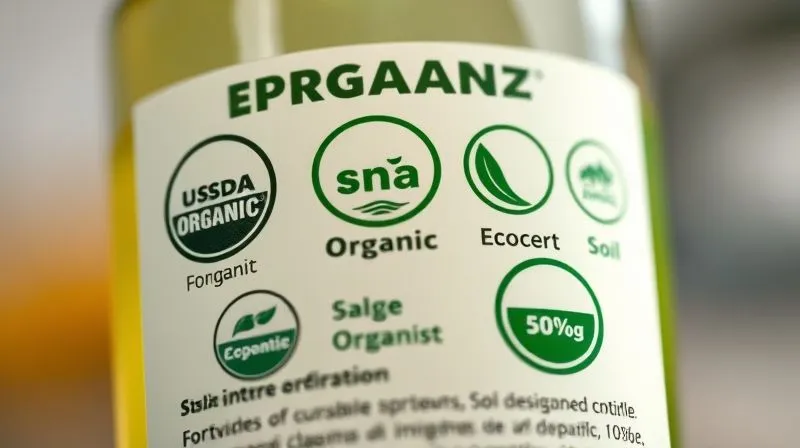
This is where the rubber meets the road. While self-proclaimed 'organic' claims can be dubious, third-party certifications are your most reliable allies. They involve stringent audits of ingredients, manufacturing processes, packaging, and even marketing claims. I always advise my clients to look for these seals:
- USDA Organic (USA): The gold standard. '100% Organic' means all ingredients are organic. 'Organic' (95%+) allows for some non-organic ingredients if not commercially available. 'Made with Organic Ingredients' (70%+) indicates fewer organic components.
- Ecocert/COSMOS Organic (International): A leading global standard. COSMOS Organic requires 95% of physically processed agro-ingredients and 20% of the total product to be organic (10% for rinse-off products).
- Soil Association Organic (UK): Similar to Ecocert, with a strong focus on sustainability and ethical sourcing.
- Natrue (Europe): Distinguishes between 'natural cosmetics' and 'organic cosmetics,' with the latter having stricter requirements for organic content.
- Australian Certified Organic (ACO): Another robust standard, widely recognized for its strict criteria.
These certifications are not cheap or easy to obtain, which is why brands that genuinely invest in them are usually committed to their organic principles. Always look for the logo prominently displayed.
Deciphering Ingredient Lists: Your Ultimate Greenwashing Detector
The ingredient list, or INCI (International Nomenclature of Cosmetic Ingredients) list, is the true heart of any beauty product. Greenwashing often hides in plain sight here. Brands might feature a single organic extract on the front label, while the bulk of the product is synthetic or questionable.
My rule of thumb: ingredients are listed in descending order of concentration. If that 'organic lavender' is at the very bottom, it's likely present in negligible amounts. Focus on the first five to seven ingredients – they make up the majority of the product.
Common Greenwashing Ingredients to Watch For
While a full list is extensive, here are some key categories and specific ingredients that should raise a red flag, often found in products claiming to be 'natural' but are far from organic:
- Parabens: (e.g., Methylparaben, Propylparaben) – Preservatives linked to endocrine disruption.
- Phthalates: (e.g., Dibutyl phthalate, Diethyl phthalate) – Often hidden in 'fragrance,' linked to reproductive issues.
- Synthetic Fragrances/Perfume: A single term that can hide hundreds of undisclosed chemicals, many of which are allergens or endocrine disruptors.
- Sodium Lauryl Sulfate (SLS) / Sodium Laureth Sulfate (SLES): Harsh detergents that can irritate skin.
- Mineral Oil/Petroleum: By-products of petroleum, occlusive and can clog pores.
- Formaldehyde-releasing Preservatives: (e.g., DMDM Hydantoin, Imidazolidinyl Urea) – Can release formaldehyde, a known carcinogen.
- Certain Silicones: (e.g., Cyclopentasiloxane, Cyclotetrasiloxane) – Some are persistent in the environment and may be endocrine disruptors.
Conversely, authentic organic products will feature a majority of recognizable plant-derived ingredients, often followed by their organic certification status (e.g., *Aloe Barbadensis Leaf Juice (Organic)*).
| Ingredient Type | Greenwashing Red Flag | Authentic Organic Alternative |
|---|---|---|
| Preservatives | Parabens, Formaldehyde-releasers | Potassium Sorbate, Sodium Benzoate, Radish Root Ferment Filtrate |
| Surfactants | SLS, SLES | Decyl Glucoside, Coco Glucoside |
| Fragrance | 'Fragrance' (unspecified) | Essential Oils (e.g., Lavandula Angustifolia Oil (Organic)) |
| Emollients | Mineral Oil, Petrolatum | Organic Jojoba Oil, Organic Shea Butter |
Beyond the Bottle: Investigating Brand Transparency and Ethics
Authentic organic beauty isn't just about ingredients; it's about the entire philosophy of a brand. Greenwashing often stops at the product label, but a truly ethical brand will have transparency woven into its DNA. I always encourage digging a little deeper than the front-facing marketing.
Questions to Ask About a Brand's Commitment
- Sourcing Practices: Do they disclose where and how their ingredients are sourced? Are they fair trade?
- Manufacturing: Do they own their manufacturing facilities or use third parties? What are their energy and waste management policies?
- Animal Testing: Are they certified cruelty-free by organizations like Leaping Bunny or PETA?
- Social Responsibility: Do they give back to communities or support environmental causes?
- Certifications Beyond Organic: Do they have B Corp certification, signifying high standards of social and environmental performance, transparency, and accountability?
Case Study: How 'EcoGlow Cosmetics' Transformed for True Transparency
EcoGlow Cosmetics, once a mid-sized brand known for its 'natural' positioning, faced declining trust due to vague claims and a lack of verifiable sourcing. Their initial 'eco-friendly' line was largely greenwashed. Recognizing the shift in consumer demand for genuine transparency, they embarked on a radical transformation. First, they partnered with an independent auditor to map their entire supply chain, from farm to factory. They invested in USDA Organic certification for their flagship products, reformulated to meet stringent criteria, and publicly shared their audit results and sustainability reports on their website.
This commitment wasn't just about ingredients; they transitioned to 100% recycled and recyclable packaging, implemented a water recycling system in their manufacturing plant, and initiated a 'tree for every purchase' program. While the initial investment was significant, their sales saw a 40% increase in two years, and customer loyalty soared, proving that genuine transparency and ethical practices resonate deeply with today's conscious consumer. This resulted in a complete brand overhaul and a renewed, trustworthy image.
The Power of Packaging: What Eco-Claims Really Mean
Packaging is a prime canvas for greenwashing. Brands often use earthy tones, leaf motifs, or vague terms like 'eco-conscious' or 'sustainable packaging' without any real substance. Don't be swayed by aesthetics alone. My advice is to scrutinize the materials and the claims.
"A truly sustainable package goes beyond recyclability; it considers the entire lifecycle – from sourcing raw materials, through manufacturing, transportation, consumer use, and end-of-life disposal. If a brand isn't discussing the full picture, they're likely missing a crucial piece of the sustainability puzzle."
Look for specific claims backed by data: 'made from 100% post-consumer recycled plastic,' 'compostable (certified to ASTM D6400),' or 'FSC-certified paperboard.' Even 'plant-based plastic' can be misleading if it's not compostable or recyclable within existing infrastructure. Some brands are even moving towards refillable systems, which is a fantastic step.
Navigating Marketing Hype: Spotting Misleading Language
Marketing language is designed to evoke emotion and desire, but in the organic beauty space, it's often used to obscure rather than clarify. Terms like 'pure,' 'clean,' 'detox,' 'skin food,' or 'botanical bliss' sound lovely, but they are entirely unregulated and provide no guarantee of organic integrity or safety. As a veteran in this industry, I've seen these terms used to mask formulations that are far from 'clean' or 'pure.'
Focus on verifiable facts, not poetic descriptions. Does the marketing copy highlight certifications? Does it detail sourcing? Does it explain *why* an ingredient is beneficial, rather than just calling it 'miraculous'?
Phrases That Should Trigger Your Greenwashing Alarm
- "Chemical-free": Everything is a chemical, including water. This is a scare tactic.
- "All natural": As discussed, this means very little without further context or certification.
- "Derived from nature": Many harmful chemicals can be 'derived from nature' (e.g., heavy metals).
- "Uses the power of plants": Vague and doesn't specify if the plants are organic, sustainably sourced, or present in effective concentrations.
- "Eco-friendly formula": Without specific details on what makes it eco-friendly, it's just marketing fluff.
Remember, genuine transparency usually means clear, concise, and verifiable information, not flowery, unsubstantiated promises.
Leveraging Third-Party Resources and Expert Reviews
You don't have to navigate the complex world of organic beauty alone. There's a wealth of valuable information available from independent sources that can help you cross-reference brand claims and product ingredients. I routinely consult these resources myself to stay informed and verify information.
Look for reputable beauty bloggers, environmental organizations, and consumer watchdog groups that specialize in ingredient analysis and ethical brand reviews. They often do the heavy lifting of research and provide unbiased insights. Websites like the Environmental Working Group's Skin Deep database (EWG Skin Deep) are invaluable tools for understanding ingredient safety.
| Resource Type | Example | Benefit |
|---|---|---|
| Ingredient Database | EWG Skin Deep | Detailed safety ratings for thousands of ingredients and products. |
| Certification Bodies | USDA Organic, Ecocert, Soil Association | Official lists of certified brands and products, ensuring compliance. |
| Ethical Consumer Guides | Ethical Consumer Magazine | In-depth brand reviews covering ethics, environment, and animal welfare. |
| Reputable Beauty Blogs/Journalists | Well-researched clean beauty blogs | Expert analysis, product recommendations, and investigative reporting. |
Embracing a Holistic Approach to Organic Beauty Choices
Ultimately, differentiating authentic organic beauty from greenwashing is about more than just checking boxes; it's about cultivating a mindset of informed skepticism and conscious consumption. It’s a journey, not a destination, and I've seen that the most empowered consumers are those who embrace this holistic perspective.
Your choices have power. Every purchase is a vote for the kind of industry you want to support. By becoming an educated consumer, you not only protect yourself but also drive positive change, pushing brands towards greater transparency and genuine sustainability. As Forbes often highlights, consumer demand is a powerful catalyst for corporate responsibility (Forbes on Consumer Power).
Actionable Steps for Conscious Consumption
- Start Small: Don't try to overhaul your entire beauty routine overnight. Pick one category (e.g., moisturizer) and commit to finding a truly organic option.
- Prioritize: Decide what's most important to you – organic ingredients, sustainable packaging, cruelty-free, fair trade. No brand is perfect, but you can find ones that align with your core values.
- Research Before You Buy: Make it a habit to check ingredient lists and look for certifications before adding to your cart.
- Support Independent Brands: Many smaller, indie brands are founded on strong ethical principles and transparency, though they might not have every major certification yet.
- Provide Feedback: If you encounter a brand making vague claims, reach out to them. Your questions can prompt change.
Key Takeaways and Final Thoughts
Navigating the complex world of organic beauty can feel overwhelming, but by arming yourself with knowledge and a discerning eye, you can confidently differentiate authentic organic products from clever greenwashing tactics. My years in this industry have taught me that true beauty lies not just in what we put on our skin, but in the integrity of the choices we make.
- Prioritize Certifications: Look for reputable third-party organic seals like USDA Organic, Ecocert, or Soil Association.
- Master Ingredient Lists: Understand INCI lists and identify common red-flag ingredients vs. genuine organic components.
- Investigate Brand Ethics: Look beyond the product to the company's overall transparency, sourcing, and sustainability practices.
- Analyze Packaging Claims: Distinguish between vague 'eco-friendly' terms and concrete, verifiable sustainability initiatives.
- Be Wary of Marketing Hype: Focus on factual, verifiable claims rather than emotional or unsubstantiated language.
- Utilize Third-Party Resources: Leverage databases and expert reviews to cross-reference information and build trust.
Remember, every informed choice you make contributes to a more honest, sustainable, and truly beautiful industry. Your commitment to authentic organic beauty is a powerful force for good, and with these tools, you are well-equipped to make choices that truly nourish both yourself and the planet. Continue to question, continue to learn, and choose with confidence.
Recommended Reading
- Cracking the Code: 7 Ways to Design Kids' Fashion Parents Actually Buy
- 7 Savvy Ways to Update Classic Accessories Without Looking Outdated
- 7 Steps: Quickly Authenticate Vintage Hermès Birkin Hardware
- 7 Steps: Accurately Appraise Rare Vintage Designer Pieces for Insurance
- Unleash Your Potential: How Compression Clothing Enhances Athletic Performance





Your email address will not be published. Required fields are marked *