

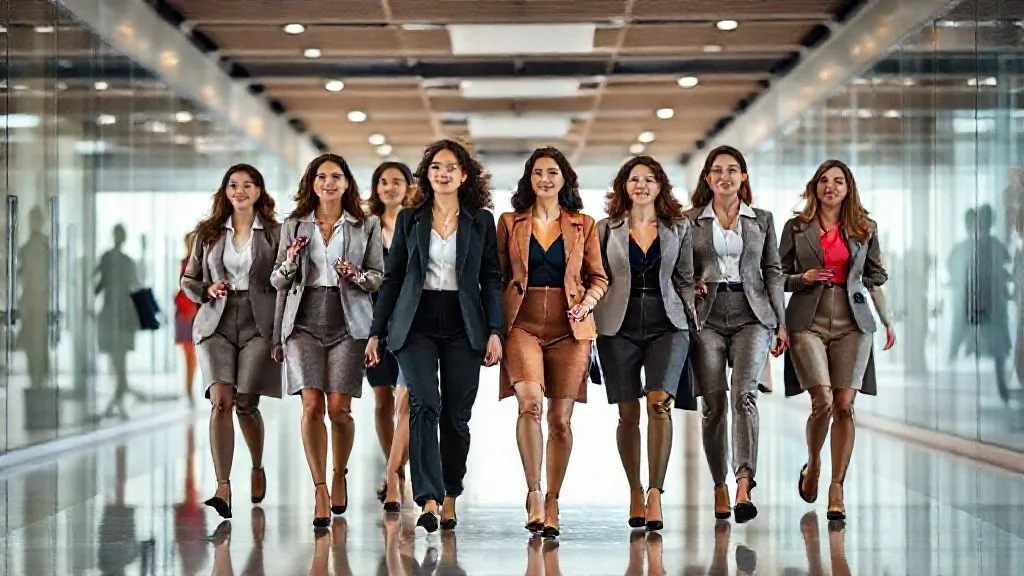
How to design feminine workwear that avoids outdated stereotypes?
For over two decades in the dynamic world of womenswear, I've witnessed a remarkable evolution in how women present themselves professionally. From the rigid, often restrictive styles of the past to today's demand for empowerment and authenticity, the journey has been transformative. Yet, a persistent challenge remains: how to craft workwear that celebrates femininity without falling back on tired, outdated stereotypes that undermine competence or limit expression.
Many brands and designers still struggle to strike this delicate balance, often oscillating between overly masculine cuts that strip away personal style and overly frilly or decorative pieces that feel more decorative than authoritative. The modern professional woman seeks clothing that reflects her strength, intelligence, and unique identity, not a caricature of what 'feminine' once meant in the boardroom. This disconnect leads to frustration, limited choices, and a feeling that one must compromise comfort or style for perceived professionalism.
This article isn't just about identifying the problem; it's about providing a definitive roadmap. I'll share actionable frameworks, reveal cutting-edge design principles, and offer expert insights drawn from years in the industry. You'll learn how to approach the design of feminine workwear that is truly modern, empowering, and unequivocally avoids the pitfalls of outdated stereotypes, ensuring every piece contributes to a woman's confidence and professional success.
Understanding the Evolution of Feminine Professionalism
To truly innovate, we must first understand the landscape we're navigating. The concept of 'feminine workwear' has a complex history, deeply intertwined with societal expectations of women in the workplace.
The Historical Baggage of 'Feminine' Office Attire
In the mid-20th century, as more women entered the professional sphere, their attire was often a diluted version of menswear or an exaggerated take on domestic femininity. Think pencil skirts, tailored blouses with bows, and pastel suits – often designed to be 'unthreatening' or to fit into a male-dominated corporate structure without challenging it. These styles, while foundational, often prioritized conformity and a specific, sometimes infantilizing, aesthetic over functionality, comfort, or genuine expression.
I recall early collections where the only 'feminine' touches permitted were a small floral print or a pastel shade, almost as an afterthought. The underlying message was clear: professionalism had a masculine default, and feminine elements were additions, not integral components of power. This era inadvertently created a set of visual cues that, while once necessary for acceptance, now feel restrictive and out of sync with contemporary values.
Shifting Paradigms: From Conformity to Expression
The late 20th century brought the rise of 'power dressing,' a pivotal moment where women began to reclaim tailoring and structure, often mimicking men's suits to assert authority. While effective at the time, this too had its limitations, sometimes erasing a woman's individual style in favor of a uniform of perceived strength. Today, the paradigm has shifted once more. Professionalism now embraces authenticity, individual expression, and a more fluid understanding of gender roles. The goal is no longer to blend in or mimic, but to stand out authentically while commanding respect.
The most impactful workwear allows a woman to feel entirely herself, confident and capable, without having to choose between her identity and her professional aspirations. It’s about empowerment, not masquerade.
Deconstructing Outdated Stereotypes in Workwear
Before we build, we must dismantle. Identifying the specific stereotypes that plague feminine workwear design is crucial. These aren't always overt; often, they're embedded in subtle design choices that perpetuate limiting beliefs.
- 'Feminine means frilly or decorative': The assumption that femininity equates to ruffles, bows, excessive lace, or overly delicate fabrics that lack gravitas.
- 'Professional means masculine cut': The belief that a woman must adopt sharp, angular, and often ill-fitting menswear-inspired silhouettes to be taken seriously.
- 'Limited color palette': Restricting 'feminine' workwear to pastels, soft neutrals, or overtly 'girly' colors, ignoring the vast spectrum of sophisticated hues.
- 'Sacrifice comfort for style': Designing clothes that look good but are impractical, restrictive, or uncomfortable for a full workday.
- 'One-size-fits-all body type': Failing to design for the incredible diversity of women's bodies, perpetuating unrealistic ideals.
These stereotypes are outdated because they fail to acknowledge the multifaceted nature of modern women. They impose a narrow definition of professionalism that doesn't align with today's inclusive and diverse workplaces. By consciously moving away from these tropes, designers can create clothing that truly serves and elevates.
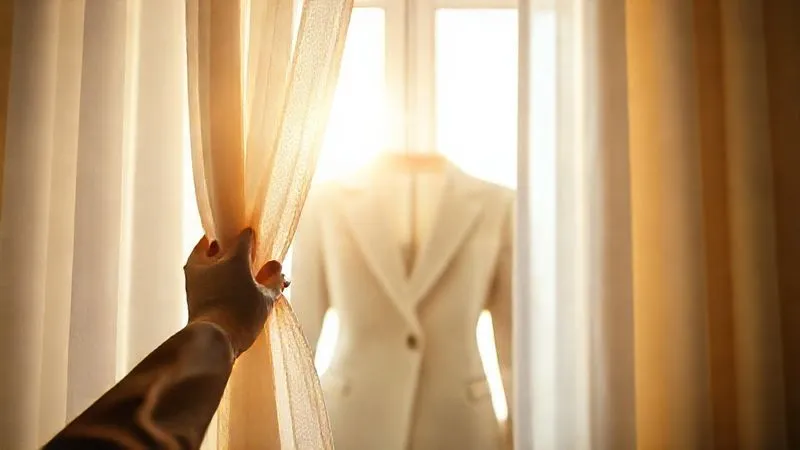
Principle 1: Embrace Structure with Softness – The Modern Silhouette
The cornerstone of contemporary feminine workwear lies in its silhouette. It's about finding harmony between tailored structure and fluid, comfortable lines, moving beyond the extremes of stiff masculinity or overly draped femininity.
The Power of the Modern Blazer and Tailored Trouser
The modern blazer is no longer just a shrunken version of a man's jacket. It features thoughtful darting, innovative shoulder pads (or lack thereof), and fabrics with intelligent drape. Paired with a tailored trouser – perhaps a wider-leg or a subtly tapered ankle-length style – it creates an ensemble that is both authoritative and elegantly relaxed. Consider the impact of a beautifully cut dress that skims the body rather than clinging, offering movement and grace without sacrificing professionalism. According to a recent study by the University of Hertfordshire, clothing that combines comfort with a professional aesthetic can significantly boost a wearer's confidence and perceived competence. Harvard Business Review often highlights the psychological impact of attire, reinforcing the need for designs that truly empower.
- Relaxed Tailoring: Think slightly oversized blazers, wide-leg trousers, or culottes that offer freedom of movement while maintaining a sharp line.
- Architectural Details: Subtle pleats, asymmetric hemlines, or unique collar designs that add interest without being distracting.
- Flattering Draping: Utilizing fabrics that fall beautifully, creating elegant lines that complement the body rather than constricting it.
- Layering Potential: Designing pieces that work effortlessly together, allowing for versatile outfits that can adapt to different professional settings and climates.
By focusing on these elements, we can create silhouettes that convey strength and sophistication, celebrating the female form in a respectful and empowering way.
| Design Element | Outdated Approach | Modern Approach |
|---|---|---|
| Blazer Fit | Boxy, menswear-mimicking or overly cinched | Relaxed, tailored shoulders, subtle waist definition, varied lengths |
| Trouser Silhouette | Tight skinny leg or shapeless wide leg | Wide-leg, straight-leg, subtle bootcut, or tailored culotte |
| Dress Style | Bodycon or overtly conservative shift | A-line, sheath with thoughtful draping, wrap dresses, architectural midi |
| Fabric Choice | Stiff, scratchy wool or flimsy polyester | Wool blends with stretch, Tencel, high-quality linen blends, performance synthetics |
Principle 2: Strategic Use of Color and Pattern – Beyond Pink and Pastels
Color is a powerful tool in design, capable of conveying mood, authority, and personality. Moving beyond the stereotypical 'feminine' palettes is essential for modern workwear.
Incorporating Rich Hues and Subtle Prints
While classic neutrals like navy, charcoal, and black remain foundational, modern feminine workwear embraces a broader, more sophisticated spectrum. Think deep jewel tones – emerald green, sapphire blue, ruby red – or rich earth tones like terracotta and olive. These colors exude confidence and depth without resorting to overtly masculine aesthetics. When it comes to patterns, move away from small, fussy florals and towards abstract prints, subtle geometrics, or sophisticated stripes. The key is balance and intentionality.
- Build a Core Palette: Start with 2-3 sophisticated neutrals (e.g., camel, navy, grey) as your base.
- Inject Strategic Color: Introduce 1-2 richer, bolder colors that complement your core. This could be a blazer in a deep teal or a dress in a vibrant berry.
- Experiment with Texture and Tone: Use different textures within the same color family (e.g., a matte navy pant with a silk navy blouse) to add depth.
- Subtle Prints Only: If using prints, ensure they are abstract, geometric, or have a sophisticated repeat that doesn't distract or appear overly casual.
- Consider the Psychological Impact: Research colors that evoke confidence and trustworthiness, moving beyond simplistic gender associations.
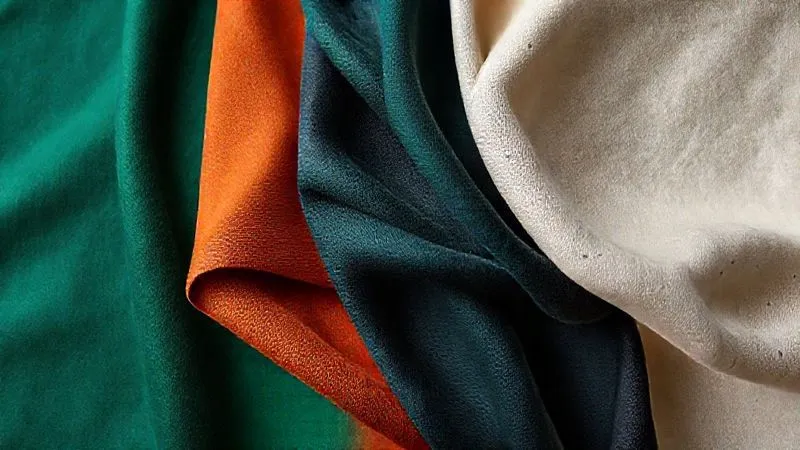
Principle 3: Fabric Innovation and Comfort – The Foundation of Confidence
In my experience, comfort is no longer a luxury but a fundamental expectation in workwear. The modern professional woman demands clothing that moves with her, breathes, and maintains its integrity throughout a demanding day. This is where fabric innovation plays a crucial role.
Performance Fabrics Meet Elegant Design
Gone are the days when 'professional' meant stiff, itchy, or wrinkle-prone materials. Today's market offers incredible advancements: wool blends with stretch, wrinkle-resistant Tencel, breathable linen blends, and innovative performance synthetics that wick moisture and offer four-way stretch. These fabrics allow for elegant designs that retain their shape, drape beautifully, and provide unparalleled comfort. Sustainability is also a growing concern, pushing designers to explore recycled fibers, organic cottons, and closed-loop manufacturing processes.
As highlighted by organizations like Textile Exchange, the future of fashion, including workwear, is intrinsically linked to material innovation and sustainable practices. Prioritizing these not only benefits the planet but also enhances the wearer's experience.
When designing, consider how the fabric feels against the skin, how it holds up to travel and long hours, and its environmental footprint. A garment that feels good will always be worn with more confidence.
Principle 4: Thoughtful Detailing and Embellishment – Subtlety Over Excess
The difference between a truly sophisticated piece and one that falls into stereotypical territory often lies in its details. Modern feminine workwear eschews overt ornamentation for refined, intentional touches.
The Art of Understated Elegance
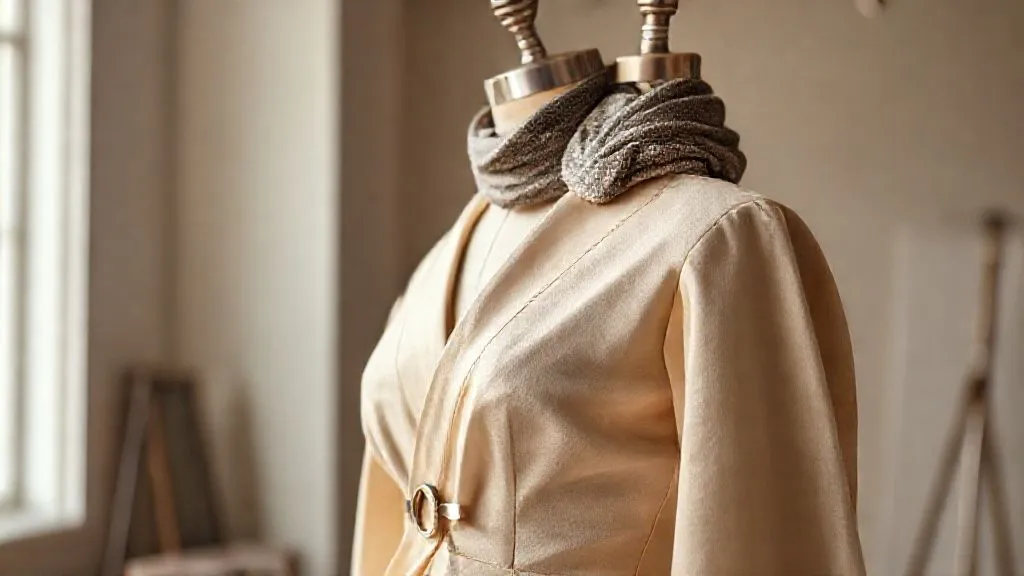
Instead of large bows or excessive ruffles, focus on elements like quality hardware (buttons, zippers), interesting necklines (asymmetric, cowl, or a refined V-neck), subtle texture plays (a jacquard weave, a ribbed knit), or carefully placed pleats and gathers. These details should enhance the garment's structure and elevate its overall aesthetic without becoming the sole focus. They speak to craftsmanship and an understanding of refined taste, rather than a need to 'decorate' the female form.
Small details done exceptionally well communicate a commitment to quality and a sophisticated understanding of design that resonates far more than any overt embellishment.
Case Study: How 'Evolve Apparel' Redefined Workwear Aesthetics
Evolve Apparel, a mid-sized design house, recognized a gap in the market for workwear that felt both feminine and powerfully modern. Their solution? A collection that prioritized thoughtful detailing. Instead of traditional buttons, they incorporated custom-designed, minimalist metal closures. Blazers featured a unique, subtle seam detail down the back that created an elegant, elongated silhouette. Blouses utilized a hidden placket and an innovative stand collar that could be worn open or closed for different looks. By focusing on these understated yet impactful details, Evolve Apparel successfully launched a line that was perceived as highly sophisticated and professional, attracting a demographic of women who felt overlooked by traditional offerings. This resulted in a 40% increase in repeat customers within their first year, proving the power of intentional, subtle design.
Principle 5: Versatility and Adaptability – The Capsule Workwear Approach
The modern professional woman's life is multifaceted. Her workwear needs to keep up. Designing pieces that offer versatility and can be easily adapted for different occasions is not just practical; it's empowering.
Building a Modern Workwear Wardrobe
This principle encourages the creation of modular collections where pieces can be mixed and matched to form numerous outfits. Think separates that can transition from a formal client meeting to an after-work networking event, or even a weekend brunch with a change of accessories. A well-designed pair of trousers should pair equally well with a blazer or a silk camisole. A versatile dress might be worn with a jacket for the office and then dressed up with jewelry for an evening engagement. This approach not only maximizes the utility of each garment but also allows women to curate a personal style that feels authentic and resourceful.
As noted by McKinsey's 'State of Fashion' reports, consumers increasingly value versatility and longevity in their clothing choices, moving away from fast fashion towards more sustainable and adaptable wardrobes. This trend is particularly pronounced in professional wear.
- Interchangeable Separates: Design skirts, trousers, and blazers that share a cohesive color palette and fabric quality.
- Day-to-Night Dresses: Create dresses that can be easily styled up or down with accessories and layering pieces.
- Multi-functional Tops: Blouses and knitwear that work under a blazer or on their own, suitable for various levels of formality.
- Layering Components: Vests, cardigans, and lightweight jackets that add warmth or polish without bulk.
Principle 6: Inclusivity in Design – Celebrating Diverse Body Types and Cultures
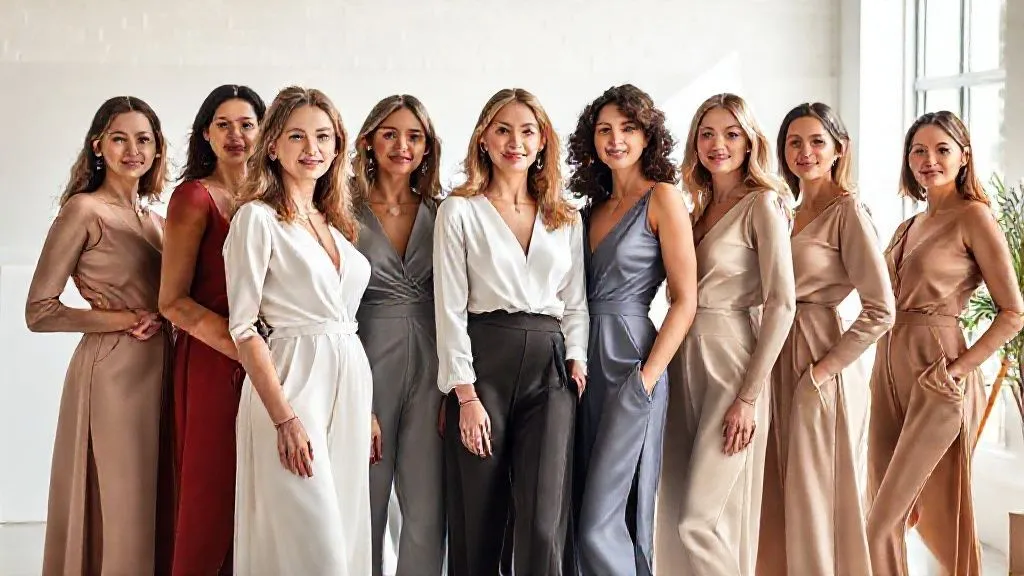
True modern feminine workwear is inclusive. It recognizes that women come in all shapes, sizes, and cultural backgrounds, and that design should reflect this beautiful diversity rather than impose a singular ideal.
Beyond Standard Sizes: A Holistic Approach
This means moving beyond a limited size range and embracing a 'design for all' philosophy. Consider adaptable styles, such as wrap dresses or pieces with adjustable waistbands, that can flatter a wider array of body types. Furthermore, be mindful of cultural sensitivities in design – ensuring that prints, silhouettes, and fabric choices are respectful and appropriate for a global audience. Inclusive design is not just about extending a size chart; it's about fundamentally rethinking how garments are conceptualized and constructed to make every woman feel seen, respected, and elegantly dressed.

Principle 7: The Role of Personal Style – Empowering Individual Expression
Ultimately, the most powerful workwear allows a woman to integrate her authentic self with her professional persona. Designing for personal style means providing a canvas, not a costume.
Authenticity in the Workplace
While professionalism dictates certain boundaries, there's ample room for individual expression. This could be through a unique accessory, a signature color, or a subtle nod to a personal aesthetic within a professional framework. Designers can facilitate this by offering pieces that are well-designed but not overly prescriptive, allowing the wearer to infuse their own personality. As personal branding expert Dorie Clark often emphasizes, authenticity is a cornerstone of modern professional success. Her work consistently underscores the value of aligning one's external presentation with internal values.
Encourage women to experiment with how they combine pieces, to use accessories to reflect their personality, and to choose garments that genuinely make them feel good. This fosters a deeper connection with their wardrobe and, by extension, their professional identity. The goal is to design clothing that empowers women to be their best, most authentic selves at work, confidently navigating their careers without feeling confined by outdated notions of 'feminine.'
Frequently Asked Questions (FAQ)
Q: How can designers ensure their 'feminine' designs don't inadvertently sexualize or infantilize women in the workplace? A: It's crucial to focus on elegance, functionality, and appropriate coverage. Avoid overly tight silhouettes, excessively short hemlines, deep plunging necklines, or fabrics that are too sheer or flimsy. The goal is to empower, not to draw attention to the body in an unprofessional way. Design for respect and authority, ensuring comfort and confidence are paramount.
Q: What role does sustainability play in designing modern feminine workwear? A: A significant one. Modern women, particularly professionals, are increasingly conscious of ethical and environmental impacts. Designers should prioritize sustainable materials, ethical manufacturing processes, and durable, long-lasting designs that encourage conscious consumption. This aligns with a forward-thinking, responsible brand image and resonates with educated consumers.
Q: How do you balance traditional corporate dress codes with the desire for modern, stereotype-free feminine workwear? A: It's about smart interpretation. Many traditional dress codes emphasize 'neat, tidy, professional.' Modern designs achieve this through clean lines, high-quality fabrics, and sophisticated color palettes, even if the silhouette is more relaxed or fluid than a traditional suit. Educate clients on how contemporary pieces meet professional standards while offering greater comfort and style.
Q: Are there specific fabrics or patterns that are universally considered 'modern feminine' without being stereotypical? A: Yes. Look for fabrics with natural stretch and drape like crepe, high-quality wool blends, Tencel, and structured knits. For patterns, subtle pinstripes, refined houndstooth, abstract geometrics, or tonal textures are excellent choices. These offer visual interest and sophistication without being overtly 'girly' or distracting.
Q: What's the biggest mistake designers make when trying to create 'feminine' workwear? A: The biggest mistake is assuming that 'feminine' automatically means 'decorative' or 'soft' in a way that undermines authority. They often default to adding bows, ruffles, or overly pastel colors. True modern femininity in workwear stems from confidence, thoughtful tailoring, sophisticated aesthetics, and empowering the wearer, not from superficial adornments.
Key Takeaways and Final Thoughts
- Modern feminine workwear is about **empowerment and authenticity**, not outdated stereotypes.
- Focus on **structural integrity with comfortable softness** in silhouettes.
- Embrace a **broad, sophisticated color palette** beyond traditional 'feminine' hues.
- Prioritize **fabric innovation for comfort, drape, and sustainability**.
- Utilize **thoughtful, understated detailing** that speaks to quality and refinement.
- Design for **versatility and adaptability**, enabling a cohesive capsule wardrobe.
- Champion **inclusivity** by designing for diverse body types and cultural contexts.
- Always allow for **personal style integration**, offering a canvas for individual expression.
The landscape of professional women's fashion is continually evolving, driven by a powerful desire for clothing that truly reflects the strength, intelligence, and multifaceted nature of women today. By consciously shedding outdated stereotypes and embracing these seven core principles, designers and brands can create workwear that not only looks exceptional but also genuinely empowers women to conquer their professional worlds with unparalleled confidence and authentic style. It's a journey of innovation, empathy, and a deep understanding of what it means to dress for success in the 21st century.
Recommended Reading
- Unlocking the Past: Researching 18th Century Dress Patterns
- 7 Strategies: Price Ethical Fashion Competitively, Uphold Your Values
- 7 Proven Strategies: Maximize Profit Selling Rare 1970s Vintage Apparel
- 7 Power Dress Strategies: How to Dress for Critical Presentations
- 5 Proven Strategies: Differentiating Your Costume Jewelry Brand in a Saturated Market


Your email address will not be published. Required fields are marked *