

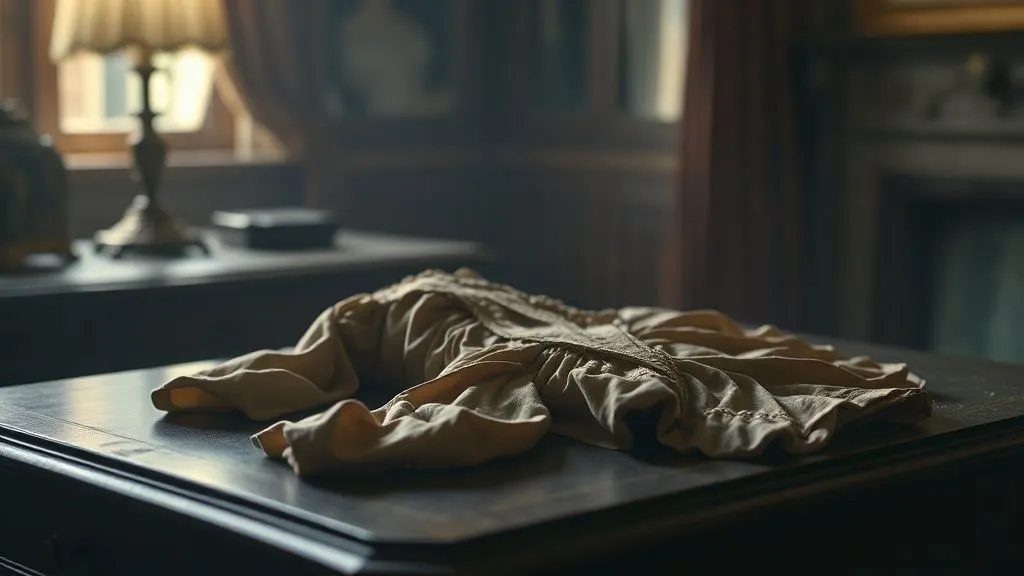
How to Design Costumes That Subtly Reveal a Character's Hidden Trauma?
For over two decades in the demanding world of costume design, I've witnessed the profound impact a single stitch or a carefully chosen fabric can have on an audience. We often talk about character arcs and narrative development, but true mastery lies in revealing the unseen, the unspoken – particularly a character's hidden trauma.
The challenge, as many designers discover, isn't just dressing a character; it's about making their wardrobe an extension of their soul, a silent narrator of their deepest wounds. Relying solely on dialogue or overt actions to convey a painful past often falls flat, leaving the audience feeling told, not shown. This is where the subtle power of costume design truly shines, yet it's an art form many struggle to fully harness.
In this definitive guide, I'll share my expert frameworks and actionable strategies on how to design costumes that subtly reveal a character's hidden trauma. We'll delve into the psychology of attire, explore real-world design principles, and uncover how you can infuse profound emotional depth into every costume choice, transforming garments into powerful storytelling tools.
The Unseen Narrative: Why Costume is Your Most Potent Storyteller
As a seasoned costume designer, I've always believed that clothing is the first line of dialogue a character speaks, long before they utter a word. It's a non-verbal language, rich with semiotics, capable of communicating status, personality, and crucially, their inner world. When we talk about hidden trauma, we're discussing layers of pain, coping mechanisms, and unspoken histories that reside beneath the surface.
Direct exposition of trauma can often feel clunky or forced, breaking the immersive spell of a narrative. This is where costume becomes an invaluable ally. It allows us to embed clues, symbols, and psychological markers into a character's visual presentation, creating a subconscious understanding for the audience. According to Dr. Susan Kaiser's work on the sociology of fashion, clothing acts as a 'second skin,' a permeable boundary between the self and the world, constantly negotiating identity and experience. For characters grappling with trauma, this 'second skin' can become a shield, a prison, or a subtle cry for help.
"A character's costume is not just what they wear; it's a meticulously crafted silent dialogue with the audience, revealing truths they might not even know they're speaking."
Understanding this foundational principle is key. We're not just selecting clothes; we're crafting a visual lexicon that speaks volumes without uttering a single word. This approach demands a deep dive into character psychology and a nuanced understanding of how visual elements translate emotional states.
Foundation First: Deep Character Analysis Beyond the Script
Before you even sketch a design, the most critical step is to become an archeologist of the character's soul. The script provides the blueprint, but true trauma is often hinted at, not explicitly detailed. My process involves dissecting every line, every stage direction, and every interaction to unearth the underlying psychological landscape. This goes beyond simply identifying their profession or social standing; it's about understanding their 'why' and, more importantly, their 'what happened to them.'
I always start by asking a series of probing questions: What are their deepest fears? What do they desperately want to hide? What events shaped them in a profound, perhaps damaging, way? This isn't just about plot points; it's about emotional residues. A character who was abandoned might cling to old, familiar garments; one who experienced a betrayal might wear clothing that projects an impenetrable facade. This is the stage where you begin to connect the dots between their past wounds and their present visual identity.
Unpacking the Character's Past: The Trauma Blueprint
To effectively design costumes that subtly reveal a character's hidden trauma, you need a structured approach to character analysis. Here's how I break it down:
- Identify Core Traumas: Pinpoint specific past events (e.g., loss, abuse, betrayal, poverty, chronic illness) that have left a lasting psychological impact.
- Understand Coping Mechanisms: How does the character deal with their pain? Do they repress, lash out, withdraw, or overcompensate? Each mechanism has visual implications.
- Explore Present-Day Manifestations: How does the trauma affect their daily life, relationships, and self-perception? Are they overly cautious, reckless, or self-sacrificing?
- Determine Character Arc: Is the trauma being overcome, deepened, or merely managed? This will dictate the evolution of their costume.
This deep dive allows you to create a 'trauma blueprint' that informs every subsequent design choice. It’s about understanding the character's internal world so intimately that their external appearance becomes an authentic reflection of it. For further reading on character development, I often recommend resources like Writer's Digest guides on character development.
| Aspect of Trauma | Costume Implication | Example |
|---|---|---|
| Repression | Muted colors, stiff fabrics, layers, conservative styles | Character wears ill-fitting, decades-old clothes to avoid attention. |
| Overcompensation | Flashy, attention-grabbing, overly perfect, or impractical items | Character with deep insecurity wears designer labels to project success. |
| Withdrawal/Self-protection | Baggy clothing, hoods, dark colors, concealing silhouettes | Character with social anxiety hides behind oversized sweaters and scarves. |
| Loss/Grief | Wearing a specific item of a deceased loved one, unkempt appearance, somber tones | Character wears a faded scarf from a lost family member, years after their passing. |
Symbolic Palette: Color, Texture, and Fabric as Emotional Cues
Once you understand the character's trauma blueprint, you can begin to translate those psychological states into tangible design elements. Color, texture, and fabric are arguably the most immediate and impactful visual cues at our disposal. They speak to the subconscious, evoking emotions and associations without needing a single line of dialogue. I've found that designers often underestimate the power of these fundamental elements.
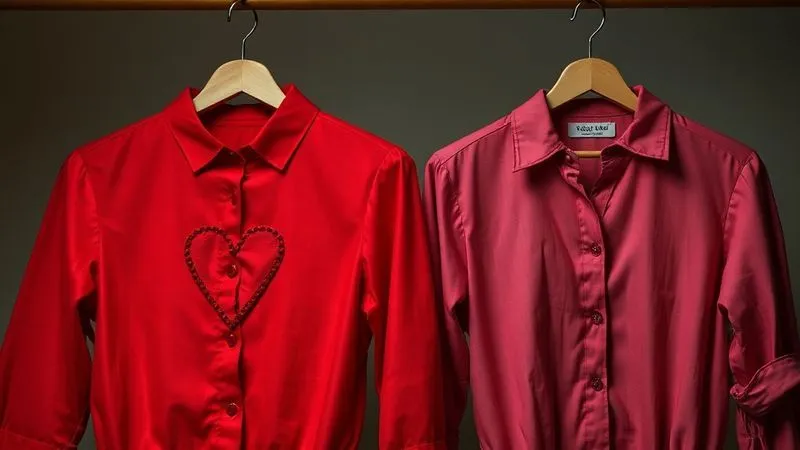
Consider color: while red might signify passion, it can also denote anger or a past violent event. Muted, desaturated tones often speak of suppression, melancholy, or a life drained of joy. A character haunted by a past betrayal might subconsciously gravitate towards colors that are 'safe' or blend into the background, avoiding anything vibrant that might draw attention. Conversely, a character trying to mask their trauma might overcompensate with overly bright or mismatched colors, a desperate attempt to appear 'normal' or distract from inner turmoil.
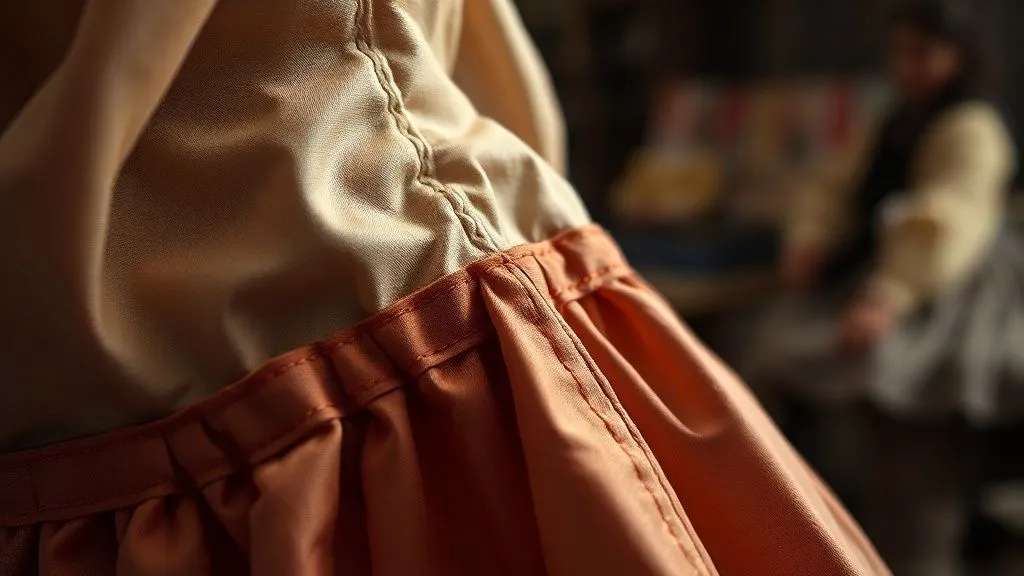
Texture and fabric choices are equally potent. A character who feels perpetually vulnerable might wear rough, scratchy fabrics as a form of self-punishment or a constant reminder of their 'unworthiness.' Conversely, soft, luxurious fabrics might be a compensatory mechanism, an attempt to cocoon themselves in comfort they never truly experienced. Worn, faded, or slightly damaged fabrics can silently scream of neglect, poverty, or a refusal to let go of the past. A stiff, unyielding fabric can symbolize emotional rigidity or a character's desperate attempt to maintain control in a chaotic world.
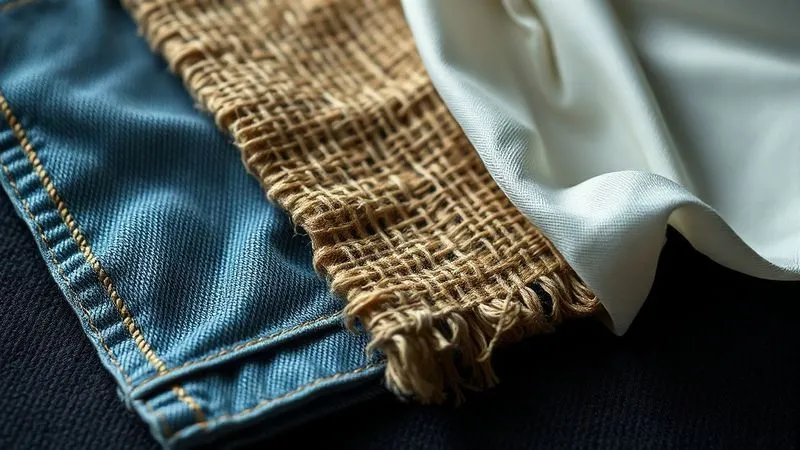
The key here is intentionality. Every choice, from the specific shade of blue to the weave of the cotton, must serve the character's internal state. It's about building a language of sensory details that resonate with their unspoken pain.
The Silhouette of Sorrow: Shape and Form in Trauma Revelation
Beyond color and texture, the very silhouette and structure of a garment can be a profound indicator of hidden trauma. I often think of a costume's shape as the character's physical stance against the world, a visual metaphor for their psychological posture. Does their clothing engulf them, making them appear smaller and more protected? Or does it project an image that is rigid, unyielding, almost armor-like?
Consider a character who experienced a loss of control in their past. Their wardrobe might feature excessively tailored, stiff garments that restrict movement, symbolizing a desperate need to control their present environment. High collars, buttoned-up shirts, and structured jackets can create a literal and metaphorical barrier. Conversely, someone who feels overwhelmed by their trauma might wear oversized, shapeless clothing that allows them to 'disappear,' to become less noticeable, reflecting a desire to retreat from the world.
Layers are particularly insightful. A character who layers their clothing, even in inappropriate weather, might be unconsciously building physical and emotional walls, protecting themselves from perceived threats or hiding a body they've come to despise. These layers can also symbolize the emotional baggage they carry, the weight of their past experiences. Draping, too, can be significant; a garment that hangs heavily or awkwardly might reflect a character's internal burden or a sense of being weighed down by their history.
Case Study: Eleanor's Layered Protection
Eleanor, a character I designed for an independent film, had experienced a profound betrayal in her youth, leaving her with deep trust issues and a fear of vulnerability. In her initial appearances, her costumes were a masterclass in layered self-protection. She wore thick, oversized wool cardigans over long-sleeved blouses, even in mild weather. Her skirts were long, her shoes sturdy and practical, and her hair often tied back tightly. The fabrics were predominantly muted grays, olives, and deep blues. This visual strategy communicated her emotional rigidity and her unconscious desire to create a physical barrier between herself and others. As the story progressed and she began a slow, painful healing process, her layers gradually lessened, her colors softened, and her silhouettes became slightly more fluid, subtly revealing a nascent willingness to open up. This wasn't a sudden transformation, but a gradual, almost imperceptible shift that mirrored her internal journey.
The silhouette is a powerful, often overlooked, tool for communicating a character's psychological state. It’s about creating an overall impression that resonates with their internal struggles.
Details That Whisper: Accessories, Wear, and Imperfections
The devil, as they say, is in the details, and nowhere is this truer than in costume design for hidden trauma. It's in the small, almost imperceptible elements that the most profound stories are told. These aren't grand statements but quiet whispers that hint at a character's past and present pain. I've found that these minute choices often have the most significant emotional impact on an audience.
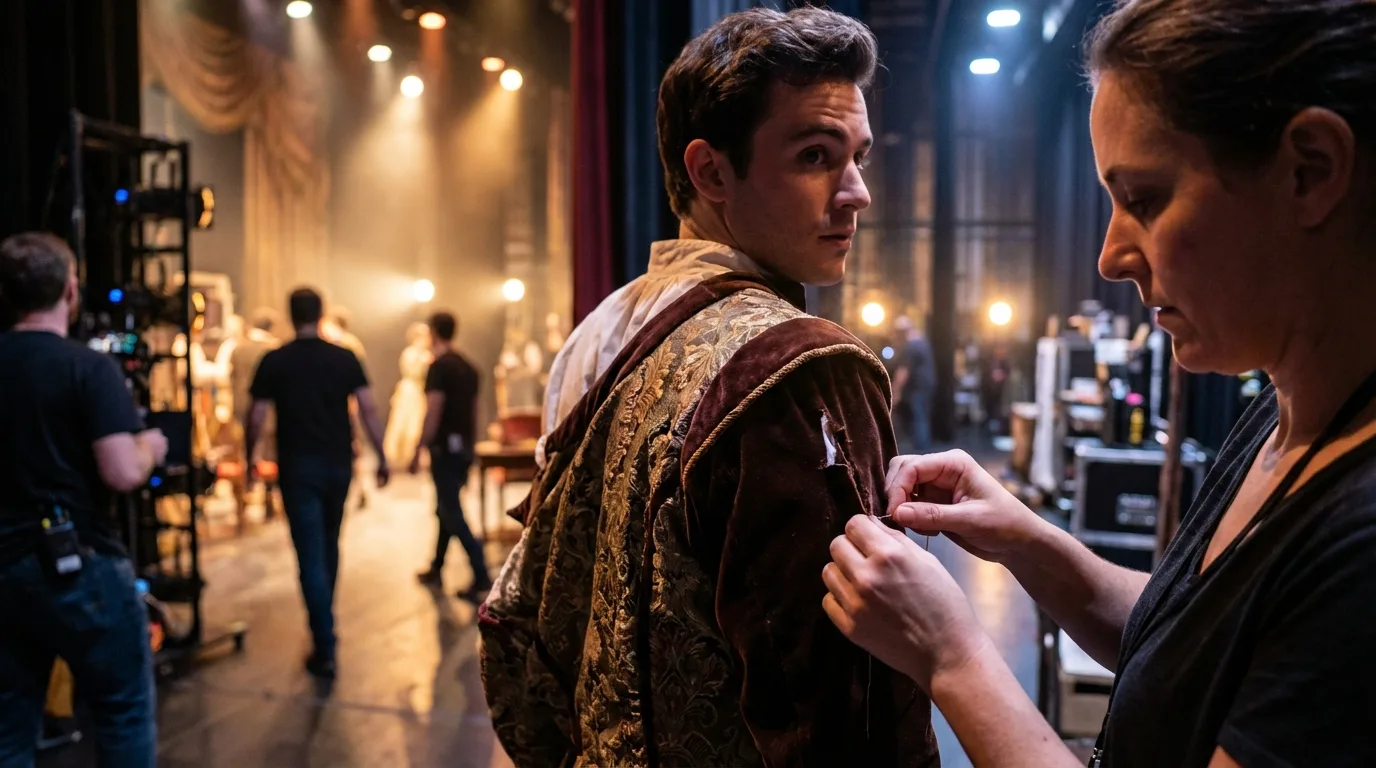
Consider the significance of wear and tear. A garment that is meticulously mended, perhaps with a patch of contrasting fabric, could speak of a past of poverty or a character's unwavering resourcefulness born from hardship. A beloved, but worn-out piece of jewelry, perhaps a locket or a ring, might be the last tangible link to a lost loved one, a constant, silent reminder of grief. These aren't just props; they are extensions of the character's memory and emotional landscape.
Ill-fitting clothing can also be incredibly revealing. A character who consistently wears clothes that are too large might be trying to hide, to make themselves invisible, or perhaps they've undergone a significant physical change due to their trauma. Conversely, clothes that are too tight or restrictive could suggest a character's discomfort in their own skin, a struggle with self-image, or a forced conformity to an external expectation. Scars, whether physical or metaphorical, can be subtly echoed in the costume – a frayed cuff, a slightly torn hem, or even a deliberate asymmetry in the design.
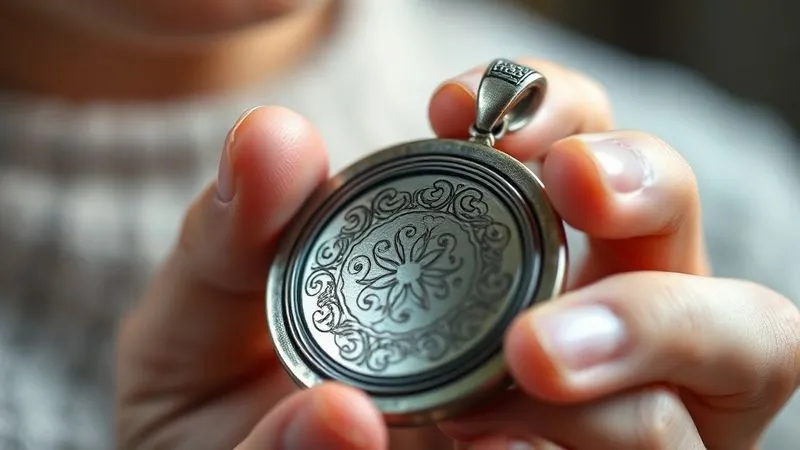
Even accessories like spectacles, hats, or bags can carry immense weight. A character who rarely takes off their sunglasses, even indoors, might be shielding themselves from the world, a visual representation of their emotional guardedness. A worn, heavy satchel might symbolize the burdens they carry, both literal and figurative. These small, deliberate choices accumulate to paint a rich, nuanced portrait of a character's inner turmoil, inviting the audience to lean in and discover the unspoken.
Evolution of Attire: Tracking Trauma's Journey Through Costume Arc
Characters, like real people, are not static. Their journey through trauma, whether it's healing, regression, or a prolonged struggle, should be reflected in their evolving wardrobe. This concept of a 'costume arc' is paramount for subtly revealing a character's hidden trauma over time. I always plan for this evolution, understanding that a character's clothing should change just as their internal state does.
At the outset, a character's trauma might manifest as a rigid adherence to a specific style, a uniform of self-protection. As they begin to confront their past, their costumes might show subtle shifts: a softening of colors, a slightly less structured silhouette, or the introduction of an item that symbolizes a budding hope or newfound vulnerability. Conversely, a character who succumbs further to their trauma might see their wardrobe become increasingly disheveled, darker, or more self-neglecting.
The key is that these changes should be gradual and organic, mirroring the complex, often non-linear process of dealing with deep-seated pain. It's not about a complete overhaul in one scene but a series of incremental adjustments that, when viewed retrospectively, tell a powerful story. For instance, a character who initially wears only dark, heavy fabrics might, after a significant breakthrough, introduce a single, vibrant accessory or a lighter fabric in a subsequent scene. This isn't a grand pronouncement but a quiet visual cue that something fundamental has shifted within them.
This dynamic approach allows the audience to witness the character's internal struggle and growth through their external appearance, fostering a deeper, more empathetic connection. It's a testament to the fact that costume design is not just about isolated garments but about the narrative tapestry woven across an entire production.
| Phase of Trauma Journey | Costume Manifestation | Example |
|---|---|---|
| Initial Repression | Rigid, muted, layered, protective silhouettes | Character always wears the same drab, oversized coat, regardless of weather. |
| First Glimmer of Hope | Slight softening of fabric, introduction of a subtle new color or accessory | Character adds a small, brightly colored scarf to their usual drab outfit. |
| Confrontation/Relapse | Disheveled appearance, return to darker colors, or an almost frantic attempt at 'normalcy' | Character's clothing becomes noticeably unkempt, or they wear overly cheerful but ill-fitting clothes. |
| Integration/Healing | More confident posture, thoughtful and comfortable choices, a sense of personal style emerging | Character's wardrobe reflects a more authentic self, less about hiding, more about expression. |
The Subtlety Spectrum: Avoiding Obviousness and Embracing Nuance
This is perhaps the most challenging aspect of designing costumes that subtly reveal a character's hidden trauma: knowing where to draw the line between impactful subtlety and overt, heavy-handed symbolism. I've seen countless instances where designers, with good intentions, cross this line, turning a potentially profound visual cue into a glaring cliché. The goal is to whisper, not to shout.
The 'subtlety spectrum' is about understanding that the most effective visual cues are those that resonate on a subconscious level, allowing the audience to intuit rather than being explicitly told. For example, giving a character who was burned in a fire a shirt with a literal burn mark is overt and often undermines the intelligence of the audience. A more subtle approach might involve that character consistently wearing high collars or long sleeves, irrespective of the temperature, hinting at a need to conceal or protect sensitive skin without explicitly stating the trauma.
As a rule of thumb, if a design choice feels like it's screaming 'TRAUMA,' it's probably too obvious. The power of subtlety lies in its ability to invite interpretation, to create a sense of discovery for the viewer. It allows the audience to feel smart, to connect the dots themselves, which deepens their engagement and emotional investment in the character. This requires a delicate balance of careful planning and an almost intuitive understanding of human psychology and visual communication.
"True mastery in costume design isn't about telling the audience what to feel, but about creating an environment of visual clues that allows them to discover it for themselves."
This principle extends to all elements we've discussed: color, texture, silhouette, and details. Each choice must contribute to the overall narrative of trauma without becoming a singular, didactic statement. It's about building a tapestry of small, meaningful threads rather than relying on a single, bold pattern. For more on the power of visual subtext, explore academic journals on film semiotics, such as those found via JSTOR's film studies collections.
Collaborative Vision: Working with Directors and Actors
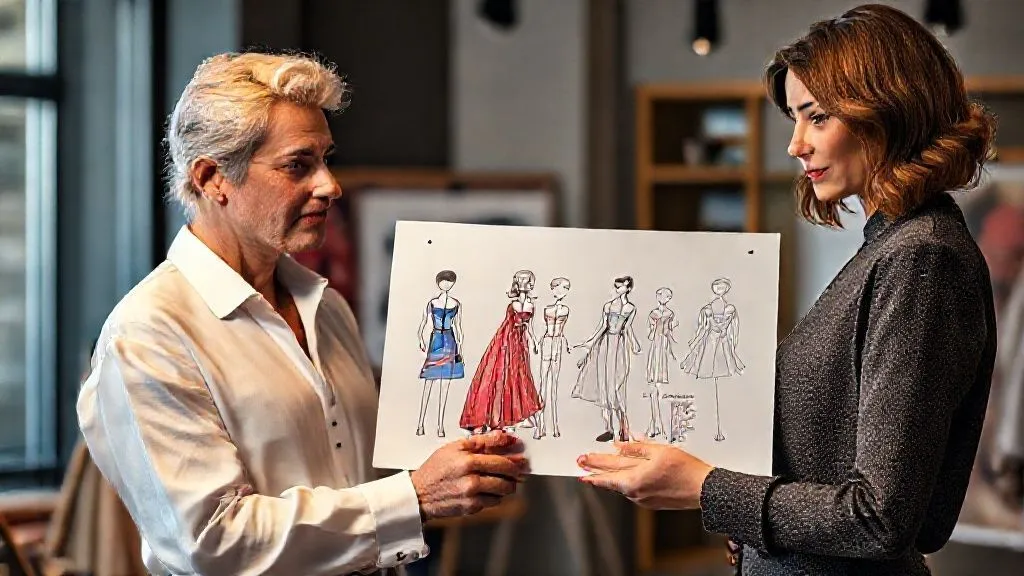
Costume design, especially when dealing with such sensitive and nuanced themes as hidden trauma, is never a solo endeavor. It's an intricate dance of collaboration with the director, the actors, and often the hair and makeup departments. My role as a costume designer is to interpret the script and the director's vision, but also to bring my own expertise and insight into how clothing can amplify the character's journey.
Open and honest communication is paramount. I always begin by presenting my 'trauma blueprint' for the character, explaining the psychological underpinnings of my design choices. This helps the director understand the 'why' behind a specific fabric choice or a particular silhouette. More importantly, it empowers the actor. When an actor understands the emotional weight behind their costume, it can profoundly influence their performance, allowing them to embody the character's trauma more authentically.
I encourage actors to interact with their costumes, to wear them in rehearsals, and to provide feedback. Does the fabric make them feel vulnerable or protected? Does the fit restrict them in a way that feels true to the character's emotional state? Their lived experience in the costume can reveal nuances that I, as a designer, might not have foreseen. The goal is to ensure that the costume supports, rather than dictates, the performance, creating a seamless integration of visual storytelling and acting. As renowned costume designer Edith Head famously said, "You can tell a lot about a character by their clothes." This collaboration ensures that what the audience sees is a unified, powerful portrayal.
This collaborative approach ensures that every element, from the script to the final garment, is working in harmony to tell the character's story, allowing the subtle revelations of hidden trauma to land with maximum impact. For insights into the collaborative process in filmmaking, articles from The Hollywood Reporter on costume design often feature interviews with designers discussing their partnerships.
Frequently Asked Questions (FAQ)
How do I ensure the audience understands the subtle cues without explicit explanation? The key lies in consistency and reinforcement across multiple design elements, combined with the actor's performance and the director's framing. If a character consistently wears clothing that conceals their neck and wrists, and the actor often touches these areas nervously, the audience will subconsciously pick up on a pattern of vulnerability or a need for protection. It's about creating a tapestry of small cues rather than relying on one single, easily missed detail. The subtlety should invite contemplation, not confusion.
What if the character's trauma is never fully resolved? How does costume reflect that? If trauma remains unresolved, the costume arc will reflect this stagnation or cyclical pattern. The character might revert to old habits, their clothing becoming increasingly disheveled, or they might remain stuck in a 'protective' wardrobe, never truly shedding their layers. There might be fleeting moments of hope reflected in temporary changes, only for them to recede. The costume becomes a visual representation of their ongoing struggle, a testament to the enduring weight of their past.
Are there cultural considerations when using symbolism for trauma? Absolutely, and this is a critical point. Symbolism, color associations, and even garment styles can carry vastly different meanings across cultures. What signifies mourning or shame in one culture might be a sign of celebration or status in another. Thorough research into the character's cultural background is non-negotiable. Consult with cultural experts if necessary to ensure your visual cues are authentic, respectful, and accurately convey the intended message without misinterpretation or offense. Ignorance can lead to unintended consequences and undermine the authenticity of your design.
How do I balance aesthetic appeal with psychological depth? This is the art of costume design. Psychological depth doesn't mean sacrificing aesthetics; it means integrating them. A costume can be beautiful or striking precisely because it tells a deep story. The 'beauty' might come from the texture of a worn fabric, the poignant symbolism of a faded color, or the powerful statement of a restrictive silhouette. The balance is achieved when the aesthetic choices are purposeful, serving the character's internal reality rather than existing purely for superficial visual impact. A truly great costume is both visually compelling and psychologically resonant.
What's the biggest mistake new designers make when trying to convey trauma? The biggest mistake is being too literal or obvious. New designers often fall into the trap of 'telling' rather than 'showing,' using heavy-handed symbols that shout instead of whisper. This can be seen in overly dramatic tears, literal scars on clothing, or color choices that are too on-the-nose (e.g., a character in all black for grief without any nuance). True subtlety requires restraint, a deep understanding of human behavior, and the courage to trust that the audience will connect the dots when given intelligent, nuanced clues.
Key Takeaways and Final Thoughts
- Costume is a Silent Storyteller: Embrace its power for non-verbal communication, especially for hidden psychological states.
- Deep Character Analysis is Paramount: Go beyond the script to unearth the 'trauma blueprint' that informs every design choice.
- Master the Symbolic Palette: Utilize color, texture, and fabric to evoke specific emotions and associations subconsciously.
- Shape Speaks Volumes: Leverage silhouette, layering, and garment structure to visually represent a character's emotional posture.
- Details Are Your Whispers: Use accessories, wear, and imperfections to add nuanced layers of meaning and history.
- Plan for Evolution: Design a 'costume arc' that mirrors the character's journey through trauma, reflecting growth or stagnation.
- Embrace Subtlety, Avoid Obviousness: Aim for clues that invite interpretation rather than overt statements that alienate the audience.
- Collaborate Effectively: Work closely with directors and actors to ensure your designs enhance, not overpower, the overall narrative and performance.
Designing costumes that subtly reveal a character's hidden trauma is one of the most rewarding challenges in our field. It demands not just an eye for aesthetics but a profound empathy for the human condition and a deep understanding of visual psychology. By applying these expert strategies, you're not just dressing a character; you're helping to breathe life into their deepest, most vulnerable truths, allowing an audience to truly see and feel their story. Trust your intuition, delve deep into your characters, and let your costumes speak volumes in the quietest, most powerful ways.
Recommended Reading
- Mastering Bespoke: 5 Steps to Flawless Suits for Unique Physiques
- Client Pitch Crisis? 7 Ways to Banish Severe Razor Burn Fast
- 7 Steps: Predict Micro-Hat Trends for Profitable Inventory Planning
- Luxury Footwear's Future: 5 Sustainable Materials Dominating Men's Style
- 7 Pillars: How to Assemble a Power Wardrobe for High-Stakes Meetings

Your email address will not be published. Required fields are marked *