

How to Cross-Sell Unique Bridal Accessories to Indecisive Clients?
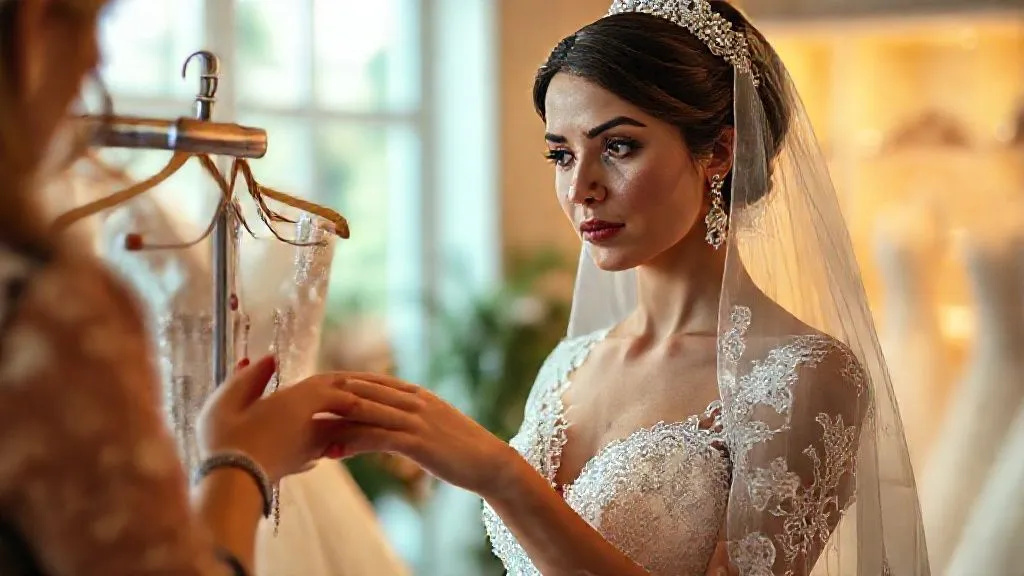
For over 15 years in the captivating world of bridal fashion, I've witnessed countless moments of joy, anticipation, and yes, even a fair share of indecision. One of the most common pitfalls I've observed, particularly in boutiques aiming to offer a truly complete bridal experience, is the struggle to effectively cross-sell those exquisite, unique accessories that elevate a bride's look from beautiful to breathtaking. It’s not about being pushy; it’s about understanding, guiding, and inspiring.
The indecisive bride isn't a challenge to be overcome, but rather a client who requires a nuanced, empathetic, and expert approach. She's often overwhelmed by choices, sometimes unsure of her own style, and frequently fearful of making the 'wrong' decision. This hesitation can lead to missed opportunities for both the bride, who might walk away without the perfect finishing touches, and your business, which loses out on valuable sales.
In this definitive guide, I will share the strategies, psychological insights, and practical frameworks I've honed over years in the industry. You'll learn how to transform indecision into discovery, confidently cross-selling unique bridal accessories by building trust, understanding needs, and presenting a cohesive vision that resonates deeply with every bride. Prepare to elevate your client consultations and significantly boost your accessory sales.
Understanding the Psychology of the Indecisive Bride
Before we dive into techniques, we must first understand the mind of the indecisive bride. It’s a delicate balance of excitement, expectation, and often, an underlying anxiety about perfection. This isn't just about picking a veil; it's about curating a memory, an image she's dreamed of her entire life.
The Paradox of Choice
While a vast selection might seem appealing, research consistently shows that too many options can lead to decision paralysis and reduced satisfaction. Barry Schwartz's concept of "The Paradox of Choice" perfectly illustrates this: more choices don't always equate to more happiness; they often lead to greater anxiety and a higher likelihood of regretting the chosen option, or worse, choosing nothing at all.
Fear of Regret and Overwhelm
A bride's wedding day is one of the most significant events of her life. Every decision, from the dress to the smallest accessory, feels monumental. This inherent pressure can manifest as a fear of regret – what if she chooses the wrong earrings? What if another veil would have been better? This fear, coupled with the sheer volume of decisions she's already made (venue, catering, dress), can easily lead to accessory overwhelm.
Expert Insight: "Indecision in bridal isn't a lack of desire; it's a plea for guidance. Your role isn't just a salesperson; it's a trusted curator and confidante."
Common reasons for a bride's accessory indecision include:
- Information Overload: Too many styles, materials, and price points.
- Lack of Vision: Difficulty imagining how different pieces come together.
- Budget Concerns: Uncertainty about allocating funds for 'extra' items.
- External Pressures: Opinions from family or friends adding confusion.
- Fear of Commitment: Worrying about choosing something that won't feel 'right' on the day.
Strategy 1: The Art of Active Listening and Needs Assessment
The foundation of successful cross-selling, especially with an indecisive client, is not talking, but listening. True active listening goes far beyond simply hearing words; it's about understanding the unspoken desires, fears, and aspirations of the bride. This initial phase sets the stage for a personalized and effective styling experience.
Beyond 'What do you like?'
Generic questions yield generic answers. Instead of asking what she likes, delve deeper into her vision for the wedding day, her personal style, and even her daily life. This helps you paint a holistic picture of who she is, not just what she thinks she wants.
- Begin with Open-Ended Questions: Ask about her wedding theme, venue, time of day, and overall vibe. "Tell me about your wedding day vision," or "What feeling do you want to evoke when you walk down the aisle?"
- Observe and Interpret Body Language: Pay attention to subtle cues when she tries on the dress or looks at accessories. Does her face light up? Does she frown slightly?
- Connect Her Dress Choice to Accessories: Once the dress is chosen, ask her what she loves most about it. Is it the lace, the sparkle, the silhouette? This provides clues for complementary accessories.
- Ask About Her Everyday Style: Does she wear delicate jewelry or statement pieces? Is she classic, bohemian, or modern? This helps tailor suggestions to her authentic self, making them feel less like a 'sale' and more like an extension of her personality.
- Summarize and Confirm: Reiterate what you’ve heard to ensure you’re on the same page. "So, you're looking for something that adds a touch of vintage elegance, isn't too heavy, and complements the intricate beading on your gown, correct?"
This deep dive into her preferences allows you to narrow down options significantly, presenting only the most relevant and appealing unique bridal accessories, thereby reducing her decision fatigue.
Strategy 2: Curated Collections – Less is More, When Done Right
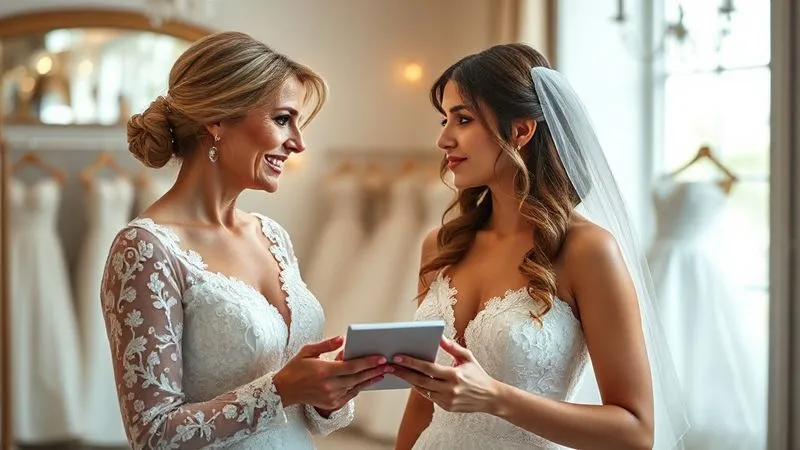
The paradox of choice teaches us that an overwhelming array of options can paralyze decision-making. For the indecisive bride, presenting an entire wall of accessories can be counterproductive. The solution lies in thoughtful, personalized curation.
Pre-Selection for Personalization
Based on your active listening and needs assessment, you should pre-select a small, focused collection of unique bridal accessories that genuinely align with her dress, theme, and personal style. Think of yourself as her personal stylist, presenting her with a 'mini-collection' designed just for her.
- Identify Key Elements: Consider the dress neckline, sleeve style, fabric, embellishments, and overall aesthetic.
- Select 3-5 Cohesive Pieces: Choose a maximum of 3-5 distinct accessories that work beautifully together and with the gown. This might be a veil, a pair of earrings, and a hairpiece, or a belt and a bracelet.
- Vary the Style (Subtly): Within your curated selection, offer slight variations to give her options without overwhelming her. For example, two hairpieces – one more delicate, one slightly bolder – but both fitting her aesthetic.
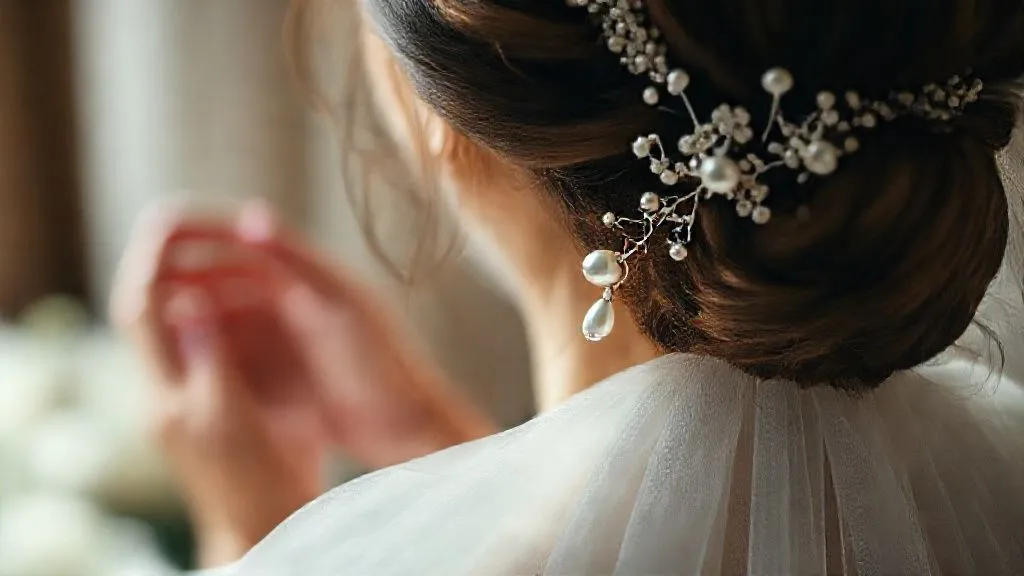
- Present with Confidence: Introduce each piece by explaining why you selected it for her, connecting it back to her vision and the dress. "Given your love for vintage lace and your desire for a touch of sparkle, I immediately thought of this delicate pearl and crystal hair comb. It perfectly complements the intricate detail on your gown without overpowering it."
- Remove Irrelevant Options: Keep other accessories out of sight during this focused presentation to maintain her attention on the curated selection.
Case Study: 'Boutique Belle's' Curated Success
Boutique Belle, a mid-sized bridal salon, faced a common challenge: brides were spending significant time trying on dresses but often leaving without purchasing accessories, citing "too many choices" or "I need to think about it." Their accessory cross-sell conversion rate hovered around a disappointing 20%. By implementing a pre-consultation questionnaire that gathered insights into the bride's style and vision, their stylists began pre-selecting 3-5 accessory sets for each appointment. During the accessory presentation, they focused solely on these curated options, explaining the rationale behind each choice.
Within six months, Boutique Belle saw their accessory cross-sell conversion rate jump to 45%. Brides reported feeling less overwhelmed and more confident in their choices, appreciating the personalized guidance. This approach not only boosted sales but also significantly enhanced the overall client experience.
Strategy 3: Storytelling and Emotional Connection
Humans are inherently drawn to stories. When a bride connects emotionally with an accessory, it transcends its material value and becomes a cherished part of her wedding narrative. Indecisive clients often need that emotional anchor to make a choice.
Weaving Narratives Around Each Piece
Don't just describe an accessory; tell its story. Where did it come from? What inspired its design? What feeling does it evoke? This transforms a tangible item into something meaningful and memorable.
- Highlight Craftsmanship: "This veil was hand-embroidered by artisans in Italy, a tradition passed down through generations, making each stitch a testament to enduring love."
- Evoke Heritage or Timelessness: "These earrings are inspired by Art Deco designs, reminiscent of classic Hollywood glamour – imagine the elegance they'll bring to your vintage-themed celebration."
- Connect to Her Vision: "When you mentioned wanting a 'fairy-tale' feel, I immediately pictured this tiara. It has that delicate sparkle that will catch the light beautifully as you walk through your garden venue."
- Personalize the Story: "I can see how this pearl bracelet would perfectly complement the heirloom pearls you mentioned your grandmother wore. It's a beautiful way to honor that tradition."
- Share a 'Why':: Explain the unique story behind the brand or designer, emphasizing their passion and dedication to bridal beauty.
This narrative approach helps the bride visualize herself wearing the piece, not just seeing it on a display. It creates a deeper, more personal connection, making the decision feel less like a transaction and more like an emotional investment in her special day.
Strategy 4: The Power of Visual Merchandising and Styling
Indecisive clients often struggle with abstract visualization. They need to see how accessories integrate with their chosen gown and overall look. Effective visual merchandising and on-the-spot styling are paramount.
From Display to Dream
It's not enough to have beautiful unique bridal accessories; they need to be presented in a way that sparks imagination and provides clarity. This means moving beyond static displays to dynamic, personalized styling sessions.
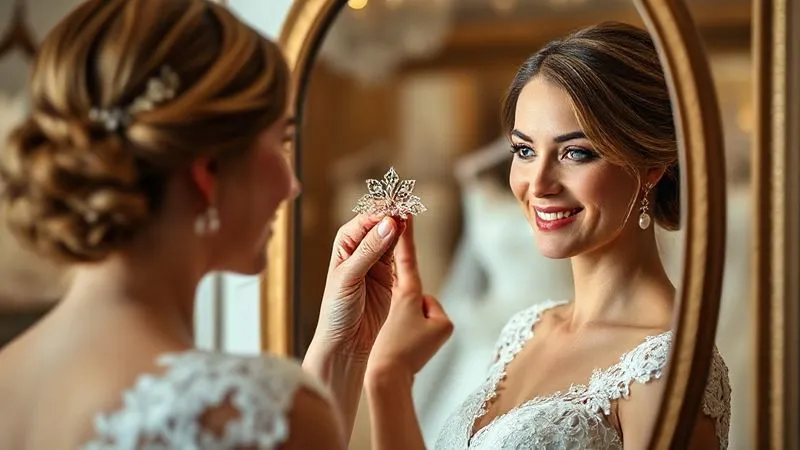
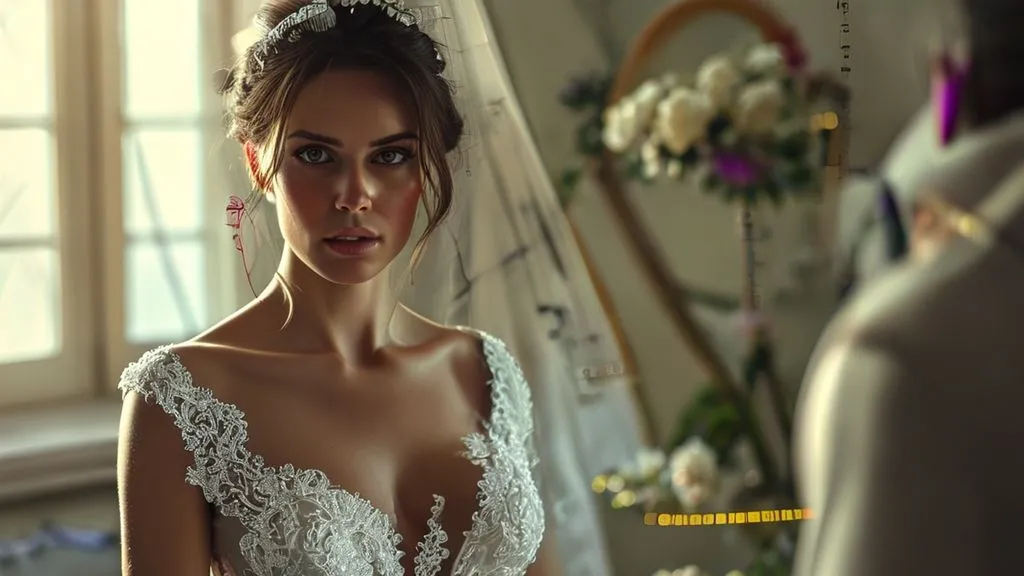
- Pairing with the Gown: Always present accessories with the actual wedding gown, either on a mannequin or, ideally, while the bride is wearing it. This is the most crucial step.
- Create Complete Looks: Don't just show a single item. Pair a veil with a tiara, or earrings with a bracelet. Demonstrate how different pieces harmonize to create a cohesive aesthetic.
- Use Props and Lighting: If possible, use professional lighting to highlight the sparkle and detail of the accessories. A full-length mirror is essential.
- Capture the Moment (with permission): Offer to take a quick photo or video of the bride wearing the dress and accessories (if she's comfortable). This allows her to review the look later, especially if she needs time to decide or wants to show it to a trusted friend.
- Educate on Impact: Explain how each accessory enhances the dress. "Notice how this delicate belt cinches your waist, creating an even more hourglass silhouette, while the subtle sparkle draws the eye up to the beautiful neckline."
As Forbes highlights, visual presentation is key to influencing purchasing decisions, even in a physical retail setting. It helps the client visualize the end result, reducing uncertainty.
| Accessory Type | Dress Neckline Pairing | Style Enhancement |
|---|---|---|
| Veil | All, especially strapless, sweetheart, V-neck | Adds drama, romance, frames the face |
| Hairpiece (Tiara/Comb) | High neck, illusion, off-shoulder | Elevates updo, adds sparkle, defines face |
| Earrings | Strapless, off-shoulder, halter | Draws attention to décolletage, completes facial framing |
| Bracelet/Cuff | Long sleeves, sleeveless, spaghetti straps | Adds wrist elegance, complements dress embellishments |
| Bridal Belt/Sash | Any, especially A-line, ball gown | Defines waist, adds sparkle/texture, customizes gown |
Strategy 5: Leveraging Social Proof and Expert Endorsement
Indecisive clients often seek reassurance that they are making a good choice. Social proof and expert endorsement provide that external validation, building confidence and trust. This is a powerful psychological tool.
The Influence of Others
People are inherently influenced by the actions and opinions of others, especially when they are uncertain. This phenomenon, known as social proof, can be strategically used in cross-selling unique bridal accessories.
- Showcase Real Brides: Have a digital portfolio or printed album of real brides wearing your accessories. "This particular veil was incredibly popular last season; many of our brides loved how it beautifully complemented their lace gowns."
- Share Testimonials: Feature quotes from delighted brides about their accessory choices. "One bride told us these earrings were 'the perfect touch of sparkle' for her modern wedding."
- Highlight Popularity: If an accessory is a best-seller or frequently chosen, mention it. "Our 'Celeste' hair vine is one of our most requested pieces because of its versatility and ethereal charm."
- Seek Expert Opinions: Mention if a piece has been featured in a reputable bridal magazine or if a well-known stylist has endorsed it. "This designer is frequently featured in 'Vogue Brides' for their innovative designs."
- Invite a Trusted Friend/Family: Encourage the bride to bring a close, trusted confidante to her accessory appointment. Their positive feedback can significantly sway an indecisive bride. However, manage this carefully to avoid too many conflicting opinions.
According to a study published in the Journal of Personality and Social Psychology, individuals are more likely to conform to the opinions of a majority, especially when the situation is ambiguous. For a bride facing a significant decision, the ambiguity is high, making social proof particularly potent.
Strategy 6: The 'Complete Look' Presentation – From Head to Toe
Rather than selling individual items, sell a vision. The "complete look" strategy involves presenting unique bridal accessories not as add-ons, but as integral components of a harmonious ensemble. This is particularly effective for indecisive clients who struggle to visualize how separate pieces come together.
Presenting a Cohesive Vision
Your goal is to paint a full picture of the bride's wedding day aesthetic, ensuring every accessory enhances the gown and her personal style, creating an unforgettable impression.
- Dress First, Then Build: Once the dress is chosen, bring out the curated accessories one by one, explaining how each piece contributes to the overall look.
- Start with the Foundation: Typically, this means the veil or headpiece, as it frames the face and sets the tone. Then move to earrings, necklace (if applicable), bracelet, and finally, a belt or sash.
- Verbalize the Ensemble: As you add each piece, describe the evolving look. "With the 'Aurora' veil, your classic gown takes on a touch of ethereal romance. Now, let's add these pearl drop earrings – notice how they echo the delicate beading on your bodice, pulling the whole look together beautifully."
- Offer a 'Before and After': If the bride is open to it, let her see herself with just the dress, and then with the full accessory ensemble. The transformation is often the most powerful selling tool.
- Suggest a 'Package' or 'Set': While not always about discounts, presenting a cohesive set of unique bridal accessories (e.g., "The 'Garden Goddess' look includes this floral hairpiece, delicate vine earrings, and a pearl bracelet") can make the decision feel less fragmented. This bundles the decision-making, as Harvard Business Review notes on the power of bundling for perceived value.
This method removes the guesswork for the bride, allowing her to see herself as a complete, stunning vision rather than just a dress with some adornments. It answers her unspoken question: "How will it all look together?"
Strategy 7: Overcoming Objections with Grace and Confidence
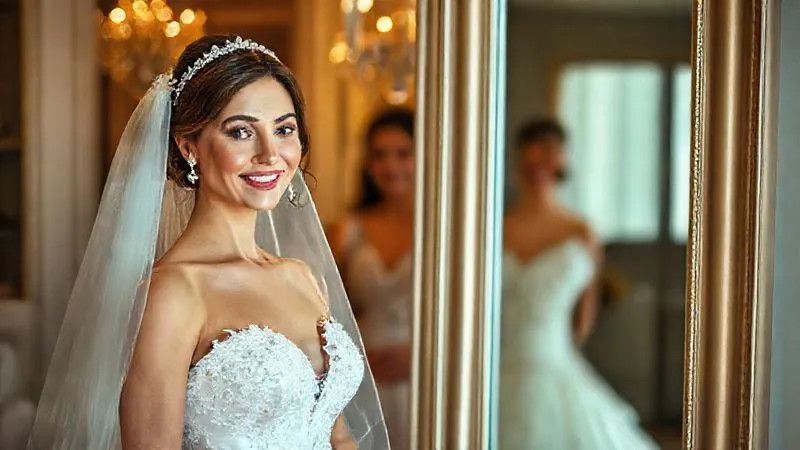
Even with the most refined cross-selling techniques, objections are inevitable, especially from indecisive clients. Your ability to address these concerns with empathy, knowledge, and confidence is crucial for closing the sale and building lasting trust.
Common Objections and How to Address Them
Approaching objections not as roadblocks but as opportunities for further conversation is key. Remember, an objection is often just a request for more information or reassurance.
- "I need to think about it / I want to look around." Response: "I completely understand this is a big decision, and you want to be sure. What specific aspects are you feeling uncertain about? Perhaps I can clarify something or offer an alternative that addresses your concerns now, so you can leave feeling confident." You can also offer to hold the items for a short period.
- "It's too expensive / It's not in my budget." Response: "I appreciate you're mindful of your budget. While these are investment pieces designed to last a lifetime and complement your gown perfectly, let's look at what's most important to you. Is there a particular accessory you feel is absolutely essential, and perhaps we can explore a slightly different option for another piece, or discuss our flexible payment options?" Focus on value, not just price.
- "I'm not sure if it's 'me'." Response: "That's a very important feeling to trust. What about it feels 'not you'? Is it the style, the sparkle, or something else? Sometimes seeing it in a different light or with a different hair trial can help. We can also explore a slightly more understated or bolder option if you'd like." Offer to try on alternatives.
- "My mom/bridesmaids need to see it." Response: "It's wonderful that you value their input! Would you like to schedule a follow-up mini-appointment where they can see the complete look, or perhaps we can take some photos for you to share with them? I can also note down all the details so you can easily reference them."
- "I don't usually wear a lot of jewelry/accessories." Response: "I hear that often! Many brides feel that way, but a wedding day is unique. It's about enhancing your natural beauty and the gown. We're not looking to transform you, but to add those subtle, yet impactful, touches that complete your bridal vision. Let's try something minimal and elegant – you might be surprised how it feels."
Expert Insight: "An objection isn't a 'no'; it's an opportunity to reframe, re-educate, and reinforce value. Listen for the underlying concern, then address it directly and empathetically."
Effective objection handling requires patience, empathy, and a deep understanding of your products. It's about guiding the bride to her own conclusion, rather than pushing her there. For more insights on handling sales objections, consider resources like HubSpot's guide on sales objections.
Frequently Asked Questions (FAQ)
Q: How do I handle a bride who says 'I need to think about it' regarding accessories, even after trying on a few?
A: When a bride expresses the need to 'think about it,' it's rarely a definitive 'no,' but rather a signal of unresolved uncertainty or a desire for external validation. First, gently probe to understand the specific source of her hesitation. Ask, "What particular aspects are you feeling uncertain about?" or "Is there anything I can clarify for you right now?" This helps pinpoint whether it's budget, style, or feeling overwhelmed. Offer to summarize the looks she loved most and perhaps take a quick, discreet photo (with permission) for her to review. You can also suggest a short hold on her favorite pieces, creating a gentle sense of urgency without pressure. Reiterate your expertise and willingness to help her feel 100% confident, perhaps by offering a brief follow-up call or a 'second look' appointment.
Q: What if a bride has a very limited budget for accessories? How can I still cross-sell effectively?
A: A limited budget doesn't mean no cross-selling; it means smart, value-driven cross-selling. Start by acknowledging her budget and assuring her that you can find beautiful options. Focus on fewer, high-impact pieces rather than multiple small ones. For instance, instead of a tiara, earrings, and bracelet, suggest one stunning hairpiece that makes a statement, explaining its versatility and how it uniquely elevates her look. Highlight multi-functional pieces or items that can be worn again after the wedding. Emphasize the 'cost per wear' if applicable, or the enduring emotional value. Consider offering a small, curated selection of unique bridal accessories in a slightly lower price range that still maintain your boutique's quality and aesthetic. Sometimes, even one perfectly chosen, affordable piece can make a significant difference.
Q: How can I ensure my team is consistently applying these cross-selling techniques?
A: Consistency comes from comprehensive training, ongoing coaching, and clear expectations. Implement regular training sessions that cover the psychology of indecision, active listening, storytelling, and objection handling specifically tailored to unique bridal accessories. Role-playing scenarios are incredibly effective. Create clear scripts or talking points, not for memorization, but as guides. Establish measurable goals for accessory attach rates and regularly review individual and team performance, providing constructive feedback. Encourage peer learning and celebrate successes to foster a positive, collaborative environment. Empower your team to be stylists and trusted advisors, not just sales associates, and ensure they are deeply knowledgeable about every accessory's story and how it complements different gowns.
Q: Is it ever too early or too late to introduce accessories in the bridal journey?
A: Timing is critical. It's generally too early to push accessories before the gown is chosen, as the dress is the foundation of the entire look. The ideal time is immediately after the bride has committed to her wedding dress. At this point, she's feeling excited and confident about her main purchase, making her more receptive to completing her vision. Waiting too long (e.g., closer to the final fitting) can be too late, as she might have already purchased accessories elsewhere, or her budget might be reallocated. Introducing unique bridal accessories as an integral part of the 'complete look' during or right after the gown selection appointment reinforces their importance and allows for a seamless, holistic styling experience.
Q: How do I differentiate between upselling and cross-selling in bridal, and which is more effective for indecisive clients?
A: Upselling involves encouraging a client to purchase a more expensive version of an item they are already considering (e.g., a more elaborate veil instead of a simple one). Cross-selling involves suggesting complementary items related to their main purchase (e.g., earrings, a hairpiece, or a belt to go with the dress). For indecisive clients, cross-selling is often more effective and less intimidating. Upselling can sometimes add to their decision fatigue by presenting too many 'better' options, potentially leading to paralysis. Cross-selling, when done thoughtfully with curated unique bridal accessories, helps them build a complete, harmonious look without feeling pressured to spend more on a single item. It frames the accessories as essential components that complete their dream, rather than just an upgrade.
Key Takeaways and Final Thoughts
Mastering the art of cross-selling unique bridal accessories to indecisive clients is not merely a sales tactic; it's a profound commitment to enhancing the bride's entire experience and ensuring she walks away feeling beautiful, confident, and completely ready for her special day. It requires empathy, expertise, and a strategic approach that prioritizes understanding her needs above all else.
Remember these critical takeaways:
- Embrace Empathy: Understand the psychological roots of indecision, which are often fear of regret and overwhelm, not a lack of interest.
- Listen Actively: Go beyond surface-level questions to truly grasp her vision, style, and unspoken desires.
- Curate, Don't Overwhelm: Present a small, highly personalized selection of unique bridal accessories to simplify her decision-making process.
- Tell a Story: Connect accessories to emotion, craftsmanship, and her personal narrative to create deeper resonance.
- Visualize the Whole: Always present accessories with the gown, creating a 'complete look' that removes guesswork.
- Leverage Trust: Utilize social proof and expert endorsement to build confidence and validate her choices.
- Handle Objections Gracefully: See objections as opportunities to clarify, reassure, and reinforce value.
By integrating these strategies, you'll not only boost your accessory sales but, more importantly, you'll forge stronger connections with your brides, transforming moments of uncertainty into unforgettable experiences of discovery and joy. Your expertise as a bridal fashion specialist is her greatest asset – wield it with wisdom, grace, and confidence, and watch your business, and your brides' happiness, flourish.
Recommended Reading
- 7 AI Personalization Strategies to Halve Your Fashion E-commerce Returns
- Why Your Streetwear Aesthetic Isn't Selling: 6 Expert Fixes
- Mastering Platinum: 7 Steps to Eliminate Porosity in Intricate Jewelry Casting
- 7 Steps: Rebuilding Luxury Brand Trust After a Scandal
- Verify True Sustainability in Vintage: 7 Steps for Ethical Sourcing


Your email address will not be published. Required fields are marked *