

How to Create Complex Fantasy Costumes on Tight Production Budgets?
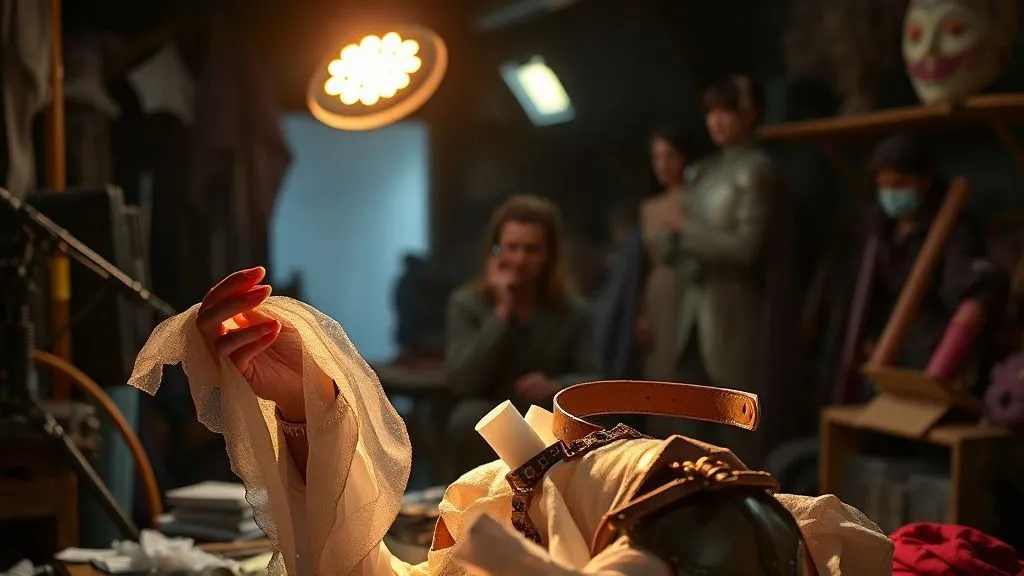
For over two decades in costume design, particularly in the fantastical realms of film, theatre, and immersive experiences, I've witnessed the exhilarating challenge of bringing epic visions to life. Yet, time and again, the most formidable dragon isn't a creature of lore, but the daunting beast of a tight production budget. It's a universal truth: grand ideas often clash head-on with limited funds, leaving many talented designers feeling constrained and creatively stifled.
The dream of crafting breathtaking, intricate fantasy costumes – think sprawling robes, detailed armor, ethereal creature wear, or elaborate cultural attire – frequently collides with the stark reality of financial constraints. Many aspiring designers, independent filmmakers, and small production companies feel paralyzed, believing that genuine complexity, visual richness, and a high-end aesthetic are exclusive to projects with bottomless pockets. This misconception can stifle creativity and lead to compromises that diminish the magic and immersion of a fantasy world.
But what if I told you that budget limitations aren't a barrier, but a powerful catalyst for innovation? In this definitive guide, I'll share the battle-tested strategies, expert insights, and practical frameworks I've honed over years in the trenches. You'll learn precisely how to create complex fantasy costumes on tight production budgets, transforming perceived weaknesses into your greatest strengths, and ensuring your characters look every bit as epic as your imagination demands.
The Art of Strategic Pre-Production: Planning for Pennies
In my experience, the foundation of any successful, budget-conscious costume project is laid long before a single stitch is sewn or a piece of foam is cut. Strategic pre-production is your most powerful tool against budget overruns and creative compromises. It's about designing with the budget in mind from the very first sketch.
Detailed planning allows you to anticipate challenges, explore alternative solutions, and make informed material choices. This phase isn't just about sketching; it's about deep dives into research, material availability, and construction methods. The more thorough you are here, the fewer costly surprises you'll encounter down the line. I've seen countless productions hemorrhage money simply because they jumped into execution without a clear, cost-effective roadmap.
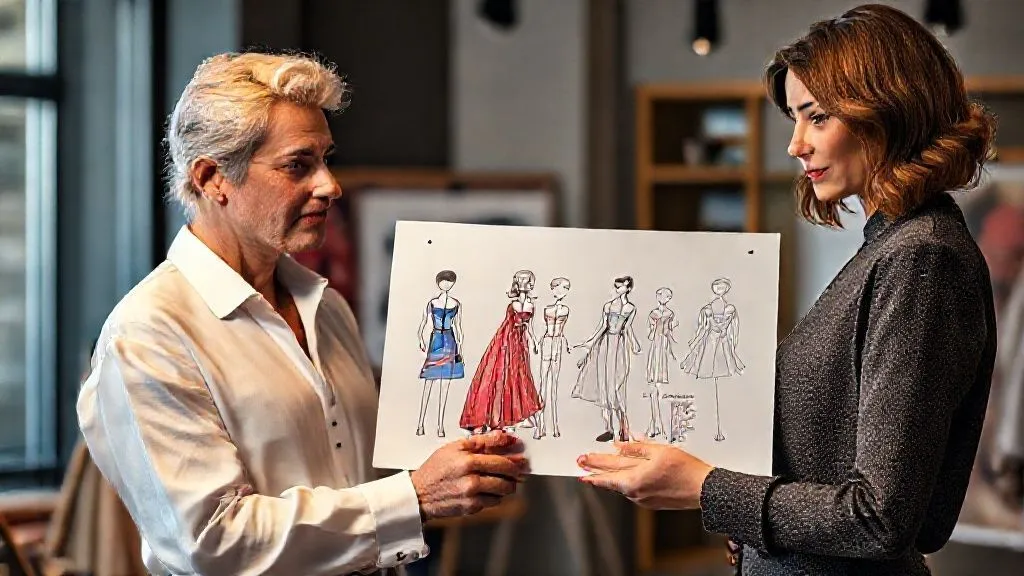
- Concept to Reality Blueprint: Develop highly detailed concept art, not just for the overall look, but for individual components. Break down each costume into its essential parts: underlayers, main garments, armor, accessories, footwear.
- Material Research & Swatching: Before committing, research and acquire samples of potential budget materials. Test how they drape, hold paint, and withstand wear. Create physical mood boards with these swatches to visualize the final outcome.
- Budget Breakdown & Contingency: Allocate specific amounts for each costume element and factor in a 10-15% contingency fund for unexpected costs. This isn't just a spreadsheet; it's a living document that guides every decision.
- Construction Method Mapping: Plan out the construction process for each piece. Identify areas where simpler techniques can be used without sacrificing visual impact, and where more labor-intensive details are absolutely crucial.
“A well-planned costume on a tight budget will always outshine a lavish one haphazardly thrown together. The secret lies in designing for the budget, not against it.”
According to a report by Forbes Coaches Council, strategic foresight and meticulous planning are critical across all industries for mitigating risks and ensuring project success. This principle is exceptionally true in costume design, where every dollar counts.
| Costume Element | Estimated Budget | Actual Cost | Notes |
|---|---|---|---|
| Main Garment | $150 | $135 | Used repurposed curtains |
| Armor Pieces | $100 | $95 | EVA foam & paint |
| Accessories | $50 | $40 | Thrift store finds |
| Footwear | $75 | $70 | Modified boots |
| Contingency | $37.50 | $0 | Unused |
This kind of detailed planning, as seen in the simplified example above, provides a clear roadmap and helps you stay accountable, ensuring every penny is spent with purpose.
Mastering Material Alchemy: Transforming the Ordinary into Extraordinary
This is where the magic truly happens on a tight budget. Material alchemy is the art of taking inexpensive, often unconventional, materials and transforming them into something visually rich, compelling, and utterly believable within your fantasy world. Forget the notion that only expensive silks and genuine leather can create a 'high-quality' look; perception is everything.
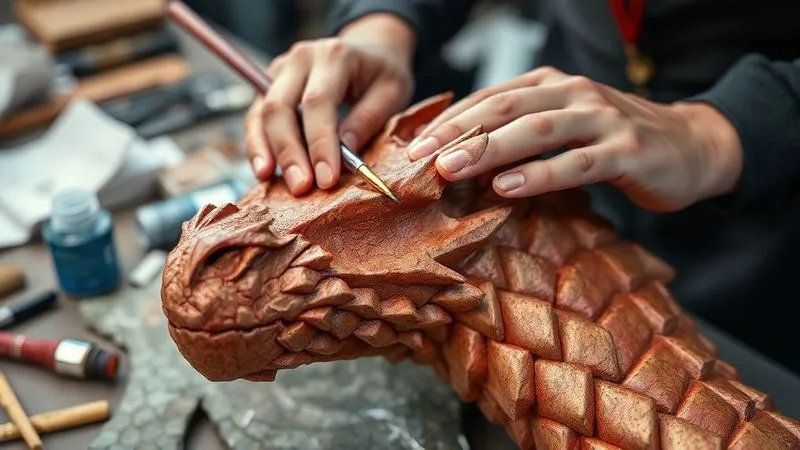
I've seen costume designers create stunning dragon scales from painted EVA foam, regal cloaks from upholstery fabric remnants, and intricate elven armor from carefully sculpted and textured pleather. The key is understanding the properties of your chosen materials and applying appropriate finishing techniques.
Case Study: How 'Chronicles of Eldoria' Crafted Dragon Scale Armor
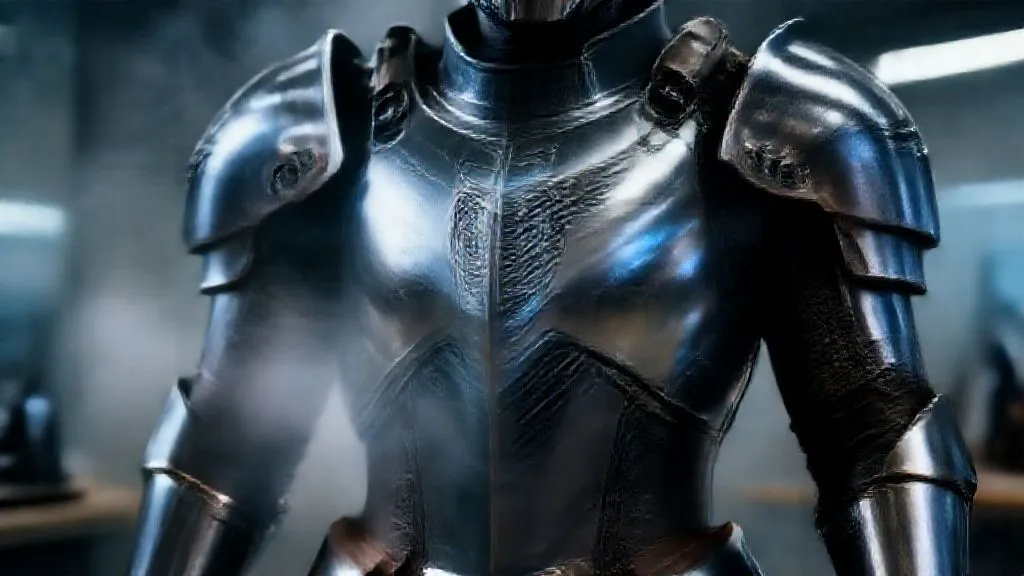
For an independent fantasy web series, 'Chronicles of Eldoria,' the costume department faced the monumental task of creating realistic, yet lightweight, dragon-rider armor for their lead on a micro-budget. Instead of costly thermoplastics or metal, they opted for high-density EVA foam. Each 'scale' was individually cut, heat-formed for a subtle curve, and then meticulously layered onto a base vest. The real transformation came with the finishing: a multi-stage process involving a liquid rubber coating for durability, followed by metallic spray paints, and finally, a series of washes and dry-brushing techniques using acrylics to mimic the iridescent, weathered look of ancient dragon hide. The result was armor that looked incredibly detailed and weighty on screen, but was lightweight, flexible, and cost less than 10% of what traditional materials would have cost, proving that ingenuity trumps expense.
Here are some of my favorite budget-friendly materials and how to use them:
- EVA Foam: The undisputed champion for lightweight armor, props, and structural elements. It's affordable, easy to cut, shape with heat, and takes paint beautifully.
- Pleather & Vinyl: Excellent substitutes for leather. They come in various textures and finishes and can be tooled, painted, and distressed to mimic aged leather.
- Upholstery Fabric Remnants: Often heavy, textured, and durable, these can create luxurious-looking cloaks, tunics, or even serve as bases for embroidery and embellishment. Check fabric stores' clearance bins.
- Thrift Store Finds: Old curtains, bedsheets, blankets, and even existing garments can be deconstructed, dyed, and repurposed into new costume pieces. Look for interesting textures and weaves.
- Hardware Store Gems: PVC pipes for staffs, plumbing parts for mechanical details, various paints, glues, and sealants are often cheaper and more robust than craft store alternatives.
“The illusion of richness is often more impactful than actual richness. It’s about convincing the eye, not the wallet.”
Experimentation is crucial. Don't be afraid to try different combinations of materials and finishing techniques. The more you play, the more you'll discover the 'alchemical' secrets that turn humble beginnings into cinematic wonders.
The Power of Smart Sourcing: Where to Hunt for Hidden Gems
Once you’ve mastered material alchemy, the next step is finding those materials at the best possible price. Smart sourcing isn't just about finding the cheapest option; it's about finding the most cost-effective solution that still meets your aesthetic and durability requirements. It requires patience, a keen eye, and a willingness to think outside the traditional retail box.
My Proven Sourcing Strategy:
- Research Local & Online Bargain Hubs: Start with a comprehensive list of all local thrift stores, charity shops, fabric remnant outlets, and discount craft stores. Explore online marketplaces like eBay, Etsy (for supplies), and even local 'Buy Nothing' groups or Craigslist for freebies.
- Set Specific Search Parameters (But Stay Flexible): Go in with a clear idea of what you need (e.g., 'heavy textured fabric, earthy tones, at least 5 yards'). However, be open to serendipitous finds. Sometimes the best materials are those you didn't even know you needed until you saw them.
- Negotiate & Ask for Discounts: Don't be shy! Many independent fabric stores or smaller vendors are willing to offer discounts for bulk purchases or if you explain your project (e.g., 'for an indie film'). Thrift stores sometimes have specific discount days.
- Buy in Bulk (When it Makes Sense): If you find a fantastic deal on a versatile material you know you'll use across multiple costumes or future projects, consider buying a larger quantity. The unit cost often drops significantly.
- Network with Other Creatives: Join local costume design or cosplay groups. Designers often have leftover materials they're willing to sell or trade at low cost. You might also find someone with a specific skill set you need who's open to collaboration.
I've sourced entire costume components from unexpected places – an antique store for a unique belt buckle, a hardware store for interesting metal accents, or even a friend's attic for vintage lace. Each find contributes to the unique character of the costume without breaking the bank. For more insights on ethical and sustainable sourcing, resources like Smithsonian Magazine's articles on sustainable fashion offer valuable perspectives on resourcefulness.
Modular Design & Repurposing: Building Blocks for Budget Brilliance
One of the most powerful strategies for making your budget stretch further is to embrace modular design. This approach involves creating costume pieces that can be easily interchanged, layered, or adapted for different characters or scenes. Think of it like a fantasy wardrobe building kit.
- Interchangeable Components: Design elements like cloaks, capes, armor pieces, belts, and pouches to be detachable. This allows you to create multiple distinct looks from a smaller pool of core items. A single tunic, for instance, can be transformed into a warrior's base layer, a peasant's simple garb, or a mage's under-robe by simply changing the outer layers and accessories.
- Layering for Depth: Utilize layering to add complexity and visual interest. Inexpensive base garments can be elevated with textured vests, sashes, and overcoats. This also helps to disguise cheaper materials underneath.
- Repurposing Existing Garments: Don't underestimate the power of a well-chosen thrift store garment as a starting point. An oversized coat can become a dramatic cloak, a denim jacket can be distressed into a rugged mercenary's wear, or a simple dress can be dyed and embellished into an ethereal gown. Seams can be unpicked, elements added, and silhouettes altered to fit your vision.
- Designing for Damage & Variation: Plan for pieces that can be easily 'damaged' or altered to show character progression or battle wear without needing entirely new costumes. A clean cloak can become a tattered one with strategic cuts and distressing.
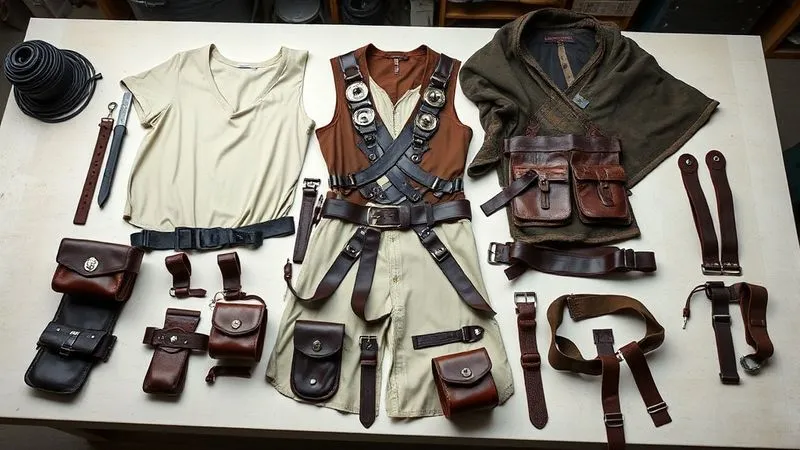
By designing with modularity in mind, you not only save money on materials but also on labor, as you're not constantly building entirely new pieces from scratch. It's an intelligent way to maximize your creative output from limited resources. This concept is beautifully explored in many design principles, emphasizing efficiency and adaptability.
Leveraging Local Talent & Community: A Collaborative Approach
You don't have to carry the entire creative burden alone, especially on a tight budget. Tapping into your local community and leveraging the skills of others can be an absolute game-changer. This isn't just about finding free labor; it's about fostering collaboration and creating a network of support.
- Student Designers & Interns: Reach out to local fashion or theater design schools. Students are often eager for real-world experience, portfolio pieces, and mentorship. You can offer them valuable credit, experience, and a chance to work on exciting projects in exchange for their time and skills.
- Local Artisans & Crafters: Many communities have incredibly talented individuals who specialize in specific crafts – leatherwork, jewelry making, embroidery, prop building. They might be willing to collaborate, offer discounted rates, or even barter services for exposure or help with their own projects.
- The Cosplay Community: This community is a goldmine of highly skilled, passionate individuals who are experts in creating complex, detailed costumes on personal budgets. Many are open to sharing techniques, offering advice, or even volunteering for projects they find inspiring.
- Volunteers & Enthusiasts: For simpler tasks like cutting fabric, painting base layers, or organizing materials, consider recruiting volunteers. Clearly communicate the project's vision and the value of their contribution. A well-fed and appreciated volunteer is an invaluable asset.
When I was working on a particularly ambitious indie short film, we needed intricate beadwork for a royal gown. Our budget for professional embellishers was non-existent. I put out a call to a local craft guild, and two retired women, passionate about their hobby, offered to do the work for the cost of materials and a few catered lunches. The quality was exceptional, and the collaborative spirit enriched the entire production. This kind of community engagement not only saves money but also builds invaluable connections.
Remember to always be respectful of people's time and skills. Clearly define roles, provide necessary resources, and offer fair compensation or trade where possible. Building strong relationships within your creative community is an investment that pays dividends far beyond a single project. Resources like VolunteerMatch can help connect you with local individuals eager to contribute their skills.
Time-Saving Construction Techniques: Efficiency Without Compromise
Budget constraints often mean time constraints. While quality should never be sacrificed entirely, there are intelligent ways to streamline your construction process without compromising the visual integrity of your fantasy costumes. It’s about working smarter, not just harder.
- Batch Production: If you have multiple similar costume elements (e.g., soldier tunics, identical pouches), create an assembly line. Cut all pieces at once, sew all similar seams, paint all similar details. This builds efficiency and consistency.
- Simplified Pattern Making: Embrace basic, adaptable patterns. Many fantasy garments, like cloaks, tunics, and simple robes, can be constructed from very straightforward geometric shapes. Focus on adding complexity through layering, embellishments, and distressing, rather than overly intricate pattern pieces.
- Strategic Use of Adhesives: While sewing is often paramount, don't shy away from industrial-strength hot glue, contact cement, or fabric glues for specific applications. For example, attaching trim, securing armor plates to fabric, or creating quick seams on non-stress areas can be done rapidly with adhesives, freeing up sewing machine time for structural elements.
- Prioritize Visible Areas for Detail: Direct your time and effort to the parts of the costume that will be most visible on camera or to the audience. The back of a cloak that will always be against a wall doesn't need the same level of intricate detail as the front of a character's chest piece.
- Industrial Tools (If Available): Access to an industrial sewing machine or a heat press can significantly speed up production. If you don't own them, consider renting for a short period or finding a local maker space.
“Efficiency in construction isn't about cutting corners, but about optimizing your workflow to maximize impact where it matters most.”
I recall a project where we had to create 20 identical background warrior costumes. Instead of individually sewing each fabric belt, we used a heavy-duty fabric adhesive and reinforced key stress points with a single line of stitching. This saved days of work and allowed us to focus on the more unique, hero costumes. It's a pragmatic approach that acknowledges the realities of production timelines.
Distress, Age, and Embellish: The Illusion of Opulence
The final touches are where a budget costume truly transcends its humble origins. Distressing, aging, and embellishing are powerful techniques that add story, texture, and a sense of history to a garment, making it appear far more expensive and complex than it actually is. It's about creating an illusion of lived-in authenticity or ancient grandeur.
Techniques for Adding Depth and Realism:
- Sanding & Roughing: Use sandpaper, wire brushes, or even cheese graters to break down fabric fibers, especially on edges and high-wear areas, to simulate natural wear and tear.
- Dyeing & Washing: A simple tea or coffee bath can give new fabric an aged, muted tone. Strategic washes of watered-down acrylic paint can create dirt, grime, or moss effects. Over-dyeing can transform a cheap, bright fabric into something far more sophisticated.
- Painting & Dry-brushing: Use acrylic paints (mixed with fabric medium or water) to add shadows, highlights, rust, or mud splatters. Dry-brushing with lighter colors can make raised textures pop, simulating wear.
- Tearing & Fraying: Strategic tears and frayed edges can suggest battle damage, long journeys, or general neglect. Always consider where natural wear would occur.
- Simple Embellishments: Don't break the bank on real gems. Use painted beads, faux leather strips, metallic studs, or even bottle caps painted to look like ancient coins. Layering different textures of inexpensive trim can create a rich, intricate look.
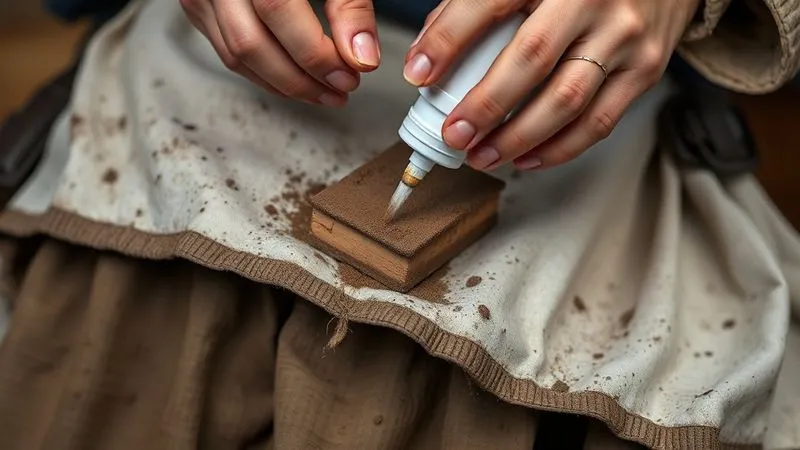
The goal is not to make something look 'dirty,' but to make it look 'real.' A brand-new costume often looks sterile and unconvincing in a fantasy setting. A costume with a story, evident in its wear and tear, immediately grounds the character in their world. As famed costume designer Eiko Ishioka once said, "Costumes are the first impression of the character." Making that impression authentic is paramount.
Negotiation & Bartering: Beyond the Price Tag
Mastering the art of negotiation and being open to bartering are skills that will serve you incredibly well when creating complex fantasy costumes on tight production budgets. Many suppliers, vendors, and even fellow creatives are open to alternative arrangements if approached correctly.
- Ask for Industry Discounts: Many fabric stores, hardware suppliers, and art supply shops offer discounts to students, artists, or for bulk purchases. Always ask if they have an 'industry professional' discount or a 'student discount.'
- Bulk Purchase Leverage: If you need a significant quantity of a particular material, inquire about volume pricing. Often, buying a larger bolt of fabric will dramatically reduce the per-yard cost.
- Offer Cross-Promotion & Credit: If you're working on a film or theatrical production, offer to credit suppliers in your program, on your website, or in social media posts in exchange for discounted materials or services. For smaller businesses, this exposure can be very valuable.
- Bartering Services: Do you have a skill you can trade? Perhaps you're a skilled photographer, graphic designer, or have expertise in social media. You might be able to offer your services to a vendor in exchange for materials or tools.
- Build Relationships: Regular customers who are polite and professional often receive preferential treatment. Cultivate relationships with your suppliers; they might alert you to sales, offer special deals, or even hold items for you.
I once secured a significant discount on upholstery fabric by promising the small, independent store owner a prominent mention in our film's credits and a personal invitation to the premiere. It wasn't just about saving money; it was about building a mutually beneficial relationship. For more on effective negotiation, resources like Harvard Business Review's section on Negotiation provide excellent frameworks and strategies.
Remember, the worst they can say is no. But often, if you approach with respect and a clear proposal, you'll be surprised by the willingness of others to collaborate and help bring your vision to life within your financial parameters.
Frequently Asked Questions (FAQ)
Question? Can I really make high-quality fantasy costumes with a near-zero budget?
Answer: While 'zero budget' is an extreme, it's absolutely possible to create incredibly impactful fantasy costumes with minimal financial outlay. The key shifts from buying materials to resourcefulness: upcycling, repurposing, scavenging, and leveraging community goodwill. Focus intensely on silhouette, texture, distressing, and a strong narrative to evoke quality without expensive materials. Your time and ingenuity become your most valuable currency.
Question? What are the most common budget pitfalls in fantasy costume design, and how can I avoid them?
Answer: The biggest pitfalls include impulse buying (without a plan), underestimating labor time, not testing materials first, and trying to replicate high-budget looks exactly instead of finding creative alternatives. Avoid these by meticulous pre-production, detailed budget tracking, material testing, and embracing 'material alchemy' rather than direct imitation. Always have a contingency fund.
Question? How do I maintain costume authenticity when using cheap or unconventional materials?
Answer: Authenticity comes from thoughtful design and execution, not just material cost. Focus on historical or cultural research for your fantasy world to inform silhouettes, color palettes, and layering. Then, use distressing, painting, and texturing techniques to give inexpensive materials the appearance of age, wear, or specific material properties (e.g., making foam look like metal or leather). The 'story' of the costume is what creates authenticity.
Question? Is it better to buy cheap materials or rent expensive ones for a short shoot?
Answer: This depends on several factors. For unique, hero pieces that require specific, high-end materials or intricate construction you can't replicate, renting might be more cost-effective for a short shoot. However, for background characters, multiple costumes, or pieces that need significant modification and distressing, buying cheap materials and transforming them is usually the better budget choice. Always weigh the rental cost against the material cost plus your labor.
Question? What role does digital design or 3D printing play in budget fantasy costumes?
Answer: Digital design, using software like Marvelous Designer for fabric draping or ZBrush for sculpting, can be invaluable in pre-visualization and pattern creation, saving material waste. 3D printing is becoming more accessible for intricate details, small props, or unique armor pieces. While a 3D printer can be an investment, the cost per printed piece can be very low, especially for complex forms that would be difficult or time-consuming to create by hand. It's a tool that can provide high detail for a relatively low material cost.
Key Takeaways and Final Thoughts
Creating complex fantasy costumes on tight production budgets is not just feasible; it's an opportunity for unparalleled creativity and innovation. I've witnessed firsthand how limitations can force designers to think outside the box, leading to truly unique and memorable results that often surpass their lavishly funded counterparts.
- Plan Relentlessly: Your pre-production phase is your most crucial budget-saving tool.
- Embrace Material Alchemy: Transform inexpensive materials with clever techniques.
- Source Smart: Hunt for bargains and build relationships with suppliers.
- Design Modular & Repurpose: Maximize the utility of every costume piece.
- Collaborate Widely: Leverage community talent and foster creative partnerships.
- Optimize Construction: Use efficient techniques without sacrificing key visual impact.
- Distress & Embellish Wisely: Add story and realism through expert finishing.
- Negotiate & Barter: Don't be afraid to ask for deals or trade services.
Remember, the true magic of costume design isn't found in the price tag of your materials, but in the ingenuity, passion, and skill you bring to your craft. Believe in your vision, trust in these strategies, and embark on your next fantasy costume adventure with confidence. The most epic stories are often told with the most resourceful hands.
Recommended Reading
- Beyond Aesthetics: 7 Ways to Inject Narrative into Fashion Editorials
- 7 Creative Strategies: How to Make Fashion Styling Concepts Stand Out
- 5 Critical Steps: What to Do When a Custom Bridal Gown Arrives Flawed
- Ethical DNA Beauty: 7 Steps to Integrate Data in Bespoke Formulations
- Travel Smart: 7 Odor-Proof Activewear Picks for Men That Look Sharp

Your email address will not be published. Required fields are marked *