

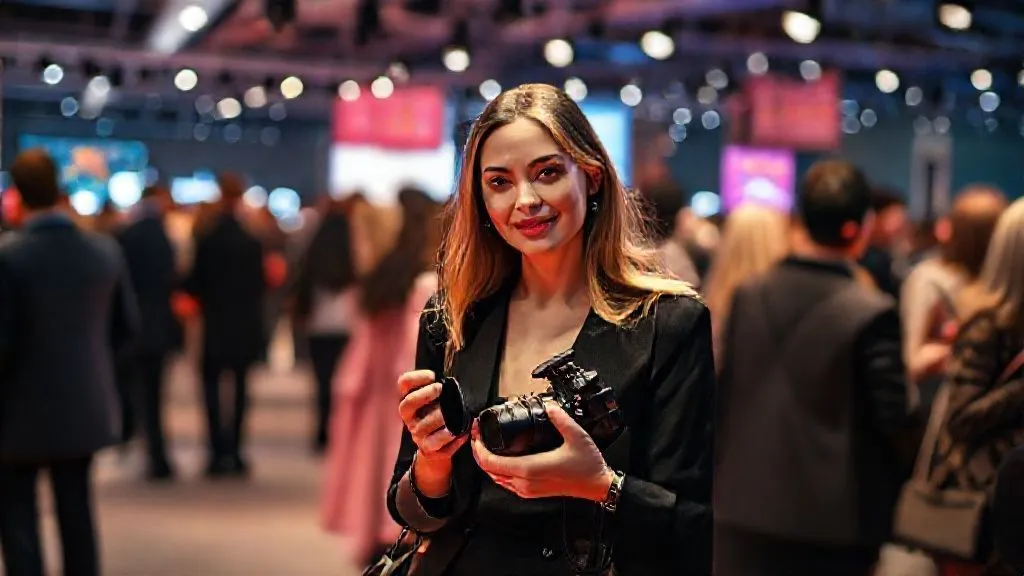
How to convert fashion event attendance into lucrative brand deals?
For over 15 years in the fashion blogging and influencer space, I've seen countless talented creators attend the most exclusive fashion events – from New York Fashion Week to intimate brand launches – only to walk away with little more than a goodie bag and some fleeting Instagram stories. The energy, the buzz, the potential connections, they're all there, but the bridge to truly monetizing that attendance with lucrative brand deals often remains unbuilt.
The problem isn't a lack of effort or even a lack of talent. It's often a missing strategic framework. Many approach these events with a hopeful, rather than a tactical, mindset, failing to understand that converting a casual encounter into a long-term, paid partnership requires deliberate planning, precise execution, and persistent follow-up. It's more than just showing up; it's about showing up with purpose.
In this definitive guide, I'll pull back the curtain on the exact strategies I've used and taught to help fashion bloggers and influencers transform their event attendance into tangible, high-value brand collaborations. You'll learn not just what to do, but *how* to do it, with actionable steps, real-world insights, and frameworks designed to elevate your game from attendee to sought-after brand partner.
The Pre-Event Blueprint: Strategic Preparation for Maximum Impact
Before you even think about stepping foot into a fashion event, your success hinges on meticulous preparation. This isn't about packing the perfect outfit; it's about crafting a strategic roadmap that maximizes every interaction.
Crafting Your Unique Value Proposition (UVP)
What makes you stand out in a crowded room of stylish individuals? Your Unique Value Proposition (UVP) is your elevator pitch, your personal brand narrative, and the clear benefit you offer to potential brand partners. It's not just about your follower count, but the specific niche you own, your engagement rates, your authentic voice, and the unique perspective you bring to the fashion landscape.
“In a world saturated with content, authenticity and a clearly defined niche are your most valuable currencies. Brands aren't just buying reach; they're buying resonance.”
Spend time refining this. Are you the go-to expert for sustainable luxury fashion? Do you specialize in avant-garde street style for Gen Z? Clearly articulating this will make you memorable and relevant.
Targeting the Right Events and Brands
Not all fashion events are created equal when it comes to brand deal potential. Research is paramount. Identify events that align with your niche and where your target brands will have a significant presence. Look for smaller, more intimate events hosted by brands you admire, as these often offer more direct access than massive industry trade shows.
Actionable Steps:
- Identify Core Brands: List 5-10 brands that perfectly align with your UVP and audience demographics.
- Research Event Sponsors & Attendees: Scour event websites, social media, and past coverage to see which brands are sponsoring or have a strong presence.
- Analyze Brand Campaigns: Understand their current marketing objectives. Are they launching a new collection? Targeting a new demographic? Your pitch should align with their goals.
Pre-Event Outreach: Warming Up the Leads
The coldest approach is at the event itself. A smart strategy involves warming up your leads beforehand. This means identifying key contacts (PR managers, marketing directors, brand founders) at your target brands and initiating a polite, professional connection.
Actionable Steps:
- LinkedIn & Email: Send a brief, personalized message expressing your admiration for their work and your excitement about the upcoming event. Mention a specific piece of their recent work that resonated with you.
- Social Engagement: Engage authentically with their content on Instagram, Twitter, or TikTok. Don't just like; leave thoughtful comments.
- Mutual Connections: Leverage your network. Ask for warm introductions if you have mutual connections.
Mastering the Event Floor: Presence, Networking, and Content Creation
Once you're at the event, it's showtime. This is where your preparation meets opportunity. Your presence, networking skills, and ability to create compelling content on the fly are crucial.
Making a Memorable First Impression
Your appearance and demeanor speak volumes. Dress in a way that reflects your personal brand but is also appropriate for the event. Be approachable, confident, and professional. Carry business cards with a QR code linking to your media kit or portfolio. Practice your UVP pitch so it flows naturally.
“Your personal brand is your most powerful asset. Every interaction is an opportunity to reinforce it.”
Strategic Networking: Quality Over Quantity
It’s tempting to try and meet everyone, but focus on meaningful interactions. Seek out the individuals you identified in your pre-event research. When you engage, listen more than you speak. Ask insightful questions about their brand, their challenges, and their vision. Look for genuine connection points.
Pro Tip: Instead of asking for a business card, offer yours and then ask, “What's the best email for me to send you a quick follow-up message?” This ensures you get a direct contact and creates an expectation for your follow-up.
Live Content Creation: Capturing the Moment
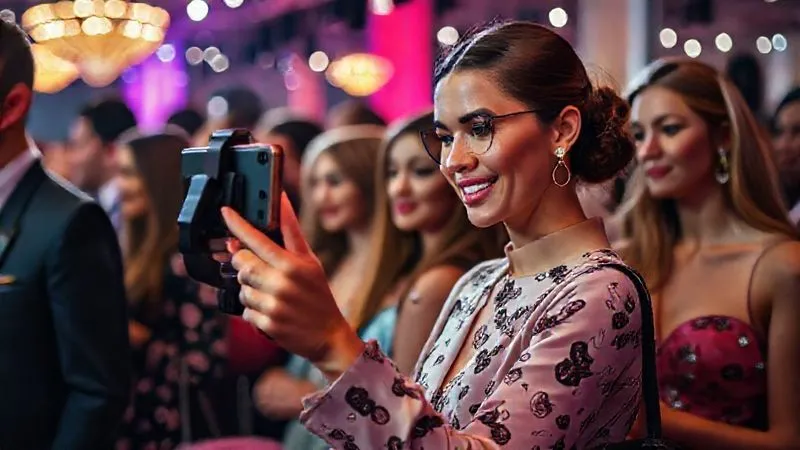
Fashion events are a goldmine for content. Document your experience authentically, but always with an eye toward showcasing how you would seamlessly integrate a brand's products or message into your narrative. Use a mix of photos, videos, and live stories.
Actionable Steps:
- Tag Strategically: Tag brands and designers you genuinely admire.
- Showcase Product Integration: If you're wearing a specific brand, highlight it naturally.
- Behind-the-Scenes: Offer unique insights that others might miss, demonstrating your insider perspective.
The Art of the Follow-Up: Nurturing Connections into Collaborations
The event is just the beginning. The real work of converting attendance into lucrative brand deals happens in the follow-up. This is where most bloggers drop the ball, and it's your opportunity to shine.
Prompt and Personalized Post-Event Communication
Send your follow-up email within 24-48 hours. This shows professionalism and keeps the conversation fresh in their mind. Reference a specific detail from your conversation to make it personal and memorable. Don't immediately pitch; instead, express your enjoyment of the event and the conversation.
Example: “It was a pleasure meeting you at the [Event Name] yesterday. I particularly enjoyed our discussion about [specific topic/collection]. Your brand's commitment to [value] truly resonated with me.”
Showcasing Your Value: The Tailored Media Kit
Once you’ve established a warm connection, your media kit becomes your powerful selling tool. It’s not a generic brochure; it's a dynamic presentation tailored to each brand you approach. Highlight how your audience aligns with theirs and how your content can help them achieve their specific marketing goals.
What to include in your tailored media kit:
- Brief Bio & UVP: Reiterate what makes you unique.
- Audience Demographics: Detailed insights into your followers.
- Engagement Rates: Proof of an active, responsive audience.
- Relevant Past Collaborations: Showcase successful partnerships, especially with similar brands.
- Content Examples: High-quality visuals that demonstrate your aesthetic and capabilities.
- Proposed Collaboration Ideas: Initial ideas tailored to their brand, showing you've done your homework.
Case Study: Elevating a Niche Blogger to a Global Brand Partner
Consider the journey of 'StyleByElara', a fashion blogger specializing in minimalist, sustainable luxury. Elara attended a smaller, exclusive press event for 'Veridian', a new eco-conscious accessory brand. Instead of a generic pitch, Elara spent her time at the event genuinely engaging with Veridian's founder, discussing their commitment to ethical sourcing and unique design philosophy. Her follow-up email wasn't a pitch, but a thoughtful reflection on their conversation, subtly linking Veridian's values to her own audience's interests.
Within a week, Elara sent a tailored media kit that included a mood board showing how Veridian's new collection could be styled into a compelling three-part series on 'conscious capsule wardrobes' for her specific demographic. This demonstrated a deep understanding of both her audience and Veridian's brand identity. Veridian, impressed by her strategic approach and authentic passion, offered her a long-term ambassador role, a significant upgrade from a single sponsored post. This partnership not only provided lucrative income but also cemented Elara's reputation as a thought leader in sustainable fashion, attracting other high-value brands.
This shows that a strategic, value-driven approach can turn a single event attendance into a cornerstone of your brand deals. According to a Deloitte study on influencer marketing, brands are increasingly seeking authentic, long-term relationships with influencers who deeply understand their values.
| Follow-Up Stage | Timing | Key Action |
|---|---|---|
| Initial Email | 24-48 Hours Post-Event | Personalized thank you, reference specific conversation |
| Proposal/Media Kit | 1 Week Post-Event (if interest shown) | Tailored media kit, initial collaboration ideas |
| Negotiation & Agreement | 2-4 Weeks Post-Event | Discuss terms, deliverables, compensation |
| Relationship Nurturing | Ongoing | Consistent communication, value delivery, feedback |
Crafting Irresistible Proposals: Beyond the Basic Pitch
Once you have a brand's attention, the proposal is your opportunity to seal the deal. This is not about asking for money; it's about presenting a clear, compelling vision of how you can solve their marketing challenges and deliver measurable results.
Understanding Brand Needs and Aligning Values
Before you even begin writing a proposal, you must deeply understand the brand's current objectives, target audience, and brand messaging. Your proposal should articulate how your unique audience and content style can help them achieve their specific goals – whether it's increasing brand awareness, driving sales, or shifting brand perception.
As marketing guru Seth Godin often says, "People don't buy goods and services. They buy relations, stories, and magic." Your proposal should tell a compelling story of partnership.
Structuring a Win-Win Partnership Proposal
A strong proposal goes beyond listing your rates. It outlines a comprehensive plan. Think about different tiers of collaboration, offering flexibility. Include a clear scope of work, deliverables, timeline, and an explanation of the value you bring.
Proposal Components:
- Executive Summary: A concise overview of your understanding of their brand needs and your proposed solution.
- Your Brand & Audience: Reiterate your UVP and audience demographics, specifically highlighting alignment.
- Proposed Campaign Strategy: Detail your creative ideas, content formats (e.g., Instagram reels, blog post, YouTube video), and how they will achieve the brand's objectives.
- Deliverables & Timeline: Clearly state what you will provide and when.
- Investment: Your compensation for the proposed work.
- Call to Action: Suggest next steps, like a follow-up call to discuss further.
Negotiation Tactics for Long-Term Success
Negotiation isn't about winning or losing; it's about finding common ground that benefits both parties. Be confident in your worth, but also open to compromise. Understand that brands often have budget constraints, and sometimes, a smaller initial deal can lead to more lucrative opportunities down the line if you deliver exceptional results.

Don't be afraid to walk away from deals that undervalue your work or compromise your authenticity. Your reputation is priceless.
Measuring Impact and Sustaining Relationships: The Long Game
Securing a brand deal is a victory, but the true mark of an experienced industry specialist is the ability to deliver results and foster long-term partnerships. This requires clear measurement and consistent communication.
Defining Key Performance Indicators (KPIs) for Brand Deals
Before any campaign begins, agree on the key performance indicators (KPIs) that will measure success. These might include:
- Reach & Impressions: How many people saw the content.
- Engagement Rate: Likes, comments, shares, saves.
- Click-Through Rate (CTR): How many people clicked on a link.
- Conversions: Sales, sign-ups, downloads.
- Brand Sentiment: Positive mentions, brand perception shifts.
A study by Statista highlights the growing importance of measurable ROI in influencer marketing, with many brands now prioritizing it above pure reach.
Delivering Value and Over-Delivering on Promises
Execute your campaign flawlessly. Meet deadlines, adhere to the brief, and maintain open lines of communication. If you can, find ways to over-deliver – perhaps an extra Instagram story, a bonus behind-the-scenes reel, or a detailed insights report with actionable suggestions for their next campaign.
Your goal is to make the brand's experience working with you so positive that they can't imagine working with anyone else for their next project.
Cultivating Repeat Partnerships and Referrals
The most lucrative brand deals often come from repeat business and referrals. After a successful campaign, provide a comprehensive report outlining the KPIs and your performance. Follow up with a personalized thank you note. Continue to engage with the brand's content on social media, even when you're not actively collaborating.
| Metric Category | Key KPIs |
|---|---|
| Awareness | Reach, Impressions, Brand Mentions |
| Engagement | Likes, Comments, Shares, Saves, Engagement Rate |
| Conversion | Click-Through Rate (CTR), Sales, Leads, Sign-ups |
| Sentiment | Audience Feedback, Brand Perception, Positive Mentions |
A strong relationship built on trust and consistent value delivery is the foundation for long-term success in the fashion industry.
Avoiding Common Pitfalls: Expert Warnings from the Trenches
Even with the best intentions, I've seen many promising bloggers stumble. Here are the most common mistakes and how to avoid them.
The "Spray and Pray" Approach
Sending generic, untargeted pitches to every brand imaginable is a surefire way to get ignored. It demonstrates a lack of research, a lack of respect for the brand's time, and a fundamental misunderstanding of strategic partnerships. Focus on quality over quantity. A few highly personalized, well-researched pitches are far more effective than dozens of mass emails.
Underestimating Your Worth
Many new bloggers are so eager for their first brand deal that they undervalue their work, accepting low pay or even working for free for exposure. While some initial collaborations might be for product exchange, understand your worth. Your audience, your creativity, and your time are valuable assets. Research industry rates, factor in your experience and engagement, and confidently negotiate for fair compensation. Your confidence in your value influences how brands perceive you.
Neglecting Relationship Building

Some view brand deals as transactional: get the money, do the work, move on. This short-sighted approach misses the power of long-term relationships. Brands prefer working with trusted partners who understand their vision. Consistent communication, genuine interest, and a willingness to go the extra mile will build a network of advocates who will repeatedly choose you and refer you to others. Remember, the fashion industry is built on connections.
Frequently Asked Questions (FAQ)
Question? How quickly can I expect to convert fashion event attendance into lucrative brand deals, especially if I'm relatively new?
Detailed answer: While there's no fixed timeline, expect it to be a process. For newer bloggers, securing your first lucrative deal might take 3-6 months of consistent effort following an event. This includes meticulous follow-up, proposal refinement, and potentially a few smaller collaborations to build your portfolio. The key is consistent, strategic action, not immediate gratification. Your initial event attendance might lay the groundwork, and subsequent events or ongoing outreach will build on that foundation.
Question? What if I don't have a massive following? Can I still secure high-value brand deals from events?
Detailed answer: Absolutely! The industry has shifted significantly. Brands are increasingly prioritizing engagement, niche relevance, and authentic connection over sheer follower count. Micro and nano-influencers (those with smaller, highly engaged audiences) often boast higher engagement rates and can offer brands a more targeted, trustworthy reach. Focus on showcasing your strong engagement, your unique niche, and your ability to drive conversions within your community. Quality of audience always trumps quantity.
Question? Should I ever work for free or for product exchange when trying to secure brand deals after an event?
Detailed answer: While it's generally advised to value your time and charge for your services, there can be strategic exceptions, especially early in your career. If a brand is highly prestigious, aligns perfectly with your long-term goals, and offers significant exposure or a high-value product that elevates your portfolio, a product-exchange or initial unpaid collaboration might be a calculated risk. However, always ensure there's a clear agreement on deliverables and that it serves a strategic purpose in building your authority and attracting paid opportunities, rather than becoming a habit.
Question? How do I find the right contact person at a brand after an event if I didn't get their direct contact information?
Detailed answer: This is a common challenge. Start by checking LinkedIn. Search for the brand and look for roles like 'PR Manager,' 'Marketing Director,' 'Influencer Marketing Specialist,' or 'Brand Partnerships.' You can often find their email format via tools or by guessing common patterns (e.g., firstname.lastname@brand.com). If all else fails, a polite, concise message to their general press or marketing email, addressed to the relevant department, can often get forwarded to the right person. Always mention the event where you connected or saw their brand.
Question? What's the biggest mistake fashion bloggers make after attending an event when trying to get brand deals?
Detailed answer: The single biggest mistake is a lack of strategic, personalized follow-up. Many attend, collect cards, and then send generic emails or nothing at all. The real value of event attendance lies in the post-event phase, where you nurture the connections made. Failing to send a personalized, value-driven follow-up within 48 hours, or not crafting a tailored proposal that addresses the brand's specific needs, means leaving significant money and opportunity on the table. It's the difference between being a casual attendee and a serious business partner.
Key Takeaways and Final Thoughts
- Strategic Preparation is Non-Negotiable: Define your UVP, research target brands and events, and warm up your leads before you even arrive.
- Master Event Interactions: Make a memorable impression, network with purpose, and create compelling content in real-time.
- Follow-Up is Your Secret Weapon: Personalize your communication, tailor your media kit, and nurture relationships promptly after the event.
- Proposals Must Be Value-Driven: Understand brand needs, align your values, and craft win-win partnerships that highlight your unique solutions.
- Measure, Deliver, and Sustain: Define KPIs, consistently over-deliver on promises, and cultivate long-term relationships for ongoing success.
Converting fashion event attendance into lucrative brand deals isn't a stroke of luck; it's a strategic process. It requires diligence, authenticity, and a deep understanding of both your value and the brand's needs. Approach each event not just as an attendee, but as a proactive business development opportunity. By implementing these expert-level strategies, you'll not only elevate your income but also solidify your reputation as a trusted, sought-after partner in the dynamic world of fashion. Go forth, be strategic, and turn those connections into collaborations!
Recommended Reading
- 7 Steps to Conquer Natural Fiber Supply Chain Hurdles for Innovation
- 7 Critical Steps: How to Avoid Losing USDA Organic Status for Beauty Products
- The Ultimate Guide: Repairing Small Tears in Cashmere Gloves Yourself
- 7 Proven Strategies: Ethically Sourcing Rare Gemstones for Sustainable Jewelry Lines
- Stylish Glasses for Sensitive Eyes: The Ultimate Guide to Comfort and Style



Your email address will not be published. Required fields are marked *