

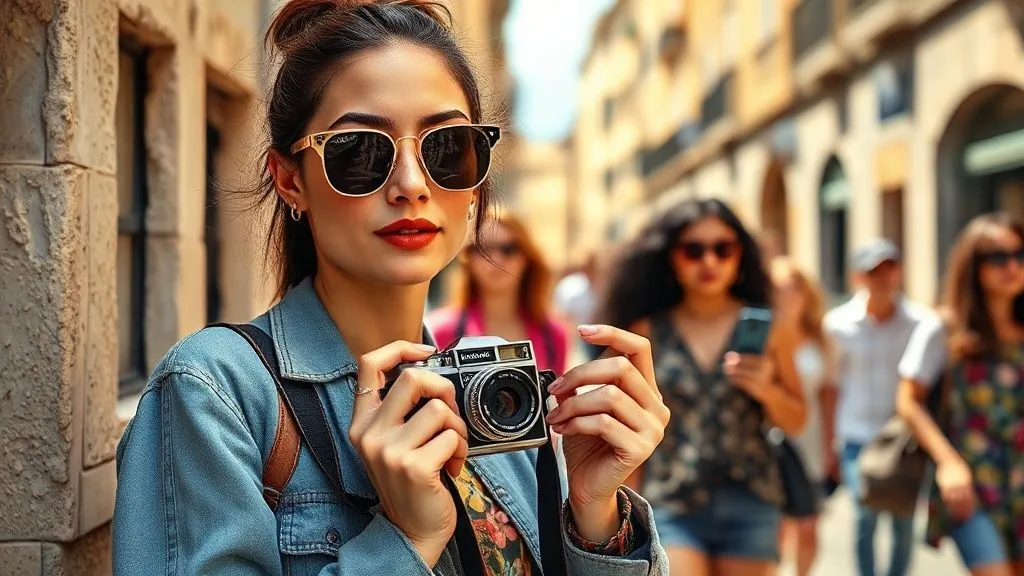
How to Consistently Discover Fresh Street Style Trends for Blog Posts?
For over 15 years in the dynamic world of fashion blogging, I've witnessed firsthand the exhilarating highs of spotting a groundbreaking trend and the frustrating lows of feeling utterly creatively drained. The constant demand for fresh, engaging content can feel like an endless treadmill, especially when your niche is as fluid and fast-paced as street style. I've spent countless hours pounding pavements, scrolling feeds, and dissecting runway shows, all in pursuit of that elusive 'next big thing'.
The core problem for many fashion bloggers isn't a lack of passion, but a lack of a systematic approach. You might find a few great looks one week, only to stare at a blank screen the next, wondering where all the inspiration went. This inconsistency leads to content fatigue, repetitive themes, and ultimately, a loss of reader engagement. Your audience craves novelty and expert insights, and if you're not delivering fresh perspectives, they'll inevitably look elsewhere.
But what if there was a robust framework, a multi-pronged strategy that not only helped you identify emerging trends but also empowered you to consistently discover fresh street style trends for blog posts, week after week? In this definitive guide, I'll share the actionable steps, expert insights, and real-world techniques I've honed over my career, ensuring your blog remains a vibrant, go-to source for street style inspiration. Prepare to transform your trend-spotting game and infuse your content with unparalleled originality.
Beyond the Obvious: Cultivating a Trend-Spotter's Mindset
Before we dive into tools and techniques, it's crucial to understand that consistent trend discovery begins with a fundamental shift in perception. It's not just about looking at what people are wearing; it's about seeing the subtle shifts, the emerging narratives, and the cultural undercurrents that drive fashion forward. This requires cultivating a specific mindset – one of curiosity, observation, and critical analysis.
The Art of Observational Immersion
I often tell aspiring bloggers that their best asset is their own two eyes, trained to truly *see*. This isn't passive viewing; it's an active, almost meditative process of immersing yourself in your surroundings and consciously seeking out patterns. It’s about being present and noticing details others might overlook.
- Practice Active Observation: Dedicate specific times to simply observe. Whether you're in a coffee shop, commuting, or at a public event, consciously scan for details: fabric choices, color palettes, accessory pairings, and even posture.
- Document Everything: Keep a digital or physical 'trend journal'. Snap discreet photos (with permission where appropriate), jot down notes, or record voice memos detailing what caught your eye. The more data points you collect, the clearer the picture becomes.
- Challenge Your Assumptions: Don't just look for what you expect to see. Be open to styles that initially seem 'off' or unfamiliar. Sometimes, the most groundbreaking trends emerge from unexpected places, challenging established norms.
- Connect the Dots: After observing, take time to reflect. Do you see recurring elements? Are similar styles appearing in different contexts? This synthesis is where true trend identification begins.
“Foresight is not about predicting the future, it’s about understanding the present deeply enough to discern what’s emerging.” – A core principle for any effective trend spotter.
Digital Deep Dive: Mastering Online Trend Discovery
While real-world observation is irreplaceable, the internet remains an unparalleled goldmine for uncovering emerging street style. The sheer volume and velocity of visual content online mean that digital platforms are often the first incubators for new looks and micro-trends. The key is to move beyond passive scrolling and adopt a strategic, analytical approach to your online exploration.
Leveraging Social Media Algorithms Strategically
Instagram, TikTok, and Pinterest aren't just entertainment; they are powerful trend-spotting tools if used correctly. Their algorithms, designed to show you more of what you engage with, can become your allies in discovering niche styles and emerging aesthetics.
- Instagram's Explore Page & Saved Collections: Actively engage with content that aligns with emerging styles. Save posts that intrigue you into dedicated collections (e.g., 'SS24 Footwear Trends', 'Niche Aesthetic'). The algorithm will then feed you more similar content. Follow trend-forecasting accounts and style influencers from diverse global cities.
- TikTok's For You Page (FYP): The FYP is a real-time trend barometer. Engage with fashion-forward content, use relevant hashtags (#streetstyle, #fashiontok, #OOTD, #microtrend), and pay attention to audio trends which often accompany visual styles. Look for viral challenges or aesthetic movements.
- Pinterest Boards for Visual Curation: Pinterest is ideal for visual trend tracking. Create multiple, highly specific boards (e.g., 'AW24 Silhouettes', 'Sustainable Streetwear', 'Parisian Chic'). Pin extensively, and Pinterest's recommendations will surface related, often new, aesthetics.

Unearthing Niche Blogs and Forums
Mainstream media often reports on trends once they're already established. To catch them earlier, you need to delve into the underground. Niche fashion blogs, style forums, and subreddits are fertile ground for nascent trends, as they often reflect the authentic expressions of specific communities before they hit the wider radar. Tools like Bloglovin' (or similar blog aggregators) can help you discover new voices, but don't shy away from deep dives into forums like Reddit's r/streetwear or specific designer communities.
Harnessing AI & Predictive Analytics (Briefly)
While still evolving, AI-driven trend forecasting platforms are becoming increasingly sophisticated. Companies like WGSN and Heuritech use artificial intelligence to analyze vast amounts of visual data from social media, e-commerce sites, and runways to predict future trends with remarkable accuracy. While these services often come with a premium, understanding their existence and occasionally referencing their public reports can provide valuable macro-trend context for your micro-trend discoveries.
The Ground Game: Real-World Exploration and Networking
No amount of digital scouting can fully replace the tactile, visceral experience of observing street style in person. The way fabrics move, the attitude conveyed, the subtle nuances of layering – these are best appreciated in real-time. Moreover, connecting with other fashion enthusiasts and industry professionals can open doors to insights you wouldn't find online.
Strategic Urban Reconnaissance
Think of yourself as a fashion anthropologist. Certain urban areas naturally become crucibles for new styles. These aren't always the most obvious, high-end shopping districts; sometimes, the most authentic and forward-thinking looks emerge from creative hubs, university campuses, or specific cultural neighborhoods.
- Target Trend Hotspots: Research neighborhoods known for their creative communities, art scenes, or youth culture. In New York, think SoHo or Williamsburg; in London, Shoreditch or Hackney; in Paris, Le Marais.
- Visit Cultural Events: Art gallery openings, music festivals, vintage markets, and even local flea markets are fantastic places to observe individuals expressing their unique style without the pressure of a 'fashion' event.
- Observe Commuter Flows: Major transportation hubs during peak hours can offer a cross-section of diverse styles. Look at how people adapt trends for daily wear.
Attending Fashion Weeks and Local Events
While the runways set the tone, the real magic of Fashion Week often happens outside the shows. The attendees – editors, buyers, influencers, and fashion enthusiasts – are a living, breathing showcase of current and emerging street style. Don't just focus on the 'big four' (New York, London, Milan, Paris); smaller, local fashion weeks or design school showcases can offer truly unique, regional insights.
Even if you can't attend in person, meticulously follow the street style photographers covering these events. Publications like Vogue's street style galleries are invaluable resources. Pay attention not just to the headline-grabbing outfits but to the recurring elements across multiple looks.
Networking with Fashion Insiders
Building a network within the fashion industry is a powerful, often overlooked, method for trend discovery. Conversations with stylists, designers, boutique owners, fashion students, and even sales associates can provide invaluable anecdotal evidence and early warnings of emerging trends. These individuals are on the front lines and often have a pulse on what's resonating with consumers and creatives before it becomes widespread.
Data-Driven Insights: Analyzing and Validating Trends
Spotting a cool outfit is one thing; validating it as a genuine trend that will resonate with your audience is another. This is where a more analytical approach comes into play. Combining your keen observations with concrete data can help you differentiate between a fleeting fad and a significant shift in style, ensuring your blog content is both timely and impactful.
Tracking Emerging Micro-Trends
I always emphasize the importance of creating a systematic way to track your observations. A simple spreadsheet can become your most powerful tool for identifying patterns and confirming the validity of a trend. This helps you move from anecdotal evidence to a data-backed understanding.
| Trend Category | Emerging Style | Key Attributes | Observed Locations | Potential Blog Angles |
|---|---|---|---|---|
| Footwear | Chunky Loafers | Platform sole, polished leather, chain detail | NYC, Paris, Seoul | How to style, best brands, office-appropriate |
| Outerwear | Oversized Blazers | Boxy fit, shoulder pads, neutral tones | London, Milan, Tokyo | Day-to-night looks, layering techniques, sustainable options |
| Accessories | Statement Belts | Wide, embellished, bold buckles | Milan, Copenhagen, Los Angeles | Cinching techniques, pairing with dresses, DIY embellishments |
Utilizing Google Trends and Analytics
Once you've identified a potential trend, cross-reference it with search data. Google Trends is an invaluable free tool that allows you to see the search interest over time for specific keywords or phrases. A steady upward trajectory in searches for 'chunky loafers' or 'oversized blazer outfits' can validate your observations and indicate growing public interest. Similarly, checking your own blog's analytics can reveal what existing content is performing well, offering clues about what your audience is already interested in.
Case Study: How EcoChic Blog Leveraged 'Sustainable Denim'
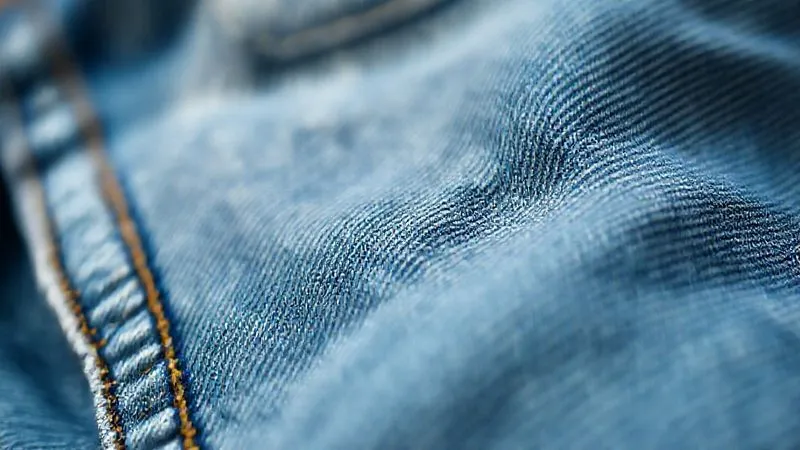
EcoChic, a mid-sized fashion blog focused on ethical style, faced the challenge of making sustainability feel aspirational and trend-forward. They noticed a subtle but consistent appearance of unique, naturally dyed, and upcycled denim pieces in street style photos from Copenhagen and Berlin. Instead of just noting 'denim trends,' they meticulously tracked the specific attributes: visible stitching, patchwork elements, and a slightly worn, authentic texture.
By using their internal tracking spreadsheet (similar to the one above) and cross-referencing with Google Trends data for terms like 'eco-friendly denim' and 'upcycled jeans' (which showed a steady climb), they confirmed a genuine, emerging interest. EcoChic then dedicated a series of blog posts to 'The Art of Sustainable Denim Styling,' featuring street style looks, interviews with ethical denim brands, and DIY upcycling tutorials. This data-driven validation allowed them to confidently invest in this niche, resulting in a 40% increase in organic traffic for denim-related posts and a significant boost in reader engagement, showcasing how to consistently discover fresh street style trends for blog posts with impact.
Curating and Storytelling: Turning Trends into Engaging Content
Discovering a trend is only half the battle. The true artistry lies in how you translate those observations into compelling, valuable blog content. Your readers aren't just looking for photos; they're looking for inspiration, guidance, and a unique perspective that helps them integrate these trends into their own lives.
Developing Your Unique Angle
In a crowded digital landscape, your unique voice is your superpower. When you identify a trend, don't just regurgitate what everyone else is saying. Ask yourself:
- How does this trend resonate with my personal style philosophy?
- What specific problem does this trend solve for my audience? (e.g., comfort, versatility, sustainability)
- Can I offer a fresh styling tip or a historical context that others might miss?
- Is there a specific demographic within my audience who would particularly benefit from this trend?
This critical self-reflection ensures your content is not just informative, but deeply personal and authoritative.
Visual Storytelling and Photography
Street style blogging is inherently visual. High-quality, emotive photography is non-negotiable. When capturing or curating images for your blog, focus on telling a story. It's not just about the outfit; it's about the mood, the setting, and the personality of the wearer. Consider:
- Context: Where is the photo taken? How does the environment complement the outfit?
- Emotion: Does the image evoke a feeling? Is there movement, attitude, or a sense of effortless chic?
- Detail: Close-ups of accessories, fabric textures, or unique styling elements can add depth.

The Power of Narrative: Beyond Just Outfits
The most compelling street style blog posts go beyond mere descriptions of clothing. They weave a narrative. Connect the trend to broader cultural shifts, historical influences, or even psychological aspects of self-expression. For example, an article on 'oversized tailoring' could explore its roots in power dressing, its evolution through gender fluidity, and its current appeal for comfort and versatility. This depth transforms your blog from a simple showcase into a thoughtful, engaging platform.
Maintaining Consistency and Avoiding Burnout
The final, and perhaps most challenging, aspect of consistently discovering fresh street style trends for blog posts is maintaining momentum without succumbing to burnout. The fashion cycle is relentless, but your creative energy doesn't have to be. Strategic planning and self-care are paramount.
Building a Trend Calendar
Proactive planning is your best defense against creative blocks. Create a 'trend calendar' that outlines key fashion events, seasonal shifts, and potential trend focuses throughout the year. This allows you to anticipate, research, and schedule content in advance, rather than scrambling at the last minute.
| Quarter | Key Fashion Events | Emerging Trend Focus | Content Ideas |
|---|---|---|---|
| Q1 | NYFW, LFW, PFW (Autumn/Winter) | Tailored Minimalism, Elevated Athleisure, Dark Academia | FW Recap, Season Transition Looks, Capsule Wardrobe Edit, Styling Dark Academia |
| Q2 | Met Gala, Coachella, Resort Collections | Bold Colors, Eclectic Prints, Festival Style, Coastal Grandmother | Event-inspired Outfits, Summer Trend Forecast, Statement Accessories Guide, Styling Coastal Grandmother |
| Q3 | NYFW, LFW, PFW (Spring/Summer) | Utility Chic, Sheer Fabrics, Deconstructed Silhouettes | SS Recap, Pre-Fall Essentials, Trans-Seasonal Layering |
| Q4 | Holiday Collections, End-of-Year Sales | Luxe Textures, Partywear, Cozy Core, Vintage Revival | Holiday Outfit Guides, Winter Layering, Sustainable Gifting, New Year's Eve Looks |
Batching Content Creation
Once you've identified a cluster of related trends, try to batch your content creation. Instead of writing one post at a time, dedicate a full day to researching, outlining, and drafting several trend-focused articles. Similarly, if you're doing a street style shoot, try to capture enough material for multiple posts. This efficiency frees up mental space and reduces the feeling of constant pressure.
Staying Inspired: Personal Growth and Exploration
Finally, remember that your creativity is a well that needs replenishing. Actively seek inspiration outside of fashion. Visit art museums, read books, watch documentaries, explore different cultures, or simply take a walk in nature. These experiences broaden your perspective, fuel your imagination, and ultimately, enrich your ability to identify and interpret the nuanced world of street style. A well-rounded individual makes for a more insightful and engaging blogger, ensuring you can consistently discover fresh street style trends for blog posts that truly resonate.
Frequently Asked Questions (FAQ)
Q1: How do I differentiate between a fleeting fad and a genuine trend? A1: A fad is typically short-lived, often driven by a single viral moment or celebrity endorsement, and lacks deeper cultural resonance. A genuine trend, conversely, shows consistent adoption across diverse demographics, often evolves over several seasons, and usually reflects broader societal shifts, such as a desire for comfort, sustainability, or individuality. Look for multi-source validation (social media, street observations, search data) and signs of evolution rather than sudden disappearance.
Q2: Is it necessary to travel to major fashion capitals to spot trends? A2: While major fashion capitals offer concentrated exposure, it's absolutely not necessary. Emerging trends can be found everywhere. Focus on urban centers with strong creative communities, university towns, or even specific cultural enclaves within your own city. The key is active observation and a keen eye, coupled with robust digital research. Local events and niche online communities are just as valuable.
Q3: How quickly should I publish content after spotting a trend? A3: Speed is important, especially for micro-trends, but accuracy and quality are paramount. Aim to be among the first credible voices to cover a trend. For very nascent trends, consider a 'trend alert' or 'first impressions' post. For more established but still fresh trends, take the time to offer comprehensive styling advice, context, and unique insights. Using a trend calendar helps manage this balance.
Q4: What if I don't have a professional photographer? How can I still create high-quality visual content for street style? A4: Don't let a lack of professional gear deter you. Modern smartphones are incredibly capable. Focus on good natural lighting, clean backgrounds, and interesting angles. Learn basic editing techniques. Consider collaborating with aspiring photographers, using public domain street style images (with proper attribution), or focusing on highly detailed flat lays or close-ups that don't require full-body shots. Authenticity often trumps hyper-perfection.
Q5: How can I ensure my street style content resonates with my specific audience? A5: Understand your audience's demographics, lifestyle, and existing interests. Tailor your trend interpretations to their needs. If your audience is professionals, focus on office-appropriate street style. If they are students, highlight budget-friendly trends. Poll your audience, analyze your blog's analytics to see what content performs best, and engage with comments to understand their preferences. Personalizing trends to their context is key.
Key Takeaways and Final Thoughts
Consistently discovering fresh street style trends for blog posts is not a matter of luck, but a skill developed through a blend of keen observation, strategic digital exploration, real-world engagement, and data-driven validation. It's a continuous cycle that, when mastered, can elevate your fashion blog to an indispensable resource for your audience.
- Cultivate a Trend-Spotter's Mindset: Be an active observer, document everything, and challenge your assumptions.
- Master Digital Discovery: Leverage social media algorithms and delve into niche online communities.
- Engage in the Ground Game: Explore urban hotspots and network with industry insiders for authentic insights.
- Validate with Data: Use tracking spreadsheets and tools like Google Trends to confirm emerging patterns.
- Curate and Storytell: Develop a unique angle and use high-quality visuals to create compelling narratives.
- Plan for Consistency: Utilize a trend calendar and batch content to prevent burnout and maintain momentum.
Remember, the world of fashion is ever-evolving, and so too should your approach to discovering its pulse. Embrace the journey of continuous learning, stay curious, and allow your passion to guide your exploration. By implementing these strategies, you won't just keep up with trends; you'll be ahead of the curve, consistently delivering fresh, invaluable street style inspiration that truly sets your blog apart. Go forth and inspire!
Recommended Reading
- 7 Ways to Balance Aesthetic & Ergonomics in Contemporary Sandals
- Restore Heavily Corroded Edwardian Platinum: The Damage-Free Expert Guide
- 7 Proven Ways to Stop Pilling in High-Stretch Yoga Apparel Effectively
- The Ultimate Guide: How to Choose Effective Anti-Aging Eye Cream?
- Mastering Bulk Bridesmaid Orders: 7 Strategies for Diverse Body Types




Your email address will not be published. Required fields are marked *