

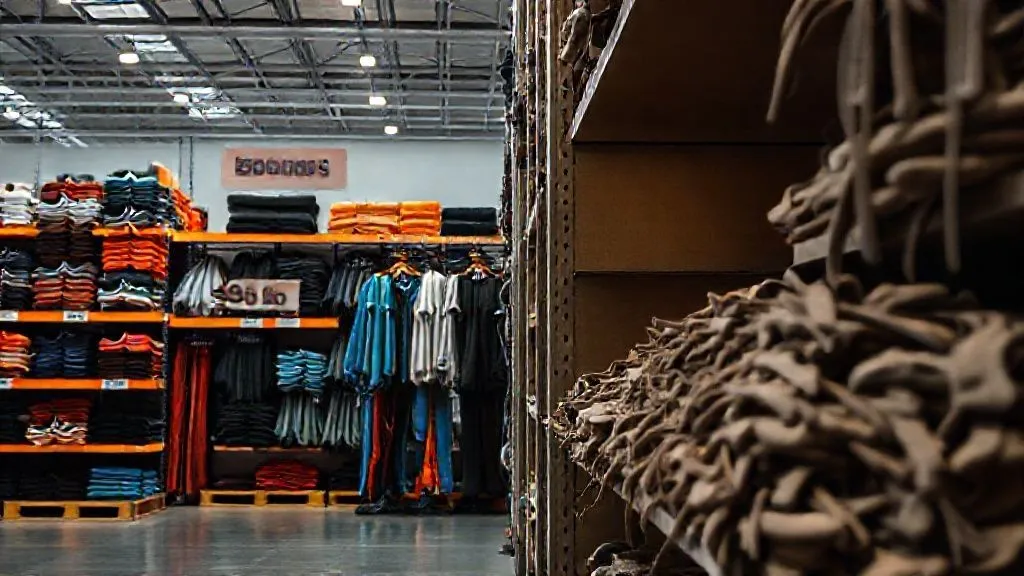
How to Avoid Costly Inventory Excess from Missed Activewear Trends?
For over two decades in the dynamic world of fashion, particularly within the activewear niche, I've witnessed firsthand the exhilarating highs of capturing a trend perfectly and the devastating lows of missing the mark. I've seen promising brands crumble, not because their products were inferior, but because their inventory became a graveyard of yesterday's trends, tying up capital and suffocating future innovation. It's a common, insidious trap that many fall into, often with the best intentions.
The activewear market is a relentless beast, constantly evolving with new materials, fitness modalities, and cultural shifts. Failing to anticipate these changes, or reacting too slowly, inevitably leads to a painful scenario: shelves groaning under the weight of unsold stock, forced liquidations that erode profit margins, and a tarnished brand image. This isn't just a financial hit; it's a blow to sustainability efforts and a drain on creative energy. The problem isn't just about 'trends'; it's about the very pulse of consumer desire and how well your business is attuned to it.
But it doesn't have to be this way. In this definitive guide, I'll share my insights and a robust framework designed to help you navigate this treacherous landscape. You'll learn not just what to do, but *how* to implement actionable strategies, leveraging data, fostering agility, and building a resilient operation. We'll explore expert-backed methods and real-world considerations to help you avoid costly inventory excess from missed activewear trends, transforming uncertainty into a competitive advantage.
Mastering Trend Forecasting: Beyond the Hype Cycle
True trend forecasting in activewear is far more nuanced than simply observing what's popular on social media or in competitor catalogs. It's about discerning the underlying shifts in consumer behavior, technology, and culture that *drive* those visible trends. Relying solely on lagging indicators is a surefire way to end up with inventory that's already passé.
The Pitfalls of Reactive Trend Following
Many brands make the critical error of being reactive. They see a color or silhouette gain traction and rush to replicate it, often by the time their product hits the market, the trend has peaked or shifted. This reactive approach is inherently risky and often leads to overproduction of items that quickly lose their appeal, contributing significantly to inventory excess.
Instead, we need to cultivate a proactive, analytical mindset. This involves digging deeper, looking for 'weak signals' that indicate broader changes in lifestyle and values. It means understanding the lifecycle of a trend – from its inception in niche communities to its mass adoption and eventual decline.
- Engage in Deep Social Listening & Micro-Trend Analysis: Go beyond broad hashtags. Monitor niche fitness communities, underground sports, and specific subcultures on platforms like TikTok, Instagram, and Reddit. Look for emerging aesthetic preferences, functional needs, and material discussions among early adopters.
- Track Macro-Environmental Shifts: Consider broader trends like remote work's impact on comfort and hybrid activewear, the rise of outdoor recreation, or increased focus on mental well-being impacting calm-inducing fabrics and designs. These macro shifts often dictate the longevity and direction of micro-trends.
- Analyze Material & Technology Innovations: Stay abreast of advancements in fabric technology (e.g., bio-based materials, smart textiles, advanced moisture-wicking). Often, new performance capabilities drive new activewear trends and consumer expectations.
- Monitor Global Runways & Trade Shows with a Critical Eye: While high fashion isn't always directly translatable, it often previews color palettes, textures, and broader silhouettes that will eventually filter into activewear. Attend specialized activewear trade shows to spot industry-specific innovations.
- Consult Expert Trend Forecasters: Subscribe to services like WGSN or Fashion Snoops. While these services are an investment, they provide invaluable, curated insights into upcoming seasons, helping you validate your internal findings and refine your strategy.

Leveraging Data Analytics for Predictive Demand Planning
In my experience, gut feelings, while sometimes accurate, are far too unreliable a foundation for activewear inventory decisions. The true power lies in harnessing data. Predictive analytics, when properly implemented, transforms historical sales figures into a crystal ball, offering clearer foresight into future demand and helping to avoid costly inventory excess from missed activewear trends.
From Historical Sales to Predictive Models
Many brands stop at analyzing past sales data, which is a good start, but insufficient. Predictive models go further by integrating a multitude of variables: seasonality, promotional impacts, competitor activities, economic indicators, even local weather patterns. This holistic view provides a much more robust forecast.
- Consolidate Diverse Data Sources: Bring together sales data (online, in-store), website traffic, social media engagement, email campaign performance, customer feedback, and even competitor pricing intelligence into a single platform for analysis.
- Implement Advanced Forecasting Software: Invest in tools that leverage AI and Machine Learning. These algorithms can identify complex, non-linear patterns that human analysts might miss, improving accuracy significantly. Look for solutions that integrate with your ERP and CRM systems.
- Segment Your Audience and Products: Understand that different demographics react to trends differently. Segment your customer base and analyze product performance by category, style, color, and size. A particular trend might be huge in yoga wear but irrelevant in running gear.
- Conduct A/B Testing for Early Trend Validation: Before full production, launch limited-run collections or utilize digital prototyping and A/B testing on your website. Gauge interest through pre-orders or engagement metrics to validate a trend's potential without significant inventory risk.
- Regularly Review and Refine Models: Predictive models are not 'set it and forget it.' The market is dynamic. Continuously feed new data into your models, review their accuracy, and adjust parameters as needed to ensure they remain relevant and effective.
According to a Harvard Business Review article on data analytics, companies that effectively leverage data for decision-making see significant improvements in operational efficiency and profitability. This is particularly true in fashion, where agility is key.
| Data Point | Q1 2023 | Q2 2023 | Q3 2023 | Q4 2023 |
|---|---|---|---|---|
| Historical Sales (Units) | 12,000 | 15,000 | 10,000 | 18,000 |
| Social Media Mentions (Activewear) | 50,000 | 75,000 | 60,000 | 90,000 |
| Competitor New Product Launches | 3 | 5 | 2 | 4 |
| Economic Indicators (Disposable Income) | Steady | Slight Increase | Steady | Increase |
Agile Supply Chains: Speed and Flexibility are Your Allies
Even with the best trend forecasting, an inflexible supply chain can still lead to inventory excess. The fashion industry, activewear especially, demands responsiveness. Being able to adapt quickly to evolving consumer preferences or unexpected market shifts is paramount to avoiding costly inventory excess from missed activewear trends.
Building Responsiveness into Your Production Process
An agile supply chain isn't just about faster shipping; it's about a fundamental shift in how you design, source, and manufacture. It prioritizes flexibility and speed over purely cost-driven decisions, especially for trend-sensitive items.
- Adopt Modular Design Principles: Design activewear pieces with interchangeable components (e.g., detachable sleeves, adjustable waistbands). This allows for greater customization and reduces the risk of an entire garment becoming obsolete due to a single design element.
- Cultivate Nearshoring/On-Demand Manufacturing Partnerships: While offshore manufacturing can offer cost benefits, consider nearshoring or localized production for a portion of your inventory, especially for fast-moving or experimental items. This drastically reduces lead times and allows for smaller, more frequent production runs.
- Implement Flexible Sourcing Strategies: Don't put all your eggs in one basket. Diversify your fabric and trim suppliers, and establish relationships with vendors who can accommodate smaller minimum order quantities (MOQs) and faster turnaround times.
- Utilize Quick Response (QR) Manufacturing: This strategy focuses on reducing the time from design to delivery. It involves tight integration between design, production, and sales, often leveraging technology for rapid prototyping and production scheduling.
- Pre-order and Made-to-Order Models: For high-risk or niche trend items, consider offering them on a pre-order basis or using a made-to-order model. This eliminates inventory risk entirely, producing only what is already sold.
"In the fast-paced world of activewear, speed to market isn't just an advantage; it's a survival mechanism. An agile supply chain allows you to pivot, not perish."
Strategic Inventory Management: Beyond Just-In-Time
While the concept of "Just-In-Time" (JIT) inventory management has its merits, applying it blindly in the activewear sector can be perilous. Trends can shift rapidly, and stockouts of popular items can be just as damaging as overstock. The goal is a strategic balance, minimizing excess while ensuring availability of key products.
Balancing Risk and Opportunity in Stock Levels
Effective inventory management is about understanding the lifecycle of each SKU and assigning appropriate risk levels. Core, evergreen items can be managed differently from highly trend-driven collections.
- SKU Rationalization: Regularly review your product catalog. Identify underperforming SKUs that tie up capital and warehouse space. Be ruthless in phasing out products that no longer meet demand or align with your brand vision. Fewer, stronger SKUs mean less risk.
- Dynamic Safety Stock Optimization: Don't use a fixed safety stock level for all products. Calculate safety stock dynamically based on demand variability, lead time variability, and desired service levels for each SKU. High-demand, volatile trend items might require a slightly higher, but frequently adjusted, safety stock.
- Lifecycle Management Strategy: Plan for each product's entire lifecycle from launch to markdown. Implement clear exit strategies for products as they near the end of their trend cycle, including promotional periods, bundles, or partnerships with discount retailers, to avoid deep discounts later.
- Cross-Channel Inventory Visibility: Ensure you have a unified view of inventory across all sales channels (e-commerce, retail stores, warehouses). This prevents missed sales due to perceived stockouts in one channel while excess sits in another.
- Returns Management as Part of Inventory: Develop efficient processes for handling returns, ensuring returned items are quickly inspected, re-stocked, or processed for resale if possible. Poor returns management can inadvertently add to your inventory excess problems.

Customer-Centric Design & Feedback Loops
The ultimate safeguard against missed trends and inventory excess is to involve your customers in the process. Who better to tell you what they want than the people who will actually wear your activewear? This approach moves beyond traditional market research to active co-creation and continuous feedback.
Co-Creation and Early Validation
By engaging your target audience early in the design and development phases, you significantly reduce the guesswork and the risk of launching a product that simply doesn't resonate.
- Establish a 'Brand Ambassador' or 'Wear Tester' Program: Recruit a diverse group of loyal customers or fitness influencers to test new designs, fabrics, and features. Gather their detailed feedback before committing to full production.
- Utilize Social Media Polls and Surveys: Leverage platforms like Instagram Stories or Facebook groups to ask direct questions about color preferences, design details, or desired functionalities for upcoming collections. This provides quick, broad validation.
- Host Virtual or In-Person Focus Groups: Conduct structured discussions with segments of your target audience to delve deeper into their needs, pain points with existing activewear, and aspirations for new products.
- Launch Limited Edition Drops & Collect Data: Introduce small batches of highly experimental or trend-driven items. Monitor sales velocity, customer reviews, and social media sentiment. This acts as a low-risk market test.
- Analyze Customer Reviews & Support Tickets: Your existing customer feedback is a goldmine. Look for recurring themes in positive and negative reviews, as well as common questions or complaints handled by your customer support team. These often highlight unmet needs or opportunities for improvement.
Case Study: Zenith Activewear's Co-Creation Success
Zenith Activewear, a mid-sized brand specializing in performance yoga wear, historically struggled with predicting demand for seasonal collections, leading to 25-30% inventory write-offs annually. By implementing a robust customer co-creation program, involving their top 500 loyal customers in monthly design feedback sessions and early product testing, they drastically improved their hit rate. Their 'Zenith Innovators' program allowed them to refine designs, validate color palettes, and even discover unexpected demand for specific features (like phone pockets in leggings). This resulted in a remarkable 40% reduction in inventory misfires within two years and a 15% increase in customer loyalty, effectively demonstrating how to avoid costly inventory excess from missed activewear trends by listening to the market.
Embracing Sustainability and Circularity as a Trend Shield
Sustainability is no longer a niche concern; it's a fundamental expectation, especially within the activewear community. Integrating sustainable practices into your brand strategy not only resonates with conscious consumers but also offers a powerful mechanism to mitigate the risks associated with fast-changing trends and inventory excess.
Future-Proofing Your Brand with Eco-Conscious Practices
A commitment to circularity and sustainability inherently forces a more thoughtful approach to design, production, and lifecycle management, which directly combats the root causes of inventory excess.
- Prioritize Durable, Timeless Designs: While trends are important, balance your collection with core, high-quality pieces designed to last. Durability itself is a form of sustainability and reduces the pressure to constantly chase fleeting trends.
- Invest in Sustainable Materials: Utilize recycled, organic, or innovative bio-based fabrics. Brands using materials like recycled polyester or regenerated nylon (e.g., ECONYL) not only appeal to eco-conscious consumers but often have more stable supply chains for these materials, reducing dependency on volatile trend-driven raw material markets.
- Implement Repair & Take-Back Programs: Offer services to repair damaged activewear or take back old garments for recycling. This extends product life, reduces waste, and builds incredible customer loyalty, making your brand less susceptible to the 'disposable' nature of fast fashion trends.
- Explore On-Demand or Small-Batch Production for Trend Items: For highly experimental or trend-specific pieces, use manufacturing methods that minimize waste. This aligns with sustainable principles and directly reduces the risk of overproduction.
- Communicate Your Sustainability Story: Authentically share your efforts and progress with your audience. Consumers are increasingly willing to pay a premium for brands that align with their values, which can stabilize demand even if a specific micro-trend fades.
As industry leaders often highlight, embracing circularity isn't just good for the planet; it's a shrewd business move that builds brand loyalty and mitigates obsolescence risk. According to McKinsey's insights on the activewear market, sustainability is a key driver of consumer choice and market growth.
Building Cross-Functional Collaboration & Trend Intelligence Teams
One of the most common organizational hurdles I've observed in preventing inventory excess is the siloing of departments. Design, production, marketing, and sales often operate in their own bubbles, leading to miscommunications, missed opportunities, and ultimately, misaligned inventory. True success in avoiding costly inventory excess from missed activewear trends hinges on seamless collaboration.
Breaking Down Silos for Holistic Vision
A unified approach ensures that trend insights are not just gathered but are effectively translated into product, production plans, and marketing strategies. This requires a cultural shift towards shared goals and open communication.
- Form a Dedicated Trend Intelligence Team: This cross-functional team should include representatives from design, merchandising, marketing, supply chain, and sales. Their mandate is to continually monitor, analyze, and disseminate trend insights throughout the organization.
- Regular Cross-Departmental Meetings: Schedule frequent meetings where all key stakeholders share updates, challenges, and insights. Design can inform production about material needs, marketing can share consumer sentiment, and sales can provide real-time feedback on product performance.
- Shared KPIs and Goals: Align key performance indicators (KPIs) across departments. For example, instead of just individual sales targets, include KPIs related to inventory turnover, markdown percentages, and new product success rates that require inter-departmental cooperation.
- Implement Integrated Software Solutions: Utilize ERP (Enterprise Resource Planning) and PLM (Product Lifecycle Management) systems that connect data and workflows across design, development, sourcing, and production. This ensures everyone is working from the same, up-to-date information.
- Foster a Culture of Open Communication: Encourage informal communication channels and a transparent environment where team members feel comfortable sharing concerns or new ideas, regardless of their department.
As Forbes highlights, cross-functional collaboration is a critical driver of innovation and efficiency in modern business environments.
| Team Member | Role in Trend Avoidance |
|---|---|
| Design Lead | Translates trends into viable products, ensures aesthetic alignment. |
| Production Manager | Optimizes manufacturing for agility, manages material sourcing. |
| Marketing Strategist | Monitors consumer sentiment, communicates brand story effectively. |
| Sales Analyst | Provides real-time sales feedback, identifies emerging demand patterns. |
Continuous Learning and Adaptation: The Only Constant
The activewear industry is a marathon, not a sprint. The strategies we've discussed aren't one-time fixes; they represent a continuous cycle of learning, monitoring, and adaptation. The brands that thrive are those that embed this mindset into their very DNA, recognizing that the market is always in flux.
The Mindset Shift for Long-Term Success
To truly avoid costly inventory excess from missed activewear trends, you must embrace a culture of iterative improvement and a willingness to pivot when necessary. This means being comfortable with experimentation and learning from both successes and failures.
"The activewear landscape is a living, breathing entity. What's hot today might be a relic tomorrow. Your ability to learn, adapt, and pivot is your ultimate competitive advantage."
This continuous learning involves:
- Regular Performance Reviews: Beyond just sales figures, analyze *why* certain products succeeded or failed. Was it the trend, the price, the marketing, or a production issue? Use these insights to refine future strategies.
- Staying Connected to Industry Resources: Regularly consume content from leading trend forecasting agencies (WGSN), industry publications (FashionUnited), and academic research on consumer behavior and supply chain management.
- Investing in Employee Training: Ensure your teams are equipped with the latest skills in data analytics, agile methodologies, and trend interpretation. Continuous professional development is key to staying ahead.
- Scenario Planning: Develop contingency plans for various market scenarios. What if a major trend shifts unexpectedly? What if a key supplier faces disruption? Being prepared allows for quicker, more informed responses.
Frequently Asked Questions (FAQ)
How often should we reassess our activewear trend strategy? In the fast-paced activewear market, a continuous reassessment is ideal. While a major strategy overhaul might happen annually, your trend intelligence team should be meeting weekly or bi-weekly to review micro-trends, market data, and adjust immediate production or marketing tactics. Quarterly reviews of broader seasonal trends are also critical.
What's the biggest mistake activewear brands make in inventory management? The single biggest mistake is underestimating the speed of trend cycles and over-committing to large production runs based on initial hype. This often happens due to long lead times, inflexible suppliers, or a lack of real-time sales data. Failing to implement a clear, aggressive markdown strategy for underperforming items early enough is another costly error.
Can small activewear brands compete with large corporations in trend forecasting? Absolutely, and often with an advantage! Small brands can be more agile, have closer relationships with their niche communities, and can pivot faster. While large corporations have resources, they often suffer from slower decision-making processes. Small brands can leverage micro-influencers, direct customer feedback, and lean production models to react swiftly and authentically.
How important is technology in preventing inventory excess? Technology is indispensable. From AI-powered predictive analytics and integrated ERP systems to social listening tools and 3D design software, technology provides the insights, efficiency, and agility needed to make informed decisions and optimize every stage of the product lifecycle. Without it, managing complex trend data and vast inventories becomes an insurmountable challenge.
What role does sustainability play in avoiding missed activewear trends? A significant one. Sustainable practices encourage thoughtful design, durability, and a focus on timeless pieces, reducing the pressure to constantly chase fleeting fads. Brands committed to circularity (repair, reuse, recycle) build deeper customer loyalty and reduce their reliance on hyper-seasonal collections, inherently future-proofing their offerings against rapid trend shifts and inventory obsolescence.
Key Takeaways and Final Thoughts
Navigating the activewear landscape successfully requires more than just great designs; it demands foresight, agility, and a deep understanding of your customer. Avoiding costly inventory excess from missed activewear trends isn't a stroke of luck; it's the result of strategic planning and relentless execution.
- Proactive Trend Forecasting: Look beyond the surface to understand underlying shifts.
- Data-Driven Decisions: Leverage analytics for predictive demand planning, not just historical reporting.
- Agile Supply Chain: Build speed and flexibility into your production and sourcing.
- Strategic Inventory Management: Optimize stock levels, rationalize SKUs, and plan for product lifecycles.
- Customer-Centricity: Involve your audience in design and gather continuous feedback.
- Embrace Sustainability: Future-proof your brand by integrating eco-conscious, circular practices.
- Cross-Functional Collaboration: Break down silos and foster a unified, informed team.
The journey to mastering activewear inventory is ongoing. It requires a commitment to continuous learning, a willingness to experiment, and the courage to adapt. By implementing these strategies, you won't just avoid costly mistakes; you'll build a more resilient, responsive, and ultimately, more profitable activewear brand that consistently hits the mark with what consumers truly desire. Take these insights, apply them diligently, and watch your brand thrive.
Recommended Reading
- Bio-Based Fashion: 7 Strategies to Mitigate Greenwashing Accusations
- Unlock the Secret: How to Care for Handcrafted Bespoke Leather Goods?
- Sweat-Free Workouts: 5 Keys to Optimal Moisture Wicking Activewear
- 7 Subtle Menswear Mistakes: Diminishing Trust in High-Stakes Meetings?
- Fashion Blogging: Social Media Style Tips to Explode Your Brand





Your email address will not be published. Required fields are marked *