

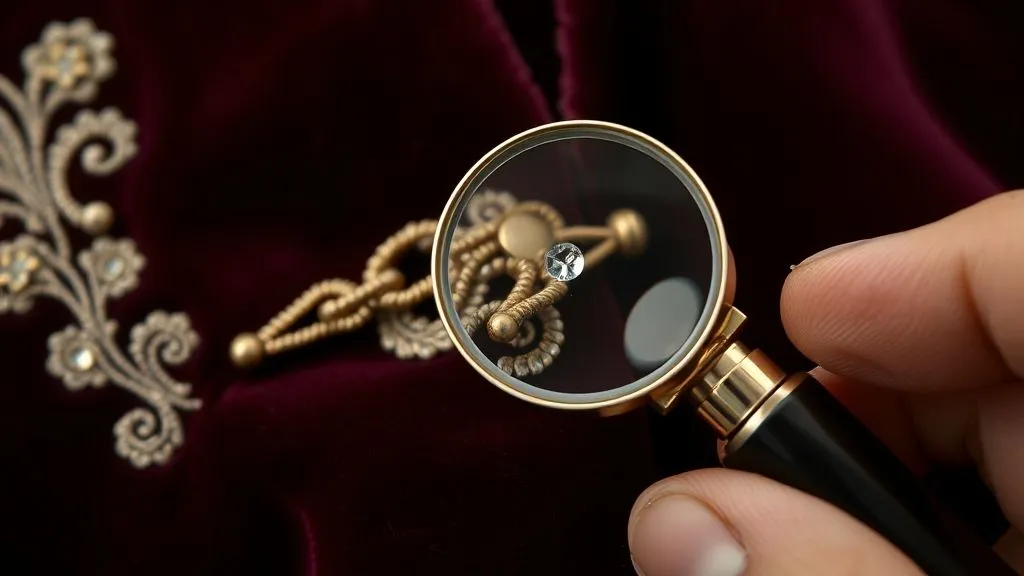
How to authenticate extremely rare vintage designer pieces effectively?
For over two decades in the vibrant, often treacherous, world of vintage fashion, I've witnessed countless aspiring collectors and seasoned enthusiasts fall prey to cleverly crafted counterfeits. The allure of a unique, historically significant designer piece is undeniable, but so is the heartbreak and financial loss when that dream turns out to be a meticulously faked illusion.
The problem is exacerbated by the sheer sophistication of today's replica market. What once were obvious fakes are now so expertly reproduced that they can fool even a trained eye, especially when dealing with extremely rare pieces where reference points are scarce. This creates immense anxiety for buyers and sellers alike, eroding trust and diminishing the joy of collecting.
This comprehensive guide isn't just a list of tips; it's a robust, multi-layered framework I've developed and refined over years of hands-on experience. We'll delve into everything from the macro-level history and provenance to the micro-details of stitching and scent, providing you with actionable strategies, expert insights, and real-world analogies to empower you in your quest to authenticate extremely rare vintage designer pieces effectively.
The Unseen Battle: Why Authentication is More Critical Than Ever
The market for vintage designer fashion has exploded, transforming from a niche hobby into a multi-billion dollar industry. With this growth comes an unfortunate shadow: the relentless surge of high-quality counterfeits. These aren't just cheap knock-offs; we're talking about pieces designed to deceive, often incorporating aged materials and mimicking production techniques that make them incredibly difficult to discern from genuine articles.
For rare vintage pieces, the stakes are astronomically high. A single authentic item could be worth tens or even hundreds of thousands of dollars, making it a prime target for fraudsters. The emotional connection to a piece of fashion history, combined with its significant financial value, makes robust authentication an absolute necessity, not merely a suggestion.
“In the vintage world, trust is the most valuable currency. Without rigorous authentication, that trust is irrevocably broken, leaving collectors vulnerable and the market devalued.”
I've seen collections painstakingly built over decades crumble when a single high-value piece is exposed as a fake. It's not just about the money; it's about the integrity of the collection, the passion of the collector, and the preservation of fashion heritage. This is why our journey into effective authentication must be thorough and unwavering.
Step 1: Mastering Provenance and Documentation – The Historical Blueprint
Before even touching a garment, the first line of defense in authenticating extremely rare vintage designer pieces lies in its history – its provenance. This is the documented chronological ownership and custody of the object, and it tells a story that fakes simply cannot replicate.
What is Provenance?
Provenance refers to the origin and history of an item. For rare vintage pieces, this can include purchase receipts, auction records, exhibition catalogs, letters from the original owner, or even photographic evidence of the piece being worn by a notable figure. A strong, unbroken chain of ownership from a reputable source significantly boosts confidence in authenticity.
Key Documents to Seek
When I’m evaluating a potentially rare piece, I always ask for any accompanying documentation. Here’s what I look for:
- Original Sales Receipts: These are gold standard, especially from high-end boutiques or department stores of the era. Look for details like store name, date, item description, and price.
- Certificates of Authenticity: While less common for very old vintage, some later vintage pieces (1980s onwards) might have these. Always verify the issuer.
- Auction House Records: If the item has been through a reputable auction house like Christie's or Sotheby's, their catalog entries and sale records provide a strong provenance trail.
- Letters of Authentication/Appraisal: From recognized experts or institutions. Cross-reference the expert's credentials and reputation.
- Photographic Evidence: Photos of the original owner with the item, especially if they are a known public figure, can add significant weight.
Verifying these documents is crucial. Look for inconsistencies in fonts, paper quality, or outdated logos. A genuine receipt from the 1950s won't be printed on glossy modern paper. Always cross-reference dates and details with known brand history.
For further reading on the importance of provenance in luxury goods, consider exploring resources from leading auction houses. They often publish excellent guides on this topic. Learn more about provenance from Christie's.
Step 2: The Art of Material Analysis – Beyond the Obvious
Once provenance is considered, my hands instinctively go to the materials. Rare vintage designer pieces were crafted in an era where quality was paramount, and synthetic materials were either non-existent or considered inferior. The look, feel, and even the way materials age are critical indicators.
Fabric & Textile Examination
High fashion houses historically sourced the finest silks, wools, cottons, and leathers. When examining fabrics:
- Touch and Drape: Genuine vintage silk has a distinct cool, smooth feel and a beautiful drape that modern synthetics struggle to replicate. Vintage wools often feel softer and less 'scratchy' than contemporary mass-produced wools.
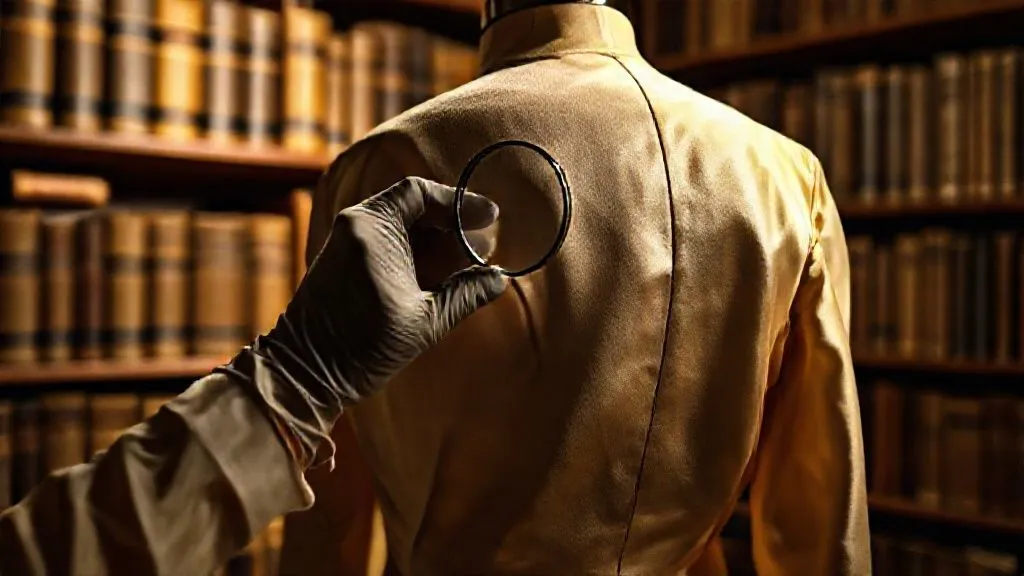
- Weave and Finish: Examine the weave under magnification. Is it tight, even, and consistent? Are there any irregularities that suggest hand-finishing versus machine production? Look for the natural luster of silk, the depth of color in dyed wools.
- Aging Characteristics: Natural fibers age gracefully. Silk might develop a soft patina, wool might slightly felt. Fakes often use materials that degrade poorly, showing unnatural pilling or discoloration.
Hardware & Fastenings
This is often a dead giveaway. Designer brands invested heavily in custom hardware.
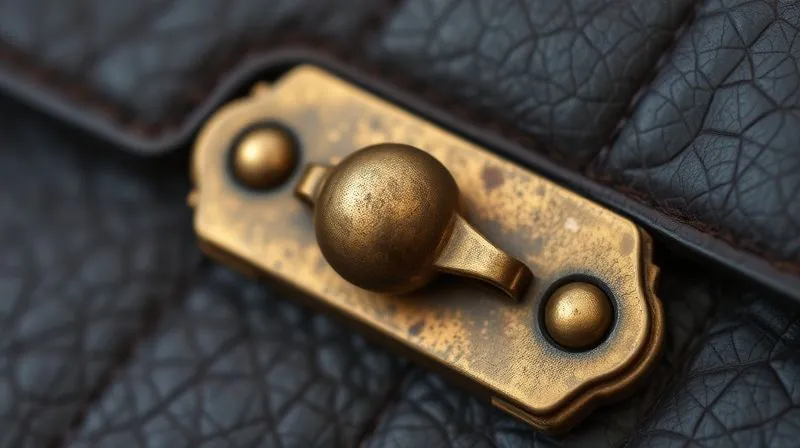
- Weight and Feel: Authentic metal hardware (zippers, buckles, clasps) will feel substantial and heavy, often made of brass, bronze, or even precious metals. Fakes frequently use lightweight, hollow, or plated alloys.
- Finish Quality: Examine the plating. Is it even, smooth, and durable? Does it show signs of flaking or cheap discoloration? Vintage luxury hardware rarely tarnishes badly; it develops a beautiful patina.
- Brand Engravings: Are logos, brand names, or specific motifs crisply engraved, deeply set, and perfectly aligned? Fakes often have shallow, uneven, or poorly spaced engravings.
Step 3: Unpacking Construction and Craftsmanship – The DNA of Design
Beyond materials, the way a garment or accessory is put together speaks volumes about its authenticity. This is where the true artistry and meticulousness of haute couture and luxury ready-to-wear become evident.
Stitching and Seams
This is one of my favorite aspects to scrutinize. The quality of stitching is incredibly telling:
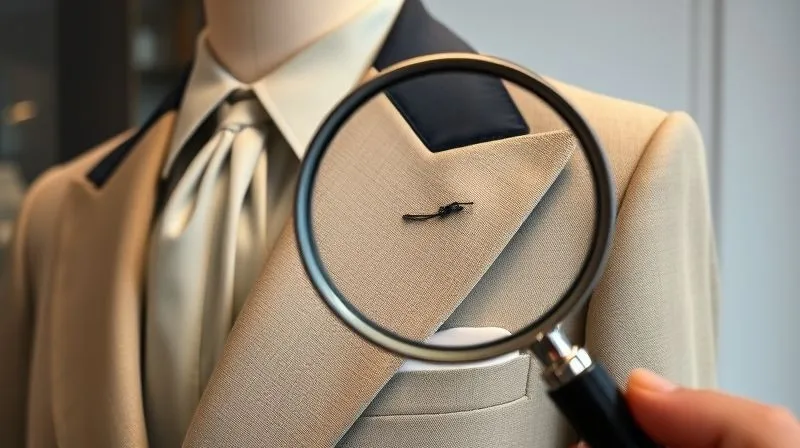
- Hand vs. Machine Stitching: Many very rare vintage couture pieces feature extensive hand-stitching. Hand stitches, while remarkably even, will have slight imperfections compared to perfect machine stitches. Look for very fine, almost invisible stitches on hems, linings, and intricate details.
- Stitch Count and Consistency: High-end pieces typically have a higher stitch count per inch, indicating durability and precision. The stitches should be perfectly straight, evenly spaced, and without loose threads or skipped stitches.
- Thread Quality: Authentic pieces use strong, high-quality thread that matches the fabric in color and texture. Fakes often use cheaper, weaker thread that frays or breaks easily.
Linings and Interior Finishes
The inside of a vintage designer piece is often as revealing as the outside. This is where attention to detail truly shines.
- Lining Material: Linings should be made of quality materials like silk, cupro, or fine cotton, not cheap polyester. The lining should complement the outer fabric in color and drape.
- Seam Finishes: Examine all interior seams. Are they meticulously finished (e.g., French seams, bound seams, serged with fine thread)? Raw or poorly finished seams are a major red flag.
- Pockets and Interior Details: Pockets should be well-constructed and integrated seamlessly. Any interior branding or labels should be perfectly sewn, not hastily attached.
The level of craftsmanship in genuine vintage luxury is often unparalleled by modern mass production. It's a testament to a bygone era of meticulous handwork. For more insights into historical garment construction, consider resources from textile museums or fashion history archives, such as the Metropolitan Museum of Art's Costume Institute.
Step 4: Delving into Brand Specifics – A Deep Dive
Every major designer brand has its unique identifiers, its signature quirks that evolve over time. Becoming intimately familiar with these brand-specific nuances is paramount for authenticating extremely rare vintage designer pieces effectively.
This means researching the brand's history, its creative directors, its manufacturing locations, and its specific authentication marks during the relevant period. A Chanel bag from the 1960s will have different identifiers than one from the 1990s, for example.
Logos, Labels, and Tags
These are often the first things people look at, and for good reason, but they are also frequently replicated.
- Font and Spacing: Compare the font, size, and spacing of the brand name on the label to known authentic examples from the same era. Slight variations can be significant.
- Label Material and Attachment: What is the label made of? Is it woven silk, printed cotton, or leather? How is it attached? Is it perfectly sewn with fine, matching thread, or is it crooked and flimsy?
- Care Tags and Production Tags: Examine these closely. Do they contain correct language, care symbols, and country of origin information consistent with the brand's practices during that period?
Serial Numbers and Date Codes
Many luxury brands, especially for accessories, began using serial numbers or date codes at specific points in their history. Understanding these systems is critical.
- Location and Format: Where are these codes typically found? Are they embossed, stamped, or on a separate tag? What is their specific format (e.g., number sequence, letter-number combination)?
- Brand-Specific Decoding: Research how to decode these numbers for the specific brand and era. Some codes indicate the year and month of production, others the factory. Does the code make sense for the supposed age of the item?
- Security Features: Some brands incorporate micro-etchings, holograms, or specific fonts within their serial codes that are hard to replicate.
“The devil is in the details. A truly rare vintage piece carries the indelible mark of its maker, often in ways only a seasoned eye can discern after years of focused study.”
Here's a simplified example of how brand identifiers can vary:
| Brand | Era (Example) | Key Identifier | Common Fake Red Flag |
|---|---|---|---|
| Chanel | 1980s | 7-digit serial sticker, lambskin or caviar leather, 24K gold plating | Poor sticker adhesion, incorrect font, lightweight hardware |
| Hermès | 1970s | Blind stamp (letter/symbol) for year, specific hardware marks, saddle stitching | No blind stamp, incorrect hardware, machine stitching |
| Louis Vuitton | 1990s | Date code (2 letters + 4 digits) for factory/date, specific canvas texture | Incorrect date code format, plasticky canvas, poor lining |
Step 5: The Smell Test and Haptic Feedback – Sensory Clues
This might sound unconventional, but after years of handling genuine vintage pieces, my senses have become finely tuned. The way an item smells and feels can provide powerful, often subconscious, clues that bypass visual deception.
The Scent of Authenticity
Genuine vintage luxury items, particularly leather goods, develop a unique aroma over time. It's a complex scent, a blend of aged leather, natural materials, and sometimes the faint echo of perfumes or environments from decades past. It's an organic, often pleasant, 'old leather' smell that simply cannot be replicated by chemicals.
- What to look for: A rich, earthy, slightly sweet or musky scent. It should feel natural, not artificial.
- Red Flags: A strong chemical odor, plastic smell, overwhelming perfume, or a 'new car' smell are all indicators of a fake. These are attempts to mask the inferior materials or production processes.
The Feel of Quality
The tactile experience of a rare vintage piece is equally important. Run your hands over the materials, feel the weight, the texture, the give.
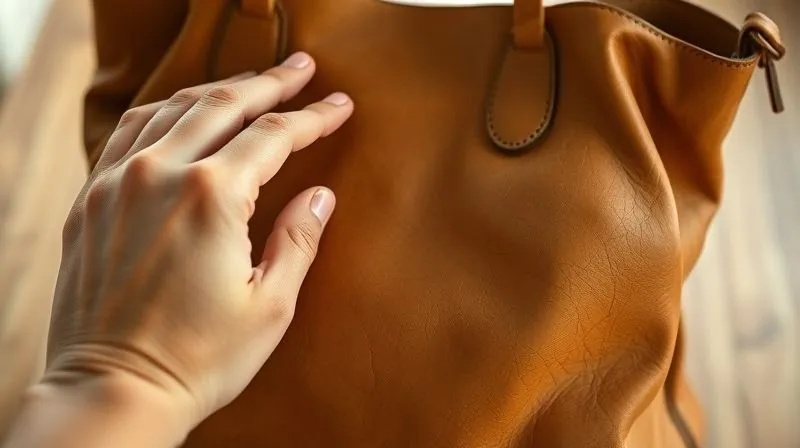
- Leather: Genuine vintage leather, especially from high-end brands, will feel supple, smooth, and resilient. It will have a natural grain and often a slight 'give' when pressed. Faux leather or poor-quality leather will feel stiff, plasticky, or overly uniform.
- Hardware: As mentioned, hardware should feel substantial. The movement of clasps, zippers, and buckles should be smooth and precise, not flimsy or sticky.
- Overall Balance: A well-made garment or accessory will feel balanced in your hands. There's a certain 'rightness' to its weight distribution and structural integrity that cheap fakes lack.
Step 6: Leveraging Expert Appraisers and Technology
Even with all the knowledge in the world, there are times when an independent, professional opinion is indispensable, especially for extremely rare and high-value pieces. Furthermore, emerging technologies are providing new layers of verification.
Professional Appraisal Services
For items of significant value or uncertain provenance, consulting a certified vintage luxury appraiser or a specialized authentication service is a wise investment. These experts possess:
- Deep Brand Knowledge: They often specialize in specific brands or eras, having handled thousands of authentic and counterfeit pieces.
- Access to Databases: Many have proprietary databases of authentic items, serial numbers, and known fake characteristics.
- Specialized Tools: They may use tools like UV lights to detect modern glues, microscopes to examine fibers, or X-ray fluorescence (XRF) to analyze metal composition.
Always choose an appraiser with a strong reputation, verifiable credentials, and insurance. Ask for their specific experience with the brand and era of your item.
Authentication Technologies
The fight against fakes is constantly evolving, with technology playing an increasingly important role:
- AI-Powered Authentication: Companies like Entrupy use AI and microscopic photography to compare an item's features against a vast database of authentic and counterfeit images. This can be particularly useful for certain types of accessories.
- NFC/RFID Tags: While more common in modern luxury, some later vintage pieces or re-issues might incorporate these for digital verification.
- Micro-Tagging/DNA Tracing: Some brands are experimenting with embedding microscopic, invisible identifiers into materials that can only be read with specialized equipment.
While technology offers powerful tools, it's crucial to remember that it's often a supplementary layer. The human expert eye, honed by years of experience, remains irreplaceable, especially for truly rare, pre-digital vintage pieces. For a list of reputable authentication services, you might consult industry organizations or luxury forums. Explore AI authentication services like Entrupy.
Case Study: Unmasking a Masterful Fake – The 'Lost' Dior Bar Suit
A few years ago, I was approached by a prominent collector who believed they had acquired a 'lost' Dior Bar Suit from the New Look era, circa 1947-1950. The piece, bought from a private estate, looked incredibly authentic at first glance. The silhouette was perfect, the wool felt luxurious, and the buttons appeared period-correct. The asking price was in the high six figures.
My initial examination began with its supposed provenance: a handwritten note claiming it was a gift to a socialite from Christian Dior himself. While intriguing, handwritten notes are easily faked. I pressed for more. There were no receipts, no auction records. Red flag number one.
Next, I delved into the materials. The wool felt exquisite, but upon microscopic examination, the fiber composition, while predominantly wool, contained a very small percentage of a synthetic fiber that was not commercially available until the mid-1950s. A subtle but critical anachronism. The silk lining, too, felt a fraction too crisp, lacking the characteristic softness of aged, high-quality vintage silk. Red flag number two.
The construction was masterful. The hand-stitching on the lapels and lining was incredibly fine, almost indistinguishable from genuine Dior couture. However, I noticed a very slight irregularity in the tension of some of the internal seams, a consistency that suggested a skilled modern hand attempting to replicate a specific technique, rather than the organic flow of a seamstress from the 1940s. More importantly, the specific type of internal interfacing used, while period-appropriate in concept, had a slightly different weave pattern than documented examples of Dior Bar Suits from that precise collection. Red flag number three.
Finally, the label. It was a perfectly replicated 'Christian Dior Paris' label, complete with the correct font and stitching. But under UV light, I detected faint traces of a modern adhesive used to secure the label, inconsistent with how these labels were typically sewn in that era. The 'scent test' also revealed a very subtle, almost imperceptible, chemical undertone beneath the 'aged' fabric smell. These were the final nails in the coffin.
Ultimately, my extensive analysis, combining material science, construction minutiae, and historical knowledge, confirmed the piece was a highly sophisticated, museum-quality replica. The collector was devastated but grateful for avoiding a catastrophic financial and reputational loss. This case underscored that for extremely rare pieces, multiple layers of scrutiny are always necessary, and even the most convincing fakes leave a trail of subtle inconsistencies.
Step 7: Continuous Learning and Community Engagement
The world of vintage fashion is dynamic, with new discoveries, authentication techniques, and even more sophisticated fakes emerging constantly. To remain effective in authenticating extremely rare vintage designer pieces, continuous learning and active community engagement are non-negotiable.
Joining Collector Communities
Online forums, social media groups, and local collector clubs dedicated to vintage luxury are invaluable resources. Here, you can:
- Share Knowledge: Discuss specific pieces, ask questions, and learn from the collective experience of others.
- Access Information: Members often share insights into new authentication methods, known counterfeit trends, and rare historical data.
- Network: Connect with other collectors, dealers, and even experts who can offer advice or lead you to new opportunities.
Attending Workshops and Exhibitions
Nothing beats hands-on experience and direct interaction with experts:
- Authentication Workshops: Many vintage dealers, auction houses, or specialized institutions offer workshops that teach practical authentication skills.
- Fashion Exhibitions: Visiting museum exhibitions of historical fashion allows you to see and study authentic pieces up close, helping to train your eye and refine your understanding of period-specific details.
- Industry Fairs: Attending high-end vintage fairs and shows provides opportunities to speak with reputable dealers and examine a wide range of authenticated pieces.
As Seth Godin often says, "The market rewards connection and generosity." In the vintage world, sharing knowledge and building relationships within the community is not just good practice; it's a vital part of staying ahead of the curve in authentication.
| Learning Resource | Benefit | Effort Level |
|---|---|---|
| Online Forums/Groups | Collective knowledge, real-time updates on fakes, networking | Low to Medium |
| Authentication Workshops | Hands-on training, expert guidance, practical skills | Medium to High |
| Museum Exhibitions | Direct study of authentic pieces, historical context, visual training | Low to Medium |
| Specialized Books/Databases | In-depth research, brand-specific details, historical records | Medium to High |
Always remember that authentication is an ongoing process, not a one-time event. The more you learn, the more you see, and the more you connect, the better equipped you'll be to protect your investments and preserve the incredible legacy of vintage designer fashion.
Frequently Asked Questions (FAQ)
How reliable are online authentication services? Online authentication services can be highly reliable for certain categories of items, especially luxury handbags and accessories from the last few decades, where AI databases are extensive. However, for extremely rare vintage couture or very early pieces, their effectiveness might be limited as reference data is scarcer. Always cross-reference with human expert opinions.
Can a piece be authentic without any labels or brand marks? Yes, absolutely. Many very early couture pieces, especially from the 1920s-1940s, were often custom-made or had labels that were meant to be removed. In such cases, authentication relies almost entirely on construction, materials, design, and provenance. This is where a deep understanding of historical fashion and a highly experienced eye are crucial.
What's the biggest red flag for a fake? While there's no single 'biggest' red flag, an overwhelming sense of 'newness' or 'perfection' on an item claiming to be decades old is a major warning. Genuine vintage items, even those in pristine condition, will show some subtle signs of age, a slight patina, or an organic wear that fakes struggle to replicate. Inconsistencies across multiple authentication points are also a huge red flag.
How do I protect my rare pieces after authentication? Once authenticated, proper storage is key. Store items in a climate-controlled environment, away from direct sunlight, extreme temperatures, and humidity. Use acid-free tissue paper and padded hangers for garments. For accessories, use dust bags and individual boxes. Consider specialized insurance for high-value items. Regular, gentle inspection also helps prevent damage.
Is it possible for even experts to be fooled? Yes, it is. The counterfeit market is incredibly sophisticated, and new techniques emerge constantly. That's why constant learning, community engagement, and a multi-layered authentication approach are so vital. No single expert knows everything about every brand from every era. Collaboration and humility are essential in this field.
Key Takeaways and Final Thoughts
Authenticating extremely rare vintage designer pieces effectively is an intricate dance between forensic detail, historical knowledge, and honed intuition. It's a journey that demands patience, meticulous research, and a commitment to continuous learning.
- Prioritize Provenance: Always start with the item's history and documentation.
- Scrutinize Materials: Develop an eye and touch for genuine vintage fabrics, leather, and hardware.
- Examine Craftsmanship: The quality of stitching, seams, and interior finishes tells a profound story.
- Master Brand Specifics: Research brand-specific labels, codes, and unique characteristics for the era.
- Trust Your Senses: Don't underestimate the power of smell and touch as authenticators.
- Leverage Experts & Tech: Know when to call in professionals and how technology can assist.
- Stay Connected: Engage with the vintage community and commit to lifelong learning.
Remember, every rare vintage piece is a fragment of fashion history, a testament to design and craftsmanship. By diligently applying these authentication strategies, you're not just protecting your investment; you're safeguarding a legacy. Approach each piece with curiosity, a critical eye, and the confidence that comes from genuine expertise. The thrill of discovering a truly authentic treasure is unparalleled, and with these tools, that thrill can be yours.
Recommended Reading
- Unlock Effortless Elegance: How to Master Casual Chic Style for Any Occasion
- Unlock the Secret: Choosing Perfect Kids' Outfits for Outdoor Summer Weddings
- 7 Smart Casual Outfits for Men: Project Authority at Professional Dinners
- 7 Steps: Ethically Sourcing Sustainable School Uniforms for Your School
- Stop the Burn: 5 Pro Strategies for Chafing-Free High-Intensity Training

Your email address will not be published. Required fields are marked *