


How to Authentically Review Luxury Fashion Without Sounding Biased?
For over fifteen years, navigating the intricate world of luxury fashion journalism and blogging, I've witnessed a pervasive challenge: the struggle to review high-end products with genuine authenticity while sidestepping the ever-present specter of bias. It's a tightrope walk where one misstep can erode years of hard-earned trust.
The problem is multifaceted. Luxury items, by their very nature, carry an inherent prestige and a hefty price tag, often leading both reviewers and readers to approach them with preconceived notions. Whether it's the allure of a free product, the pressure from a brand, or simply the subconscious desire to justify a significant personal purchase, maintaining an objective voice when discussing a $5,000 handbag or a haute couture gown is incredibly difficult.
This article isn't just a guide; it's a deep dive into the practical frameworks and ethical considerations I've refined over my career. You'll learn how to establish an unshakeable foundation of integrity, develop a robust evaluation methodology, craft language that resonates with truth, and ultimately, answer the critical question: How to authentically review luxury fashion without sounding biased?
Understanding the Nuance of Luxury: Beyond the Price Tag
Before you can review luxury fashion authentically, you must first truly understand what "luxury" signifies beyond its exorbitant cost. In my experience, many aspiring reviewers fixate on the brand name or the price, missing the deeper layers of value that truly define a high-end product.
Deconstructing Perceived Value vs. Intrinsic Quality
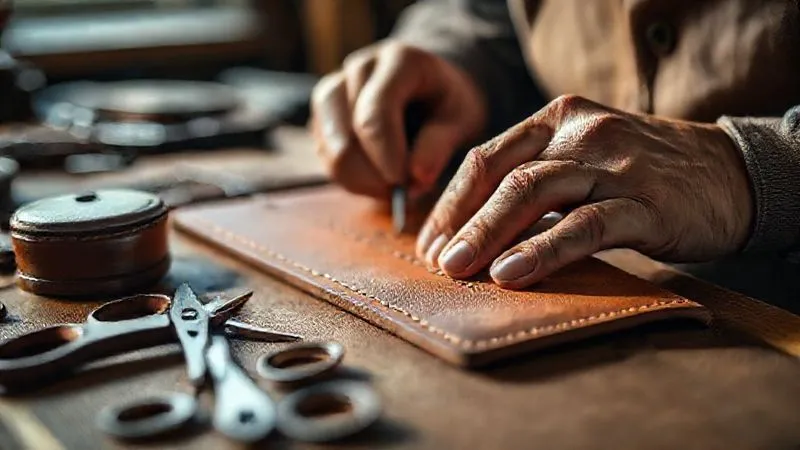
Luxury isn't just about exclusivity; it's fundamentally about unparalleled craftsmanship, exceptional materials, innovative design, and often, a storied heritage. A truly unbiased review delves into these intrinsic qualities. Is the leather full-grain or corrected? Are the seams hand-stitched or machine-produced? What is the thread count of the silk, and where was it sourced?
Conversely, perceived value is often driven by marketing, brand narrative, and aspirational desire. While these play a role in the luxury market, your review should dissect whether the intrinsic quality justifies the perceived value. This requires a discerning eye and a commitment to research.
The Psychology of Luxury Consumption
It's crucial to acknowledge the psychological component of luxury. Consumers buy luxury for status, self-expression, emotional connection, and often, as an investment. As a reviewer, understanding these motivations allows you to address them without letting them sway your objective assessment of the product's tangible attributes. You can discuss the "feeling" a product evokes, but always ground it in its material reality.
"True luxury isn't just worn; it's experienced. Your review's power lies in articulating that experience through the lens of objective quality, not just aspirational fantasy."
Establishing Your Unwavering Ethical Compass
The bedrock of any authentic review, particularly in the high-stakes world of luxury, is an unshakeable ethical compass. Without it, every word you write risks being perceived as compromised. I've seen countless promising careers falter because reviewers underestimated the importance of transparent and consistent ethical practices.
Full Disclosure: Your Non-Negotiable Foundation
Transparency is not just a best practice; it's a mandatory one. Every single time you review a product, you must clearly disclose your relationship with the brand. Was the item gifted? Was it a paid collaboration? Did you purchase it yourself? This isn't just about legal compliance; it's about building and maintaining trust with your audience. Your readers deserve to know the context of your review.
I recommend a clear, consistent disclosure statement at the beginning of every review post or video. Something like, "This item was kindly gifted by [Brand Name], but all opinions are my own and remain unbiased." or "This post contains affiliate links, but my review is independent." Clarity prevents suspicion.
The Power of 'No': Declining Unsuitable Collaborations
One of the hardest but most crucial lessons I learned early on was the power of saying "no." Not every brand offer or gifted item is worth accepting. If a brand's aesthetic doesn't align with your personal style or your blog's niche, or if they demand editorial control, politely decline. Accepting everything dilutes your brand and signals a lack of discernment to your audience. Your integrity is your most valuable asset; protect it fiercely.
- Prioritize editorial independence: Your voice is yours alone.
- Align with your niche: Only review what genuinely fits your content strategy.
- Be clear on terms: Ensure no brand dictates your opinion.
- Value long-term trust: Short-term gains from biased reviews destroy credibility.
| Disclosure Type | Requirement | Example |
|---|---|---|
| Gifted Product | Clear 'gifted by' statement, independent review clause | Gifted by Chanel, opinions my own. |
| Paid Collaboration | Sponsored post/ad disclosure, FTC compliance | Sponsored by Louis Vuitton. |
| Affiliate Links | Affiliate link disclosure, no impact on review | Contains affiliate links. |
| Personal Purchase | Optional, but builds trust | Purchased myself. |
The Art of Objective Evaluation: A Structured Approach
To truly answer the question of how to authentically review luxury fashion without sounding biased, you need more than good intentions; you need a systematic, objective evaluation framework. This is where your expertise shines through – moving beyond subjective "likes" and "dislikes" to a tangible assessment.
Developing a Standardized Review Framework
I advocate for creating a consistent set of criteria you apply to every luxury item you review. This allows for comparability and demonstrates a professional approach. My framework typically includes:
- Materials: What are they? Their quality, sourcing, feel, durability. (e.g., full-grain leather, specific silk weight, ethically sourced diamonds).
- Craftsmanship: Attention to detail, stitching, finishing, hardware quality, alignment. Are there any imperfections?
- Design & Aesthetics: Is the design innovative, timeless, or trendy? How does it fit into the brand's aesthetic? Is it practical?
- Functionality & Wearability: How does it perform in real-world use? Is it comfortable? Does it hold up to daily wear?
- Longevity & Investment Value: Is this a piece designed to last? Will it retain its value or become a classic?
- Brand Heritage & Narrative (with caution): Briefly acknowledge the brand story, but ensure it doesn't overshadow the product's actual merits.
By consistently evaluating these points, you create a robust structure that minimizes the space for unconscious bias and provides your readers with a comprehensive, comparable analysis.
Benchmarking Against Peers and Price Points
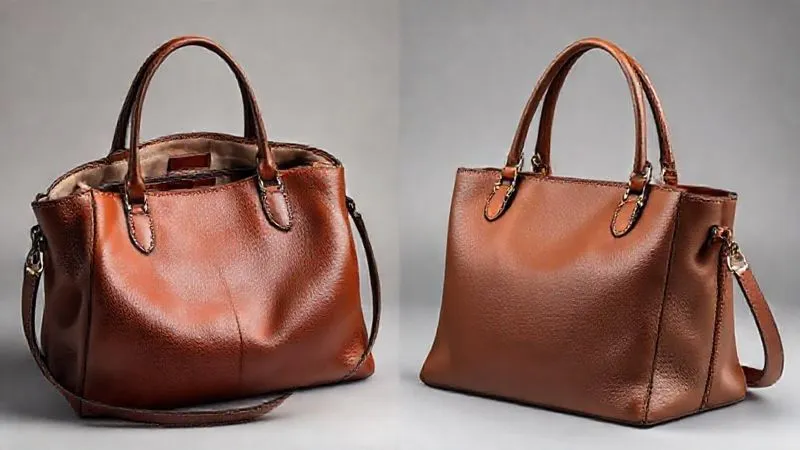
An effective way to provide objective context is to compare the item not just against its own claims, but against similar products within its price point or category. For instance, if you're reviewing a luxury handbag, how does its leather quality compare to a similar bag from a competing luxury house? How does its construction stand up to a piece that costs significantly more or less?
This doesn't mean you need to own every comparative item, but research and knowledge of the market are paramount. Referencing industry standards or expert opinions can further bolster your analysis. As marketing guru Seth Godin often says, "The market doesn't care about your story; it cares about what you can do for them." Your review should focus on what the product *does* and *is*, rather than just what it *claims* to be.
Language That Builds Trust: Crafting Credible Narratives
The words you choose are just as critical as your evaluation framework. In the realm of luxury, where emotion often runs high, your language must convey expertise, balance, and unwavering credibility. This is how you master how to authentically review luxury fashion without sounding biased through your prose.
Ditching Hyperbole for Measured Analysis
Avoid superlatives and overly emotional language. Instead of "This is the most incredible bag EVER!", opt for "The supple calfskin leather, combined with the meticulous saddle stitching, sets a new benchmark for durability and tactile pleasure in its category." Specificity and evidence-based descriptions are your allies. Detail *why* something is excellent or *where* it falls short, rather than just stating an opinion.
Use qualifying language when necessary. Phrases like "While the design is undeniably striking...", "It's important to note that...", or "For those prioritizing X, this might be a drawback..." demonstrate a nuanced perspective. This balanced approach signals to your readers that you've considered multiple angles, reinforcing your objectivity.
Weaving Personal Experience with Factual Assessment
Your personal experience with a luxury item is valuable – it provides relatability and context. However, it should serve as an illustration of your factual assessment, not replace it. For example, instead of "I just love how this dress feels," try "The silk-charmeuse blend drapes beautifully, confirming its high momme weight, and I found it exceptionally comfortable for extended wear, even in warmer climates."
This approach allows you to share your genuine interaction with the product while grounding it in tangible attributes. According to a study published in the Journal of Consumer Research, consumers are more likely to trust reviews that combine personal experience with objective, verifiable facts. The Role of Narratives in Consumer Decision Making.
"Your words are currency in the trust economy. Spend them wisely, investing in precision, balance, and verifiable truth."
Visual Storytelling with Integrity: Photography and Video
In fashion blogging, visuals are paramount. However, just as your words can be biased, so too can your images and videos. To truly review luxury fashion authentically, your visual content must uphold the same standards of integrity as your written text. This means presenting the product as it truly is, imperfections and all.
Authentic Depiction: Lighting, Angles, and Context
When photographing or filming a luxury item, prioritize natural, even lighting that accurately represents the product's color and texture. Avoid overly dramatic filters or heavily edited shots that might alter its appearance. Show the item from multiple angles – close-ups of craftsmanship, full shots for silhouette, and lifestyle shots for scale and wearability. Contextualize the product; if it's a handbag, show it being worn; if it's a piece of jewelry, show it on skin. This helps your audience visualize its true form and how it integrates into real life.
Avoiding Misleading Editing Practices
Resist the urge to "perfect" the product in post-production. While minor color correction to ensure accuracy is acceptable, altering fabric textures, removing small blemishes (like a tiny scratch from normal wear), or manipulating the product's fit can mislead your audience. Your goal is not to sell the product, but to inform. An honest visual representation, even if it reveals a minor flaw that might develop over time, builds far more trust than a glossy, unrealistic portrayal.
Engaging with Your Audience: Fostering a Community of Trust
Your audience isn't just a passive consumer of your content; they are an active community whose trust is vital. How you interact with them, particularly regarding your reviews, significantly impacts your perceived authenticity and helps solidify your answer to how to authentically review luxury fashion without sounding biased.
Responding to Criticism and Feedback Constructively
Inevitably, some readers will disagree with your assessment, or even accuse you of bias, regardless of your efforts. This is where your professionalism is tested. Respond to criticism gracefully and thoughtfully. Acknowledge differing perspectives, clarify your methodology if needed, and avoid becoming defensive. Engage in a dialogue, not a debate. Showing that you are open to feedback and willing to clarify your points reinforces your commitment to objectivity.
Educating Your Readers on Review Ethics
Don't assume your audience understands the nuances of ethical reviewing. Periodically, educate them on your disclosure policies, your evaluation criteria, and your commitment to independence. Explain *why* you value authenticity. This proactive approach manages expectations and empowers your readers to better understand and trust your content. It turns potential skeptics into informed advocates.
Case Study: How 'Elegance Unfiltered' Built Unwavering Trust
Elara, the founder of 'Elegance Unfiltered,' a luxury accessories blog, faced initial skepticism about her ability to review gifted high-end handbags without bias. Instead of ignoring comments, she created a dedicated "How I Review" page, detailing her 5-point evaluation system (materials, craftsmanship, functionality, design, longevity) and her strict disclosure policy. She also hosted monthly Q&A sessions where she openly discussed her review process and even showed minor imperfections on gifted items. This transparent, educational approach transformed her community into loyal followers who deeply trusted her opinions, leading to a 40% increase in engagement and a strong reputation for integrity within 18 months.
Navigating Brand Relationships: Maintaining Independence
The relationship between a luxury fashion reviewer and the brands they feature is a delicate dance. While collaborations can be mutually beneficial, your primary allegiance must always be to your audience. This is particularly challenging when you're striving to figure out how to authentically review luxury fashion without sounding biased while also needing to interact with the industry.
Setting Clear Boundaries from the Outset
Before agreeing to any collaboration or accepting a gifted item, establish clear boundaries. This includes: no editorial control over your review, no approval rights over your final content, and a guarantee of your right to express an honest opinion – positive or negative. Document these terms in writing. A reputable luxury brand that values genuine feedback will respect your independence; those that don't are not worth compromising your integrity for.
It's also wise to have a policy on how long you'll use or test a product before reviewing it. Rushing a review can lead to superficial analysis. For a luxury item, I often recommend a minimum of 4-6 weeks of consistent use to truly assess its wearability, durability, and long-term appeal.
The Long-Term Value of Your Editorial Freedom
While a large payment or an exclusive gift might be tempting in the short term, sacrificing your editorial freedom for it is a Faustian bargain. Your credibility, once lost, is incredibly difficult to regain. Brands seek out authentic voices because consumers trust them. If you become just another mouthpiece, your value to both your audience and the industry diminishes rapidly. Prioritize long-term trust and a reputation for honesty over fleeting transactional gains. As Forbes highlights, "Authenticity is the new currency of influence." Authenticity Is The New Currency Of Influence.
The Long Game: Sustaining Authenticity and Authority
Authenticity in luxury fashion reviewing isn't a destination; it's a continuous journey. The industry evolves, consumer expectations shift, and your own expertise deepens. Maintaining your unbiased voice requires ongoing commitment and adaptation.
Continuous Learning and Adaptation
Stay informed about new materials, production techniques, ethical sourcing practices, and sustainable innovations within the luxury sector. Attend industry events, read trade publications, and engage with experts. The more knowledgeable you are, the more nuanced and authoritative your reviews will become. Your expertise is a shield against bias, allowing you to speak with confidence and depth.
Furthermore, be open to refining your review methodology based on new insights or feedback. The fashion world is dynamic; what was considered luxury a decade ago might have different standards today. A flexible yet principled approach ensures your reviews remain relevant and cutting-edge.
Re-evaluating Your Review Methodology
Periodically, take time to audit your own review process. Ask yourself: Am I still applying my criteria consistently? Have I unconsciously started favoring certain brands? Am I giving enough weight to sustainability or ethical production, which are increasingly important to luxury consumers? Self-reflection is a powerful tool for maintaining objectivity and ensuring your content continues to deliver genuine value.

A deep understanding of consumer behavior and trust also underpins effective reviewing. Research from the Harvard Business Review often emphasizes the long-term benefits of transparent business practices, a principle directly applicable to content creation. Why Consumers Are Wary of Companies and How to Rebuild Trust
Frequently Asked Questions (FAQ)
How do I review an item I genuinely dislike without burning bridges with a brand? The key is constructive criticism. Focus on objective points of improvement rather than personal distaste. For example, instead of "I hate this bag," say "While the design is visually striking, the lack of internal organizational pockets made it impractical for my daily needs." Frame it as a matter of suitability, not inherent flaw, where appropriate. Brands often appreciate honest feedback that helps them improve, especially if delivered professionally and privately first.
Is it okay to accept gifted items if I promise an honest review? Yes, absolutely, as long as you maintain full transparency and ethical independence. Disclose that the item was gifted clearly in your review. Ensure there are no strings attached regarding the outcome of your review. If a brand insists on editorial control or positive coverage in exchange for a gift, politely decline. Your integrity is worth more than any free product.
How do I handle pressure from brands for positive coverage? This is a critical moment for your integrity. If a brand applies pressure, refer back to your initial agreement (hopefully in writing) that guarantees your editorial freedom. If they persist, you have two choices: publish your honest, unbiased review regardless, or, if the pressure is too great to remain authentic, withdraw from the collaboration and explain your reasons. Never compromise your honesty for a brand.
What if my 'unbiased' review still gets accused of bias? Even with the best intentions, some readers may still perceive bias. When this happens, revisit your review: Is there any language that could be misinterpreted? Did you provide enough objective evidence? Respond calmly, reiterate your disclosure, and explain your evaluation criteria. Sometimes, it's about managing perception, and consistent transparency over time is your best defense.
Should I include price in my review, or focus solely on quality? For luxury fashion, price is an undeniable factor in the consumer's decision-making process and perceived value. You should absolutely include it. Discuss whether the quality, craftsmanship, and overall experience justify the price point. This doesn't mean you dictate if it's "worth it" for someone else, but rather provide the context for your audience to make their own informed decision based on your detailed assessment.
Key Takeaways and Final Thoughts
Mastering how to authentically review luxury fashion without sounding biased is an ongoing commitment, not a one-time achievement. It demands a blend of deep industry knowledge, unwavering ethical principles, and a methodical approach to evaluation. Remember, your most valuable asset is the trust you build with your audience.
- Understand Luxury's Depth: Look beyond price; focus on intrinsic quality and craftsmanship.
- Embrace Transparency: Always disclose your relationship with brands and products.
- Adopt a Structured Approach: Use a consistent framework for objective evaluation.
- Cultivate Credible Language: Choose precision and balance over hyperbole.
- Ensure Visual Integrity: Let your photos and videos reflect reality.
- Engage with Empathy: Respond to feedback constructively and educate your audience.
- Protect Your Independence: Set clear boundaries with brands.
- Commit to Continuous Growth: Stay informed and refine your methodology.
As you continue your journey in luxury fashion blogging, carry these principles with you. Your dedication to authenticity will not only distinguish you in a crowded digital landscape but will also empower your audience to make truly informed decisions, cementing your reputation as a trusted authority. The luxury consumer seeks truth, and you, as an authentic reviewer, are uniquely positioned to provide it.
Recommended Reading
- 5-Minute Grooming Hacks: Combat Pitch Fatigue & Boost Confidence
- How to Integrate Flexible Electronics into Washable Smart Apparel?
- Why Fashion Editorial Photography Fails: 7 Fixes for Brand Engagement
- How to Enhance Natural Fiber Durability: 4 Biodegradable Solutions
- Most Flattering Denim Wash for Men: Look Your Best!




Your email address will not be published. Required fields are marked *