

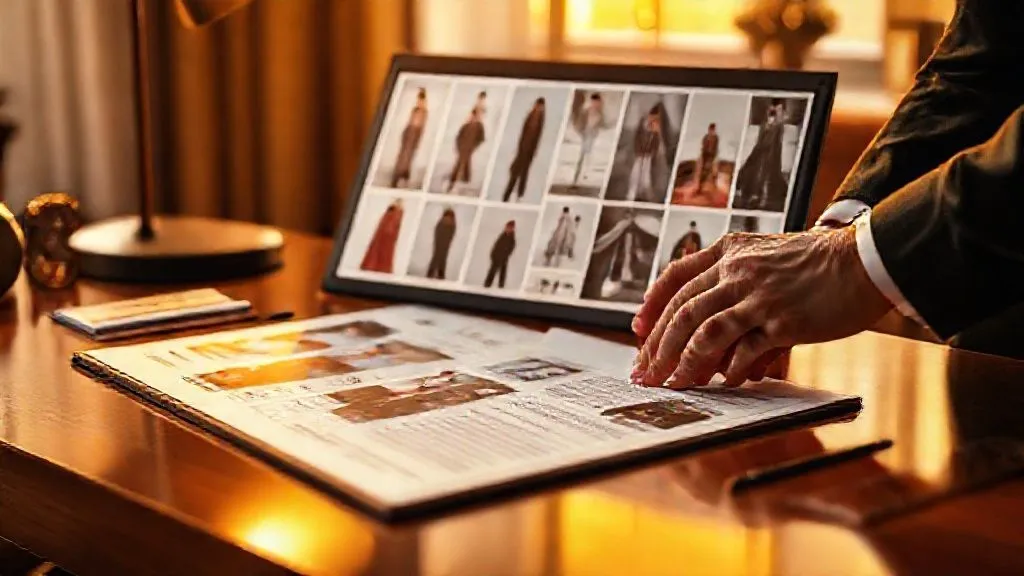
Introduction: How to Attract High-Paying Fashion Brand Photography Deals?
For over 15 years in the cutthroat world of fashion photography, I've witnessed countless talented photographers struggle to break free from the cycle of low-paying gigs and under-appreciated work. It's a common trap: you love the art, you hone your craft, but the business side of attracting truly lucrative, high-profile clients remains an elusive mystery.
The core problem isn't a lack of talent; it's often a lack of strategic positioning, targeted marketing, and a deep understanding of what high-paying fashion brands truly value. Many photographers operate on a 'spray and pray' model, hoping their work will simply be discovered, rather than actively cultivating relationships and demonstrating undeniable value.
In this definitive guide, I will share the exact frameworks, insights, and actionable strategies I've honed over years in the industry. You'll learn not just how to improve your photography, but precisely how to attract high-paying fashion brand photography deals by transforming your approach from a reactive artist to a proactive, in-demand expert.
1. Mastering Your Niche and Signature Style
In a saturated market, being a generalist is a recipe for mediocrity. High-paying fashion brands aren't looking for someone who can shoot 'anything'; they're looking for a specialist whose unique vision aligns perfectly with their brand identity. Your journey to attracting premium clients begins with profound self-definition.
Defining Your Unique Aesthetic
What makes your work unmistakably yours? Is it a particular lighting style, a unique post-processing technique, a specific narrative approach, or a preference for certain themes (e.g., minimalist, avant-garde, street style, haute couture)? Brands seek consistency and a distinct voice. Spend time articulating what sets your visual storytelling apart.
Actionable Step: Conduct a thorough portfolio audit. Remove any images that don't align with your desired niche or demonstrate your signature style. Be ruthless. If an image doesn't scream 'high-end fashion,' it doesn't belong.
Identifying Your Ideal Client Profile
Who are the brands you dream of working with? Research their aesthetics, their target audience, their past campaigns. Understand their values, their market position, and their visual language. This isn't about chasing every brand; it's about strategically targeting those whose vision resonates with yours. This focused approach is key to how to attract high-paying fashion brand photography deals.
Actionable Step: Create a detailed 'ideal client avatar' for at least three dream brands. What kind of photography do they currently use? What gaps could your unique style fill? How do they communicate their brand story?
"In a sea of talent, specialization is the lighthouse that guides premium clients directly to your shore. Don't be afraid to niche down; it's where true authority is built."
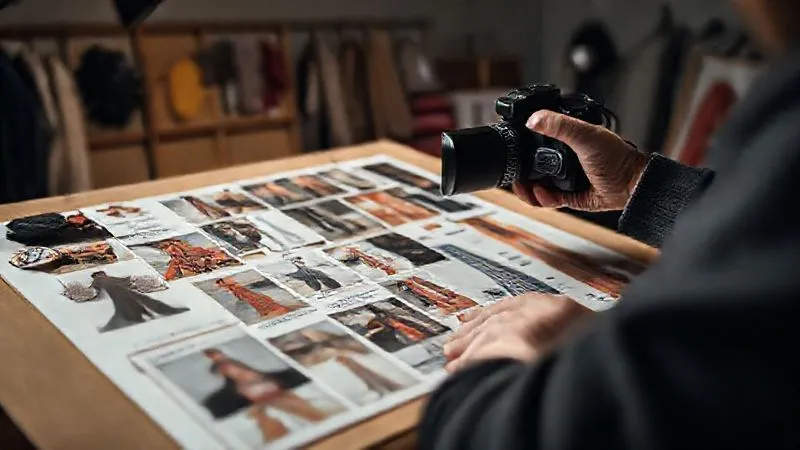
2. Crafting an Irresistible High-End Portfolio
Your portfolio isn't just a collection of images; it's your most powerful sales tool. For high-paying fashion brands, it needs to be a meticulously curated visual narrative that screams professionalism, unique vision, and the ability to deliver results at their level.
Quality Over Quantity: The Curatorial Art
One exceptional image is worth a hundred mediocre ones. Brands want to see your absolute best work, not your entire archive. Every single image in your portfolio must be flawless, intentional, and contribute to the overall story of your brand. Think of it as a gallery exhibition, not a casual scrapbook.
Actionable Step: Aim for a concise portfolio of 15-25 truly outstanding images. Group them thematically or by project to demonstrate your versatility within your niche. Ensure the flow is logical and visually engaging.
Storytelling Through Imagery
High-paying brands aren't just buying photographs; they're buying stories that connect with their audience. Your portfolio should demonstrate your ability to create compelling narratives, evoke emotions, and translate a brand's message into stunning visuals. Show variety in styling, models, and locations, all while maintaining your signature aesthetic.
Actionable Step: If you lack commercial work for your target niche, organize highly conceptualized mock shoots. Collaborate with top stylists, makeup artists, and models. Invest in these 'test shoots' as if they were paid assignments. This is crucial for building a portfolio that can attract high-paying fashion brand photography deals.
Case Study: Elegance Studios' Portfolio Transformation
Elegance Studios, a boutique photography firm, initially struggled to secure luxury fashion clients despite their technical prowess. Their portfolio was broad, showcasing various styles. After an intensive audit and a series of high-concept mock shoots focused exclusively on minimalist haute couture, their portfolio became incredibly focused. Within six months, they landed a multi-season campaign with a prestigious European luxury brand, a direct result of their refined and targeted visual presentation.
To further refine your portfolio and understand what top agencies look for, consider resources like Vogue's photography features or Harper's Bazaar editorials, which consistently showcase the pinnacle of fashion photography.
3. Strategic Networking and Relationship Building
The fashion industry thrives on connections. It's not just about who you know, but how you nurture those relationships. Cold emails rarely land high-paying fashion brand photography deals; warm introductions and established trust do.
Beyond Cold Emails: Cultivating Industry Connections
Networking isn't about collecting business cards; it's about building genuine rapport. Attend fashion weeks, industry events, gallery openings, and workshops. Engage with creative directors, art buyers, stylists, agents, and other photographers. Offer value, share insights, and listen more than you speak.
Actionable Step: Identify 3-5 key industry events or online communities relevant to your niche. Make a plan to attend or actively participate. Follow up meaningfully with new contacts, offering to connect them with resources or simply continuing a valuable conversation.
The Power of Referrals and Endorsements
A personal recommendation from a trusted industry peer or a satisfied client is gold. Focus on delivering exceptional experiences for every client, regardless of budget, as positive word-of-mouth is your most potent marketing tool. Seek testimonials and permission to use client names in your outreach.
Actionable Step: After successful projects, politely request a testimonial or a LinkedIn endorsement. For particularly impactful collaborations, ask if they'd be comfortable making an introduction to other brands in their network.
| Networking Strategy | Expected ROI | Effort Level |
|---|---|---|
| Industry Events/Fashion Weeks | High-quality leads, direct brand contact | High |
| Online Professional Communities | Peer referrals, indirect brand visibility | Medium |
| Collaborative Test Shoots | Portfolio growth, team connections | Medium |
| Client Referrals | Warm leads, high conversion rate | Low (after initial work) |
4. Optimizing Your Online Presence and Brand Story
In today's digital age, your online presence is your 24/7 storefront. It must be as polished and high-end as the brands you aspire to work with. This is where many photographers miss opportunities to attract high-paying fashion brand photography deals.
A Polished Website and Blog as Your Digital Studio
Your website is the cornerstone of your digital brand. It should be clean, fast, mobile-responsive, and visually stunning. Ensure your portfolio is easy to navigate, and that your contact information is prominently displayed. A blog can further establish your expertise by sharing insights into your process, behind-the-scenes glimpses, or industry trends.
Actionable Step: Invest in a premium website template or professional design. Regularly update your portfolio section. Consider writing 1-2 blog posts a month that demonstrate your expertise or offer value to potential clients, focusing on topics like 'the art of fashion editorial' or 'collaborating on campaign visuals'.
Leveraging Social Media for Brand Visibility (LinkedIn, Instagram)
Instagram is undoubtedly vital for visual artists in fashion. Curate your feed with the same meticulousness as your portfolio. Use relevant hashtags, engage with fashion influencers and brands, and tell visual stories. LinkedIn, often overlooked, is crucial for connecting with creative directors, marketing managers, and brand strategists in a professional context.
Actionable Step: Develop a consistent content strategy for Instagram, focusing on high-quality posts, stories, and reels. For LinkedIn, optimize your profile, share your work, and actively engage with industry leaders. This dual approach maximizes your visibility to potential high-paying clients.
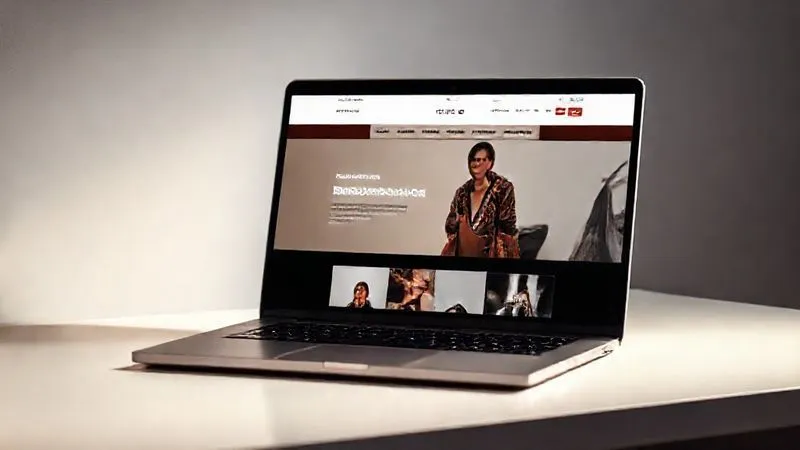
For further insights into building a robust online brand, consider resources like Forbes' business section, which often covers digital branding strategies relevant to creative professionals.
5. Developing a Premium Pricing Strategy
One of the biggest hurdles photographers face is pricing their work appropriately, especially when aiming for high-paying fashion brand photography deals. Undervalue yourself, and you'll attract clients who undervalue your work.
Understanding Value-Based Pricing
High-paying brands aren't just buying your time; they're buying your unique vision, expertise, and the value your imagery brings to their brand (e.g., increased sales, brand prestige, market differentiation). Price your services based on the value you provide, not just your costs or an hourly rate. Research industry standards for similar high-end work.
Actionable Step: Calculate your true cost of doing business (gear, insurance, studio, editing software, marketing, taxes, etc.). Then, research what top-tier photographers in your niche are charging for comparable projects. Factor in your unique value proposition. Don't be the cheapest; be the best value.
Crafting Comprehensive Proposals
Your proposal is more than just a quote; it's a sales document that reiterates your understanding of the brand's needs, outlines your creative vision, and justifies your pricing. Include a clear scope of work, deliverables, usage rights, timelines, and payment terms. Professionalism in your proposal reflects the quality of your work.
Actionable Step: Develop a professional proposal template. Each proposal should be customized to the specific brand and project, demonstrating that you've done your homework and understand their unique requirements. Clearly articulate how your photography will solve their specific marketing or branding challenges.
"If you don't value your own artistry and expertise, no one else will. Premium pricing is not just about profit; it's about positioning and attracting clients who respect your craft."
| Service Package | Deliverables | Price Range |
|---|---|---|
| Editorial Lookbook | 15 Retouched Images, 1-Day Shoot, Basic Usage Rights | $3,000 - $7,000 |
| Campaign & E-commerce | 50 Retouched Images, 2-Day Shoot, Extended Usage Rights | $8,000 - $15,000 |
| Full Brand Relaunch | 100+ Retouched Images, Multi-Day Shoot, Exclusive Usage, Art Direction | $15,000 - $30,000+ |
6. Mastering the Art of Negotiation
Once a brand expresses interest, the negotiation phase begins. This is where many photographers falter, either by accepting too little or by being inflexible. Learning to negotiate effectively is vital for how to attract high-paying fashion brand photography deals.
From Inquiry to Contract: The Negotiation Dance
Approach negotiation as a collaborative process to find a mutually beneficial agreement, not a battle. Be confident in your value, but also open to discussing scope adjustments. Always have your minimum viable price in mind, but aim higher. Be prepared to walk away if the terms are not favorable or if the client consistently undervalues your work.
Actionable Step: Practice negotiating with peers or mentors. Understand common negotiation tactics and how to counter them. Always get everything in writing before starting any work.
Understanding Rights and Usage Licensing
This is often the most misunderstood and undervalued aspect of photography contracts. High-paying brands require specific usage rights (e.g., print, digital, social media, worldwide, duration). These rights have significant value and should be priced accordingly. Never give away unlimited usage rights for a flat fee.
Actionable Step: Educate yourself on photography licensing models (e.g., rights-managed, royalty-free, limited usage). Clearly define the scope of usage in your proposals and contracts. If a brand requests broader usage later, be prepared to quote an additional licensing fee.

For detailed legal guidance on photography contracts and licensing, reputable resources like Professional Photographers of America (PPA) offer invaluable information and templates.
7. Delivering Exceptional Client Experience
Securing a high-paying deal is only the first step; retaining those clients and building long-term relationships is how you sustain a thriving business. Exceptional client experience is the bedrock of repeat business and referrals.
Communication is Key
From the initial inquiry to post-delivery, clear, proactive, and timely communication builds trust. Set expectations early, provide regular updates, and be responsive to client questions. Anticipate their needs and address potential issues before they escalate.
Actionable Step: Establish a clear communication protocol: preferred channels, response times, and regular check-ins. Use project management tools (even simple ones) to keep both you and the client informed about progress.
Post-Shoot Follow-Up and Feedback
The relationship doesn't end when you deliver the final images. A thoughtful follow-up shows professionalism and care. Seek feedback on their experience and offer to help with any post-production needs or future projects. This reinforces your commitment to their success.
Actionable Step: Send a personalized thank-you note or email after project completion. Schedule a brief call a few weeks later to check in on how the images are performing for them and subtly explore future opportunities.
"The best marketing you can ever do is to deliver an exceptional experience that turns a one-time client into a lifelong advocate and a source of continuous referrals."
Frequently Asked Questions (FAQ)
How long does it typically take to land a high-paying fashion brand photography deal? The timeline varies significantly based on your existing portfolio, networking efforts, and market positioning. For photographers starting to implement these strategies, it can take anywhere from 6 months to 2 years to consistently land high-paying deals. Consistency and persistence are paramount.
Should I offer free work to gain exposure with big brands? Generally, no. Offering free work can devalue your services and attract clients who are not willing to pay. Instead, invest in high-concept mock shoots or collaborations with non-competing creatives where you maintain creative control and use the resulting images to elevate your portfolio. Only consider 'free' work if it's a highly strategic partnership with clear, measurable mutual benefits that significantly boost your profile with your target audience.
What's the most crucial element in my portfolio for attracting high-paying clients? Consistency in quality and a strong, unique signature style. Brands want to see that you can consistently deliver stunning, on-brand imagery that aligns with their aesthetic. Your portfolio should clearly communicate your unique vision and expertise within your chosen niche.
How do I handle rejection from big brands? Rejection is a part of the game. Treat it as feedback, not failure. Politely ask for constructive criticism if appropriate, but never take it personally. Use it as motivation to refine your approach, improve your portfolio, and target other brands. Every 'no' brings you closer to a 'yes.'
Is it better to specialize or be a generalist in fashion photography? For attracting high-paying fashion brand photography deals, specialization is almost always better. Brands seek experts in specific styles or niches (e.g., editorial, e-commerce, haute couture, street style). Specializing allows you to develop deep expertise, build a reputation, and command premium rates for your unique skill set.
Key Takeaways and Final Thoughts
- Define Your Niche: Specialize to stand out and attract brands seeking your unique vision.
- Curate a Premium Portfolio: Showcase only your absolute best, most relevant work, focusing on quality and storytelling.
- Network Strategically: Build genuine relationships within the industry; referrals are invaluable.
- Optimize Your Online Presence: Your website and social media must reflect your high-end brand.
- Price for Value: Understand your worth and create comprehensive proposals that justify your rates.
- Master Negotiation: Confidently discuss terms, understanding the value of usage rights.
- Deliver Exceptional Experience: Turn clients into advocates through impeccable communication and service.
Attracting high-paying fashion brand photography deals isn't about luck; it's about a strategic, holistic approach that combines artistic excellence with savvy business acumen. By consistently applying these principles, you will not only elevate your craft but also transform your business, securing the lucrative and creatively fulfilling projects you deserve. The journey requires patience, persistence, and a relentless commitment to excellence, but the rewards are immeasurable.
Recommended Reading
- Navigating Budget Cuts: 7 Smart Strategies for Fashion Photography
- Combat Activewear Odor: 5 Advanced Fabric Technologies Revealed
- 7 Sustainable Strategies: Differentiating a Luxury Men's Skincare Line
- Biotech Cosmetics: 5 Steps to Clear Regulatory Hurdles & Launch Faster
- The Ultimate Guide: How to Keep Your Wedding Dress Wrinkle-Free on Your Big Day




Your email address will not be published. Required fields are marked *