


How Heritage Brands Maintain Exclusivity in Online Retail?
For over two decades in the luxury fashion industry, I've observed a fascinating paradox: the very digital channels that offer unprecedented reach can, if not managed meticulously, dilute the coveted exclusivity of heritage brands. I've seen countless legacy houses grapple with this tension, some thriving, others faltering, as they navigate the intricate balance between accessibility and scarcity in the online realm.
The problem is clear: how do you leverage the global reach of e-commerce without sacrificing the intrinsic value of rarity, the bespoke experience, and the carefully cultivated prestige that defines a true luxury heritage brand? It's a tightrope walk where a misstep can undermine decades, even centuries, of brand building. The digital landscape, with its democratizing nature, often clashes with the inherent desire for distinction that luxury consumers seek.
In this definitive guide, I will share the actionable frameworks, cutting-edge strategies, and expert insights that I've seen successful heritage brands employ to not only survive but truly flourish in the online retail space. You'll learn how to safeguard your brand's unique identity, cultivate a loyal, discerning clientele, and ultimately, discover how heritage brands maintain exclusivity in online retail, turning digital challenges into unparalleled opportunities for growth and prestige.
The Digital Paradox: Balancing Accessibility with Scarcity
At the heart of the challenge lies the digital paradox: the internet's inherent accessibility directly contradicts the core tenets of luxury – scarcity, aspiration, and exclusivity. When a brand's products are just a click away for anyone, anywhere, the perception of rarity can diminish. This isn't just about price; it's about the entire purchasing journey and the feeling of belonging to an exclusive club.
I've often advised my clients that the goal isn't to be unavailable, but to be selectively available. It's about designing a digital experience that mirrors the curated, intimate atmosphere of a flagship boutique, rather than the bustling anonymity of a mass-market store. This requires a profound understanding of your brand's DNA and an unwavering commitment to its values in every digital touchpoint.
“True luxury isn't about being seen everywhere; it’s about being desired by the right few, and accessed through a journey that reinforces that desire.”
According to a report by McKinsey & Company, digital channels are projected to influence 70-80% of all luxury sales by 2025, underscoring the urgency for heritage brands to master this space. The question isn't whether to go online, but how to go online without losing your soul. It’s about leveraging technology to enhance, rather than erode, your brand's intrinsic value. Read more on luxury's digital transformation via McKinsey's insights on the State of Fashion.
Strategy 1: Curated Digital Gatekeeping & Exclusive Access
One of the most potent ways to preserve exclusivity online is through strategic digital gatekeeping. This isn't about creating barriers for the sake of it, but about enhancing the perceived value and experience for truly interested clients. Think of it as the digital equivalent of an invitation-only event or a private viewing.
I've seen brands successfully implement this by creating members-only sections of their websites, offering early access to new collections for loyal customers, or even requiring an application process for certain high-value items. This approach transforms a simple transaction into an experience of privilege and recognition, reinforcing the idea that not everyone can, or should, have immediate access.
Implementing a Tiered Access Model
A tiered access model allows brands to reward loyalty and build anticipation, ensuring that the most exclusive offerings remain just that.
- Identify Your Tiers: Categorize your customer base (e.g., first-time buyers, repeat clients, VIPs, high-net-worth individuals).
- Define Exclusive Privileges: For each tier, determine what unique access or benefits they receive (e.g., early product drops, bespoke customization options, exclusive content, dedicated concierge service).
- Develop a Seamless Digital Experience: Ensure your website or app recognizes and caters to these tiers automatically, providing a personalized and elevated journey.
- Communicate the Value: Clearly articulate the benefits of being in a higher tier, driving aspirational engagement and encouraging deeper brand relationships.
- Monitor & Refine: Continuously analyze engagement and conversion rates within each tier, adjusting privileges and access points as needed to maintain desirability.
This structured approach ensures that exclusivity isn't arbitrary but a deliberate part of the customer journey. It's a powerful answer to how heritage brands maintain exclusivity in online retail.

Strategy 2: Mastering Direct-to-Consumer (DTC) & Channel Control
In my experience, one of the most critical moves for heritage brands seeking to maintain online exclusivity is to embrace and master the Direct-to-Consumer (DTC) model. Relying solely on third-party retailers, while offering broad reach, often means ceding control over pricing, brand presentation, and the crucial customer experience. DTC allows you to dictate every aspect.
By selling directly through your own impeccably designed e-commerce platform, you control the narrative, the visual merchandising, the packaging, and even the post-purchase follow-up. This complete control is invaluable for a luxury brand where every detail contributes to the perception of quality and exclusivity. It also opens up direct lines for customer data, enabling highly personalized future interactions.
Case Study: Elevating 'Elysian Couture' Through DTC
Elysian Couture, a fictional 150-year-old French fashion house known for its haute couture gowns, traditionally relied on a handful of exclusive luxury department stores globally. They faced increasing pressure from online discounters selling older collections and a diluted brand image due to inconsistent presentation across various digital platforms. By implementing a robust DTC strategy, Elysian Couture launched a new, invitation-only section on their website for their 'Atelier Collection', offering virtual consultations with their lead designers and personalized fitting kits sent directly to clients' homes.
This shift allowed them to: 1. Reclaim Price Control: No more discounting by third parties. 2. Enhance Brand Storytelling: Their website became a digital magazine, showcasing their heritage, craftsmanship, and exclusive events. 3. Build Direct Relationships: They gathered invaluable customer data, leading to hyper-personalized outreach and a 30% increase in repeat purchases from their VIP segment. 4. Improve Margins: Bypassing wholesale markups significantly boosted profitability, which was reinvested into sustainable production and unique customer experiences.
The result was a remarkable resurgence in perceived exclusivity and a stronger, more direct connection with their most discerning clientele, proving that a well-executed DTC model is paramount for how heritage brands maintain exclusivity in online retail.
| Aspect | Traditional Retail | DTC Model |
|---|---|---|
| Brand Control | Limited, dictated by retailer | Full, end-to-end control |
| Customer Data | Indirect, fragmented | Direct, comprehensive, actionable |
| Profit Margins | Lower, shared with retailer | Higher, direct revenue capture |
| Brand Experience | Inconsistent, varying by retailer | Uniform, premium, brand-aligned |
| Exclusivity | Challenged by broad distribution | Enhanced through curated access |
Strategy 3: Crafting Immersive Digital Experiences
Beyond transactional websites, heritage brands must invest in creating truly immersive and engaging digital experiences that captivate and delight. A simple product grid with 'add to cart' buttons won't cut it for a luxury consumer. They seek storytelling, aesthetic pleasure, and a sense of discovery that mirrors the physical boutique experience.
This means leveraging rich media, high-definition visuals, cinematic videos showcasing craftsmanship, and interactive elements. Think about virtual showrooms that allow customers to explore collections in 3D, or personalized styling sessions conducted via high-quality video calls. The goal is to make the digital interaction feel as exclusive and personal as possible, bridging the gap between the virtual and the tangible.
Leveraging AR/VR for Virtual Showrooms
Augmented Reality (AR) and Virtual Reality (VR) are no longer futuristic concepts; they are tools for creating unparalleled digital luxury experiences. Imagine a customer trying on a bespoke watch virtually, seeing how it looks on their wrist in real-time, or exploring a new collection within a hyper-realistic virtual boutique from the comfort of their home.
These technologies offer a powerful way to engage consumers, allowing them to interact with products in ways traditional e-commerce cannot. They provide a sense of presence and personalization that elevates the online shopping journey from mere browsing to an interactive discovery. As marketing guru Seth Godin often says, "People don't buy goods and services. They buy relations, stories, and magic." AR/VR can deliver that magic digitally. For insights on how technology is reshaping luxury retail, consult this Harvard Business Review article on the metaverse and marketing.
Strategy 4: Strategic Collaborations & Limited Editions
Another powerful strategy to inject fresh exclusivity and generate immense buzz is through carefully chosen collaborations and the release of limited-edition products. When a heritage brand partners with an unexpected artist, designer, or even another luxury house, it creates a unique fusion that excites both existing loyalists and attracts new, discerning audiences.
The key here is 'strategic.' The collaboration must feel authentic to both brands involved and elevate, rather than dilute, their respective values. These limited runs inherently create scarcity, driving immediate demand and reinforcing the idea that possessing such an item is a privilege. It’s a masterclass in how heritage brands maintain exclusivity in online retail by leveraging novelty without compromising core identity.
The Art of the Drop: Building Hype and Desire
The 'drop' model, popularized in streetwear but increasingly adopted by luxury, is an effective way to manage limited editions online. Instead of continuous availability, products are released in highly anticipated, time-sensitive windows. This creates a sense of urgency and event-driven excitement, often leading to rapid sell-outs and significant media attention.
- Build Anticipation: Tease the collaboration or limited edition weeks in advance across all digital channels, using high-quality visuals and cryptic messaging.
- Create a Waiting List: Allow interested customers to sign up for early notification or exclusive access, reinforcing gatekeeping.
- Execute a Flawless Drop: Ensure your e-commerce platform can handle high traffic and rapid transactions without crashing, as a smooth experience is part of the luxury promise.
- Leverage Influencers: Partner with relevant, high-credibility influencers for discreet, authentic promotion leading up to and during the drop.

Strategy 5: Data-Driven Personalization without Compromising Privacy
Personalization is crucial for luxury, as it reflects the bespoke service clients expect. However, in the online space, this must be achieved without feeling intrusive or compromising privacy, which can quickly erode trust. The goal is to use data intelligently to anticipate needs and offer relevant, curated experiences, making each customer feel uniquely valued.
I advocate for a 'privacy-first' approach to data collection and utilization. This means being transparent about what data is collected, how it's used, and giving customers control over their information. When done correctly, data-driven personalization can enhance exclusivity by making the digital journey feel incredibly tailored, reminiscent of a personal shopper who knows your preferences intimately.
Ethical Data Collection and Usage
To implement truly effective and ethical personalization, consider these steps:
- Consent-Driven Data: Always obtain explicit consent for data collection and clearly state the benefits to the customer (e.g., "We use your browsing history to recommend pieces you'll love").
- Segment Your Audience: Go beyond basic demographics. Segment based on purchase history, browsing behavior, engagement with specific content, and stated preferences (e.g., preferred materials, styles).
- Curated Recommendations: Use AI and machine learning to power product recommendations, content suggestions, and personalized offers that truly resonate with individual tastes.
- Personalized Communications: Tailor email campaigns, app notifications, and even website content to reflect the individual's journey and preferences.
- Offer Control: Provide an easily accessible preference center where customers can view, manage, and delete their data, reinforcing trust and control.
This careful balance ensures that personalization enhances, rather than detracts from, the luxury experience, making it a cornerstone of how heritage brands maintain exclusivity in online retail.
Strategy 6: Fortifying Brand Storytelling & Heritage Narratives
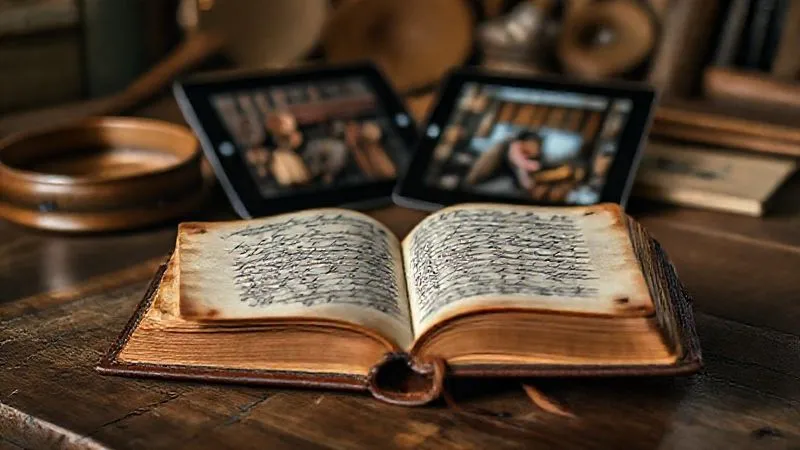
The soul of a heritage brand lies in its story – its history, craftsmanship, values, and the generations of artisans who have shaped its legacy. In the digital realm, this storytelling becomes even more critical. Without the tactile experience of a physical store, the narrative must work harder to convey the brand's depth, authenticity, and enduring value.
I've always stressed that digital platforms are not just sales channels; they are powerful stages for narrative. High-quality content – articles, documentaries, interviews, behind-the-scenes glimpses – can transport consumers into the world of the brand, fostering an emotional connection that transcends mere product features. This deep engagement is a potent form of exclusivity, as it invites customers into a shared legacy.
Digital Storytelling Through Rich Media
To effectively tell your brand's story online, consider a multi-faceted approach:
- High-Definition Video: Produce short films showcasing the meticulous craftsmanship, the history of iconic designs, or interviews with current and past artisans.
- Interactive Timelines: Create engaging, scrollable timelines on your website that highlight key milestones, innovations, and legendary figures in your brand's history.
- Editorial Content: Develop a 'magazine-style' section on your site with articles delving into the origins of materials, the inspiration behind collections, or the brand's cultural impact.
- Social Media Series: Use platforms like Instagram and YouTube for episodic content that reveals different facets of your brand's heritage and ongoing commitment to excellence.
- Virtual Archives: Digitize historical documents, sketches, and photographs, making them accessible to a global audience, offering an exclusive peek into the brand's past.
This rich tapestry of digital storytelling ensures that the heritage and narrative remain central, distinguishing the brand from transient trends and reinforcing its unique position in the luxury landscape. It's a fundamental aspect of how heritage brands maintain exclusivity in online retail by building an unassailable emotional connection.
Strategy 7: Proactive Anti-Counterfeiting & Brand Protection
Perhaps one of the most insidious threats to a heritage brand's exclusivity in the online world is counterfeiting. The proliferation of fake goods not only siphons off revenue but, more importantly, severely dilutes brand value and erodes consumer trust. A brand's reputation for authenticity is paramount, and proactive measures are essential to protect it.
I've guided many brands through implementing robust brand protection strategies that extend far beyond simply reporting fakes. This involves a combination of legal diligence, technological solutions, and educating consumers. Protecting your intellectual property and ensuring that every product bearing your name is genuine is non-negotiable for how heritage brands maintain exclusivity in online retail.
Technological Solutions for Authenticity
Modern technology offers powerful tools to combat counterfeiting:
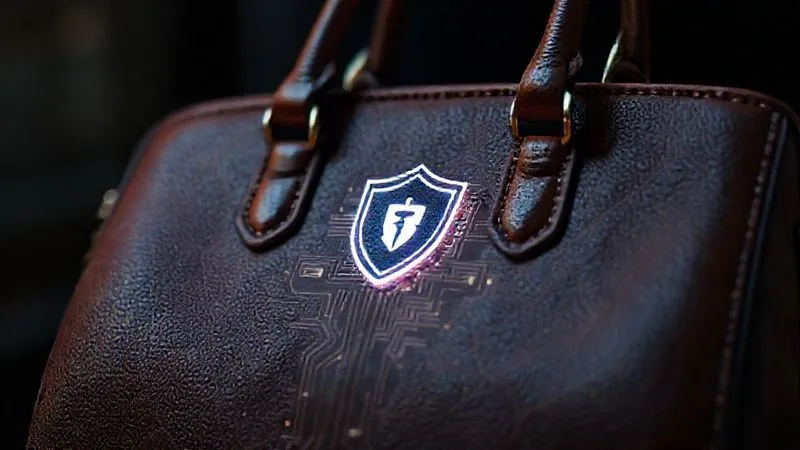
- Blockchain Technology: Implement blockchain to create an immutable digital ledger for each product, tracing its origin, production, and ownership. This provides verifiable proof of authenticity.
- NFC/RFID Tags: Embed Near Field Communication (NFC) or Radio-Frequency Identification (RFID) tags into products that customers can scan with their smartphones to verify authenticity and access product information.
- Holograms & Micro-Text: Utilize advanced physical security features that are difficult to replicate and can be verified by the consumer.
- AI-Powered Monitoring: Deploy AI tools to continuously scan online marketplaces, social media, and dark web for counterfeit listings, automatically flagging and initiating takedown procedures.
- Secure Packaging: Invest in tamper-proof and uniquely designed packaging that is difficult to imitate, adding another layer of security.
By leveraging these sophisticated tools, heritage brands can effectively protect their integrity and ensure that the exclusivity associated with their genuine products remains unchallenged. According to a study by the Organisation for Economic Co-operation and Development (OECD), the trade in counterfeit and pirated goods amounts to billions annually, highlighting the critical need for robust protection. You can explore more on this global issue via the OECD's report on trade in counterfeit goods.
| Technology | Function | Benefit for Exclusivity |
|---|---|---|
| Blockchain | Immutable product ledger, origin tracing | Verifiable authenticity, enhanced trust |
| NFC/RFID Tags | Smartphone scannable authenticity verification | Direct consumer verification, engaging experience |
| AI Monitoring | Automated detection and takedown of fakes | Proactive brand protection, market integrity |
| Secure Packaging | Tamper-proof, unique design elements | Physical barrier to counterfeiting, visual distinction |
Frequently Asked Questions (FAQ)
Q: Is it possible for a heritage brand to truly scale its online presence without losing its exclusive appeal? A: Absolutely, but it requires strategic foresight. Scaling online isn't about mass market penetration; it's about expanding reach to a wider, yet equally discerning, global audience. This means investing in highly localized, personalized digital experiences, maintaining stringent quality control, and consistently reinforcing the brand's unique narrative and values across all new markets. The key is to scale desirability, not just accessibility.
Q: How do heritage brands balance the need for digital innovation with preserving their traditional image? A: This is a delicate dance. My advice is to view digital innovation as an enhancement, not a replacement, for tradition. For instance, using AR to showcase a piece of jewelry doesn't diminish its handcrafted beauty; it amplifies it by offering a new way to appreciate its details. The innovation should always serve to elevate the core heritage, making it more accessible and engaging for contemporary audiences, while never compromising the brand's foundational aesthetics or craftsmanship.
Q: What role do social media platforms play in maintaining exclusivity, given their public nature? A: Social media is a double-edged sword. For heritage brands, it's not about achieving viral status with every post. Instead, it's about curation, quality, and engagement with your specific target audience. Use platforms to share behind-the-scenes content, highlight craftsmanship, announce exclusive events, and engage in thoughtful, personalized conversations. Focus on building communities around shared values and aesthetics, rather than chasing sheer follower count. Private groups or exclusive content for top-tier followers can also foster a sense of exclusivity.
Q: Should heritage brands consider selling on luxury marketplaces like Farfetch or Net-a-Porter, or stick exclusively to their own DTC channels? A: This decision depends on your overall strategy and market reach. While DTC offers maximum control, partnering with select luxury marketplaces can provide access to established high-net-worth customer bases and strong logistics. The crucial factor is ensuring that the marketplace adheres to your brand's strict guidelines for presentation, pricing, and customer experience. It should be seen as an extension of your own boutique, not a discount outlet. Many brands adopt a hybrid model, using marketplaces for broader reach while reserving their most exclusive collections for their own DTC platforms.
Q: How can a heritage brand measure the success of its online exclusivity strategies? A: Success isn't just about sales volume. Key metrics include: 1. Customer Lifetime Value (CLTV): Indicating loyalty and repeat purchases. 2. Brand Sentiment & Perception: Monitoring online mentions, reviews, and qualitative feedback for signs of prestige and desirability. 3. Engagement Rates: On exclusive content, gated sections, or AR/VR experiences. 4. Conversion Rates: Particularly for high-value or limited-edition items. 5. Website Traffic & Source: Understanding who is visiting and how they are finding you. Ultimately, it’s about a holistic view that combines financial performance with brand health and customer relationship strength.
Key Takeaways and Final Thoughts
The digital age presents both formidable challenges and unprecedented opportunities for heritage brands. To not just survive, but truly thrive, they must embrace innovation while staying fiercely loyal to their core identity. The question of how heritage brands maintain exclusivity in online retail isn't about avoiding the internet, but about mastering it with purpose and precision.
- Embrace Curated Digital Gatekeeping: Create tiered access and exclusive online experiences to foster a sense of privilege.
- Master Direct-to-Consumer (DTC): Reclaim control over your brand narrative, pricing, and customer experience.
- Craft Immersive Digital Journeys: Leverage AR/VR and rich media to offer captivating, engaging online interactions.
- Form Strategic Collaborations: Partner selectively and use limited editions to generate buzz and new desirability.
- Implement Ethical Personalization: Use data intelligently to tailor experiences without compromising privacy.
- Fortify Brand Storytelling: Continuously communicate your heritage and craftsmanship through compelling digital content.
- Proactively Protect Authenticity: Deploy advanced technologies to combat counterfeiting and safeguard your brand's integrity.
As I've seen over my years in this fascinating industry, the brands that succeed are those that view their heritage not as a constraint, but as a powerful differentiator. By strategically applying these principles, your brand can navigate the digital landscape, not just maintaining, but elevating its exclusivity and securing its legacy for generations to come. The future of luxury is digital, but its heart will always beat with heritage.
Recommended Reading
- Custom Jewelry Clients Changing Designs? 7 Strategies to Master Scope Creep
- Sustainable Textile Weaves: 5 Cost-Saving Strategies for Innovators
- 5 Proven Strategies: Convincing Clients Vintage Is a Timeless Style Investment
- 7 Steps: Predict Sunglasses Trends & Avoid Dead Stock Profitably
- 7 Agile Strategies: Rapidly Adapt Activewear Designs to Emerging Trends




Your email address will not be published. Required fields are marked *