

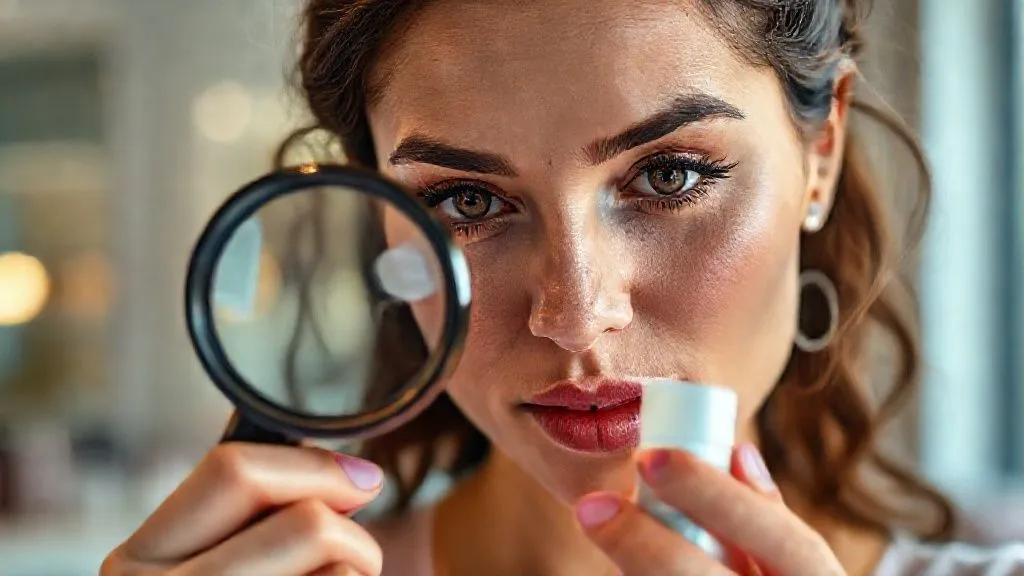
How Do Beauty Professionals Avoid Deceptive Cruelty-Free Claims?
For over 15 years in the beauty fashion industry, I've had a front-row seat to its incredible evolution – from niche trends to mainstream movements. One of the most significant shifts I've witnessed is the powerful, non-negotiable demand for ethical products, particularly those certified as cruelty-free. It's a movement born from genuine care, but like any burgeoning market, it's also ripe for exploitation by less scrupulous players.
The problem is rampant: deceptive cruelty-free claims, often termed 'greenwashing,' confuse professionals and consumers alike. As beauty experts, our reputation hinges on the integrity of the products we recommend and use. Falling for misleading labels not only compromises our ethical standing but also erodes the vital trust our clients place in us. It's a professional and moral imperative to get this right.
This isn't just about reading a label; it's about developing a robust verification framework. In this definitive guide, I'll share my insights, actionable steps, and expert strategies to empower you, the beauty professional, to cut through the noise, identify genuine cruelty-free products, and confidently build an ethically sound beauty portfolio.
Understanding the Landscape: What "Cruelty-Free" Truly Means (and Doesn't)
The term 'cruelty-free' might seem straightforward, but its interpretation varies wildly across brands and regions. Without a global, legally enforced standard, it's a minefield of self-declarations and marketing jargon. As professionals, our first step is to internalize the true meaning and recognize where the loopholes lie.
The Nuances of Certification vs. Self-Proclamation
At its core, a cruelty-free product means that neither the finished product nor its ingredients were tested on animals at any stage of development. However, the critical distinction lies in *how* this claim is substantiated. Many brands simply state 'cruelty-free' on their packaging without any third-party verification. While some might be genuinely honest, others are banking on consumer ignorance.
The gold standard involves independent, third-party certifications. Organizations like Leaping Bunny, PETA's Beauty Without Bunnies, and Choose Cruelty-Free Australia rigorously vet brands against strict criteria, often including supply chain audits. These certifications provide a level of assurance that a brand's self-declaration simply cannot match.
"True cruelty-free status isn't just a claim; it's a verifiable commitment. Without independent certification, a brand's ethical stance remains an unproven assertion."
Navigating Loopholes: Parent Companies and Supply Chains
One of the most insidious forms of deception involves parent companies. A smaller, ethical brand might be genuinely cruelty-free, but if its parent corporation tests on animals for its other brands, many ethical consumers and professionals consider this problematic. It's a complex ethical dilemma, but one that clients increasingly scrutinize. Furthermore, the supply chain itself can be a black box. Are raw ingredients sourced from suppliers who conduct animal testing? Without transparency, it's impossible to know.
The beauty industry's global supply chain is incredibly intricate, often spanning multiple continents and involving numerous intermediaries. Each link in this chain presents a potential point where animal testing could occur, even if the final product manufacturer claims to be cruelty-free. This complexity is precisely why detailed inquiry and trusted certifications are paramount for beauty professionals.

The Verification Toolkit: Essential Resources for Professionals
To effectively navigate the cruelty-free landscape, you need reliable tools and resources. My experience has taught me that relying on a single source is insufficient; a multi-pronged approach offers the most robust verification.
Official Certification Databases
The most direct route to verifying a brand's cruelty-free status is through the official databases of recognized certification bodies. These organizations maintain up-to-date lists of brands that have met their stringent criteria.
- Check the Leaping Bunny Database: The Leaping Bunny Program is considered the international gold standard for cruelty-free cosmetics and household products. Their website provides a comprehensive, searchable database of certified companies. Always check their official list first. Visit Leaping Bunny
- Consult PETA's Beauty Without Bunnies: PETA's program also certifies brands, offering two lists: 'companies that do not test on animals' and 'companies that do not test on animals and are vegan.' While their criteria can differ slightly from Leaping Bunny, it's an excellent secondary resource. Explore PETA's Database
- Cross-Reference and Compare: If a brand claims cruelty-free status but isn't on one list, check the other. Inconsistencies or absences should immediately raise a red flag.
Independent Investigative Resources
Beyond official certifications, several independent organizations and ethical beauty blogs dedicate themselves to investigating brand claims. These resources often delve deeper into supply chains and parent company policies, providing invaluable context.
Look for well-respected ethical consumer guides or beauty blogs known for their investigative journalism on cruelty-free topics. They often compile lists, review brand policies, and highlight brands that engage in greenwashing. While not official certifications, their research can offer critical insights and flag potential issues that might not be immediately obvious.
Deconstructing Labels: Beyond the Bunny Logo
A bunny logo is a great start, but a truly discerning beauty professional understands that ethical sourcing goes beyond a single symbol. The ingredients list and a brand's global market strategy also reveal much about its true commitment.
Ingredient Scrutiny: What to Look For (and Avoid)
Even if a brand is certified cruelty-free, it might not be vegan. 'Cruelty-free' specifically addresses animal testing, while 'vegan' refers to products free from animal-derived ingredients. As beauty professionals, our clients increasingly ask for both. Familiarize yourself with common animal-derived ingredients:
- Carmine: A red pigment derived from crushed cochineal insects.
- Lanolin: A waxy substance from sheep's wool.
- Beeswax/Honey: Products of bees.
- Collagen/Elastin: Often derived from animal tissue.
- Guanine: Derived from fish scales (used for shimmer).
- Squalene: Can be derived from shark liver (though plant-derived alternatives exist).
Always check ingredient lists, especially for products claiming to be 'natural' or 'organic,' as these terms don't automatically equate to cruelty-free or vegan.
Geographic Considerations: Regulations & Market Access
One of the most significant complexities in the cruelty-free space is varying international regulations. The European Union, for example, has banned animal testing for cosmetics since 2013, both for finished products and ingredients. This means any product sold within the EU must comply.
However, countries like mainland China have historically *required* animal testing for many imported cosmetic products. While recent changes have introduced some exemptions for certain 'general' cosmetics, the situation remains fluid and requires constant vigilance. A brand that claims to be cruelty-free but sells in markets where animal testing is mandatory for market entry cannot genuinely uphold that claim globally. This is a critical point of deception that beauty professionals must understand.
The Art of Inquiry: Asking the Right Questions to Brands
Sometimes, the databases and labels aren't enough. When in doubt, or when considering a new brand, direct communication is your most powerful tool. However, it's not enough to just ask, 'Are you cruelty-free?' You need to ask targeted, precise questions that leave no room for ambiguity.
Direct Communication Strategies
Crafting a clear, concise email to a brand's customer service or ethical sourcing department can yield crucial information. Here's how to approach it:
- Be Specific and Direct: Avoid vague questions. Instead of 'Do you test on animals?', ask: 'Do your finished products, ingredients, or formulations undergo animal testing anywhere in the world, by your company, your suppliers, or any third parties?'
- Inquire About Parent Companies: Always ask: 'Is your brand owned by a parent company? If so, does that parent company test on animals for any of its other brands?'
- Address Market Access: Ask directly: 'Do you sell your products in mainland China or any other country where animal testing is required by law?'
- Request Written Confirmation: Politely ask for a written statement or link to their official policy on their website that addresses these points explicitly.
Analyzing Brand Responses
The way a brand responds is as telling as the information they provide. Look for clarity, consistency, and a lack of evasiveness. Red flags include:
- Vague Language: Phrases like 'we don't believe in animal testing' or 'we comply with local regulations' without further clarification.
- Redirecting to a General Statement: If they just link to a generic 'ethical practices' page that doesn't directly answer your specific questions.
- Inconsistencies: If their email response contradicts information on their website or what's found in certification databases.
- No Response: A lack of response or a refusal to answer specific questions is a significant red flag.
"An ethically transparent brand welcomes scrutiny. Evasiveness or silence is often a louder answer than any direct denial."
Case Study: Unmasking a 'Greenwashed' Brand
Let me share a fictional, yet highly realistic, scenario that illustrates the importance of this multi-layered verification process.
Case Study: The 'Natural Glow' Deception
Sarah, a seasoned aesthetician and salon owner, prided herself on offering only the most ethical and high-performing products. A new brand, 'Natural Glow Cosmetics,' emerged with beautiful packaging, natural ingredients, and a prominent (though uncertified) 'Cruelty-Free' claim on its labels. Many of her peers were excitedly stocking it.
Sarah, however, felt a twinge of doubt. She started her verification process:
- Database Check: She first checked the Leaping Bunny and PETA databases. Natural Glow Cosmetics was not listed on either. This was her initial red flag.
- Website Scrutiny: Natural Glow's website had a 'Commitment to Ethics' page that vaguely stated, 'We oppose animal testing and ensure our products are safe and effective.' No mention of third-party verification or supply chain policies.
- Direct Inquiry: Sarah emailed Natural Glow, asking her specific questions about animal testing at every stage, parent company ownership, and sales in mainland China.
- The Response: Natural Glow replied with a generic statement reiterating their 'commitment' and avoided direct answers to the China question, stating only, 'we comply with all international regulations.' They also failed to disclose their parent company.
- Further Research: A quick search revealed Natural Glow was a subsidiary of 'Global Beauty Corp,' a massive conglomerate notorious for testing on animals for many of its other brands to access lucrative markets.
The Outcome: Sarah immediately decided against stocking Natural Glow Cosmetics. She educated her team on her findings and calmly explained to clients who inquired why she chose not to carry the brand, reinforcing her salon's genuine commitment to ethical sourcing. This decision not only protected her salon's integrity but also strengthened client trust, as they saw her proactive, honest approach to ethical beauty.
Building a Trustworthy Ethical Portfolio for Your Business
For beauty professionals, the goal isn't just to avoid deceptive claims, but to proactively build a product portfolio that reflects genuine ethical commitment. This strengthens your brand, attracts values-aligned clients, and establishes you as a true industry leader.
Internal Vetting Processes
Establish a clear, documented process for vetting every new product or brand you consider. This ensures consistency and reduces the risk of oversight.
| Criteria | Action Required | Priority |
|---|---|---|
| Third-Party Certification | Check Leaping Bunny/PETA databases | High |
| Parent Company Ethics | Research parent company's animal testing policies | High |
| Market Presence | Verify sales in regions requiring animal testing (e.g., mainland China) | Medium |
| Ingredient Transparency | Review ingredient lists for animal-derived components | Medium |
| Brand Communication | Assess clarity and consistency of brand's ethical claims | High |
- Create a Vetting Checklist: Develop a checklist based on the criteria discussed above (certification, parent company, market presence, ingredient transparency, brand communication).
- Assign Responsibility: Designate a team member (or yourself) to be the 'Ethical Product Officer' responsible for conducting these checks.
- Regular Review: Revisit your product selections annually. Brands' policies and certifications can change, and new information emerges.
- Document Everything: Keep records of your verification process for each product. This serves as proof of due diligence.
Communicating Authenticity to Clients
Your clients value transparency. When you've done the hard work of vetting, share it with them. This isn't about shaming other brands, but about highlighting your commitment.
- Educate, Don't Preach: Share your ethical sourcing policy on your website, in your salon, and during consultations. Explain *why* you choose the brands you do.
- Highlight Certifications: Point out the Leaping Bunny logo or other certifications on products you use.
- Be Honest: If a client asks about a brand you don't carry because of ethical concerns, explain your vetting process respectfully and offer superior, ethical alternatives.
The Future of Cruelty-Free Beauty: Emerging Trends & Advocacy
The landscape of cruelty-free beauty is not static; it's a dynamic, evolving space. Staying informed about emerging trends and ongoing advocacy efforts will further solidify your role as an industry expert.
In-vitro Testing Advancements
Scientific advancements are continually improving non-animal testing methods, known as in-vitro testing. These methods are often more accurate, faster, and cost-effective than traditional animal testing. As these technologies become more widespread and sophisticated, the arguments for animal testing diminish further. This is a positive trajectory that will strengthen the global cruelty-free movement.
Consumer Demand and Legislative Push
Consumer demand for ethical products is a powerful driving force. This demand, coupled with advocacy from organizations and industry professionals like yourselves, is pushing for legislative changes worldwide. We've seen bans in the EU, India, Israel, and several US states. This global momentum suggests a future where animal testing for cosmetics could become a relic of the past.
As an experienced specialist, I've observed that regulatory frameworks are often slow to catch up with ethical consumer demands. However, the consistent pressure from informed professionals and passionate consumers is undeniably shifting the global landscape. For example, the EU's comprehensive ban on animal testing for cosmetics has set a powerful precedent, inspiring similar legislation worldwide. Learn more about the EU ban's impact here. Continued engagement with and support for organizations pushing for these legislative changes is crucial. Furthermore, the development of alternative testing methods, such as advanced in-vitro models and computational toxicology, continues to accelerate, providing viable, often superior, alternatives to animal testing. Explore advancements in alternative testing methods.
Frequently Asked Questions (FAQ)
Is "vegan" the same as "cruelty-free"? No, they are distinct terms. "Cruelty-free" means no animal testing occurred on the product or its ingredients. "Vegan" means the product contains no animal-derived ingredients. A product can be cruelty-free but not vegan (e.g., if it contains beeswax), and technically, a product could be vegan but still tested on animals (though this is rare for certified brands). For full ethical alignment, look for both claims.
What if a brand is certified cruelty-free but its parent company isn't? This is a common ethical dilemma. From a strict 'cruelty-free' definition, the subsidiary brand itself doesn't test. However, many consumers and professionals choose to boycott brands whose profits ultimately support a parent company that engages in animal testing. It's a personal and professional decision, but one to be aware of and potentially discuss with clients.
How often should I re-verify a brand's cruelty-free status? I recommend an annual review of your entire product portfolio. Brand policies, ownership, and market access can change. New certifications might be gained or lost. Staying vigilant ensures your ethical standards remain consistent and up-to-date.
Can I trust a brand's website claim without a third-party logo? Proceed with extreme caution. While some small, genuinely ethical brands might not yet have the resources for third-party certification, the absence of a reputable logo (like Leaping Bunny) means you must conduct thorough independent verification, including direct communication with the brand, before trusting their claims.
What's the biggest misconception about cruelty-free beauty? The biggest misconception is often that 'natural' or 'organic' automatically means cruelty-free. These terms relate to ingredient sourcing and composition, not animal testing practices. Always verify cruelty-free claims independently, regardless of other 'clean beauty' labels.
Key Takeaways and Final Thoughts
- Prioritize Third-Party Certifications: Always look for and verify official certifications like Leaping Bunny.
- Scrutinize Beyond the Label: Investigate parent companies, supply chains, and market presence, especially in regions with mandatory animal testing.
- Ask Targeted Questions: Don't hesitate to directly contact brands with precise inquiries about their testing policies.
- Build a Robust Vetting Process: Establish an internal system for evaluating and re-evaluating every product in your professional toolkit.
- Communicate Authentically: Share your commitment to ethical sourcing with your clients to build trust and educate them.
The journey to a truly ethical beauty industry is ongoing, and as beauty professionals, we are at the forefront of this movement. By equipping ourselves with knowledge, diligence, and a commitment to transparency, we not only protect our businesses and clients from deceptive claims but also contribute to a more compassionate and responsible future for beauty. Your choices have power; wield them wisely and with integrity. Further explore the power of ethical business practices.
Recommended Reading
- 7 Pillars: Preserving High-End Fashion Exclusivity in Digital Spaces
- 5 Swift Steps: How to Spot Moth Larvae Damage in Antique Wool Garments
- 5 Strategies: Mitigating Luxury Brand Damage from Celebrity Styling Errors
- Mastering Theatrical Quick Changes: 7 Solutions for Seamless Costume Transitions
- 5 Strategies to Slash Textile Waste in Kids' Apparel Manufacturing by 30%


Your email address will not be published. Required fields are marked *