

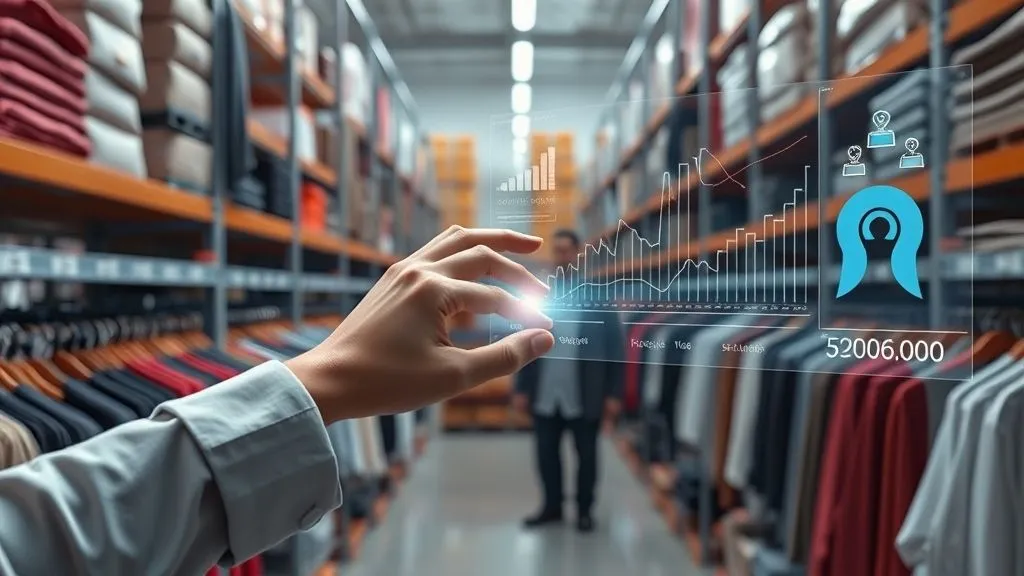
How can AI precisely forecast demand to minimize fashion overproduction?
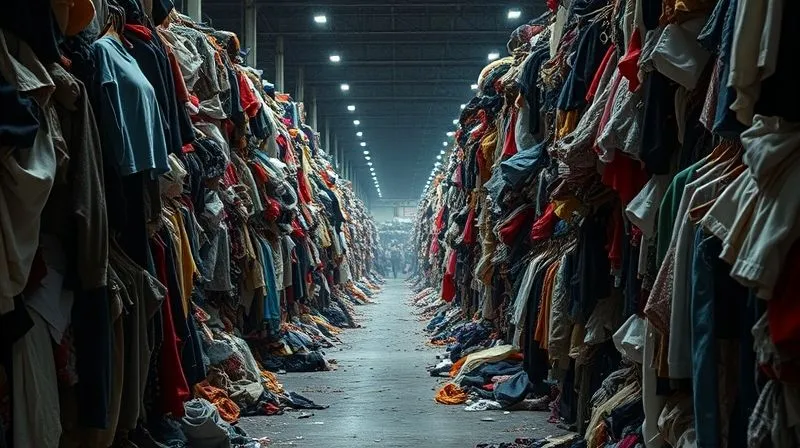
For over 15 years in the fashion technology space, I've witnessed a recurring, heartbreaking problem: the mountains of unsold inventory and the devastating environmental impact of overproduction. It's a systemic issue that plagues even the most innovative brands, often leading to significant financial losses and a tarnished reputation.
The core of this challenge lies in the unpredictable nature of fashion trends, consumer behavior, and global supply chain complexities. Traditional forecasting methods simply can't keep pace, leaving brands guessing and often producing far more than the market demands. This isn't just a business inefficiency; it's an ecological disaster, contributing massively to textile waste and carbon emissions.
But there's a powerful shift underway, one I've been deeply involved with: the integration of Artificial Intelligence. In this comprehensive guide, I'll share expert insights and actionable frameworks demonstrating exactly how AI can precisely forecast demand, drastically minimizing fashion overproduction. We'll explore the 'how-to,' delve into real-world applications, and provide the strategic roadmap you need to transform your fashion supply chain.
The Root Cause of Fashion's Overproduction Crisis
Before we dive into solutions, it's crucial to understand the entrenched problems AI is designed to solve. The fashion industry operates on cycles that are inherently volatile, influenced by everything from social media virality to economic downturns. This volatility makes accurate prediction a monumental task for conventional methods.
Traditional Forecasting Limitations
Historically, fashion brands have relied on a mix of intuition, past sales data, and broad market research. These methods, while having their place, are inherently limited. They often fail to capture nuanced shifts in consumer sentiment, emerging micro-trends, or external disruptions like global events or sudden weather changes.
“Relying solely on historical sales data is like driving a car by looking in the rearview mirror. You'll see where you've been, but you'll inevitably miss what's coming next.”
This reliance on lagging indicators and subjective judgment introduces significant inaccuracies. Human bias, limited data processing capabilities, and the sheer volume of variables make precise forecasting an almost impossible feat without advanced tools. The result is often a 'best guess' scenario, which frequently misses the mark.
The Cost of Inaccuracy
The repercussions of inaccurate demand forecasting are profound, touching every aspect of a fashion business and beyond. I've seen companies face staggering losses due to misjudging demand, and the impact extends far beyond the balance sheet.
- Financial Drain: Excess inventory ties up capital, incurs storage costs, and inevitably leads to markdowns and liquidation, eroding profit margins.
- Environmental Catastrophe: Overproduction directly contributes to textile waste, increased carbon emissions from manufacturing and transportation, and excessive resource consumption (water, energy).
- Brand Reputation Damage: Constant sales and discounted items can devalue a brand's image, while public awareness of waste can alienate environmentally conscious consumers.
- Supply Chain Instability: Inaccurate forecasts create bullwhip effects, causing inefficiencies and stress throughout the entire supply chain, from raw material suppliers to logistics partners.
It's a vicious cycle that demands a more sophisticated approach. The good news is that AI offers a powerful antidote, transforming this landscape from one of guesswork to one of data-driven precision.
Unpacking AI's Predictive Power: Beyond Simple Algorithms
AI isn't a magic bullet, but it's the closest thing we have to one for demand forecasting. Its power lies in its ability to process vast, complex datasets, identify subtle patterns, and learn from them to make highly accurate predictions – far beyond human capabilities.
Machine Learning Models for Demand Forecasting
At the heart of AI-driven forecasting are sophisticated machine learning (ML) models. These aren't just simple statistical formulas; they are adaptive systems that improve with more data and feedback. I typically see a combination of these models being deployed:
- Time-Series Models (e.g., ARIMA, Prophet): Excellent for identifying trends, seasonality, and cycles within historical sales data. They predict future values based on past observations.
- Regression Models: Used to understand the relationship between various factors (e.g., price, promotions, weather) and demand.
- Neural Networks (Deep Learning): Particularly effective for identifying complex, non-linear patterns in large, unstructured datasets, like social media sentiment or image recognition for trend spotting.
- Ensemble Models: Combining multiple models to leverage their individual strengths, often leading to more robust and accurate predictions than any single model alone.
The choice of model, or combination of models, depends heavily on the type and volume of data available, as well as the specific forecasting challenge. My experience has shown that a hybrid approach often yields the best results.
Data Inputs: Fueling AI's Accuracy
The adage 'garbage in, garbage out' is never more true than with AI. The precision of AI forecasting is directly proportional to the quality and breadth of the data it's fed. This isn't just about sales figures; it's about a holistic view of influencing factors.
Key data inputs include:
- Internal Data: Historical sales (by SKU, region, channel), returns, inventory levels, promotional calendars, website traffic, conversion rates, customer demographics.
- External Data:
- Economic Indicators: GDP growth, consumer confidence, disposable income.
- Social Media & Trend Data: Mentions, hashtags, influencer activity, visual trend analysis (e.g., analyzing runway photos, street style).
- Weather Data: Particularly crucial for seasonal wear.
- News & Global Events: Supply chain disruptions, cultural shifts, major events.
- Competitor Data: Pricing strategies, new product launches.
By integrating these diverse data streams, AI can identify complex correlations and causal relationships that humans would simply miss. For a deeper dive into how big data is reshaping industries, I recommend exploring resources from leading consulting firms like McKinsey & Company.
Building a Robust AI Demand Forecasting System: A Step-by-Step Guide
Implementing an AI-driven demand forecasting system isn't a one-off project; it's a strategic transformation. Based on my work with numerous brands, I've distilled the process into these critical steps. This isn't just theory; it's a practical roadmap.
- Step 1: Data Collection, Cleansing, and Integration:
This is the foundational phase. You need to identify all relevant internal and external data sources. The data must then be meticulously cleaned to remove inaccuracies, duplicates, and inconsistencies. Finally, integrate these disparate datasets into a unified platform, often a data lake or data warehouse, ensuring it's accessible for AI models. Data quality is paramount.
- Step 2: Model Selection, Training, and Validation:
Work with data scientists to select the most appropriate machine learning models for your specific business context and data characteristics. Train these models using your historical data, allowing them to learn patterns and relationships. Crucially, validate the models against unseen data to ensure their predictive accuracy and prevent overfitting. This iterative process refines the model's ability to forecast precisely.
- Step 3: Integration with Supply Chain and Production Systems:
The AI's predictions are only valuable if they inform action. Integrate the forecasting output directly into your ERP, inventory management, and production planning systems. This enables automated or semi-automated adjustments to purchasing, manufacturing schedules, and distribution logistics. Seamless integration is key to actionable insights.
- Step 4: Continuous Monitoring, Feedback, and Refinement:
AI models are not 'set it and forget it.' They require continuous monitoring to assess their performance against actual outcomes. Establish feedback loops where actual sales data is fed back into the system, allowing the AI to learn from its predictions and constantly improve. This iterative refinement ensures the system remains accurate as market conditions evolve.
By following these steps, brands can systematically build an AI forecasting capability that minimizes fashion overproduction and maximizes efficiency.

Real-World Impact: Case Studies in Minimizing Waste
The theoretical benefits of AI in demand forecasting are compelling, but its true power is best illustrated through practical application. I've observed first-hand how brands are leveraging AI to make tangible differences.
Case Study: How "EcoChic Apparel" Slashed Overstock
EcoChic Apparel, a mid-sized sustainable fashion brand, faced a common dilemma: a strong commitment to ethical production was undermined by persistent overstock, leading to significant waste. Their traditional forecasting, based on seasonal trends and past year's sales, resulted in a 20-25% overproduction rate for core items, creating a paradox for their brand identity.
By implementing a new AI-driven forecasting system, EcoChic integrated data from historical sales, social media sentiment for specific fabric types and colors, local weather patterns, and even competitor pricing changes. The AI, utilizing a combination of neural networks and time-series models, began to predict demand at a much more granular SKU level, weeks in advance.
Within 18 months, EcoChic Apparel reduced their overstock for core products by an impressive 28%. This resulted in a 17% increase in full-price sell-through and a significant reduction in waste disposal costs. Their brand narrative of sustainability became more authentic, resonating stronger with their target audience. This success story highlights the potential for both environmental and financial gains. For more on the broader movement towards sustainable fashion, insights can be found from organizations like UN Environment Programme.
The Role of Real-time Data in Agile Production
Beyond long-term forecasting, AI excels at processing real-time data to enable agile production responses. In the fast-paced world of fashion, trends can emerge and fade within weeks. AI-powered systems continuously monitor social media, news feeds, and competitor activity, providing instantaneous alerts and updated demand predictions.
“Agility in fashion is no longer a luxury; it's a necessity. AI provides the real-time intelligence to make agility a reality, turning potential waste into profitable responsiveness.”
This allows brands to make quick, data-driven decisions on reordering, manufacturing adjustments, or even pausing production of underperforming items before significant overstock accumulates. It transforms the supply chain from a rigid, slow-moving entity into a flexible, responsive network.
Here's a comparison of how AI transforms forecasting metrics:
| Metric | Traditional Methods | AI-Driven Forecasting |
|---|---|---|
| Forecast Accuracy (MAPE) | 15-25% | 5-10% |
| Overstock Reduction | Minimal | 20-40% |
| Full-Price Sell-Through | 60-70% | 80-90% |
| Lead Time to Production Decision | Weeks | Days |
Overcoming Challenges in AI Adoption for Fashion
While the benefits are clear, implementing AI in fashion isn't without its hurdles. My experience has shown that anticipating and addressing these challenges upfront is crucial for successful adoption and maximizing the return on investment.
Data Quality and Integration
The most significant challenge often lies in the data itself. Many fashion brands operate with siloed data systems, disparate formats, and incomplete records. Before AI can work its magic, this underlying data infrastructure needs to be robust. Investing in data governance, cleansing processes, and unified data platforms is not just a prerequisite; it's an ongoing commitment.
Poor data quality will lead to poor AI predictions, undermining the entire initiative. I always advise clients to dedicate substantial resources to this initial data preparation phase.
Talent Gap and Skills Development
Implementing and managing AI systems requires specialized skills that are often scarce within traditional fashion organizations. Data scientists, machine learning engineers, and AI strategists are vital. Brands need to either invest in hiring this talent or partner with external AI solution providers.
Furthermore, upskilling existing teams to understand and effectively utilize AI-generated insights is essential. This involves training for merchandisers, buyers, and supply chain managers to interpret AI forecasts and integrate them into their decision-making processes.
Change Management and Organizational Buy-in
Introducing AI often represents a significant shift in established workflows and decision-making processes. Resistance to change, particularly from teams accustomed to traditional methods, can be a major roadblock. Securing buy-in from leadership is critical, but so is engaging frontline teams.
Clear communication about the benefits of AI, providing adequate training, and demonstrating early successes can help overcome skepticism. It's about empowering people with better tools, not replacing their expertise. For effective strategies on navigating organizational change, Harvard Business Review offers valuable resources.
The Future of Fashion: Hyper-Personalization and Predictive Production
As AI continues to evolve, its role in fashion will expand far beyond just demand forecasting. We are on the cusp of a truly transformative era, where AI drives unprecedented levels of personalization and efficiency, further minimizing waste and maximizing customer satisfaction.
Imagine a future where AI analyzes individual consumer preferences, purchasing history, and even biometric data to suggest perfectly tailored garments. This level of hyper-personalization can feed into on-demand manufacturing models, where items are produced only when ordered, virtually eliminating overproduction. AI will optimize everything from fabric sourcing to last-mile delivery, creating a truly circular and sustainable fashion ecosystem.
The ethical implications of data privacy and algorithmic bias must, of course, be carefully navigated. However, the potential for AI to create a more responsive, responsible, and ultimately more profitable fashion industry is undeniable. It's a future I'm incredibly optimistic about, where technology serves as a powerful ally in the pursuit of both style and sustainability.
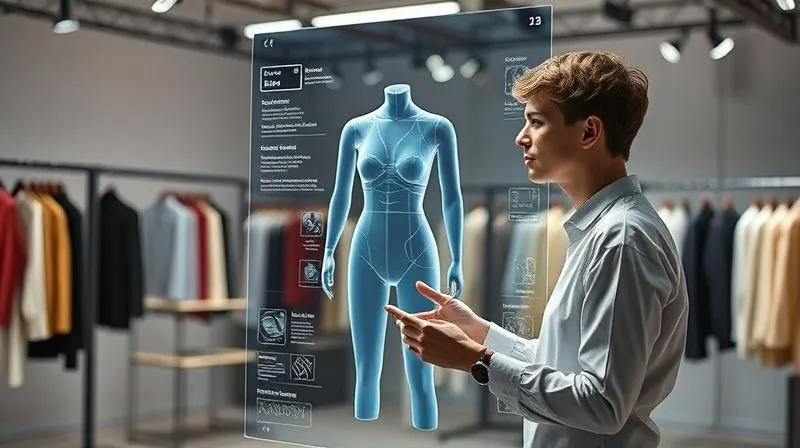
Here's a glimpse into future AI applications across the fashion value chain:
| Area | Current AI Role | Future AI Role |
|---|---|---|
| Design & Development | Trend prediction, material sourcing optimization | Generative design, personalized virtual try-on, automated pattern creation |
| Manufacturing & Production | Demand forecasting, supply chain optimization | Robotic sewing, on-demand micro-factories, predictive maintenance |
| Retail & Consumer Experience | Personalized recommendations, virtual assistants | Hyper-personalized product creation, immersive AR/VR shopping, predictive customer service |
| Sustainability & Circularity | Waste reduction via forecasting, material traceability | Automated garment sorting for recycling, predictive repair/resale cycles, carbon footprint optimization |
Frequently Asked Questions (FAQ)
Is AI only for large fashion brands? Absolutely not. While large enterprises may have more resources for in-house AI teams, many AI-as-a-Service (AIaaS) platforms and specialized consultancies now offer scalable solutions for small and medium-sized businesses (SMBs). The key is to start with a clear problem statement and a focused approach, leveraging accessible tools and expert guidance.
How long does it take to implement an AI forecasting system? The timeline varies significantly based on data readiness, system complexity, and organizational size. A basic system for a well-structured dataset might take 3-6 months for initial implementation and testing. More comprehensive, integrated systems can take 12-18 months. Remember, it's an ongoing process of refinement, not a one-time project.
What's the ROI of AI in reducing overproduction? The ROI can be substantial. Beyond direct cost savings from reduced inventory holding costs, fewer markdowns, and lower waste disposal fees, brands often see increased full-price sell-through, improved cash flow, enhanced brand reputation, and a significant boost in operational efficiency. I've seen brands achieve 20-40% reductions in overstock, translating to millions in savings annually.
Can AI predict micro-trends and sudden shifts? Yes, this is one of AI's strong suits. By continuously monitoring vast amounts of real-time data from social media, news, and search trends, advanced AI models can detect subtle shifts and emerging patterns much faster than human analysts. This enables brands to react swiftly to micro-trends, capitalizing on demand while it's hot and avoiding overproduction on fleeting fads.
What are the ethical implications of using AI in fashion forecasting? Ethical considerations are paramount. These include ensuring data privacy for consumer information, mitigating algorithmic bias (e.g., ensuring forecasts don't disproportionately favor certain demographics), and maintaining transparency in how AI models make decisions. Brands must prioritize responsible AI development, focusing on fairness, accountability, and explainability to build trust with consumers and stakeholders.
Key Takeaways and Final Thoughts
The fashion industry stands at a critical juncture, facing immense pressure to evolve towards more sustainable and efficient practices. My journey in fashion tech has convinced me that AI is not just a tool, but a fundamental shift that will redefine how brands operate.
- AI is the Answer: It offers the precision needed to move beyond guesswork in demand forecasting, directly addressing the problem of fashion overproduction.
- Data is Your Fuel: The quality and breadth of your data inputs are crucial for AI's accuracy. Invest in robust data collection and integration.
- Strategic Implementation: A step-by-step approach, from data preparation to continuous refinement, ensures successful AI adoption.
- Beyond Forecasting: AI's potential extends to hyper-personalization, agile production, and a more circular fashion economy.
- Embrace the Future: Overcome challenges with a focus on data quality, talent development, and effective change management.
Embracing AI isn't just about technological advancement; it's about building a more resilient, profitable, and ethically responsible fashion industry. I urge you to explore how AI can empower your brand to make smarter decisions, minimize waste, and lead the charge towards a truly sustainable future. The time to act is now, transforming challenges into unparalleled opportunities.
Recommended Reading
- 7 Steps: How to Audit Fashion Supply Chains for Ethical Compliance
- Plantar Fasciitis: 7 Best Comfort Shoes for Nurses' Long Shifts
- 5 Expert Steps: Safely Updating Fragile Vintage Frames with Modern Lenses?
- Unlocking Mass Digital Fashion: 7 Strategies for Scalable Production
- 7 Proven Metrics: How to Prove ROI of Personalized Fashion Tech Investments?





Your email address will not be published. Required fields are marked *