

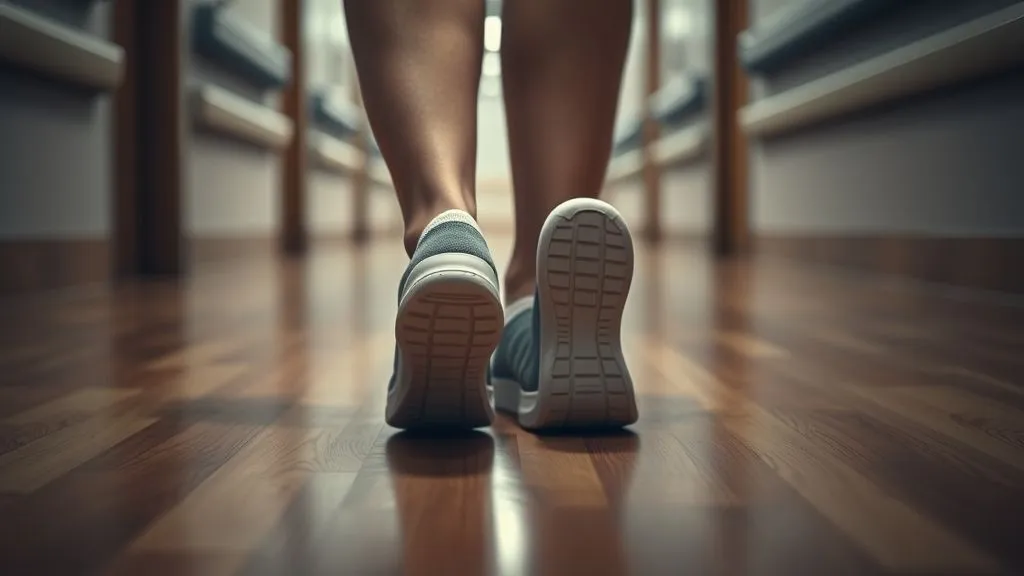
What are the Best Comfort Shoes for Nurses with Plantar Fasciitis?
For over two decades in the footwear industry, specializing in comfort and therapeutic solutions, I’ve witnessed firsthand the incredible dedication of nurses. Their tireless shifts, often spanning 12 hours or more, demand not just mental fortitude but also immense physical resilience. Yet, this unwavering commitment frequently comes at a significant personal cost, particularly to their feet.
One of the most debilitating conditions I regularly encounter among healthcare professionals is plantar fasciitis. The constant standing, walking, and sudden movements inherent to nursing duties place immense stress on the plantar fascia, leading to excruciating heel pain that can turn every step into a dreaded chore. This isn't just discomfort; it's a condition that can severely impact a nurse's quality of life and even their ability to perform their vital work.
In this definitive guide, I will share my expert insights and recommendations to help nurses with plantar fasciitis reclaim their comfort and focus on their patients, not their pain. We'll explore the critical features to look for, delve into specific shoe types that offer unparalleled relief, and discuss holistic strategies to support your foot health, ensuring you find the best comfort shoes for nurses with plantar fasciitis.
Understanding Plantar Fasciitis: The Nurse's Silent Battle
Plantar fasciitis is an inflammation of the plantar fascia, a thick band of tissue that runs across the bottom of your foot, connecting your heel bone to your toes. This tissue acts as a shock absorber and supports the arch of your foot. When it's subjected to excessive stress or repetitive strain, tiny tears can occur, leading to inflammation and sharp, stabbing pain, especially with the first steps in the morning or after periods of rest.
Nurses are uniquely susceptible to this condition due to the demands of their profession. Extended periods of standing, walking on hard hospital floors, and often pushing heavy equipment put constant pressure on the plantar fascia. Without proper support, this repetitive micro-trauma accumulates, eventually leading to chronic pain that can feel relentless. According to a study published in the Journal of Clinical Medicine, prolonged standing and walking are significant risk factors for foot pain, including plantar fasciitis, among healthcare workers.
Early intervention and the right footwear are not just beneficial; they are absolutely crucial for nurses battling plantar fasciitis. Ignoring the early warning signs can lead to chronic pain that is much harder to treat.
Key Features of a Superior Comfort Shoe for Plantar Fasciitis
When selecting the best comfort shoes for nurses with plantar fasciitis, it's not just about cushioning; it's about a confluence of specific design elements that work together to support and protect your feet. As an industry specialist, I emphasize these non-negotiable features:
Robust Arch Support
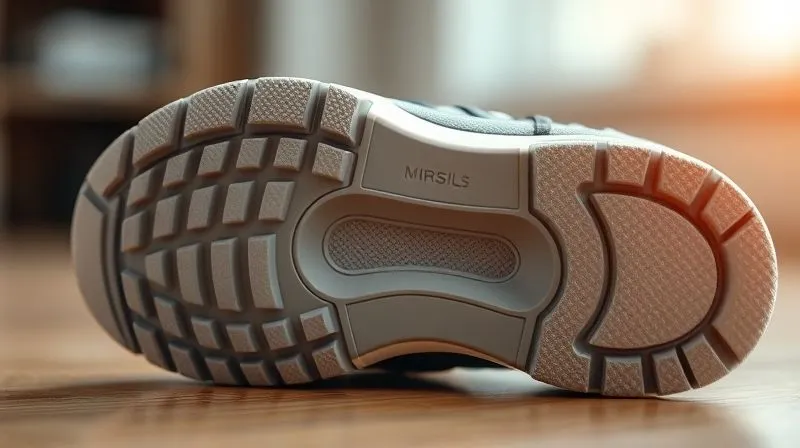
The cornerstone of any effective plantar fasciitis shoe is exceptional arch support. This helps to evenly distribute pressure across the foot, reducing strain on the plantar fascia. Look for shoes with a contoured footbed that cradles your arch, preventing it from collapsing, which is a common exacerbating factor for PF.
Advanced Cushioning and Shock Absorption
Hospital floors are notoriously hard and unforgiving. Superior cushioning, often found in the midsole, is vital for absorbing the impact of each step. Materials like EVA foam, gel inserts, or proprietary cushioning technologies can significantly reduce the stress transmitted to your heels and arches, mitigating pain.
Stable Heel Cup
A firm, deep heel cup helps to stabilize the heel, preventing excessive pronation (when your foot rolls inward) or supination (when it rolls outward). This stability ensures proper alignment of the foot and ankle, which is essential for reducing strain on the plantar fascia and promoting natural gait mechanics.
Roomy Toe Box
While often overlooked, a spacious toe box is critical. It allows your toes to splay naturally, improving balance and reducing pressure on the forefoot. Cramped toes can lead to other issues, but more importantly, they can affect your overall foot posture and exacerbate existing heel pain.
Durable, Non-Slip Outsole
Safety is paramount in a clinical setting. A high-quality, non-slip outsole provides essential traction on wet or slick surfaces, preventing falls. Furthermore, the outsole should be durable enough to withstand the rigors of daily use, offering consistent support over time.
My Top 7 Recommended Comfort Shoes for Nurses with Plantar Fasciitis
Based on extensive experience and feedback from countless healthcare professionals, here are the types of footwear that consistently deliver relief and performance for nurses battling plantar fasciitis:
1. High-Support Athletic Trainers
Many athletic shoe brands have developed models specifically designed for stability and cushioning, making them excellent choices. Look for trainers with a robust midsole, often featuring gel or air-cushioning units, and a firm heel counter. They typically offer excellent arch support and shock absorption, crucial for long shifts.
- Pros: Excellent shock absorption, often lightweight, good for dynamic movement, wide variety of styles.
- Cons: May require frequent replacement due to high wear, some styles lack spill protection.
2. Ergonomic Clogs with Contoured Footbeds
Modern clogs have evolved far beyond their traditional wooden predecessors. Many brands now offer clogs with deeply contoured footbeds, superior arch support, and ample cushioning. Their slip-on design is convenient, and many are designed with easy-to-clean materials, making them ideal for the clinical environment.
- Pros: Easy to clean, slip-on convenience, often very stable and supportive, good toe protection.
- Cons: Can feel bulky, some styles may lack flexibility for quick movements.
3. Supportive Walking Shoes
These shoes are engineered for extended periods of walking and standing. They typically feature a combination of stability, cushioning, and arch support. Many models incorporate motion control features that help to correct overpronation, which is a key factor in plantar fasciitis development.
- Pros: Designed for endurance, excellent stability, often come in wide widths, good for long walks between wards.
- Cons: Can sometimes lack the extreme cushioning of specialized athletic shoes.
4. Specialized Orthotic-Friendly Footwear
Some brands design shoes with removable insoles, allowing you to insert custom or over-the-counter orthotics. This is a game-changer if you have specific foot biomechanics that require personalized support beyond what standard shoe insoles can offer. Always ensure the shoe has enough depth to accommodate your orthotic comfortably without crowding your foot.
- Pros: Accommodates custom orthotics, often designed with extra depth and width, highly adaptable to individual needs.
- Cons: Can be more expensive, requires careful fitting to ensure orthotic compatibility.
5. Balanced Rocker-Bottom Designs
Shoes with a subtle rocker-bottom sole can reduce pressure on the heel and forefoot by promoting a smooth, rolling gait. This design can be particularly beneficial for nurses with plantar fasciitis as it minimizes the harsh impact on the heel during push-off, allowing the foot to transition more smoothly through each step.
- Pros: Reduces pressure on heel and forefoot, promotes natural gait, can alleviate joint pain.
- Cons: Takes some getting used to, may feel less stable initially for some users.
6. Slip-Resistant Work Shoes
While primary focus is comfort, safety cannot be compromised. Many brands offer specialized work shoes that combine superior slip resistance with ergonomic features suitable for plantar fasciitis. These often feature robust outsoles and ample cushioning, designed to meet industry safety standards while prioritizing foot health.
- Pros: Enhanced safety on wet/slick floors, durable construction, often easy to clean.
- Cons: Style options might be limited, can sometimes feel heavier than athletic trainers.
7. Molded Footbed Sandals (for Off-Duty Relief)
While not for clinical shifts, a pair of supportive sandals with a molded footbed and arch support can be invaluable for off-duty relief. Walking barefoot or in unsupportive slippers around the house can undo the benefits of your work shoes. A good pair of recovery sandals can continue to support your arches and cushion your heels, promoting healing.
- Pros: Excellent for recovery and off-duty comfort, maintains arch support outside of work, breathable.
- Cons: Not suitable for work, limited protection.
Beyond the Shoe: Holistic Approaches to Foot Health for Nurses
While selecting the best comfort shoes for nurses with plantar fasciitis is paramount, it's just one piece of the puzzle. A holistic approach to foot health can significantly enhance your recovery and prevent recurrence.
Stretching and Exercises
Regular stretching can greatly improve the flexibility of your plantar fascia and calf muscles, which are often tight in individuals with PF. I always recommend incorporating these simple exercises into your daily routine:
- Calf Stretches: Stand facing a wall, place hands on it. Step one foot back, keeping heel on ground and knee straight. Lean forward until you feel a stretch in your calf. Hold for 30 seconds, repeat 3 times per leg.
- Plantar Fascia Stretch: Sit down and cross the affected foot over your other knee. Grab your toes and pull them back towards your shin. You should feel a stretch along the bottom of your foot. Hold for 30 seconds, repeat 3 times.
- Towel Curls: Place a towel flat on the floor. Use your toes to scrunch the towel towards you, working the intrinsic muscles of your foot. Repeat 10-15 times.
Orthotic Inserts
For some, over-the-counter or custom orthotic inserts can provide additional support and cushioning, especially if your shoes don't offer sufficient arch support. Over-the-counter options can be a good starting point, but if pain persists, a podiatrist can assess your gait and prescribe custom orthotics tailored to your specific needs.
Regular Foot Care
Don't underestimate the power of self-care. Regular foot soaks with Epsom salts can reduce inflammation and soothe tired muscles. A nightly foot massage, focusing on the arch and heel, can improve circulation and alleviate tension. Even a simple tennis ball rolled under the arch can provide significant relief.
Hydration and Nutrition
While seemingly indirect, overall body health plays a role in tissue repair and inflammation. Staying well-hydrated and consuming an anti-inflammatory diet rich in omega-3s, fruits, and vegetables can support your body's healing processes. As Harvard Health Publishing often highlights, a holistic approach is key to managing chronic conditions.
Consistency in stretching, proper footwear, and self-care routines is the true secret to long-term relief from plantar fasciitis. It's not a quick fix, but a commitment to your foot health.
Making the Right Choice: A Step-by-Step Guide to Shoe Selection
Choosing the perfect pair of shoes for plantar fasciitis can feel overwhelming, but by following a structured approach, you can make an informed decision that truly benefits your feet. Here's my step-by-step guide:
- Assess Your Foot Type: Understand if you have flat feet, high arches, or neutral arches. This will guide your choice in arch support. A podiatrist can help with this assessment.
- Shop at the End of Your Day: Your feet swell throughout the day. Trying on shoes when your feet are at their largest ensures a comfortable fit even after a long shift.
- Check for Key Features: Verify the shoe has robust arch support, adequate cushioning, a stable heel cup, and a roomy toe box. Don't compromise on these essentials.
- Walk Around Extensively: Don't just stand in the shoes. Walk several laps around the store. Pay attention to any pressure points, rubbing, or lack of support. Your feet should feel immediately comfortable, not needing a "break-in" period.
- Bring Your Orthotics: If you use custom or over-the-counter orthotics, bring them with you and try them in the shoes. Ensure they fit properly and don't make the shoe too tight.
- Consider Material and Durability: Opt for breathable, durable materials that can withstand the demands of your job. Easy-to-clean surfaces are a bonus in a clinical environment.
- Consult a Specialist: If you're unsure, a podiatrist or a specialized shoe fitter can offer personalized recommendations based on your gait and foot structure.
| Shoe Type | Key Benefit | Best For | Consideration |
|---|---|---|---|
| High-Support Athletic Trainers | Dynamic Cushioning & Stability | Active nurses, long walks | Frequent replacement, spill protection |
| Ergonomic Clogs | Easy Clean, Deep Footbed | Stationary tasks, spill-prone areas | Bulkier feel, less flexibility |
| Supportive Walking Shoes | Endurance & Motion Control | All-day standing/walking | Less extreme cushioning |
| Orthotic-Friendly Footwear | Customizable Support | Specific biomechanical needs | Higher cost, fitting orthotics |
| Rocker-Bottom Shoes | Reduced Heel Pressure, Smooth Gait | Severe heel pain, joint relief | Adjustment period, initial instability |
Case Study: Sarah's Journey to Pain-Free Nursing
How Sarah, a Dedicated ER Nurse, Conquered Plantar Fasciitis
Sarah, a 42-year-old emergency room nurse, was on the verge of considering a career change. For nearly a year, she'd suffered from excruciating plantar fasciitis, a constant companion through her demanding 12-hour shifts. "Every morning, those first few steps felt like walking on broken glass," she confided during our consultation. She had tried multiple pairs of generic "nursing shoes" and even some popular athletic brands, but nothing offered lasting relief. Her pain was impacting her focus, her mood, and even her time with her family.
Upon reviewing her situation, I recommended she transition to a pair of specialized orthotic-friendly athletic trainers, coupled with custom orthotics prescribed by her podiatrist. We focused on a model known for its deep heel cup and advanced midsole cushioning. Additionally, I guided her through a consistent regimen of calf and plantar fascia stretches, emphasizing their importance immediately after waking and before bedtime. She also committed to using a supportive recovery sandal at home, replacing her unsupportive slippers.
After just three weeks, Sarah reported a noticeable reduction in her morning pain. Within two months, she was experiencing only mild, intermittent discomfort, primarily on her busiest days. "It's like I have my feet back, and my energy levels are higher because I'm not constantly bracing for pain," she shared enthusiastically. This commitment to proper footwear and consistent self-care allowed Sarah to continue her vital work with comfort and confidence, demonstrating the profound impact of making the right choices for foot health.
Maintaining Your Comfort Shoes: Longevity and Hygiene
Even the best comfort shoes for nurses with plantar fasciitis won't last forever, but proper care can significantly extend their lifespan and maintain their supportive qualities. This is an investment in your health, so treat it as such.
Regular Cleaning Routines
Hospital environments are not just demanding on your feet, but also on your shoes' hygiene. Regularly wipe down the exteriors with a damp cloth and mild disinfectant. For athletic shoes, follow manufacturer guidelines for cleaning. Keep the insoles fresh; some can be removed and washed, or you can use shoe deodorizers.
Knowing When to Replace
This is critical. Even if your shoes look okay on the outside, the internal cushioning and arch support degrade over time. As a rule of thumb, for nurses on their feet constantly, I recommend replacing your primary work shoes every 6-9 months, or sooner if you notice a return of foot pain or visible wear on the outsole and midsole compression. Worn-out shoes offer no support and can exacerbate plantar fasciitis.
Rotating Your Footwear
If possible, having two good pairs of comfort shoes and alternating them daily can significantly extend their life. It allows the cushioning to decompress and recover between wears, maintaining its integrity and effectiveness for longer. This practice is often overlooked but provides immense benefits for both shoe longevity and foot health.
The Cost of Comfort: Investing in Your Career and Well-being
I often hear concerns about the price tag associated with high-quality comfort shoes. It's true that the best comfort shoes for nurses with plantar fasciitis can be an investment, often ranging from $100 to $200 or more. However, I urge you to reframe this as an investment in your most valuable asset: your health and your ability to perform your career effectively.
Consider the alternative: chronic pain can lead to decreased productivity, increased sick days, and a significant reduction in your overall quality of life. The cost of medical treatments for severe plantar fasciitis, including physical therapy, injections, or even surgery, far outweighs the cost of a good pair of shoes. As a study by the American Podiatric Medical Association (APMA) implicitly suggests, preventative foot care, including appropriate footwear, is crucial for long-term foot health and avoiding more complex issues.
Investing in the right shoes is an investment in your career longevity, your physical well-being, and your mental resilience. It allows you to continue providing exceptional care to your patients without battling debilitating foot pain. It's not an expense; it's a strategic decision for a healthier, more comfortable nursing career.
Frequently Asked Questions (FAQ)
Q: Can I wear sandals if I have plantar fasciitis? A: While open-toed sandals are generally not suitable for work in a clinical setting due to safety and hygiene, supportive sandals with excellent arch support and cushioning can be highly beneficial for off-duty wear. Avoid flat, unsupportive flip-flops or sandals, as these can exacerbate your condition. Look for brands known for orthopedic support in their casual footwear.
Q: How often should a nurse replace their comfort shoes? A: For nurses who are on their feet for long shifts daily, I generally recommend replacing your primary comfort shoes every 6 to 9 months. The cushioning and support structures inside the shoe degrade over time, even if the exterior looks fine. If you notice a return of your plantar fasciitis symptoms or visible signs of wear and tear, it's definitely time for a new pair.
Q: Are custom orthotics better than over-the-counter inserts for plantar fasciitis? A: Custom orthotics, prescribed by a podiatrist after a thorough gait analysis, are tailored to your unique foot structure and biomechanics, offering the most precise support. They are often superior for complex or persistent cases of plantar fasciitis. However, high-quality over-the-counter inserts can provide significant relief for many individuals and are a great starting point, especially if your shoes lack sufficient built-in arch support.
Q: What if my workplace has a strict dress code for shoes? A: Many hospitals and clinics have specific dress codes, often requiring closed-toe, non-porous, and non-slip footwear. The good news is that many of the shoe types I've recommended, such as ergonomic clogs, supportive walking shoes, and specialized work shoes, come in designs that meet these requirements while still offering superior comfort and support for plantar fasciitis. It's about finding the right balance within the guidelines.
Q: Can stretching alone cure plantar fasciitis? A: While stretching is a crucial component of managing and treating plantar fasciitis, it is rarely a standalone cure, especially for nurses with demanding jobs. It works best in conjunction with appropriate, supportive footwear, adequate rest, and potentially other treatments like icing, massage, or orthotics. A comprehensive approach is key to achieving lasting relief.
Key Takeaways and Final Thoughts
Navigating the challenges of plantar fasciitis as a dedicated nurse doesn't have to be a battle you fight alone. With the right knowledge and tools, you can significantly alleviate your pain and continue your invaluable work with comfort and confidence.
- Prioritize shoes with robust arch support, ample cushioning, a stable heel cup, and a roomy toe box.
- Explore high-support athletic trainers, ergonomic clogs, and supportive walking shoes as primary options.
- Remember that off-duty foot care, including stretching and supportive recovery footwear, is just as important.
- View high-quality comfort shoes not as an expense, but as a vital investment in your health and career longevity.
- Be proactive: replace worn-out shoes, maintain foot hygiene, and consider professional advice for persistent pain.
Your feet are your foundation, especially in a profession as demanding as nursing. By making informed choices about the best comfort shoes for nurses with plantar fasciitis and adopting a holistic approach to foot health, you're not just treating a symptom; you're investing in your overall well-being. Step forward with confidence, knowing you've equipped yourself for comfort and success on every shift.
Recommended Reading
- Unlock Ultimate Comfort: How Responsive Textiles Enhance Wearer Experience
- 7 Steps: How to Verify Eco-Friendly Suppliers, Avoiding Greenwashing Claims
- 7 Ethical Scaling Strategies: Grow Your Fair Trade Apparel Brand Sustainably
- 7 Pillars: Build Unshakeable Trust in Body Positive Fashion Campaigns
- 7 Proven Ways: Build Buyer Trust for Authentic 1920s Vintage Pieces



Your email address will not be published. Required fields are marked *