

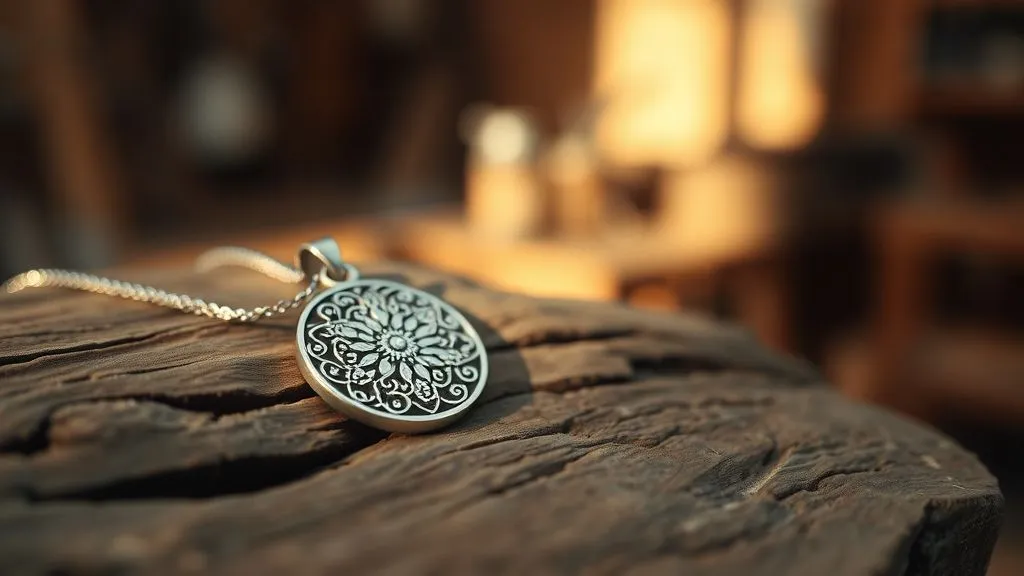
Why isn't my unique artisan jewelry selling at its true value?
For over two decades in the vibrant, often challenging, world of artisan jewelry, I've had the privilege of witnessing extraordinary talent – master craftspeople whose hands coax beauty from raw materials, imbuing each piece with a story, a soul. Yet, I've also observed a heart-wrenching paradox: many of these truly unique creations, brimming with intrinsic worth and artistic merit, languish unsold or are undervalued by the market. It's a common lament I hear from passionate jewelers, a question that echoes in workshops and at craft fairs: 'Why isn't my unique artisan jewelry selling at its true value?'
This isn't just about sales figures; it's about the emotional toll of pouring your heart into a piece, only for its perceived market value to fall far short of its actual worth. It's frustrating, disheartening, and can lead to burnout. You know your work is exceptional, but the market often doesn't seem to agree, leaving you questioning your craft, your pricing, and your entire approach.
Today, I'm going to pull back the curtain on the most common, yet often overlooked, reasons behind this disconnect. Drawing from my extensive experience, I'll provide you with not just answers, but actionable frameworks, real-world insights, and strategies to re-evaluate your approach, refine your brand, and ensure your unique artisan jewelry not only finds its rightful audience but is also sold at the premium it genuinely deserves. This isn't about compromising your artistic integrity; it's about translating it into recognized, tangible value.
1. The Invisible Audience: Misunderstanding Your Ideal Collector
One of the most fundamental errors I've seen jewelers make is a vague understanding of who their ideal collector truly is. You might think your jewelry is for 'everyone who appreciates quality,' but 'everyone' is 'no one' when it comes to targeted marketing. Without a clear picture of your audience, your messaging, pricing, and even your design choices can become diluted and ineffective, leading directly to the problem of why isn't my unique artisan jewelry selling at its true value.
Defining Your Niche: Beyond Demographics
It's not enough to know their age or income. Delve deeper. What are their values? What inspires them? What kind of lifestyle do they lead? Are they minimalist, bohemian, avant-garde, or classic? Do they prioritize ethical sourcing, sustainability, or unique, one-of-a-kind pieces? Understanding these psychographics allows you to tailor your entire brand experience to resonate deeply.
Actionable Steps:
- Create Detailed Buyer Personas: Give your ideal collector a name, a backstory, and motivations. What problems does your jewelry solve for them (e.g., expressing individuality, marking a special occasion, investing in art)?
- Analyze Your Existing Customers: Who has bought from you before? What commonalities do they share? Ask them directly why they chose your pieces.
- Research Competitors: Who are other successful artisan jewelers selling to? What can you learn from their audience engagement?
“Your ideal customer isn't just buying a product; they're buying into a story, a feeling, a piece of themselves. If you don't know who they are, you can't tell them the right story.”
According to a study by Harvard Business Review, businesses that deeply understand their customer personas see significantly higher conversion rates and customer retention. This principle is even more critical in the highly personal realm of artisan crafts.

2. The Pricing Puzzle: Undervaluing Your Craft and Time
This is perhaps the most common stumbling block. Many artisan jewelers, driven by passion rather than profit, drastically undervalue their work. They factor in materials, maybe a tiny bit for labor, but completely overlook design time, skill acquisition, overheads, marketing, and profit margin. If you're wondering why isn't my unique artisan jewelry selling at its true value, often the answer is simply that you're not asking for it.
The True Cost of Creation: Beyond Raw Materials
Your pricing must reflect not just the tangible, but the intangible. This includes your years of training, the unique vision you bring, the hours spent sketching and refining, the investment in tools and studio space, and the sheer artistry involved. A piece of artisan jewelry isn't a commodity; it's a piece of wearable art.
Strategic Pricing Models
While a simple cost-plus model is a start, consider value-based pricing where the price is set primarily on the perceived value to the customer, rather than on the cost of production. For unique, one-of-a-kind pieces, this approach often yields prices that truly reflect your artistry.
Pricing Component Breakdown:
| Component | Consideration |
|---|---|
| Raw Materials (Metals, Gemstones) | Direct cost, includes shipping/import fees. |
| Labor (Design, Fabrication, Finishing) | Hourly rate x hours spent. Don't forget non-bench time! |
| Overhead (Studio Rent, Utilities, Insurance) | Allocated portion per piece based on monthly total. |
| Marketing & Sales (Photography, Website, Ads) | Percentage of total marketing budget per item. |
| Packaging & Shipping | Cost of boxes, bags, tissue, postage. |
| Profit Margin | Essential for business growth and fair compensation. |
| Design & Intangible Value | Your unique skill, vision, brand prestige. This is where 'true value' lies. |
As renowned marketing expert Seth Godin often emphasizes, people don't buy what you do; they buy why you do it. Your pricing should reflect the 'why' – the story, the passion, the unique artistic journey embedded in each piece.
3. Presentation Pitfalls: Is Your Visual Story Falling Flat?
In the digital age, your jewelry's first impression is almost always visual. Poor photography, inconsistent branding, or a cluttered online presence can instantly devalue even the most exquisite piece. Imagine a Michelin-star meal served on a paper plate – the experience is diminished, regardless of the quality of the food. This is precisely what happens when your unique artisan jewelry isn't presented professionally.
Mastering Product Photography
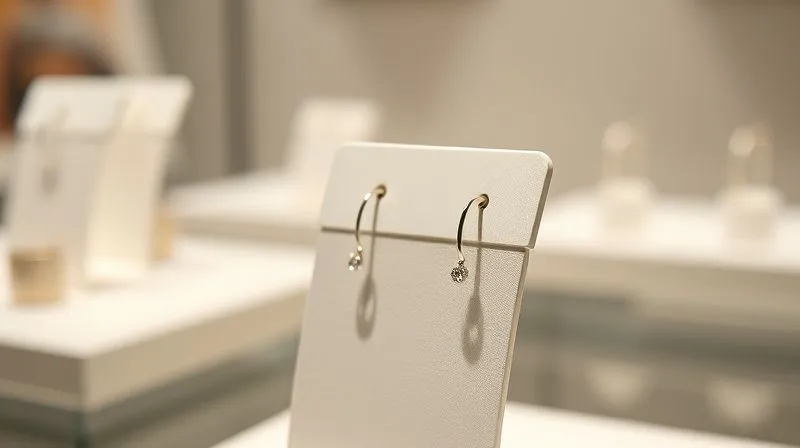
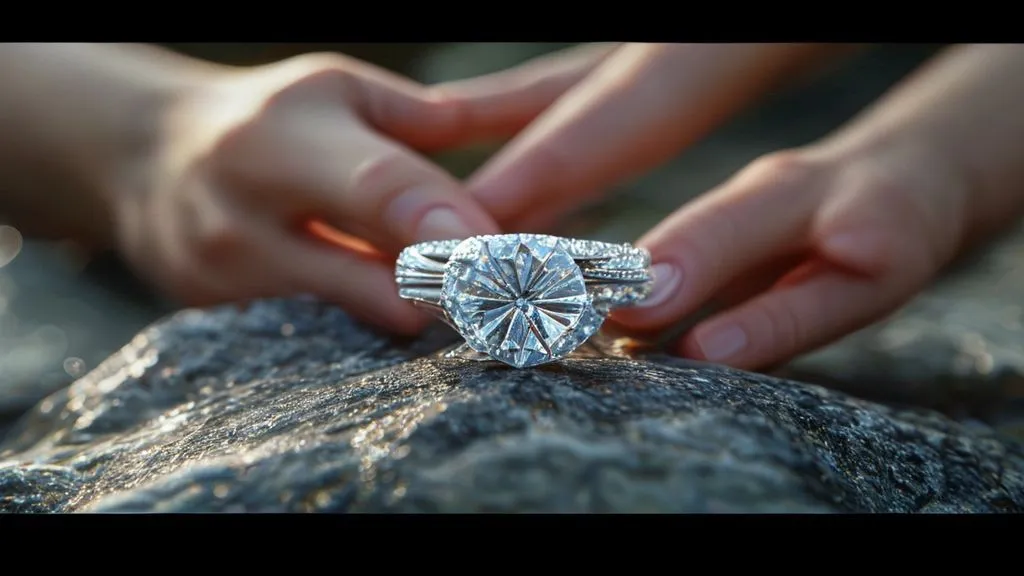
High-quality, professional photography is non-negotiable. It's an investment, not an expense. Your images must capture the texture, sparkle, and scale of your pieces, telling a visual story that entices potential buyers. Good lighting, sharp focus, and a clean background are paramount.
Essential Photography Tips:
- Invest in Good Lighting: Natural daylight is often best, or use softbox lighting for controlled environments. Avoid harsh shadows.
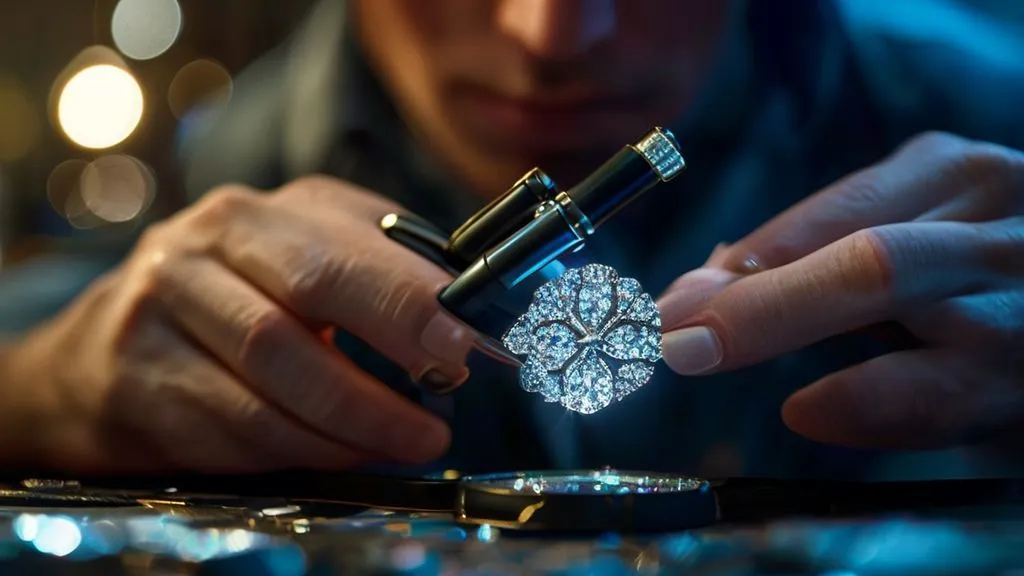
- Use a Macro Lens: To capture intricate details of your craftsmanship, especially for gemstones and delicate metalwork.
- Clean Backgrounds: A simple, uncluttered background ensures the jewelry is the star. White, grey, or natural wood are often effective.
- Scale Shots: Include a hand model or a common object to give buyers a sense of the jewelry's actual size.
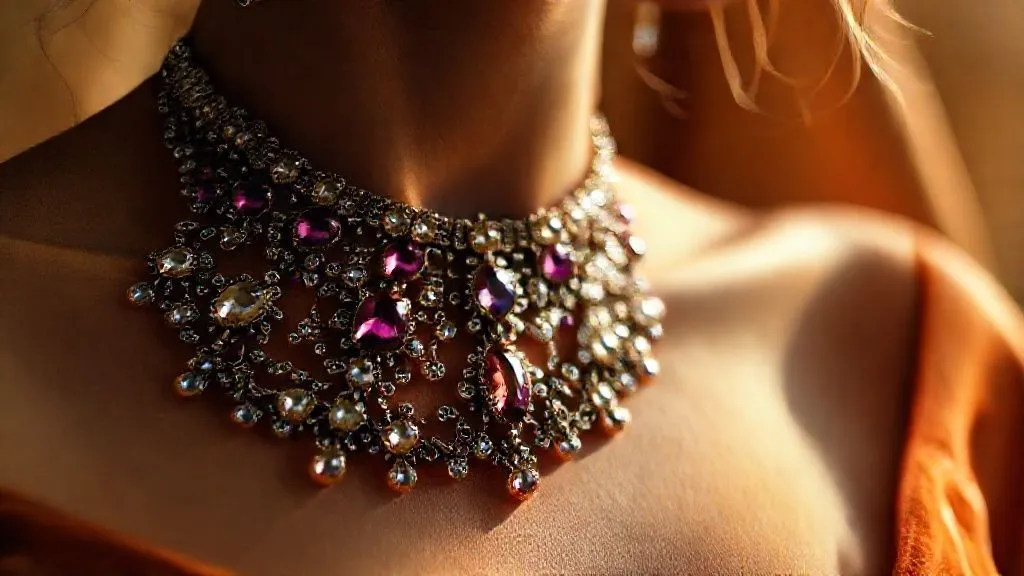
- Lifestyle Shots: Show the jewelry being worn in a relevant context. This helps potential buyers visualize themselves wearing it.
- Consistent Aesthetic: Maintain a consistent look and feel across all your product photos to build a cohesive brand identity.
Crafting an Irresistible Online Presence
Your website or online shop should be a curated gallery, not just a catalog. Ensure easy navigation, clear product descriptions, and a seamless checkout process. Every element, from your logo to your font choices, contributes to the perceived value of your brand.
4. Marketing Misfires: Reaching the Wrong Eyes and Hearts
You can have the most beautiful jewelry and the most perfect photographs, but if your marketing efforts aren't reaching your ideal collector, your pieces will remain unseen. Many artisan jewelers rely solely on organic social media or word-of-mouth, which, while valuable, often isn't enough to sustain a thriving business and justify premium pricing. This is a significant factor in why isn't my unique artisan jewelry selling at its true value.
Navigating Digital Showcases: Beyond Passive Posting
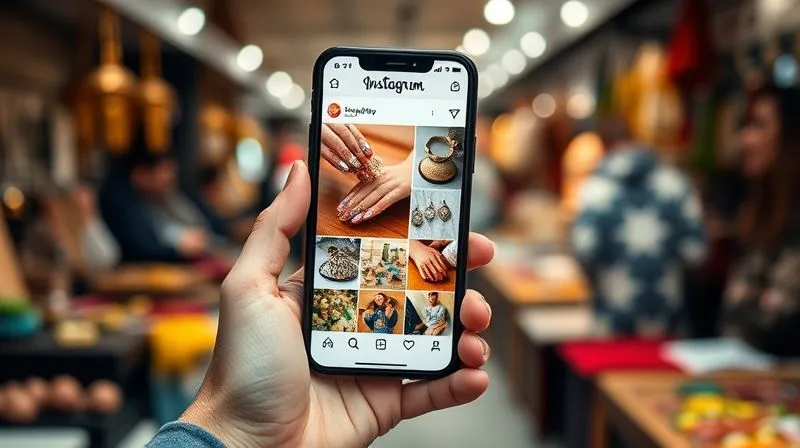
Social media platforms like Instagram and Pinterest are visual goldmines for jewelry, but simply posting pretty pictures isn't a strategy. You need to engage, tell stories, use relevant hashtags, and understand the algorithms. Consider platforms like Etsy, Shopify, or even dedicated fine art marketplaces, but always drive traffic back to your owned platforms where you control the narrative and customer data.
Case Study: The 'Whispering Woods' Collection
Anna, a talented artisan jeweler specializing in nature-inspired silver and enamel work, consistently struggled with sales despite her exquisite craftsmanship. Her pieces were truly unique, but her Instagram feed was a jumble of inconsistent photos and generic captions. She frequently asked, 'Why isn't my unique artisan jewelry selling at its true value?' After a comprehensive brand audit, I advised her to:
- Refine her brand narrative: Focus on the 'magic of the forest' and the stories behind each piece.
- Professionalize her photography: Invest in a lightbox and learn basic editing.
- Diversify her marketing: Start a small, targeted Facebook ad campaign showcasing her 'Whispering Woods' collection to audiences interested in nature, art, and handmade goods, and begin an email newsletter.
Within six months, Anna saw a 40% increase in inquiries and a 25% rise in sales, with her average price point increasing by 15%. Her most unique pieces, once overlooked, were now sought after by collectors who resonated with her new, cohesive brand story.
Building Community, Not Just Customers
True success comes from building a loyal community around your brand. This involves consistent engagement, sharing your process, offering exclusive insights, and making your customers feel like part of your artistic journey. Email marketing, for instance, can be incredibly powerful for nurturing these relationships, far more effective than relying solely on social media algorithms, as detailed by Forbes on digital marketing strategies.
5. The Story Untold: Communicating Your Craft's Soul
Your unique artisan jewelry isn't just metal and stone; it's a narrative, a piece of your soul. Yet, many jewelers fail to articulate this story effectively. Without a compelling narrative, your pieces become mere objects, losing their emotional resonance and perceived value. This is a crucial element if you're asking why isn't my unique artisan jewelry selling at its true value.
The Power of Artist Statements and Provenance
Every piece should come with a story. What was your inspiration? What techniques did you employ? Where did the materials come from? What challenges did you overcome? This provenance adds layers of meaning and exclusivity. An artist statement isn't just for galleries; it's for every product page, every exhibition, and every conversation.
Elements of a Compelling Story:
- Inspiration: The spark that ignited the design.
- Process: A glimpse into your unique techniques and craftsmanship.
- Materials: The origin and significance of your chosen stones and metals.
- Meaning: The deeper message or feeling you wish to convey.
- Personal Connection: Your passion and dedication embedded in the piece.
Engaging Your Audience with Authenticity
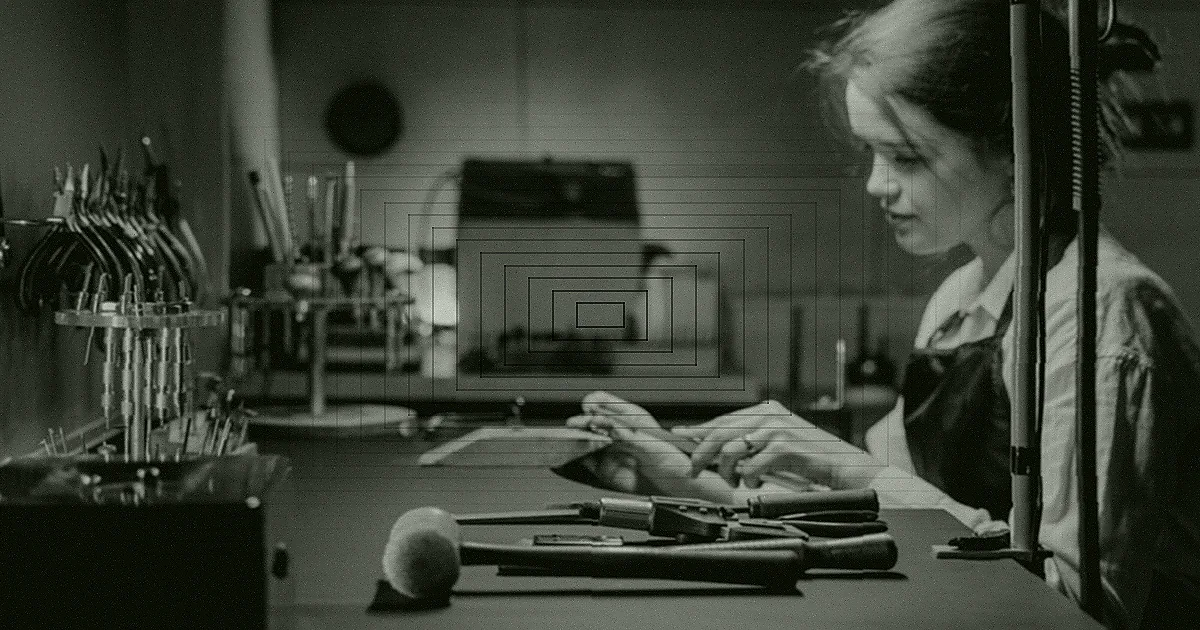
Share your journey. Show behind-the-scenes glimpses of your workshop, your design process, even your failures and triumphs. Authenticity builds trust and connection, transforming casual browsers into dedicated collectors who understand and appreciate the true value of your work.
“People don't just buy jewelry; they buy the story, the passion, the human connection. If you don't tell your story, you leave a void that generic commercialism will fill.”
6. Distribution Dilemmas: Are You Selling in the Right Places?
Where you choose to sell your unique artisan jewelry profoundly impacts its perceived value and who discovers it. Selling a high-end, one-of-a-kind piece exclusively on a mass-market platform designed for volume sales might inadvertently dilute its prestige. Conversely, only relying on exclusive galleries might limit your reach. This channel mismatch is a common reason why isn't my unique artisan jewelry selling at its true value.
Curating Your Sales Channels
Each sales channel has its own audience, expectations, and commission structure. A diversified approach, carefully chosen, is often the most effective. Consider the prestige, reach, and cost-effectiveness of each option:
Sales Channel Comparison:
| Channel | Pros | Cons |
|---|---|---|
| Personal Website/E-commerce Store | Full control, higher profit margin, brand consistency. Direct customer relationship. | Requires active marketing, SEO, and maintenance. Building trust can be slow. |
| Online Marketplaces (Etsy, Artfire, etc.) | Built-in audience, easier setup, established trust. Good for visibility. | High competition, commission fees, limited branding control. Risk of commoditization. |
| Fine Art Galleries & Boutiques | High prestige, curated audience, expert sales staff. Elevates perceived value. | High commission fees (often 50%), strict selection process, slower sales cycle. |
| Art & Craft Fairs (High-end) | Direct customer interaction, immediate feedback, networking opportunities. Good for storytelling. | Physical labor, travel costs, weather dependency, inconsistent sales. |
| Social Media Direct Sales (Instagram, Facebook Shops) | Low barrier to entry, visual appeal, direct engagement. | Reliance on algorithms, less formal, can appear less professional if not curated well. |
As experts at Sotheby's and Christie's understand, the environment in which an artwork is presented significantly influences its valuation. Your jewelry is no different.
The Gallery Relationship: A Strategic Alliance
For high-value, unique pieces, a partnership with a reputable gallery can be transformative. They provide an established audience, professional presentation, and a stamp of approval that significantly boosts perceived value. However, choose wisely; ensure the gallery's aesthetic aligns with yours and they are genuinely passionate about your work.
7. Customer Experience: Beyond the Transaction
The sale of a piece of unique artisan jewelry isn't the end of the journey; it's the beginning of a relationship. A mediocre or forgettable customer experience can undermine all your efforts, preventing repeat purchases, positive word-of-mouth, and the building of a loyal collector base. If your customers don't feel valued, they won't recognize the true value of your work, making it harder to answer why isn't my unique artisan jewelry selling at its true value.
Elevating the Unboxing Experience
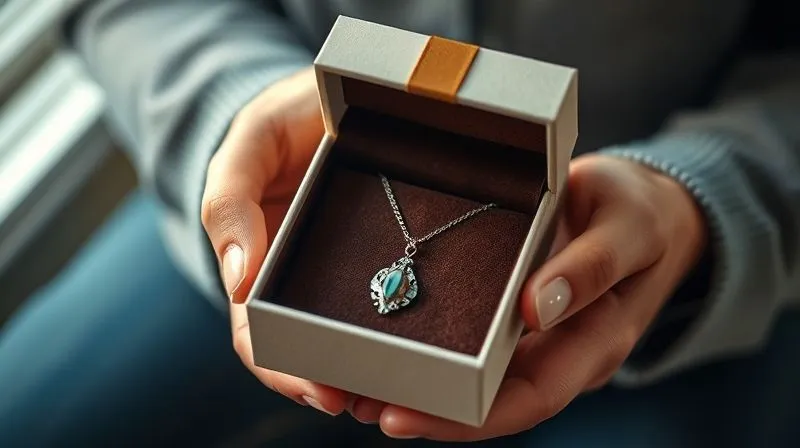
The moment a customer receives your jewelry is a critical touchpoint. Thoughtful, elegant packaging transforms a simple delivery into an event. Consider custom boxes, velvet pouches, a hand-written thank you note, a small artist's card with care instructions, or even a certificate of authenticity. These small details speak volumes about your brand's commitment to quality and care.
Key Elements for an Exceptional Unboxing:
- Quality Packaging: Sturdy, attractive box or pouch that protects the piece.
- Branding: Your logo subtly present on packaging, tissue paper, or ribbon.
- Personal Touch: A handwritten note expressing gratitude.
- Care Instructions: How to clean and maintain the specific materials of the jewelry.
- Artist Card/Story: A small card reiterating the piece's inspiration or your brand's ethos.
- Certificate of Authenticity: Especially for limited edition or one-of-a-kind pieces.
Nurturing Long-Term Relationships
Follow up with customers after they receive their order. Ask for feedback, share updates on new collections, or offer exclusive previews. Building a strong community around your brand means fostering ongoing engagement, turning buyers into advocates who champion your work and proudly showcase their unique artisan jewelry.
Frequently Asked Questions (FAQ)
Question: How do I know if my prices are genuinely too low, or if I'm just experiencing imposter syndrome? This is a common struggle. Beyond the practical calculation of materials, labor, and overhead, compare your work to established artisan jewelers of similar skill and aesthetic. Are their prices significantly higher? Seek objective feedback from mentors or trusted peers. If your costs are covered and you still feel uncomfortable with the price, it might be imposter syndrome. If you're barely breaking even, your prices are likely too low. Remember your unique vision and years of skill have value.
Question: What's the most effective social media platform for unique artisan jewelry? While Instagram and Pinterest are highly visual and popular, the 'most effective' depends on your ideal collector. Instagram is excellent for storytelling and engagement, while Pinterest excels at driving traffic to your website. Consider TikTok for behind-the-scenes process videos, or even LinkedIn for very high-end, investment-grade pieces targeting affluent collectors. Diversify, but focus your primary energy where your audience truly resides and engages.
Question: Should I focus exclusively on my own website or leverage online marketplaces like Etsy? Ideally, both, but with a clear strategy. Your own website is your primary brand hub, where you control the narrative, branding, and customer experience. Marketplaces like Etsy offer visibility and a built-in audience, but often come with higher competition and less branding control. Use marketplaces to drive initial discovery and then direct customers to your website for the full brand experience and repeat purchases.
Question: How can I better tell my story without sounding pretentious or overly academic? Focus on authenticity and emotion. Instead of formal 'artist statements,' try weaving your story into product descriptions, blog posts, and social media captions. Use evocative language that describes the feeling or inspiration behind the piece. Share personal anecdotes, photos of your process, or the journey of sourcing a unique stone. Be genuine, passionate, and relatable; let your enthusiasm shine through.
Question: What if my jewelry style is very niche? Does that mean it will be harder to sell at a higher value? Quite the opposite! A niche style, when properly marketed, can command a higher value because it appeals to a specific, passionate group of collectors who are actively seeking something unique and tailored to their taste. The challenge isn't the niche itself, but effectively reaching that niche audience. Embrace your distinctiveness; it's your superpower.
Key Takeaways and Final Thoughts
- Know Your Collector: Understand their values and lifestyle to tailor your brand.
- Price for Value: Account for skill, time, and artistic vision, not just materials.
- Present with Professionalism: High-quality photography and a cohesive brand aesthetic are non-negotiable.
- Market Strategically: Diversify your channels and engage your audience.
- Tell Your Story: Communicate the soul and inspiration behind each piece.
- Choose Your Channels Wisely: Align your sales platforms with your brand's prestige.
- Elevate the Experience: From unboxing to follow-up, make every interaction memorable.
The journey of an artisan jeweler is one of passion, dedication, and constant evolution. If you've been asking, 'Why isn't my unique artisan jewelry selling at its true value?', understand that you're not alone. The answers often lie not in the quality of your craft, but in the strategic choices you make in presenting, pricing, and promoting it. By embracing these insights and implementing these actionable strategies, you can bridge the gap between your art's intrinsic worth and its market recognition. Your unique voice, your skilled hands, and your beautiful creations deserve to be valued and celebrated. Go forth, tell your story, and let your jewelry shine at its true, magnificent worth.
Recommended Reading
- 7 Proven Strategies: Forecasting Jewelry Trends for Max Profit
- Why Aren't My Fashion Style Guides Converting to Sales? 7 Fixes.
- Unlock Camera Confidence: The Ultimate Guide to Posing for Fashion Bloggers
- 7 Steps to Liquidate Unsold Wedding Dresses Profitably: An Expert's Guide
- 5 Digital Pillars: Translating Haute Couture Exclusivity Online

Your email address will not be published. Required fields are marked *