

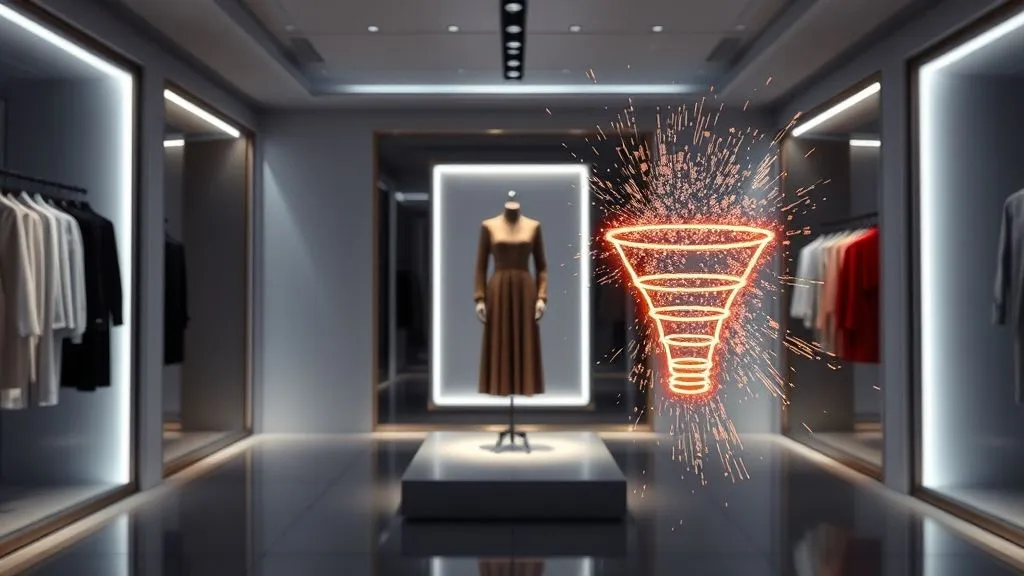
Why aren't my fashion VR experiences converting into sales?
For over 15 years in the dynamic world of fashion technology, I've witnessed the exhilarating rise of immersive experiences, from rudimentary virtual try-ons to sophisticated metaverse showrooms. The promise of VR in fashion is undeniable: boundless creativity, global reach, and a new dimension of customer engagement. Yet, I've also seen the quiet frustration when these visionary projects, despite their innovative sparkle, fail to translate into tangible business results – specifically, sales.
It's a common lament I hear from brands: 'Our VR experience is stunning, our users are engaged, but the sales just aren't happening.' This disconnect between immersive engagement and commercial conversion is a critical pain point, signaling that something fundamental is being overlooked in the design, integration, or strategy of these virtual ventures. You're not alone if you're asking, 'Why aren't my fashion VR experiences converting into sales?'
In this definitive guide, I will peel back the layers of this complex problem. We'll move beyond the hype to uncover the often-hidden reasons behind low VR fashion conversion rates. I'll share actionable frameworks, reveal crucial metrics, and offer expert insights drawn from years of hands-on experience, providing you with a clear roadmap to transform your immersive fashion experiences into powerful sales engines.
The Disconnect: Are You Solving the Right Problem?
Many brands jump into VR with the 'wow' factor as their primary driver, aiming for novelty rather than utility. While initial excitement is good, it rarely sustains long-term engagement or drives purchases if the underlying problem isn't addressed. I've seen countless instances where resources are poured into visually impressive but functionally shallow experiences.
The fundamental question you must ask yourself is: Is your VR experience genuinely enhancing the customer's journey, or is it merely a digital spectacle? If it's the latter, then you've likely identified a core reason why your fashion VR experiences aren't converting into sales.
Understanding User Needs vs. Gimmicks
True value in VR fashion comes from solving real customer pain points. Is your VR helping them visualize fit better than a 2D image? Does it offer a deeper sense of material quality? Does it provide a personalized styling service that's otherwise unavailable? If the answer is no, then it's perceived as a gimmick, not a utility.
The most successful fashion VR experiences aren't about showcasing technology; they're about leveraging technology to solve a human problem or enhance a human desire. Focus on utility, not just novelty.
Consider the difference between a virtual runway show that's purely entertainment and a virtual try-on experience that reduces returns due to poor fit. Both use VR, but only one directly impacts a tangible business metric. A Deloitte study highlighted that consumers are increasingly seeking personalized, value-driven experiences, even in digital realms. Read more on consumer trends here.
- Common VR Pitfall 1: Overemphasis on graphics, underemphasis on function.
- Common VR Pitfall 2: Creating an experience that doesn't integrate with existing shopping habits.
- Common VR Pitfall 3: Failing to identify a clear ROI goal before development.
| VR Feature | Primary Goal | Direct Sales Impact | Conversion Potential |
|---|---|---|---|
| Virtual Runway Show | Brand Awareness, Entertainment | Low | Indirect/Long-term |
| Virtual Try-On (Accurate) | Fit Confidence, Return Reduction | High | High |
| Interactive Digital Showroom | Product Discovery, Immersive Browsing | Medium | Medium |
| Metaverse Fashion Game | Community, Engagement, Digital Assets | Low (for physical goods) | High (for digital goods) |
Subpar User Experience: The Invisible Sales Killer
Even if your VR experience offers genuine utility, a clunky, confusing, or laggy user experience (UX) will drive customers away faster than you can say 'add to cart'. I've observed that many brands, especially those new to immersive tech, underestimate the technical nuances required for a seamless VR journey. This leads to frustrated users who abandon the experience before ever reaching a purchase decision.
If users struggle with navigation, encounter glitches, or find the controls unintuitive, their perception of your brand – and the products within the VR space – will suffer. This directly impacts conversion. An immersive experience should feel, well, immersive, not like a frustrating puzzle.
Optimizing Performance and Intuition
The technical backbone of your VR experience is paramount. High-fidelity visuals mean nothing if frame rates drop, or if the interaction model is counter-intuitive. Users expect responsiveness and ease of use, even in a novel environment. As marketing guru Seth Godin often says, "People do not buy goods and services. They buy relations, stories and magic." Your VR experience needs to deliver that magic, not technical headaches.
Here are actionable steps for a UX audit:
- Conduct rigorous A/B testing: Test different navigation schemes, interaction methods (hand tracking vs. controller), and UI layouts with real users.
- Optimize for performance: Ensure consistent high frame rates across target devices. Compress textures, optimize 3D models, and streamline code.
- Simplify onboarding: Provide clear, concise tutorials for new users. Don't assume prior VR experience.
- Gather qualitative feedback: Observe users, conduct interviews, and actively solicit suggestions for improvement.
- Iterate constantly: VR UX is an evolving field. Be prepared to make frequent updates based on user data and technological advancements.
Lack of Perceived Value and Trust in Virtual Products
One of the biggest hurdles in converting VR fashion experiences into sales is bridging the gap between a virtual representation and a physical product. Why aren't my fashion VR experiences converting into sales if the products look great? Often, it's a matter of trust. Consumers are inherently skeptical about purchasing something they can't physically touch, feel, or try on in the real world.
This skepticism is amplified if the virtual representation isn't hyper-realistic or if the sizing and fit are inaccurate. A beautiful digital garment that looks completely different in reality is a sure way to erode trust and guarantee low conversion rates and high returns.
Building Confidence Through Hyper-Realistic Representation
The key to overcoming this trust deficit lies in delivering unparalleled accuracy and realism. This means investing in advanced 3D modeling, material rendering, and physics simulations that faithfully replicate the look, drape, and feel of physical garments. It's about minimizing the 'expectation vs. reality' gap.
Transparency and hyper-realism are your most powerful allies in building trust within a virtual commerce environment. Every texture, every stitch, every shadow must convey authenticity.
Consider the impact of accurate sizing tools within VR. If a virtual try-on can confidently tell a user that a 'medium' will fit them perfectly, based on their real-world measurements, it removes a significant barrier to purchase. This is where AI and machine learning can play a pivotal role, integrating body scanning data with garment patterns.
Brands like LVMH have been exploring digital twinning technologies to ensure this level of fidelity. The goal is to make the virtual product a perfect digital twin of its physical counterpart, inspiring confidence. Learn about LVMH's innovation in digital here.
The Broken Sales Funnel: From Exploration to Purchase
Even with an engaging, useful, and trustworthy VR experience, if the path to purchase is convoluted, you'll lose customers. I've observed many VR fashion experiences that excel at the 'discovery' and 'engagement' stages but completely fall apart when it comes to the 'conversion' stage. This is a primary reason why fashion VR experiences aren't converting into sales.
The immersive environment often feels like a separate entity from the brand's core e-commerce platform, creating friction at the point of decision. Users might find a garment they love in VR, but then have to exit the experience, navigate to a website, search for the item again, and then complete the purchase. This multi-step, disjointed process is a conversion killer.
Streamlining the Virtual Checkout Process
The ideal VR fashion experience should offer a seamless transition from discovery to purchase, ideally within the immersive environment itself. This means integrating robust e-commerce functionalities directly into your VR platform.
The fewer clicks, scene changes, or platform switches required for a user to purchase, the higher your conversion rate will be. Make the path to purchase as direct and frictionless as possible.
Case Study: How AuraThreads Streamlined Their VR Checkout
AuraThreads, a boutique fashion brand, launched a stunning VR showroom but initially saw abysmal sales. Users loved browsing, but conversion was under 0.5%. After analyzing user journeys, they realized customers were abandoning the experience when forced to manually search for items on their website. AuraThreads then integrated a direct 'Add to Cart' and 'Checkout' button within their VR interface, complete with secure payment processing. Within three months, their VR conversion rate jumped to 3.2%, demonstrating the power of a streamlined funnel.
- One-click purchase options: Implement direct purchase buttons on product pages within VR.
- Integrated payment gateways: Allow users to complete transactions without leaving the VR environment.
- Persistent carts: Ensure items added in VR are synced with the user's online shopping cart if they do need to switch platforms.
- Clear calls-to-action: Guide users explicitly towards purchase at appropriate points in the experience.
- Guest checkout options: Reduce friction for first-time buyers who may not want to create an account immediately.
Ignoring Data: Guesswork Over Growth
Perhaps the most common reason why fashion VR experiences aren't converting into sales is a lack of robust analytics and a reliance on anecdotal evidence rather than hard data. I've encountered many brands that are enthusiastic about VR but have no clear metrics to measure its success beyond 'how many people visited'. This approach is akin to driving blindfolded.
Without understanding user behavior within the VR environment – where they dwell, what they interact with, where they drop off – it's impossible to identify bottlenecks and optimize for conversion. Guesswork leads to wasted resources and missed opportunities.
Key Metrics for Measuring VR Fashion Success
To truly understand and improve your VR conversion rates, you need to track specific, actionable metrics. These go beyond simple visitor counts and delve into the nuances of immersive engagement and purchase intent.
If you can't measure it, you can't improve it. Data is the compass that guides your VR fashion strategy towards profitability.
Start by clearly defining your VR experience's goals. Is it brand awareness? Lead generation? Direct sales? Each goal will have its own set of key performance indicators (KPIs).
| Metric Category | Specific Metric | Definition | Relevance to Conversion |
|---|---|---|---|
| Engagement | Dwell Time | Average time users spend in the VR experience. | Higher dwell time often correlates with deeper interest. |
| Engagement | Interaction Rate | Number of interactions (e.g., trying on clothes, viewing details) per user. | Indicates active interest in products. |
| Funnel | Product View to Add-to-Cart Rate | Percentage of product views leading to an add-to-cart action. | Identifies product appeal and intent. |
| Funnel | Add-to-Cart to Purchase Rate | Percentage of items added to cart that result in a purchase. | Highlights checkout process efficiency. |
| Sales | Average Order Value (AOV) | Average monetary value of each purchase. | Measures overall revenue per transaction. |
| Sales | Return Rate (for VR purchases) | Percentage of VR-driven sales that are returned. | Indicates accuracy of virtual representation and fit tools. |
| Technical | Load Times / Frame Rate Stability | Speed of loading and smoothness of experience. | Directly impacts user satisfaction and abandonment rates. |
Implementing analytics tools specifically designed for immersive environments, or adapting existing web analytics platforms, is crucial. Tools like Unity Analytics or custom event tracking can provide invaluable insights. Explore Unity Analytics for VR here.
Marketing Mismatch: Reaching the Right Audience
You can build the most incredible VR fashion experience, but if the right people don't know about it, or if your marketing messages don't resonate with them, then your conversion rates will suffer. I've witnessed brands invest heavily in VR development only to fall short on their promotional strategy, leaving their innovative experiences undiscovered by their target market.
It's not enough to simply announce you have a VR experience; you need to understand where your potential VR fashion customers spend their time online, what motivates them, and how to communicate the unique value proposition of your immersive offering.
Targeting Early Adopters and VR Enthusiasts
The audience for VR fashion, while growing, is still somewhat niche. It's often comprised of early technology adopters, gamers, and individuals already comfortable with digital experiences. Your marketing efforts should initially focus on these groups before attempting to broaden your appeal.
Don't market your VR experience like a traditional e-commerce site. Emphasize the unique immersive benefits, the novelty, and the problem-solving aspects that only VR can offer.
Consider platforms and communities where these audiences congregate:
- VR-specific communities: Reddit subreddits like r/virtualreality or r/oculus, dedicated VR forums, and Discord servers.
- Gaming platforms: Leverage partnerships with game developers or promote within gaming communities.
- Tech influencers: Collaborate with VR tech reviewers and influencers who can authentically showcase your experience.
- Metaverse platforms: If your experience is part of a larger metaverse, promote it within that ecosystem.
- Interactive content marketing: Create video walkthroughs, 360-degree previews, and interactive ads that give a taste of the VR experience.
Integration Challenges: VR as a Silo, Not a System
A common mistake I see brands make is treating their VR fashion experience as a standalone project, disconnected from their broader e-commerce, CRM, and marketing ecosystems. This creates data silos, inconsistent customer journeys, and ultimately, a fragmented brand experience that hinders conversion. If your VR doesn't talk to your website, your app, or your customer service, then you're missing a huge opportunity to drive sales and build loyalty.
This lack of integration is a significant reason why fashion VR experiences aren't converting into sales effectively. Customers expect a seamless, omni-channel experience, where their interactions and preferences are recognized across all touchpoints.
Seamless Omni-Channel Integration
The goal should be to position your VR fashion experience as an integral, valuable touchpoint within your overall customer journey, not an isolated novelty. This requires thoughtful integration with your existing digital infrastructure.
Your VR fashion experience should be an extension of your brand's digital ecosystem, not a separate island. Seamless integration amplifies value and drives consistent conversions.
Consider how a customer's activity in VR can inform their experience on your website, or how their preferences on your website can personalize their VR journey. This level of integration enhances relevance and drives higher conversion rates. Harvard Business Review emphasizes the importance of an integrated omni-channel strategy for modern retail success. Read about customer emotions and experience in HBR.
- Unified Customer Profiles: Ensure user data from VR (e.g., items viewed, try-ons, preferences) is synced with your CRM and e-commerce platform.
- Cross-Platform Shopping Carts: Allow users to add items to a cart in VR and find them waiting on your website or app.
- Personalized Recommendations: Use VR browsing history to inform product recommendations across all channels.
- Consistent Branding & Messaging: Maintain a cohesive brand identity and communication style across VR and traditional channels.
- Integrated Analytics: Combine VR performance data with your overall marketing and sales analytics for a holistic view.
- Loyalty Program Integration: Allow users to earn or redeem loyalty points within the VR experience.
The Human Element: Training and Support
Even the most technologically advanced VR fashion experience can fall flat without adequate human support. I've seen brands overlook the need to train their sales associates or customer service teams on how to interact with, troubleshoot, and leverage their VR offerings. This results in frustrated customers and missed sales opportunities, contributing to why fashion VR experiences aren't converting into sales.
When a customer has a question about a virtual garment, a technical glitch, or needs assistance with the VR platform itself, an untrained support team can quickly turn a potential sale into a negative brand experience. The human touch, even in a virtual world, remains critical.
Empowering Your Team for the Virtual Frontier
Your team needs to be as comfortable and knowledgeable about your VR experience as they are about your physical products or your traditional e-commerce site. This requires dedicated training and ongoing support.
Your VR experience is only as good as the human support behind it. Equip your team to be virtual ambassadors, not just virtual spectators.
Imagine a customer in your VR showroom, unsure how to change a garment's color or confused about sizing. If they can easily connect with a knowledgeable virtual assistant (powered by AI or a live representative) who can guide them, the likelihood of conversion dramatically increases. This extends the personalized service of a luxury boutique into the virtual realm.
- Comprehensive Training Modules: Educate sales associates and support staff on the VR platform's features, navigation, and common troubleshooting steps.
- Product Knowledge in VR: Ensure teams understand how to articulate the unique benefits of products as presented in VR.
- Dedicated VR Support Channel: Offer specific contact points for VR-related queries.
- Feedback Loop: Establish a system for customer service to report common VR issues or suggestions back to the development team.
- Empower Virtual Stylists: Train stylists to leverage VR tools for personalized recommendations and outfit curation within the immersive environment.
Frequently Asked Questions (FAQ)
Is VR fashion just a passing trend, or is it here to stay? From my vantage point in fashion tech, VR fashion is unequivocally here to stay, but it's evolving rapidly. While early implementations might feel experimental, the underlying technology for immersive experiences is maturing. As hardware becomes more accessible and user experiences become more intuitive, VR will transition from a niche novelty to an integral part of the fashion retail landscape, especially for brands seeking deeper engagement and personalization. Its longevity will depend on brands focusing on utility and seamless integration, not just spectacle.
How much does it typically cost to fix low VR conversion rates? The cost to fix low VR conversion rates varies wildly, as it depends entirely on the root cause. If it's a minor UX tweak or a clearer call-to-action, it could be relatively inexpensive. If it involves a complete overhaul of your 3D assets for hyper-realism, a major re-platforming for better integration, or significant performance optimization, costs could range from tens of thousands to hundreds of thousands of dollars. The key is thorough diagnostics (using the data-driven approach I outlined) to identify the most impactful areas for investment, ensuring your spend is strategic and targeted for maximum ROI.
What's the single most important metric I should track for VR fashion success? While many metrics are crucial, if I had to pick one 'most important' metric for VR fashion success, especially concerning conversion, it would be the 'Add-to-Cart to Purchase Rate' within the VR experience itself. This metric directly tells you how effectively your VR environment is translating intent into actual sales at the final hurdle. A high drop-off here signals friction in the checkout process, trust issues, or a lack of clear value proposition at the point of decision. It's the ultimate indicator of your funnel's health.
Can small fashion brands truly benefit from VR experiences, or is it just for large enterprises? Absolutely, small fashion brands can significantly benefit from VR, often with greater agility than larger enterprises. The barrier to entry for creating compelling VR experiences is lowering, with more accessible tools and platforms. For small brands, VR can be a powerful differentiator, allowing them to create intimate, unique brand stories and personalized experiences that resonate deeply with their niche audience, without the overhead of physical retail. The focus should be on creating high-value, targeted experiences that leverage VR's unique strengths, rather than trying to replicate what larger brands do.
How can I effectively integrate my VR fashion experience with my existing e-commerce platform? Effective integration hinges on robust API connections and a unified data strategy. Start by ensuring your VR platform can communicate with your e-commerce platform's product catalog, customer database, and shopping cart functionality. This means using APIs to pull product information into VR and push user actions (like 'add to cart' or 'wishlist') back to your e-commerce system. Implement single sign-on (SSO) for a seamless user authentication experience across platforms. The goal is a fluid customer journey where the VR experience feels like a natural extension of your brand's existing digital presence, not a separate silo.
Key Takeaways and Final Thoughts
- Focus on Utility, Not Just Novelty: Your VR experience must solve a real customer problem or enhance their journey meaningfully.
- Prioritize Flawless UX: A smooth, intuitive, and high-performing VR experience is non-negotiable for conversion.
- Build Trust Through Realism: Hyper-accurate 3D models and sizing tools are crucial for bridging the virtual-to-physical gap.
- Streamline the Sales Funnel: Integrate direct purchase options within VR to reduce friction and improve checkout completion.
- Leverage Data for Growth: Track specific VR-centric metrics to identify bottlenecks and inform optimization strategies.
- Target Your Marketing: Tailor your promotional efforts to reach VR-ready audiences and communicate unique VR value.
- Integrate, Don't Isolate: Ensure your VR experience is a seamless part of your broader omni-channel strategy.
- Empower Your Team: Train your staff to be knowledgeable ambassadors for your VR offerings.
The journey to mastering VR fashion conversion is not a sprint; it's a continuous evolution. As an industry specialist who has seen the landscape shift countless times, I can assure you that the potential of immersive experiences in fashion is immense. By addressing these critical areas, moving beyond the 'wow' factor, and embracing a strategic, data-driven approach, you can transform your VR fashion experiences from captivating curiosities into powerful, profitable sales channels. The future of fashion retail is immersive, and with these insights, you're now better equipped to shape that future successfully.
Recommended Reading
- 7 Expert Ways to Elevate Professional Everyday Style (No New Clothes!)
- 7 Steps: How to Implement a Transparent Supply Chain for Ethical Jewelry
- 7 Ways to Stand Out: Differentiate Your Streetwear Hoodies Online
- Unveiling the True Worth: Why Haute Couture Hand-Sewn Details Are Invaluable
- 7 Steps: Bridging 3D Garment Design to Flawless Production Reality


Your email address will not be published. Required fields are marked *