

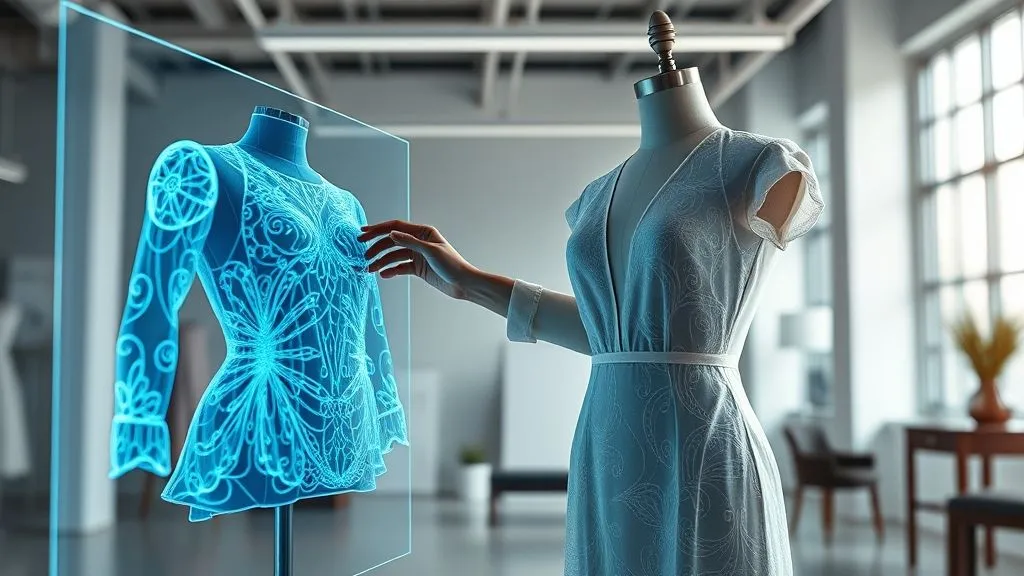
How to Ensure 3D Garment Designs Translate to Production?
For over 15 years in the trenches of fashion technology, I've witnessed countless brands embrace 3D design with enthusiasm, only to stumble at the crucial hurdle: translating those stunning digital creations into flawless physical garments. The promise of speed, sustainability, and reduced costs is immense, but the disappointment when a virtual masterpiece doesn't match its physical counterpart can be costly, eroding trust and wasting valuable resources.
The core problem isn't the 3D software itself; it's often a disconnect in process, a lack of standardization, and an underestimation of the nuances required to bridge the digital-to-physical divide. Brands face issues ranging from fit discrepancies and material misrepresentation to unexpected production challenges, all stemming from an incomplete or inconsistent 3D workflow. It's a pain point I hear echoed across design, development, and production teams globally.
In this definitive guide, I'll share the actionable framework and deep insights I've cultivated over years, specifically addressing how to ensure 3D garment designs translate to production with unparalleled accuracy. We'll delve into the critical steps, from foundational digital asset management to advanced quality control, providing you with the tools and understanding to not just design in 3D, but to produce with confidence.
The Foundation: Establishing a Digital Twin Philosophy
Before any stitches are virtually sewn, the most critical step is to adopt a 'Digital Twin' philosophy. This isn't just about having a 3D model; it's about creating a living, breathing digital replica that mirrors its physical counterpart in every conceivable way, from fabric behavior to fit on an avatar. Without this foundational commitment, your 3D efforts will always fall short of production readiness.
Standardizing Your Digital Assets for Unwavering Consistency
In my experience, inconsistency is the silent killer of efficient 3D workflows. Every element used in your 3D design – from avatars to fabric swatches – must be standardized and meticulously calibrated. This means having:
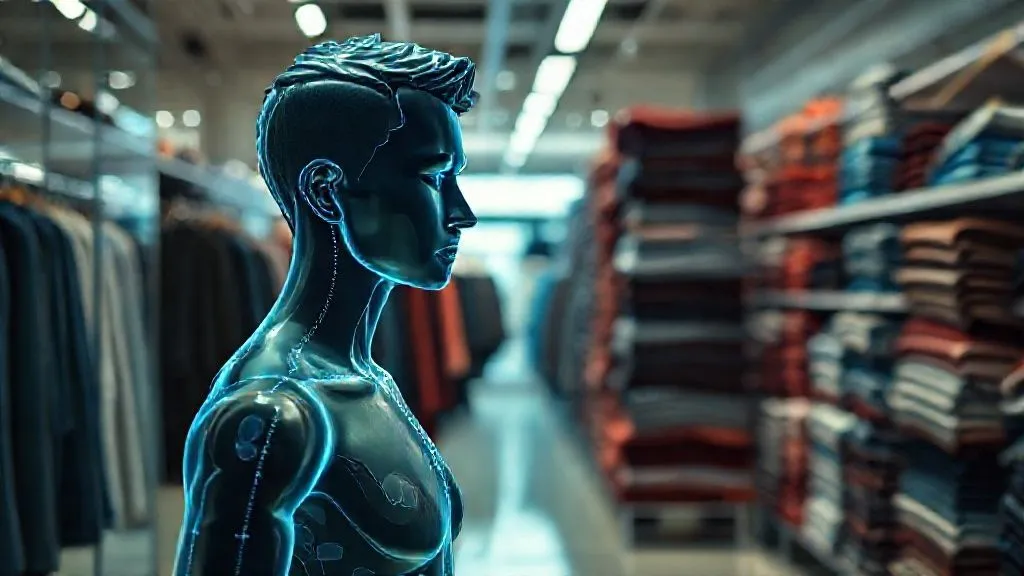
- A Unified Avatar Library: Ensure all designers use the same set of avatars, accurately representing your target market's body measurements, posture, and common poses. These aren't just mannequins; they're your digital fit models.
- Calibrated Fabric Libraries: This is non-negotiable. Every fabric in your digital library must be tested and its physical properties (stretch, drape, thickness, weight, friction) accurately translated into the 3D software's physics engine. This is where most brands falter.
- Consistent Trim & Hardware Libraries: Buttons, zippers, labels – all need accurate 3D models and material properties to ensure they don't cause unexpected issues during simulation or physical production.
"The precision of your digital twin is directly proportional to the accuracy of its foundational components. Compromise here, and you compromise everything."
Implementing a robust Product Lifecycle Management (PLM) system or a dedicated Digital Asset Management (DAM) solution is paramount for managing these standardized assets. According to a recent report by McKinsey & Company on the State of Fashion, digital product creation and PLM integration are key drivers for efficiency and sustainability in the industry.
Precision in 3D: Mastering Fabric Physics and Material Simulation
This is arguably the most challenging, yet most critical, aspect of ensuring 3D designs translate to production. A 3D garment is only as realistic as its simulated fabric. If your digital fabric doesn't behave like its physical counterpart – if it drapes differently, stretches incorrectly, or has the wrong sheen – then your 3D design is merely an artistic rendering, not a production-ready blueprint.
Calibrating Fabric Libraries for Real-World Behavior
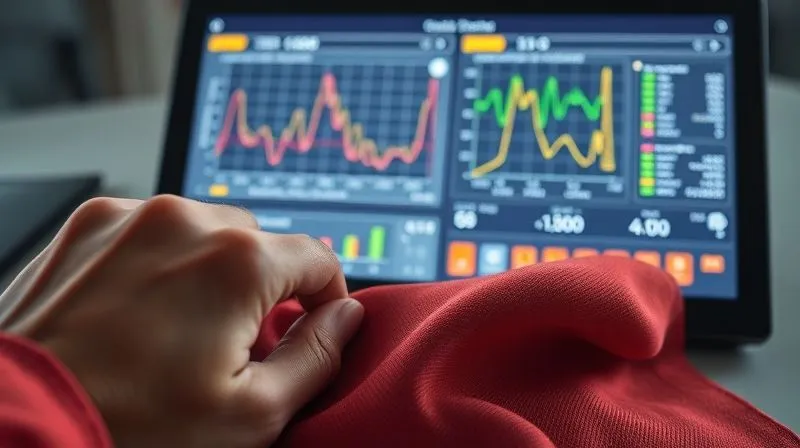
The process of creating accurate digital fabrics is detailed and requires specialized knowledge. It involves testing physical fabric swatches and inputting precise data into your 3D software's material editor. Here's how I advise tackling it:
- Physical Property Testing: Send fabric swatches to a specialized lab or use in-house equipment to measure parameters like tensile strength, bending stiffness, shear stiffness, density, thickness, friction, and coefficient of restitution.
- Software Parameter Translation: Each 3D fashion design software (e.g., CLO3D, Optitex, Browzwear) has its own set of parameters. Understand how your measured physical properties translate into these digital values. This often requires experimentation and fine-tuning.
- Visual Property Matching: Beyond physics, ensure the digital fabric's texture, color, and reflectance (shininess, dullness) accurately represent the physical material. Use high-resolution scans and PBR (Physically Based Rendering) materials.
- Iterative Validation: Create simple test garments (e.g., a basic T-shirt or skirt) with your newly calibrated digital fabric. Compare its drape, fall, and movement with a physical sample made from the same fabric. Adjust parameters until there's a near-perfect match.
Avatar Accuracy: The Unsung Hero of 3D Fit
Just as critical as fabric simulation is the accuracy of your avatars. If your digital fit model doesn't precisely mirror the body measurements and proportions of your target customer, then even the most perfectly simulated fabric will result in fit issues in physical production. I've seen countless samples wasted because the 3D fit was validated on a generic avatar that didn't match the brand's specific block.
Leveraging Body Scans and Sizing Data
To truly ensure your 3D designs translate to production, you need avatars that are data-driven and precise:
- Utilize Body Scan Data: Invest in 3D body scanning technology or services to create accurate digital representations of your actual fit models or even a range of target customer body types. This provides an unparalleled level of anatomical accuracy.
- Standardize Sizing: Ensure your digital avatars align precisely with your brand's existing sizing charts and block patterns. This often means creating custom avatars or adjusting existing ones to match your specific grading rules.
- Posture and Movement: Consider different postures and movements. A garment that fits perfectly on a static avatar might show tension lines or pulling when the avatar moves. Simulate common poses to check for fit integrity.
Case Study: How 'Aura Apparel' Revolutionized Fit with Data-Driven Avatars
Aura Apparel, a mid-sized activewear brand, faced persistent fit issues despite extensive 3D design efforts. Their physical samples often required multiple iterations because the 3D fit didn't translate. The problem? Their generic software avatars didn't account for the athletic build and specific posture of their target demographic. By implementing a strategy to 3D scan their actual fit models and integrate those precise body metrics into their avatar library, Aura Apparel saw a dramatic improvement. They reduced physical sample iterations by 40% and improved customer satisfaction with their final product's fit. This resulted in significant cost savings and faster time-to-market, demonstrating the power of accurate digital twins.
Bridging the Gap: The Iterative 3D-to-Physical Prototyping Loop
Even with the most precise digital assets, the ultimate validation comes from a physical sample. The goal of 3D is not to eliminate physical samples entirely, but to drastically reduce their number and ensure that the first physical sample is very close to production-ready. This requires a structured iterative loop.
From Digital Sample to Physical Prototype: A Structured Approach
My recommended process involves a continuous feedback loop:
- Virtual Prototyping & Fit Review: Design, iterate, and conduct virtual fit sessions in 3D. Use your calibrated fabrics and accurate avatars to achieve a near-perfect digital sample.
- First Physical Prototype (Alpha Sample): Create a physical sample based directly on the 3D pattern and specifications. This should be done with minimal modifications from the 3D file.
- Physical-to-Digital Comparison: Meticulously compare the physical sample against its 3D counterpart. Document every discrepancy – fit issues, drape differences, tension lines, material appearance.
- Feedback & Digital Refinement: Translate all physical sample feedback back into the 3D environment. Adjust patterns, fabric properties, or avatar settings in 3D to address the discrepancies.
- Iterate (if necessary): If major adjustments were needed, consider a second physical prototype (Beta Sample) for re-validation. The aim is to make subsequent physical samples minor tweaks, not major overhauls.
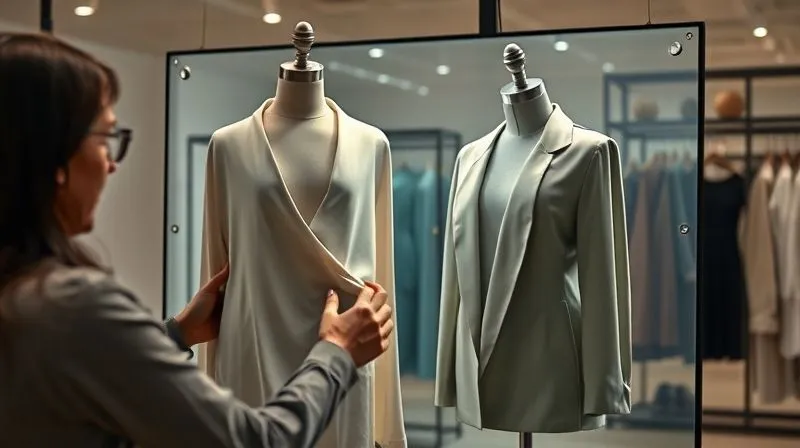
This systematic approach ensures that the insights gained from physical samples directly feed back into and refine your digital process, making your 3D designs progressively more accurate and production-ready. Here's a typical comparison matrix:
| Metric | 3D Simulation | Physical Sample | Action |
|---|---|---|---|
| Fit Accuracy (Shoulder) | Excellent | Slightly tight | Adjust shoulder width +0.5cm in 3D pattern |
| Drape (Hemline) | Soft, flowing | Slightly stiff | Re-evaluate fabric bending stiffness in 3D, check material composition |
| Sleeve Length | Perfect | Perfect | No action needed |
| Collar Stand | Good | Needs more support | Add interfacing in 3D material properties, update BOM |
Collaboration is Key: Integrating Teams Across the Workflow
3D fashion design is not a siloed activity. For successful translation to production, it demands seamless collaboration between design, pattern making, merchandising, and production teams. I've observed that friction often arises when these teams aren't fully integrated into the 3D workflow from the outset.
Streamlining Communication with PLM and PDM Systems
Effective communication is the bedrock of successful product development. Integrating your 3D design software with robust Product Lifecycle Management (PLM) and Product Data Management (PDM) systems is paramount. This ensures:
- Centralized Data: All teams access the same, up-to-date digital assets, patterns, and specifications. No more conflicting versions or outdated information.
- Early Feedback: Pattern makers can review 3D patterns for construction feasibility, merchandisers can assess market viability, and production teams can flag potential manufacturing challenges – all before a single physical sample is made.
- Digital Hand-off: The 3D file, complete with accurate patterns, material data, and construction details, becomes the primary hand-off document to manufacturers, minimizing misinterpretation.
"The greatest leverage in 3D fashion lies not just in design visualization, but in its power to unite disparate teams under a single, transparent digital workflow."
As industry experts at Harvard Business Review often highlight, digital transformation in fashion isn't just about tools, but about transforming organizational structures and collaboration models.
Quality Control Beyond the Screen: Digital and Physical Verification
Achieving production readiness means implementing rigorous quality control at every stage. This extends beyond the initial design phase, into both digital and physical verification processes.
Implementing Digital Fit Sessions and Virtual Reviews
Before committing to any physical samples, maximize your digital review capabilities:
- Virtual Fit Sessions: Conduct interactive 3D fit sessions with your pattern makers and technical designers. Use measurement tools within the software to check circumference, length, and ease. Identify tension maps and pressure points.
- Virtual Merchandising Reviews: Present 3D garments on various avatars, in different poses and environments, to merchandising and sales teams. This allows for early feedback on aesthetics, commercial appeal, and collection cohesion without physical samples.
- Manufacturing Feasibility Checks: Share 3D files with your manufacturers for a preliminary review. They can identify complex construction details or potential production bottlenecks in the digital realm, saving time and cost.

Physical Sample Verification Protocols
Once the physical sample arrives, a structured verification protocol is essential:
- Detailed Measurement Check: Measure every point on the physical garment against the 3D pattern specifications. Document deviations.
- Fit Model Review: Fit the garment on a live model (or mannequin matching your avatar) and compare its drape, fit, and movement against the 3D simulation.
- Material Hand-feel & Visual Comparison: Compare the physical fabric's hand-feel, color, and texture against its digital representation and original swatch.
- Construction & Workmanship: Inspect seams, finishes, and overall construction quality to ensure it matches the technical package derived from the 3D design.
Data-Driven Refinement: Using Feedback for Continuous Improvement
The journey to perfect 3D-to-production translation is not a one-off project; it's a continuous process of learning and refinement. Every physical sample, every production run, provides invaluable data that can be fed back into your 3D workflow to enhance accuracy over time. This continuous improvement loop is what truly differentiates leading fashion tech companies.
Leveraging Production Data to Enhance 3D Libraries
My advice is to establish a system for capturing and analyzing discrepancies:
- Categorize Discrepancies: When a physical sample doesn't match the 3D, categorize the issue: Was it a pattern error? Fabric simulation inaccuracy? Avatar measurement mismatch? Construction issue?
- Root Cause Analysis: Dig deeper to understand *why* the discrepancy occurred. Was the fabric data input incorrectly? Was the avatar's posture slightly off? Was there a misunderstanding in the pattern export?
- Update Libraries: Crucially, use this feedback to update your standardized digital asset libraries. If a fabric's drape consistently differs, refine its digital parameters. If an avatar's shoulder slope proves problematic, adjust it.
- Team Training: Use these learnings to train your design and development teams, ensuring everyone understands common pitfalls and best practices.
According to a study published in Forbes, leveraging data analytics across the fashion supply chain is no longer optional, but a competitive imperative. This applies directly to refining your 3D processes.
| Common Discrepancy | Likely Root Cause | 3D Solution |
|---|---|---|
| Digital garment looks too stiff/soft | Inaccurate fabric physics parameters (bending, shear) | Re-calibrate fabric data, test with simple shapes, update fabric library |
| Physical sample fits differently on model | Avatar measurements/posture mismatch, pattern grading issues | Verify avatar accuracy with body scans, review grading rules in 3D pattern |
| Material color/texture inconsistent | Poor quality texture maps, incorrect PBR material settings | Use high-res PBR textures, adjust material properties (roughness, metallic) |
| Construction issues (e.g., seam puckering) | Lack of communication with pattern maker, complex construction not optimized for 3D simulation | Involve pattern maker earlier, simulate construction details, simplify complex areas in 3D |
The Future is Now: AI, AR, and Advanced Simulation in Production
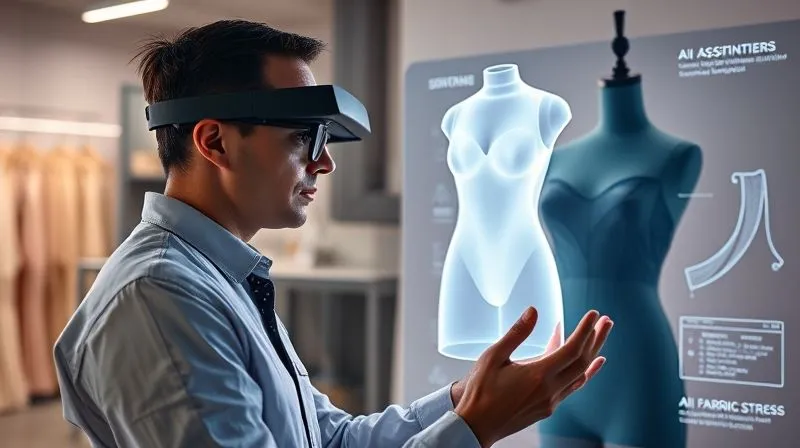
As we look ahead, the evolution of 3D fashion design continues at a rapid pace. Artificial Intelligence (AI), Augmented Reality (AR), and even more advanced simulation techniques are poised to further streamline the translation from digital to physical, making the process even more robust and accurate. AI can help optimize patterns, predict fabric behavior more accurately, and even assist in generating design variations. AR allows for immersive virtual try-ons and design reviews, bringing the digital closer to the physical experience. Embracing these technologies will be crucial for staying ahead in this competitive landscape.
Frequently Asked Questions (FAQ)
Is 3D design truly production-ready, or is it just for visualization? Absolutely, 3D design is production-ready, but it requires a structured, disciplined approach. When fabric physics, avatar accuracy, and pattern engineering are meticulously aligned in the digital space, the 3D file becomes a precise blueprint for physical production, drastically reducing sample iterations and accelerating time-to-market. It's far more than just visualization; it's a powerful development tool.
How long does it typically take to implement a production-ready 3D workflow? From my experience, a full, production-ready 3D workflow isn't an overnight switch. It's typically a phased implementation taking anywhere from 6 months to 2 years, depending on the size of the organization, existing digital maturity, and commitment to training. The initial investment in software, hardware, and dedicated training for your team, particularly in fabric calibration and pattern translation, is crucial. Patience and persistence are key.
What are the most common pitfalls when trying to translate 3D to physical production? The most common pitfalls I've observed are inaccurate fabric physics data, inconsistent avatar sizing/posture, and a lack of clear communication between 3D designers, pattern makers, and production teams. Often, teams treat 3D as a separate design tool rather than an integrated part of the entire product development lifecycle. Underestimating the need for rigorous digital asset management is also a significant stumbling block.
Which 3D software is best for ensuring production translation? There isn't a single "best" software, as each has its strengths. Leading industry solutions like CLO3D, Browzwear, and Optitex are all highly capable of generating production-ready patterns and simulations. The choice often depends on your specific needs, existing CAD software, budget, and team familiarity. What's far more important than the software itself is how meticulously you calibrate your digital assets and integrate the software into your overall workflow.
How can I convince my traditional pattern makers to embrace 3D for production? The key is to demonstrate the benefits clearly and involve them early. Show them how 3D can reduce their workload by eliminating repetitive physical sample corrections, allowing them to focus on complex problem-solving. Provide comprehensive training and highlight how their traditional pattern-making expertise is invaluable in validating and refining 3D patterns. Frame it as an enhancement of their skills, not a replacement. Acknowledge their concerns and provide ample support.
Key Takeaways and Final Thoughts
Ensuring your 3D garment designs translate flawlessly to production is not a matter of luck, but of meticulous planning, standardization, and continuous refinement. It's a journey that demands a holistic approach, integrating technology with traditional craftsmanship and fostering seamless collaboration across your entire product development team.
- Prioritize Digital Twin Accuracy: Invest in precise avatar and fabric libraries.
- Master Fabric Physics: This is the bedrock of realistic 3D simulation.
- Embrace Iterative Validation: Use physical samples to refine your digital process.
- Foster Cross-Functional Collaboration: Integrate all teams into the 3D workflow.
- Implement Robust QC: Verify both digitally and physically.
- Leverage Data for Improvement: Continuously refine your processes based on feedback.
The future of fashion is undeniably digital, and the brands that master the art of translating their 3D visions into physical reality will be the ones that lead the way. It's a challenging but incredibly rewarding endeavor, offering unprecedented levels of efficiency, sustainability, and creative freedom. Start implementing these steps today, and watch your digital designs come to life with unparalleled precision.
Recommended Reading
- Beat Digital Eye Strain: 7 Stylish Eyewear Solutions for Professionals
- 7 Proven Strategies: Bio-Based Fashion Textiles & Performance Standards
- Mastering Menswear: 7 Ways to Blend Classic Style & Modern Trends
- Unlocking Perfect Fit: How to Integrate 3D Body Scan Data Effectively
- 7 Actionable Steps: How to Reduce Frequent Returns of Performance Athletic Shoes?



Your email address will not be published. Required fields are marked *