

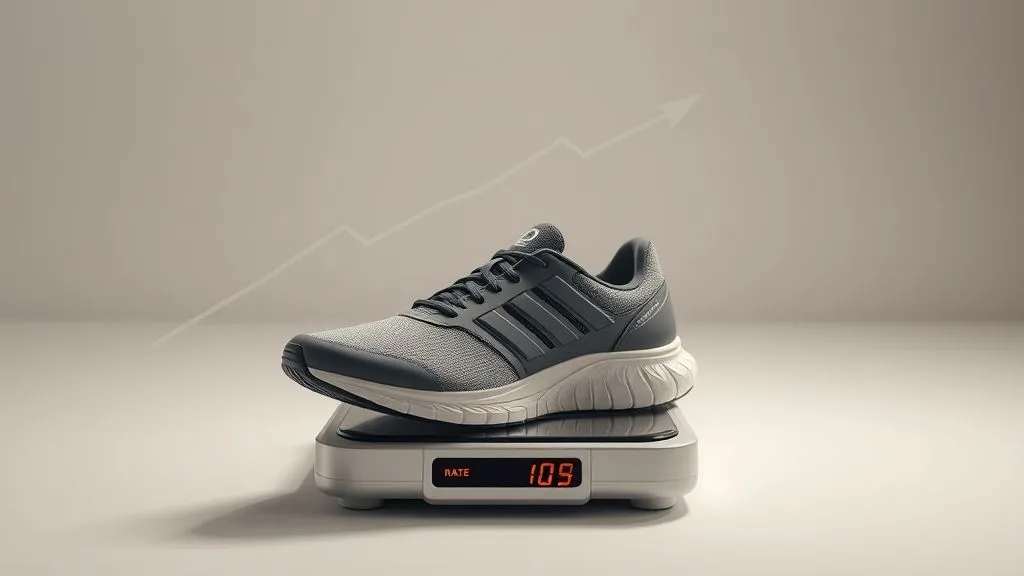
How to reduce frequent returns of performance athletic shoes?
For over two decades in the dynamic world of footwear, I've witnessed firsthand the exhilarating highs of successful product launches and the often-overlooked, yet insidious, drain of frequent product returns. The athletic shoe market, in particular, is a high-stakes arena where performance is paramount, and customer expectations are sky-high.
Many brands, even established ones, grapple with return rates that erode profits, strain logistics, and ultimately tarnish brand reputation. It's a problem that goes far beyond the simple cost of shipping; it impacts sustainability, operational efficiency, and customer loyalty.
This isn't just about minimizing a number; it's about building a stronger, more trustworthy brand that truly serves its customers. In this definitive guide, I'll share actionable frameworks, real-world insights, and expert strategies I've honed over my career to help you transform your return challenges into opportunities for growth and unparalleled customer satisfaction.
The Hidden Cost of Returns: Beyond the Bottom Line
When a performance athletic shoe comes back, it's never just a single transaction reversal. The financial ripple effect is significant, encompassing reverse logistics, restocking fees, potential markdown on opened or slightly used items, and even disposal costs. But the true damage extends far beyond these tangible expenses.
Consider the environmental impact: the carbon footprint of two-way shipping, packaging waste, and potentially landfilled products. Furthermore, frequent returns signal a disconnect between your brand's promise and the customer's experience, eroding trust and future purchase intent. This can be particularly damaging in the performance athletic category, where a shoe's failure to meet expectations can directly impact an athlete's training or competition.
Expert Insight: A high return rate isn't just a cost center; it's a symptom of a deeper issue within your product development, marketing, or customer experience strategy. Addressing it holistically is crucial for long-term brand health.
Diagnosing the Root Causes: Why Are Your Shoes Coming Back?
Before you can fix the problem, you must understand its origins. In my experience, the vast majority of performance athletic shoe returns stem from a few core issues, often interconnected.
- Fit Issues: This is by far the most common culprit. Sizing inconsistencies, misunderstanding of foot biomechanics, or a lack of guidance on how a specific shoe model should fit.
- Performance Mismatch: The shoe didn't live up to its marketing claims for support, cushioning, durability, or intended use. A runner bought a minimalist shoe expecting maximalist comfort, for example.
- Perceived Quality: The customer felt the materials or construction were subpar upon inspection, even if the shoe was technically flawless.
- Marketing Misrepresentation: Images or descriptions created unrealistic expectations about color, texture, or features.
- Sizing Inconsistencies: A customer's 'usual size' varies wildly between brands, or even within different models of the same brand.
The Critical Role of Accurate Sizing and Fit Guidance
Footwear sizing is notoriously inconsistent across brands and even within different lines of the same brand. What's a size 9 in one running shoe might be a size 8.5 or 9.5 in another. This variability is a primary driver of returns.
Brands must invest in rigorous internal sizing standards and provide clear, actionable guidance to customers. This means more than just a generic size chart; it requires contextual information about how a particular model runs (e.g., 'runs small, consider sizing up').
Managing Performance Expectations Through Transparent Marketing
The allure of a new performance athletic shoe is often built on promises of speed, comfort, or injury prevention. While aspirational marketing has its place, it must be grounded in reality. Over-promising and under-delivering on performance attributes is a direct path to returns.
Be specific about the shoe's intended use, ideal gait types it supports, and the type of runner or athlete it's designed for. Use technical specifications to back up claims, and educate customers on what to expect from different cushioning technologies or sole geometries.
Elevating the Pre-Purchase Experience: Guiding Customers to the Right Fit
The best way to reduce returns is to prevent them from happening in the first place. This requires a robust, informative, and confidence-building pre-purchase experience.
Implementing Advanced Sizing Tools and Virtual Try-Ons
Generic size charts are simply not enough in today's digital landscape. Modern technology offers powerful solutions. I've seen brands successfully integrate AI-powered sizing recommendations that analyze customer-provided data (e.g., foot measurements, previous shoe sizes, preferred fit) against extensive product databases.
Virtual try-on tools, utilizing augmented reality, allow customers to 'see' the shoe on their foot, providing a better visual assessment of fit and style. While not perfect, these tools significantly reduce uncertainty.

- Step 1: Integrate a Foot Scanner App: Partner with a technology provider that offers a mobile app allowing customers to scan their feet for precise measurements.
- Step 2: Cross-Reference with Product Data: Feed these measurements into an algorithm that compares them against the internal last and sizing data for each specific shoe model.
- Step 3: Provide Personalized Recommendations: Offer not just a size, but a specific fit recommendation (e.g., 'This model runs slightly narrow, consider a half-size up for a comfortable fit').
- Step 4: Educate on Fit Preferences: Include guidance on how different athletic shoe types *should* feel (e.g., 'running shoes often require a thumb's width space at the toe').
Comprehensive Product Descriptions and Visuals
Your product page is your digital salesperson. It needs to be exceptionally detailed and transparent. Beyond basic features, include:
- Detailed Sizing Notes: 'Fits true to size,' 'Runs half a size small in length,' 'Wider fit in the forefoot.'
- Intended Use: Clearly state if it's for trail running, road running, cross-training, basketball, etc.
- Key Technologies Explained: Break down cushioning, stability features, and outsole grip in layman's terms.
- Material Composition: Upper material, midsole foam, outsole rubber – what are they, and what benefits do they offer?
- Weight and Drop: Crucial metrics for performance shoes.
- High-Quality Imagery and Video: Multiple angles, close-ups of textures, and lifestyle shots showing the shoe in action. A 360-degree view is ideal.
Post-Purchase Engagement: Ensuring Satisfaction and Reducing Buyer's Remorse
The journey doesn't end at checkout. Proactive post-purchase engagement can significantly reduce the likelihood of a return, especially for performance-oriented products.
Proactive Customer Support and Follow-Ups
A simple email a few days after delivery, asking if the customer is satisfied and offering support for any fit or performance questions, can make a huge difference. This shows you care and provides an opportunity to address minor issues before they escalate to a return.
Consider a dedicated 'Fit & Performance' helpline or chat for customers to get expert advice on break-in, lacing techniques, or specific running gait questions. This transforms a potential return into a positive brand interaction.
Educational Content for Break-In and Care
Many performance athletic shoes require a break-in period or specific care instructions to maintain their performance and longevity. Provide easily digestible content, perhaps a short video series or an infographic, on:
- Proper lacing techniques for different foot types.
- Tips for the first few runs/workouts in new shoes.
- Cleaning and maintenance to extend shoe life.
- When to consider replacing athletic shoes.
| Problem Area | Pre-Purchase Solution | Post-Purchase Solution | Impact on Returns |
|---|---|---|---|
| Fit/Sizing | AI Sizing Tool, Detailed Size Notes | Fit Consultation, Lacing Guides | High |
| Performance Mismatch | Specific Use Cases, Tech Breakdown | Educational Content, Expert Q&A | Medium |
| Quality Perception | High-Res Imagery, Material Details | Care Instructions, Warranty Info | Medium |
| Marketing Expectations | Transparent Claims, Lifestyle Videos | Follow-up Surveys, Feedback Loop | High |
Leveraging Data Analytics: Turning Returns into Insights
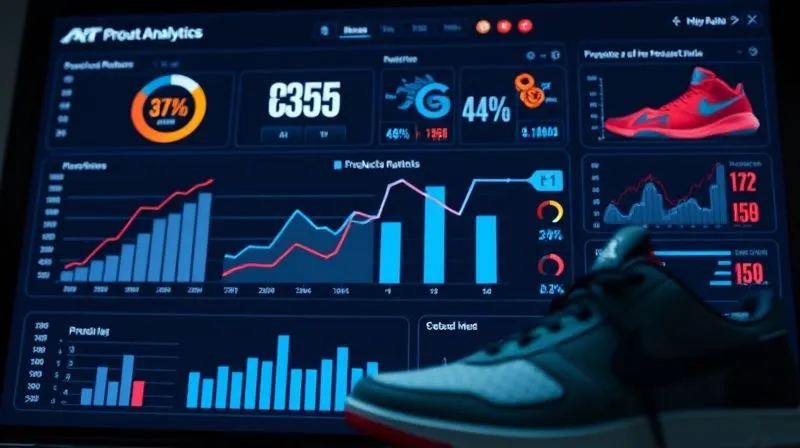
Returns, while costly, are also a goldmine of information. By meticulously analyzing return data, you can uncover patterns and make data-driven decisions to prevent future occurrences.
Identifying Return Patterns by Model, Size, and Geography
Don't just track the number of returns; categorize them. Is a particular model consistently returned for being 'too small'? Does a specific size in a certain region have an unusually high return rate? Are there specific colors or materials that trigger more returns?
These insights can point to manufacturing inconsistencies, faulty sizing guidance for a particular product line, or even regional preferences that your marketing isn't addressing. As Harvard Business Review often emphasizes, data is only valuable when transformed into actionable intelligence.
The Feedback Loop: Integrating Return Data into Product Development
The insights derived from return data should not stay within the returns department. They must be fed back into product development, design, and marketing. If customers consistently return a shoe for lacking arch support, that's a clear signal for future design iterations or for clearer communication about the shoe's support profile.
Case Study: How 'StrideTech' Reduced Returns by 18%
StrideTech, a mid-sized athletic footwear brand, faced a significant challenge with a 22% return rate on their flagship running shoe, the 'Velocity X'. Their data analytics showed that 60% of these returns were due to 'fit issues' and 'uncomfortable feel' in sizes 9-11. By implementing the data feedback loop I described, they discovered a slight inconsistency in the last (shoe mold) used for those specific sizes in one of their factories.
They also realized their product description wasn't adequately explaining the shoe's firmer, responsive ride, leading to returns from customers expecting a plush, soft feel. StrideTech swiftly corrected the manufacturing flaw and updated their product pages with more precise descriptions, including a 'ride profile' graphic. Within six months, the return rate for the Velocity X dropped to 14%, resulting in a 7-figure annual saving and a significant boost in customer reviews.
Quality Control and Supply Chain Excellence: Preventing Issues at the Source
No amount of excellent marketing or customer service can fully compensate for a fundamentally flawed product. Robust quality control throughout the manufacturing and supply chain process is non-negotiable for performance athletic shoes.
Robust Testing Protocols for Performance and Durability
Before any shoe hits the market, it must undergo rigorous testing. This includes:
- Biomechanical Testing: Ensuring the shoe performs as intended for different foot strikes and gait cycles.
- Material Durability Tests: Abrasion resistance, tensile strength, fatigue testing.
- Wear Testing: Real-world testing by athletes in varying conditions.
- Fit Consistency Checks: Regularly auditing samples from production runs against master lasts and size specifications.
Supplier Partnerships and Continuous Improvement
Your supply chain partners are an extension of your brand. Foster strong relationships built on transparency and a shared commitment to quality. Regular audits of manufacturing facilities, clear communication of quality standards, and a process for addressing deviations are paramount.
Implement a continuous improvement cycle where feedback from returns and quality checks directly informs adjustments in manufacturing processes or material sourcing. This proactive approach prevents issues from becoming widespread problems.
Refining Your Returns Policy: Balancing Flexibility with Deterrence
While the goal is to reduce returns, a fair and clear returns policy is essential for building trust. The key is to strike a balance between customer-centric flexibility and deterring abuse.
Clear Guidelines and Streamlined Processes
Your returns policy should be easy to find, easy to understand, and easy to execute. Ambiguity leads to frustration, which can exacerbate the return experience. Clearly state:
- The return window (e.g., 30 days).
- Conditions for return (e.g., unworn, original packaging, tags attached).
- Required documentation (e.g., proof of purchase).
- How to initiate a return (online portal, in-store).
- Expected refund timeline.
Offering Alternatives: Exchanges, Store Credit, or Expert Consultation
Instead of a direct refund, consider offering exchanges for a different size or model first. This not only retains revenue but also helps the customer find the *right* product, fostering loyalty. Store credit can also be a good alternative, keeping the customer's spend within your brand ecosystem.
For performance shoes, offering a consultation with a footwear specialist before processing a return can be invaluable. Often, a minor adjustment like a different lacing technique or an insert can resolve a perceived fit issue, saving the sale and delighting the customer.
The Sustainability Angle: A New Imperative in Return Reduction
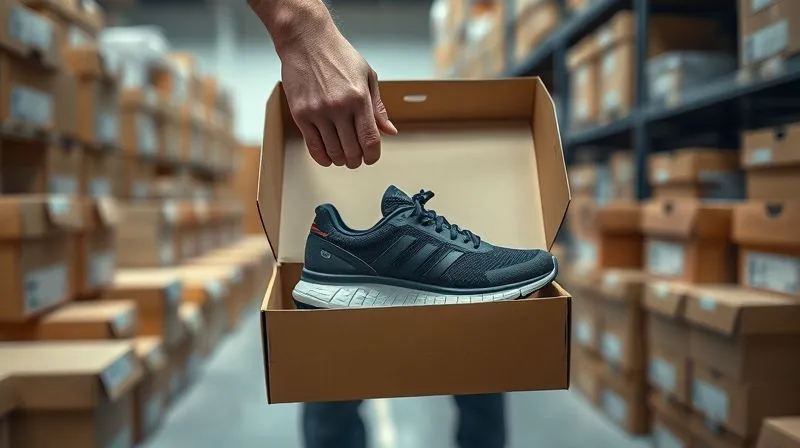
In today's conscious consumer landscape, sustainability is no longer a niche concern; it's a core expectation. Reducing returns directly contributes to your brand's environmental stewardship. Each prevented return means less carbon emissions from shipping, less packaging waste, and fewer products potentially ending up in landfills.
Brands that actively communicate their efforts to reduce returns as part of a broader sustainability initiative can resonate deeply with environmentally-minded consumers. This adds another powerful incentive beyond the financial gains.
Frequently Asked Questions (FAQ)
Q: How can I differentiate between a genuine fit issue and a customer simply changing their mind? A: This is a nuanced challenge. Detailed return reason codes collected during the return process are crucial. If a customer consistently selects 'too small' for a specific model, it points to a fit issue. If 'changed mind' or 'ordered wrong item' is frequent, it might suggest issues with product clarity or impulse buying. Post-return surveys asking for specific feedback can also help clarify intent. Advanced analytics can also flag customers with unusually high return rates across various product categories, suggesting potential 'wardrobing' behavior.
Q: Is it better to have a very lenient or a strict returns policy to reduce returns? A: Neither extreme is ideal. A very lenient policy can encourage over-ordering and 'wardrobing' (buying multiple sizes/styles with intent to return most). A very strict policy, conversely, can deter purchases and damage customer trust. The sweet spot is a clear, fair, and transparent policy that offers a reasonable return window, encourages exchanges, and has clear conditions for acceptable returns (e.g., unworn, original packaging). The goal is to make the *right* purchase easy, not the *return* easy.
Q: How quickly should I process refunds for returned athletic shoes? A: Speed is critical for customer satisfaction. Aim to process refunds within 3-5 business days of receiving the returned item. Delays can lead to customer frustration and negative reviews, undermining all your efforts to reduce returns. Transparent communication about the refund timeline at every step (return initiated, item received, refund processed) is also vital.
Q: Can offering free returns actually help reduce overall returns? A: This is counter-intuitive but can be true. Free returns reduce the friction of trying a product, which can lead to higher conversion rates. However, for free returns to *reduce* overall returns, they must be coupled with robust pre-purchase guidance (like advanced sizing tools) that ensures the customer makes the correct choice initially. If not, free returns can inflate return rates. It's a strategy best deployed when your confidence in guiding customers to the right product is very high.
Key Takeaways and Final Thoughts
Reducing frequent returns of performance athletic shoes is not a quick fix; it's a strategic imperative that touches every aspect of your business, from design and manufacturing to marketing and customer service. It demands a holistic, data-driven approach built on a deep understanding of your customer and your product.
- Invest in Pre-Purchase Guidance: Accurate sizing tools, detailed product descriptions, and rich visuals are your first line of defense.
- Manage Expectations: Be transparent and realistic in your marketing about shoe performance and fit.
- Leverage Data: Turn return data into actionable insights to improve products and processes.
- Prioritize Quality: Robust QC and strong supplier partnerships prevent issues at the source.
- Engage Post-Purchase: Offer support and educational content to ensure satisfaction.
- Optimize Your Policy: Create a fair, clear, and efficient returns process that balances flexibility with deterrence.
By embracing these strategies, you won't just see a reduction in return rates; you'll build a more resilient, reputable, and profitable brand that earns lasting customer loyalty. In the competitive world of athletic footwear, truly understanding and serving your customer is the ultimate win.
Recommended Reading
- Mastering Shoe Release Demand: 5 Steps for Retailers to Forecast Accurately
- Unleash Your Style: How to Incorporate Bold Prints into Streetwear Outfits
- 7 Ways Unique Fashion Photos Drive Sales: A Pro's Guide to Impact
- Ultimate Guide: What Innovative Fabrics Minimize Odor in Men's Activewear?
- Unlock Your Best Silhouette: How to Style Pear Shape Body for Flattering Looks



Your email address will not be published. Required fields are marked *