

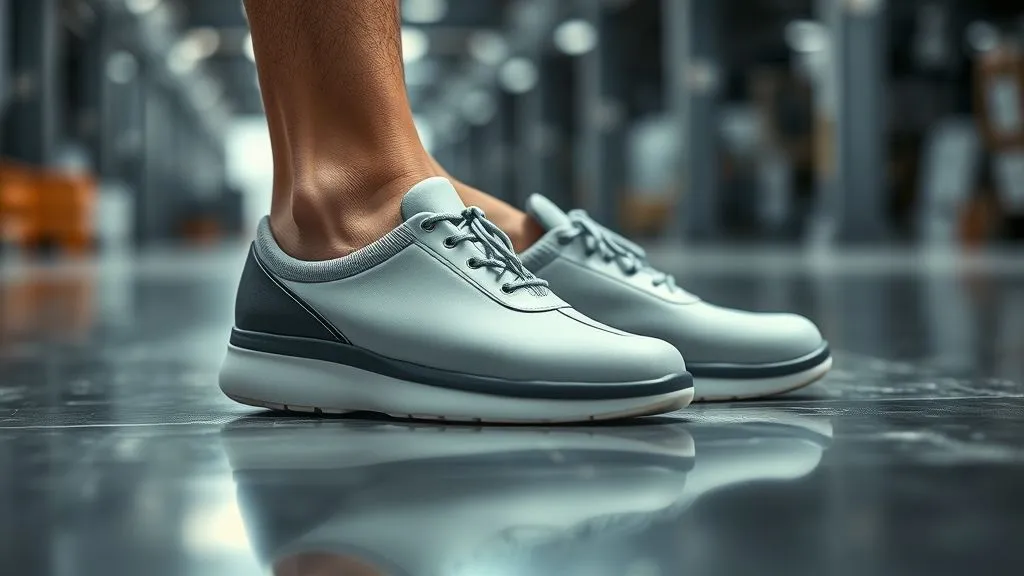
For over two decades in the footwear industry, specializing in ergonomic solutions, I've witnessed firsthand the debilitating impact that improper footwear can have on a person's quality of life and professional performance. It's a common story: dedicated individuals pushing through long shifts, only to be met with escalating foot pain, especially from conditions like bunions.
Bunion pain isn't just a minor discomfort; it's a persistent, throbbing ache that can radiate through your entire body, affecting concentration, mood, and even your ability to enjoy time off. The pressure and friction from ill-fitting shoes exacerbate the problem, turning every step into a grim reminder of the underlying issue. Many believe it's an inevitable part of their job, but I assure you, it doesn't have to be.
In this comprehensive guide, I'll draw upon my extensive experience to provide you with actionable insights and specific recommendations. We’ll delve into the biomechanics of bunions, explore the critical features of truly ergonomic work shoes, and identify specific brands and styles that consistently deliver relief and prevention. My goal is to equip you with the knowledge to make an informed choice, ensuring your long shifts are marked by comfort, not pain.
Understanding Bunions: More Than Just a Bump
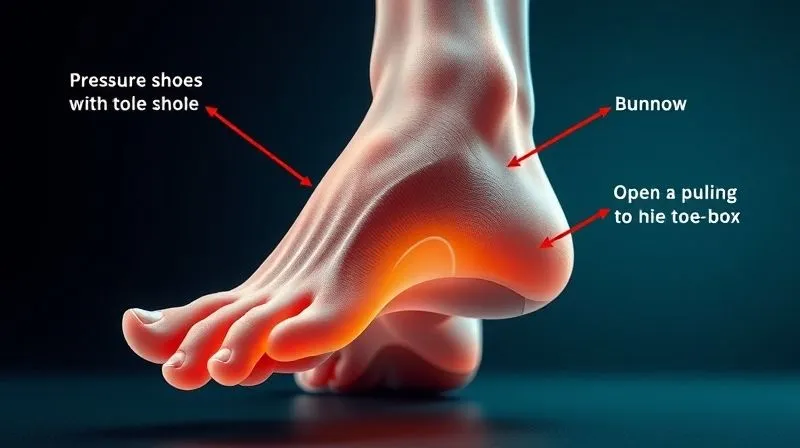
Before we dive into footwear solutions, it’s crucial to understand what a bunion truly is. A bunion, or hallux valgus, is a bony bump that forms on the joint at the base of your big toe. It develops when your big toe pushes against your next toe, forcing the joint of your big toe to stick out. This misalignment can lead to significant pain, swelling, and redness, particularly under pressure.
The progression of a bunion is often gradual, influenced by genetics, foot mechanics, and, critically, footwear choices. High heels, narrow toe boxes, and shoes lacking proper support can accelerate its development and intensify symptoms. It's a condition that demands attention, not just for comfort but for long-term foot health.
"Ignoring bunion pain is like driving with a flat tire – it only gets worse and can cause damage to the entire vehicle. Addressing it proactively with the right footwear is paramount."
The Biomechanics of Bunion Pain & Footwear Interaction
When you stand or walk for extended periods, your feet bear the brunt of your body weight, often several times over with each step. For someone with a bunion, this constant pressure on the misaligned joint can lead to inflammation, nerve irritation, and structural stress. Improper footwear amplifies these forces, creating a vicious cycle of pain.
A shoe with a narrow toe box will compress the forefoot, pushing the big toe further into its valgus deformity and directly irritating the bunion. Lack of arch support can lead to pronation (rolling inward of the foot), which can also contribute to the forces that worsen bunions. The wrong sole can transfer excessive impact shock to the foot, exacerbating discomfort. As an expert, I always emphasize that the shoe isn't just covering the foot; it's interacting with its biomechanics.
Key Features of Ergonomic Work Shoes for Bunion Prevention & Relief
Selecting the right work shoe isn't about finding the 'prettiest' or 'cheapest' option; it's about investing in your long-term foot health. Here are the non-negotiable features I look for when recommending ergonomic work shoes for bunion sufferers:
1. The Critical Importance of a Wide Toe Box
This is arguably the most crucial feature. A wide, deep, and anatomical toe box allows your toes to splay naturally, preventing any compression on the bunion. It gives the big toe joint the space it needs, eliminating friction and pressure points. Many standard shoes, even those marketed as 'comfortable,' still taper at the toe, which is detrimental.
2. Superior Arch Support and Midfoot Stability
Proper arch support helps maintain the natural alignment of your foot, reducing overpronation which can contribute to bunion development and pain. It distributes pressure evenly across the foot, offloading stress from the forefoot and big toe joint. Look for shoes with built-in orthopedic-grade arch support or those that accommodate custom orthotics.
3. Cushioned & Responsive Midsole
A well-cushioned midsole absorbs impact forces, protecting your joints during long periods of standing or walking. Materials like EVA (ethylene-vinyl acetate) or proprietary foam blends offer excellent shock absorption without adding excessive weight. The responsiveness ensures that while cushioned, the shoe still provides energy return, reducing fatigue.
4. Secure Heel Counter and Ankle Support
A firm heel counter helps stabilize the rearfoot, preventing unnecessary movement that could lead to compensatory pronation or supination. Combined with good ankle support (especially in boots), it ensures the entire foot is held securely, promoting proper alignment and reducing strain on the bunion.
5. Flexible, Non-Slip Outsole
While often overlooked, the outsole plays a vital role. A flexible outsole allows for natural foot movement during gait, while a non-slip design is crucial for workplace safety. Look for durable rubber compounds with appropriate tread patterns for your specific work environment.
6. Adjustable Closures (Laces or Straps)
Laces or adjustable straps allow for a customized fit, accommodating swelling throughout the day and ensuring the shoe is snug without being constricting. This is particularly important for bunion sufferers who may need to loosen their shoes slightly as the day progresses.
Top Ergonomic Work Shoe Categories & Specific Recommendations
Based on my experience and feedback from countless clients, certain categories and brands consistently excel in providing bunion-friendly work solutions. Remember, individual needs vary, so consider these as starting points for your own research and fitting process.
A. Athletic-Inspired Work Shoes (Sneakers & Trainers)
These are excellent for jobs requiring significant walking or standing, offering a blend of athletic comfort and workplace durability. They often feature generous toe boxes and advanced cushioning.
- Hoka One One (e.g., Bondi SR, Clifton L): Known for their maximalist cushioning and often wider toe boxes. The Bondi SR, in particular, is designed for service professionals, offering exceptional shock absorption and a slip-resistant outsole.
- Brooks (e.g., Addiction Walker, Glycerin): The Addiction Walker is a classic for its support and roomy fit. Brooks generally offers good arch support and durable cushioning.
- New Balance (e.g., 840v5, Fresh Foam X 860v13): Many New Balance models come in various widths, including wide and extra-wide, which is a game-changer for bunions. Their Fresh Foam technology provides plush cushioning.
B. Professional & Service Industry Footwear
For roles requiring a more formal appearance or specific safety features, these options prioritize comfort without compromising professionalism.
- Dansko (e.g., Professional Clog, XP 2.0): While clogs aren't for everyone, Dansko's Professional series offers a famously roomy toe box, excellent arch support, and often a rocker bottom sole that reduces forefoot pressure. The XP 2.0 offers even more cushioning.
- Skechers Work (e.g., Squad SR, Sure Track): Skechers offers a wide range of work-specific shoes with memory foam insoles, slip-resistant outsoles, and often a relaxed fit design that provides extra toe room.
- Klogs Footwear (e.g., Naples, Mission): Similar to Dansko, Klogs provide generous toe room and excellent shock absorption, often with anti-fatigue technology.
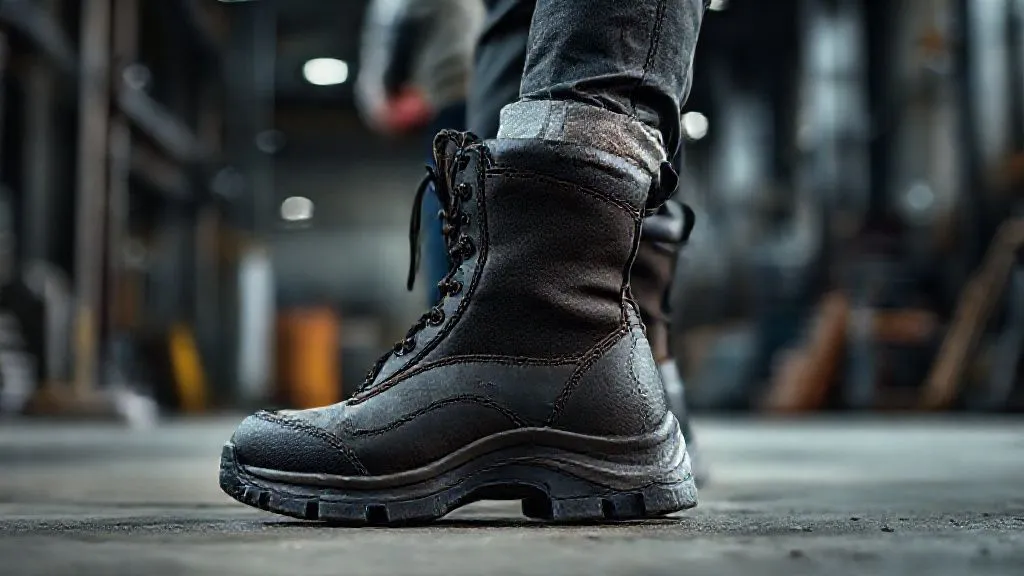
C. Safety Toe Footwear (for Industrial Environments)
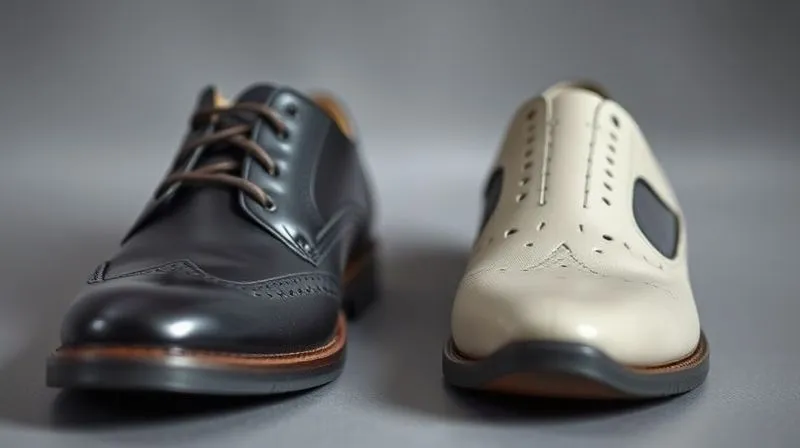
When steel or composite toes are required, finding bunion-friendly options can be challenging, but it's not impossible.
- Keen Utility (e.g., Braddock Low, Lansing): Keen is renowned for its signature wider toe box, even in its safety toe models. Their utility line offers robust protection with good comfort features.
- Carhartt (e.g., Force 5" EH, Lightweight Work Hiker): Many Carhartt work boots and shoes are designed with ample toe room and provide solid support for demanding work environments.
- Timberland PRO (e.g., Titan, Powertrain Sport): Look for models that specifically mention 'wide' or 'relaxed' fit options. Timberland PRO offers durable, protective footwear that can accommodate wider feet and bunions.
A Mini Case Study: Sarah's Journey to Pain-Free Shifts
Case Study: How Sarah, a Retail Manager, Conquered Bunion Pain
Sarah, a 45-year-old retail manager, spent 10-12 hours a day on her feet, constantly moving between the sales floor and stockroom. For years, she suffered from excruciating bunion pain, often resorting to taking pain relievers multiple times a day. Her initial approach was to buy 'comfortable' sneakers, but even these didn't alleviate the pressure on her bunions due to their tapering toe boxes. She was on the verge of seeking surgical consultation.
During a consultation with a podiatrist, she was advised to focus specifically on footwear with a wide, anatomical toe box and robust arch support. Following this advice, and after trying several brands, Sarah invested in a pair of Hoka One One Bondi SRs for her workdays and a pair of Dansko XP 2.0 clogs for less formal tasks that still required standing. The immediate difference was remarkable.
Within two weeks, Sarah reported a significant reduction in pain – from an average daily pain level of 8/10 to a manageable 2/10. The wide toe box of the Hoka shoes allowed her toes to spread naturally, eliminating the direct pressure on her bunions. The superior cushioning and arch support reduced overall foot fatigue and improved her gait. She no longer needed daily pain medication, her mood improved, and she found herself with more energy at the end of her shifts. This resulted in a noticeable boost in her productivity and a happier disposition, demonstrating the profound impact of truly ergonomic footwear.
The Importance of Proper Sizing and Fitting
Even the best ergonomic shoe won't help if it's the wrong size. I've seen countless individuals buy shoes that are too short or too narrow, negating all the benefits of an ergonomic design. Here's my expert advice:
- Measure Your Feet Regularly: Your foot size can change over time. Get both feet measured, especially the length and width, preferably at the end of the day when feet are slightly swollen.
- Consider Widths: Don't just settle for 'standard' width. If you have bunions, you likely need a wide or even extra-wide fitting. Many brands offer multiple width options.
- Try On Both Shoes: Always try on both shoes. Walk around the store for a few minutes. Pay attention to how the bunion area feels – there should be no pressure or rubbing.
- Wear Your Work Socks: Bring the type of socks you'll wear for work to ensure an accurate fit.
- Check for Toe Clearance: There should be about a thumb's width of space between your longest toe and the end of the shoe.
Beyond Shoes: Holistic Approaches to Bunion Management
While the right footwear is fundamental, a holistic approach can further enhance bunion relief and prevention. As an industry specialist, I always advocate for combining footwear solutions with other supportive measures.
Custom Orthotics vs. Over-the-Counter Inserts
For many with bunions, especially if coupled with flat feet or high arches, custom orthotics can provide targeted support and alignment correction that even the best shoe inserts can't match. They help redistribute pressure and improve biomechanics. However, quality over-the-counter inserts with good arch support can be a great starting point. According to a study published in the Journal of Foot and Ankle Research, appropriate orthotics can significantly reduce forefoot pressure.
Foot Exercises and Stretches
Strengthening the intrinsic muscles of the foot can help improve overall foot health and potentially slow bunion progression. Simple exercises like toe splaying, marble pickups, and calf stretches can make a difference. Consult with a physical therapist for a personalized regimen.
Regular Foot Care and Podiatric Consultation
Don't underestimate the value of regular foot care. Keep your feet clean and moisturized. If bunion pain persists or worsens despite ergonomic footwear, it's crucial to consult a podiatrist. They can offer professional advice, diagnose underlying issues, and discuss non-surgical or surgical options if necessary. As the American Podiatric Medical Association emphasizes, early intervention is key.
| Feature | Benefit for Bunions | Why it's Crucial |
|---|---|---|
| Wide Toe Box | Eliminates compression & friction, allows natural toe splay. | Directly prevents irritation and worsening of bunion deformity. |
| Arch Support | Corrects pronation, distributes pressure evenly, reduces forefoot strain. | Improves foot biomechanics, preventing stress on the big toe joint. |
| Cushioned Midsole | Absorbs impact, reduces joint stress, minimizes fatigue. | Protects sensitive joints during long periods of standing/walking. |
| Secure Heel Counter | Stabilizes rearfoot, promotes overall foot alignment. | Prevents compensatory movements that can exacerbate bunion pain. |
| Adjustable Fit | Accommodates swelling, ensures snug but not tight fit. | Customizable comfort throughout the day, essential for fluctuating foot size. |
Frequently Asked Questions (FAQ)
Can bunions be completely cured by wearing ergonomic shoes? While ergonomic shoes are incredibly effective at preventing bunion pain and slowing their progression, they typically cannot 'cure' an existing bunion, especially if it's already significantly developed. They manage symptoms, provide comfort, and prevent worsening. For a complete 'cure,' surgical intervention might be necessary, but proper footwear can often help avoid or delay that need.
How long does it take to feel relief after switching to ergonomic work shoes? Many individuals report noticeable relief within a few days to a couple of weeks, depending on the severity of their bunions and how consistently they wear the new shoes. It takes time for the foot to adapt to better support and reduced pressure. Be patient, but if discomfort persists after a month, re-evaluate the shoe choice or consult a podiatrist.
Are 'wide' shoes always sufficient for bunions, or do I need something specific? While 'wide' shoes are a good start, it's crucial to look for shoes with an 'anatomical' or 'extra-deep' toe box. Some wide shoes might still taper at the front. The key is ensuring ample, unrestricted space specifically for the big toe joint and the entire forefoot, allowing toes to splay naturally without compression.
What if my workplace requires specific safety boots (e.g., steel toe) that are typically narrow? This is a common challenge. Thankfully, many reputable safety footwear brands now offer models specifically designed with wider toe boxes or in multiple widths. Brands like Keen Utility, Carhartt, and certain Timberland PRO lines are known for accommodating wider feet and providing generous toe room even with safety features. Always inquire about wide-fit options when purchasing safety footwear.
Should I still wear my old, non-ergonomic shoes for short periods outside of work? I strongly advise against it. Consistency is key. Even short periods in ill-fitting shoes can undo the benefits gained from your ergonomic work footwear. Think of it this way: you wouldn't drive a car with a flat tire even for a short trip if you could avoid it. Prioritize comfort and foot health in all your footwear choices, including casual shoes.
Key Takeaways and Final Thoughts
Navigating the world of ergonomic footwear for bunion pain during long shifts can seem daunting, but with the right knowledge, it's a battle you can absolutely win. My decades in this niche have taught me that comfort and performance are not mutually exclusive; in fact, they're deeply interconnected.
- Prioritize a Wide Toe Box: This is your number one defense against bunion compression and friction.
- Demand Excellent Arch Support: Proper support corrects alignment and distributes pressure effectively.
- Seek Out Cushioning and Stability: These features reduce impact and provide overall foot integrity.
- Invest in Quality: Think of ergonomic footwear as an investment in your health, productivity, and future comfort.
- Don't Forget Fit: Always measure your feet and try on shoes at the end of the day.
- Embrace a Holistic Approach: Combine great shoes with orthotics, exercises, and professional advice.
You deserve to complete your long shifts without the debilitating distraction of bunion pain. By making informed choices about your footwear, you're not just buying shoes; you're reclaiming your comfort, energy, and overall well-being. Take these insights, apply them diligently, and step confidently towards a pain-free work life. Your feet will thank you.
Recommended Reading
- 7 Reasons Comfort Shoe Designs Fail User Acceptance Tests (And How to Fix Them)
- Mastering Slim-Fit Denim: 7 Ways to Shine in Professional Presentations
- 5 Indestructible Eyewear Materials: End Breakage for Active Customers?
- Elevate Your Presence: 7 Flattering Styles for Boardroom Confidence
- 5 Reasons Your Bridesmaid Dress Consults Aren't Converting


Your email address will not be published. Required fields are marked *