

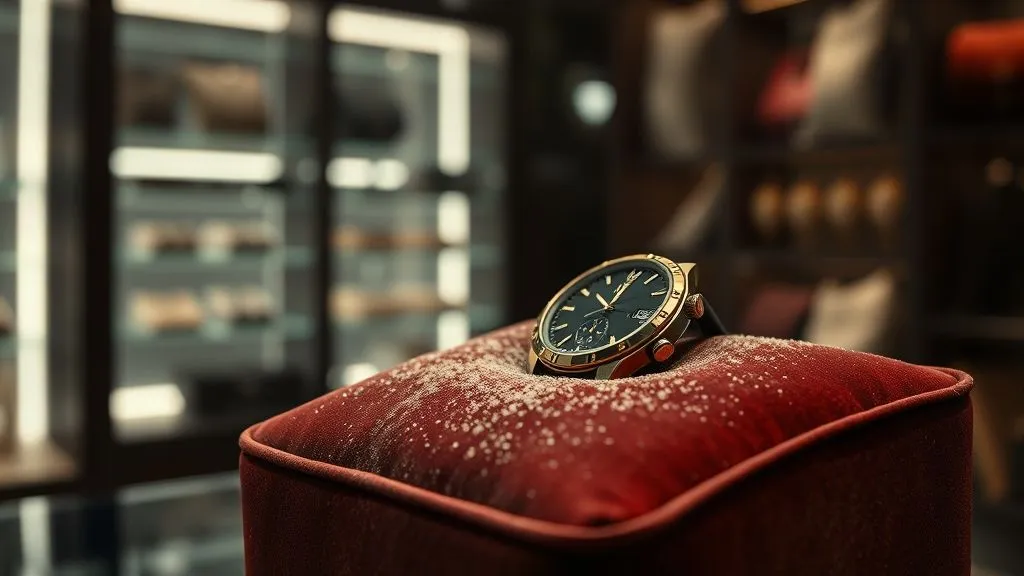
What to do when luxury gift accessory inventory isn't moving?
For over two decades in the luxury fashion and accessories sector, I've witnessed a common, yet often paralyzing, challenge: the silent accumulation of high-value inventory. It's a predicament that strikes fear into the hearts of even the most seasoned retailers, transforming once-coveted items into costly liabilities.
The problem isn't just about unsold stock; it's about capital tied up, space wasted, and the subtle erosion of a brand's prestige. Unlike fast fashion, luxury items carry an inherent expectation of timelessness and desirability, making the prospect of discounting or 'clearance' a delicate tightrope walk.
But fear not. In this definitive guide, I will share the strategies, frameworks, and expert insights I've developed and refined over years of navigating the nuanced world of luxury retail. You'll learn not just what to do when luxury gift accessory inventory isn't moving, but how to do it with integrity, preserving your brand's allure while effectively revitalizing your sales pipeline.
The Anatomy of Stagnant Luxury Inventory: Beyond Simple Sales Slumps
Before we can fix the problem, we must understand its roots. Stagnant luxury inventory isn't merely a 'sales slump'; it often signals deeper systemic issues, unique to the high-end market. It’s a complex interplay of consumer psychology, market dynamics, and operational missteps.
Misunderstanding the Luxury Consumer
The luxury consumer isn't driven by price points alone; they seek an experience, a story, a sense of belonging, and an affirmation of their status. If your inventory isn't moving, it might be because the narrative around it has lost its luster, or perhaps, was never truly compelling to begin with.
“Luxury is not about expense, but about the experience of value. When items sit, it often means we’ve failed to communicate that intrinsic worth.”
Market Shifts and Trend Mismatches
Even in luxury, trends evolve. While classic pieces endure, accessories, especially gift-oriented ones, can be highly susceptible to shifts in taste, cultural influences, or even economic sentiment. What was desirable last season might feel less urgent today.
- Changing Aesthetics: A shift from minimalist to maximalist, or vice-versa, can render certain styles less appealing.
- Cultural Relevance: Accessories tied to specific cultural moments or celebrity endorsements can lose momentum quickly.
- Economic Sentiment: During uncertain times, even luxury consumers might gravitate towards more 'sensible' or investment-grade pieces over purely decorative gifts.
Phase 1: Deep Dive Diagnostics – Unearthing the Root Cause
The first step in addressing what to do when luxury gift accessory inventory isn't moving is to stop guessing and start analyzing. My approach always begins with a rigorous, data-driven audit.
Data-Driven Inventory Analysis
You need to understand exactly what isn't selling, why, and to whom (or not to whom). This isn't just about looking at sales figures; it's about deep segmentation.
- ABC Analysis Revisited: Categorize your inventory by value and sales volume. Focus intensely on your 'C' items (low value, low sales) and 'B' items that are trending towards 'C'.
- Sales Velocity Tracking: Don't just look at how much you have, but how quickly it moves. Identify items with significantly slower turns than your category average.
- Customer Segmentation Review: Which customer segments typically purchased these items? Have those segments shifted their preferences or spending habits? Are new segments emerging that you're not reaching?
- Seasonality & Lifecycle Assessment: Was this item meant for a specific season or trend that has passed? Is it at the end of its product lifecycle?
| Metric | Average Sales / Month | Days of Inventory | Last Sale Date | |||
|---|---|---|---|---|---|---|
| Item SKU | Current Stock (Units) | Profit Margin (%) | Customer Segment Fit | |||
| A101 (Watch) | 2 | 60 | 900 | 45 | 2023-01-15 | Corporate Gifting |
| B205 (Scarf) | 5 | 100 | 600 | 30 | 2023-03-20 | Fashion Enthusiast |
| C310 (Bracelet) | 1 | 30 | 900 | 50 | 2022-11-01 | Discerning Collector |
Re-evaluating Your Target Audience
It’s crucial to ask: has your ideal customer evolved? Are you still speaking their language? Luxury consumers are increasingly diverse, with new demographics entering the market, such as Gen Z and Millennials who prioritize sustainability and unique experiences. Understanding their motivations is paramount. According to a Harvard Business Review article on the new rules of luxury, brands must adapt to these shifting values to remain relevant.
Supply Chain & Procurement Review
Sometimes, the problem isn't demand, but supply. Over-ordering based on outdated forecasts or optimistic projections can quickly lead to excess. A thorough review of your procurement processes, lead times, and minimum order quantities can reveal inefficiencies that contribute to stagnant inventory.
Phase 2: Strategic Repositioning – Reigniting Desire
Once you understand why your inventory isn't moving, the next phase is to strategically reposition these items. This isn't about hiding their past; it's about crafting a compelling future for them.
Crafting a New Narrative: The Power of Storytelling
Luxury thrives on narrative. If an item isn't selling, its current story isn't resonating. Can you unearth a new angle? Perhaps it's a forgotten classic, a piece with unique craftsmanship, or an item that embodies a particular historical period or artistic movement. Reframe the item's value beyond its initial perceived appeal.
Case Study: How 'Elegance Revived' Boutique Transformed Old Stock
Elegance Revived, a high-end accessories boutique, found itself with a significant quantity of exquisite, but dated, Art Deco-inspired necklaces. Instead of discounting, they launched a campaign called 'Timeless Treasures: A Roaring Twenties Revival.' They hired a professional stylist to photograph the necklaces with contemporary fashion, hosted an intimate in-store event featuring a jazz band and themed cocktails, and collaborated with a local historian to share stories of the Art Deco era. This repositioning transformed the necklaces from 'old stock' into 'coveted vintage-inspired heirlooms,' selling out the collection at full price within two months. This demonstrates the power of narrative in changing perception.
Exclusive Bundles & Curated Collections
Instead of selling a single slow-moving item, bundle it with a newer, more popular item, or create a limited-edition collection around it. This adds perceived value and exclusivity without directly discounting the primary item.
- The "Perfect Pair": Combine a stagnant luxury watch with a newly released, highly desirable strap.
- The "Curator's Choice": Group several complementary, slow-moving items into a beautifully packaged, limited-edition gift set.
- The "Collector's Edition": Repackage an item with a unique certificate of authenticity, a book on its history, or a signed print from its designer.
Experiential Marketing & Pop-Up Showcases
Luxury is increasingly about experience. Instead of waiting for customers to come to a stale display, bring the items to life in new, exciting environments. Pop-up shops in unexpected, high-traffic luxury locations, or exclusive 'by invitation only' viewing events, can generate buzz. As marketing guru Seth Godin often says, "People don't buy goods and services. They buy relations, stories, and magic." Create that magic.
Phase 3: Targeted Outreach & Innovative Sales Channels
Once your items are repositioned, the next challenge is to get them in front of the right people, through the right channels.
Personalized Clienteling & VIP Events
Your existing VIP clients are your most valuable asset. They trust your brand and appreciate exclusivity. Leverage your sales associates to personally reach out to clients who might appreciate these repositioned items, perhaps linking them to past purchases or personal styles.
- Identify Key Clients: Use CRM data to pinpoint clients who have purchased similar items or whose profiles align with the repositioned product.
- Personalized Invitations: Send exclusive invitations for a private viewing or a small, intimate event showcasing the 'new' collection.
- One-on-One Consultations: Offer personalized styling sessions where these items are subtly introduced as unique finds.
Leveraging Consignment & Secondary Luxury Markets
Sometimes, direct retail isn't the best path. High-end consignment stores or reputable online secondary luxury markets can offer a discreet way to move inventory without directly impacting your brand's primary retail image. Platforms like The RealReal or Vestiaire Collective have established trust with luxury consumers looking for unique pieces. This strategy allows you to recoup some capital without resorting to deep, public discounts that could devalue your brand. For more insights, explore articles on the growth of the luxury resale market.
Digital Transformation: E-commerce & Social Commerce Reloaded
Ensure your online presence is impeccable. High-quality, aspirational photography and videography are non-negotiable. Explore influencer collaborations with micro-influencers whose audience aligns perfectly with the repositioned items. Consider live shopping events where the story and craftsmanship of these pieces can be authentically conveyed, answering customer questions in real-time.
| Channel | Pros | Cons | Best For Repositioned Items |
|---|---|---|---|
| Direct Retail (In-Store) | Personalized service, immediate gratification, brand experience | High overheads, limited reach, perception of 'old stock' | VIP events, curated displays, one-on-one clienteling |
| E-commerce (Website) | Global reach, 24/7 availability, rich storytelling potential | High competition, requires continuous optimization, shipping logistics | Dedicated landing pages, high-quality visuals, online bundles |
| Luxury Consignment/Resale | Brand integrity preserved, capital recoup, new customer base | Lower margins, less control over branding, potential for 'used' perception | Older collections, unique or rare pieces, high-value items |
| Social Commerce (Live Shopping) | Interactive, instant sales, authentic engagement | Requires strong host, technical setup, time-sensitive | Storytelling, Q&A, limited-time offers |
Phase 4: Mindful Price Adjustments – The Art of De-Escalation
When all else fails, or when a quicker resolution is needed, price adjustments become necessary. However, in luxury, this must be handled with extreme care to avoid brand devaluation.
Strategic Discounting vs. Value Erosion
Never just slap a '50% off' sticker on a luxury item. This can instantly diminish its perceived value and signal desperation. If you must discount, do it strategically:
- Private Sales: Offer discounts exclusively to your VIP clients as a token of appreciation.
- Limited-Time Offers: Create a sense of urgency and scarcity around a specific, short window.
- Tiered Discounts: Offer a smaller discount initially, with a deeper one only if items still don't move after a set period.
“Discounting in luxury is a surgical procedure, not a blunt instrument. It must be precise, discreet, and framed as a privilege, not a price correction.”
Gifting with Purchase & Value-Added Incentives
Instead of reducing the price of the luxury item itself, consider adding value through complementary gifts or services. This maintains the item's original price integrity while still incentivizing purchase.
- Complimentary Engraving or Customization: For watches or jewelry.
- Luxury Styling Session: Offer a free consultation with a personal stylist upon purchase.
- Exclusive Membership or Access: Provide a temporary VIP membership or access to a future exclusive event.
- Premium Packaging Upgrade: Elevate the unboxing experience with bespoke packaging.
Learning from the Past: Preventing Future Stagnation
The best way to address what to do when luxury gift accessory inventory isn't moving is to prevent it from happening again. This requires a proactive, forward-thinking approach to inventory management and market intelligence.
Robust Forecasting & Demand Planning
Invest in sophisticated forecasting tools and methodologies. Don't just rely on historical data; incorporate real-time market signals, trend analysis, and even predictive analytics to anticipate demand more accurately. This will help you optimize your initial buys and reduce the risk of overstocking.
Agile Inventory Management Systems
Implement systems that provide real-time visibility into your inventory across all channels. This allows for quicker identification of slow-moving items and more agile decision-making regarding promotions, transfers, or repositioning efforts. Explore modern inventory systems that integrate with sales, marketing, and CRM platforms.
Continuous Market Intelligence & Trend Analysis
Stay perpetually informed about the luxury market. Attend industry events, subscribe to trend forecasting agencies, analyze competitor strategies, and continuously gather customer feedback. Understanding the evolving desires of the luxury consumer is your best defense against future inventory stagnation.
Frequently Asked Questions (FAQ)
How do I avoid devaluing my brand when clearing luxury stock? The key is discretion and perceived exclusivity. Avoid public, deep discounts. Instead, opt for private sales to VIP clients, bundling with new items, creating unique experiences around the items, or utilizing luxury consignment channels. The framing of the offer is crucial – it should feel like a privilege, not a liquidation.
Is it better to hold onto inventory or sell at a loss? This is a nuanced decision. Holding onto inventory incurs carrying costs (storage, insurance, potential obsolescence) and ties up capital. Selling at a loss (strategically) can free up capital for new, in-demand inventory, which can generate more profit in the long run. My advice is to perform a detailed cost analysis, considering both financial and brand equity impacts, before making a decision. Often, a controlled, value-added clearance is better than indefinite holding.
What role does digital marketing play in moving stagnant luxury accessories? A massive role. High-quality visuals, compelling storytelling, targeted social media campaigns (especially via platforms like Instagram, Pinterest, and even TikTok for newer luxury consumers), influencer collaborations, and personalized email marketing can breathe new life into items. Focus on creating aspirational content that highlights the unique narrative and craftsmanship of the repositioned accessories.
How important is packaging and presentation for repositioned items? Extremely important. For luxury, presentation is part of the product. If you're repositioning an item, consider upgrading its packaging, adding a personalized touch, or including a certificate of authenticity. This elevates the perceived value and signals that the item is special, reinforcing the new narrative you're trying to build.
Can collaborations help move luxury inventory? Absolutely. Strategic collaborations with complementary luxury brands, artists, or even high-profile individuals can create buzz and introduce your stagnant inventory to new, relevant audiences. For instance, a luxury watch brand could collaborate with a bespoke suit maker, offering a special package. The key is to choose partners whose values and audience align with your brand's image.
Key Takeaways and Final Thoughts
Addressing the challenge of stagnant luxury gift accessory inventory requires a blend of astute analysis, creative repositioning, and strategic execution. It's a testament to the fact that in luxury, value is often more about perception and experience than mere price.
- Diagnose Deeply: Don't guess; use data to understand the 'why' behind the stagnation.
- Reposition with Purpose: Craft compelling new narratives and experiences around your items.
- Target Precisely: Utilize personalized clienteling and innovative digital channels to reach the right audience.
- Discount Discreetly: If necessary, implement price adjustments as a privilege, not a clearance.
- Prevent Proactively: Implement robust forecasting and agile inventory management to avoid future issues.
The path to revitalizing your luxury inventory isn't always easy, but with these strategies, you can transform a challenging situation into an opportunity for innovation and renewed brand engagement. Embrace the challenge, learn from the data, and always remember the enduring power of luxury to captivate and inspire.
Recommended Reading
- Unlock Peak Results: 7 Steps to Master Anti-Aging Product Layering
- Oily Skin & Makeup Oxidization: 5 Pro Fixes for Flawless Wear
- 7 Pillars: How to Select Contemporary Menswear for Professional Authority
- 7 Proven Strategies: Sourcing Truly Unique Statement Accessories to Stand Out
- 7 Proven Strategies: How to Grow Your Fashion Photography Blog Audience



Your email address will not be published. Required fields are marked *