

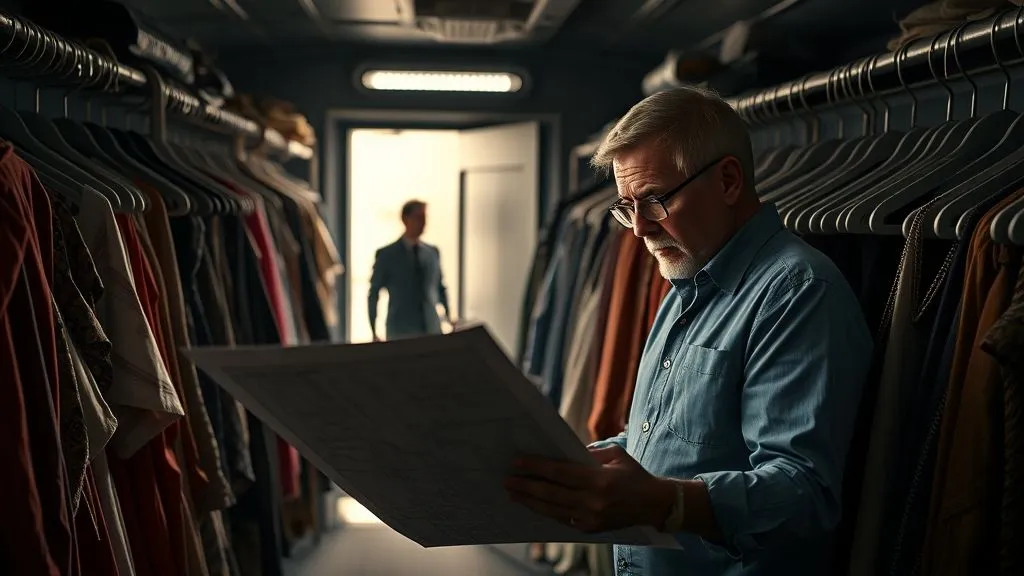
What to do when director demands last-minute movie wardrobe changes?
After more than two decades immersed in the intricate world of film costume design, I've faced every conceivable challenge, from impossible deadlines to vanishing fabrics. But perhaps the most consistently nerve-wracking scenario we encounter is the dreaded last-minute wardrobe change demand from a director. It's a moment that can send even the most seasoned costume designer into a spiral of panic, threatening budgets, schedules, and even creative integrity.
This isn't just about a minor tweak; it often signifies a fundamental shift in character, scene, or narrative tone, surfacing when pre-production is long past and cameras are rolling. The pressure is immense: you're expected to pivot instantly, deliver flawlessly, and often with resources that are already stretched to their absolute limit. It's a test of skill, resilience, and diplomatic prowess.
In this definitive guide, I'll share the battle-tested strategies and expert frameworks I've developed over years in the trenches. You'll learn not just how to react, but how to anticipate, mitigate, and even thrive when the director demands last-minute movie wardrobe changes, turning potential disaster into a testament to your professionalism and creative problem-solving.
The Anatomy of a Last-Minute Wardrobe Demand
Before we can effectively address these demands, we must understand their root cause. A director's eleventh-hour request isn't always arbitrary; it often stems from a new realization on set, a performance nuance, or a technical requirement that only becomes apparent under the camera's gaze. It's rarely a personal slight against your work.
Understanding the "Why" Behind the Change
In my experience, the 'why' can be multifaceted. Sometimes, a director sees an actor embody a character in a way that suddenly shifts their vision for their appearance. Other times, lighting or camera angles reveal an unexpected issue with fabric, color, or silhouette. Understanding this underlying motivation is the first step towards a constructive resolution.
Identifying Different Types of Demands
Not all last-minute changes are created equal. They can range from a minor alteration to a complete character redesign. A minor tweak might involve adjusting a hem, adding a specific accessory, or changing a shoe. A moderate revision could mean sourcing an entirely new garment, dyeing an existing one, or significant custom alteration. The most challenging is a major overhaul, which might involve creating a new costume from scratch, requiring extensive fabric sourcing, pattern making, and construction in a drastically compressed timeframe.
"Always assume the director's vision, however late, is rooted in their commitment to the film. Our role is to facilitate that vision, not to judge its timing."
Immediate First Steps: The On-Set Triage Protocol
When the call comes, your initial reaction is critical. Panic is a luxury you cannot afford. Instead, I advocate for an immediate, structured triage protocol to assess and respond effectively.
Stay Calm and Assess the Scope
Take a deep breath. Your composure sets the tone for your team. Immediately gather the specifics: what exactly is the director envisioning? What's the scene? Who's the character? What's the deadline? Is it for today, tomorrow, or next week? Don't assume anything; ask precise, open-ended questions to fully grasp the scope of the request.
Communicate, Don't Confront
Your relationship with the director is paramount. Approach the conversation as a collaborative problem-solver, not a gatekeeper of resources. Express understanding for their creative need, then gently and clearly outline the practical implications of the change.
- Listen Actively: Allow the director to fully articulate their vision without interruption. Note down key phrases and emotional drivers.
- Ask Clarifying Questions: "What specific emotion are you hoping this change will evoke?" or "Is there a particular visual reference you have in mind?" This ensures you're aligned.
- Propose Initial Thoughts: Offer immediate, high-level solutions or acknowledge the challenge. "I understand the need for that. Let me quickly assess our current inventory and team availability."

Strategic Communication: Bridging Vision & Reality
The art of costume design, especially in crisis, is often the art of translation. You must translate the director's abstract vision into tangible, logistical steps and communicate the realities of execution back to them.
Translating Director's Vision into Practical Terms
Once you understand the 'why' and the 'what,' break it down. What fabrics, colors, silhouettes, or construction methods are implied? Can elements of existing costumes be repurposed? Can a quick modification achieve the desired effect without a full rebuild? This is where your deep knowledge of garment construction, textiles, and design history becomes invaluable.
Presenting Solutions, Not Just Problems
Never just tell a director something is impossible. Always present options, even if they're imperfect. "We can achieve X, but it will require Y impact on budget/schedule," or "Option A is ideal but takes 48 hours; Option B is a compromise but can be done by tomorrow morning." Empower them to make an informed decision, highlighting the trade-offs.
"Your job is to manifest the vision, even if it means finding new paths and ingenious compromises. Creativity in crisis is your superpower."
| Problem Statement (Avoid) | Solution-Oriented Response (Adopt) |
|---|---|
| We can't do that, we don't have the fabric. | While we don't have that exact fabric, I can offer two alternatives: a similar texture in a different shade we have on hand, or we can procure the ideal fabric but it will add 24 hours to the timeline. Which option best serves your vision? |
| That's not in the budget. | To achieve that look, we're looking at an estimated X additional cost. However, we could achieve a similar impact by modifying an existing piece for Y cost. Let's discuss the visual priorities. |
| My team is already swamped. | Implementing this change will require shifting resources, potentially impacting the readiness of Z other costumes. If we prioritize this, what's your preference for managing those other elements? |
Leveraging Your Resources: The Wardrobe Department's Toolkit
Your greatest assets during a crisis are often already within your reach: your inventory, your team, and your network of vendors. Knowing how to quickly mobilize these is paramount.
Inventory & Standby Wardrobe: Your Hidden Assets
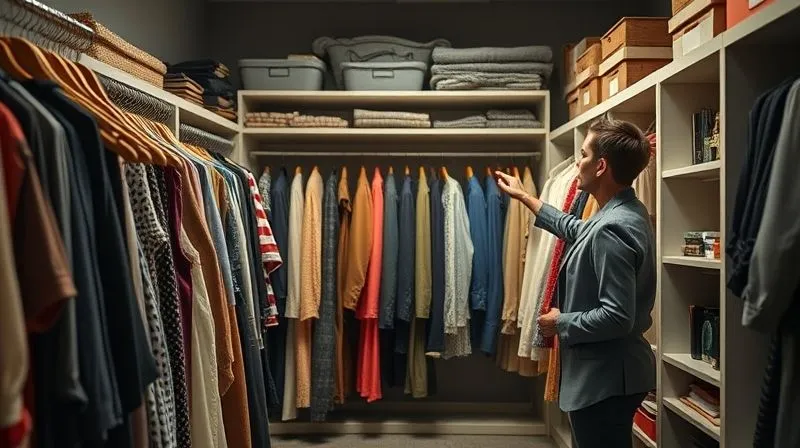
A well-maintained and meticulously organized wardrobe inventory is a lifesaver. Often, a solution can be found by repurposing an existing garment, an unused prop costume, or a piece from your standby wardrobe. This is where meticulous pre-production planning pays off. I always keep a 'crisis box' or 'emergency rack' with versatile basics, fabrics, and trims.
The Power of Your Team: Delegating & Collaborating
You are not alone. Your wardrobe team is your frontline. Clearly delegate tasks, communicate the urgency, and trust their expertise. A skilled seamstress can work wonders with an hour's notice, and a savvy wardrobe assistant can source materials faster than you think. Foster a collaborative spirit, reminding everyone that you're all working towards the same goal.
Local Vendors & Rapid Procurement
Cultivate strong relationships with local fabric stores, tailor shops, rental houses, and specialty suppliers. In an emergency, these relationships can mean the difference between success and failure. Don't be afraid to call in favors or pay for expedited services when the situation demands it. Having a list of 24/7 contacts is crucial.
Budget & Schedule Imperatives: Navigating Financial & Time Constraints
Last-minute changes almost always impact the budget and schedule. Transparency and clear communication are key to managing these ripple effects.
Transparent Costing: Showing the Impact
Once a solution is identified, immediately calculate its financial implications. Present these costs clearly to the director and production manager. Break down expenses: materials, labor (overtime), expedited shipping, rental fees. This isn't about blaming; it's about providing necessary information for informed decision-making. According to industry analysis by The Hollywood Reporter, unexpected production costs can escalate quickly, making transparent budgeting essential.
Negotiating Realistic Timelines
Be honest about what's achievable. If a change requires 12 hours of work and you only have 6, explain the shortfall and propose alternatives. Perhaps the scene can be re-scheduled, or a temporary placeholder costume can be used for close-ups while the final garment is completed. Always build in a small buffer for unforeseen snags.
"Every change has a ripple effect on both the budget and the schedule. Articulate it clearly, factually, and without accusation, enabling the production team to make strategic choices."
Case Study: The Phoenix Project's Costume Crisis
How Acme Pictures Handled a Major Character Redesign
I recall a particularly challenging project, 'The Phoenix Project,' where the lead actress's character underwent a significant narrative shift just three days before her pivotal courtroom scene. The original costume – a severe, corporate suit – no longer reflected her newfound vulnerability and inner strength. The director demanded a complete visual overhaul: something softer, more organic, yet still authoritative.
My team immediately initiated the triage protocol. We listened intently to the director's new vision, understanding it was born from a powerful performance during rehearsals. We then assessed our inventory, quickly identifying a beautiful, flowing silk blend fabric in a complementary color that had been ordered as a contingency for another character. We proposed a modified design using this fabric, which minimized procurement time.
We communicated the implications: two costumers would work 16-hour shifts, requiring expedited tailoring and additional labor costs. We presented this with two options: a slightly simpler design achievable within 36 hours, or the full vision requiring 48 hours and a scene reschedule. The director, appreciating our transparency and proactive solutions, opted for the 48-hour solution, allowing us to deliver a stunning, handcrafted gown that perfectly captured the character's evolution. This crisis became a testament to our team's adaptability and the power of clear, solution-oriented communication. It reinforced the importance of being prepared for the unexpected, as highlighted in articles on team resilience in crisis situations.
Maintaining Your Creative Integrity & Well-being
While meeting demands is crucial, it's equally important to protect your artistic vision and your mental health. This profession is a marathon, not a sprint.
Protecting Your Original Design Intent
Sometimes, a director's last-minute change can feel like a compromise of your artistic vision. In these moments, try to integrate the new request while retaining the essence of your original design. Can a new accessory achieve the desired effect without dismantling a carefully constructed costume? Can a color shift maintain the character's arc while satisfying a new visual cue? Your expertise lies in finding that harmonious balance. Remember, the ultimate goal is to serve the story.
Self-Care in High-Pressure Environments
The relentless pace of film production, especially with last-minute demands, can lead to burnout. Prioritize short breaks, stay hydrated, and ensure your team takes turns on high-stress tasks. A burnt-out designer is an ineffective designer. Learn to say no to unreasonable demands that compromise safety or ethical boundaries, and advocate for your team's well-being. As experts in creative fields often emphasize, sustainable creativity requires intentional self-preservation. For more on navigating creative challenges, consider insights from design thought leaders like Seth Godin.
"Burnout helps no one. Know your limits and advocate for your team's boundaries. A well-rested, respected team is far more capable of creative problem-solving."

Documentation & Post-Mortem: Learning from Every Challenge
Every last-minute change, whether successfully navigated or not, is a learning opportunity. Documenting these instances helps refine your process for future productions.
Logging All Changes and Approvals
Maintain a detailed log of every change request: who made it, when, what was requested, what was the agreed-upon solution, and the resulting impact on budget and schedule. Get all significant changes approved in writing, even if it's just an email confirmation. This protects you and provides valuable data for production reports.
Debriefing with Your Team and Production
After the dust settles, conduct a brief post-mortem with your wardrobe team. What went well? What could have been handled better? Share these insights with your production manager. This feedback loop is crucial for improving future pre-production planning and establishing clearer communication protocols. It aligns with best practices in project management, emphasizing continuous improvement and learning from experience, as discussed by organizations like the Project Management Institute.
| Change ID | Date Requested | Requested By | Description of Change | Proposed Solution | Impact (Budget) | Impact (Schedule) | Approval |
|---|---|---|---|---|---|---|---|
| WP-007 | 2024-03-10 | Director J. Smith | Character A requires a more distressed, worn look for battle scene. | Distress existing hero costume, add mud/dirt effects, minor tears. | +£250 (materials, labor) | +4 hours (overnight) | Email from Prod. Mgr. L. Jones |
| WP-008 | 2024-03-12 | Director J. Smith | Character B needs a brighter, more vibrant color for her final dress. | Re-dye existing dress from muted blue to vibrant teal. Source new accessories. | +£700 (dyeing service, new accessories, expedited shipping) | +24 hours (requires scene reschedule for Character B's coverage) | Verbal from Director, confirmed by Prod. Mgr. L. Jones |
Frequently Asked Questions (FAQ)
Q: How do I manage a director who *always* makes last-minute changes? A: For consistently demanding directors, proactive communication is key. During pre-production, establish a clear 'change protocol' outlining deadlines for final approvals and the implications of late changes. Present a 'contingency budget' for potential last-minute adjustments. Most importantly, build trust by consistently delivering, even under pressure, which can sometimes reduce their need for last-minute interventions.
Q: What if the requested change is impossible due to budget/time? A: Clearly and calmly explain the specific constraints. Don't just say 'impossible'; explain *why* it's impossible (e.g., "We cannot source that fabric quality in less than a week, and the scene shoots tomorrow"). Offer the closest possible alternatives or compromises that are achievable within the current parameters, allowing the director to choose the best available option.
Q: How do I protect my team from burnout during these crises? A: Prioritize. Determine which changes are truly critical and which can be deferred or simplified. Rotate team members on high-stress tasks to spread the load. Encourage regular, short breaks. Advocate for additional support or reduced workload elsewhere if the demands become unsustainable. Acknowledge and appreciate their efforts constantly.
Q: Should I charge extra for last-minute changes? A: This should be handled by your production manager or UPM. Your role is to provide accurate cost and time estimates for the changes. The decision to bill the production for 'overages' due to late changes is a production-level decision, not typically a costume designer's direct responsibility, though your clear documentation will support their case.
Q: How can I foresee potential last-minute changes during pre-production? A: While you can't predict everything, you can mitigate risks. Engage in thorough script breakdowns, character discussions with the director and actors, and detailed mood boards. Ask 'what if' questions during concept meetings. Build flexibility into your designs where possible (e.g., modular elements). Over-prepare with a diverse standby wardrobe and maintain excellent vendor relationships.
Key Takeaways and Final Thoughts
- Stay Calm & Assess: Your initial reaction sets the tone. Gather information thoroughly before acting.
- Communicate Strategically: Translate vision into practicalities, and present solutions, not just problems.
- Leverage Your Resources: Utilize your inventory, empower your team, and activate your vendor network.
- Manage Expectations: Be transparent about budget and schedule impacts, and negotiate realistic timelines.
- Protect Your Well-being: Maintain creative integrity and prioritize self-care to avoid burnout.
- Document & Learn: Log all changes for accountability and conduct post-mortems for continuous improvement.
Navigating last-minute movie wardrobe changes is an inevitable part of a costume designer's journey. It tests your skills, your patience, and your leadership. But by embracing these strategies – rooted in clear communication, meticulous preparation, and unwavering professionalism – you won't just survive; you'll demonstrate your invaluable expertise and solidify your reputation as a true industry veteran. Every challenge is an opportunity to showcase your mastery of the craft and your commitment to the storytelling process. Go forth and create magic, no matter the obstacle!
Recommended Reading
- Ultimate Guide: Best Men's Wallet Styles For Minimalist Carry
- Unlock Your Glow: How to Choose Statement Earrings for Your Face Shape
- 7 Strategies to Scale Circular Textile Production Without Prohibitive Costs
- Bridesmaid Dress Disaster? 7 Steps When Wrong Sizes Arrive on Your Big Day
- 7 Reasons Comfort Shoe Designs Fail User Acceptance Tests (And How to Fix Them)




Your email address will not be published. Required fields are marked *