

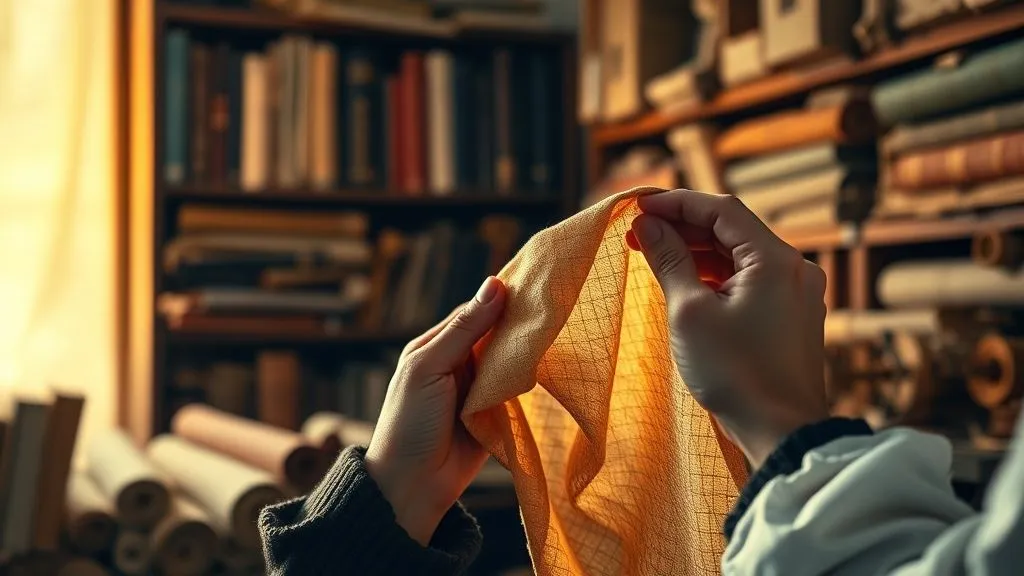
What are the Best Methods to Source Period-Accurate Fabrics for Film?
For over two decades in the intricate world of costume design, particularly within the demanding realm of period filmmaking, I've witnessed firsthand the profound impact of fabric choices. A single anachronistic stitch or an incorrectly textured textile can shatter an audience's immersion, pulling them from the carefully constructed reality of a historical narrative. It's a subtle yet powerful detail that separates a truly believable world from one that feels like dress-up.
The challenge of sourcing period-accurate fabrics for film isn't merely about finding old material; it's a meticulous blend of historical detective work, textile science, ethical considerations, and creative problem-solving. Designers often grapple with scarcity, prohibitive costs, and the sheer volume of options, all while striving for a level of authenticity that can stand up to the scrutiny of high-definition cameras and discerning viewers. This isn't just a hurdle; it's a fundamental part of the artistic and logistical puzzle.
In this definitive guide, I will share the distilled wisdom from my years of experience, offering proven frameworks and actionable strategies to navigate this complex landscape. We'll delve into everything from deep archival research to collaborating with master artisans, ensuring your period costumes resonate with genuine historical integrity and cinematic brilliance. Prepare to transform your approach to textile procurement, moving beyond guesswork to confident, informed decisions.
The Crucial Role of Textile Research in Period Filmmaking
Before a single thread is sourced, the foundation of any successful period costume lies in exhaustive research. This isn't just about looking at paintings or photographs; it's about understanding the very fiber of history. What were the predominant natural fibers available in a specific era and region? How were they processed, dyed, and woven? The answers dictate not only the visual aesthetic but also the drape, texture, and light reflection of the finished garment.
My process always begins with a deep dive into historical records. I scrutinize textile history books, academic papers, and even primary source documents like inventories and trade records. These often reveal fascinating details about common weaves (plain, twill, satin), fiber blends (wool-linen, silk-cotton), and the prevalence of certain patterns or embellishments. For instance, understanding that true black was incredibly difficult and expensive to achieve before the 19th century can profoundly influence the palette of a 17th-century drama, leading to rich, dark browns, indigos, and deep purples instead.
Key aspects of textile research include:
- Fiber Analysis: Identifying common fibers (wool, linen, silk, cotton) and their specific characteristics (e.g., coarse hand-spun wool vs. fine merino).
- Weave Structures: Understanding the dominant weaves of the period (e.g., tabby for basic linens, complex brocades for wealthy silks).
- Dyeing & Printing: Researching available natural dyes, mordants, and printing techniques to achieve historically accurate colors and patterns.
- Finishing Processes: How were fabrics treated? Were they fulled, felted, calendared, or glazed? These processes drastically alter texture and drape.
- Regional Specifics: Textile availability and fashion varied immensely by geographical location. A fabric common in Elizabethan England might be unheard of in Qing Dynasty China.
This foundational knowledge is your compass, guiding every subsequent sourcing decision. Without it, even the most beautiful fabric can feel out of place, a visual discord in an otherwise harmonious historical tableau. 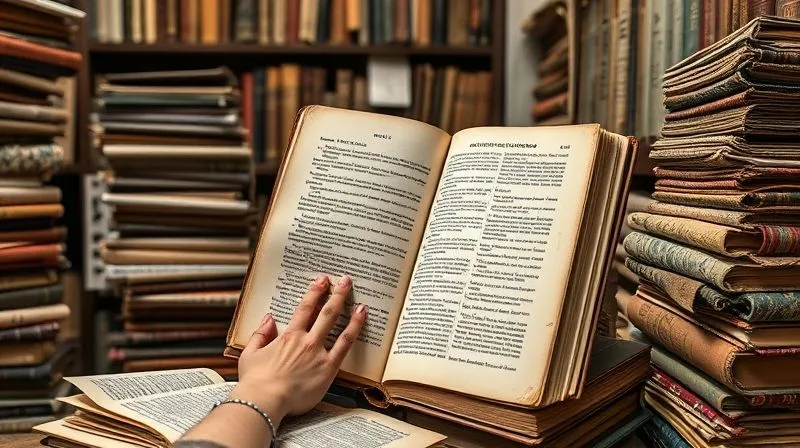
Unearthing Authenticity: Deep Dive into Archival & Museum Resources
Once the theoretical research is complete, the next step is to engage with tangible history. For truly unparalleled authenticity, nothing beats direct interaction with surviving period textiles. This means visiting museum collections, textile archives, and historical societies. I've spent countless hours in these hallowed halls, not just looking at garments, but examining them up close, often with white gloves and a magnifying glass.
These institutions are treasure troves. They house actual garments, fabric swatches, and trade samples from centuries past. By studying these, you gain an invaluable understanding of the "hand" of the fabric – its weight, drape, texture, and how it moves. Modern fabrics, even those made with natural fibers, often have a different feel due to industrial processing. Seeing a genuine 18th-century silk brocade or a 19th-century wool broadcloth provides a tactile education that no book can fully replicate.
When visiting, always be respectful of the artifacts and the institution's rules. Often, you'll need to make appointments far in advance and articulate your research needs. Engage with the curators; their knowledge is encyclopedic and can provide context that might otherwise be missed. They can point you to specific collections or even hidden gems that align perfectly with your project's needs. For instance, the Metropolitan Museum of Art's Costume Institute or the Victoria and Albert Museum in London offer incredible resources for textile and costume history.
Case Study: Recreating Regency Era Silks for "The Duke's Dilemma"
On a recent period film, "The Duke's Dilemma," set in 1815 London, our team faced a significant challenge: sourcing silks that truly captured the delicate sheen and drape of Regency-era gowns. Modern silks often felt too crisp or too shiny, lacking the subtle, almost matte luminescence seen in surviving garments. By implementing a focused archival research strategy, we visited a specialized textile archive known for its early 19th-century fashion collection.
During our visit, we discovered several silk samples—a taffeta, a sarsenet, and a silk crepe—that perfectly embodied the desired qualities. We meticulously documented their weave, thread count, and even the subtle inconsistencies indicative of hand-loom production. This direct observation provided us with precise benchmarks. We then worked with a specialized mill to reproduce these textiles, specifying the exact weight, finish, and even the slight slubbing in the warp and weft. The result was a suite of silks that moved and caught the light with an authenticity that elevated every scene, garnering praise from historical consultants and critics alike.
This direct engagement with historical artifacts is paramount. It allows you to move beyond assumptions and truly understand the nuances that define period textiles. It's an investment of time that pays dividends in the authenticity of your final product. 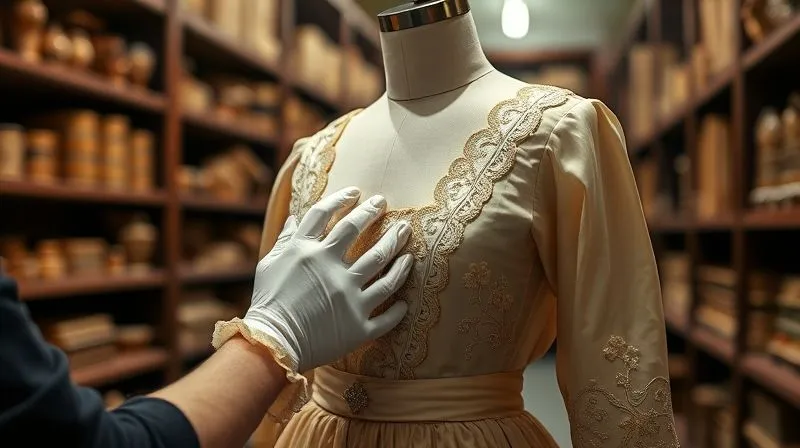
Navigating the Modern Market: Specialized Suppliers & Reproduction Houses
While museum archives offer invaluable insight, they rarely provide the yardage needed for an entire film production. This is where specialized suppliers and reproduction houses become indispensable. These businesses cater specifically to the historical reenactment, theatre, and film industries, understanding the unique demands of period accuracy.
I've cultivated relationships with a select few suppliers over the years who consistently deliver. These aren't your typical fabric stores. They invest heavily in researching historical weaves, fiber compositions, and dyeing techniques. Many even collaborate with textile historians to ensure their reproductions are as accurate as possible. Look for companies that:
- Offer detailed historical descriptions: They should specify the era, fiber content, weave, and any historical context for their fabrics.
- Provide swatches: Always order swatches! The digital image on a website can never convey the true hand, drape, or color of a fabric.
- Understand production needs: They should be able to handle larger orders and understand film-specific requirements like flame retardancy (if applicable) or dyeing consistency across multiple bolts.
- Specialize in specific eras/regions: Some excel in medieval wools, others in Victorian silks, or 1920s rayon blends.
Don't be afraid to communicate your specific needs. If you're looking for a particular type of 18th-century linsey-woolsey or a specific shade of 1930s rayon crepe, a good supplier will either have it, know where to get it, or be able to produce it for you. This often involves commissioning custom weaves or dyes, which can be more expensive but guarantees authenticity. I've found that early engagement with these suppliers is key, as custom orders can take months.
Here’s a comparative look at different sourcing options:
| Sourcing Method | Pros | Cons | Best Use |
|---|---|---|---|
| Archival/Museum Visits | Unparalleled authenticity, tactile learning, primary source data | No yardage for purchase, time-consuming, restricted access | Research, setting benchmarks for reproduction |
| Specialized Reproduction Houses | High accuracy, larger quantities, specific period focus, expert advice | Higher cost, lead times for custom orders | Main costume fabrication, principal character wardrobes |
| Vintage/Antique Markets | Genuine period items (sometimes), unique finds, character | Limited quantity, variable condition, ethical concerns, cleaning/restoration | Small details, accessories, distressing reference |
| Conventional Fabric Stores | Accessibility, lower cost (sometimes), wide selection of modern fabrics | Rarely period accurate, requires extensive modification/aging | Background costumes (with heavy modification), mock-ups, underlying structures |
Choosing the right supplier is about balancing authenticity with the practicalities of a film production. It's a strategic decision that impacts both budget and visual integrity.
The Art of Transformation: Dyeing, Weaving, and Aging for Accuracy
Sometimes, even the best reproduction houses can't provide exactly what's needed, or the budget doesn't stretch to custom mills for every single fabric. This is where the costume department’s ingenuity and technical skills come to the forefront. The ability to transform modern or near-period fabrics into truly convincing historical textiles is an art form in itself.
Custom Dyeing: Color accuracy is paramount. Natural dyes were the standard for centuries, producing nuanced, often muted, and complex shades that synthetic dyes struggle to replicate. Learning basic natural dyeing techniques, or collaborating with a skilled dyer, can be a game-changer. For example, achieving a historically accurate indigo blue involves specific vat dyeing processes that yield a depth of color far beyond a commercially dyed fabric. Similarly, understanding the limited color palettes of certain eras (e.g., the prevalence of earth tones, madder reds, and woad blues in the medieval period) is crucial. The Textile Museum often has resources on historical dyeing techniques.
Weaving & Knitting: For truly specific textures, commissioning a hand-weaver can be an option, particularly for hero costumes or unique textiles. While costly, it guarantees a level of authenticity in weave structure and hand that is unmatched. For simpler weaves, finding a base fabric with the correct fiber content and then manipulating its surface can work. Knitting, too, had specific historical techniques and patterns that differ significantly from modern machine-knitting. Collaborating with artisans who specialize in historical knitting can provide invaluable resources.
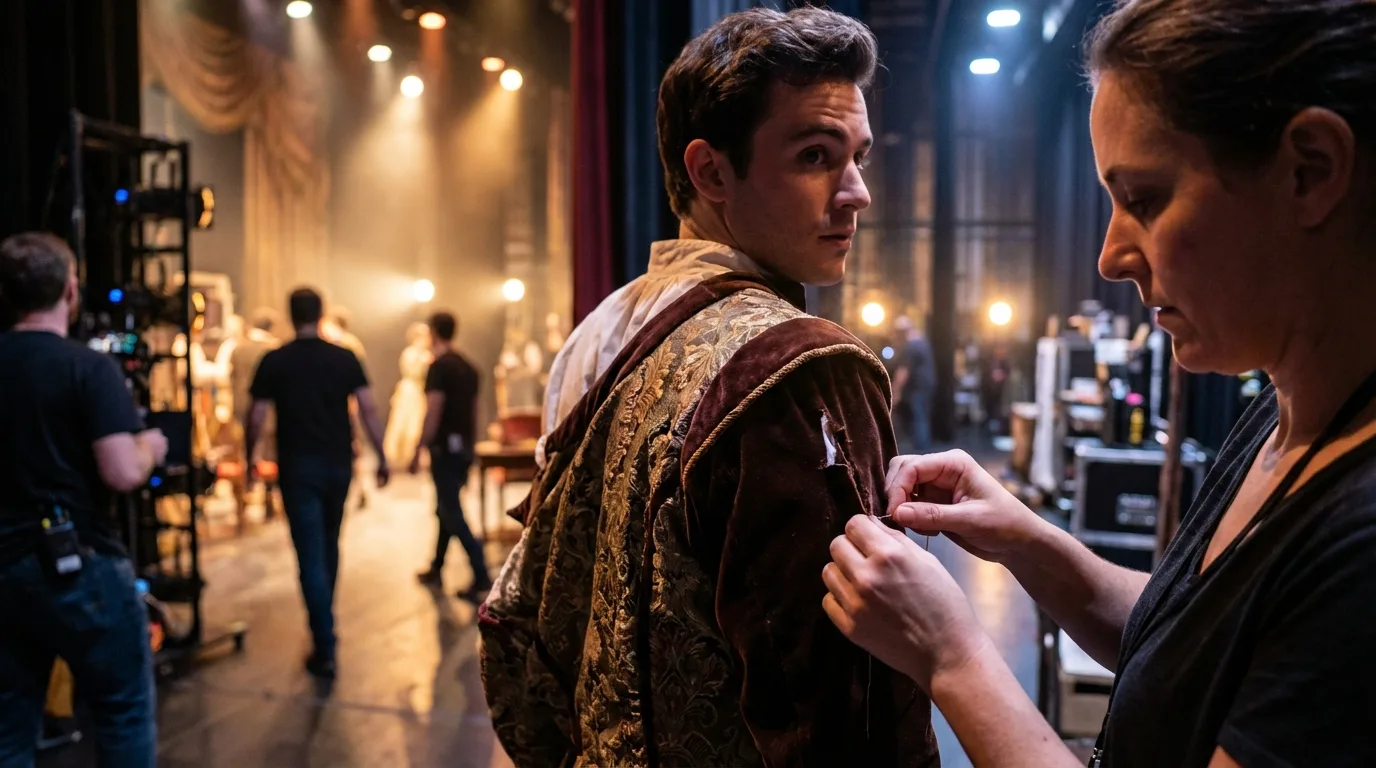
Aging and Distressing: Perhaps the most overlooked aspect is how fabrics age. A brand-new reproduction, no matter how accurate, will still look "new." Period fabrics were lived in, washed (or not washed!), faded by sun, and softened by wear. Mastering the art of distressing—using techniques like sanding, washing, painting, or even controlled fading—is vital. This isn't about making a fabric look dirty, but about imparting the subtle signs of time and use that give a costume a sense of history and realism.
"Authenticity isn't just about what the fabric is; it's about what the fabric has been through. The story of its wear is as important as the story of its creation." - My personal mantra for period costume.
These transformative processes require patience, experimentation, and a deep understanding of how different fibers and weaves react. They are often the secret sauce that elevates a costume from good to genuinely believable. 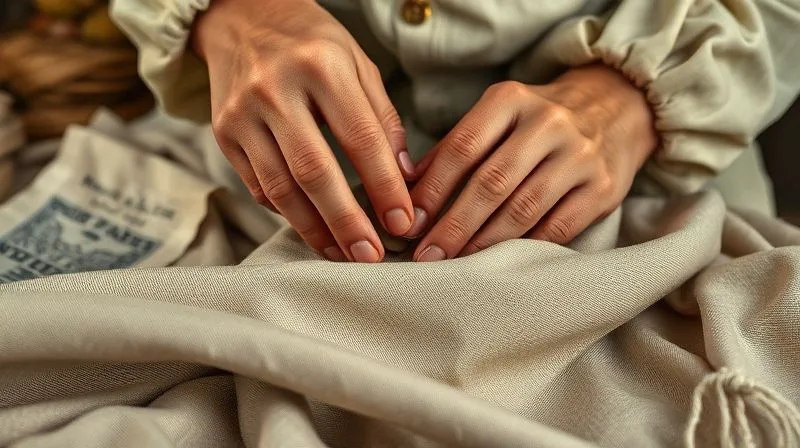
Ethical and Sustainable Sourcing: A Contemporary Imperative
In an industry increasingly aware of its environmental and social footprint, sourcing period fabrics also comes with a modern responsibility. While the primary goal is historical accuracy, we cannot ignore the ethical and sustainable implications of our choices. This means consciously seeking out suppliers who adhere to fair labor practices and environmentally sound manufacturing processes, even when dealing with historical reproductions.
Considerations for ethical sourcing:
- Labor Practices: Are the reproduction fabrics made under fair working conditions? Researching a supplier's manufacturing transparency is crucial.
- Material Origin: Where do the raw fibers come from? Are they sustainably grown or harvested?
- Dyeing Processes: Are environmentally harmful chemicals avoided in favor of natural or low-impact dyes? Is wastewater treated responsibly?
Embracing sustainability:
- Upcycling and Repurposing: Can existing garments or textiles be repurposed or modified? An antique curtain might yield the perfect amount of fabric for a specific detail, reducing the need for new production.
- Vintage Sourcing (with caution): While challenging for large quantities, vintage markets can sometimes provide genuine period textiles. However, ensure their condition is suitable and consider the environmental impact of cleaning/restoration.
- Longevity and Reusability: Invest in high-quality, durable fabrics that can be reused for future productions or rented out by costume houses, extending their lifecycle.
- Minimizing Waste: Plan fabric layouts meticulously to reduce scrap, and find creative uses for off-cuts.
This approach isn't always easy, as historical accuracy often requires specific materials that might not align perfectly with modern sustainable practices. However, as an industry, we must strive for the best possible balance. Engaging with organizations like Common Objective or reading reports on sustainable textile sourcing can provide valuable insights and a framework for making more responsible choices.
By integrating ethical and sustainable considerations into your sourcing strategy, you not only contribute to a better industry but also cultivate a more thoughtful and responsible approach to your craft, aligning historical authenticity with contemporary values.
Building Your Network: Collaborating with Textile Experts and Artisans
No costume designer is an island. The most successful period films are often the result of extensive collaboration, and this is particularly true when it comes to fabric sourcing. Building a robust network of textile experts, artisans, and fellow designers is an invaluable asset that can open doors to rare finds and specialized knowledge.
Who to connect with:
- Textile Historians: Their academic knowledge of fiber production, trade routes, and fashion evolution is unparalleled.
- Conservationists: Textile conservators understand the composition and degradation of historical fabrics intimately, offering insights into aging and care.
- Specialized Weavers & Dyers: Artisans who work with traditional techniques can reproduce specific period textiles or create custom finishes.
- Vintage Textile Dealers: These individuals often have extensive personal collections or access to unique, genuine period pieces.
- Fellow Costume Designers: Sharing resources, supplier contacts, and experiences within the costume design community can be incredibly beneficial.
I've often found myself on the phone with a textile historian discussing the exact warp and weft of a 16th-century Italian brocade, or consulting a natural dyer about replicating a specific shade of cochineal red. These conversations are not just about problem-solving; they are about continuous learning and deepening your own expertise.
How to build your network:
- Attend Industry Conferences & Workshops: Events focused on historical textiles, costume design, or conservation are excellent networking opportunities.
- Join Professional Organizations: Associations like the Costume Designers Guild (CDG Local 892) provide platforms for connecting with peers and experts.
- Visit Specialty Fairs & Markets: Antique textile fairs, historical reenactment events, and artisan markets can introduce you to niche suppliers and craftspeople.
- Leverage Online Forums & Social Media: Dedicated groups for historical costuming or textile arts can be surprisingly active and resourceful.
These connections can lead to unexpected discoveries, solve seemingly intractable problems, and ultimately enrich the authenticity of your designs. Remember, the collective wisdom of a passionate community is far greater than any individual's knowledge.
Budgeting and Resource Management for Period Fabric Acquisition
Authenticity often comes with a price tag, and period fabrics are no exception. Meticulous budgeting and astute resource management are critical to ensure that your vision doesn't outstrip your financial parameters. As an experienced industry specialist, I’ve learned that the most accurate sourcing methods can be the most expensive, requiring careful allocation of funds.
Key budgeting strategies:
- Prioritize "Hero" Costumes: Allocate the largest portion of your fabric budget to principal characters and garments that will be seen in close-up or have significant screen time. These are where uncompromising accuracy pays off most.
- Strategic Compromise for Background: For crowd scenes or distant shots, intelligent compromises can be made. This might involve using modern fabrics with similar fiber content, then heavily distressing or dyeing them to achieve a period look.
- Factor in Lead Times and Shipping: Custom orders, international sourcing, and specialized treatments all take time and incur shipping costs. Build these into your timeline and budget from the outset to avoid costly rush fees.
- Contingency Fund: Always include a contingency (typically 10-15%) for unexpected issues like fabric damage, miscalculations, or the need for last-minute replacements.
- Bulk Discounts & Relationships: Cultivate strong relationships with your suppliers. Over time, this can lead to better pricing, priority service, and access to exclusive materials.
Effective resource management extends beyond just money. It includes managing your team's time for research and sourcing, tracking inventory, and ensuring proper storage and care of precious fabrics. Using a detailed fabric breakdown spreadsheet for each character and costume, listing fabric type, required yardage, supplier, cost per yard, and delivery status, is invaluable for staying organized.
"A well-managed budget isn't a constraint; it's a creative challenge that forces ingenious solutions and smart choices in fabric sourcing."
By approaching budgeting as an integral part of the creative process, rather than a restrictive hurdle, you can strategically direct resources to maximize authenticity where it matters most, ensuring your film’s historical integrity is preserved without breaking the bank.
Overcoming Obstacles: Common Pitfalls and Creative Solutions
Even with the best research and planning, sourcing period-accurate fabrics for film is fraught with potential pitfalls. From unexpected scarcity to budget cuts, problems inevitably arise. The mark of an experienced costume designer isn't just avoiding these issues, but knowing how to creatively overcome them.
Common Obstacles:
- Scarcity of Specific Textiles: Some fabrics simply no longer exist or are incredibly rare and expensive.
- Budget Constraints: High costs for authentic materials or custom reproductions.
- Lead Time Issues: Delays in manufacturing or shipping can derail production schedules.
- Modern Fabric Characteristics: Even natural fibers today often have a different hand, drape, or sheen due to industrial processing.
- Scale of Production: Sourcing enough yardage for a large cast in a period film is a monumental task.
Creative Solutions:
- Strategic Substitution: If an exact fabric is impossible, find a modern alternative with a similar fiber content and weave. For example, a heavy linen might substitute for a coarse medieval wool, or a fine cotton voile for a silk muslin, with appropriate distressing.
- Layering and Under-layers: Use accurate fabrics for visible layers and less expensive, period-appropriate substitutes for undergarments or hidden sections. This maintains the overall silhouette and drape.
- Customization and Transformation: As discussed earlier, dyeing, painting, printing, and distressing can transform a generic fabric into something historically convincing. A plain cotton can become a faux-linen, or a modern silk can achieve a period sheen with the right treatment.
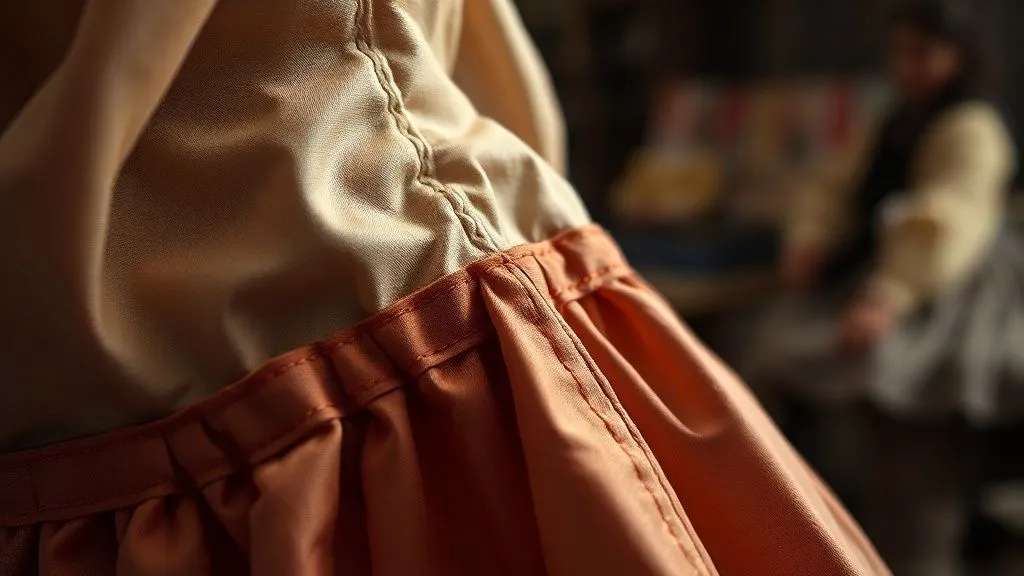
- Fabric Manipulation: Techniques like pleating, gathering, smocking, or quilting can alter the appearance and texture of a fabric, making it more period-appropriate.
- Vintage Finds & Upcycling: Scour antique markets, estate sales, and theatrical costume houses for genuine vintage textiles. Old curtains, tablecloths, or blankets can sometimes be repurposed for specific costume elements. (Always consider the condition and potential for decay).
- Digital Printing: For complex patterns that are impossible to weave or hand-paint in scale, digital printing onto a period-appropriate base fabric can be a modern solution, though careful attention to historical printing methods and dyes is still necessary.
The key is to approach these challenges with a flexible mindset and a deep understanding of historical textiles. It's about knowing when to be uncompromising and when to be ingeniously adaptable. Every obstacle is an opportunity to innovate and push the boundaries of your craft, ultimately contributing to a richer, more believable cinematic experience.
Frequently Asked Questions (FAQ)
Q: How do I ensure the colors of my period fabrics are historically accurate? A: Color accuracy is achieved through meticulous research into historical dye sources and palettes for the specific era and region. Natural dyes produce different hues and saturation levels than modern synthetic dyes. When sourcing, request swatches and compare them against historical textile examples. Consider custom dyeing with natural pigments or working with specialized dyers to replicate authentic shades. Even if using modern dyes, aim for the muted, complex tones characteristic of historical textiles, avoiding overly bright or 'clean' modern colors.
Q: Is it always necessary to use 100% natural fibers for period accuracy? A: For the highest level of authenticity, yes, natural fibers (wool, linen, silk, cotton) are generally preferred as synthetics didn't exist for most historical periods. However, practicalities sometimes dictate compromise. For background actors or costumes that are heavily treated/distressed, a blend or even certain synthetics (like rayon for 1920s-1940s) might be acceptable if they can convincingly mimic the drape, hand, and light reflection of a period natural fiber. Always prioritize natural fibers for principal characters and garments seen in close-up.
Q: What are the biggest challenges when sourcing fabrics for pre-18th century films? A: Sourcing for pre-18th century films presents unique challenges due to limited surviving textiles, more rudimentary manufacturing techniques, and often less detailed documentation. Key challenges include finding coarse, hand-spun wools and linens, replicating simple but specific weaves, and achieving the natural, often uneven, textures of hand-woven fabrics. The lack of vibrant, consistent colors (due to limited natural dye technology) is another hurdle. Collaboration with historical reenactors and specialized artisans who work with ancient textile techniques becomes even more crucial for these earlier periods.
Q: How do I handle fire safety regulations (FR treatment) on period fabrics without compromising their look? A: Fire retardant (FR) treatment is a critical safety requirement for film production, but it can sometimes alter the hand and appearance of fabrics. The best approach is to test FR treatments on fabric swatches before applying to yardage. Work with reputable FR treatment companies that specialize in textiles for film and theater, as they often have low-impact solutions. Some treatments are topical and can be applied after dyeing and aging, minimizing alteration. Discuss with your production manager and FR specialist to find the safest and most visually sympathetic solution for your specific fabrics.
Q: Can I use vintage clothing or fabric from antique markets directly in my film? A: While tempting for authenticity, using genuine vintage clothing or antique fabrics directly requires extreme caution. Issues include: 1) Condition: Fabrics can be fragile, prone to tearing, or degraded, making them unsuitable for wear or repeated takes. 2) Quantity: Rarely will you find enough yardage for multiple costumes or sizes. 3) Conservation: Antique textiles may require specialized cleaning and conservation that is costly and time-consuming. 4) Ethical Considerations: Some antique pieces are best preserved in museums rather than subjected to the rigors of film production. It's often better to use vintage items for reference or inspiration, then reproduce them with new, durable materials, or use small pieces for detailing if the condition allows.
Key Takeaways and Final Thoughts
Sourcing period-accurate fabrics for film is a multifaceted discipline, demanding a blend of historical scholarship, textile expertise, creative problem-solving, and meticulous management. It's a journey from deep archival research to the careful art of distressing, all aimed at crafting a believable visual world that transports an audience through time.
Here are the critical takeaways to guide your approach:
- Research is Your Foundation: Understand the fibers, weaves, dyes, and finishes of your target era before sourcing.
- Leverage All Resources: Combine archival study with specialized reproduction houses and, when necessary, intelligent modern substitutions.
- Master Transformation: Embrace custom dyeing, weaving, and aging techniques to achieve unparalleled authenticity.
- Be Ethical and Sustainable: Integrate responsible sourcing practices into your workflow.
- Build Your Network: Collaborate with experts and artisans; their knowledge is invaluable.
- Manage Smartly: Budget strategically and be prepared for creative solutions to inevitable obstacles.
The pursuit of period accuracy in costume design is a testament to dedication and artistry. It's about respecting history while creating something new and compelling. By applying these methods, you're not just finding fabric; you're weaving the very texture of history into your cinematic narrative, ensuring that every costume tells a genuine story. Embrace the challenge, trust your expertise, and watch your historical worlds come vibrantly to life.
Recommended Reading
- 7 Ways High Fashion Magazines Balance Print Heritage & Digital Growth
- 5 Strategic Ways to Dress for a Promotion: Empowering Professional Attire
- Unlocking Transparency: The Ultimate Guide to Tracking Ethical Sourcing in Fashion
- 7 Proven Strategies: Differentiating New Sandal Designs in a Saturated Market
- 7 Proven Strategies to Differentiate Your Bridal Brand in a Saturated Market

Your email address will not be published. Required fields are marked *