

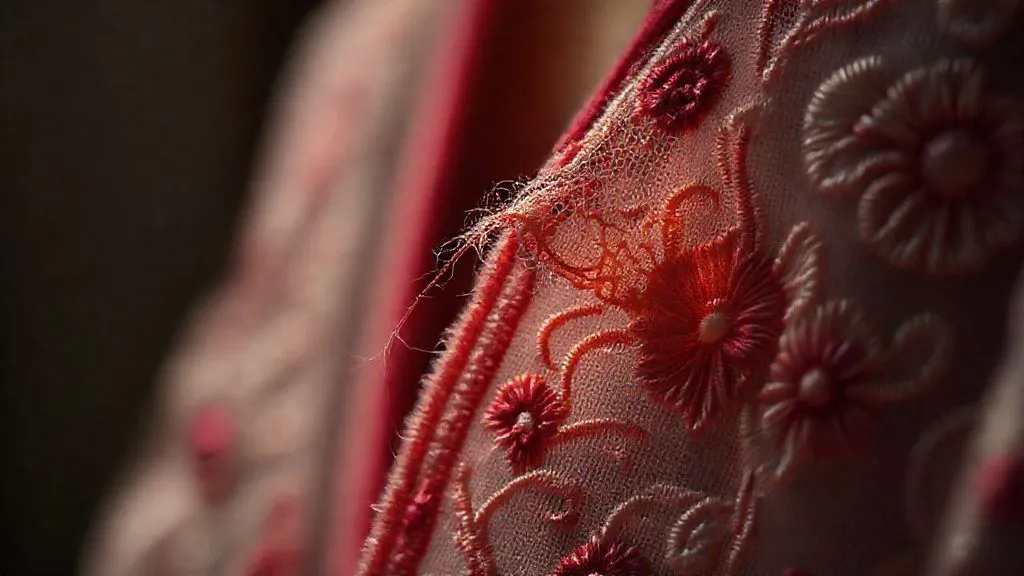
Stop Delicate Textile Art Costumes from Degrading During Shows?
For over two decades in the demanding world of costume design, particularly within the intricate realm of textile art for live performance, I've witnessed firsthand the heartbreaking reality of exquisite creations succumbing to the rigors of the stage. It's a familiar ache for anyone who pours their soul into these wearable masterpieces – the slow, inevitable creep of wear and tear that threatens to diminish their brilliance with every performance.
The unique challenges of textile art costumes – often delicate, historically significant, or painstakingly handcrafted – mean they are not merely garments; they are central to storytelling, imbued with artistic intention, and yet inherently vulnerable. The constant movement, sweat, stage lighting, and often hurried changes combine to form an aggressive environment that can accelerate degradation, turning beauty into distress right before our eyes. This isn't just about mending a tear; it's about safeguarding artistic legacy.
This isn't a problem without solutions. My experience has taught me that with foresight, precision, and a holistic approach, we can significantly mitigate these risks. In this comprehensive guide, I'll share my proven frameworks, hard-won insights, and actionable strategies to stop delicate textile art costumes from degrading during shows, ensuring your masterpieces withstand the spotlight and continue to captivate audiences for years to come.
Understanding the Enemy: The Forces Behind Textile Degradation
Before we can effectively protect our textile art, we must first understand the myriad forces conspiring against its longevity. It's like being a detective; you can't solve the crime without knowing the perpetrator. In my experience, the primary culprits are a combination of environmental stressors, mechanical wear, and chemical reactions.
The Silent Saboteurs: Environmental & Chemical Factors
Light Exposure: Both visible and ultraviolet (UV) light are notorious for causing irreversible damage. They can fade dyes, weaken fibers, and even alter the chemical structure of textiles, leading to embrittlement. Think of a priceless tapestry left in direct sunlight – the vibrant hues slowly drain away, and the fabric becomes brittle to the touch. On stage, intense theatrical lighting, while essential for atmosphere, becomes a significant threat.
Humidity & Temperature Fluctuations: Textiles are hygroscopic, meaning they absorb and release moisture. Extreme shifts in humidity can cause fibers to swell and contract, leading to stress and eventual breakage. High humidity encourages mold and mildew growth, while very low humidity can make fibers brittle. I've seen costumes stored in uncontrolled environments develop everything from pervasive damp spots to an alarming crispness that foreshadows imminent disintegration.
Chemical Contaminants: This category is broader than many realize. It includes everything from body oils, sweat, and makeup transferred from performers, to residues from cleaning products, and even airborne pollutants. Sweat, in particular, contains salts and acids that can degrade dyes and fibers over time. It's a slow, insidious process, often unnoticed until the damage is extensive.
“The true art of costume preservation lies not just in visible repairs, but in understanding and mitigating the invisible forces that constantly erode a textile's integrity.”
The Physical Gauntlet: Mechanical Stress & Wear
Friction & Abrasion: Every movement, every brush against another costume, prop, or stage element, creates friction. This constant rubbing wears down fibers, leading to pilling, thinning, and eventual holes. Areas like armpits, inner thighs, and seams are particularly vulnerable. I remember a particularly elaborate silk gown where the delicate embroidery on the sleeves started to fray simply from the actor’s natural arm movements over a long run.
Tension & Tearing: The dynamic nature of performance often involves strenuous movements, quick changes, and unexpected snags. This puts immense tension on seams, embellishments, and the fabric itself, leading to tears. A costume designed for static display will simply not survive the demands of a modern dance piece without significant reinforcement and careful construction.
Creasing & Compression: While less dramatic than a tear, repeated creasing in the same spots, especially with certain delicate fibers like silk or antique lace, can weaken the fabric structure over time. Improper storage, where costumes are tightly folded or compressed, exacerbates this issue.
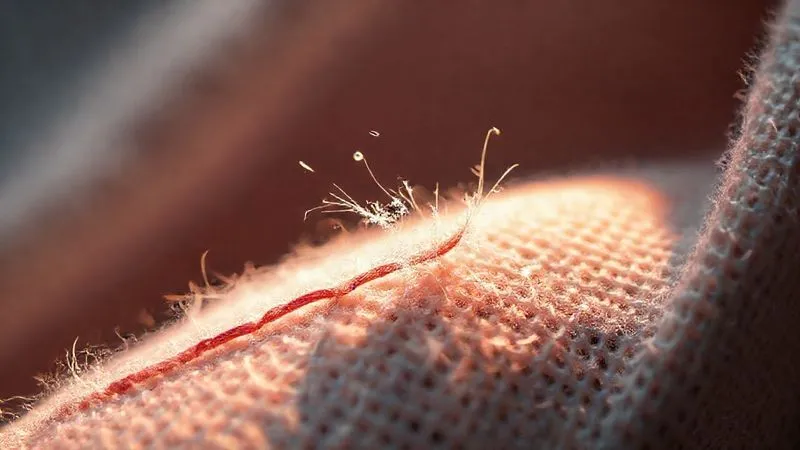
Understanding these degradation pathways is the first critical step. It allows us to move beyond reactive mending to proactive prevention, building resilience into every stitch and every handling protocol. We're not just fixing problems; we're anticipating and neutralizing them before they can take hold.
The Pre-Show Protocol: Building a Bulletproof Foundation
Before any textile art costume even graces the stage, a rigorous pre-show protocol is paramount. This foundational work sets the stage for its survival, minimizing future risks and maximizing its longevity. It's about designing for durability from the outset, or, for existing pieces, meticulously assessing and reinforcing.
Comprehensive Condition Assessment
Every delicate textile art costume, especially those intended for multiple performances, demands a thorough, almost forensic, examination. I always advocate for a multi-point inspection:
- Visual Scan (Macro & Micro): Begin with an overall visual check for obvious damage, then move to a detailed, close-up inspection using magnification if necessary. Look for loose threads, weakened seams, stressed embellishments, and subtle discoloration.
- Stress Point Analysis: Identify areas of high wear due to movement, contact, or body pressure. These include armholes, necklines, cuffs, waistbands, crotches, and areas where props or other costumes might rub.
- Material Integrity Check: Gently test the tensile strength of the fabric in inconspicuous areas. Does it feel brittle? Is there any elasticity loss?
- Dye Fastness Test: For costumes that may require cleaning or encounter moisture, a discreet dye fastness test is crucial to prevent bleeding or fading.
- Documentation: Create a detailed condition report, ideally with high-resolution photographs, noting any existing damage or areas of concern. This serves as a baseline for future comparisons.
This initial assessment isn't just about finding flaws; it's about understanding the inherent vulnerabilities of each piece, guiding subsequent preservation efforts.
Strategic Reinforcement & Stabilisation
Once vulnerabilities are identified, the next step is strategic reinforcement. This isn't about altering the aesthetic; it's about invisible engineering. My approach often involves:
- Internal Support Structures: Adding internal boning, interlinings, or sturdy foundation layers to distribute stress and maintain garment shape, particularly in areas prone to sagging or distortion.
- Seam Reinforcement: Double-stitching, adding seam tape, or using stronger thread in high-stress seams. For very delicate fabrics, a French seam or flat-felled seam can offer superior durability.
- Invisible Mending & Patching: Before a tear occurs, reinforce thinning areas with fine, color-matched patches or darning techniques that are undetectable from the exterior.
- Embellishment Security: Individually securing beads, sequins, and other adornments with stronger thread or additional stitches, especially if they are frequently snagged.
Choosing the right reinforcement material is critical. It must be compatible with the original textile in terms of weight, drape, and long-term stability.
| Reinforcement Type | Best Use Case | Pros | Cons |
|---|---|---|---|
| Cotton Voile/Muslin | Lightweight linings, general support | Breathable, natural, easy to work with | Can add bulk, minimal stretch |
| Silk Organza | Sheer fabrics, delicate overlays | Transparent, strong for its weight, stable | Can be stiff, expensive |
| Fusible Interfacing (Lightweight) | Stabilizing edges, small areas | Easy application, adds body | Can alter drape, not suitable for all fabrics, non-reversible |
| Netting/Tulle | Volume creation, supporting heavy embellishments | Lightweight, adds structure without weight | Can snag easily, synthetic feel |
This proactive reinforcement, though time-consuming, is an investment that pays dividends, dramatically extending the life of your textile art costumes and preventing costly, show-stopping repairs later on.
Onstage Safeguards: Minimising Stress During Performance
Once a costume is on the actor and the show begins, the challenge shifts from static preservation to dynamic protection. This requires a collaborative effort between costume designers, wardrobe teams, and performers themselves. My focus here is always on minimizing mechanical stress and environmental exposure during the live performance.
Actor Training & Movement Choreography
Performers are the living canvases for our textile art, and their interaction with the costume is the most significant factor in its onstage degradation. I’ve found that educating actors is incredibly effective:
- Costume Awareness Briefings: Before rehearsals begin, hold a session with actors to explain the delicacy of their textile art costumes, highlighting vulnerable areas and specific movements to avoid.
- Movement Modification: Work with choreographers and directors to subtly adapt movements that place undue stress on a costume. Sometimes a slight adjustment in a lift or a turn can save a seam from tearing.
- Proper Handling Techniques: Train actors on how to sit, stand, and move in their specific costume, especially during quick changes. For instance, teaching them to 'gather' elaborate skirts before sitting can prevent crushing or tearing.
“An informed actor is a costume's best ally. Their mindfulness can prevent more damage than any amount of mending.”
This collaborative approach fosters a sense of shared responsibility, empowering actors to become guardians of their garments. For more insights on actor safety and movement, consider resources from professional theatre organizations like The Actors Fund.
Smart Dressing & Undressing Techniques
Quick changes are notorious for causing costume damage. The rush, the low light, and the stress can lead to snagging, tearing, and overstretching. Implementing strict, choreographed dressing and undressing protocols is non-negotiable for delicate pieces:
- Designated Dressers: Assign experienced dressers to each delicate costume. Their knowledge of the garment's construction and vulnerabilities is invaluable.
- Pre-Set Stations: Organize backstage dressing stations with ample space, good lighting, and all necessary tools (pins, lint rollers, repair kits) readily available.
- Step-by-Step Guides: For complex costumes, create visual step-by-step guides for dressers and actors, detailing the correct order of donning and doffing, and specific points of care.
- Avoid Force: Emphasize that no part of the costume should ever be forced. If it's not going on smoothly, stop and re-evaluate. A torn seam is far more time-consuming to fix than a paused change.
- Protective Layers: Use protective coverings like thin silk scarves over an actor’s head before pulling a delicate costume over, to prevent makeup or hair products from transferring.
These detailed procedures transform chaotic quick changes into controlled, damage-minimizing operations, proving that meticulous planning can indeed stop delicate textile art costumes from degrading during shows.
Backstage Brilliance: Environment & Handling Best Practices
The stage itself is a fleeting environment, but the backstage area, where costumes spend the majority of their time, demands an equally rigorous approach to preservation. This encompasses everything from climate control to the human element of handling.
Climate Control & Storage Solutions
Environmental factors backstage can be just as damaging as onstage stressors. I've consistently championed the following:
- Temperature & Humidity Monitoring: Backstage areas can fluctuate wildly. Aim for a stable environment: ideally 68-72°F (20-22°C) and 45-55% relative humidity. Use portable monitors if permanent systems aren't available.
- Breathable Garment Bags: Store delicate costumes in breathable, acid-free garment bags made from materials like unbleached cotton or Tyvek. Avoid plastic bags, which trap moisture and can off-gas damaging chemicals.
- Padded Hangers: Use padded hangers that support the costume's shoulders and distribute weight evenly, preventing stress points and distortion. For heavy or particularly fragile pieces, flat storage in archival boxes is preferable.
- Dedicated Storage Space: Ensure costumes have ample, dedicated hanging space, preventing crushing or snagging against other garments or props.
These seemingly small details collectively create a micro-environment that slows down degradation, preserving the textile's integrity during its downtime.
Dedicated Costume Guardianship
The human element in backstage care cannot be overstated. A well-trained and empowered wardrobe team is your frontline defense against damage.
Case Study: How 'The Whispering Silks' Production Saved Their Star Piece
During the intense, multi-year run of the historical drama 'The Whispering Silks,' the lead actress's gown, a priceless recreation of an 18th-century silk brocade, began showing signs of stress. The original design, while stunning, hadn't fully accounted for the vigorous choreography. Instead of waiting for tears, the wardrobe supervisor, Sarah, implemented a 'Costume Guardian' system. She assigned one senior dresser solely to this gown, empowering her to observe every movement, document every subtle change, and proactively suggest minor structural reinforcements to the design team. The dresser also meticulously oversaw every dressing and undressing, ensuring the gown was never stressed. By combining constant vigilance with strategic, minor interventions – such as reinforcing specific seams with silk organza and adjusting a problematic closure – the gown survived the entire run with minimal visible degradation, avoiding costly mid-run replacements and preserving the authenticity of the performance. This resulted in significant cost savings and maintained the artistic integrity of the production.
This case study illustrates the power of dedicated care. For further guidance on textile conservation, resources from institutions like the Victoria and Albert Museum offer invaluable insights.
Post-Show Preservation: Immediate & Long-Term Care
The moment the curtain falls, the work of preservation doesn't end; it simply shifts focus. Post-show care is critical for reversing the immediate effects of performance and preparing costumes for their next appearance, or for long-term storage.
Gentle Cleaning & Spot Treatment
Immediate post-show care often involves removing surface contaminants:
- Aeration: Allow costumes to air out thoroughly after each show to dissipate sweat and odors.
- Spot Cleaning: Address any visible stains or marks immediately using the gentlest possible methods. For delicate textiles, this often means distilled water and a micro-fiber cloth, or specialized textile cleaning solutions applied with extreme precision. Always patch test in an inconspicuous area first.
- Avoid Harsh Chemicals: Never use commercial stain removers or harsh detergents on delicate textile art unless specifically formulated and tested for the fabric.
- Professional Consultation: For significant soiling or historical pieces, consult with a professional textile conservator. Their expertise is invaluable.
The goal is to remove harmful residues without subjecting the textile to unnecessary mechanical stress or chemical degradation, thereby helping to stop delicate textile art costumes from degrading during shows and between them.
Archival Storage for Longevity
For costumes that will be stored for an extended period, archival practices are essential. This is where we truly safeguard the legacy of the piece.
- Cleanliness is Key: Ensure the costume is thoroughly cleaned and free of any contaminants before storage.
- Acid-Free Materials: Use only acid-free tissue paper, boxes, and garment bags. Acidity in common paper products can yellow and degrade textiles over time.
- Folding vs. Hanging: For heavy or bias-cut garments, flat storage in archival boxes, interleaved with acid-free tissue, is often preferable to hanging, which can cause distortion or stress on shoulders.
- Environmental Control: Store costumes in a stable, cool, dark, and dry environment, away from direct sunlight, pests, and fluctuating temperatures/humidity.
- Regular Inspections: Even in archival storage, conduct periodic inspections (e.g., annually) to check for any signs of pest activity, environmental damage, or degradation.
By adhering to these rigorous post-show and archival protocols, we ensure that the beauty and integrity of textile art costumes endure long after the final curtain call, ready for future performances or exhibitions.
Innovative Materials & Technologies: The Future of Costume Durability
While traditional conservation methods remain vital, the field of textile science is constantly evolving, offering new avenues to enhance the durability and longevity of delicate textile art costumes. As a designer, I'm always looking for ways to integrate cutting-edge solutions.
Smart Textiles and Performance Fabrics
The development of 'smart' textiles and advanced performance fabrics presents exciting opportunities. These aren't just about athletic wear; their properties can be adapted for artistic applications:
- Moisture-Wicking & Breathable Fabrics: Modern synthetics can draw moisture away from the body, preventing sweat from saturating and degrading delicate natural fibers. Using these as hidden linings or underlayers can significantly protect the outer textile art.
- Reinforced Blends: Fabrics engineered with stronger core fibers (e.g., nylon, polyester) blended with delicate natural fibers can offer enhanced tensile strength and abrasion resistance without sacrificing aesthetic appeal.
- Self-Healing Textiles: Though still largely experimental, some research is focused on textiles that can self-repair minor tears or snags, a potential game-changer for stage costumes.
While purists might hesitate, I believe in a pragmatic approach. Where aesthetic integrity isn't compromised, these innovations can provide an invaluable layer of protection. For more on textile innovations, delve into academic journals like those found via Textile Research Journal.
Advanced Protective Coatings & Treatments
Beyond the fabric itself, surface treatments are becoming increasingly sophisticated:
- UV-Protective Sprays: Specialized, archival-safe sprays can be applied to textiles to filter out harmful UV radiation, mitigating fading and fiber degradation from stage lights.
- Stain-Resistant Finishes: Non-toxic, breathable coatings can create a barrier against spills and body oils, making spot cleaning easier and preventing deep-set stains.
- Anti-Microbial Treatments: For costumes prone to sweat exposure, treatments that inhibit bacterial and fungal growth can prevent odor and fabric damage.
“Innovation isn't about replacing tradition, but empowering it. When applied thoughtfully, new technologies can extend the life and impact of our most delicate textile art.”
It's crucial to thoroughly research and test any new material or treatment on scrap fabric before applying it to a valuable costume. Compatibility and reversibility are key considerations in conservation.
The Human Element: Training and Team Collaboration
Ultimately, the most sophisticated preservation strategies hinge on the people executing them. A well-informed, collaborative team is the single most powerful asset in protecting delicate textile art costumes. I've found that investing in human capital yields the greatest returns.
Empowering the Wardrobe Team
The wardrobe department is on the front lines, and their expertise is invaluable. My approach emphasizes:
- Ongoing Training: Regular workshops on textile identification, basic conservation techniques, and emergency repair protocols. This builds confidence and competence.
- Clear Communication Channels: Establish open lines of communication between designers, directors, actors, and the wardrobe team. Any concerns about a costume's integrity should be immediately escalated and addressed.
- Resource Provision: Ensure the wardrobe team has access to the best tools, materials, and information. This includes specialized sewing machines, archival supplies, and reference guides.
- Recognition: Acknowledge the critical role the wardrobe team plays in preserving the artistic vision and the physical costumes. Their dedication is often unsung but essential.
This empowerment transforms the wardrobe team from mere menders into proactive costume conservators, capable of identifying and mitigating risks before they escalate.
Fostering a Culture of Care
Beyond the wardrobe department, the entire production team, from the director to the stagehands, needs to understand the value and fragility of textile art costumes. This is about cultivating a pervasive culture of care.
- Pre-Production Meetings: Discuss costume fragility and handling protocols during early production meetings. Integrate costume care into the overall production plan.
- Educational Signage: Place clear, concise signage in dressing rooms and backstage areas reminding everyone of best practices for costume handling.
- Lead by Example: As the costume designer or head of wardrobe, consistently demonstrate meticulous care and attention to detail. This sets the standard for others.
- Feedback Loops: Encourage actors and stage crew to provide feedback on costume comfort, movement restrictions, or any concerns they have about potential damage. Their insights from direct interaction are invaluable.
| Module | Target Audience | Duration | Key Takeaways |
|---|---|---|---|
| Textile Identification & Properties | Wardrobe Team, Dressers | 2 hours | Recognize common fibers, understand their vulnerabilities, material compatibility. |
| Emergency Repair Techniques | Wardrobe Team, Dressers | 3 hours | Quick, non-damaging onstage repairs, temporary stabilization, proper tools. |
| Archival Storage Best Practices | Wardrobe Lead, Storage Personnel | 1.5 hours | Acid-free materials, climate control, pest prevention, documentation. |
| Actor-Costume Interaction | Actors, Stage Management | 1 hour | Safe movement, quick change protocols, communication of concerns. |
When everyone understands their role in safeguarding these artistic treasures, the collective effort becomes incredibly powerful, creating an environment where delicate textile art costumes can truly thrive, preventing degradation effectively.
Frequently Asked Questions (FAQ)
Question? How do I identify early signs of degradation in a textile art costume that isn't immediately obvious?
Detailed answer: Beyond visible tears, look for subtle changes in texture – a sudden crispness or a limpness where there was once body. Check for minor discoloration or fading in hidden areas compared to exposed ones. Examine seams and areas of high friction for thinning fabric or tiny fiber breaks. A magnifying glass is your best friend here. Also, listen to the fabric; a slight 'crackle' can indicate embrittlement. Documenting the costume's condition with detailed photos before its first use provides a crucial baseline for comparison.
Question? Are there specific materials or construction techniques that are inherently more prone to damage during live performance?
Detailed answer: Absolutely. Natural fibers like silk, linen, and antique cotton, especially when finely woven or aged, are often more fragile than modern synthetics. Elaborate surface embellishments (heavy beading, intricate embroidery) are prone to snagging and detachment. Construction techniques like bias cuts, which allow for beautiful drape, can also make garments more susceptible to stretching and distortion under stress. Anything with delicate lace, netting, or very fine sheer fabrics will require extra vigilance.
Question? What's the best way to clean intricate textile art costumes without causing further degradation?
Detailed answer: For intricate textile art, 'less is more' is the golden rule for cleaning. Often, gentle surface dusting with a soft brush or micro-vacuum (with a screen filter) is sufficient. For spot cleaning, use distilled water and a clean, white, lint-free cloth, dabbing very gently from the outside of the stain inwards. For more significant issues, or for a full clean, professional textile conservators or specialized costume cleaning services are essential. They have access to controlled environments, specialized solvents, and techniques like museum-level wet cleaning or controlled dry cleaning that minimize risk. Never machine wash or tumble dry delicate textile art.
Question? Can I use modern glues or adhesives for quick repairs during a show, or are they always detrimental?
Detailed answer: While I strongly advocate for sewn repairs as the primary method, I understand the exigencies of live performance. In a true emergency, a minimal amount of archival-grade, reversible textile adhesive (specifically designed for fabric and conservation) might be used as a temporary, discreet fix. However, this should always be viewed as a last resort and immediately followed by a proper, permanent sewn repair post-show. Most commercial glues are acidic, irreversible, and can cause permanent staining or embrittlement over time, making future conservation impossible. Avoid them for anything but the most dire, temporary, and non-critical applications.
Question? How do I balance the aesthetic integrity of a delicate, historically accurate costume with the need for modern durability for performance?
Detailed answer: This is the perennial challenge in costume design. The key is intelligent compromise and hidden solutions. You can maintain aesthetic integrity by using historically accurate outer fabrics and visible construction, but integrate modern durability through invisible methods. This includes using stronger, modern threads for inner seams, adding robust but lightweight linings or interlinings, reinforcing stress points with unseen synthetic mesh, or even subtly integrating stretch panels in areas of high movement. Sometimes, a slight adaptation in cut or a clever layering of undergarments can also significantly reduce strain on the delicate outer textile without altering the visual silhouette. It's about creative problem-solving that respects both history and the demands of the stage.
Key Takeaways and Final Thoughts
The journey to preserve delicate textile art costumes during live performances is a multifaceted one, demanding a blend of artistic sensitivity, scientific understanding, and meticulous planning. It's a testament to our dedication as costume specialists to ensure that these wearable masterpieces continue to tell their stories, show after show.
- Proactive Assessment is Paramount: Thoroughly inspect and document every costume, identifying vulnerabilities before they become problems.
- Reinforce with Precision: Use strategic, invisible reinforcement techniques to build resilience into the garment's structure.
- Educate & Collaborate: Empower actors and the entire production team with knowledge and best practices for handling delicate pieces.
- Master Backstage Logistics: Implement strict protocols for dressing, undressing, climate control, and storage.
- Embrace Thoughtful Innovation: Prudently explore modern materials and treatments that enhance durability without compromising artistic intent.
- Prioritize Post-Show Care: Gentle cleaning and archival storage are crucial for immediate recovery and long-term preservation.
Remember, every stitch of reinforcement, every careful handling, and every informed decision contributes to the longevity of these extraordinary creations. By adopting these comprehensive strategies, you're not just preventing damage; you're actively safeguarding artistic heritage and ensuring the magic of textile art continues to enthrall audiences for generations to come. Your dedication to preserving these pieces is an act of profound respect for the craft, the performance, and the enduring power of storytelling through fabric.
Recommended Reading
- Unlocking Tomorrow's Style: How to Predict Emerging Streetwear Trends
- Mastering Editorial Spreads: 7 Pillars for Impactful Fashion Storytelling
- 7 Expert Fixes: Resolving Critical Bridal Supply Chain Delays for Popular Dresses
- 7 Proven Strategies: Avoid Women's Shoe Trend Overstock Fails
- 7 Proven Strategies: Slash Kids' Wear Returns Due to Discomfort


Your email address will not be published. Required fields are marked *