

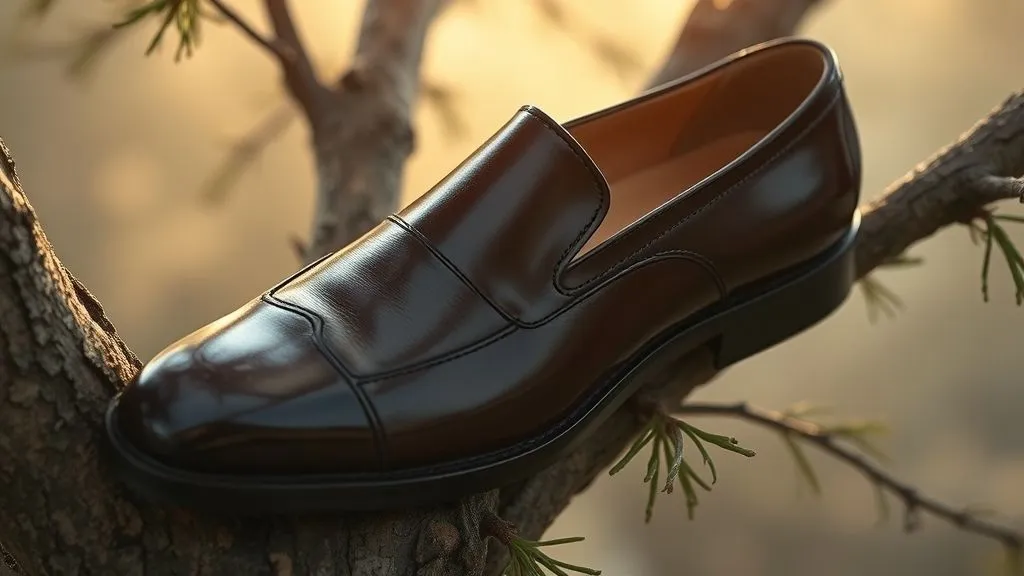
Preventing Mold Growth on Luxury Leather Footwear in Humid Storage: An Expert's Guide
For over two decades in the luxury footwear industry, I've witnessed the sheer heartbreak of clients discovering their cherished, high-investment leather shoes succumb to mold. It's a common, insidious problem, particularly for those of us living in or navigating humid climates, and it can turn a prized possession into a regrettable loss almost overnight.
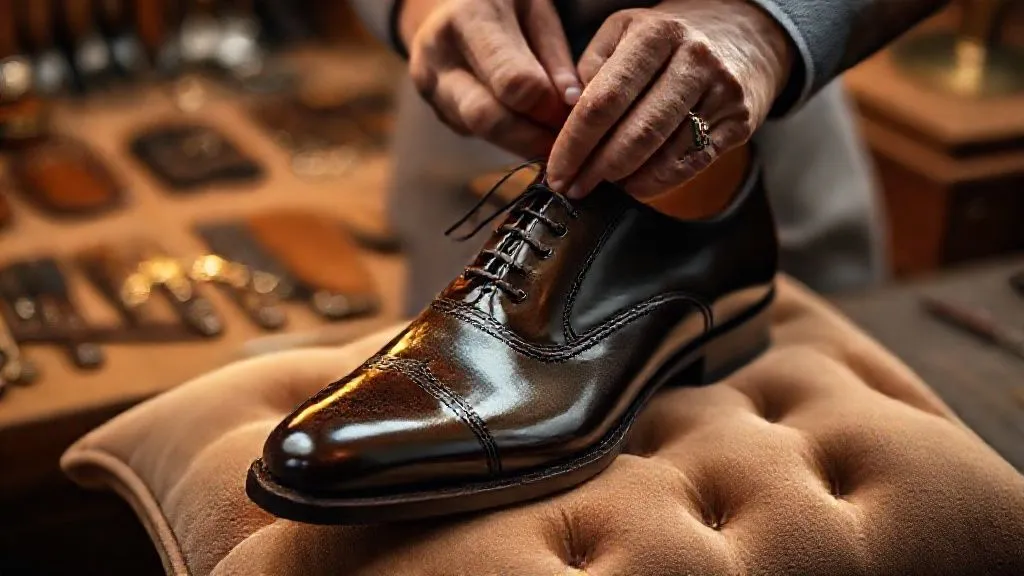
The problem isn't just aesthetic; mold actively degrades leather, weakening its fibers, causing discoloration, and often leaving an irreversible odor. Your exquisite Italian loafers, bespoke English Oxfords, or designer boots represent not just a purchase, but an investment in craftsmanship, style, and personal expression. Seeing them marred by fuzzy, green, or white patches is a truly disheartening experience.
But here's the good news: this isn't an inevitable fate. Through years of advising discerning collectors and working with master cobblers, I've developed a robust, actionable framework for **preventing mold growth on luxury leather footwear in humid storage**. This guide will equip you with expert insights, proven strategies, and a step-by-step approach to safeguard your collection, ensuring your luxury leather remains pristine, season after season.
Understanding Your Enemy: Why Mold Thrives on Leather
Before we can effectively combat mold, we must understand its nature. Mold isn't just dirt; it's a living organism – a type of fungus – that thrives under specific conditions. Leather, being an organic material, presents an ideal breeding ground if these conditions are met.
The Science of Mold: Spores, Moisture, and Organic Matter
Mold spores are ubiquitous; they exist almost everywhere in the air, waiting for the right opportunity to germinate. For leather, that 'opportunity' typically involves three key factors:
- Moisture: This is the primary catalyst. Relative humidity (RH) levels consistently above 60-65% are a mold magnet. Even residual moisture from a quick walk in the rain, or sweat from wear, if not properly addressed, can kickstart growth.
- Food Source: Leather itself is an organic material, providing ample nutrients for mold. Dust, dirt, skin cells, and even some leather conditioners or polishes can also serve as additional food sources.
- Lack of Airflow: Stagnant air allows moisture to accumulate and mold spores to settle and multiply undisturbed.
When these three elements converge, especially in a dark, enclosed space like a closet or shoe box, you have the perfect storm for mold proliferation.
Identifying Early Signs: Beyond the Obvious
Often, by the time you see visible fuzzy patches, the mold has already taken a significant hold. Early detection is crucial. Keep an eye (and nose) out for:
- Musty Odor: This is often the first indicator. A damp, earthy smell emanating from your shoes or storage area.
- Subtle Discoloration: Faint white, green, or black spots that might look like dust initially.
- Dullness or Slight Stickiness: The leather might lose its luster or feel slightly tacky to the touch.
Expert Insight: "Prevention is not just better than cure; when it comes to mold on luxury leather, it's often the *only* cure that preserves the original integrity and value of the footwear."
The Foundation of Protection: Pre-Storage Preparation
Effective mold prevention begins long before your shoes enter storage. Proper cleaning and conditioning are non-negotiable steps.
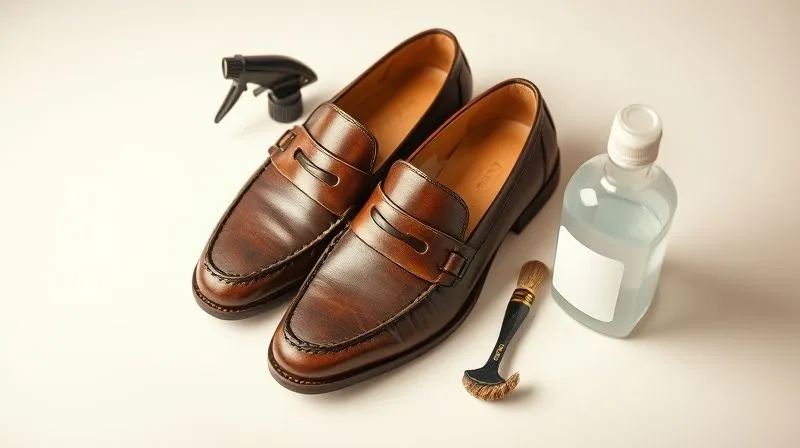
Step-by-Step Pre-Storage Protocol:
- Initial Cleaning: After each wear, especially if exposed to moisture or dirt, gently wipe down your shoes. Use a soft horsehair brush to remove loose dust and debris. For more stubborn grime, a slightly damp, clean cloth (microfiber is ideal) can be used. Avoid soaking the leather.
- Deep Cleaning (as needed): For accumulated dirt or minor stains, use a specialized leather cleaner. Apply a small amount to a clean cloth and gently wipe the shoe, following the product instructions. Always patch test in an inconspicuous area first. Allow the shoes to air dry completely for several hours, or even overnight, away from direct heat or sunlight.
- Conditioning and Nourishment: Once thoroughly dry, apply a high-quality leather conditioner. This step is vital as it restores moisture to the leather fibers, keeping them supple and preventing cracking, while also creating a slight barrier. Use a clean cloth, apply sparingly, and allow it to absorb before buffing gently.
- Polishing (Optional but Recommended): For dress shoes, a good polish provides an additional layer of protection and enhances the leather's natural luster. Ensure the polish is compatible with your leather type.
- Thorough Drying: This cannot be stressed enough. Never store shoes that are even slightly damp. If your shoes have been exposed to significant moisture (e.g., heavy rain), stuff them with newspaper or uncolored paper towels to absorb internal moisture, changing the paper every few hours until completely dry. This can take 24-48 hours.
According to research published by the Leather Research Laboratory at the University of Cincinnati, proper cleaning and conditioning not only extend the life of leather but also make it less hospitable for mold spores to take root by removing potential food sources and maintaining the leather's integrity. Learn more about leather science here.
Environmental Control: The Cornerstone of Mold Prevention
Once your shoes are impeccably clean and dry, the battle shifts to controlling their environment. This is where most people fall short, leading to mold issues.
Optimal Humidity Levels: The Golden Zone
For leather goods, the ideal relative humidity (RH) level for storage is between 40% and 55%. Anything above 60% significantly increases mold risk, and above 70% is an almost guaranteed recipe for disaster. Investing in a hygrometer (a device that measures humidity) for your closet or storage area is a small expense that provides invaluable data.
Dehumidifiers and Desiccants: Your Best Allies
In humid climates, passive measures often aren't enough. You need active humidity control.
- Dehumidifiers: For larger spaces like walk-in closets or rooms, a dedicated dehumidifier is a game-changer. Choose one appropriate for the size of your space and ensure it has an automatic shut-off and ideally, a continuous drain option.
- Desiccants: For smaller, enclosed spaces like individual shoe boxes, dust bags, or cabinet sections, desiccants are effective. Silica gel packets, activated charcoal bags, or even small containers of calcium chloride crystals (often sold as 'moisture absorbers') can draw moisture out of the immediate environment. Remember to replace or reactivate them regularly as they become saturated.
Expert Insight: "Treat your shoe closet like a mini-museum exhibit for your luxury investments. Just as museums meticulously control climate for artifacts, you must do the same for your leather."
| Humidity Control Method | Best Use Case | Pros | Cons |
|---|---|---|---|
| Electric Dehumidifier | Large closets, rooms | Active, powerful, adjustable settings | Requires power, maintenance (emptying/drain), initial cost |
| Silica Gel Packets | Individual shoe boxes, small bags | Inexpensive, reusable (can be reactivated), no power needed | Limited capacity, requires frequent monitoring/replacement |
| Activated Charcoal Bags | Small closets, shoe cabinets | Odor absorption, some moisture control, natural | Less effective for high humidity, needs periodic 'recharging' in sun |
| Cedar Wood Products | Shoe trees, closet hangers | Absorbs moisture, natural insect repellent, pleasant scent | Finite absorption, needs 'sanding' to reactivate scent/absorption |
Strategic Storage Solutions for Luxury Footwear
The way you store your shoes directly impacts their longevity and mold resistance.
The Power of Cedar: Shoe Trees and Closet Liners
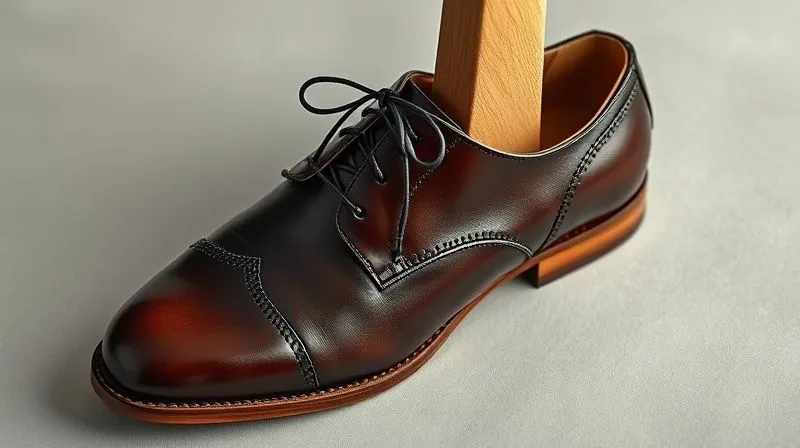
Cedar is a natural hero in shoe care. Cedar shoe trees are indispensable for luxury leather footwear:
- Moisture Absorption: They naturally absorb residual moisture from the leather, preventing internal dampness.
- Shape Retention: They maintain the shoe's original shape, preventing creasing and stretching.
- Odor Control: Cedar's natural aromatic properties help neutralize odors.
Ensure you use unvarnished cedar shoe trees for maximum effectiveness. For broader protection, cedar planks or blocks can be placed in your closet or drawers.
Breathable Storage Bags vs. Airtight Containers
This is a critical distinction. Never store luxury leather footwear in airtight plastic bags or containers for extended periods, especially in humid conditions. These environments trap any existing moisture, creating a perfect microclimate for mold.
- Breathable Dust Bags: Always use breathable cotton or flannel dust bags. These protect against dust while allowing air circulation.
- Original Shoe Boxes (with modifications): If you use the original shoe boxes, ensure they are stored in a climate-controlled environment. Consider adding a silica gel packet to each box and periodically opening them to allow for air exchange.
Air Circulation: A Non-Negotiable Factor
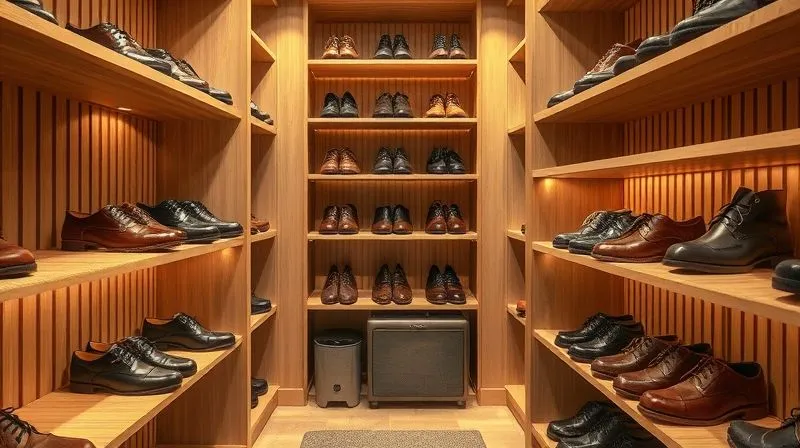
Good airflow prevents stagnant, moist air pockets. Avoid cramming shoes tightly together. Leave space between pairs, and if possible, use open shelving or slatted shoe racks rather than solid shelves.
Case Study: How Sarah Saved Her Collection: A Humid Climate Success Story
Sarah, a luxury handbag designer based in Miami, faced recurring mold issues with her extensive designer shoe collection. Despite using cedar shoe trees, she found faint mold patches appearing on her exotic leather boots. Her mistake? Storing them in their original, non-breathable plastic-lined boxes in a closed closet. By implementing the three-step environmental control framework I advised – installing a small closet dehumidifier, switching to breathable cotton dust bags for each pair, and ensuring at least an inch of space between each shoe on open shelves – she completely eradicated her mold problem. Her quarterly inspections now reveal nothing but pristine leather, a testament to the power of strategic storage and climate control, even in one of the most humid cities.
Regular Maintenance and Inspection: Your Vigilance is Key
Even with the best preventative measures, vigilance is essential. Mold spores are persistent, and a minor lapse in humidity control can lead to trouble.
Routine Checks and Rotation
- Monthly Inspection: In humid climates, I recommend a quick visual and olfactory inspection of your entire collection at least once a month. Pull out each pair, check for any spots, and sniff for musty odors.
- Rotation: If you have a large collection, rotate your shoes. Regularly wearing them, even for a short period, exposes them to fresh air and allows you to inspect them more closely.
- Light Cleaning: Use a soft cloth to dust off shoes, even those in storage. This removes potential food sources for mold.
Dealing with Incipient Mold: Early Intervention
If you catch mold early, it might be possible to mitigate the damage. For very light, superficial mold:
- Isolation: Immediately remove the affected shoe from your collection to prevent spores from spreading.
- Brush Off: Take the shoe outdoors and use a stiff brush (not one you use for regular cleaning) to gently brush off the visible mold. This prevents spores from spreading indoors.
- Wipe Down: Mix equal parts white vinegar and water. Dampen a clean cloth with this solution and wipe down the affected areas. Vinegar is a natural antifungal. Allow to air dry completely.
- Condition: Once dry, recondition the leather.
For a deeper dive into general leather care, including basic cleaning and conditioning techniques, consider resources from reputable leather care brands or professional cobbler associations. A good reference for general leather care can be found at Saphir's official website, known for their premium leather care products.
Advanced Treatments and Professional Intervention
Sometimes, basic cleaning isn't enough, or you might prefer not to risk further damage to your valuable footwear.
Antifungal Sprays and Wipes: When to Use Them
For persistent mold problems or as an added preventative layer, specialized antifungal sprays designed for leather can be effective. These products often contain agents that inhibit fungal growth. Always ensure the product is safe for your specific leather type and test it on an inconspicuous area first. They are best used as a preventative measure or for very minor, early-stage mold after initial cleaning.
When to Call a Professional Cobbler or Restorer
For extensive mold growth, deep-seated stains, or if you're unsure how to proceed, professional help is invaluable. A skilled cobbler or leather restorer has the tools, knowledge, and specialized products to:
- Thoroughly clean and disinfect the leather without causing damage.
- Address deep-set stains and odors.
- Recondition and restore the leather's appearance and suppleness.
- Offer advice on long-term prevention tailored to your specific situation.
Don't hesitate to seek professional help for your most prized possessions. The cost of restoration is often far less than the cost of replacement, especially for luxury items. Many professional cobblers are members of associations like the Shoe Service Institute of America (SSIA), which can help you find qualified professionals.
Common Pitfalls and Expert Avoidance Strategies
Even with the best intentions, certain common mistakes can undermine your efforts in **preventing mold growth on luxury leather footwear in humid storage**.
- Storing in Plastic Bags: As mentioned, these trap moisture. Always opt for breathable dust bags.
- Cramming Shoes Together: Lack of airflow is mold's best friend. Give your shoes room to breathe.
- Neglecting Insoles: Insoles can absorb significant moisture from sweat. Remove them periodically to air dry, or use absorbent cedar inserts.
- Direct Sunlight Exposure: While sunlight can kill some mold, intense UV rays can dry out, crack, and discolor leather. Avoid using it as a primary mold treatment.
- Ignoring the Storage Area: Focusing solely on the shoes but neglecting the humidity and cleanliness of the closet or room itself is a recipe for failure.
- Using Harsh Chemicals: Bleach, strong detergents, or abrasive cleaners can permanently damage delicate leather. Stick to specialized leather cleaners or mild, natural solutions like diluted vinegar.
Expert Insight: "Consistency is the silent guardian of your luxury leather. A sporadic effort will always be outmatched by mold's relentless pursuit of moisture and organic matter."
Frequently Asked Questions (FAQ)
Question: Can I use household bleach on moldy leather? Absolutely not. Bleach is far too harsh for leather and will almost certainly cause irreversible damage, including discoloration, drying, cracking, and weakening of the leather fibers. Stick to specialized leather cleaners or a diluted white vinegar solution for mild cases. For severe mold, consult a professional.
Question: How often should I check my shoes for mold in highly humid conditions? In consistently humid environments (e.g., above 60% RH), I recommend a quick visual and olfactory inspection of your entire luxury leather collection at least once a month. If you've had previous mold issues or there's been a recent spike in humidity, consider checking every two weeks. Early detection is key to minimizing damage.
Question: Are all leather types equally susceptible to mold? Generally, all natural leather is susceptible because it's an organic material. However, some types are more vulnerable. Suede and nubuck, with their porous, napped finishes, can trap moisture and spores more easily than smooth, highly polished leathers. Exotic leathers may also require specific care. Heavier, untreated leathers can also be more absorbent. Always tailor your care to the specific leather type.
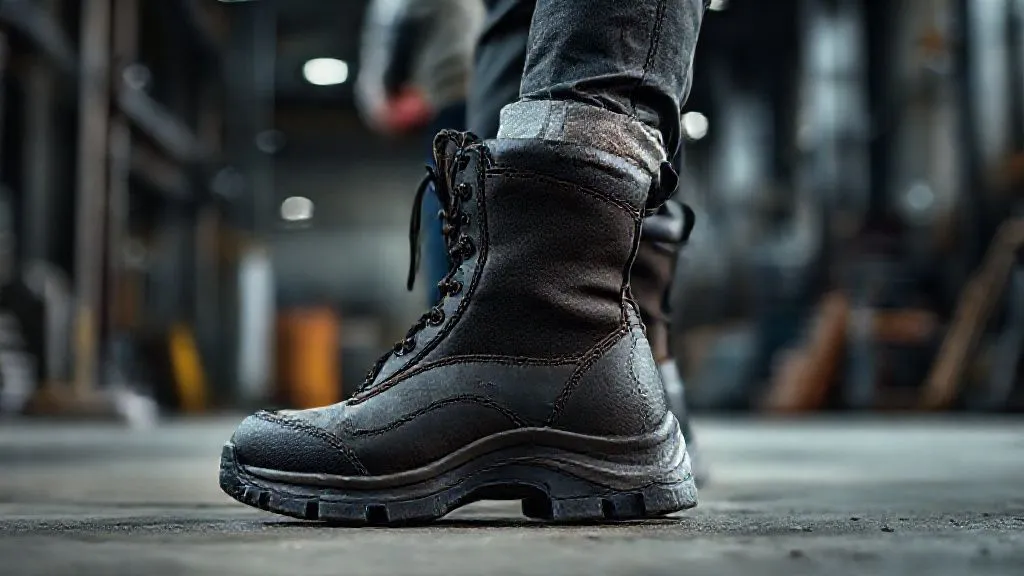
Question: What's the best way to store seasonal luxury boots during the off-season? For seasonal luxury boots, the principles remain the same but require extra attention due to their longer storage periods. Ensure they are thoroughly cleaned, conditioned, and completely dry. Insert full-length cedar boot trees to maintain shape and absorb internal moisture. Place them in breathable dust bags, and store them on open shelves in a climate-controlled area with controlled humidity (40-55% RH). Periodic checks (every 1-2 months) are still advisable.
Question: Does direct sunlight kill mold on leather? While UV light from direct sunlight can kill some mold spores, it's not a recommended method for treating mold on luxury leather footwear. Prolonged exposure to direct sunlight can severely dry out, crack, fade, and discolor the leather, causing more damage than the mold itself. It can also cause adhesives to weaken. It's best to use proper cleaning, antifungal agents, and professional restoration.
Key Takeaways and Final Thoughts
Protecting your luxury leather footwear from mold in humid storage isn't just about cleaning; it's about establishing a comprehensive, proactive strategy. Remember these critical steps:
- Clean & Dry Thoroughly: Never store damp shoes. Proper cleaning and conditioning are foundational.
- Control the Environment: Maintain 40-55% relative humidity in your storage area using dehumidifiers or desiccants.
- Optimize Storage: Use cedar shoe trees and breathable dust bags. Ensure adequate air circulation.
- Be Vigilant: Conduct regular inspections and address any signs of mold immediately.
- Seek Professional Help: Don't hesitate to consult experts for significant mold issues.
Your luxury leather footwear is an investment, a statement, and often, a piece of art. By embracing these expert strategies, you're not just preventing mold; you're actively preserving the beauty, integrity, and longevity of your cherished collection. With a little consistent effort and the right approach, you can ensure your shoes remain pristine, ready to step out in style, no matter how humid the climate. Investing in proper care is truly an investment in enduring luxury. Read more about preserving luxury investments on Forbes.
Recommended Reading
- Supplier Ethical Audit Failure? 7 Steps to Remediation & Resilience
- Stop the Leak: 7 Proven Strategies to Minimize Online Casual Womenswear Returns
- Mastering Couture Pricing: 7 Keys to Valuing Bespoke Commissions Accurately
- Scaling Self-Cleaning Fabrics: 5 Strategies for Efficacy & Production
- Beyond Sales: 7 Key Metrics to Measure Digital Fashion ROI Accurately


Your email address will not be published. Required fields are marked *