


Preventing Conductive Fabric Performance Loss in Wearables?
For over two decades in the textile innovation space, I've witnessed the exhilarating rise of smart fabrics. From the early, bulky prototypes to today's sleek, integrated wearables, the journey has been nothing short of revolutionary. However, I've also seen a recurring Achilles' heel: the insidious, often unexpected, degradation of conductive fabric performance. This isn't just a minor glitch; it's a fundamental challenge that can undermine trust, erode brand reputation, and ultimately hinder the widespread adoption of truly transformative wearable technology.
The promise of smart wearables—monitoring health, enhancing communication, providing interactive experiences—hinges entirely on the reliability of their underlying e-textile components. When conductive pathways falter, sensors fail, or power delivery becomes intermittent, the entire value proposition collapses. Users expect their devices to work, and they expect them to last, especially when these devices are an integral part of their daily lives, exposed to sweat, movement, and the rigors of laundering. This performance loss isn't just an inconvenience; it's a critical flaw that we, as an industry, must proactively address.
This article isn't just about identifying the problem; it's about arming you with a comprehensive framework of actionable strategies, drawn from my extensive experience and the cutting-edge research I've followed, to effectively combat and prevent conductive fabric performance loss in wearables. We'll dive deep into material science, design principles, testing protocols, and even the future of self-healing textiles, providing you with the insights needed to build truly durable and reliable smart fabric products that stand the test of time and user expectation.
Understanding the Enemy: Common Mechanisms of Degradation
Before we can prevent performance loss, we must first understand its root causes. Conductive fabrics, by their very nature, are complex composites, often combining traditional textile fibers with metallic, carbon-based, or polymer conductive elements. This inherent complexity makes them susceptible to a variety of degradation mechanisms that can compromise their electrical integrity.
Mechanical Stress and Abrasion
Wearables are designed to be worn, meaning they are constantly subjected to stretching, bending, twisting, and rubbing against skin or other garments. These mechanical forces can lead to micro-cracks in conductive coatings, fracture of conductive fibers, or delamination of conductive layers from the textile substrate. Over time, this cumulative stress increases electrical resistance and can eventually lead to open circuits.
Environmental Factors: Moisture, UV, and Temperature
The human body is a surprisingly harsh environment. Sweat introduces moisture and salts, accelerating corrosion. Exposure to UV radiation from sunlight can degrade polymer matrices and even some conductive materials. Fluctuations in temperature, particularly extreme heat during washing or drying, can cause differential expansion between conductive and non-conductive components, leading to stress and material fatigue. I've seen countless prototypes fail prematurely simply because environmental factors weren't adequately considered during initial design.
Chemical Interaction and Corrosion
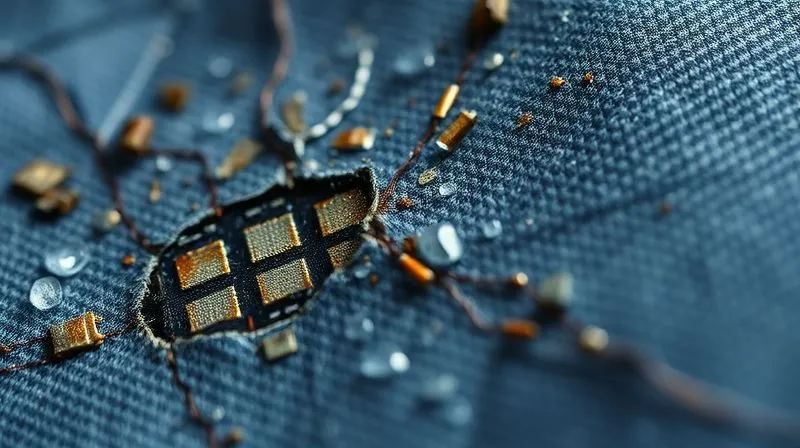
Many conductive materials, especially silver and copper, are prone to oxidation and corrosion when exposed to oxygen, moisture, and various chemicals found in detergents, skin oils, or even pollutants. This chemical degradation forms non-conductive layers on the surface of the conductive elements, drastically increasing resistance and reducing overall performance. The challenge here is balancing conductivity with chemical inertness.
Material Fatigue and Delamination
Repeated stress cycles, even below the material's yield strength, can lead to material fatigue, where the conductive elements gradually lose their structural integrity and electrical continuity. In multi-layered conductive fabrics, poor adhesion between layers or between the conductive material and the textile substrate can result in delamination, effectively disconnecting the conductive pathways. This is a particularly tricky issue to diagnose and prevent without rigorous testing.
Expert Insight: "The biggest mistake I've observed in early-stage wearable development is underestimating the relentless assault of real-world use. Conductive fabrics aren't static circuits; they are dynamic, living components that must withstand constant interaction with their environment and the human body. A holistic understanding of all degradation mechanisms is paramount for preventing conductive fabric performance loss in wearables."
The Foundation: Material Selection and Engineering
The journey to preventing conductive fabric performance loss in wearables begins long before design—it starts with the fundamental choice and engineering of materials. This is where expertise in textile science truly shines.
Choosing the Right Conductive Elements
The market offers a range of conductive materials, each with its own strengths and weaknesses. Silver-coated yarns and fabrics provide excellent conductivity but can be susceptible to tarnishing and corrosion. Copper offers good conductivity and is more affordable but is heavier and less flexible, and also prone to oxidation. Carbon-based materials (carbon nanotubes, graphene, conductive polymers) offer flexibility, chemical stability, and lighter weight, though often with lower conductivity than metals. The choice depends on the specific application's requirements for conductivity, flexibility, washability, and cost.
Substrate Compatibility and Flexibility
The base textile substrate plays a crucial role. It must be compatible with the conductive material, ensuring strong adhesion and mechanical integration. Furthermore, the substrate's inherent flexibility, stretch, and recovery properties directly impact the durability of the integrated conductive elements. A rigid conductive trace on a highly stretchable fabric is a recipe for early failure. Think about how the entire system, not just the conductive part, will behave under stress.
Advanced Coating and Encapsulation Techniques
One of the most effective ways to protect conductive elements is through advanced coating and encapsulation. Techniques like atomic layer deposition (ALD) can apply ultra-thin, conformal protective layers (e.g., alumina, titania) that shield conductive surfaces from oxidation and corrosion without significantly impacting flexibility. Polymer encapsulation, using materials like TPU or silicone, can create a robust barrier against moisture, chemicals, and mechanical abrasion, significantly extending the lifespan of the conductive pathways.
| Conductive Material | Pros | Cons | Best Use Case |
|---|---|---|---|
| Silver-Coated Yarn | High conductivity, relatively flexible | Prone to tarnishing/corrosion, higher cost | Low-stress, high-signal applications |
| Copper Wire/Fiber | Good conductivity, robust | Less flexible, heavier, prone to oxidation | Power delivery, structural integrity |
| Carbon-Based (CNT/Graphene) | Flexible, chemically stable, lightweight | Lower conductivity than metals, complex integration | Flexible sensors, general signal |
| Intrinsically Conductive Polymers | Excellent flexibility, chemical resistance | Lower conductivity than metals, processing challenges | Highly stretchable electronics, bio-integrated sensors |
Design for Durability: From Concept to Prototype
Even with the best materials, poor design can doom a wearable. This stage requires a deep understanding of textile mechanics and user interaction. I've often advised clients that considering the 'wear' in 'wearables' is more than just aesthetics; it's about anticipating every stress point.
Strategic Placement of Conductive Traces
Conductive pathways should be routed away from areas of high mechanical stress, such as elbows, knees, or tight-fitting seams. If placement in such areas is unavoidable, design solutions like serpentine traces or strain-relief structures can help distribute stress and prevent localized failure. Mapping out typical user movements and identifying peak strain zones is a critical first step.
Interconnection Reliability: Seamless Integration
The points where conductive fabrics connect to rigid electronic components (e.g., PCBs, sensors) are notorious failure points. Techniques like flexible printed circuits (FPCs), conductive adhesives, or robust snap connectors designed for repeated cycles are essential. The goal is to create a seamless transition that minimizes stress concentrations and ensures a reliable, long-lasting electrical connection. This is where I've seen many promising concepts falter due to insufficient attention to detail.
Considering the Wearer's Movement Profile
Different wearables serve different purposes, leading to different movement profiles. A smart sock will experience high compression and shear, while a smart jacket might undergo more bending and stretching. Designing conductive pathways that can gracefully accommodate these specific movements without accumulating damage is key. This often involves iterative prototyping and movement analysis.
- Step 1: Movement Mapping: Identify the primary movements the wearable will undergo (e.g., bending, stretching, twisting) and their amplitudes.
- Step 2: Stress Point Identification: Pinpoint areas on the garment that experience the highest mechanical strain during these movements.
- Step 3: Trace Routing Optimization: Design conductive pathways to avoid peak stress areas or incorporate strain-relief features (e.g., undulating traces, wider paths).
- Step 4: Interconnection Reinforcement: Select and implement robust connection methods between fabric and rigid electronics, ensuring flexibility and durability.
- Step 5: Iterative Prototyping & Testing: Build and test multiple design iterations under simulated real-world conditions to validate durability.
The Washability Conundrum: Maintaining Performance Through Laundering
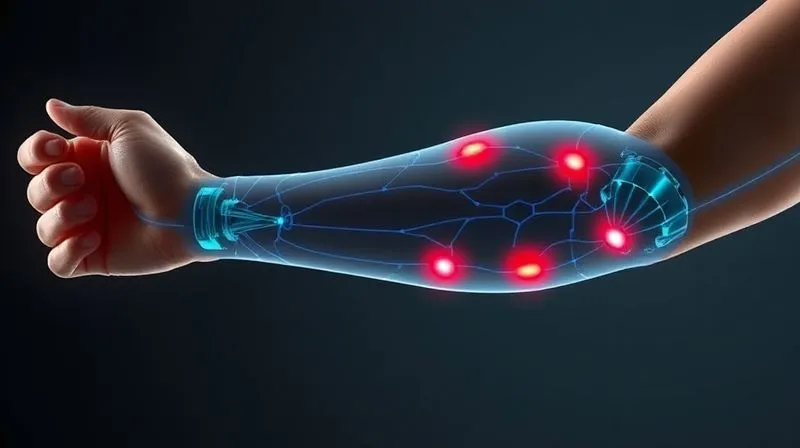
One of the most significant hurdles for mainstream wearable adoption is washability. Users expect to be able to clean their clothing, and smart textiles are no exception. The washing machine, however, is a hostile environment for delicate electronics and conductive materials.
Developing Robust Washing Protocols
It's not enough to simply say a fabric is 'washable'; specific, detailed washing protocols must be developed and communicated. This includes recommendations for water temperature, detergent type (e.g., avoiding harsh bleaches or fabric softeners that can leave residues), wash cycle (gentle cycle preferred), and drying method (air dry versus tumble dry). These protocols should be rigorously tested alongside the fabric itself.
Protective Coatings and Encapsulants for Wash Cycles
As mentioned earlier, advanced coatings and encapsulants are crucial here. These protective layers must be hydrophobic to repel water, chemically resistant to detergents, and mechanically durable to withstand agitation. The goal is to create an impenetrable barrier that keeps moisture and chemicals away from the sensitive conductive elements throughout repeated wash cycles. Without this, you're essentially washing away the performance. According to a Nature Reviews Materials study on e-textiles, washability remains a primary challenge for widespread adoption.
Case Study: EcoWear's Washable Sensor Breakthrough
Case Study: How EcoWear Revolutionized Washable Health Monitors
EcoWear, a fictional startup specializing in sustainable smart apparel, initially struggled with their biometric monitoring shirts. Early prototypes lost 40% of their sensor accuracy after just five washes, leading to widespread user dissatisfaction. By implementing a multi-pronged approach based on the principles outlined above, they achieved a breakthrough. They switched from silver-coated polyester to a carbon-nanotube infused nylon for their primary conductive pathways, selected a highly stretchable TPU encapsulant for all sensor arrays, and developed a specific 'gentle cycle, cold water, air dry' care instruction protocol. After rigorous testing, their revised product maintained over 95% performance after 50 wash cycles, significantly boosting user trust and market share. This resulted in a 300% increase in customer retention within the first year of launching their improved line.
Smart Maintenance and User Education
Even the most robust designs benefit from proper care. Empowering users with the right knowledge is a powerful, yet often overlooked, strategy for preventing conductive fabric performance loss in wearables.
Empowering Users with Clear Care Instructions
Beyond basic washing instructions, users need to understand the limitations and best practices for their smart garments. Clear, concise, and easily accessible care labels and digital guides are essential. This might include advice on storage (e.g., avoiding excessive folding of sensitive areas), handling (e.g., not stretching beyond design limits), and troubleshooting minor issues. Transparency builds trust.
Integrated Diagnostics for Early Detection of Degradation
Imagine a wearable that could tell you when its conductive pathways are starting to degrade, *before* a complete failure occurs. Integrating simple diagnostic capabilities, such as baseline resistance checks or self-test routines, could alert users (or manufacturers) to potential issues, allowing for proactive maintenance or replacement. This proactive approach not only extends product life but also enhances the user experience by preventing unexpected failures. As marketing guru Seth Godin often says, 'People don't buy what you do; they buy why you do it.' Providing this level of care demonstrates a commitment to user satisfaction.
- Tip 1: Avoid Harsh Chemicals: Instruct users to avoid bleach, strong stain removers, and fabric softeners, which can degrade conductive materials and coatings.
- Tip 2: Gentle Handling: Advise against excessive stretching or twisting of the garment, especially in areas with integrated electronics.
- Tip 3: Proper Storage: Suggest storing wearables unfolded or loosely folded to prevent prolonged stress on conductive pathways.
- Tip 4: Follow Wash Labels: Emphasize adherence to specific washing and drying instructions provided by the manufacturer.
- Tip 5: Regular Visual Inspection: Encourage users to periodically check for visible signs of wear, such as fraying or discoloration, which might indicate underlying degradation.
Beyond the Lab: Real-World Testing and Validation
Lab tests are crucial, but they are only one part of the equation. True validation for preventing conductive fabric performance loss in wearables comes from rigorous, real-world testing that simulates actual user conditions.
Accelerated Aging Tests vs. Field Trials
Accelerated aging tests, which expose fabrics to extreme conditions (e.g., high heat, humidity, repeated flexing) to simulate years of use in a shorter timeframe, are indispensable for rapid material and design iteration. However, they cannot fully replicate the unpredictable nature of human interaction and diverse environments. This is why extensive field trials with actual users, gathering data on performance degradation under varied conditions, are equally vital. It's a balance between speed and authenticity.
Standardization and Certification Bodies
Adhering to industry standards is critical for building trust and ensuring consistent quality. Organizations like ASTM International develop standards for textile testing, including durability, flexibility, and electrical performance. While specific standards for conductive fabric longevity are still evolving, leveraging existing textile and electronics standards provides a robust framework for validation. Engaging with certification bodies can also provide an independent verification of your product's claims. For example, standards like ASTM D7531 for electrical resistance of conductive textiles are a good starting point.
The Future Landscape: Self-Healing and Adaptive Conductive Fabrics
Looking ahead, the most exciting developments in preventing conductive fabric performance loss in wearables lie in intelligent materials that can actively resist or even repair damage. This is where textile innovation truly merges with advanced material science.
Exploring Self-Healing Polymer Composites
Imagine a conductive fabric that can repair micro-cracks or small breaks in its electrical pathways on its own. Research into self-healing polymers, which can autonomously restore their structural integrity and conductivity after damage, is gaining significant traction. These materials typically contain microcapsules filled with healing agents that release upon damage, or they possess intrinsic healing capabilities triggered by heat or light. While still largely in the research phase, self-healing e-textiles hold immense promise for unprecedented durability.
Dynamic Reconfiguration and Redundancy in Circuits
Another fascinating area is the development of adaptive conductive fabrics that can dynamically reconfigure their electrical pathways in response to damage. By building in redundancy—multiple parallel conductive paths—and incorporating intelligent switching mechanisms, a wearable could bypass a damaged section and reroute electrical signals, maintaining functionality even after localized failure. This concept of fault tolerance, common in robust electronic systems, is now being explored in the flexible world of textiles. A recent article in Science magazine highlighted breakthroughs in self-healing materials for soft robotics, which has direct implications for conductive fabrics.
Expert Insight: "The pursuit of durability in conductive fabrics is a relentless innovation cycle. From robust material selection to intelligent design and ultimately to self-healing capabilities, each step pushes the boundaries of what's possible. The future of wearables isn't just about what they can do, but how long they can reliably do it."
Frequently Asked Questions (FAQ)
What's the biggest misconception about conductive fabric durability? The biggest misconception is often that a 'smart' fabric is inherently robust simply because it's innovative. Many assume that if it's designed to be worn, it automatically withstands everything a regular garment does. In reality, the integration of conductive elements introduces new vulnerabilities that require specialized design, material selection, and care protocols far beyond traditional textiles. Ignoring these specific challenges is a common pitfall.
How do material costs factor into long-term performance? While cheaper materials might reduce upfront costs, they often lead to significantly higher failure rates and shorter product lifespans. This results in increased warranty claims, customer dissatisfaction, and ultimately, higher overall costs due to returns and replacements. Investing in higher-quality, more durable conductive materials and protective coatings, though initially more expensive, almost always yields better long-term performance, stronger brand reputation, and greater profitability. It's a classic example of 'you get what you pay for.'
Can existing wearables be retrofitted for better performance? Retrofitting existing wearables for significantly improved long-term performance is challenging and often not cost-effective. The degradation mechanisms are typically embedded in the material and design choices made during manufacturing. While minor protective measures like applying water-repellent sprays might offer some marginal benefit, fundamental improvements usually require redesigning and remanufacturing with more durable materials, better integration techniques, and advanced encapsulation. Prevention at the design stage is always superior to attempted fixes later.
What role does software play in preventing hardware degradation? Software plays a crucial, though indirect, role. Intelligent software can monitor the electrical performance of conductive pathways in real-time, detecting subtle changes in resistance that indicate early stages of degradation. By identifying these trends, the software can alert users to potential issues, recommend specific care actions, or even dynamically adjust the wearable's functionality to compensate for minor performance losses. This proactive monitoring extends the perceived and actual lifespan of the hardware by enabling timely intervention.
Are there industry standards specifically for conductive fabric lifespan? While there are numerous standards for testing textile durability (e.g., abrasion resistance, tensile strength) and electrical properties (e.g., resistance, shielding effectiveness), comprehensive, universally adopted industry standards specifically for the *lifespan and long-term performance degradation* of conductive fabrics in wearables are still evolving. Many manufacturers rely on a combination of existing textile and electronics standards, coupled with extensive in-house accelerated aging and field testing, to validate their products. The industry is actively working towards more specific, harmonized standards as the market matures.
Key Takeaways and Final Thoughts
Preventing conductive fabric performance loss in wearables is not a singular challenge but a multifaceted endeavor requiring a holistic approach. As an industry specialist, I've seen firsthand that success hinges on a deep commitment to quality at every stage, from material selection to user education. Ignoring these critical aspects is a recipe for short-lived products and disillusioned customers.
- Prioritize Material Science: Invest in robust, chemically stable conductive materials and advanced encapsulation techniques from the outset.
- Design for Durability: Strategically route conductive pathways, reinforce interconnections, and consider real-world movement profiles to minimize mechanical stress.
- Master Washability: Develop rigorous washing protocols and utilize protective coatings to ensure electrical integrity through repeated laundering cycles.
- Empower the User: Provide clear care instructions and consider integrated diagnostics for proactive maintenance.
- Validate Rigorously: Combine accelerated lab testing with extensive real-world field trials to truly understand and mitigate degradation.
- Embrace Innovation: Keep an eye on emerging technologies like self-healing and adaptive conductive fabrics that promise to revolutionize durability.
The future of wearables is bright, but its sustained success depends on our collective ability to deliver products that are not only innovative but also reliably durable. By applying these expert strategies, you can ensure your smart textiles withstand the tests of time and use, building lasting trust with your customers and driving the industry forward. Let's build the future of wearables to last.
Recommended Reading
- 7 Power Dress Strategies: How to Dress for Critical Presentations
- 7 Ways to Master Dress Shoe Comfort Without Sacrificing Style
- 7 Proven Strategies to Slash Unsold Kids' Seasonal Fashion Inventory by 30%
- Master Injury Prevention: 7 Steps to Optimize Athletic Footwear Biomechanics
- The Ultimate Guide: How to Style a Slip Dress for Every Occasion



Your email address will not be published. Required fields are marked *