

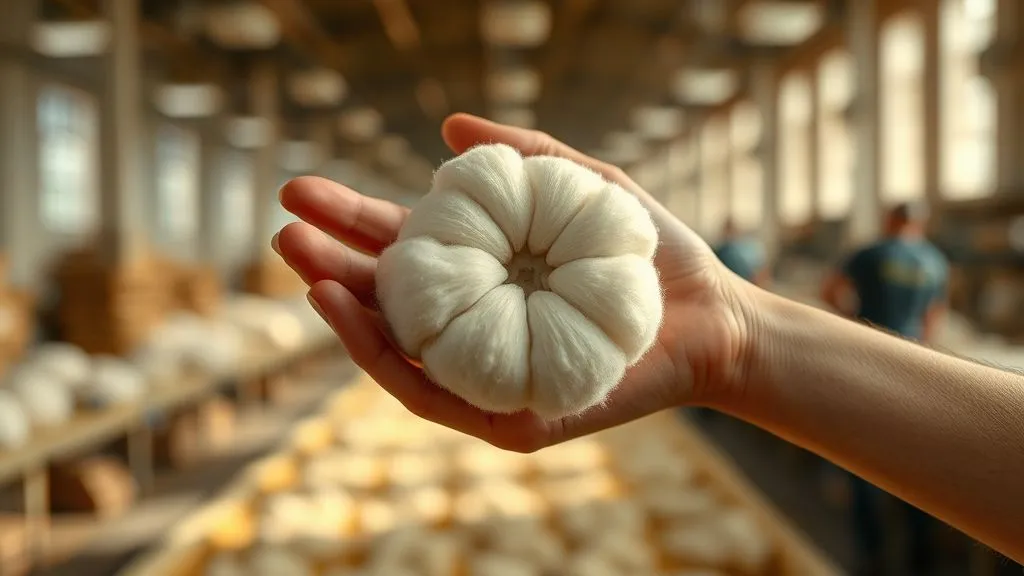
How to Verify Organic Cotton Supplier Claims Without Costly Audits?
For over 15 years in the sustainable fashion industry, I've witnessed firsthand the complex dance between aspiration and reality. Many brands, eager to embrace ethical sourcing, fall prey to misleading claims, often due to the prohibitive cost and complexity of conducting full-scale audits. The desire for organic cotton is strong, but the path to authentic verification can feel like navigating a minefield.
The problem is pervasive: greenwashing isn't just a buzzword; it's a real threat to brand integrity and consumer trust. Companies commit to organic, invest heavily, only to find their supply chain riddled with inconsistencies, or worse, outright fraud. The financial burden of sending auditors across continents is simply not feasible for many small to medium-sized enterprises, leaving them vulnerable and uncertain.
But what if I told you there are intelligent, actionable strategies you can employ right now to significantly enhance your due diligence, build trust, and confidently verify your organic cotton suppliers, all without breaking the bank on expensive, recurring audits? In this definitive guide, I'll share my expert insights, practical frameworks, and real-world tactics to empower your brand to navigate the complexities of organic cotton verification effectively and ethically.
Understanding the Organic Cotton Certification Landscape
Before we dive into verification tactics, it's crucial to understand the bedrock of trust in organic textiles: certifications. While our goal is to move beyond simply trusting a logo, knowing what these certifications entail provides a baseline for your inquiries.
GOTS vs. OCS: What They Cover
The two most recognized standards for organic cotton are the Global Organic Textile Standard (GOTS) and the Organic Content Standard (OCS). Both are vital for ensuring organic integrity, but they focus on different aspects:
- Global Organic Textile Standard (GOTS): This is the gold standard for organic textiles. GOTS goes beyond just the fiber; it ensures environmental and social criteria are met throughout the entire supply chain – from harvesting of the raw materials, through environmentally and socially responsible manufacturing up to labelling. It covers processing, manufacturing, packaging, labelling, trading, and distribution of all textiles made from certified organic natural fibers.
- Organic Content Standard (OCS): The OCS focuses purely on tracking and verifying the amount of organic material in a final product. It provides a chain of custody for organically grown materials. Unlike GOTS, OCS does not include processing criteria (e.g., use of hazardous chemicals) or social criteria (e.g., fair labor practices). It simply verifies the organic content.
Understanding these distinctions is your first step. A supplier claiming GOTS certification should be able to demonstrate adherence to far more stringent criteria than one claiming OCS. This knowledge allows you to ask more targeted questions.
Key Insight: "Certifications are tools, not guarantees. Their true value lies in the transparent systems they enforce, which you must learn to scrutinize."
Beyond the Logo: The Power of Document Scrutiny
The most immediate and cost-effective way to verify organic cotton claims is through meticulous document scrutiny. Many companies simply ask for a certificate and stop there. As an industry veteran, I can tell you this is a critical mistake. You need to understand *which* documents to ask for and *how* to verify them.
- Request Scope Certificates: Every entity in a GOTS or OCS certified supply chain (from ginning to final garment maker) must possess a valid 'Scope Certificate' issued by an accredited certification body. This certificate confirms their facility is capable of producing certified organic products.
- Verify the Scope Certificate's Validity: Do not just accept a PDF. Use the public databases provided by GOTS (global-standard.org/public-database) and Textile Exchange (for OCS, via their Certified Company Search) to cross-reference the certificate number, company name, and validity period. I've seen countless expired or fabricated certificates.
- Demand Transaction Certificates (TCs): This is where the rubber meets the road. For every single shipment of GOTS or OCS certified material you purchase, your supplier *must* provide a Transaction Certificate. This document tracks the specific organic material from one certified entity to the next. It confirms that the *specific batch* of cotton you are buying is certified.
- Match TCs to Your Order: Ensure the TC details (product description, quantity, supplier, buyer, shipment date) precisely match your purchase order and shipping documents. Discrepancies are red flags.
- Review Bills of Lading and Commercial Invoices: These transport and financial documents should corroborate the information on the Transaction Certificate, linking the certified material to its physical movement and financial transaction.
- Ask for Lab Test Reports (Voluntary but Recommended): While not mandatory for certification, asking for occasional lab tests (e.g., for pesticide residues) on raw cotton or fabric can be a powerful supplementary verification, especially if you have any doubts.
This systematic approach to document verification creates a robust paper trail, making it incredibly difficult for fraudulent claims to slip through. It requires time and diligence, but virtually no financial outlay beyond your team's effort.
| Document Type | Purpose | Verification Method |
|---|---|---|
| Scope Certificate | Confirms facility's certification status | Public online database cross-reference |
| Transaction Certificate (TC) | Tracks specific organic material per shipment | Match details to PO & shipping docs, check TC database |
| Bill of Lading / Commercial Invoice | Corroborates TC & physical shipment | Cross-reference with TC for consistency |
| Lab Test Reports (Optional) | Confirms absence of prohibited substances | Review reports from accredited labs |
Building Relationships: The Human Element of Verification
In my experience, relying solely on paper trails, however robust, is insufficient. Sustainable fashion is built on relationships. Direct communication and fostering a transparent partnership with your suppliers can reveal far more than any document alone.
Direct Communication Strategies
- Regular Video Calls: Schedule frequent video calls with key personnel at the supplier's facility. This helps build rapport and allows you to ask questions in real-time, observing their responses.
- Ask Open-Ended Questions: Instead of 'Are you GOTS certified?', ask 'Can you walk me through your GOTS certified process from ginning to fabric production?' or 'What challenges have you faced in maintaining your organic integrity, and how did you overcome them?' This encourages detailed, honest responses.
- Discuss Their Internal Control Systems: Inquire about their internal organic integrity management system. How do they separate organic from conventional cotton? What training do their staff receive? What procedures are in place to prevent contamination?
- Request Process Flowcharts and Photos: Ask for visual documentation of their organic cotton processing lines. Photos of their storage, segregation, and production areas can offer valuable insights.
Case Study: EcoChic's Transparency Journey
EcoChic, a small ethical apparel brand, initially struggled with verifying their organic cotton claims from a new supplier in India. Instead of immediately paying for an audit, their founder, Sarah, implemented a rigorous communication strategy. She scheduled weekly video calls, requesting detailed explanations of their GOTS-certified process. During one call, she noticed a discrepancy in the description of their dyeing process compared to the GOTS standards she was familiar with. Politely, she asked for clarification and photos of the dye house. The supplier, initially defensive, eventually admitted they outsourced a specific dyeing step to a non-certified facility, believing it wouldn't impact the overall GOTS claim. This revelation allowed EcoChic to either find a new, fully compliant supplier or work with the existing one to bring the outsourced process under certification, ultimately strengthening their supply chain's integrity without a single audit fee.

Leveraging Technology: Digital Tools for Due Diligence
The digital age offers powerful, often overlooked, tools for enhancing supply chain transparency. These don't replace audits entirely but provide crucial data points and insights.
Blockchain and Traceability Platforms
While still evolving, blockchain technology and specialized traceability platforms are revolutionizing supply chain verification. Many forward-thinking suppliers are already adopting these:
- Blockchain-Enabled Tracking: Some platforms allow each bale of organic cotton to be assigned a digital token, tracking its journey from farm to finished product. This creates an immutable, transparent ledger that is incredibly difficult to falsify. Ask your suppliers if they are participating in any such initiatives.
- Specialized Traceability Software: Companies like FibreTrace, Bext360, or Provenance offer solutions for tracking materials. While subscribing to these might incur a cost, leveraging a supplier already using them is a huge advantage.
- QR Codes and Product Passports: Many brands are now implementing QR codes on their products that link directly to the supply chain journey, offering consumers and buyers alike unprecedented transparency. Inquire if your supplier can provide such data.
Even if your direct supplier isn't using blockchain, they might be connected to a larger ecosystem that does. Probing these questions shows you're serious about transparency and encourages them to adopt better practices.
On-the-Ground Intelligence: Remote Verification Techniques
When physical audits are cost-prohibitive, you can still gather 'on-the-ground' intelligence through creative remote methods. This requires a bit of ingenuity but yields valuable insights.
Virtual Site Visits and Geo-tagging
- Live Video Tours: Request a live video tour of the supplier's facility. Ask them to walk you through specific areas: raw material storage, ginning (if applicable), spinning, weaving, dyeing, and finishing. Pay attention to segregation, cleanliness, and overall organization. This is not an audit, but it provides crucial visual evidence.
- Geo-tagged Photos and Videos: Ask your supplier to provide geo-tagged photos or short videos of their organic cotton fields during harvest, or specific stages of processing. Many smartphones automatically embed location data. This helps confirm the physical location of their operations.
- Satellite Imagery: For larger farms, publicly available satellite imagery (e.g., Google Earth) can sometimes confirm the presence of agricultural activity in the claimed location, though it won't confirm organic practices.

The Role of Third-Party Data and Industry Networks
You don't have to operate in a vacuum. The sustainable fashion community is rich with shared knowledge and resources. Leveraging these can significantly enhance your verification efforts.
Utilizing Public Registries and Industry Associations
- Certification Body Databases: As mentioned, GOTS and OCS have public databases. But also check the websites of the specific certification bodies themselves (e.g., Control Union, IMO, ECOCERT). They often list their certified clients.
- Industry Associations and Forums: Join industry associations like the Sustainable Apparel Coalition (SAC) or Textile Exchange. These platforms offer opportunities to network with other brands and share supplier experiences (both good and bad). Sometimes, a quick inquiry in a trusted forum can reveal existing issues with a supplier.
- News and Media Monitoring: Regularly monitor industry news, sustainability reports, and even local news from the supplier's region. Reports of labor disputes, environmental violations, or fraud can be significant red flags.
- Due Diligence Software: Consider subscribing to platforms that aggregate risk data on suppliers, covering environmental, social, and governance (ESG) factors. While these aren't free, they are often less expensive than full audits and provide ongoing monitoring.
By tapping into collective intelligence, you gain access to a broader spectrum of information and can often identify potential risks or confirm positive reputations without direct investigation.

Establishing an Internal Due Diligence Framework
To integrate these strategies effectively, you need a structured internal framework. This ensures consistency and makes verification a standard part of your sourcing process.
- Assign a Responsible Person/Team: Designate a specific individual or team responsible for supplier due diligence and organic cotton verification. This ensures accountability.
- Develop a Supplier Questionnaire: Create a detailed questionnaire that goes beyond basic certification questions. Include inquiries about their internal controls, social compliance, environmental policies, and specific organic cotton handling procedures.
- Create a Document Checklist: Maintain a clear checklist of all required documents (Scope Certificates, TCs, etc.) and their validity periods. Set reminders for renewals.
- Implement a Risk Scoring System: Develop a simple scoring system for suppliers based on their responses, documentation, and communication. Higher scores indicate lower risk.
- Schedule Regular Reviews: Don't treat verification as a one-off event. Schedule annual or bi-annual reviews of supplier documentation and communication.
- Document Everything: Maintain thorough records of all communications, documents received, verification steps taken, and any red flags identified. This is crucial for internal accountability and external scrutiny.
Addressing Red Flags: What to Do When Claims Don't Add Up
Even with the best strategies, you might encounter inconsistencies. The key is how you respond.
- Investigate, Don't Accuse: Approach discrepancies as an opportunity for clarification, not immediate accusation. Ask open-ended questions to understand the 'why' behind the issue.
- Request Corrective Action Plans: If a minor issue is identified, ask the supplier to provide a clear corrective action plan with timelines. Monitor their progress.
- Consider a Phased Approach: If a supplier has a strong history but a new issue arises, consider a phased approach. Reduce order volumes, increase scrutiny, and give them a chance to rectify.
- Know When to Walk Away: For major discrepancies, persistent non-compliance, or outright fraud, be prepared to terminate the relationship. Your brand's integrity and the future of sustainable fashion depend on it.
As Harvard Business Review often highlights, consumer trust is fragile. Protecting your supply chain's integrity is paramount.
Frequently Asked Questions (FAQ)
Question? Is it truly possible to verify organic cotton without any external audit costs?
Answer: While external audits offer the highest level of assurance, it is absolutely possible to significantly enhance your verification without direct audit costs. By diligently scrutinizing documents, fostering strong supplier relationships, leveraging technology, and utilizing public data, you can build a robust internal due diligence system that catches most inconsistencies. The goal isn't to eliminate all risk, but to manage and mitigate it effectively within your resources.
Question? What if a supplier claims to be organic but isn't GOTS or OCS certified? How do I verify them?
Answer: This is a trickier situation. If a supplier isn't certified by a recognized standard, their 'organic' claim holds little weight for international trade. You would need to request detailed proof of organic farm certification (e.g., USDA Organic, EU Organic) for the raw cotton, and then verify their internal segregation and processing practices. This often requires a higher level of trust and potentially more hands-on verification, making it riskier and often less efficient than working with certified suppliers. It's generally advisable to prioritize certified partners for peace of mind.
Question? How often should I re-verify my organic cotton suppliers?
Answer: I recommend an annual formal re-verification process, checking all Scope Certificates for renewal and reviewing a sample of Transaction Certificates from recent orders. However, ongoing verification should be continuous through regular communication, monitoring of public databases, and scrutiny of documentation for every new order. High-risk suppliers might warrant more frequent, informal checks.
Question? Can small businesses truly compete with larger brands that can afford extensive audits?
Answer: Absolutely. Small businesses often have the advantage of being more agile and building deeper, more personal relationships with their suppliers. The strategies outlined here are particularly effective for smaller teams, allowing them to gain significant transparency without the overhead. By focusing on smart, targeted verification, small businesses can often establish more trustworthy supply chains than larger, more bureaucratic organizations.
Question? What if my supplier is resistant to providing all the requested documentation?
Answer: Resistance is a major red flag. A truly transparent and compliant supplier will understand your need for verification and be eager to provide all necessary documents and information. If a supplier is consistently evasive or makes excuses, it's a strong indicator that something might be amiss. In such cases, it's often best to seek alternative suppliers who are committed to transparency.
Key Takeaways and Final Thoughts
- **Proactive Document Scrutiny:** Don't just ask for a certificate; verify its validity and demand Transaction Certificates for every shipment.
- **Relationship Building:** Foster open communication and trust with your suppliers; it's a powerful tool for transparency.
- **Leverage Technology:** Explore blockchain and traceability platforms, even if only through your supplier's existing participation.
- **Remote Intelligence:** Utilize virtual tours, geo-tagged visuals, and public resources to gather 'on-the-ground' insights.
- **Structured Framework:** Implement an internal due diligence process with clear roles, checklists, and regular reviews.
- **Be Prepared to Act:** Address red flags promptly and be ready to find new partners if trust cannot be established or regained.
Navigating the world of organic cotton can seem daunting, but it doesn't have to be a financially draining endeavor. By adopting these strategic, low-cost verification methods, you empower your brand to uphold its commitment to sustainability, protect its reputation, and contribute genuinely to a more ethical fashion industry. Remember, every verified bale of organic cotton is a step towards a more sustainable future – and you have the tools to make that verification happen, smartly and effectively.
Recommended Reading
- 7 Strategies: How to Maintain Brand Exclusivity for Elegant Womenswear Online?
- 7 Smart Steps: Elevate Executive Menswear with Current Trends
- 7 Steps: How to Build a Verifiable Fair Trade Apparel Supply Chain
- 9 Digital Strategies: Preventing Luxury's Sophisticated Elegance from Dilution
- 5 Digital Pillars: Translating Haute Couture Exclusivity Online




Your email address will not be published. Required fields are marked *