

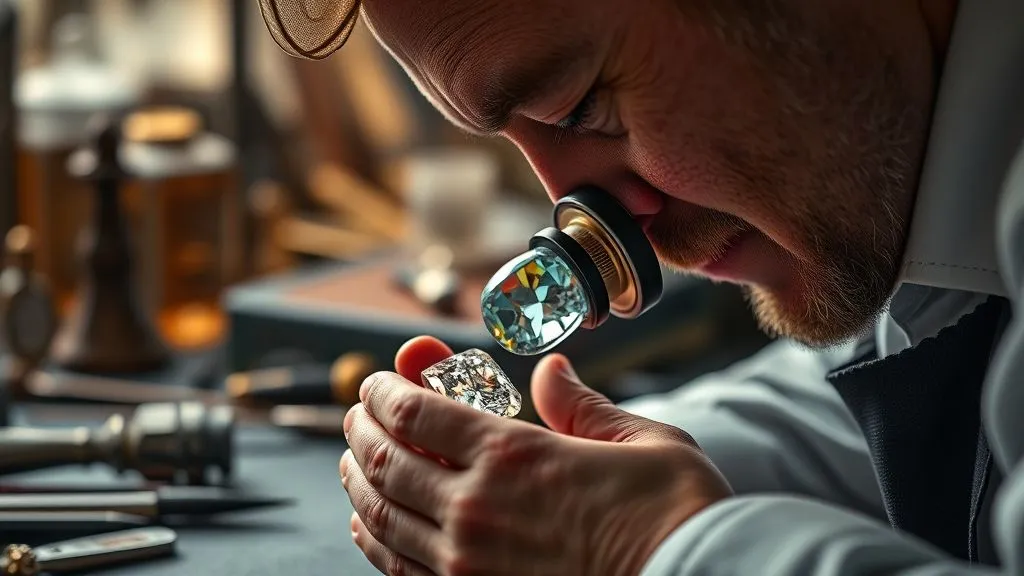
How to Verify Ethical Sourcing of Rare Gems for Haute Joaillerie?
For over two decades in the luxury fashion and haute joaillerie sector, I've witnessed a profound shift. What was once a whisper in the corners of exclusive salons—the provenance of a gemstone—is now a roaring demand from discerning clientele. I've seen brands, even established ones, stumble when they couldn't definitively answer: 'Where did this magnificent stone truly come from, and was its journey ethical?'
The allure of haute joaillerie lies not just in its exquisite craftsmanship and breathtaking rarity, but increasingly, in its integrity. Consumers are no longer content with beauty alone; they seek a narrative of responsibility, a guarantee that their cherished pieces haven't contributed to environmental degradation, human rights abuses, or conflict. This demand presents a significant challenge, especially when dealing with rare gems that often originate from complex, sometimes opaque, supply chains.
This article isn't just a discussion; it's a comprehensive framework. I will guide you through the intricate layers of verifying ethical sourcing for rare gems in haute joaillerie, offering actionable steps, expert insights, and real-world strategies. You'll learn how to navigate certifications, leverage technology, and build a truly transparent and trustworthy supply chain that resonates with the modern luxury consumer.
The Evolving Landscape of Ethical Sourcing in Luxury Gems
The concept of 'ethical' in the gemstone industry is multifaceted, extending far beyond the initial 'conflict-free' movement primarily associated with diamonds. Today, it encompasses environmental impact, fair labor practices, community development, and transparent business operations across the entire supply chain. For rare gems, which often come from artisanal or small-scale mining (ASM) operations, these challenges are amplified.
In my experience, many luxury brands initially focused solely on the Kimberley Process for diamonds, believing it covered all bases. However, as the industry matured and consumer awareness grew, it became clear that a much broader definition of ethical sourcing was needed. We're talking about everything from the fair treatment of miners to the responsible use of water and land, and the empowerment of local communities. This holistic view is paramount for haute joaillerie, where the value isn't just intrinsic but also deeply symbolic.
“True luxury isn't just about what you own, but how it came to be owned. The story behind a rare gem is now as valuable as its carat weight.”
Foundation: Robust Due Diligence and Supply Chain Transparency
The first, and arguably most critical, step in verifying ethical sourcing is establishing a rigorous due diligence process. This isn't a one-time check; it's an ongoing commitment to understanding every link in your supply chain. For rare gems, this often means going beyond your direct supplier to understand their suppliers, and so on, all the way back to the mine.
Actionable Steps for Due Diligence:
- Map Your Entire Supply Chain: Identify every entity involved, from the mine to the cutting and polishing facilities, to the dealers and distributors. This can be challenging for rare, unique stones, but it’s non-negotiable.
- Risk Assessment: Evaluate the specific risks associated with each stage and geographical location. Are there known human rights issues, environmental concerns, or governance challenges in the region of origin? Resources like the OECD Due Diligence Guidance for Responsible Supply Chains of Minerals from Conflict-Affected and High-Risk Areas provide an excellent framework for this.
- Supplier Vetting: Develop a comprehensive questionnaire for all your suppliers. Ask about their own due diligence processes, their labor policies, environmental management systems, and their adherence to international standards.
- Regular Audits (Internal & External): Conduct your own internal audits and insist on third-party audits for key suppliers. These shouldn't just be paperwork checks; they need to involve on-site visits and interviews.
This systematic approach, while demanding, builds an undeniable foundation of trust. Without it, you're essentially operating in the dark, vulnerable to reputational damage and ethical lapses.
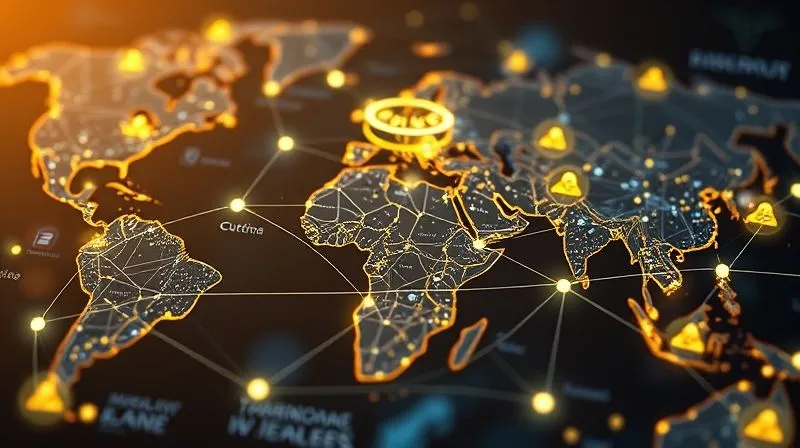
Beyond Certification: Deep Diving into Chain of Custody
While certifications are important, they are often just the starting point. For rare gems, a robust chain of custody is paramount – a documented, unbroken record of ownership and handling from the rough gem to the finished piece. This goes beyond a simple certificate of origin.
I've seen many brands rely solely on a 'conflict-free' stamp, only to discover later that the gem's journey involved questionable labor practices or environmental harm at another stage. The true measure of ethical sourcing lies in the details of its provenance. According to a 2023 report by the Responsible Jewellery Council (RJC), consumer demand for verifiable origin and ethical practices has risen by over 40% in the last five years, indicating that surface-level assurances are no longer enough.
Key Elements of a Strong Chain of Custody:
- Unique Identification: Each rare gem, especially if it's significant, should have a unique identifier from its earliest possible stage. This could be a laser inscription, a micro-tag, or even a detailed photographic and geological profile.
- Transaction Records: Meticulous records of every transfer of ownership, including dates, parties involved, and the gem's condition at each stage.
- Segregation of Materials: Ensuring that ethically sourced gems are physically separated and handled distinctly from unverified materials throughout the supply chain.
- Documentation of Processing: Records detailing where and how the gem was cut, polished, and treated, including the standards of the facilities used.
Case Study: Lumina Jewels' Ethical Transformation
Lumina Jewels, a renowned haute joaillerie house, faced mounting pressure regarding the provenance of their exotic colored gemstones. Their initial approach relied heavily on supplier assurances. After a public inquiry into a competitor's alleged unethical sourcing, Lumina realized they needed more. They implemented a rigorous chain of custody protocol, mandating unique digital tagging for all significant rough stones at the point of extraction. This allowed them to track each gem through cutting, polishing, and setting, verifying every touchpoint. This resulted in a 100% verifiable ethical claim for their new collections, boosting consumer confidence and increasing sales by 15% in their ethical lines within two years. Their commitment also led to partnerships with verified artisanal mining communities, creating a direct, positive impact.
Leveraging Technology: Blockchain and Digital Traceability
In our digital age, technology offers powerful solutions to the challenges of supply chain transparency. Blockchain, in particular, has emerged as a game-changer for rare gem traceability, offering an immutable and decentralized ledger for recording every transaction and event in a gem's journey.
I recall early skepticism about blockchain in the industry, with many believing it was too complex or unnecessary. However, as I've seen it implemented, its benefits for transparency and trust are undeniable. It moves beyond paper certificates, which can be forged or lost, to a digital fingerprint that is virtually tamper-proof.
| Technology | Benefit for Gems | Challenge |
|---|---|---|
| Blockchain | Immutable record of origin and transfers, enhanced trust. | Requires industry-wide adoption, initial setup costs. |
| RFID/NFC Tagging | Physical identification, real-time tracking during transit. | Tags can be removed/damaged, limited information storage. |
| AI & Machine Vision | Automated gem grading, identification of unique inclusions for provenance. | High initial investment, requires extensive training data. |
| Geochemical Fingerprinting | Scientific verification of geological origin, difficult to forge. | Expensive, requires specialized labs, not applicable to all gems. |
Implementing Digital Traceability:
- Partner with Tech Providers: Collaborate with specialized blockchain or traceability platforms designed for the luxury goods sector.
- Data Input at Source: Ensure data about the gem (origin, weight, photos, miner details) is entered onto the blockchain as close to the source as possible.
- Educate Your Partners: Train all supply chain partners on how to use the digital platform and contribute accurate data.
- Consumer Access: Consider providing consumers with a QR code or link to access the gem's digital journey, enhancing transparency and engagement.
The Role of Independent Audits and Expert Verification
While internal due diligence and technological solutions are crucial, external, independent verification adds an indispensable layer of credibility. Third-party audits provide an unbiased assessment of your supply chain practices against recognized ethical and environmental standards.
In my career, I've always advocated for the power of objective scrutiny. It's one thing to say you're ethical; it's another to have a respected, independent body confirm it. This is where organizations like the Responsible Jewellery Council (RJC) come into play, offering certifications based on rigorous auditing processes. While RJC primarily focuses on diamonds, gold, and platinum, their principles and audit methodologies are applicable and adaptable to other rare gems.
What to Look for in Independent Verification:
- Accreditation: Ensure the auditing body is reputable and internationally recognized. Their auditors should possess deep expertise in the gem and jewelry sector.
- Scope of Audit: Verify that the audit covers all relevant ethical aspects: labor conditions, environmental impact, human rights, and business integrity. For rare gems, ensure it extends to the specific mining methods and local community engagement.
- Transparency of Findings: Request access to audit reports (or at least summaries) to understand areas of compliance and any identified non-conformities.
- Continuous Monitoring: Ethical sourcing isn't a one-off. Look for auditing bodies that require periodic re-certification and offer ongoing support for improvement.
Beyond broad certifications, consider engaging gemological experts for specific origin verification. Advanced techniques like spectroscopic analysis and inclusion mapping can scientifically pinpoint a gem's geological origin, adding another layer of irrefutable proof. The Gemological Institute of America (GIA) offers such services, providing scientific backing to origin claims.
Community Impact: Assessing Social and Environmental Responsibility
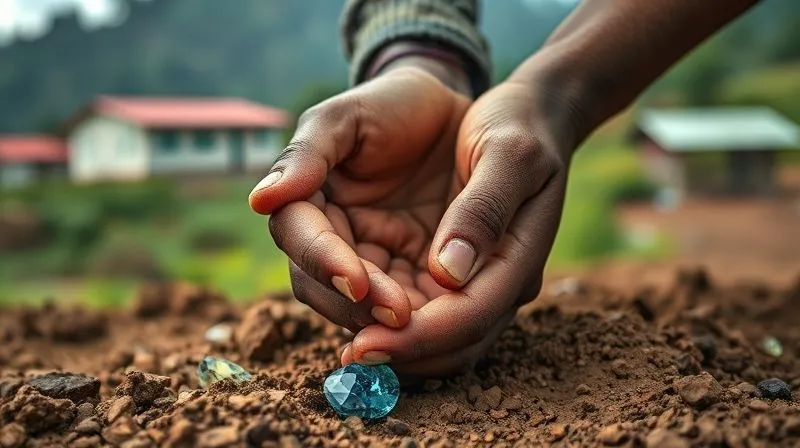
Ethical sourcing extends beyond avoiding harm; it's about actively creating positive impact. For rare gems, which often come from communities reliant on artisanal and small-scale mining (ASM), assessing social and environmental responsibility is critical. This means looking at how mining operations contribute to local development, ensure fair wages, and protect the local ecosystem.
I've personally visited artisanal mining sites where responsible practices have transformed communities, providing education, healthcare, and infrastructure. Conversely, I've seen the devastating effects of unregulated mining. The difference often lies in the commitment of buyers to support and empower these communities, rather than simply extracting resources.
Key Indicators of Positive Impact:
- Fair Wages & Working Conditions: Are miners paid fairly, and do they work in safe, healthy environments? This includes access to protective equipment and reasonable working hours.
- Community Development: Do mining operations contribute to local schools, healthcare facilities, or infrastructure projects?
- Environmental Stewardship: Are there efforts to minimize environmental damage, such as responsible waste management, water conservation, and land rehabilitation after mining?
- Local Economic Empowerment: Does the purchasing strategy support local businesses and ensure a larger share of the value chain remains within the community?
- Gender Equality: Are women involved and empowered in the mining and gem trade, and are their rights protected?
Engaging directly with mining communities, or through trusted NGOs and cooperative initiatives, can provide invaluable insights and foster genuine partnerships. This direct engagement is often the most powerful way to verify social impact.
Empowering Your Team: Education and Internal Protocols
An ethical sourcing strategy is only as strong as the people implementing it. Your internal team – from procurement to sales – must be fully educated and aligned with your ethical commitments. This means establishing clear internal protocols and providing ongoing training.
In my experience, even the most robust external systems can fail if internal awareness and commitment are lacking. Sales teams, in particular, need to be able to confidently articulate the ethical journey of each gem to clients, turning transparency into a unique selling proposition.

Developing Internal Expertise:
- Comprehensive Training Programs: Educate all relevant staff on the nuances of ethical sourcing, the specific standards your brand adheres to, and the tools used for verification (e.g., blockchain platforms).
- Clear Procurement Guidelines: Establish strict guidelines for gem buyers, outlining approved suppliers, required documentation, and red flags to watch out for.
- Internal Audit & Review: Implement internal audit processes to regularly review procurement practices and ensure compliance.
- Ethical Reporting Mechanisms: Create a safe and confidential way for employees to report any potential ethical breaches or concerns within the supply chain.
This internal empowerment creates a culture of responsibility, ensuring that ethical considerations are woven into the very fabric of your brand's operations.
Navigating the Nuances: Specific Challenges for Rare Gems
While the general principles of ethical sourcing apply broadly, rare gems present unique challenges that demand tailored approaches. Their scarcity, often sporadic discovery, and sometimes remote origins can make traditional supply chain verification incredibly difficult.
I've often dealt with situations where a truly exceptional, one-of-a-kind stone emerges from a small, independent miner in a region with limited infrastructure. Applying the same rigid, large-scale certification processes can be impractical, if not impossible. Here, a flexible yet equally rigorous approach is required.
Specific Considerations for Rare Gems:
- Direct Sourcing Initiatives: For truly rare and unique stones, direct sourcing from verified artisanal miners or small cooperatives can be the most effective way to ensure ethical provenance. This builds direct relationships and allows for firsthand verification of practices.
- Scientific Origin Verification: As mentioned, techniques like geochemical fingerprinting become even more vital for rare gems where paper trails might be less robust. Scientific proof of origin can confirm claims where other documentation is scarce.
- Collaborative Verification: Partner with other luxury brands or industry bodies to pool resources and expertise for verifying complex supply chains, especially for gems from challenging regions.
- Storytelling with Integrity: When a rare gem has a verifiable, positive impact story, leverage it. Consumers are increasingly drawn to narratives of empowerment and environmental care. Ensure the story is backed by solid evidence.
It's about being adaptable without compromising on the core principles of ethics and transparency. The goal remains the same: to provide absolute assurance to the discerning client.
Frequently Asked Questions (FAQ)
Question? Are all certified gems truly ethical?
Answer: Not necessarily. While certifications like those from the RJC or specific Fairtrade standards are strong indicators, the term 'ethical' is broad. Some certifications might focus primarily on conflict-free status, while others encompass environmental impact, labor practices, and community development. It's crucial to understand the scope of each certification and to combine them with your own due diligence and chain of custody verification. A multi-layered approach is always best.
Question? How does the Kimberley Process fit into ethical sourcing for rare gems?
Answer: The Kimberley Process (KP) is specifically designed to prevent the flow of 'conflict diamonds' – rough diamonds used to finance wars against legitimate governments. While it's an important tool for diamonds, it has limitations. It doesn't address other ethical concerns like human rights abuses, child labor, or environmental damage, nor does it apply to colored gemstones. For rare gems and a holistic ethical approach, you must go significantly beyond KP compliance.
Question? What if a rare gem comes from an artisanal mining operation with limited formal documentation?
Answer: This is a common challenge for many rare and exotic gems. In such cases, direct engagement with the mining community, supporting initiatives for formalization and fair trade, and leveraging scientific origin verification (geochemical analysis) become even more critical. Partnering with NGOs that work directly with ASM communities can also provide crucial insights and verify practices on the ground. Blockchain technology can also be introduced at the point of extraction, even in remote areas, with proper support.
Question? Can ethical sourcing impact the value or price of haute joaillerie?
Answer: Initially, there might be a perception of increased costs due to stricter verification processes, direct sourcing, or support for community initiatives. However, in the long term, ethical sourcing significantly enhances brand reputation, builds deep consumer trust, and can command a premium. Discerning luxury buyers are increasingly willing to pay more for pieces with a verifiable, positive ethical story. It adds intrinsic and symbolic value that transcends carat weight.
Question? How can small haute joaillerie ateliers compete with larger brands on ethical sourcing?
Answer: Small ateliers often have an advantage in agility and direct relationships. They can focus on building very close, personal relationships with a select few trusted suppliers, sometimes even directly with miners. This direct connection often allows for a deeper level of verification and storytelling that larger brands struggle to replicate. Leveraging technology like blockchain through smaller, specialized platforms can also be more accessible. Authenticity and transparency, regardless of scale, are key.
Key Takeaways and Final Thoughts
Verifying the ethical sourcing of rare gems for haute joaillerie is a complex but entirely achievable endeavor. It demands diligence, transparency, and a commitment to continuous improvement. As I've outlined, it's a multi-layered process that integrates robust due diligence, meticulous chain of custody, cutting-edge technology, independent verification, and a genuine commitment to positive community impact.
- Embrace a Holistic View: Ethical sourcing goes beyond 'conflict-free' to encompass environmental, social, and governance (ESG) factors.
- Demand Transparency: Insist on full traceability from mine to market, leveraging technology like blockchain.
- Seek Independent Verification: Utilize reputable third-party audits and scientific gemological analysis.
- Invest in Relationships: Build direct connections with suppliers and mining communities to foster positive impact.
- Empower Your Team: Educate your staff to be ambassadors of your ethical commitment.
The future of luxury is intertwined with responsibility. By diligently implementing these strategies, you not only protect your brand's reputation but also contribute to a more equitable and sustainable world. The true brilliance of a rare gem shines brightest when its journey is as pure as its beauty. This is not merely a trend; it's the new standard for haute joaillerie, and those who embrace it will define the next era of luxury.
Recommended Reading
- The Ultimate Guide: How to Prevent Cashmere Scarf Pilling Issues Forever
- 7 Steps to Verify Cruelty-Free Fashion Supply Chains Ethically
- Best Leggings for Sweaty Workouts: Ultimate Comfort & Performance
- Unlocking Tomorrow's Style: How to Predict Emerging Streetwear Trends
- Effortless Style: Comfortable Everyday Outfits for Busy Moms





Your email address will not be published. Required fields are marked *