

How to Verify Authenticity of Vintage Designer Handbags Reliably?
For over two decades immersed in the dynamic world of luxury accessories, I've navigated countless transactions involving vintage designer handbags. I've personally experienced the sheer joy of unearthing a rare, pristine piece and, regrettably, the profound disappointment of discovering a seemingly perfect acquisition was, in fact, a meticulously crafted fake. This journey has taught me that the thrill of the hunt is often matched by the peril of deception.
The vintage luxury market, while brimming with unique treasures, is also a fertile ground for sophisticated counterfeits. The emotional investment, coupled with the significant financial outlay, makes the risk of acquiring a fake a genuine concern for collectors and enthusiasts alike. Many feel overwhelmed by the sheer volume of information and the subtle nuances that distinguish genuine from fraudulent.
This comprehensive guide is born from years of hands-on experience and deep industry insight. I will equip you with a reliable, multi-faceted framework on how to verify authenticity of vintage designer handbags reliably, transforming you from an anxious buyer into a confident connoisseur. We'll explore actionable strategies, real-world examples, and expert-level checkpoints to ensure your next vintage find is undeniably authentic.
Why Authenticity Matters: Beyond the Price Tag
The allure of vintage designer handbags extends far beyond their aesthetic appeal. These pieces represent a tangible link to fashion history, a testament to enduring craftsmanship, and often, a sound investment. However, the value, both financial and emotional, hinges entirely on authenticity. A counterfeit, regardless of how convincing it appears, carries no intrinsic worth, no historical significance, and certainly no investment potential.
In my experience, the true cost of a fake isn't just the money lost; it's the erosion of trust, the dashed excitement, and the stain on a collection. Beyond personal disappointment, the proliferation of fakes fuels a shadow economy, often linked to unethical labor practices and organized crime, as highlighted in numerous industry reports. Protecting your investment and upholding ethical consumption begins with rigorous authentication. As the Business of Fashion often emphasizes, maintaining brand integrity is a collective effort, starting with informed consumers. Understanding the impact of counterfeiting is crucial.
"The true value of a vintage luxury handbag lies not just in its brand name, but in its verified lineage and the integrity of its creation."
Understanding the Anatomy of a Vintage Designer Handbag: A Foundation for Verification
Before diving into brand-specific details, it's essential to understand the universal elements that define a genuine luxury handbag. Every stitch, every piece of hardware, every material choice is a deliberate decision by the original artisan. Fakes often stumble on these foundational details, even the most convincing ones.
The Devil is in the Details: Stitching, Leather, and Hardware
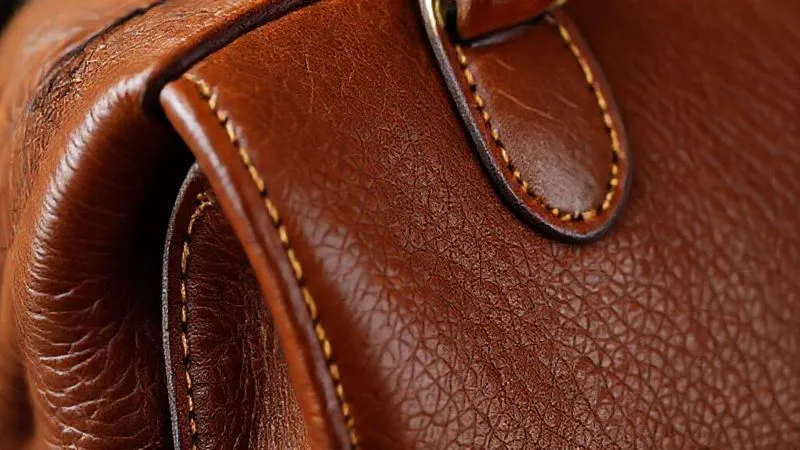
- Stitching: Authentic vintage designer bags boast impeccable stitching. It should be uniform, even, and consistent in length and angle. Look for clean, tight stitches with no loose threads, frayed edges, or uneven spacing. Brands like Chanel and Hermès are renowned for their high stitch count per inch, a detail fakes rarely replicate perfectly. I've often seen counterfeiters cut corners here, leading to slightly larger, less uniform stitches that betray their true origin.
- Leather and Materials: Luxury brands use only the finest leathers (calfskin, lambskin, exotic skins) and materials (canvas, nylon). Genuine leather has a distinct, rich aroma, a natural texture, and will age gracefully, developing a unique patina over time. Fakes often use synthetic, plasticky-smelling materials that feel stiff, overly shiny, or unnaturally smooth. The way the leather feels in your hand – its pliability, grain, and weight – can tell you a great deal about its authenticity and quality.
- Hardware: Pay close attention to zippers, buckles, clasps, feet, and logo plaques. Authentic hardware is typically heavy, solid, and made from high-quality metals (brass, gold-plated, palladium). It should operate smoothly, without snagging or feeling flimsy. Engravings should be crisp, deep, and perfectly aligned, not shallow, blurry, or misaligned. Logos should be precisely rendered, with correct font, spacing, and proportion, reflecting the brand's meticulous standards.
Date Codes, Serial Numbers, and Authenticity Cards: Your First Clues
Most designer brands employ systems to track their products. These often include:
- Date Codes/Serial Numbers: These are unique identifiers, usually embossed or printed on interior leather tabs, linings, or hidden pockets. They are not always "serial numbers" in the traditional sense but rather codes indicating the manufacturing date and/or location. Each brand has its own specific format, font, and placement, which changes over time. Researching the correct format for the specific bag's era is paramount. For example, Louis Vuitton uses date codes, not serial numbers, and their format has evolved significantly over decades, making precise knowledge of the era crucial.
- Authenticity Cards: While some brands issue authenticity cards (e.g., Chanel with its matching hologram sticker), many do not (e.g., Louis Vuitton, Hermès). Even when present, a card itself can be faked. It's crucial to verify the card's quality, font, and any unique features (like holograms, specific paper stock, or embossed details) against known authentic examples. Never rely solely on an authenticity card; it should always be corroborated by other authentication points.
- Dust Bags and Packaging: While secondary, the quality of the dust bag, box, and even care booklets can offer valuable clues. Authentic packaging is usually made from high-quality materials, with correct branding, font, and print quality. Fakes often have cheap, flimsy, or poorly printed packaging that immediately signals a lack of genuine origin.
Brand-Specific Authentication Deep Dive: What to Look For
Authenticating vintage designer bags requires an understanding of brand-specific nuances. Each luxury house has its own "tells" that counterfeiters struggle to replicate perfectly, even with advanced techniques. This is where your detailed knowledge becomes invaluable to how to verify authenticity of vintage designer handbags reliably.
Chanel: The Iconic Flap Bag and Beyond
Chanel bags, especially the Classic Flap, are among the most counterfeited items in the luxury market due to their enduring popularity.
- Serial Number/Hologram Sticker: Vintage Chanel bags (mid-1980s onwards) have a serial number sticker inside, often protected by a clear tape with a CC logo. This number should match the one on the authenticity card. The sticker's design, font, and hologram features have changed over the years, so knowing the correct version for your bag's era is vital. Any peeling, blurriness, or incorrect font is a major red flag.
- Leather Quality: Chanel uses exquisite lambskin (known for its softness and suppleness) and caviar leather (textured and durable). Feel the leather; it should be luxurious, not stiff, overly plasticky, or have an unnatural sheen. Genuine Chanel leather has a specific aroma, never chemical.
- Stitching: A genuine Chanel Classic Flap will have a high stitch count – typically 10-12 stitches per panel on the quilting. They should be perfectly even, uniform, and tight, without any loose threads or inconsistencies. The quilting pattern should align seamlessly across pockets and flaps.
- Hardware: The iconic CC lock should be perfectly centered, with the right C overlapping the left C at the top and the left C overlapping the right C at the bottom. The hardware should feel substantial, heavy, and of high quality, not lightweight or tinny.
- Chain Straps: Vintage Chanel chains often have leather interwoven through the links, which should be neatly done, without fraying, sloppy insertion, or unevenness. The weight of the chain itself is also a key indicator.
I recall a client who bought a "vintage" Chanel online. The leather felt decent, but the serial sticker was blurry, and the CC lock was slightly off-center. A quick check of a reputable online database for that era's serial sticker confirmed it was a well-made but ultimately fake bag, underscoring the importance of examining every detail.
Louis Vuitton: Monograms, Date Codes, and Patina
Louis Vuitton is another brand frequently targeted by counterfeiters, particularly its classic monogram canvas items.
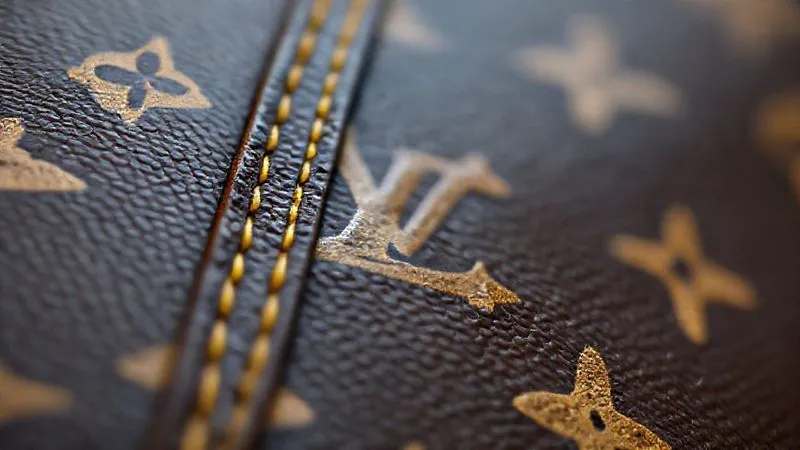
- Monogram Canvas: The LV monogram pattern should be perfectly aligned across seams and panels, especially on symmetrical bags like the Speedy and Keepall. The "LV" logos should rarely be cut off. The canvas itself is a specific coated canvas, not leather, and should feel durable yet pliable, with a slight texture. The pattern should be consistent in color and crispness.
- Date Codes: Louis Vuitton uses date codes, not serial numbers. These codes indicate the factory location and production week/year. Their format has evolved significantly (e.g., two letters followed by four numbers for bags made after 1990). Research the exact format for the bag's specific manufacturing period, as incorrect formats or fonts are immediate red flags.
- Vachetta Leather: Many vintage LV bags feature vachetta leather trim, handles, and piping. This untreated natural cowhide starts as a light beige and develops a rich honey-colored patina over time with exposure to air and oils from hands. Fakes often use treated leather that doesn't patina or a pre-patinaed leather that looks unnatural and lacks the depth of genuine vachetta.
- Stitching: Like Chanel, Louis Vuitton stitching is precise, even, and consistent. The thread color often matches the vachetta leather, and individual stitches are uniform in length and tension.
Hermès: Craftsmanship, Stamps, and the Holy Grail
Hermès bags, particularly the Birkin and Kelly, are legendary for their exclusivity and unparalleled craftsmanship, making them prime targets for sophisticated fakes.
- Stamps and Blind Stamps: Every Hermès bag made after 1945 carries a blind stamp (or date stamp) that indicates the year of production. Before 1970, these were usually without a shape; after 1970, they were often enclosed in a shape (circle, square, etc.). There might also be artisan stamps. Understanding the specific stamp for each year, its font, and its precise placement is crucial.
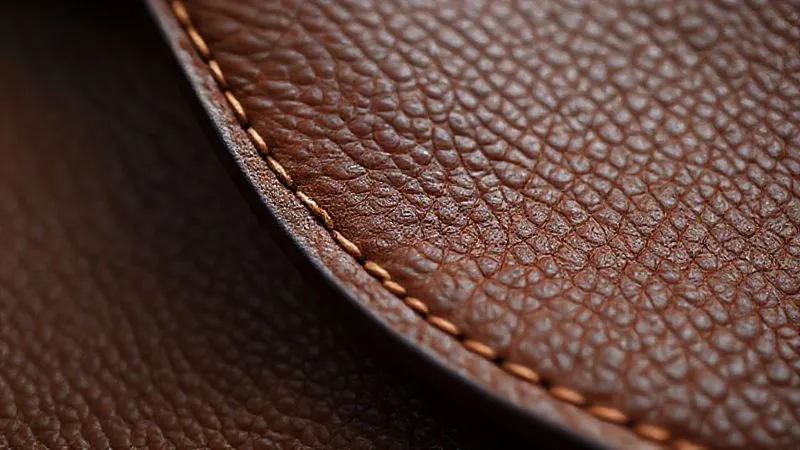
- Leather and Craftsmanship: Hermès uses only the highest-grade leathers. The stitching, often a saddle stitch, is entirely hand-done by a single artisan, resulting in a slightly uneven, yet incredibly strong and beautiful stitch. No machine can truly replicate this unique characteristic. The bag should feel perfectly balanced and substantial, a testament to its construction.
- Hardware: Hardware (e.g., clasps, touret) is often made from precious metals and should feel heavy and operate with precision and smoothness. The engravings should be deep, crisp, and perfectly executed, without any signs of cheap casting or poor finishing.
- Smell: Genuine Hermès leather has a distinct, luxurious aroma, never a chemical or artificial smell. This is a subtle but often reliable indicator for experienced collectors.
Dior, Gucci, and Others: Signature Elements
Other luxury brands also have their unique authentication markers that demand attention:
- Dior: For iconic bags like the Lady Dior, look for the distinctive cannage quilting, the "DIOR" charms, and interior tags. The charms should be solid, heavy, and hang perfectly symmetrical. The quilting should be deep and even.
- Gucci: Focus on the GG canvas pattern (if applicable), ensuring the symmetry and quality of the print. Examine the leather quality, the weight and finish of the hardware (often featuring the interlocking Gs or horsebit motifs), and interior tags. Vintage Gucci often features sturdy, bold hardware.
- Fendi: The "FF" logo placement, often reversed on one side of the bag, and the quality of their signature leathers and hardware are key. Check the consistency of the logo pattern and the feel of the materials.
- Celine: For vintage Celine, examine the quality of the leather, the weight and finish of the hardware (especially the iconic Macadam or Triomphe logos), and the interior lining.
The Authentication Toolkit: Essential Tools and Techniques
Reliable authentication isn't just about knowledge; it's about applying that knowledge with the right tools and methodology. These tools can significantly enhance your ability to how to verify authenticity of vintage designer handbags reliably.
Magnifying Glass, UV Light, and Digital Scrutiny
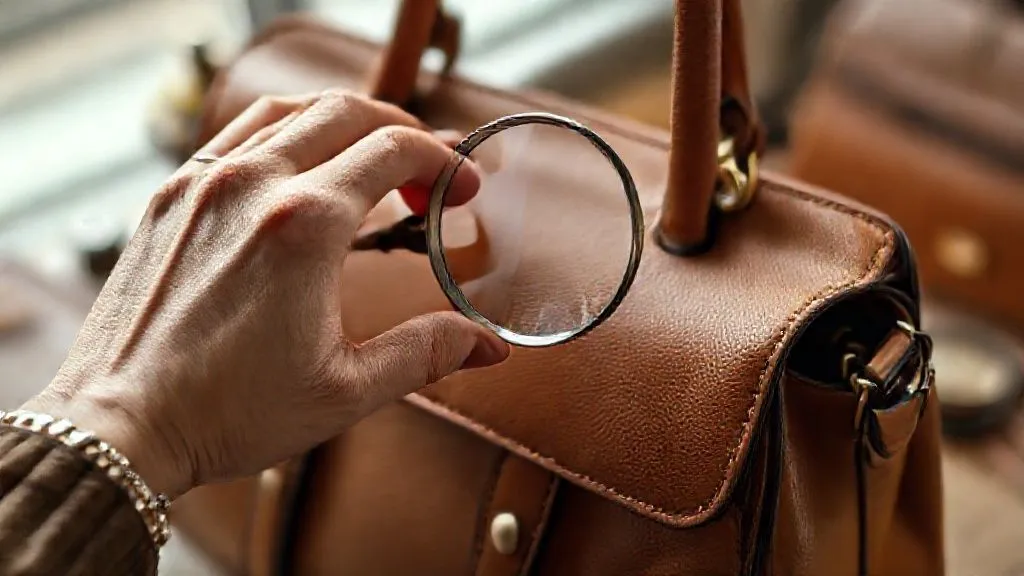
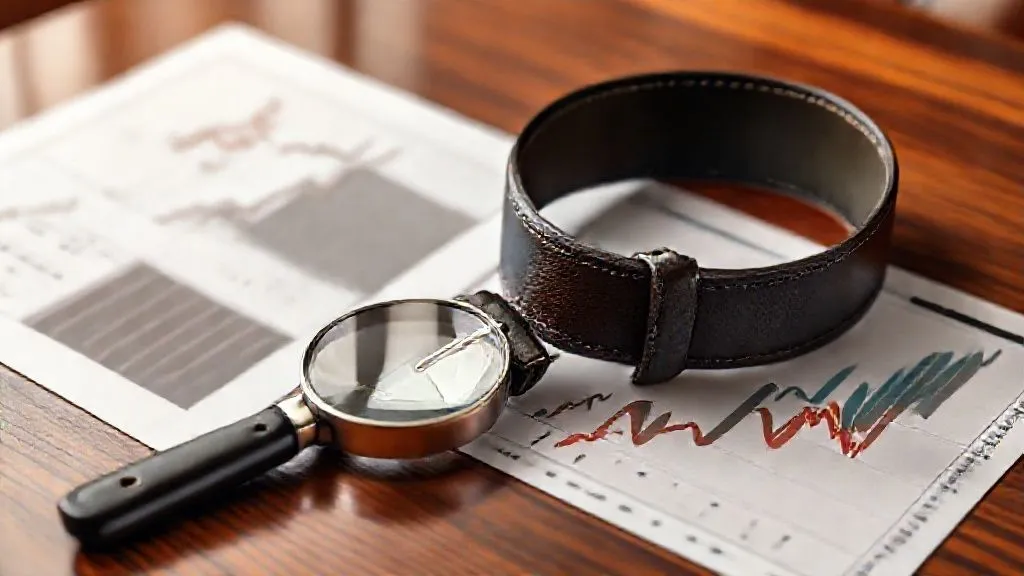
- Magnifying Glass (Jeweler's Loupe): An absolute must-have for any serious authenticator. It allows you to closely inspect stitching, engravings, leather grain, and micro-printing on date codes or authenticity cards. Even the smallest discrepancies become apparent under magnification, revealing flaws that are invisible to the naked eye.
- UV Light: A UV (ultraviolet) light can reveal hidden security features on authenticity cards or specific materials that fluoresce under UV light. Some brands embed UV ink marks that are invisible to the naked eye, a feature fakes rarely replicate. This can be particularly useful for certain modern vintage pieces.
- Digital Scrutiny: High-resolution photos are invaluable, especially for online purchases. Take detailed shots of every angle, interior, exterior, hardware, stitching, and any identifying marks. Compare these images meticulously against known authentic examples from reliable sources or official brand archives. Zooming in on these digital images can reveal crucial details.
The Power of Research: Historical Data and Expert Forums
One of the most powerful tools at your disposal is information. The luxury market is constantly evolving, and so are authentication methods.
- Historical Data: Brands frequently change their designs, materials, hardware, and authentication methods. Research the specific era your vintage bag is from. What did the serial numbers look like in 1985 for Louis Vuitton? What type of zippers did Chanel use in the 90s (e.g., Lampo, Eclair, YKK)? What were the typical materials for Dior lining in the 70s? Websites like PurseForum and Vestiaire Collective's guides, alongside official brand histories (e.g., Chanel's official history), are excellent resources.
- Expert Forums and Communities: Online communities dedicated to luxury authentication can be incredibly helpful. Platforms like The PurseForum have dedicated authentication threads where experienced members offer insights and opinions based on collective knowledge. While not a substitute for professional authentication, they can provide valuable preliminary checks and point out potential red flags, helping you narrow down your search.
When to Trust a Professional: Authentication Services and Experts
While this guide provides a robust framework for personal verification, there are times when professional authentication is indispensable. For high-value items, rare finds, or when you have lingering doubts, a third-party expert offers an unbiased, authoritative opinion that can safeguard your investment and peace of mind. According to a Deloitte study on authenticity, consumer trust is heavily influenced by verified provenance, reinforcing the need for expert checks.
Choosing a Reputable Authenticator: A Mini Case Study
Case Study: Sarah's Vintage Hermès Kelly Dilemma
Sarah, a seasoned collector, found a vintage Hermès Kelly 32 online from a relatively unknown seller. The photos looked promising, and the price was attractive, but something felt slightly off about the blind stamp. Despite her extensive knowledge of Hermès, she knew the stakes were high for a five-figure purchase. Instead of relying solely on her gut, she decided to invest in professional authentication. She sent the bag to Entrupy, a leading AI-powered authentication service, and also consulted with a human expert recommended by a trusted vintage dealer. Both confirmed her initial suspicion: the blind stamp was a near-perfect replica, but the subtle texture of the leather and the specific weight and finish of the hardware were inconsistent with genuine Hermès for that particular era. By investing a small fee in professional authentication, Sarah avoided a devastating financial loss of tens of thousands of dollars and the emotional fallout of owning a convincing fake. This experience underscored for her the invaluable role of external expertise in maintaining the integrity of her collection.
When selecting an authenticator, look for:
- Experience and Specialization: Do they specialize in the specific brand and era of your bag? Expertise is not generic.
- Technology: Do they use advanced tools like microscopy and AI alongside human expertise?
- Insurance/Guarantee: Do they offer a financial guarantee for their authentication services, providing recourse if their assessment proves incorrect?
- Reputation: Check reviews and industry standing. A well-regarded authenticator will have transparent processes and positive testimonials.
| Brand | Key Authentication Markers | Common Counterfeit Weaknesses |
|---|---|---|
| Chanel | Hologram/Serial, Stitch Count (10-12/panel), CC Lock Alignment, Lambskin/Caviar feel | Blurry serials, uneven stitching, flimsy hardware, incorrect C overlap, chemical smell |
| Louis Vuitton | Date Codes, LV Monogram Alignment, Vachetta Patina, Stitching precision | Incorrect date code format/font, cut-off monograms, plastic-like vachetta, poor stitching, incorrect canvas texture |
| Hermès | Blind Stamp, Hand Saddle Stitching, Leather Aroma/Feel, Hardware Weight/Finish | Incorrect stamp, machine stitching, chemical smell, lightweight/cheap hardware, unnatural leather grain |
| Dior | Cannage Quilting, DIOR Charms (weight/finish), Interior Tags/Lining | Uneven quilting, light/hollow charms, incorrect tag font/placement, cheap lining material |
Red Flags and Common Pitfalls: What to Avoid
Even with all the knowledge and tools, it's easy to fall victim to sophisticated fakes if you're not vigilant. Here are some critical red flags and common pitfalls to watch out for:
- "Too Good to Be True" Prices: This is the oldest trick in the book. If a vintage Birkin is listed for a fraction of its market value, or a Chanel Classic Flap is priced significantly below comparable authentic pieces, it's almost certainly a fake. Luxury items, especially vintage ones, retain significant value.
- Seller's Reputation: Always check seller reviews, return policies, and their history. New sellers with no feedback, or those with a history of negative reviews, selling high-value items are a huge risk. Use platforms with buyer protection.
- Poor Quality Photos: Blurry, low-resolution images that intentionally hide details are a major red flag. A legitimate seller will provide clear, detailed photos of all angles, interior, exterior, hardware, date codes, and any specific authentication points. If they refuse to provide more photos, walk away.
- Lack of Specific Information: Vague descriptions, refusal to provide date codes, or avoiding specific questions about the bag's history or features are all warning signs. A genuine seller should be knowledgeable and transparent.
- "Authenticity Guaranteed" Without Proof: Many fakes come with counterfeit authenticity cards or a seller's personal "guarantee." A seller's guarantee means little without verifiable proof or a reputable third-party authentication. Always ask for documentation or offer to pay for an independent authentication.
- New-Looking Vintage: While some vintage bags are well-preserved, a bag described as "vintage" that looks absolutely brand new, with no signs of age or patina on materials like vachetta leather, should raise suspicion. Genuine vintage items will show some natural wear consistent with their age.
Frequently Asked Questions (FAQ)
Q: Can I really authenticate a vintage designer handbag myself without professional help? A: While this guide provides extensive knowledge and actionable steps, complete self-authentication for high-value or rare items carries inherent risks. For critical purchases, especially those exceeding several thousand dollars, I always recommend supplementing your personal checks with a reputable third-party authentication service. Your confidence and financial security are paramount.
Q: Do all vintage designer handbags have serial numbers or date codes? A: Most, but not all, luxury brands use some form of internal identifier. However, the system, placement, and format vary widely by brand and era. For instance, early Hermès bags might only have a subtle blind stamp, while some very early Louis Vuitton pieces pre-date date codes. It's crucial to research the specific brand and production year, as a lack of code might be normal for certain very old pieces, but a red flag for others.
Q: How much do professional authentication services typically cost, and are they worth it? A: The cost of professional authentication varies based on the brand, item value, and the service provider, usually ranging from $20 to $200+. For bags valued in the hundreds or thousands, this is a minimal investment that provides peace of mind and protects against significant financial loss. In my experience, it's almost always worth it for significant purchases, especially if you plan to resell in the future.
Q: What if I find a discrepancy but the seller insists the bag is real? A: If your thorough checks reveal even one significant discrepancy, or if the seller's responses are evasive, it's best to walk away. Trust your instincts and the information you've gathered. A reputable seller should be transparent and willing to address all your concerns. Don't let pressure or a low price override your due diligence; a questionable deal is rarely worth the risk.
Q: Are there any vintage designer brands that are easier or harder to authenticate? A: Generally, brands with very consistent, well-documented authentication markers (like Chanel with its hologram system or Louis Vuitton with its date codes and specific canvas patterns) can be relatively easier to verify once you know the specifics for the era. Brands like Hermès, with their intensely artisanal, less standardized (to the untrained eye) production, can be among the most challenging and often require expert intervention due to the extreme value and subtle nuances of their craftsmanship.
Key Takeaways and Final Thoughts
The journey to reliably authenticate vintage designer handbags is a rewarding one, transforming you from a cautious buyer into a discerning collector. It demands patience, meticulous attention to detail, and a commitment to continuous learning. By applying the expert insights and actionable steps shared in this guide, you equip yourself with the confidence to navigate the vintage luxury market.
- Knowledge is Your Strongest Tool: Deeply research brand-specific markers, date codes, and historical details for the bag's exact era.
- Examine Every Detail: From the minute stitching to the weight of the hardware, every single element tells a story about a bag's authenticity.
- Leverage Your Toolkit: Utilize magnifying glasses, UV lights, and high-resolution photos for microscopic scrutiny of crucial features.
- Don't Rush: Take your time, compare against known authentic examples, and never succumb to pressure from a seller or a seemingly unbeatable deal.
- When in Doubt, Consult an Expert: For high-value pieces or when your instincts raise questions, professional authentication is an invaluable, risk-mitigating investment.
Remember, each vintage designer handbag carries a legacy of design, craftsmanship, and fashion history. By mastering how to verify authenticity of vintage designer handbags reliably, you not only protect your financial investment but also honor the artistry and heritage embedded in these magnificent pieces. Embrace the journey, trust your enhanced expertise, and enjoy the unparalleled satisfaction of owning a genuine piece of fashion history.
Recommended Reading
- Mastering Silk: 7 Techniques to Eliminate Puckering in Haute Couture Hand-Sewn Details
- 5 Critical Steps: Preventing Damage When Fitting Modern Lenses into Vintage Frames
- 7 Essential Checks: Identify Truly Durable Classic Menswear for Retail
- 7 Key Factors: How to Choose a Versatile Men's Watch for Diverse Business Settings
- Unlock Profit: 7 Strategies for Sourcing Unique Gift Accessories



Your email address will not be published. Required fields are marked *