

How to Verify Authentic 1920s Flapper Dress Materials for Resale?
For over two decades in the vintage fashion world, I've witnessed the exhilarating thrill of discovering a true gem and the crushing disappointment of uncovering a clever, yet ultimately fraudulent, reproduction. The allure of the 1920s flapper dress is undeniable, a symbol of liberation and exquisite craftsmanship that continues to captivate collectors and fashion enthusiasts worldwide.
However, as demand for these iconic pieces surges, so too does the proliferation of fakes and misidentified items. Without a keen eye and a deep understanding of period materials and construction, even seasoned resellers can fall prey to costly mistakes, damaging their reputation and diminishing their profit margins. The stakes are high when dealing with pieces that can fetch thousands, and the margin for error is razor-thin.
This comprehensive guide is born from years of hands-on experience, countless hours of research, and a passion for preserving the integrity of vintage fashion. I'll share my proven frameworks and expert insights, providing you with the actionable steps required to confidently verify authentic 1920s flapper dress materials for resale, ensuring every piece you handle is a genuine treasure.
The Imperative of Authenticity in Vintage Resale
In the competitive arena of vintage resale, authenticity isn't just a buzzword; it's the bedrock of your business and reputation. Misrepresenting an item, even unintentionally, can lead to chargebacks, negative reviews, and a loss of trust that is incredibly difficult to rebuild. For a piece as historically significant and financially valuable as an authentic 1920s flapper dress, verification is paramount.
The fashion landscape of the Roaring Twenties was a vibrant tapestry of social change and material innovation. Flapper dresses, with their dropped waists, intricate embellishments, and fluid silhouettes, were a radical departure from the corseted styles of previous eras. Understanding the materials used during this transformative decade is the first, crucial step in separating genuine artifacts from clever reproductions.
My aim here is to arm you with the knowledge to not only identify authentic materials but also to articulate their historical significance and unique properties to your buyers, adding immense value to your listings and solidifying your status as a trusted vintage purveyor.
Understanding the Core Materials of the Roaring Twenties
The materials available in the 1920s were distinct from those of today, and even from those used just a decade earlier. Familiarity with these specific fabrics is non-negotiable for anyone looking to verify authentic 1920s flapper dress materials for resale.
Silk: The Queen of Flapper Fabrics
Silk was, without a doubt, the quintessential fabric for luxury flapper dresses. Its unparalleled drape, lustrous sheen, and delicate feel made it ideal for the era's fluid, body-skimming silhouettes. Common silk weaves included:
- Crepe de Chine: Known for its subtle crinkled texture and excellent drape.
- Georgette: A sheer, lightweight, dull-finished crepe fabric, often used for overlays and scarves.
- Chiffon: Even sheerer and lighter than georgette, with a soft, flowing quality.
- Charmeuse: Characterized by a glossy front and a dull back, offering a luxurious sheen.
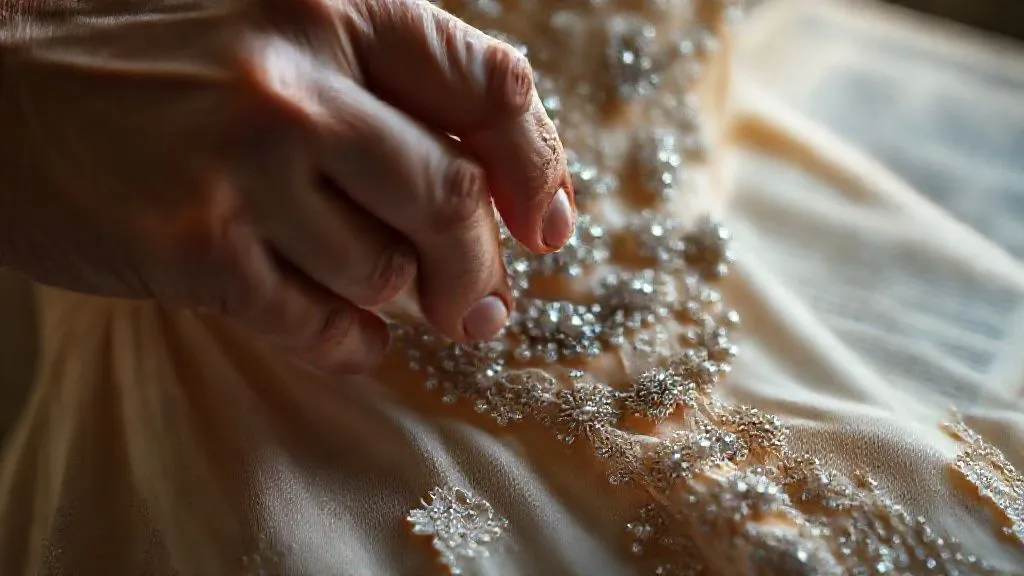
When examining silk, I always look for its characteristic cool touch against the skin, its natural irregularities, and the way it catches the light. True silk has a distinct 'hand' that synthetics struggle to replicate.
Rayon: The "Artificial Silk" Revolution
The 1920s also saw the rise of rayon, often marketed as "artificial silk" or "art silk." It was the first man-made fiber, offering a more affordable alternative to silk while mimicking many of its desirable qualities, particularly its drape and sheen. Early rayon, however, had some distinct differences:
- It tended to be heavier than silk.
- It was more prone to wrinkling.
- It often had a slightly more 'slippery' or 'cold' feel compared to silk's natural warmth.
Identifying early rayon requires a nuanced understanding, as its properties have evolved significantly over the century. Distinguishing between silk and rayon is one of the most frequent challenges I encounter.
Velvet and Metallics: Embellishment and Opulence
While silk and rayon formed the base, other materials added to the flapper dress's opulent appeal. Devoré velvet, with its sheer silk background and velvet patterns, was popular for evening wear. Lamé, a fabric woven with metallic threads (gold, silver, copper), was also used, particularly for glamorous evening gowns and accents, though it was delicate and prone to tarnish.
The Tactile and Visual Inspection: A Hands-On Approach
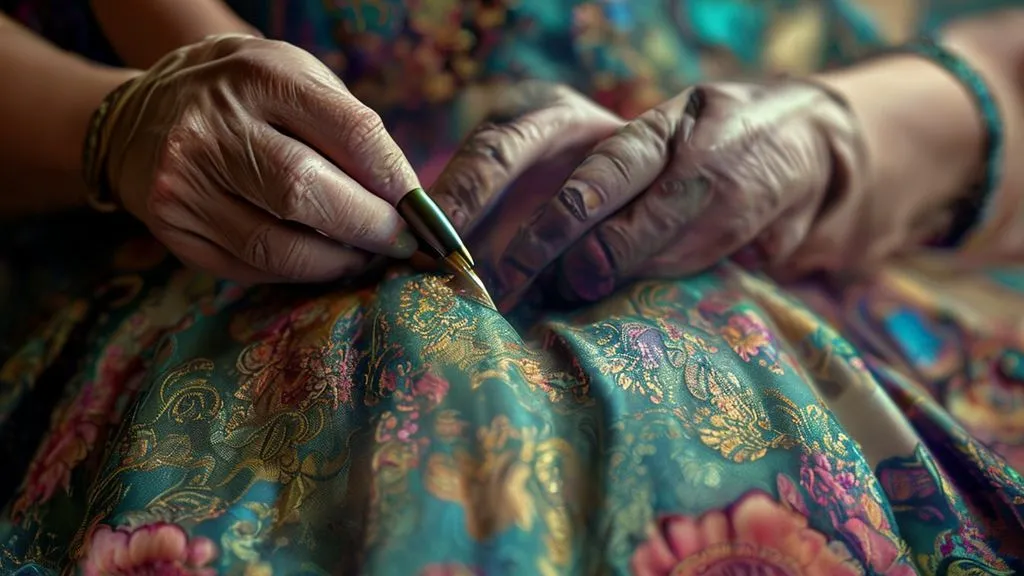
My first rule of thumb: trust your senses. A thorough hands-on inspection is irreplaceable. This involves more than just looking; it's about feeling, smelling, and even listening to the fabric.
The "Burn Test": A Definitive, Cautious Method
The burn test, while requiring extreme caution and the smallest possible, inconspicuous sample (ideally a loose thread from an inner seam), is one of the most definitive ways to differentiate natural fibers from synthetics and even silk from rayon. I only recommend this if you are confident and have a tiny, unnoticeable thread to spare.
- Isolate a Thread: Carefully snip a single, tiny thread (no more than 1/4 inch) from an inconspicuous seam allowance or hem.
- Prepare for Safety: Hold the thread with metal tweezers over a non-flammable surface (e.g., a ceramic dish) away from any flammable materials. Have a glass of water nearby.
- Apply Flame: Briefly touch the tip of the thread to a small flame (e.g., from a lighter or match).
- Observe Burning:
- Silk: Burns slowly, shrivels away from the flame, smells like burning hair (protein fiber). Produces a soft, crushable black ash.
- Rayon/Viscose: Burns quickly, often with a yellow flame, smells like burning paper or wood (cellulose fiber). Leaves a fine, grey ash.
- Synthetics (e.g., Polyester, Nylon - unlikely for original 1920s): Melts and drips, smells like burning plastic, leaves a hard, plastic bead.
- Interpret Results: The smell and ash residue are crucial indicators. This test is invaluable in confirming genuine 1920s flapper dress materials for resale.
Drape and Hand Feel: The Expert's Intuition
Beyond the burn test, the way a fabric drapes and feels against your skin offers significant clues. Silk will typically feel cool to the touch and have an incredibly fluid, almost liquid drape. Rayon will also drape well but might feel slightly heavier and less 'alive' than silk. Modern synthetics often feel distinctly different – either too smooth, too stiff, or unnaturally stretchy, lacking the organic irregularities of period fabrics.
Weave and Construction: Clues in the Fabric Structure
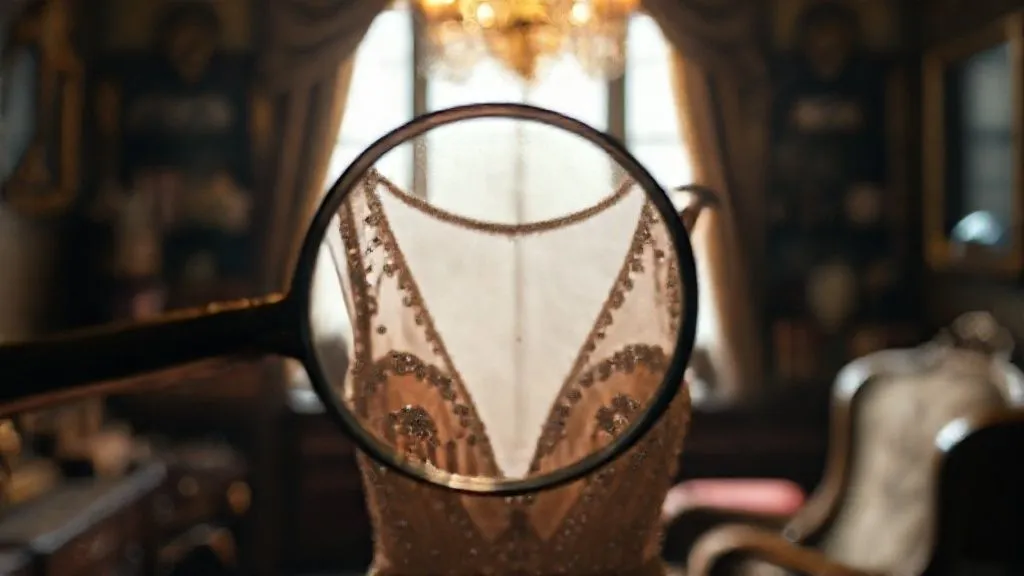
Examine the weave closely. Under a magnifying glass, you might notice subtle inconsistencies in period fabrics that point to earlier, less automated production methods. Hand-woven silks or early machine weaves often present minor variations that are absent in perfectly uniform modern reproductions. Look for the tightness and regularity of the threads; a uniform, machine-perfect weave might be a red flag if it doesn't align with period textile technology. The Metropolitan Museum of Art's textile collection offers excellent visual references for period weaves.
The true authenticity of a 1920s flapper dress often whispers through its original construction flaws and the luxurious decay of time, not the pristine perfection of a modern reproduction.
Examining Embellishments: Beads, Sequins, and Embroidery
Flapper dresses are synonymous with dazzling embellishments. The type and quality of these details are critical for authenticating a piece.
Glass vs. Plastic Beads: The Cold Hard Truth
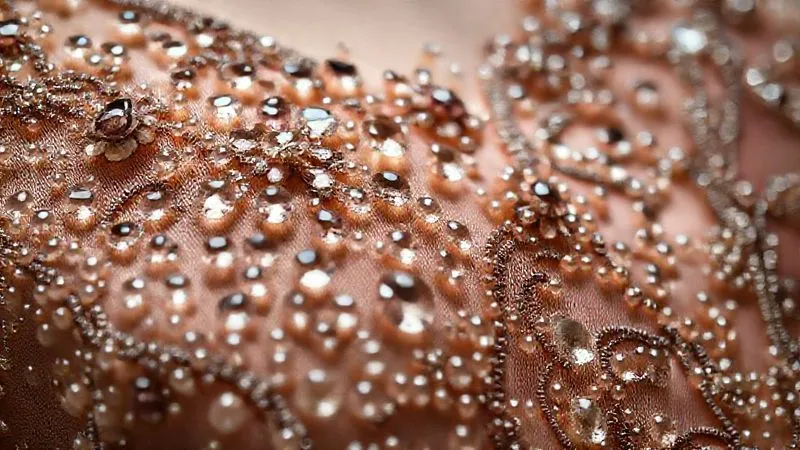
Authentic 1920s flapper dresses were adorned with glass beads, often bugle beads or seed beads. Plastic beads simply did not exist in the widespread commercial sense we know today. To tell the difference:
- Weight: Glass beads are noticeably heavier than plastic. Hold a handful; the heft is distinct.
- Temperature: Glass beads feel cooler to the touch than plastic, which quickly warms to body temperature.
- Cut: Period glass beads often have slight irregularities in their cut, whereas modern plastic beads are usually perfectly uniform.
- Attachment: Look for hand-sewn beads. While machine embroidery existed, intricate beading was predominantly a handcraft.
Sequins: Gelatin, Metal, and Early Plastics
Early sequins were made from gelatin, metal, or celluloid (an early plastic). Gelatin sequins are very fragile, prone to dissolving with moisture, and often have a cloudy or dulled appearance today. Metal sequins would show tarnish. Celluloid sequins might appear brittle or discolored. Modern plastic sequins, introduced much later, are typically more robust, perfectly uniform, and brighter than their vintage counterparts. Any dress with pristine, perfectly uniform plastic-feeling sequins is highly suspect.
Embroidery Techniques: Hand vs. Machine
Much of the intricate embroidery and beadwork on high-end 1920s flapper dresses was done by hand. I look for the subtle inconsistencies of handwork: slight variations in stitch length, tension, and placement. While some machine embroidery was present, the complex, dense patterns characteristic of flapper dresses often reveal the human touch. This level of detail is crucial when you're trying to verify authentic 1920s flapper dress materials for resale.
Hardware and Construction: Zippers, Snaps, and Seams
The internal construction of a garment tells a profound story about its age.
Zippers and Closures: A Clear Anomaly
This is a major red flag. Zippers, as we know them, were not commonly used in women's fashion until the mid-1930s. If a dress purports to be from the 1920s and has a zipper, it is almost certainly a reproduction or has been heavily altered. Authentic 1920s flapper dresses relied on hooks and eyes, snaps, and buttons for closures.
Seam Construction: Hand-Finished vs. Overlocked
Period seams were typically simple machine-stitched seams, often finished with pinking shears or hand-rolled hems. Overlocked (serged) seams, which prevent fraying with an interlocking stitch pattern, were not widely used in ready-to-wear until much later in the 20th century. If you see perfectly serged seams, you're likely looking at a post-1950s garment. Also, examine the thread itself; period thread was often cotton or silk, not synthetic.
Case Study: The "Mystery Silk" Dress
A few years ago, a client brought me a supposedly authentic 1920s flapper dress, bought online for a significant sum. It had the right silhouette, beautiful beading, and a convincing drape. However, during my inspection, I noticed the beads felt too light and perfectly uniform. A discreet burn test on a tiny thread from the inner hem revealed the fabric was a modern synthetic blend, not silk or even early rayon. Furthermore, a small, hidden side zipper was meticulously sewn in. The client, initially heartbroken, was able to return the dress thanks to this detailed authentication process. This experience underscored the critical importance of a multi-faceted approach to verifying authenticity.
Patina of Time: Fading, Wear, and Preservation
Age leaves its mark, and an authentic vintage piece will show it – but not necessarily in a negative way. This "patina of time" is part of its charm and proof of its journey.
Expected Wear Patterns: Not Pristine, But Preserved
A dress that is genuinely 100 years old is unlikely to be in pristine, unworn condition unless it was museum-stored. Look for subtle signs of age: gentle fading in areas exposed to light, minor repairs, or a softening of the fabric. However, be wary of excessive damage or signs of rough handling, as this can severely impact resale value. A well-preserved piece will show its age gracefully.
Dye Fading and Chemical Stability
Early dyes were not as stable as modern ones, so some fading, particularly in areas exposed to light, is common and expected. Look for even fading across the garment, rather than stark lines. Uneven fading might indicate previous alterations or repairs with different fabric batches. The delicate nature of period dyes and fabrics means careful handling is key to preserving their integrity. According to experts at the Victoria and Albert Museum, understanding textile degradation is vital for conservation.
An authentic 1920s flapper dress often tells a story of its century-long journey through its gentle imperfections and the graceful softening of its materials.
Documentation and Provenance: The Ultimate Verification
While often elusive, any form of documentation or provenance can be the gold standard for authentication.
Researching Period-Specific Styles and Silhouettes
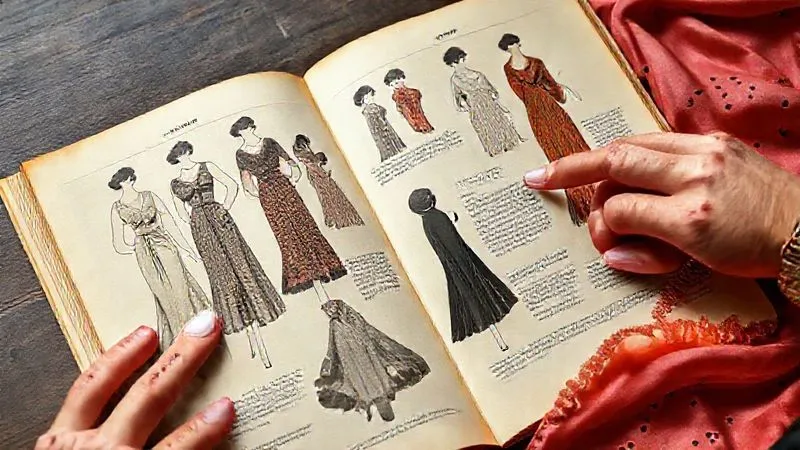
Familiarize yourself with period fashion magazines, catalogs, and historical photographs. Does the dress's silhouette, neckline, hemline, and embellishment style align perfectly with known 1920s trends? For instance, true flapper dresses typically had a dropped waist, often at the hip, and varied hem lengths from knee to calf, sometimes with handkerchief or asymmetrical hemlines. Deviations can indicate a later reproduction or a different era. The Fashion History Timeline by FIT is an invaluable resource for this.
Provenance and Labeling (Rare but Valuable)
Original labels are rare on 1920s dresses, as many were custom-made or home-sewn. However, if a label exists, research the brand. Was it active in the 1920s? What was its reputation? Any accompanying historical documents, such as original receipts or family photos of someone wearing the dress, can provide invaluable provenance, although these are exceptionally rare finds.
Advanced Tools for the Serious Collector
For those deeply committed to authenticity, certain tools can provide an extra layer of verification.
UV Light Inspection: Spotting Repairs and Alterations
A UV (black) light can reveal a lot. Different fibers fluoresce differently. Modern synthetic threads used in repairs or alterations will often glow brightly under UV light, contrasting sharply with older, natural fibers. It can also highlight stains or previous cleaning attempts that are invisible in natural light. This is a subtle but powerful way to uncover hidden truths about a garment's history.
Microscopic Analysis: Fiber Structure
For the ultimate verification, a professional textile conservator can perform microscopic analysis of fibers. Silk fibers have a triangular cross-section, while rayon's are more irregular or lobed. This is a highly specialized technique, but it's the gold standard for definitive material identification. While not practical for every reseller, understanding its existence highlights the scientific basis of textile authentication.
To summarize some key differences I always look for:
| Feature | Authentic 1920s Silk | Modern Synthetic/Rayon |
|---|---|---|
| Hand Feel | Cool, smooth, liquid drape, soft | Warmer, sometimes stiffer, less fluid, often too uniform |
| Burn Test (Ash) | Crushable black ash, smells like burning hair | Fine grey ash (rayon), hard plastic bead (synthetics), smells like paper/plastic |
| Bead Material | Glass (heavy, cool, slight irregularities) | Plastic (light, warm, perfectly uniform) |
| Seam Finish | Simple machine stitch, hand-rolled hems, pinked edges | Often overlocked/serged seams |
| Zipper Presence | Absent (uses snaps, hooks & eyes, buttons) | Often present |
| Drape | Exceptional, fluid, natural movement | Can be good, but often lacks silk's 'life' |
| Patina | Gentle fading, subtle wear, signs of age | Appears new, or artificially aged/distressed |
Ethical Resale and Customer Trust
As an expert in this field, I cannot overstate the importance of transparency. When you confidently verify authentic 1920s flapper dress materials for resale, you build immense trust with your customers. Be honest about any imperfections, repairs, or if you suspect a blend rather than pure silk. Educate your buyers about the unique qualities of vintage items, and empower them with the knowledge to appreciate the true value of their purchase. Your reputation as a knowledgeable and ethical dealer will be your most valuable asset.
Frequently Asked Questions (FAQ)
Q: Can I really tell the difference without a lab or specialized equipment? A: Absolutely. While advanced tools offer definitive answers, a combination of visual inspection, tactile assessment, and understanding historical context, as outlined in this guide, will allow you to confidently authenticate most pieces. The burn test, when done safely, is particularly powerful. My experience shows that most fakes are revealed through a lack of attention to period details in materials and construction.
Q: What's the biggest red flag for a fake flapper dress? A: For me, the single biggest red flag is the presence of a zipper. Zippers were simply not a common closure method for women's dresses in the 1920s. If you find one, it's almost certainly a later alteration or a reproduction. Other major red flags include perfectly uniform plastic beads or modern synthetic fabrics masquerading as silk.
Q: Are all 1920s dresses made of silk? A: No, not all. While silk was highly prized, rayon (or "art silk") was also widely used, especially for more affordable garments. Cotton and even some early wool blends were also present, though less common for the iconic embellished flapper dress silhouette. Knowing the characteristics of each material is key.
Q: How much should I expect to pay for an authentic piece? A: The price for an authentic 1920s flapper dress varies wildly based on condition, material (silk will command more than rayon), level of embellishment, rarity, and provenance. Prices can range from a few hundred dollars for a simpler, well-worn rayon piece to several thousands for a museum-quality, heavily beaded silk gown. Always factor in the cost of potential conservation or cleaning.
Q: What if I find a zipper on a dress I suspect is 1920s, but everything else looks right? A: This is a tricky situation. While a zipper is a major red flag, it doesn't automatically mean the entire dress is a fake. It could indicate a later alteration or repair. In such cases, I would meticulously examine every other aspect: the fabric, beadwork, seams, and overall style. If all other indicators strongly point to 1920s authenticity, you might have a genuine dress that was altered. You would need to disclose this alteration transparently to any potential buyer, as it would significantly impact its historical accuracy and value.
Key Takeaways and Final Thoughts
The journey to master the authentication of 1920s flapper dresses for resale is a rewarding one, blending historical knowledge with keen observational skills. It's about more than just identifying materials; it's about connecting with a century of fashion history and preserving its legacy.
- Trust Your Senses: The feel, drape, and even smell of a fabric are powerful indicators.
- Master the Burn Test: When safely executed, it provides definitive material identification.
- Scrutinize Embellishments: Glass beads and period sequins are hallmarks of authenticity.
- Beware of Zippers: Their presence is almost always a red flag for 1920s garments.
- Research is Your Ally: Cross-reference styles and materials with reliable historical sources.
- Transparency Builds Trust: Be honest and educate your buyers about the true nature of your vintage pieces.
By diligently applying these expert strategies, you will not only protect your investments but also elevate your standing as a knowledgeable and trustworthy purveyor of genuine vintage fashion. The world of 1920s flapper dresses is rich with beauty and history; ensure you are bringing only the truest examples of that era to light. Happy hunting, and may your vintage finds always be authentic!
Recommended Reading
- 7 Steps: How to Verify Eco-Friendly Suppliers, Avoiding Greenwashing Claims
- 5 Strategies: Mitigating Luxury Brand Damage from Celebrity Styling Errors
- Clean Beauty's Credibility: 7 Proven Ways to Banish Greenwashing Skepticism
- Sweaty Feet? Discover the Best Shoe Materials for Ultimate Comfort!
- 5 Strategies: Seamless Wearable Tech Integration in Luxury Fashion

Your email address will not be published. Required fields are marked *