

How to Subtly Evolve Character Through Costume Without Exposition?
For over two decades in the intricate world of costume design, I've witnessed countless productions grapple with a fundamental challenge: how do you show a character's internal journey, their growth, their decline, or their fundamental shift, without resorting to clunky dialogue or obvious narrative exposition? It’s a tightrope walk that often leaves designers feeling limited.
The pain point is real: nobody wants their audience to be told what's happening; they want them to *feel* it, to *see* it. Over-explanation breaks immersion and diminishes the power of visual storytelling, leaving characters feeling static or their transformations unearned. This isn't just about pretty clothes; it's about the very soul of a character's portrayal.
In this definitive guide, I'll share expert insights and actionable frameworks honed from years of practice. You'll learn how to leverage the silent language of costume to craft profound character evolution, complete with practical strategies, a mini case study, and real-world examples that will empower you to tell richer, more compelling stories through the fabric of your characters' lives.
The Silent Language: Understanding Costume as a Narrative Tool
Before we dive into the 'how,' it's crucial to grasp the 'why.' Costume is not merely adornment; it's a meticulously crafted layer of non-verbal communication. Every stitch, every fabric choice, every silhouette, and every accessory tells a story about who a character is, where they come from, and crucially, where they are going.
I've always taught my apprentices that a costume should be a character's second skin, reflecting their inner state. It's the visual shorthand that can instantly convey status, personality, mood, and even their psychological barriers or aspirations. When a character changes, their costume must change with them, but often, the most powerful shifts are the least obvious.
“Costume is the first visual cue an audience receives about a character. It's a silent monologue that precedes any spoken dialogue.”
Ignoring this powerful tool is akin to writing a script without stage directions. It leaves a void that exposition struggles to fill. Our goal is to fill that void with nuanced visual information that resonates deeply with the audience, making their understanding of the character organic and intuitive.
Strategy 1: The Gradual Evolution of Color Palette
One of the most potent yet understated ways to signal character evolution is through the subtle shifting of their personal color palette. This isn't about drastic changes overnight, but rather a slow, deliberate transition.
- Establish an Initial Palette: Begin by assigning your character a core set of colors that reflect their initial state. Are they withdrawn? Muted grays, blues, or browns. Are they naive? Pastels or bright, simple hues.
- Introduce Transitional Hues: As the character begins to change, gradually introduce new colors or shift the intensity of existing ones. For a character gaining confidence, perhaps a deeper, richer version of their original color, or a complementary accent color that wasn't there before.
- Incorporate Symbolic Colors: Use colors known for their psychological associations. Red for passion or anger, green for growth or envy, black for power or mourning. These can be introduced as small accents before becoming more dominant.
- Final Palette Reflection: By the story's end, the character's costume palette should distinctly reflect their evolved state, often a stark contrast to their beginning, yet feeling completely earned.
Consider a character who starts as a timid assistant, dressed in pale, almost invisible beiges and light blues. As they gain agency, we might see a shift to slightly deeper blues, then perhaps a touch of emerald green, signifying growth and ambition, culminating in a strong, confident navy or even a bold primary color. This is a journey the audience feels, not just sees. According to a study published in the Psychology Today, color perception is intrinsically linked to emotion, making this a powerful, subconscious tool.

Strategy 2: The Evolution of Silhouette and Fit
The shape and fit of a character's clothing speak volumes about their comfort, confidence, and how they perceive their place in the world. A subtle shift in silhouette can convey a monumental internal change.
From Constrained to Liberated: A Visual Journey
Think about a character initially burdened by societal expectations or personal insecurities. Their clothing might be restrictive, ill-fitting (either too large, hiding them, or too tight, making them uncomfortable), or simply unflattering. As they break free, their silhouette can become more fluid, more tailored, or simply more expressive.
- Initial State: High necklines, stiff fabrics, oversized garments, or conversely, overly tight, uncomfortable clothing. Think of rigid Victorian corsetry versus the flowing lines of the Art Nouveau era, or a modern character drowning in an ill-fitting suit.
- Transitional Phase: Perhaps a slight loosening of a collar, a more relaxed drape of a jacket, or the introduction of softer fabrics that allow for more movement. It’s about small, almost imperceptible changes.
- Evolved State: A silhouette that perfectly suits their character: powerful and sharp, or free-flowing and uninhibited. The clothing fits them, rather than them trying to fit into the clothing.
The progression needs to feel natural. A character might start in baggy, shapeless clothes, reflecting their desire to disappear. As they find their voice, their clothes become more fitted, showcasing their emerging presence. If they become more powerful, perhaps a sharper, more angular silhouette. These are not just fashion choices; they are psychological declarations.
Strategy 3: Fabric Texture and Materiality as a Metaphor
The tactile quality of fabric can be an incredibly rich, subtle indicator of character development. Just as a person's skin can tell a story, so too can the 'skin' of their costume.
The Language of Touch: Rough to Refined, Heavy to Light
Consider the journey from rough, coarse fabrics like burlap or heavy wool, symbolizing hardship, earthiness, or lack of refinement, to smoother, more luxurious textures like silk, cashmere, or fine linen, representing comfort, status, or inner peace. Or, conversely, a character shedding the superficiality of silks for the authenticity of sturdy cottons.
- Initial Texture: Select fabrics that embody the character's starting point. Are they struggling? Rough, worn, or synthetic materials. Are they sheltered? Perhaps heavy, protective, or ornate but restrictive fabrics.
- Introduce Subtle Shifts: As the character undergoes change, introduce materials with slightly different qualities. A rough wool might give way to a softer tweed, then a fine worsted wool. A stiff cotton could transition to a softer poplin, then a flowing rayon.
- Symbolic Materiality: Think about the properties of fabrics. Leather for resilience, velvet for opulence, denim for rebellion, lace for fragility or romance. These can be woven into the narrative as the character embraces new aspects of themselves.
A character's journey from poverty to wealth might be marked by the transition from patched, coarse garments to impeccably tailored suits of fine wool. Conversely, a royal character shedding their gilded cage might move from heavily embroidered brocades to simpler, more comfortable silks or even practical cottons, signifying a desire for authenticity over status. This is about the inherent feel and visual weight of the material, not just its color or shape.
Strategy 4: The Strategic Use of Accessories and Details
Accessories are the punctuation marks of costume, and their evolution can be the most nuanced form of non-expository storytelling. A change in a single accessory can carry immense symbolic weight.
Small Details, Big Stories: From Functional to Expressive
Think of a character who begins with only utilitarian items – a plain watch, practical shoes, no jewelry. As they evolve, they might acquire a distinctive piece of jewelry, a statement scarf, or different eyewear. These additions or subtractions are not random; they are intentional markers of growth or regression.
- Adding or Subtracting: Does the character gain a new accessory that symbolizes a newfound trait (e.g., a powerful ring, a delicate necklace for tenderness)? Or do they shed an item that represented their past self (e.g., taking off a wedding ring, discarding a restrictive hat)?
- Changing Style: A character's glasses might evolve from thick, practical frames to sleek, modern ones. Their handbag could shift from a worn satchel to a structured briefcase, or vice-versa.
- Wear and Tear: The condition of accessories also matters. A pristine item becoming worn, or a worn item being replaced by something new and cared for, can tell a powerful story of experience and change.
Case Study: The Evolution of Eleanor Vance's Scarf
Eleanor Vance, a timid librarian, began her story perpetually wrapped in a plain, tightly knotted grey wool scarf, symbolizing her emotional constriction and desire to blend in. As she embarked on a journey of self-discovery, she first loosened the knot, allowing it to drape more softly. Later, she replaced it with a scarf of a slightly richer, textured blue, then a vibrant silk scarf with an abstract pattern, worn with confident flair. This subtle progression, without a single line of dialogue explaining her newfound confidence, powerfully conveyed her journey from invisibility to self-expression.
| Character Trait | Scarf Description | Symbolism |
|---|---|---|
| Timid, Insecure | Plain, tightly knotted grey wool | Constriction, Blending in |
| Questioning, Exploring | Loosened knot, slightly textured blue | Easing restriction, subtle growth |
| Confident, Expressive | Vibrant silk with abstract pattern | Self-expression, Boldness |
Strategy 5: Incorporating Wear, Tear, and Repair
The condition of a character's clothing is perhaps the most visceral indicator of their journey. A garment's state of wear and tear, or its repair, can convey hardship, resilience, neglect, or newfound care.
The Scars and Mends of a Life Lived
This strategy is particularly effective for characters undergoing physical or emotional trials. It’s about showing the passage of time and the impact of events directly on their visual presentation.
- Initial State: Are their clothes pristine, new, or well-maintained? Or are they already showing signs of neglect, poverty, or a rough life?
- Gradual Degradation: As the character faces challenges, their clothing can slowly degrade. A tear appears, a stain sets in, colors fade, hems fray. This isn't just about getting dirty; it's about the physical manifestation of their struggles.
- Signs of Repair or Neglect: Does the character mend their clothes, perhaps crudely at first, then more skillfully? Or do they simply abandon them to disrepair? A carefully patched garment can speak volumes about resourcefulness or a desire to preserve. Conversely, a garment left to ruin can indicate despair or a lack of self-care.
- Replacement or Renewal: At a pivotal moment, a character might acquire new clothing, symbolizing a fresh start, a new identity, or a significant shift in their circumstances. This contrast with their previous, worn garments can be incredibly impactful.
Think of a character who begins a journey in perfectly pressed attire. As they endure trials, their clothing becomes progressively dirtier, torn, and faded. The eventual sight of them in a fresh, clean (even if simple) garment at the end of their ordeal speaks to their survival and renewal without needing a single word. This method taps into our primal understanding of struggle and perseverance. As costume historian James Laver once noted, "Fashion is the mirror of history." The wear on a costume mirrors personal history.
Strategy 6: The Evolution of Pattern and Embellishment
Patterns and embellishments are powerful visual motifs that can subtly track a character's internal landscape. Their presence, absence, or transformation can be a rich source of non-expository storytelling.
From Simplicity to Complexity, or Vice-Versa
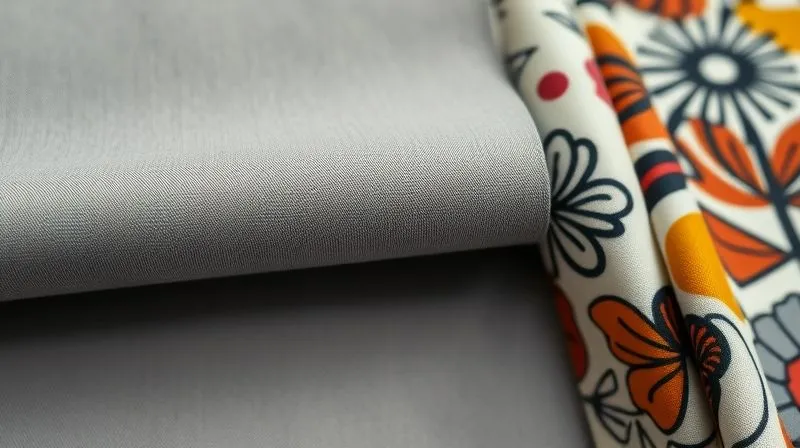
A character might begin in solid, unpatterned clothing, reflecting a simple, unassuming, or even repressed nature. As they grow, patterns can emerge – perhaps a subtle stripe, then a floral, then a bold geometric print. Or, a character might shed ostentatious patterns for a more refined simplicity.
- Initial Pattern Language: Define what patterns (or lack thereof) mean for your character initially. Are they conservative (subtle checks, pinstripes), flamboyant (bold florals, animal prints), or non-existent?
- Introducing New Motifs: As a character's personality expands or changes, introduce patterns that reflect this. A character finding their voice might start wearing bolder, more expressive prints. A character embracing a leadership role might adopt more structured, authoritative patterns.
- Symbolic Embellishments: Consider adding or removing embroidery, appliques, specific buttons, or unique fastenings. A character might start with plain buttons and later acquire unique, artisanal ones, symbolizing their embrace of individuality.
- Degradation or Refinement of Embellishments: Are embellishments lost, broken, or do they become more intricate and refined over time? This can parallel a character's journey from carelessness to meticulousness, or from opulence to austerity.
For instance, a character initially trapped in a monotonous life might wear only solid colors. As they discover a hidden artistic talent, they might begin to incorporate small, abstract patterns, which gradually grow into larger, more vibrant, and complex designs, symbolizing their internal blossoming. The absence or presence of specific embellishments, like a character removing a restrictive brooch or adding a meaningful charm, can also be incredibly effective.
Strategy 7: The Psychological Impact of Understated vs. Overt Changes
The most profound character evolutions through costume are often those that are so subtle, the audience feels the change rather than consciously registers it. This is the art of the 'understated.'
The Power of the Unseen Shift
While dramatic costume changes have their place, the real mastery lies in the small, almost imperceptible shifts that build over time. These are the changes that resonate on a subconscious level, making the character's journey feel organic and deeply authentic.
- Layering and Unlayering: A character might start heavily layered, symbolizing protection or emotional walls. As they open up, layers are shed. Conversely, a character becoming more guarded might add layers.
- Hair and Makeup Integration: While not strictly costume, hair and makeup are extensions of the overall visual design. A character's hair becoming looser, or makeup becoming bolder (or more natural), should align with their costume evolution.
- Body Language and Costume: The way a character wears their clothes is as important as the clothes themselves. A character who initially hunches in their garments might eventually stand tall, allowing the costume to truly 'wear' them, rather than the other way around.
- The 'Ghost' of Past Costumes: Sometimes, a character might retain a single item from a past phase, a subtle nod to where they came from, even as their overall look has transformed. This can add depth and a sense of history.
As Seth Godin, the renowned marketing guru, often emphasizes, "People do not buy goods and services. They buy relations, stories, and magic." In costume design, we're selling the story and magic of a character's journey. By focusing on the understated, we invite the audience to participate in that magic, to feel the character's evolution rather than merely observe it.
An external link to delve deeper into the psychological aspects of clothing and self-expression can be found in this Harvard Business Review article, which discusses how attire influences perception and self-perception.
Frequently Asked Questions (FAQ)
Q: How do I ensure subtle changes aren't missed by the audience? The key is consistency and cumulative effect. While individual changes might be subtle, their accumulation over the course of the narrative becomes undeniable. Also, ensure these changes align with narrative beats; the audience is primed to look for visual cues during pivotal moments. Reinforce with lighting and framing.
Q: Can a character's costume regress as part of their evolution? Absolutely. Evolution isn't always positive. A character can decline, become disheveled, or return to a past, less confident style. This regression through costume is just as powerful a storytelling tool as positive growth, and it avoids needing dialogue to explain a character's downward spiral.
Q: What if a character has a very limited wardrobe due to their circumstances? Even with a limited wardrobe, changes can be conveyed through wear and tear, how the garments are worn (e.g., sleeves rolled up, collar undone), or the addition of small, significant found items. A single button replaced, a patch added, or a simple piece of string used as a belt can tell a profound story. It forces creativity in the most impactful ways.
Q: How do I balance historical accuracy with character evolution in period pieces? This is where a deep understanding of period fashion nuances is crucial. Within any historical period, there's always room for individual expression, fabric quality, and specific accessories. You can still play with color saturation, fabric texture, fit within period silhouettes, and the condition of garments without breaking historical accuracy. It's about finding the subtle variations available within the period's constraints.
Q: Should I consult with the actor on costume evolution? Always. Collaboration with the actor is vital. They embody the character, and their insights into how the costume feels and helps them inhabit the role are invaluable. A costume that feels right to the actor will be worn with more authenticity, enhancing the subtle visual storytelling. It's a partnership that enriches the final portrayal.
Key Takeaways and Final Thoughts
- Costume is a powerful, non-verbal narrative tool for character evolution, avoiding exposition.
- Subtle shifts in color, silhouette, fabric texture, and accessories are more impactful than overt changes.
- Wear, tear, and repair of garments can visually narrate hardship, resilience, or renewal.
- Patterns and embellishments offer nuanced ways to show a character's internal transformation.
- The most profound changes are often understated, relying on cumulative effect and psychological resonance.
Mastering the art of subtle character evolution through costume is not just about designing clothes; it's about crafting visual poetry. It requires an acute understanding of human psychology, a keen eye for detail, and a commitment to telling stories that resonate deeply and authentically. Embrace these strategies, and you'll elevate your character portrayals from merely seen to truly felt, leaving your audience with a richer, more immersive experience. The silence of costume can speak volumes – let it be your most eloquent storyteller.
Recommended Reading
- Authentic Natural Beauty: 7 Steps to Marketing Without Greenwashing
- 7 Ways to Halt Antimicrobial Fabric Degradation Post-Wash Cycles
- Dress for Power: 7 Ways to Convey Authority in Client Meetings
- 7 Proven Strategies: Bio-Based Fashion Textiles & Performance Standards
- Unlock Your Radiance: Discovering Your Unique Personalized Beauty Needs

Your email address will not be published. Required fields are marked *