

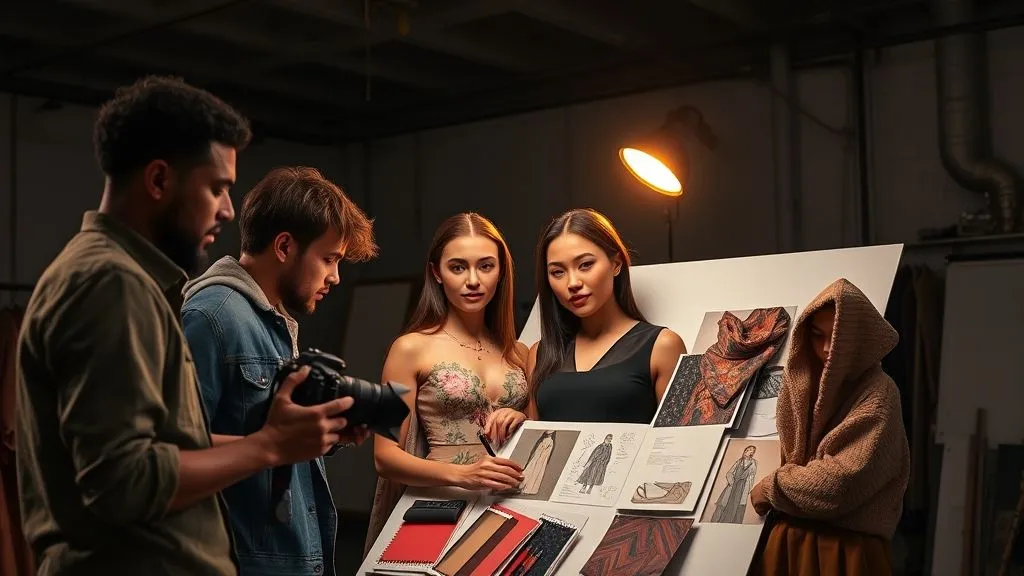
How to Secure Top Talent for Low-Budget Fashion Editorial Spreads?
For over 15 years in the dynamic world of fashion photography, I've witnessed countless aspiring creatives and even established brands grapple with a persistent, often disheartening challenge: how to bring a grand vision to life when the budget is anything but grand. It’s a classic dilemma – you have an incredible concept for an editorial spread, a story begging to be told through stunning visuals, but the financial resources to attract the industry's best seem perpetually out of reach.
The conventional wisdom often dictates that top-tier talent comes with a top-tier price tag, leading many to compromise on their creative output or, worse, abandon ambitious projects altogether. This isn't just a financial hurdle; it's a creative roadblock that can stifle innovation and prevent truly groundbreaking work from seeing the light of day. The pain point is real: how do you convince seasoned professionals and promising new faces to dedicate their time and skill to a project that can't offer competitive compensation?
But what if I told you that securing exceptional talent for your low-budget fashion editorial spreads isn't just a pipe dream? In this definitive guide, I'll share the frameworks, battle-tested strategies, and insider insights I’ve cultivated over years in the trenches. We'll explore actionable methods, real-world case studies, and expert advice that will empower you to build a dream team, regardless of your budgetary constraints, and elevate your editorial work to new heights.
1. Reframe Your Value Proposition: Beyond the Paycheck
In a world where financial compensation often dictates professional choices, the first and most crucial step for low-budget productions is to fundamentally shift how you present value. You can't compete on cash, so you must compete on everything else. This means understanding what truly motivates creative professionals beyond their immediate pay packet.
Understanding the Modern Creative's Motivations
Today's top talent, especially within the fashion industry, is driven by a multifaceted set of desires. While financial stability is important, many also seek creative fulfillment, portfolio enhancement, industry recognition, networking opportunities, and the chance to work on projects that genuinely excite them. They want to be part of something meaningful, something that pushes boundaries or tells a compelling story. Your job is to identify these intrinsic motivators and align your project with them.
I've seen projects with virtually no budget attract incredible teams simply because the creative director articulated a vision so potent and unique that it became irresistible. It wasn't about the money; it was about the artistry, the potential for groundbreaking work, and the sheer joy of creation. This requires deep introspection into your project's core essence.
Crafting a Compelling Vision and Creative Brief
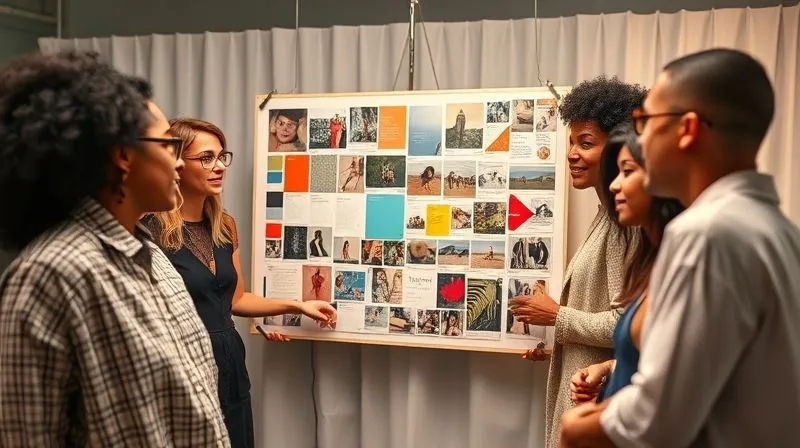
Your vision isn't just a concept; it's a narrative. It's the 'why' behind your 'what'. A meticulously crafted, emotionally resonant creative brief is your most powerful tool. It should outline not just the logistics but the inspiration, the mood, the story you want to tell, and the unique artistic contribution each team member can make. This brief should be a piece of art in itself, inspiring passion and demonstrating your professionalism and clarity of thought.
"A powerful creative brief doesn't just inform; it inspires. It's the first step in painting a picture of collaborative success, even before the first frame is shot."
According to a study published in the Harvard Business Review, intrinsic motivators like purpose and autonomy are far more powerful drivers of long-term engagement and performance than extrinsic rewards alone. Frame your project as an opportunity for creative autonomy and a shared purpose.
2. Master the Art of Networking and Relationship Building
In the fashion industry, your network is your net worth. For low-budget projects, this adage becomes even more critical. Cold-calling or mass-emailing rarely yields results with top talent. Instead, focus on building genuine, reciprocal relationships.
Strategic Outreach: Where to Find Emerging Talent
Don't limit your search to established names. The industry is brimming with incredibly talented emerging photographers, stylists, makeup artists, and models who are eager for high-quality portfolio work and exposure. Look for:
- Fashion Schools & Universities: Connect with department heads or attend student showcases. Graduates are often hungry for real-world experience.
- Online Portfolios & Platforms: Sites like Behance, Instagram, and even specialized industry platforms are goldmines for discovering fresh talent.
- Assistant Networks: Assistants to established professionals often possess immense skill and are ready to step into lead roles.
- Local Creative Meetups & Workshops: These are excellent places to meet like-minded individuals in person and discuss potential collaborations.
Nurturing Long-Term Collaborations
The goal isn't just to complete one shoot; it's to build a roster of trusted collaborators. Approach every interaction with respect and a long-term vision. Even if a project doesn't pan out immediately, the relationship you build could lead to future opportunities, both for you and for them. Think of it as investing in your creative community.
Here are actionable steps to cultivate a strong network:
- Attend Industry Events: Go to fashion weeks, gallery openings, and industry talks. Be present and engaged.
- Offer Genuine Compliments: If you admire someone's work, tell them. A sincere compliment can open doors.
- Follow Up Thoughtfully: After meeting someone, send a personalized message referencing your conversation.
- Seek Introductions: Ask mutual connections for warm introductions to talent you admire.
- Be a Giver: Share opportunities, offer advice, and promote others' work. Reciprocity is key.
- Maintain Communication: Stay in touch with your network, even when you don't immediately need something. A simple check-in can keep you top of mind.
As marketing guru Seth Godin often says, "People don't buy goods and services. They buy relations, stories, and magic." This applies equally to securing talent. Build the relationship, share the story, and create the magic.
3. Leverage the Power of Portfolio Building and Exposure
For many emerging and even established creatives, a strong, current portfolio is their currency. Low-budget editorial spreads, when executed with high quality, can be invaluable assets for everyone involved.
The Mutual Benefit: Why Talent Says Yes
When you can't offer a substantial fee, you must offer an unparalleled opportunity for portfolio enhancement. This means:
- Exceptional Creative Direction: A project with a clear, compelling vision that stands out.
- High-Quality Output: Promise and deliver stunning, professionally retouched images that everyone can be proud of.
- Strategic Placement: Aim for submission to reputable online or print publications, even smaller, niche ones, to offer real exposure.
- Collaborative Credit: Ensure every single team member is properly credited and promoted across all channels.
I’ve personally seen models agree to TFP (Time For Print) shoots, and photographers dedicate days to projects, simply because the aesthetic vision was so strong and the potential for impactful portfolio additions was undeniable. It’s a transaction of value, just not always monetary value.
Case Study: How 'Aesthetic Echoes' Secured Its Dream Team
Aesthetic Echoes, a new independent fashion publication, had a minuscule budget for its inaugural editorial spread, 'Urban Canvas.' Their creative director, Anya Sharma, couldn't afford a celebrity photographer or top agency model. Instead, she meticulously crafted a mood board and narrative that was deeply evocative, focusing on sustainable fashion and urban decay. She approached a talented, but lesser-known, architectural photographer who wanted to expand into fashion, and a compelling new face from a boutique agency looking for strong editorial work. Anya promised full creative freedom within the theme, high-end post-production, and guaranteed submissions to three online indie fashion magazines. The resulting spread was breathtaking, garnered significant online buzz, and launched the careers of both the photographer and the model in the fashion editorial space. This demonstrated the power of offering tangible, non-monetary value.

4. Optimize Your Team Structure: Lean, Agile, and Collaborative
When resources are scarce, every role and every person on set must be absolutely essential. This isn't about cutting corners; it's about intelligent, strategic team building.
Defining Essential Roles vs. Desired Luxuries
Before you even think about outreach, map out your absolute minimum viable team. What roles are non-negotiable for achieving your core vision? Often, this includes a photographer, a model, a stylist (who might also double as a creative assistant), and a hair/makeup artist. Roles like a dedicated producer, multiple assistants, or a digital tech might be luxuries you need to forgo or integrate into existing roles.
I've managed shoots where the photographer's assistant was also the lighting tech, and the stylist's assistant managed props and set dressing. It requires clear communication, flexibility, and a team-player attitude from everyone involved.
Cross-Skilling and Role Flexibility
Seek out talent that has complementary skills or is willing to wear multiple hats. A model who can do her own basic hair and makeup, a photographer who is also adept at simple set design, or a stylist with strong production coordination skills can be invaluable. Clearly communicate these expectations upfront during the talent acquisition process. Transparency fosters trust and ensures everyone is on the same page regarding their responsibilities.
This approach requires thorough planning and a detailed shot list to ensure efficiency and minimize wasted time, which is essentially wasted budget, even if it’s not directly monetary. It also helps in understanding how to secure top talent for low-budget fashion editorial spreads by making the most of every individual's capabilities.
| Role | Low-Budget Strategy | High-Budget Approach |
|---|---|---|
| Photographer | Emerging talent, portfolio building, collaborative compensation | Established name, full-day rate, exclusive rights |
| Model | New faces, agency test shoots, TFP (Time For Print) with strong concept | Agency-represented, specific look, buyouts |
| Stylist | Up-and-coming, personal collection, brand collaborations for credit | Renowned, extensive wardrobe, full styling fee |
| MUA/Hair | Developing artists, portfolio exchange, product sponsorship | Veteran artists, full day rate, kit fees |
5. Smart Resource Allocation: Where to Spend, Where to Save
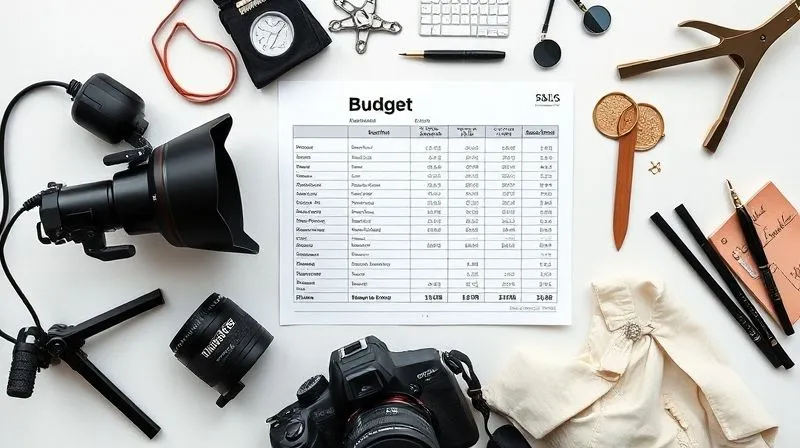
A low budget doesn't mean no budget. It means every dollar must be spent with surgical precision. Prioritizing expenditures based on impact is key to how to secure top talent for low-budget fashion editorial spreads without compromising quality.
Prioritizing Impactful Elements
Identify the non-negotiable elements that will have the most significant impact on the final visual quality. This might be:
- Location: A stunning, unique location can often serve as its own set design, reducing prop costs.
- Key Garments/Props: Invest in one or two hero pieces that define the aesthetic, and build around them with more affordable options.
- Lighting Equipment: Quality lighting is paramount. Renting essential pieces for a day can be more cost-effective than trying to make do with inadequate gear.
- Post-Production: Investing in a skilled retoucher (even if it's you!) can elevate average shots to extraordinary ones.
I've always advocated for spending where it truly matters. A beautiful location or a perfectly styled hero garment can transform an entire shoot, making it look far more expensive than it was.
Negotiation and Bartering Strategies
Don't be afraid to negotiate or explore bartering opportunities. Many creatives are open to:
- Partial Payment + Portfolio Credit: A small honorarium combined with strong portfolio value.
- Product Sponsorship: Partner with emerging designers or accessory brands who can provide garments/props in exchange for exposure and high-quality imagery.
- Location Swaps: Offer a venue owner free professional photos of their space in exchange for using it for your shoot.
- Service Exchange: If you have a skill (e.g., graphic design, social media management), offer it in exchange for another service.
Remember, negotiation isn't about devaluing someone's work; it's about finding mutually beneficial arrangements within your constraints. Always be respectful and upfront about your budget limitations.
6. Foster an Unforgettable On-Set Experience
Beyond the creative brief and the portfolio promise, the actual experience of working with you is a powerful determinant of whether talent will return or recommend you. A positive, professional, and respectful set environment can be more valuable than a higher paycheck for many.
Professionalism and Respect as Currency
Treat every single person on your team, regardless of their role or experience level, with utmost respect and professionalism. This means:
- Clear Communication: Provide detailed call sheets, schedules, and expectations well in advance.
- Preparedness: Have everything organized and ready to go. Time is precious.
- Comfort & Amenities: Even on a low budget, ensure basic comforts like water, snacks, and a clean workspace. A simple gesture like ordering pizza can go a long way.
- Timeliness: Start and end on time. Respecting people's schedules shows you value their time.
- Positive Attitude: Maintain a calm, encouraging, and enthusiastic demeanor, even when challenges arise.
I’ve worked on shoots with enormous budgets that were miserable experiences due to poor management, and conversely, shoestring productions where the camaraderie and positive energy were infectious. People remember how you made them feel.
Creating a Positive, Collaborative Atmosphere
Encourage open dialogue and creative input from everyone on set. Acknowledge and appreciate contributions. Make it clear that this is a collaborative effort where every voice is valued. When talent feels heard, respected, and part of a shared creative journey, they are far more likely to invest their best work and consider future collaborations.
"The best currency on a low-budget set isn't money; it's respect, appreciation, and a genuinely positive collaborative spirit."
This approach not only secures talent for the current project but also builds a loyal network of creatives eager to work with you again. It’s a foundational element in how to secure top talent for low-budget fashion editorial spreads repeatedly.
7. Build a Strong Personal Brand and Reputation
In the digital age, your personal brand and online reputation precede you. For independent creatives and small production teams, this is an invaluable asset that can attract talent without a hefty marketing budget.
Your Reputation Precedes You
What do people say about working with you? Is your work consistently high quality? Are you known for being organized, fair, and creatively inspiring? Cultivating a strong, positive reputation within the industry is paramount. This means:
- Consistent Quality: Always strive for excellence in your creative output.
- Professional Conduct: Be reliable, ethical, and easy to work with.
- Integrity: Always deliver on your promises, especially regarding credits, image usage, and timelines.
- Thought Leadership: Share your insights, creative process, and passion online. Position yourself as an expert.
Your reputation acts as a magnet, drawing in like-minded professionals who are confident that collaborating with you will be a rewarding experience, both creatively and professionally. A strong brand gives you leverage when discussing how to secure top talent for low-budget fashion editorial spreads.
The Power of Testimonials and Word-of-Mouth
Actively seek testimonials from past collaborators. A glowing review from a respected model or photographer can be far more persuasive than any pitch you could make. Encourage happy team members to spread the word about their positive experience working with you.
Showcase behind-the-scenes footage, credit everyone prominently on social media, and tag them in your posts. This not only gives them exposure but also signals to potential future collaborators that you are generous with credit and appreciative of their efforts. This organic promotion is incredibly powerful and costs nothing but your genuine appreciation.
As Forbes emphasizes, building a strong personal brand is crucial for long-term career success, especially in creative fields. Your brand becomes your calling card, speaking volumes before you even utter a word. Read more on building your brand here.

Frequently Asked Questions (FAQ)
Q: Is it ethical to ask talent to work for free or for very low pay on editorial shoots? A: The ethics hinge on transparency and mutual benefit. It's ethical if you are completely upfront about the budget, clearly articulate the non-monetary value (portfolio building, exposure, creative freedom), and ensure the project's quality genuinely benefits the talent. Exploitation occurs when there's a lack of transparency, false promises of exposure, or when the project's quality doesn't justify the talent's time. Always prioritize respect and clear communication.
Q: How do I handle a situation where a talent demands a fee I cannot afford, even after I've explained my budget? A: Be gracious and understanding. Thank them for their time and interest, reiterate your budget constraints, and suggest that you'd love to work with them in the future when your budget allows. Sometimes, an honest and respectful refusal can leave a positive impression that leads to collaborations down the line, or they might recommend someone else within your budget. Never try to guilt-trip or devalue their worth.
Q: What are the best ways to ensure high-quality post-production if I can't afford a top retoucher? A: Several strategies can help. First, ensure the photography is as strong as possible from the outset – good lighting, composition, and focus reduce the need for heavy retouching. Second, explore emerging retouchers who are building their portfolios; they might offer competitive rates or exchange services for strong portfolio pieces. Third, consider learning basic retouching skills yourself for minor adjustments, or collaborate with a photographer who includes basic retouching as part of their service. Prioritize clean, natural edits over heavily manipulated ones.
Q: How important is a detailed mood board for attracting talent, and what should it include? A: A detailed mood board is incredibly important; it's your visual pitch. It should go beyond just images. Include color palettes, texture inspirations, lighting references, specific poses, hair and makeup ideas, and even snippets of text or poetry that convey the mood and story. It should communicate the entire aesthetic vision and demonstrate your professionalism and creative clarity. A strong mood board shows you respect their time and have a clear direction, which is highly attractive to talent.
Q: Should I offer contracts or agreements even for unpaid or low-paid collaborations? A: Absolutely, yes. Even for TFP or low-budget collaborations, a simple, clear agreement is crucial. It protects everyone involved by outlining deliverables, usage rights (e.g., who can use the images, for what purpose, and where), credits, timelines, and any other expectations. This prevents misunderstandings, establishes professionalism, and builds trust. You can find basic template agreements online or consult with a legal professional for a tailored version.
Key Takeaways and Final Thoughts
Securing top talent for low-budget fashion editorial spreads is not about cutting corners; it's about shifting your mindset and strategically leveraging every non-monetary asset at your disposal. It's a testament to your creativity, leadership, and ability to inspire.
- Refine Your Value Proposition: Offer compelling creative vision and portfolio opportunities over competitive pay.
- Build Authentic Relationships: Network genuinely and nurture long-term collaborations within the industry.
- Prioritize Mutual Benefit: Focus on how the project enhances the talent's portfolio and exposure.
- Optimize Your Team: Be lean, agile, and seek out cross-skilled individuals.
- Allocate Resources Wisely: Spend strategically on high-impact elements and explore bartering.
- Foster a Positive Set Environment: Treat everyone with respect and professionalism.
- Cultivate Your Personal Brand: Let your reputation and consistent quality speak for themselves.
The fashion world is incredibly competitive, but it's also a community built on passion and shared artistic endeavor. By adopting these strategies, you're not just trying to make do with less; you're building a sustainable model for creative excellence, attracting individuals who are as passionate about the art as you are. Go forth, inspire, and create breathtaking fashion editorials, proving that vision, not just budget, truly reigns supreme.
Recommended Reading
- 7 Proven Strategies: Elevate Your Fashion Photography Aesthetics Uniquely
- Stylish Glasses for Sensitive Eyes: The Ultimate Guide to Comfort and Style
- Modern Women: 7 Fast Strategies for Stylish Professional Outfits
- Kids Character Clothing: 7 Steps to Sidestep IP Infringement
- Scaling Haute Couture: 7 Strategies to Preserve Artisan Quality



Your email address will not be published. Required fields are marked *