

How to Scale Innovative Natural Fiber Production Sustainably?
For over two decades in the textile innovation space, I've witnessed countless promising natural fiber ventures falter not due to lack of innovation, but a fundamental misunderstanding of sustainable scaling. The journey from laboratory breakthrough to industrial-scale production is fraught with environmental, ethical, and economic complexities.
The promise of natural fibers – biodegradability, renewability, and reduced reliance on fossil fuels – is immense. However, simply producing more isn't enough; we must ensure that growth doesn't inadvertently recreate the very problems we're trying to solve, such as resource depletion, pollution, and social injustice.
This guide will dissect the critical challenges and provide a definitive framework for how to scale innovative natural fiber production sustainably. I'll share actionable strategies, real-world insights, and expert advice to help you navigate this intricate landscape and build a truly resilient and responsible enterprise.
The Imperative: Why Sustainable Scaling is Non-Negotiable
The global fashion industry is under immense pressure to decarbonize and detoxify its supply chains. Consumers are increasingly demanding transparency and genuinely sustainable products, while regulatory bodies are beginning to enforce stricter environmental and social standards.
Ignoring the principles of sustainable scaling isn't just an ethical misstep; it's a business death sentence in today's market. Brands that fail to integrate sustainability at every stage of their growth risk reputational damage, financial penalties, and alienation from an increasingly conscious consumer base.
“Sustainability is no longer a niche concern; it is the fundamental operating principle for future-proof businesses in the textile industry. It’s about building value, not just extracting it.”

Strategy 1: Rethinking Raw Material Sourcing & Cultivation
The foundation of sustainable natural fiber production lies in where and how your raw materials are grown. This isn't just about 'organic'; it's about a holistic approach that regenerates ecosystems.
Embracing Regenerative Agriculture
Regenerative agriculture goes beyond organic by actively improving soil health, enhancing biodiversity, and sequestering carbon. It's a powerful approach for cultivating fibers like cotton, hemp, flax, and even novel biomaterials.
- Conduct Soil Health Assessments: Before planting, understand your land’s baseline. Test for organic matter, microbial activity, and nutrient levels to tailor regenerative practices effectively.
- Implement Cover Cropping & Crop Rotation: Utilize diverse plant species to keep the soil covered, prevent erosion, and naturally enrich the soil with nitrogen and other nutrients.
- Minimize Tillage: Reduce soil disturbance to protect the intricate soil structure and fungal networks crucial for nutrient cycling and carbon sequestration.
- Integrate Livestock (where appropriate): Grazing animals can mimic natural ecosystems, distributing manure and encouraging plant growth, further enhancing soil fertility.
- Prioritize Water Conservation: Employ smart irrigation techniques like drip systems and rainwater harvesting to drastically reduce water footprint at the cultivation stage.
According to the Rodale Institute, regenerative organic agriculture can not only sequester carbon but also significantly improve drought resilience and yields over time, making it a robust long-term strategy for scaling. For more in-depth information, explore resources on regenerative organic agriculture.
Diversifying Fiber Portfolio
Reliance on a single fiber, like conventional cotton, carries inherent risks – price volatility, pests, and monoculture environmental impacts. Diversifying your natural fiber portfolio builds resilience.
- Explore Underutilized Fibers: Hemp, flax, nettle, ramie, and jute offer diverse properties and often thrive with fewer inputs than traditional crops.
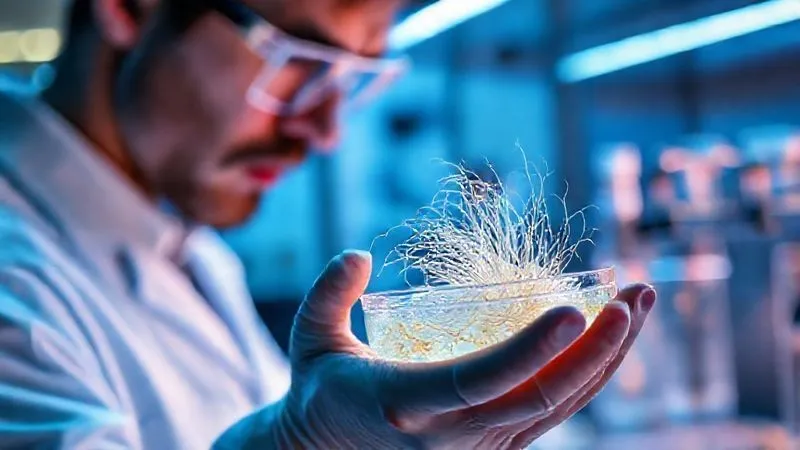
- Invest in Mycelium & Algae-Based Materials: These innovative biomaterials can be grown in controlled environments, reducing land and water use, and offer exciting new textures and functionalities.
- Leverage Agricultural Waste: Transform waste products from other industries (e.g., pineapple leaves, banana stems) into valuable textile fibers, creating circularity.
Strategy 2: Advanced Processing & Resource Efficiency
Once harvested, how natural fibers are processed significantly impacts their environmental footprint. Scaling sustainably demands innovation in every step, from spinning to finishing.
Minimizing Water & Energy Footprint
Traditional textile processing is notoriously resource-intensive. Modern advancements offer pathways to dramatically reduce consumption.
- Adopt Waterless Dyeing Technologies: Techniques like supercritical CO2 dyeing or air dyeing eliminate water usage and significantly reduce chemical discharge.
- Implement Closed-Loop Water Systems: Treat and reuse process water, minimizing freshwater intake and wastewater discharge.
- Utilize Renewable Energy Sources: Power your facilities with solar, wind, or geothermal energy to drastically cut carbon emissions associated with production.
- Optimize Machinery & Process Flow: Invest in energy-efficient equipment and streamline production lines to reduce idle time and energy waste.

Waste Valorization & Circularity
True sustainability integrates waste back into the system. This means moving beyond linear 'take-make-dispose' models towards a circular economy where waste is a resource.
- Fiber-to-Fiber Recycling: Develop or partner with facilities that can mechanically or chemically recycle natural fiber textile waste back into new fibers.
- By-product Utilization: Explore novel uses for processing by-products, such as turning cotton gin waste into bio-composites or flax shives into insulation materials.
- Design for Disassembly & Longevity: Create products that are durable, repairable, and easily disassembled at their end-of-life to facilitate recycling.
The Ellen MacArthur Foundation highlights the immense economic and environmental benefits of a circular textile economy, emphasizing the need for systemic change. You can learn more about their initiatives at Ellen MacArthur Foundation.
To illustrate the potential for resource efficiency, consider these comparative metrics:
| Metric | Traditional Method | Innovative Sustainable Method | Reduction Potential |
|---|---|---|---|
| Water Usage (L/kg fiber) | 10,000 - 20,000 | 500 - 2,000 | >80% |
| Energy Consumption (kWh/kg fiber) | 5 - 15 | 1 - 4 | >70% |
| Chemical Usage (kg/kg fiber) | 0.5 - 2.0 | 0.05 - 0.2 | >90% |
| Waste Generation (kg/kg fiber) | 0.2 - 0.8 | 0.02 - 0.1 | >85% |
Strategy 3: Technological Integration & Automation
Scaling innovative natural fiber production efficiently and transparently requires embracing cutting-edge technology. Automation and data intelligence are no longer luxuries but necessities.
AI & IoT for Supply Chain Transparency
Visibility across your entire supply chain is paramount for proving sustainability claims and identifying areas for improvement. Artificial Intelligence (AI) and the Internet of Things (IoT) offer unparalleled capabilities.
- Real-time Tracking: Implement IoT sensors at farms and processing facilities to monitor environmental conditions, resource consumption, and production metrics.
- Predictive Analytics: Use AI to analyze data from sensors, weather patterns, and market trends to optimize planting schedules, predict yields, and manage inventory efficiently.
- Blockchain for Traceability: Employ blockchain technology to create an immutable, transparent record of every fiber's journey, from cultivation to finished product. This builds immense trust with consumers and partners.
“You cannot manage what you do not measure. AI and IoT provide the eyes and brains needed to truly understand and optimize complex sustainable supply chains.”

Automated Manufacturing for Precision & Speed
Automation in manufacturing processes can significantly improve efficiency, reduce waste, and ensure consistent quality, which is crucial when scaling innovative natural fibers.
- Robotics in Sorting & Handling: Automate the sorting and handling of raw fibers to reduce manual labor costs and improve precision.
- Precision Weaving & Knitting: Utilize advanced machinery that minimizes material waste and produces high-quality fabrics with fewer defects, allowing for faster production cycles.
- Digital Prototyping: Employ 3D design software to reduce the need for physical samples, saving materials, time, and shipping emissions during the design phase.
Strategy 4: Building Robust & Ethical Supply Chains
Sustainable scaling isn't just about environmental impact; it's deeply intertwined with social responsibility. An ethical supply chain is a robust one.
Case Study: EcoWeave's Journey to Transparency
Case Study: How EcoWeave Revolutionized Its Hemp Supply Chain
EcoWeave, a startup specializing in innovative hemp textiles, initially struggled with inconsistent fiber quality and opaque sourcing. Their small-scale farmers often faced fluctuating prices and lacked access to modern agricultural techniques. This threatened their ability to scale and meet rising demand.
By implementing a 'Farmer-First' partnership model, EcoWeave provided upfront financing, agronomical support for regenerative hemp cultivation, and guaranteed fair prices based on quality metrics. They also integrated a blockchain-based traceability system, allowing consumers to scan a QR code and trace their garment's hemp from the specific farm field to the factory.
This resulted in a 30% increase in fiber yield consistency, a 15% reduction in production waste, and significantly improved farmer livelihoods. Their transparent supply chain became a key marketing asset, boosting consumer trust and enabling them to secure larger contracts with major fashion brands, effectively demonstrating how to scale innovative natural fiber production sustainably and ethically.
Fair Labor Practices & Community Engagement
Ethical sourcing extends beyond the farm gate to every worker involved in your supply chain. Ensuring fair labor practices and engaging local communities are non-negotiable for sustainable growth.
- Implement Fair Wage & Working Conditions: Ensure all workers, from farmers to factory employees, receive fair wages, safe working environments, and reasonable hours. Adhere to or exceed international labor standards.
- Provide Training & Capacity Building: Invest in training programs for farmers and factory workers to enhance their skills, improve productivity, and ensure adherence to sustainable practices.
- Support Local Communities: Engage with the communities where your fibers are grown and processed. This might include investing in local infrastructure, education, or healthcare initiatives.
- Conduct Regular Audits: Partner with independent third-party auditors to regularly assess social and labor conditions throughout your supply chain, ensuring compliance and continuous improvement.
Strategy 5: Innovation Through Collaboration & R&D
The textile innovation landscape is rapidly evolving. To scale successfully, you must remain at the forefront, which often means strategic partnerships and continuous research and development.
Cross-Industry Partnerships
No single company possesses all the expertise needed to tackle the complexities of sustainable scaling. Collaboration is key.
- Academic Institutions: Partner with universities for cutting-edge research in material science, sustainable chemistry, and agricultural innovation.
- Technology Providers: Collaborate with tech companies specializing in AI, IoT, and blockchain to enhance supply chain transparency and operational efficiency.
- Agricultural Experts: Work with agronomists and soil scientists to optimize regenerative farming practices for your specific fiber crops.
- Government & NGOs: Engage with policy makers and non-governmental organizations to advocate for supportive policies and gain insights into best practices.
Harvard Business Review often emphasizes the power of strategic alliances in driving innovation and market leadership, particularly in complex, evolving industries like sustainable textiles. Read more on the benefits of strategic alliances in their publications: Harvard Business Review.
Investing in Next-Gen Natural Fibers
The definition of 'natural fiber' is expanding. Investing in research for future materials can secure your long-term competitive advantage.
- Bio-synthetics from Natural Inputs: Explore fibers like bio-based polyesters derived from plant sugars or fermentation-grown proteins that mimic natural properties.
- Cellulose-Based Innovations: Research new methods for extracting and processing cellulose from diverse plant sources (e.g., agricultural waste) to create high-performance fibers.
- Mycelium and Algae Development: Continue to push the boundaries of growing textile materials from fungi and algae, which offer incredible potential for circular, low-impact production.
Strategy 6: Navigating Certifications & Market Access
To scale, your innovative natural fibers need to be recognized and trusted by the market. Certifications play a vital role in validating your sustainability claims and opening doors to new customers.
Understanding Global Standards (GOTS, Oeko-Tex)
Navigating the myriad of certifications can be daunting, but choosing the right ones is crucial for credibility and market entry.
- GOTS (Global Organic Textile Standard): The leading standard for organic textiles, covering ecological and social criteria across the entire supply chain. Essential for organic fiber products.
- Oeko-Tex Standard 100: Focuses on human ecological safety, testing for harmful substances in textiles. Crucial for consumer product safety.
- Bluesign System: A holistic approach to sustainable textile production, eliminating harmful substances from the beginning and focusing on resource productivity.
- GRS (Global Recycled Standard): Verifies recycled content and responsible social, environmental, and chemical practices in production. Relevant if you're incorporating recycled natural fibers.
Each certification has specific requirements and benefits. It's essential to understand which ones align best with your fiber type, production processes, and target markets. For instance, if you're scaling organic cotton, GOTS is non-negotiable. If you're using innovative dyes, Bluesign might be more appropriate.
| Certification | Focus | Key Benefit for Scaling |
|---|---|---|
| GOTS (Global Organic Textile Standard) | Organic status of textiles from harvesting of raw materials through environmentally and socially responsible manufacturing. | Global market acceptance, strong consumer trust, comprehensive supply chain integrity. |
| Oeko-Tex Standard 100 | Tests for harmful substances in textiles, ensuring product safety for human health. | Consumer safety assurance, compliance with international regulations, brand reputation enhancement. |
| Bluesign System | Sustainable production process, eliminating harmful substances from the beginning, focusing on resource productivity and consumer safety. | Holistic approach to sustainability, reduced environmental footprint, operational efficiency. |
| GRS (Global Recycled Standard) | Verifies recycled content and responsible social, environmental, and chemical practices in production. | Credibility for recycled products, supports circular economy, appeals to eco-conscious brands. |
Communicating Your Sustainability Story
Certifications are a baseline, but authentic storytelling is what truly connects with customers. Be transparent, honest, and compelling about your sustainable journey.
- Educate Your Audience: Explain *why* your fibers are sustainable, detailing the processes, the people, and the environmental benefits.
- Use Data & Evidence: Back up your claims with quantifiable metrics (e.g., water saved, carbon sequestered, fair wages paid).
- Be Authentic, Not Perfect: Acknowledge challenges and continuous improvement efforts. Consumers appreciate honesty more than claims of flawless perfection.
Strategy 7: Financial Models for Sustainable Growth
Scaling sustainable production often requires significant upfront investment. Innovative financial models are emerging to support this transition.
Impact Investment & Green Bonds
Traditional financing can be risk-averse to new, sustainable technologies. Look for capital specifically aligned with environmental and social impact.
- Impact Investors: Seek out investors who prioritize both financial returns and measurable positive social and environmental impact. These partners often bring strategic value beyond just capital.
- Green Bonds & Loans: Explore specialized financial instruments designed to fund projects with environmental benefits. These can offer more favorable terms for sustainable ventures.
- Venture Capital for Green Tech: Target VC firms that specialize in sustainable technologies and circular economy solutions, as they understand the long-term value.
Forbes has extensively covered the rise of impact investing and its potential to drive sustainable innovation across industries. A quick search on Forbes on Impact Investing will yield valuable insights.
Government Incentives & Subsidies
Many governments worldwide are recognizing the importance of sustainable industries and offering support.
- Grants for R&D: Apply for government grants that support research and development in sustainable materials, processing technologies, and circular economy initiatives.
- Tax Credits & Rebates: Investigate tax incentives for adopting renewable energy, implementing waste reduction technologies, or creating green jobs.
- Export Promotion Programs: If your innovative fibers have international market potential, explore government programs that support the export of sustainable products.
Frequently Asked Questions (FAQ)
How do I choose the right natural fiber for scaling? Choosing the right fiber involves a multi-faceted analysis. Consider regional availability, climate suitability for regenerative farming, existing infrastructure for processing, market demand for its properties (e.g., strength, drape, absorbency), and its overall environmental impact profile. Don't just pick the trendiest fiber; pick the one that aligns with your specific supply chain capabilities and market needs, ensuring a sustainable source can be reliably scaled.
What are the biggest regulatory hurdles when scaling innovative natural fiber production? The biggest hurdles often revolve around chemical compliance (e.g., REACH regulations in Europe for dyes/finishes), waste management regulations, and international trade laws for raw materials and finished goods. Navigating various national and international certification requirements (like GOTS or Oeko-Tex) can also be complex. Staying updated on evolving environmental legislation is critical, and often requires expert legal and compliance consultation.
Is sustainable production always more expensive? Initially, sustainable production can have higher upfront costs due to investment in new technologies, certifications, and ethical sourcing premiums. However, in the long run, it often leads to significant savings through reduced resource consumption (water, energy), waste valorization, improved brand reputation, increased market access, and enhanced supply chain resilience against fluctuating resource prices. The 'cost' of unsustainability (e.g., fines, reputational damage, resource scarcity) far outweighs the investment in sustainable practices.
How can small businesses compete with large corporations in this space? Small businesses can leverage agility, niche specialization, and strong storytelling. Focus on a specific innovative fiber or application where you can excel, building deep expertise and a highly transparent, ethical supply chain. Collaborate with other small businesses or startups to share resources and knowledge. Your ability to connect directly with consumers and offer truly unique, high-integrity products can be a significant competitive advantage against larger, slower-moving incumbents.
What role does consumer education play in scaling sustainable natural fibers? Consumer education is paramount. Many consumers are interested in sustainability but lack understanding of the complexities of textile production. By transparently communicating the benefits of your innovative natural fibers, the sustainable practices you employ, and the positive impact you create, you empower consumers to make informed choices. This builds brand loyalty, drives demand for sustainable products, and helps shift market norms, ultimately facilitating your scaling efforts.
Key Takeaways and Final Thoughts
Scaling innovative natural fiber production sustainably isn't a linear process; it's a dynamic journey demanding foresight, collaboration, and unwavering commitment. It's about designing systems that are regenerative by nature, transparent by design, and ethical at their core.
- Embrace a Holistic Approach: Integrate sustainability from raw material cultivation through to end-of-life.
- Leverage Technology: Utilize AI, IoT, and automation for efficiency, transparency, and data-driven decisions.
- Prioritize Ethical Partnerships: Build robust supply chains founded on fair labor and community engagement.
- Innovate Relentlessly: Invest in R&D and cross-industry collaborations to stay ahead.
- Validate with Certifications: Secure credible certifications and communicate your story authentically.
- Seek Green Capital: Explore impact investments and government incentives to fund your sustainable growth.
The future of fashion and textiles hinges on our ability to harmoniously blend innovation with responsibility. By meticulously implementing these strategies, you're not just building a business; you're cultivating a legacy of positive impact, poised to lead the next generation of sustainable textile innovation. The path is challenging, but the rewards—for your business, your community, and our planet—are immeasurable.
Recommended Reading
- 7 Proven Strategies: Turn Social Media Fashion Followers into Clients
- The ROI Blueprint: Proving Predictive Analytics Cuts Fashion Waste by 20%+
- 7 Proven Strategies: Attract High-End Fashion Brands for Review Collaborations
- Unlocking Mass Digital Fashion: 7 Strategies for Scalable Production
- 7 Breakthroughs: Innovating Sportswear for Extreme Athlete Demands




Your email address will not be published. Required fields are marked *