

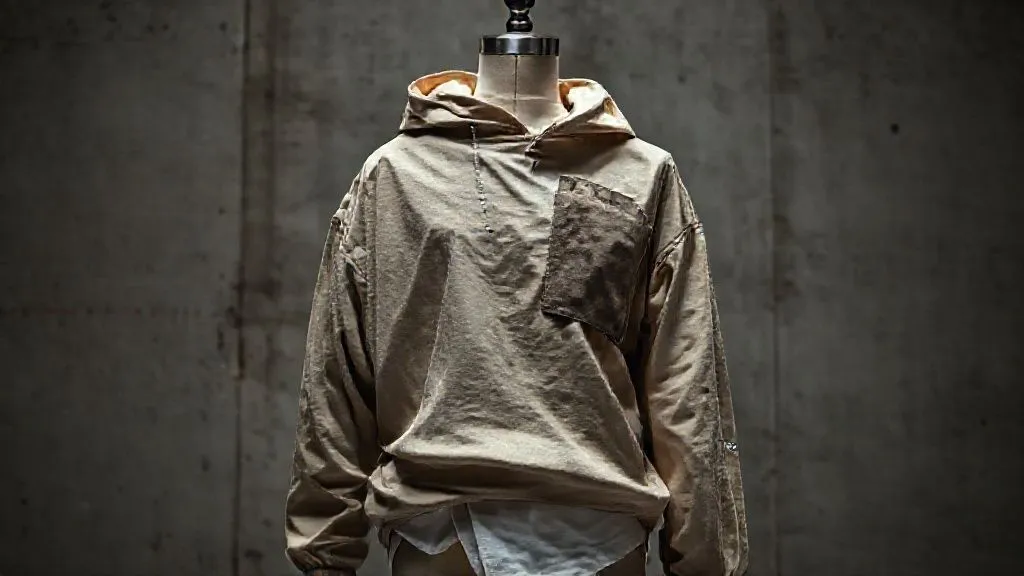
How to redefine logomania for streetwear brands avoiding brand fatigue?
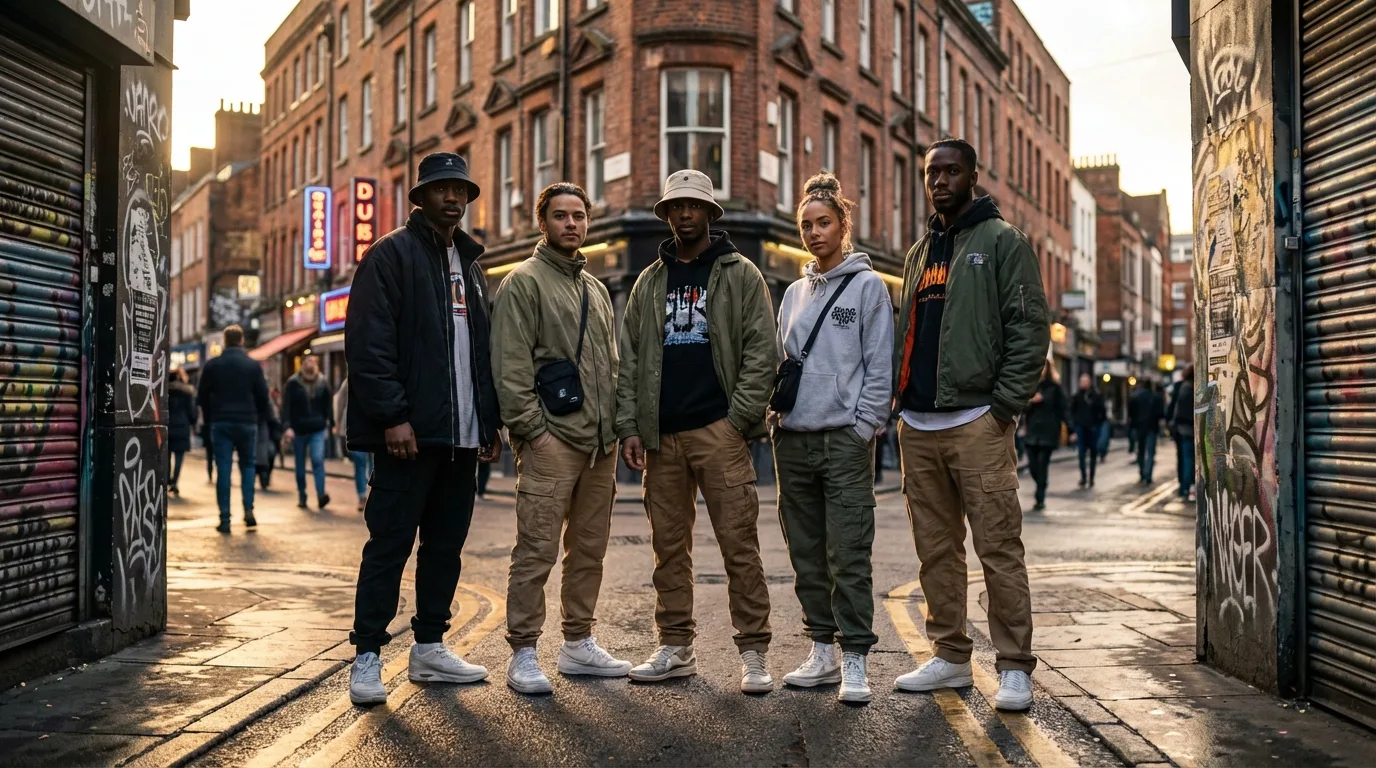
For over 15 years in the dynamic world of streetwear, I've witnessed firsthand the meteoric rise and sometimes precipitous fall of brands. It's a landscape of constant evolution, where yesterday's trend is today's relic. One phenomenon that truly encapsulates this cycle is logomania – the pervasive display of brand logos. It's been a powerful tool, a badge of belonging, and a symbol of status, but it's also a double-edged sword.
Many brands, seduced by the initial hype and instant recognition that overt branding brings, have leaned too heavily on logomania. The inevitable consequence? Brand fatigue. Consumers, increasingly sophisticated and saturated with visual noise, grow tired of being walking billboards. They seek authenticity, subtlety, and a deeper connection, leaving many streetwear brands grappling with diluted identities and dwindling engagement.
But the story doesn't end there. In this definitive guide, I'll share actionable frameworks and expert insights, drawing from real-world observations and strategic foresight, to show you how to redefine logomania for streetwear brands avoiding brand fatigue. We'll explore innovative approaches to brand identity that foster longevity, cultivate genuine connection, and ensure your brand doesn't just survive, but truly thrives.
Understanding the Roots of Logomania & Its Pitfalls
To redefine logomania, we must first understand its origins and why it became such a dominant force in streetwear. Initially, a prominent logo served as a powerful signifier of identity and belonging. Wearing a brand's emblem was a declaration of allegiance to a subculture, a statement of shared values, and often, a display of status.
The allure was undeniable: instant recognition, tribal affiliation, and a clear signal of quality or exclusivity. Brands capitalized on this, making their logos bigger, bolder, and more frequent. However, this aggressive approach, while effective in the short term, contained the seeds of its own destruction. The market became oversaturated, logos lost their meaning, and what was once a symbol of unique identity became a ubiquitous commodity.
As I've observed, this over-reliance on overt branding often leads to brand dilution. When every piece of clothing screams its affiliation, the message becomes noise. Consumers, especially the discerning streetwear audience, begin to perceive a lack of creativity, authenticity, and ultimately, value. They're looking for substance beyond the surface-level branding, and when it's not there, they move on. This critical shift in consumer perception is why understanding customer loyalty and brand saturation is more crucial than ever.
The Allure of Overt Branding
For decades, a prominent logo was the fastest route to brand recognition and cultural cachet. In streetwear, it signified insider knowledge, aligning oneself with specific crews, music genres, or artistic movements. The logo was a shorthand for a lifestyle, a statement made without uttering a word. This created a powerful feedback loop: the more visible the logo, the more desirable the brand, fueling the cycle of logomania.
The Inevitable Slide into Saturation
However, this very success became its undoing. As brands scaled, chasing wider markets, the exclusivity and niche appeal that made logomania potent began to erode. Every brand wanted a piece of the pie, leading to a proliferation of logo-heavy designs that blurred distinctions. When everything is loud, nothing stands out. This market saturation inevitably leads to consumer fatigue, where the once-powerful logo becomes just another mark in a sea of sameness.
Strategic Subtlety: The New Canvas for Brand Identity
The antidote to logomania fatigue isn't necessarily abandoning branding altogether, but rather evolving it. I've seen the most resilient streetwear brands pivot towards strategic subtlety, where the brand's essence is conveyed through design language rather than just a prominent emblem. This is about building a brand identity that whispers, not shouts.
Think about the nuanced ways a brand can communicate its values, quality, and unique aesthetic without resorting to an oversized logo. It's a more sophisticated approach that respects the wearer's intelligence and desire for individuality. This involves a deep dive into every aspect of design, from the smallest detail to the overall silhouette, to ensure every element contributes to the brand narrative.
"In an age of information overload, true distinction lies in what you leave out, not what you put in. Subtlety isn't about hiding; it's about revealing a deeper truth about your brand to those who truly seek it."
Embracing Micro-Branding and Hidden Details
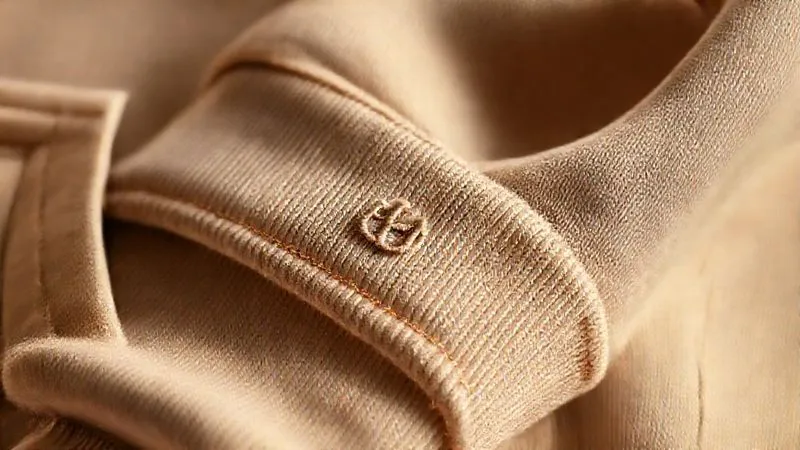
Micro-branding involves placing small, often discreet, brand identifiers in unexpected places. This could be a tiny embroidered logo on a cuff, a custom-engraved button, a unique zipper pull, or a subtle tag sewn into an interior seam. These details reward the attentive consumer, creating a sense of discovery and exclusivity. It transforms the logo from a billboard into a secret handshake.
Texture, Materiality, and Silhouette as Brand Signifiers
Beyond the visual logo, the tactile and structural elements of a garment can become powerful brand signifiers. A brand known for its heavy-weight cotton, its distinctive cut, or its innovative fabric treatments doesn't need a large logo to be recognized. The feel of the material, the way a garment drapes, or a unique stitch pattern can communicate quality and identity more effectively than any printed graphic. This approach elevates the product itself to be the primary brand ambassador.
The Art of Collaboration: Shared Narratives, Amplified Reach
In my experience, collaborations, when executed thoughtfully, can be a powerful tool for redefining brand perception and combating fatigue. However, the market is awash with 'collabs' that are little more than two logos slapped together. To truly resonate, a collaboration must be a meeting of minds, a fusion of creative visions that results in something genuinely new and exciting.
The goal isn't just to leverage another brand's audience, but to create a shared narrative that expands both brands' identities. It's about finding partners whose values align with yours, but whose aesthetic or domain offers a fresh perspective. This approach injects novelty and innovation, reminding consumers that your brand is dynamic and open to new interpretations, without diluting its core.
Curated Partnerships Beyond the Obvious
Instead of just partnering with another streetwear brand, consider collaborations with artists, musicians, tech innovators, or even non-profit organizations. A partnership with a renowned graffiti artist could lead to limited-edition pieces featuring their unique artwork, subtly incorporating your brand elements. Collaborating with a sustainable tech company could result in garments with innovative, eco-friendly materials or embedded smart features. These unexpected pairings generate genuine buzz and demonstrate a broader cultural relevance.
Co-creation with Artists and Influencers
Moving beyond simple endorsements, co-creation involves bringing artists or influential figures into the design process. This allows their unique perspective to genuinely shape the product, making it a true fusion rather than just a co-branded item. This approach lends authenticity and ensures the resulting collection feels organic and truly special, resonating deeply with both the brand's and the collaborator's audience.
Case Study: How 'Apex Threads' Revitalized Its Identity Through Artistic Collaboration
Apex Threads, a mid-tier streetwear brand known for its bold graphics, found itself struggling with declining engagement. Their logomania approach, once their strength, had become a weakness, leading to a perception of sameness. Recognizing the need for a fresh direction, I advised them to pivot from overt branding to a narrative-driven collaboration strategy.
They partnered with 'Echo Bloom,' a rising digital artist renowned for their intricate, nature-inspired abstract designs, which typically didn't feature logos. Instead of simply putting Echo Bloom's art on Apex's existing silhouettes, they embarked on a true co-creation process. The collaboration focused on a limited capsule collection where Echo Bloom's digital patterns were subtly integrated into the fabric weaves and garment construction itself, rather than being printed on top. Apex's logo was reduced to a small, debossed leather patch on the back of each garment, or a custom-designed zipper pull that echoed Echo Bloom's organic motifs.
This resulted in a collection that was both unmistakably Apex Threads in its quality and cut, yet profoundly Echo Bloom in its artistic expression. The launch was accompanied by a digital campaign highlighting the creative process and the artists' shared vision, not just the product. The collection sold out in minutes, generating unprecedented social media buzz and attracting a new demographic who appreciated the artistic integrity and subtle branding. Apex Threads successfully redefined its identity, moving from a brand known for loud logos to one celebrated for its innovative design and artistic collaborations, proving that shared narratives can indeed amplify reach and combat fatigue.
For more insights into successful brand partnerships, explore this Forbes article on navigating brand collaborations.
Community-Centric Branding: From Consumers to Advocates
In the streetwear world, community is currency. When brands focus solely on pushing products with large logos, they often overlook the most powerful asset they possess: their audience. True brand longevity comes from transforming consumers into passionate advocates. This shift requires moving beyond transactional relationships and fostering genuine connection, making the brand feel like a collective, not just a label.
I've seen brands flourish when they understand that their audience isn't just buying a product; they're buying into a lifestyle, a set of values, and a sense of belonging. Redefining logomania means allowing the community to become part of the brand narrative, giving them a voice and a stake in its evolution. This organic engagement is far more powerful than any marketing campaign built around a prominent logo.
"Your brand isn't what you say it is; it's what your community says it is. Empowering them to shape your narrative is the ultimate antidote to brand fatigue."
Empowering the Wearer: Personalization and Customization
Offer opportunities for personalization. This could range from modular garments where elements can be swapped out, to custom embroidery services, or even DIY kits that allow wearers to add their unique touch. When individuals can personalize an item, it becomes an extension of their identity, far more meaningful than a mass-produced, logo-heavy piece. This fosters a deeper emotional investment and reduces the likelihood of the garment being discarded due to 'brand fatigue' because it's now *their* creation.
Digital Spaces and Experiential Activations
Cultivate digital communities where fans can interact, share ideas, and even vote on future designs. Host online forums, Discord channels, or exclusive social media groups. Beyond digital, create unique experiential activations – pop-up events, workshops, or even small, intimate gatherings – that offer memorable experiences rather than just product launches. These interactions build a strong sense of belonging and loyalty, making the brand's identity intrinsically linked to shared experiences, not just its logo.
Storytelling Over Stamping: Crafting a Deeper Brand Narrative
One of the most profound shifts I advocate for in redefining logomania is moving from merely stamping a logo to truly telling a story. A logo is a symbol; a story is an experience. In a market saturated with visual noise, a compelling narrative provides depth, meaning, and a reason for consumers to connect beyond superficial aesthetics. This is where authenticity truly shines.
Your brand's story encompasses its origin, its values, its mission, and the journey of its creations. When consumers understand the 'why' behind your brand – why you source certain materials, why you champion specific causes, or the inspiration behind a collection – they develop a stronger, more resilient bond. This connection is far more enduring than the fleeting appeal of a trendy logo, providing a robust defense against brand fatigue.
The Power of Origin Stories and Ethical Sourcing
Share the journey of your garments. Where do your materials come from? Who makes your clothes? What is the story of your brand's inception? Highlighting ethical sourcing practices, sustainable production methods, or the craftsmanship of your artisans adds immense value and authenticity. For instance, a small, subtle tag indicating 'Organic Cotton, Hand-Dyed in LA' tells a more compelling story than a large, generic brand name. This transparency builds trust and resonates with an increasingly conscious consumer base.
Campaigns that Resonate Beyond the Product
Design marketing campaigns that focus on ideas, values, and experiences rather than just showcasing products with prominent logos. Create short films, editorial features, or social media series that delve into the inspiration behind a collection, the cultural movements it represents, or the artists it supports. These campaigns invite consumers into your brand's world, fostering an emotional connection that transcends mere consumption. This approach ensures your brand's message is felt, not just seen.
To truly understand the impact of narrative, consider insights from this article on building a sustainable brand story.
Innovation in Application: Beyond the Screen Print
For too long, logomania has been synonymous with standard screen printing. While effective, it's also the easiest way to contribute to visual fatigue. As an industry specialist, I consistently encourage brands to explore the vast array of application techniques available. Innovation here isn't just about aesthetics; it's about adding perceived value, enhancing durability, and creating a tactile experience that a flat print simply cannot match.
By diversifying how your brand identity appears on garments, you introduce an element of sophistication and craft. This moves the brand's presence from a simple graphic to an integrated design element. It allows for subtlety, texture, and a more premium feel, enabling logomania to evolve into something more refined and less prone to quick obsolescence. Each technique offers a unique way to communicate quality and attention to detail.
Embossing, Embroidery, and Sublimation
Embossing creates a raised or recessed effect on fabric, offering a subtle, textural logo that catches light and adds depth without relying on color contrast. It's understated yet impactful. Embroidery, particularly high-density or 3D embroidery, provides a premium, durable finish that elevates the perceived value of a garment. It speaks to craftsmanship and longevity. Sublimation printing allows for intricate, full-garment designs that become part of the fabric itself, opening doors for all-over patterns that subtly integrate brand motifs rather than stamping a single logo.
Interactive and Augmented Reality Elements
Pushing the boundaries further, consider interactive branding elements. This could involve using heat-sensitive inks that reveal a logo when warmed, or reflective materials that glow in specific lighting conditions. Even more cutting-edge is the integration of Augmented Reality (AR). Imagine a small, discreet QR code or a unique pattern on a garment that, when scanned with a smartphone, unlocks an AR experience – perhaps a 3D animation of your logo, a brand story video, or exclusive content. This transforms a static logo into an engaging, dynamic experience, providing novelty and a reason to interact repeatedly.
| Application Technique | Typical Use | Pros | Cons |
|---|---|---|---|
| Screen Printing | Large graphics, bold logos | Cost-effective, vibrant colors | Can feel generic, prone to cracking, contributes to fatigue |
| Embroidery | Premium logos, small details | Durable, high-quality, textural | Higher cost, limited detail for small text |
| Embossing/Debossing | Subtle branding, textural effects | Sophisticated, tactile, permanent | Less visible from a distance, fabric limitations |
| Sublimation Printing | All-over prints, intricate patterns | Vibrant, durable, integrated into fabric | Limited to polyester blends, can be complex |
| AR/Interactive Elements | Engaging branding, exclusive content | Innovative, high engagement, unique | Tech-dependent, higher development cost |
Data-Driven Evolution: Listening to Your Audience
In the fast-paced world of streetwear, relying on intuition alone is a recipe for disaster. To truly redefine logomania and avoid brand fatigue, I emphasize the critical role of data. Your audience is constantly communicating their preferences, even if they're not explicitly saying 'I'm tired of big logos.' By meticulously analyzing sales trends, social media engagement, and direct feedback, brands can make informed decisions that resonate with their evolving consumer base.
This isn't about letting data dictate every creative choice, but rather using it as a compass to guide your brand's evolution. It helps you understand which subtle branding elements are performing well, which collaborations are truly resonating, and where fatigue might be setting in before it becomes a critical issue. It's about being proactive, not reactive.
Leveraging Analytics for Design Decisions
Dive deep into your sales data. Are your subtly branded items outselling your logo-heavy pieces? Which specific design elements (e.g., custom trims, unique cuts, specific fabric choices) are consistently associated with popular items? Use web analytics to track engagement with different product pages and marketing campaigns. Social media analytics can reveal which types of posts (e.g., behind-the-scenes, community spotlights, product detail shots) generate the most interaction. These insights provide concrete evidence of what your audience truly values.
A/B Testing and Feedback Loops
Implement A/B testing for new product drops or design variations. For example, release a limited run of a design with a prominent logo and another with a micro-branded element, then compare sales and feedback. Actively solicit feedback through surveys, focus groups, or direct engagement on social media. Ask specific questions about branding preferences, perceived value, and the emotional connection to different design approaches. This continuous feedback loop ensures your brand remains agile and responsive to consumer sentiment.
- Collect Diverse Data: Gather sales figures, website analytics (CTR, time on page for different product types), social media engagement (likes, shares, comments on various branding styles), and customer service inquiries related to product aesthetics.
- Segment Your Audience: Analyze data by demographic, purchase history, and engagement patterns. Do different segments respond differently to overt vs. subtle branding?
- Identify Performance Gaps: Pinpoint specific products or collections where sales are stagnating or engagement is low, especially if they are heavily reliant on logomania. Compare this to items with more innovative or subtle branding.
- Formulate Hypotheses: Based on your data, hypothesize why certain branding strategies are succeeding or failing. For example: "Our data suggests that customers aged 18-25 are increasingly seeking unique fabric textures over large printed logos."
- Implement A/B Tests: Design small-scale experiments (e.g., two versions of a product launch, one with prominent branding, one with subtle) to test your hypotheses in a live market environment.
- Analyze and Adapt: Evaluate the results of your A/B tests. Based on the performance metrics, adapt your branding strategy, design language, and marketing approach. This iterative process ensures continuous improvement and relevance.

Building Brand Equity Through Exclusivity and Scarcity (Without Hype Fatigue)
Exclusivity and scarcity have always been powerful drivers in streetwear. The allure of owning something rare, something not everyone can get their hands on, creates immense desire. However, I've seen countless brands misuse this by creating artificial scarcity through constant, forced 'drops' that lead to hype fatigue. The key to redefining logomania and building lasting brand equity is to cultivate *authentic* scarcity, where rarity is a natural outcome of quality, craftsmanship, or genuine limited runs, rather than a manufactured marketing ploy.
Authentic scarcity elevates a brand's status, not just its sales figures. It tells consumers that what they're acquiring is truly special, a result of meticulous design and limited production capacity, rather than a tactic to create FOMO. This approach fosters a sense of prestige and value that transcends the logo itself, embedding the brand's identity deeply into the desirability of its unique offerings.
Limited Drops and Strategic Releases
Instead of weekly or bi-weekly 'drops' that flood the market, consider less frequent, more meaningful releases. Each drop should have a compelling story behind it – perhaps tied to a specific artist collaboration, a rare material, or a unique design concept. The limited nature should be genuinely tied to production constraints or artistic intent, not just a numbers game. This makes each release an event, building anticipation and reinforcing the idea that your brand creates covetable, high-value items.
The Value of Authentic Rarity
Authentic rarity stems from genuine constraints, such as the use of rare or difficult-to-source materials, intricate hand-finishing processes, or partnerships with artisans who can only produce a limited quantity. When a consumer understands that a product is rare because it's genuinely hard to make or uses unique components, the value proposition skyrockets. This shifts the focus from the logo's visibility to the product's intrinsic worth and the story behind its creation, fostering a deeper appreciation and long-term brand loyalty.
| Strategy Type | Characteristics | Consumer Perception | Risk of Fatigue |
|---|---|---|---|
| Authentic Scarcity | Limited by design, rare materials, artisanal production, meaningful collaborations | High value, craftsmanship, prestige, genuine desire | Low |
| Artificial Scarcity | Manufactured hype, frequent drops, mass production with limited release | FOMO-driven, transactional, often leads to fatigue | High |
Frequently Asked Questions (FAQ)
Is logomania completely dead for streetwear brands? No, logomania isn't 'dead,' but it's evolving. The era of overt, ubiquitous logos as the sole brand identifier is waning. Consumers now seek more nuanced ways to express brand affiliation. Logos still have a place, but they need to be applied strategically, subtly, and with purpose, often as part of a larger, more sophisticated brand narrative rather than as the primary message. It's about 'less is more' and 'meaning over repetition.'
How can a small streetwear brand compete without a large marketing budget for subtle branding? Small brands actually have an advantage here! They can focus on hyper-local community building, authentic storytelling, and meticulous craftsmanship more easily than large corporations. Instead of large logos, focus on unique cuts, custom fabric blends, distinct color palettes, and engaging local artists for micro-collaborations. Leverage organic social media by showcasing your brand's unique story and production process. Word-of-mouth generated by truly special products with subtle branding is far more powerful than any ad spend.
What role does sustainability play in redefining branding beyond logos? Sustainability is paramount. Modern consumers, especially in streetwear, are increasingly conscious of ethical and environmental impacts. Brands that integrate sustainable practices – from material sourcing to production and packaging – and communicate this authentically, build a powerful narrative that transcends any logo. A 'sustainable' tag or a story about recycled materials can be a far stronger brand identifier and loyalty builder than a bold, printed logo, especially in a market growing weary of fast fashion.
How often should a streetwear brand refresh its identity to avoid fatigue? Rather than a complete 'refresh,' I recommend a continuous evolution. Your core identity should remain stable, but the *expression* of that identity should be fluid. This means constantly experimenting with new application techniques, exploring fresh collaboration angles, and subtly updating design language based on data and consumer feedback. Major overhauls are rarely necessary if the brand is consistently evolving and listening to its audience. Incremental innovation is key to staying fresh without losing recognition.
Can luxury fashion brands learn from streetwear's approach to logomania and fatigue? Absolutely. Many luxury brands are already experiencing similar logomania fatigue, with consumers gravitating towards 'quiet luxury' or 'stealth wealth.' Streetwear, having pioneered the logomania trend, is now also pioneering its evolution. Luxury brands can learn from streetwear's agility in community building, its innovative approach to collaborations, and its ability to tell compelling stories that resonate with a younger, more discerning audience, moving beyond traditional status symbols to more nuanced expressions of value and identity.
Key Takeaways and Final Thoughts
- Embrace Strategic Subtlety: Shift from overt branding to micro-branding, leveraging texture, materiality, and silhouette as primary brand signifiers.
- Cultivate Authentic Collaborations: Seek partnerships that foster co-creation and shared narratives, extending your brand's reach and injecting fresh perspectives.
- Build a Community, Not Just a Customer Base: Empower your audience through personalization and experiential activations, turning consumers into passionate brand advocates.
- Prioritize Storytelling Over Stamping: Craft a deep, authentic brand narrative centered on values, origin, and ethical practices, creating emotional resonance.
- Innovate Application Techniques: Move beyond screen prints to explore embossing, embroidery, sublimation, and even interactive AR elements for unique brand presence.
- Leverage Data for Evolution: Use sales analytics, social media insights, and A/B testing to inform design decisions and respond proactively to consumer preferences.
- Foster Authentic Scarcity: Build brand equity through genuinely limited releases and emphasize the intrinsic value of craftsmanship and unique materials, avoiding manufactured hype.
The journey to redefine logomania for your streetwear brand is not about abandoning your identity, but about evolving it. It's a strategic pivot towards sophistication, authenticity, and enduring connection. By embracing these principles, you're not just avoiding brand fatigue; you're building a legacy that resonates deeply with your audience, ensuring your brand's relevance and success for years to come. The future of streetwear branding is subtle, smart, and deeply human – are you ready to lead the way?
Recommended Reading
- 5 Proven Strategies: Convincing Clients Vintage Is a Timeless Style Investment
- 7 Proven Strategies to Differentiate Your Bridal Brand in a Saturated Market
- Safeguarding Your Sneaker Business: 7 Steps to Combat Chargeback Fraud
- Safeguarding Personalization: 7 Strategies for Fashion Data Privacy
- Client Pitch Crisis? 7 Ways to Banish Severe Razor Burn Fast


Your email address will not be published. Required fields are marked *