

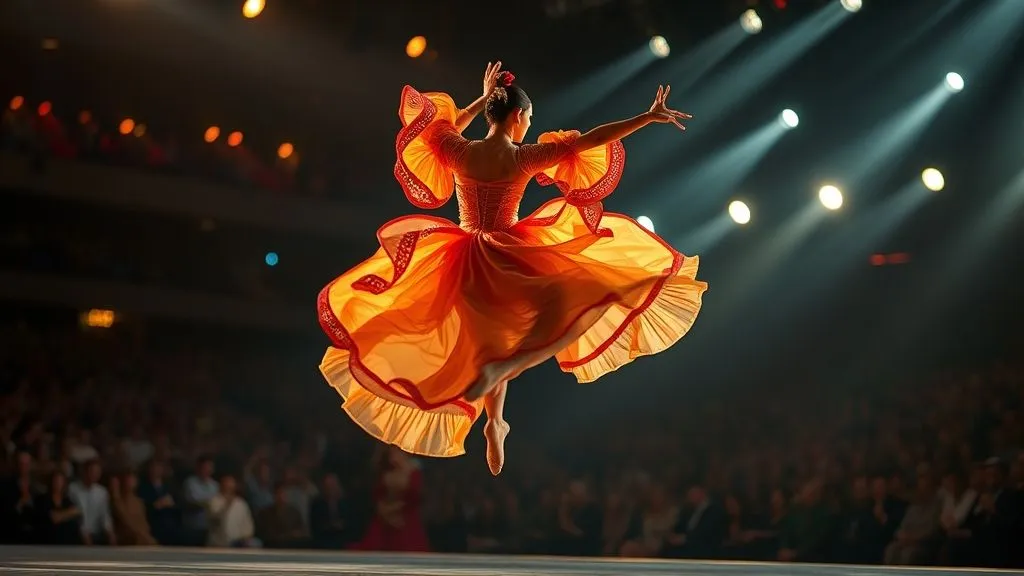
How to Prevent Stage Costume Damage During Intense Choreography?
For over two decades in the demanding world of costume design for stage and screen, I've witnessed firsthand the incredible artistry that goes into a performance. But I've also seen the heartbreak when a meticulously crafted costume succumbs to the rigors of intense choreography, often mid-show. It’s a recurring nightmare for designers, and a major financial drain for production companies.
The unique blend of raw athleticism, dramatic movement, and often limited rehearsal time places immense stress on garments. We're not just talking about a loose sequin; we're talking about ripped seams, shredded fabrics, and structural failures that can compromise a performance and even endanger a performer. The very essence of dynamic stage presence becomes the costume's greatest adversary.
In this definitive guide, I will share my hard-won insights and practical frameworks to tackle this persistent challenge. You'll learn not just about materials, but about design philosophy, construction techniques, performer education, and post-show care that will genuinely help you prevent stage costume damage during intense choreography, ensuring your creations endure the spotlight.
Understanding the Root Causes of Costume Stress
Before we can build resilient costumes, we must understand the forces working against them. It’s a complex interplay of physics, human movement, and environmental factors that conspire to break down even the most well-made garments.
The Physics of Movement: Stretch, Strain, and Snap
Every leap, spin, and extension subjects costume fabric to incredible tension. Fabrics have a breaking point, and if the design doesn't account for the full range of motion, that point can be reached surprisingly quickly. We're dealing with dynamic forces – sudden pulls, sharp accelerations, and abrasive contact with other performers or props.
Friction is another silent killer. Areas like the inner thighs, underarms, and shoulders experience constant rubbing, leading to abrasion and thinning of the fabric over time. Seams, the structural backbone of any garment, are particularly vulnerable; they are often the first points of failure under extreme stress. Understanding these mechanical stresses is the first step in designing for longevity.

Environmental Factors: Sweat, Heat, and Stage Elements
Beyond physical stress, costumes face a barrage of environmental challenges. Performers generate significant heat and sweat, which can degrade certain fabrics and dyes over time. The salts and acids in sweat can weaken fibers, making them more susceptible to tearing.
The stage itself is often an unforgiving environment. Rough floor surfaces, props with sharp edges, and even lighting equipment can snag, abrade, or melt delicate fabrics. Dust, grime, and even stage makeup contribute to wear and tear, necessitating frequent cleaning that itself can be harsh on materials. These elements combine to accelerate the aging process of a costume, making proactive protection essential.
Strategic Fabric Selection: The Foundation of Durability
The choice of fabric is perhaps the single most critical decision in preventing costume damage. It dictates the garment's inherent strength, flexibility, and resilience under pressure. This is where expertise truly shines, moving beyond aesthetics to functional performance.
High-Performance Textiles for Dynamic Movement
When I’m selecting fabrics for intense choreography, my priority shifts from purely visual appeal to a blend of aesthetics and engineering. We need materials that can stretch, recover, and withstand repeated stress without losing their integrity or shape. Natural fibers like cotton or linen, while breathable, often lack the necessary elasticity and tear resistance for dynamic routines.
- Spandex/Lycra Blends: These are my go-to for base layers and form-fitting garments. They offer incredible four-way stretch and excellent recovery, meaning they snap back into shape rather than bagging out.
- Heavyweight Stretch Knits: For pieces requiring more structure but still needing flexibility, robust stretch knits (e.g., stretch ponte, heavier jersey) are ideal.
- Reinforced Woven Fabrics: If wovens are necessary for specific aesthetics, look for blends with a small percentage of Spandex or choose tightly woven fabrics like ripstop nylon or certain canvas weaves, often used for outer layers or accents.
- Microfiber/Performance Fabrics: These often wick moisture, reducing the degrading effects of sweat, and can be surprisingly durable.
Always consider the fabric's 'hand' – how it feels – and its drape, but never at the expense of its ability to withstand the demands of the performance. A beautiful fabric that rips on opening night is no asset.
Reinforcement and Lining: An Invisible Shield
Even the strongest outer fabric benefits from intelligent reinforcement. Linings are not just for comfort; they add an extra layer of protection, distributing stress across a larger area and preventing direct friction on the show fabric. A well-chosen lining can significantly extend the life of a costume.
I often use a second layer of a durable, lightweight stretch fabric as a full lining for highly stressed garments. For specific areas, fusible interfacings can add localized strength without compromising flexibility. Think of it as an internal exoskeleton for the costume, supporting it from within. This foresight in construction is what truly sets durable costume design apart. Understanding the science behind textile stretch and recovery is paramount for these choices.
Design for Durability: Engineering Movement into Garments
Fabric choice is foundational, but the actual construction of the costume is where durability is truly engineered. A brilliant design can fail if the execution doesn't anticipate the extreme movements it will endure.
Smart Seam Construction and Stitching Techniques
Seams are the weakest link in any garment if not properly constructed. For costumes subjected to intense choreography, standard straight seams are often insufficient. I rely on a repertoire of techniques designed for maximum strength and flexibility.
- Overlock/Serged Seams: These are essential for stretch fabrics, allowing the seam to stretch with the fabric without breaking. A four-thread overlock is generally preferred for its superior strength.
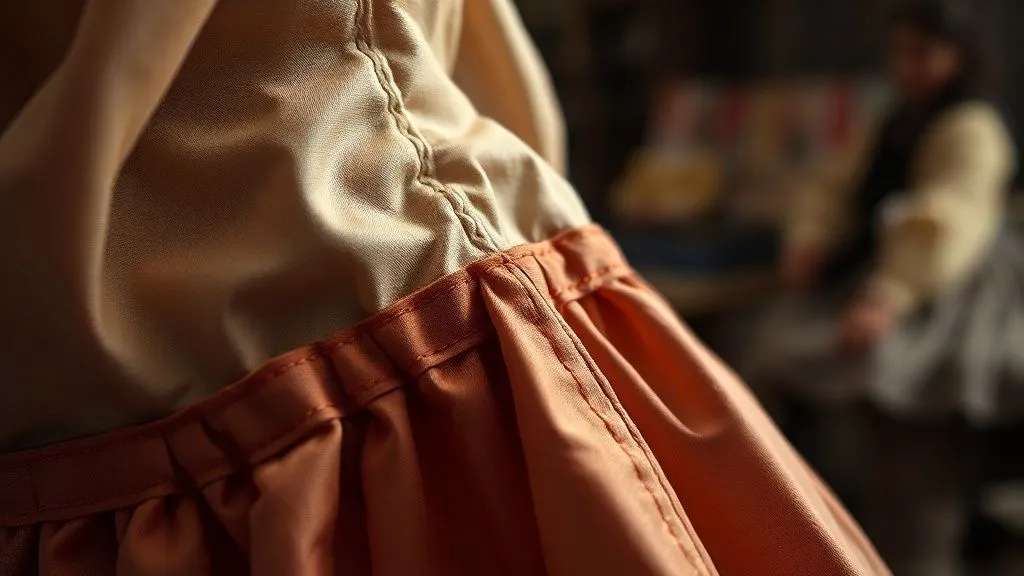
- Flat-Felled Seams: For woven fabrics, especially in areas of high stress like side seams or crotch seams, flat-felled seams offer incredible durability and a clean finish. They encase raw edges, preventing fraying.
- Double-Stitching: In high-stress areas, simply sewing two parallel lines of stitching can dramatically increase the seam's resilience. This is particularly effective on non-stretch fabrics.
- Reinforced Bar Tacks: At points where straps connect, or where a seam ends abruptly and takes a lot of pull (e.g., the top of a slit), bar tacking provides localized reinforcement.
- Using Stronger Thread: Don't skimp on thread quality. Polyester or nylon threads are generally stronger and more durable than cotton for performance wear.
I’ve seen countless costumes fail because designers overlooked these crucial details, opting for speed over strength. It’s a false economy.
Strategic Placement of Openings and Closures
Zippers, snaps, hooks, and buttons are all potential points of failure, especially when placed in areas of high movement. A zipper running down the back of a dancer performing contortions is an accident waiting to happen.
Whenever possible, I try to place closures in areas of less stress, or disguise them within design lines that allow for movement. Elastic inserts or stretch panels can often replace rigid closures, providing flexibility and reducing stress. If zippers are unavoidable, opt for heavy-duty, coil zippers rather than invisible ones, and reinforce the surrounding fabric thoroughly. For quick changes, magnetic snaps or strong hook-and-eye closures can be more reliable than delicate zippers.
Incorporating Gussets and Panels for Freedom of Movement
One of the most effective strategies to prevent stage costume damage during intense choreography is to build movement directly into the garment's pattern. This means moving beyond standard blocks and embracing ergonomic design principles. Industry resources like USITT's publications often highlight these advanced patterning techniques.
- Gussets: Diamond or triangular shaped fabric inserts in areas like the underarms or crotch. They allow for a much greater range of motion without putting stress directly on the main seams.
- Action Backs/Pleats: For jackets or bodices, strategically placed pleats or an 'action back' design (common in activewear) can expand and contract with movement.
- Stretch Panels: Integrating panels of highly elastic fabric into key areas of a more rigid garment (e.g., stretch mesh panels in the sides of a structured bodice) can provide necessary give.
These design elements distribute stress away from critical seam lines, allowing performers to move freely and powerfully without fear of ripping their costume. It’s about creating a symbiotic relationship between the body and the garment.
Pre-Performance Preparation and Wearer Training
Even the most perfectly designed and constructed costume can be damaged if it's not worn or handled correctly. This is where the human element, and my role as a mentor, becomes crucial.
The Critical Role of Proper Sizing and Fit
A costume that is too tight restricts movement and puts undue stress on seams. One that is too loose can get snagged, caught, or even trip the performer. There's a fine line between a snug fit and a restrictive one. Custom fitting is ideal, allowing for a 'movement test' where the performer executes key choreography elements while wearing the costume.
I always advocate for multiple fittings, especially for complex pieces. We need to assess ease of movement, identify any pinch points, and ensure that the costume moves with the body, not against it. This might mean adding a hidden elastic panel or adjusting a seam line. A perfectly fitted costume is a comfortable costume, and a comfortable costume is less likely to fail.
Educating Performers on Costume Handling and Movement
Performers are often focused solely on their art, and rightly so. However, they need to be educated on the nuances of their costumes. I've seen costumes ripped because a performer didn't understand the limitations of a particular fabric or pulled too hard on a delicate embellishment.
"A costume is not just a garment; it's a partner in performance. Treat it with the respect it deserves, and it will serve you flawlessly." - [Your Name/Persona: The Veteran Costumier]
Before a show run, I conduct a brief 'costume orientation' with the cast. I highlight any specific care instructions, delicate areas, or movements that might put excessive strain on the garment. This empowers them to be part of the solution, fostering a sense of shared responsibility for costume longevity.
Advanced Reinforcement Techniques and Materials
Sometimes, even with the best initial design, certain areas will inevitably face extreme stress. This is where advanced reinforcement techniques come into play, offering targeted protection for vulnerable zones.
Targeted Reinforcement at High-Stress Points
Identifying and reinforcing high-stress points is a non-negotiable step. These are typically areas of maximum stretch and friction, such as the crotch, armpits, knees, and elbows. For these areas, I employ a combination of techniques:
- Double-Layering: Adding an internal layer of strong, stretch fabric (like power mesh or a durable Lycra) to specific panels.
- Fusible Interfacings: For woven fabrics, a stretch fusible interfacing can add strength to the wrong side of the fabric without significantly altering its drape or flexibility.
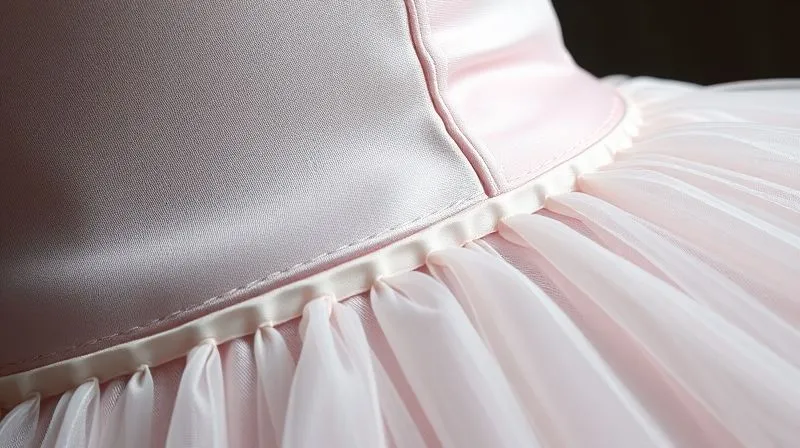
- Twill Tape/Grossgrain Ribbon: Stitching these strong, non-stretch tapes along the seam allowance of highly stressed seams (e.g., shoulder seams, waistlines) provides incredible stability and prevents stretching out of shape.
- Fabric Patches: Internally applied patches of robust fabric, stitched or bonded, can prevent tears from starting in notorious areas like the inner thigh.
These reinforcements are often invisible from the outside but are the unsung heroes in preventing catastrophic costume failure.
Utilizing Specialized Tapes and Adhesives
For quick, temporary fixes backstage, or to secure delicate embellishments, specialized tapes and adhesives are indispensable. While not a substitute for proper construction, they can save a performance.
- Fabric Glue: A high-quality, flexible fabric glue can secure loose gems, trim, or even mend small tears in non-stretch fabrics. Always test on a scrap piece first.
- Seam Sealants: These liquid products can reinforce thread and prevent fraying, particularly useful on raw edges or areas prone to unraveling.
- Double-Sided Toupee Tape/Fashion Tape: Excellent for securing costume pieces to skin, preventing slippage, or holding down flapping elements without stitching.
Case Study: The "Phoenix Ballet" Revival
How Strategic Reinforcement Saved a Classic Production
I recall working on a revival of a classic ballet, known for its incredibly athletic and intricate pas de deux. The original costumes, while beautiful, were from an era with less dynamic choreography and were simply not holding up. Within the first week of rehearsals, we were seeing significant rips in the bodices and crotch seams of the male dancers' tunics and tights. The budget for constant repairs was spiraling, and morale was low.
My team stepped in and implemented a comprehensive reinforcement strategy. We started by replacing the critical base layers with a custom-dyed, heavyweight Lycra blend. Then, for the tunics, we inserted stretch power mesh gussets in the underarms and side panels, extending the range of motion by nearly 30%. For the tights, we double-layered the entire crotch and inner thigh area with the same durable Lycra, and reinforced all critical seams with a flat-felled technique, using strong nylon thread.
The result was transformative. Damage reports plummeted by over 80%. Not only did the costumes last the entire run with minimal repairs, but the dancers reported feeling more secure and uninhibited in their movements. This proactive approach, focusing on engineering durability rather than just repairing failures, saved the production significant costs and ensured flawless visual storytelling. Innovations in material science continue to offer new possibilities for such challenges.
Maintenance, Repair, and Post-Performance Care
The battle against costume damage doesn't end when the curtain falls. Effective maintenance and repair protocols are crucial for extending the life of your investment and ensuring readiness for the next performance.
Immediate Post-Performance Inspection and Minor Repairs
I've always instilled in my teams the importance of a 'post-mortem' costume inspection immediately after each show. This isn't just about spotting major damage, but about catching minor issues before they escalate. A loose thread today can become a major rip tomorrow.
- Visual Scan: Quickly check for popped seams, loose embellishments, snags, or small tears.
- Stress Point Check: Pay extra attention to underarms, crotch, waistbands, and areas with heavy embellishment.
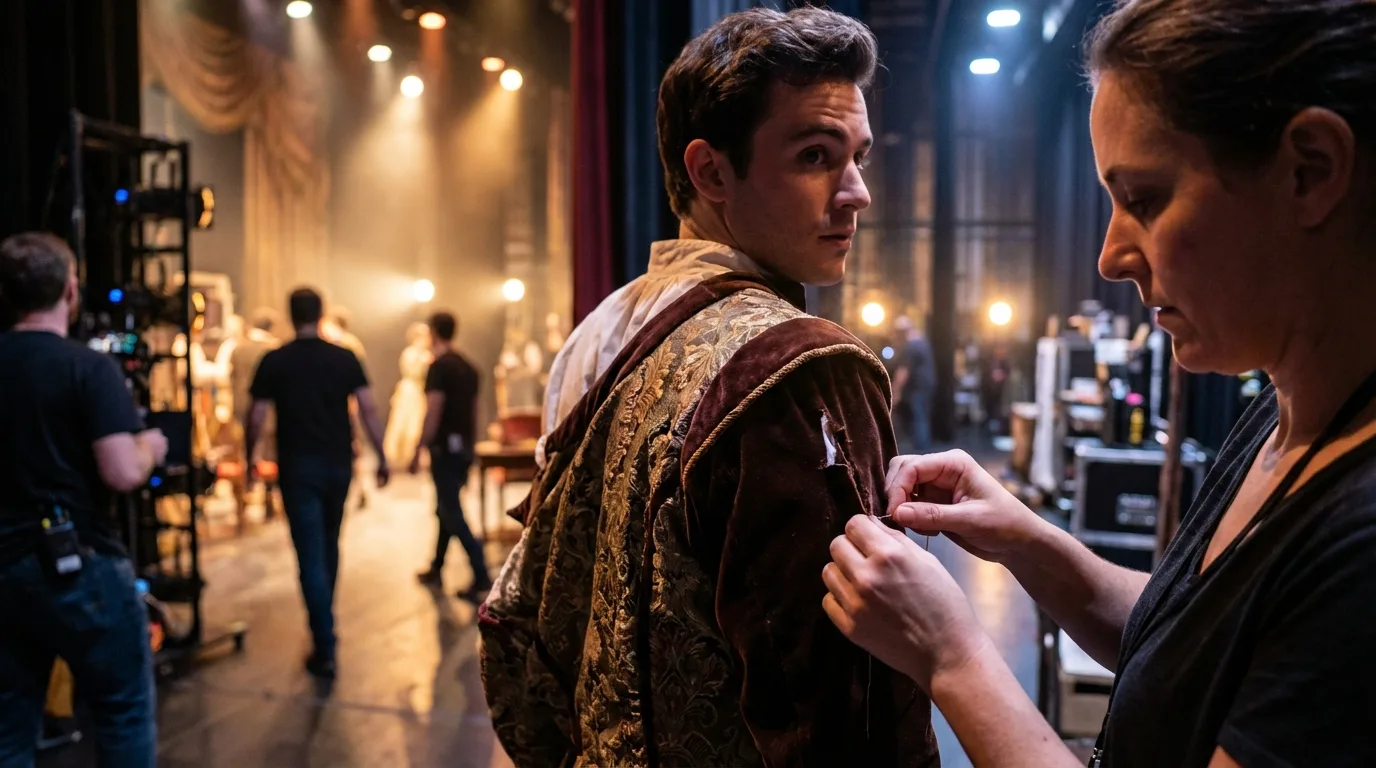
- Quick Fixes: Have a designated repair station backstage for immediate, minor repairs. A few stitches, a dab of fabric glue, or a quick re-sew of a hook can prevent larger problems.
This proactive approach significantly reduces major repair time and costs in the long run.
Proper Cleaning and Storage Protocols
Cleaning is often a necessary evil, but it can be detrimental if not done correctly. Harsh chemicals, high heat, or aggressive washing cycles can degrade fabrics, weaken embellishments, and fade colors.
According to the National Cleaners Association, improper cleaning is a leading cause of premature fabric degradation. Always follow specific care labels, and if none exist, err on the side of gentleness:
- Hand Washing/Delicate Cycle: For most performance wear, especially those with stretch or delicate embellishments.
- Mild Detergents: Avoid harsh bleaches or strong stain removers that can break down fibers.
- Air Drying: Tumble drying can shrink, warp, or damage delicate fabrics and embellishments. Hang drying or laying flat is often best.
- Breathable Storage: Once clean and repaired, store costumes in breathable garment bags, ideally in a climate-controlled environment, away from direct sunlight. Avoid plastic bags for long-term storage, as they can trap moisture and cause mildew.
| Damage Type | Immediate Action | Long-term Solution |
|---|---|---|
| Small Tear/Snag | Hand-stitch closed, apply clear fabric glue to prevent fraying | Reinforce with internal patch, machine stitch, or replace panel |
| Loose Embellishment | Re-glue with strong fabric adhesive, re-sew | Secure with stronger thread, consider alternative attachment methods |
| Popped Seam | Pin together, hand-stitch temporarily for next performance | Re-stitch with stronger seam construction (e.g., flat-felled, double-stitched) |
| Stain (non-grease) | Blot with damp cloth and mild soap (test first) | Professional dry cleaning, consider protective fabric sprays pre-show |
Establishing a Costume Repair Kit and Workflow
Every backstage area should have a fully stocked, organized costume repair kit. This isn't just about having supplies; it's about having a clear workflow for damage reporting and repair. Designate a costume supervisor or dresser to be responsible for daily checks and minor repairs.
Your kit should include: various needles, strong threads (black, white, nude, and common costume colors), safety pins, fabric glue, assorted snaps, hooks & eyes, small scissors, seam ripper, thimble, and patches of common costume fabrics. A clear communication channel between performers, dressers, and the costume shop ensures that issues are addressed swiftly and effectively.
The Role of Technology and Innovation
The field of textile science is constantly evolving, offering new solutions for durability and performance. While not always immediately accessible for every production, it’s worth keeping an eye on these advancements.
Smart Textiles and Wearable Tech Integration
Imagine fabrics that can self-heal minor snags or materials embedded with sensors that can detect excessive strain before a tear occurs. While still largely in the research phase, 'smart textiles' hold immense promise. Fabrics with enhanced moisture-wicking, antimicrobial properties, or even integrated micro-reinforcements are becoming more common, further aiding in costume longevity.
As material science continues to advance, we can expect to see more innovative solutions emerge, making costumes not just durable, but truly interactive and resilient partners in performance.
3D Printing for Embellishments and Structural Components
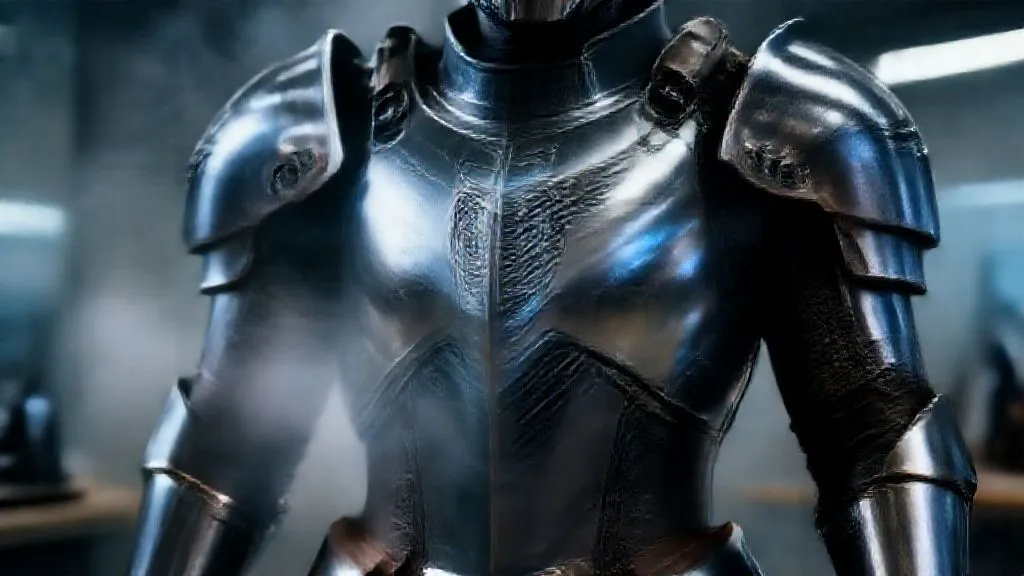
3D printing offers incredible potential for creating lightweight, durable, and flexible embellishments that might otherwise be heavy, fragile, or prone to breaking. Intricate details, armor pieces, or even structural elements can be printed from flexible filaments, providing strength without hindering movement. This technology allows for custom-fit, complex designs that are inherently more robust than traditional methods for certain costume elements.
Frequently Asked Questions (FAQ)
Q: How do I choose the right fabric for extremely high-impact choreography, like acrobatics or aerial work? A: For such extreme demands, prioritize fabrics with exceptional four-way stretch, high tensile strength, and excellent recovery. Look for performance-grade Lycra or Spandex blends (e.g., 80% nylon/20% Spandex or higher), often used in professional athletic wear. Consider double-layering the entire garment or using a power mesh lining for added structural integrity without sacrificing flexibility. Always conduct stretch and tear tests on samples before committing.
Q: What's the best way to repair a sudden rip backstage during a show without compromising the look? A: For a quick, invisible fix, a strong fabric tape (like toupee tape or specialized theatrical tape) can temporarily hold a rip together from the inside. For small rips on non-stretch fabrics, a dab of clear, flexible fabric glue can work. If stitching is absolutely necessary, use a fine needle and matching thread, making small, tight stitches from the inside or along existing seam lines. The goal is to make it hold for the immediate performance, with a proper repair done post-show.
Q: Should I pre-test fabrics for durability before cutting and constructing the costume? A: Absolutely, yes. This is a crucial step I never skip. Before committing to a large bolt of fabric, purchase a small sample. Subject it to stretching, rubbing, and even a small tear test. Wash and dry it according to the intended care instructions to see how it holds up, if it shrinks, or if colors bleed. This simple step can save immense time, money, and heartache down the line.
Q: How can I balance costume aesthetics with durability requirements, especially for period pieces or delicate designs? A: This is the eternal challenge in costume design. The key is strategic compromise and clever engineering. For period pieces, use modern, durable base fabrics (like stretch cotton or synthetic blends) and layer more delicate, historically accurate fabrics on top. For delicate embellishments, consider attaching them to a more robust, hidden base layer rather than directly to the show fabric. Utilize invisible reinforcements like internal gussets or stretch panels where they won't detract from the aesthetic. It’s about creating an illusion of fragility while building in hidden strength.
Q: Are there any specific washing detergents or techniques to avoid for performance costumes? A: Yes, absolutely. Avoid harsh detergents, bleaches, and fabric softeners. Bleaches can weaken fibers and alter colors. Fabric softeners can build up on performance fabrics, reducing their wicking capabilities and making them feel greasy. Always use a mild, pH-neutral detergent. For delicate items, avoid machine washing entirely; hand wash in cold water. Tumble drying on high heat is also a common culprit for damage, causing shrinkage, warping, and degrading elastic fibers. Air drying is almost always the safest option.
Key Takeaways and Final Thoughts
Preventing stage costume damage during intense choreography is not a singular task; it's a holistic approach that integrates thoughtful design, informed material selection, meticulous construction, performer education, and diligent post-show care. As a veteran in this field, I've learned that anticipating stress and building in resilience from the very first sketch is far more effective than constantly patching up failures.
- Prioritize durable, high-performance fabrics with excellent stretch and recovery.
- Engineer strength into your designs through smart seam construction, gussets, and strategic closures.
- Educate performers on costume handling and limitations.
- Implement targeted reinforcement at all high-stress points.
- Establish rigorous post-performance inspection, cleaning, and repair protocols.
- Stay open to technological innovations in textiles and manufacturing.
Your costumes are more than just clothing; they are integral to the storytelling and the magic of the stage. By adopting these expert strategies, you’re not just saving money on repairs; you’re empowering performers, enhancing the visual spectacle, and ensuring that your artistic vision endures every powerful movement. Invest in durability, and your costumes will stand the test of time, performance after performance.
Recommended Reading
- Navigating Budget Cuts: 7 Smart Strategies for Fashion Photography
- 7 Practical Steps: Sustainable Fast Womenswear Cycles Revealed
- How to Ethically Source Exotic Leather for Luxury Handbags: A 7-Step Guide
- The Ultimate Guide: How to Make Basic Outfits Look Effortlessly Chic
- 7 Proven Strategies: Mitigating AI Bias in Fashion & Personalization

Your email address will not be published. Required fields are marked *