

How to Prevent Fake Luxury Secondhand Items from Damaging My Brand?
For over two decades in the sustainable fashion and luxury resale space, I've witnessed firsthand the incredible growth and transformative power of the secondhand market. It's a testament to conscious consumerism and circularity. However, I've also seen the insidious threat that lurks beneath this thriving ecosystem: the proliferation of counterfeit luxury items.
This isn't just about lost sales; it's about a deep erosion of trust, a tarnishing of painstakingly built brand equity, and a direct assault on your brand's legacy. When a consumer unknowingly buys a fake luxury item bearing your brand's mark, their disappointment, frustration, and sense of betrayal often get directed squarely at your brand, regardless of who sold the counterfeit.
Today, I'm going to share with you a definitive framework, born from years of industry experience and countless conversations with brand owners, authentication experts, and legal minds. We'll explore actionable strategies, backed by real-world insights and emerging technologies, designed specifically to equip your brand against the rising tide of secondhand fakes and ensure your reputation remains untarnished.
Understanding the Ecosystem of Counterfeits in Sustainable Fashion
Before we dive into solutions, it's crucial to grasp the landscape we're operating in. The sustainable fashion movement, with its emphasis on extending product lifecycles, has inadvertently created a fertile ground for counterfeits. Consumers are increasingly seeking pre-owned luxury, driven by both environmental consciousness and the desire for accessible high-end goods.
The Allure and Danger of the Secondhand Market
The appeal of secondhand luxury is undeniable: affordability, uniqueness, and environmental benefits. However, this very appeal makes it a target for counterfeiters. They exploit the perceived lower risk, the less formal transaction environments (especially peer-to-peer sales), and the sheer volume of goods changing hands to inject their fake products into the market. Brands, while generally supportive of circularity, often feel a lack of control over this segment, which is precisely where the danger lies.
The Sophistication of Modern Fakes
Gone are the days when fakes were easily identifiable by poor stitching or incorrect logos. Today's counterfeiters employ advanced manufacturing techniques, replicate packaging, and even mimic authentication cards with alarming accuracy. They study genuine items meticulously, often leveraging insider information, making it incredibly difficult for the untrained eye, and sometimes even trained professionals, to distinguish fakes from genuine articles.
Key Insight: The battle against counterfeits is no longer just a supply chain issue; it's a brand integrity issue deeply intertwined with consumer perception and trust in the burgeoning secondhand economy. Ignoring it is no longer an option.
Strategy 1: Fortifying Your Brand's Digital Footprint and Messaging
Your brand's official channels are your first line of defense. They are where consumers should confidently find accurate information, not just about your new collections, but about the authenticity of your existing products in the secondary market.
Educating Your Consumers on Authenticity Markers
Empower your customers to be your brand's frontline defenders. Provide clear, accessible information on how to identify genuine items. This isn't about giving away trade secrets, but about highlighting unique, hard-to-replicate features.
- Dedicated Authenticity Page: Create a prominent section on your website detailing key authentication points (e.g., unique serial numbers, specific hardware engravings, stitching patterns, material nuances).
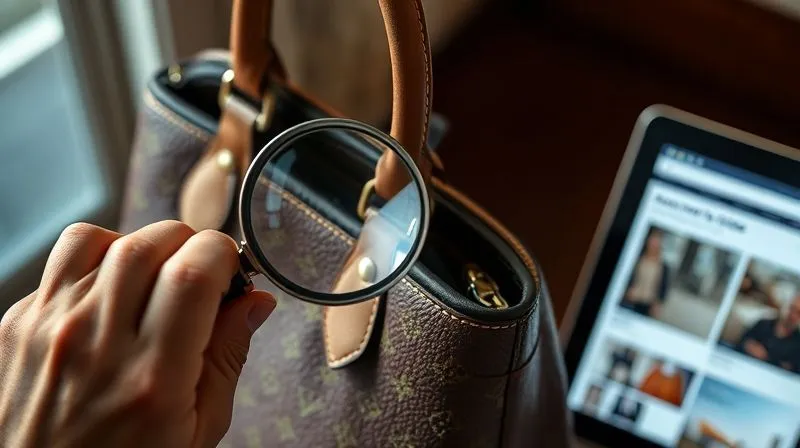
- High-Quality Visual Guides: Use detailed photography and even video tutorials to illustrate these authenticity markers. Show close-ups of specific details that counterfeiters often miss or struggle to replicate perfectly.
- Public Service Announcements: Utilize social media, email newsletters, and blog posts to regularly educate your audience about the risks of counterfeits and how to buy safely.
- Direct Contact for Verification: Offer a channel (email, dedicated form) where consumers can send photos or serial numbers for preliminary verification if they have doubts about a secondhand purchase.
Leveraging Blockchain and Digital Certificates
For new products, consider integrating cutting-edge digital authentication. Technologies like blockchain can create an immutable digital twin for each luxury item, recording its entire lifecycle from manufacturing to initial sale and subsequent resales. This provides an unforgeable proof of ownership and authenticity.
Digital certificates, often embedded via NFC or QR codes, allow consumers to verify an item's authenticity instantly with a smartphone. This not only builds trust but also provides valuable data on the product's journey. According to a Deloitte report on the luxury market, digital authentication is becoming a critical differentiator for brands committed to transparency.
Strategy 2: Collaborative Authentication with Resale Platforms
You cannot fight this battle alone. The most effective approach involves strategic partnerships with reputable secondhand luxury platforms. These platforms are often your allies, as their business model also relies heavily on authenticity.
Building Strong Partnerships
Engage directly with leading luxury resale platforms (e.g., The RealReal, Vestiaire Collective, Fashionphile). Instead of viewing them as competitors, see them as crucial channels through which your brand's items can find new life, provided they are genuine. Establish formal agreements that outline authentication protocols.
Establishing Verification Protocols
Work with these platforms to implement rigorous, brand-approved authentication processes. This might involve:
- Shared Expertise: Provide platforms with your internal authentication manuals, training materials, and direct access to your product experts for complex cases.
- Technology Integration: Collaborate on integrating your digital authentication technologies (e.g., NFC readers, blockchain verification) into their intake processes.
- Sample Provision: Supply platforms with genuine samples of new collections for their authenticators to study, helping them stay ahead of counterfeiters.
This collaborative approach ensures that a consistent, high standard of authenticity is applied across significant portions of the secondhand market, reducing the chances of fakes slipping through and protecting your brand's integrity.
| Platform | Authentication Method | Key Benefit |
|---|---|---|
| The RealReal | In-house experts, AI, brand partnerships | High trust, broad reach, managed process |
| Vestiaire Collective | Expert verification, buyer/seller community flagging | Global community, robust challenge system |
| Fashionphile | Extensive internal training, proprietary database | Specialization in ultra-luxury, strong provenance tracking |
| Brand's Own Certified Resale | Direct brand verification, digital certificates | Ultimate assurance, full brand control |
Strategy 3: Implementing Advanced Authentication Technologies
While human expertise remains invaluable, technology offers scalable and increasingly sophisticated solutions to bolster your authentication efforts. The investment here pays dividends in brand protection and consumer confidence.
NFC/RFID Tags and Micro-Engravings
For new products, embedding covert or overt NFC/RFID tags directly into the item (e.g., within a lining, under a label) allows for digital verification at any point in the product's lifecycle. These tags can link to a secure database confirming authenticity. Similarly, micro-engravings or unique material composites that are almost impossible for counterfeiters to replicate can serve as powerful, hidden authenticity markers.
AI-Powered Visual Authentication
AI and machine learning are revolutionizing authentication. Companies like Entrupy use AI to analyze microscopic images of luxury items, comparing them against vast databases of genuine and counterfeit products to detect even the most subtle discrepancies. This technology can be integrated into your own processes or utilized by partner platforms, providing rapid, highly accurate authentication.
As Forbes highlights, AI's role in fraud detection across industries is expanding, offering unparalleled precision in identifying fakes.
Strategy 4: Proactive Legal and Enforcement Measures
While prevention is key, a robust legal strategy is essential for when fakes inevitably appear. You must be prepared to defend your intellectual property aggressively.
Monitoring the Digital Landscape
Utilize specialized brand protection services that continuously monitor online marketplaces, social media, and dark web forums for listings of counterfeit items bearing your brand's name. These services can identify sellers, track patterns, and gather evidence for enforcement actions.
Cease and Desist, Takedowns, and Litigation
Once identified, act swiftly. Issue cease and desist letters to counterfeiters. Leverage platform partnerships to request immediate takedowns of fake listings. For persistent or large-scale infringers, be prepared to pursue legal action. This sends a strong message that your brand will not tolerate intellectual property theft.
Case Study: How 'LuxeGuard' Protected Its Signature Line
LuxeGuard, a renowned sustainable luxury accessories brand, faced a surge in high-quality counterfeit versions of its iconic 'Evergreen Tote' appearing on obscure international marketplaces. Initially, they focused solely on takedowns. However, the problem persisted due to a lack of a coordinated strategy.
I advised LuxeGuard to implement a multi-pronged approach. First, they invested in an AI-powered monitoring service that identified the primary source of the fakes. Second, they formally partnered with two major resale platforms, providing them with enhanced authentication training and direct contact for suspicious listings. Third, they initiated targeted legal action against the identified manufacturers in key jurisdictions, supported by the evidence gathered. Within 18 months, the volume of Evergreen Tote fakes dropped by over 70%, and their brand's internal survey showed a significant increase in consumer confidence regarding authenticity. This resulted in a tangible boost in both direct sales and certified resale value.
For more insights on intellectual property protection, consider resources from organizations like the World Intellectual Property Organization (WIPO).
Strategy 5: Empowering Your Internal Teams and Supply Chain
Your own people are crucial assets in this fight. From design to customer service, every department has a role to play in safeguarding your brand.
Training for Authenticity Spotting
Regularly train your customer service teams, retail staff, and particularly your product development and quality control personnel on the latest authenticity markers and how to spot fakes. They are often the first point of contact for customers with concerns or the last line of defense before a product leaves your control.
Securing Your Supply Chain from Infiltration
The most sophisticated fakes often originate from compromised supply chains. Conduct stringent due diligence on all your manufacturers, material suppliers, and logistics partners. Implement robust internal controls, including regular audits, secure waste disposal protocols for defective or excess materials, and strict non-disclosure agreements with all partners. Even seemingly minor components, if leaked, can aid counterfeiters.
Strategy 6: Cultivating a Community of Brand Advocates
Your most loyal customers can become powerful allies in the fight against counterfeits. Foster a community that values authenticity and is equipped to identify and report suspicious activity.
Rewarding Authentic Resale
Consider initiatives that reward consumers for participating in certified resale programs or for purchasing verified secondhand items. This could include loyalty points, exclusive access to new collections, or discounts on repairs. By incentivizing authentic circularity, you reinforce the value of genuine items.
Fostering Customer Loyalty and Vigilance
Engage with your community. Create forums or social media groups where enthusiasts can discuss authenticity, share tips, and report concerns. When customers feel connected to your brand and understand the threat of fakes, they become vigilant protectors of your brand's integrity. As marketing guru Seth Godin often says, building a tribe around your brand is its most powerful asset.
Strategy 7: Data-Driven Insights and Continuous Adaptation
The landscape of counterfeiting is constantly evolving. Your brand protection strategy must be dynamic, informed by data, and ready to adapt.
Analyzing Counterfeit Trends
Collect and analyze data on counterfeit incidents: where are fakes appearing? Which products are most targeted? What are the common flaws in the fakes? This intelligence is vital for predicting future threats and allocating resources effectively. Work with brand protection agencies to get aggregated data across the industry.
Iterative Strategy Refinement
Regularly review and update your authentication protocols, legal strategies, and consumer education materials. Counterfeiters adapt their methods, and so must you. Hold quarterly meetings with cross-functional teams (legal, marketing, product, customer service) to assess the current threat landscape and refine your defense mechanisms.
| Quarter | Counterfeit Incidents Reported | Top Product Targeted | Key Flaw Identified | Action Taken |
|---|---|---|---|---|
| Q1 2023 | 120 | Signature Tote | Hardware finish | Enhanced platform monitoring, C&D letters |
| Q2 2023 | 95 | Silk Scarf Collection | Print registration, fabric feel | Increased consumer education, supplier audit |
| Q3 2023 | 70 | Classic Wallet | Lining material, stitching | AI authentication pilot, legal injunctions |
| Q4 2023 | 60 | Various | Mixed, more subtle | Cross-department review, tech integration plan |
Key Insight: Proactive defense is always more effective and less costly than reactive damage control. A data-driven, adaptive strategy ensures your brand stays ahead of the curve in the fight against fakes.

Frequently Asked Questions (FAQ)
Q: Is it possible for my brand to completely eliminate fake luxury secondhand items? A: While complete elimination is an aspirational goal that is extremely challenging due to the global nature of counterfeiting, a comprehensive, multi-layered strategy can significantly reduce their prevalence and impact. The aim is to make it so difficult and unprofitable for counterfeiters that your brand becomes less of a target, effectively minimizing the damage.
Q: Should my brand embrace the secondhand market more actively, or distance itself to control authenticity? A: In my experience, embracing the secondhand market, albeit with control and strategic partnerships, is the more sustainable and beneficial long-term approach. Distancing yourself creates a vacuum that counterfeiters will readily fill. By participating through certified resale programs or strong platform partnerships, you can guide consumers towards authentic options and maintain brand relevance in the circular economy.
Q: How much should a luxury brand invest in anti-counterfeiting measures? A: The investment should be proportional to your brand's value and the perceived threat. It's not a one-time cost but an ongoing commitment. Consider it an essential part of your brand's marketing and risk management budget. The cost of inaction – brand damage, lost trust, legal fees for recovery – far outweighs the proactive investment in protection.
Q: What's the role of consumer reporting in this fight? A: Consumer reporting is incredibly valuable. Your customers are often the first to encounter fakes in the wild. By providing easy, accessible channels for them to report suspicious items and by educating them on what to look for, you turn your customer base into a powerful network of brand protectors. This also reinforces their trust and loyalty.
Q: How can smaller luxury brands compete with larger brands in implementing these strategies? A: Smaller brands can leverage agility and niche expertise. Focus on direct consumer education, build strong, personal relationships with a select few reputable resale partners, and explore cost-effective digital authentication solutions. While resources may be limited, a targeted, highly engaged approach can be very effective. Collaboration within smaller brand communities can also lead to shared best practices and resources.
Key Takeaways and Final Thoughts
- Proactive Defense is Paramount: Don't wait for brand damage to occur. Implement preventative measures across all touchpoints.
- Education Empowers: Turn your consumers into allies by educating them on authenticity markers and the risks of fakes.
- Collaboration is Key: Partner with reputable resale platforms and technology providers to create a unified front against counterfeits.
- Technology is Your Ally: Leverage AI, blockchain, and other advanced tools for scalable and precise authentication.
- Legal Vigilance is Non-Negotiable: Be prepared to defend your intellectual property aggressively and consistently.
- Adaptability is Essential: The threat evolves, so your strategy must too, informed by data and continuous learning.
Protecting your brand in the secondhand luxury market is not merely a defensive tactic; it's an affirmation of your brand's integrity, a commitment to your customers, and an investment in your enduring legacy. By implementing these strategies, you're not just preventing damage; you're actively building a more trustworthy, resilient, and ultimately, more valuable brand for the future of sustainable fashion. The journey requires vigilance, but the reward – an untarnished reputation and unwavering consumer trust – is immeasurable.
Recommended Reading
- The Ultimate Guide: How to Pick a Perfume That Lasts All Day on Your Skin
- Costume Design: How to Master a Character's Psychological Arc?
- Unlock the Secret: How to Balance Oversized Streetwear for a Perfect Look
- 5 Proven Strategies: How to Make Fashion Photography Blog Posts Truly Impactful
- 7 Proven Ways to Manage Unrealistic Expectations in Fashion Shoots




Your email address will not be published. Required fields are marked *