

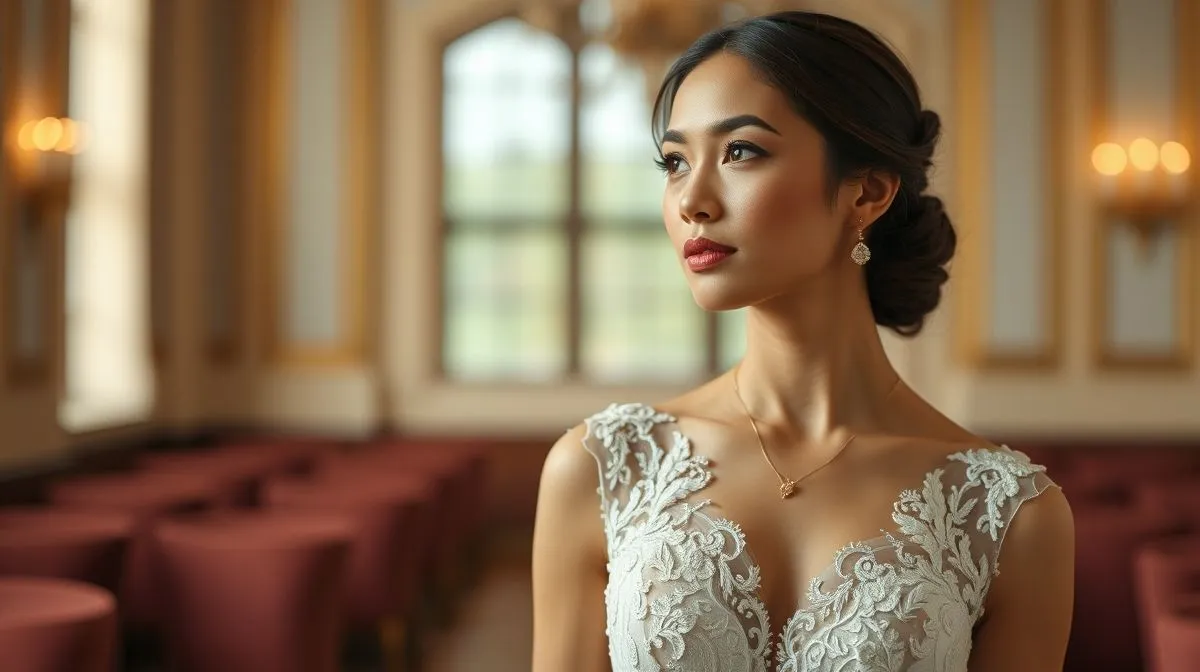
How to make traditional wedding dresses appealing to millennials?
For over two decades in the vibrant world of bridal fashion, I've witnessed trends emerge, fade, and astonishingly, re-emerge, often with a fresh, contemporary twist. My journey has been one of constant adaptation, understanding that while the core desire for beauty and significance remains, the expression of it evolves with each generation. The challenge of making traditional wedding dresses resonate with today's millennial brides is one I've tackled head-on, seeing firsthand the missteps and the remarkable triumphs.
The prevailing dilemma for many bridal houses is bridging the gap between cherished heritage and the distinct values of millennials. This generation seeks authenticity, individuality, sustainability, and an experience that feels personal, not prescribed. They don't just want a dress; they want a story, a reflection of their unique identity, and often, a nod to conscious consumerism. This often puts traditional designs, perceived as rigid or outdated, at a disadvantage.
In this definitive guide, I will share the strategies, design frameworks, and marketing shifts that have proven successful in transforming how traditional bridal wear is perceived and desired by millennials. We'll explore actionable insights, backed by industry experience and market understanding, to not only make traditional wedding dresses appealing but truly indispensable to the modern bride. This isn't about abandoning tradition; it's about evolving it with purpose and panache.
Understanding the Millennial Bridal Mindset: Beyond 'Just Pretty'
To effectively connect with millennial brides, we must first deeply understand their core values and priorities. They are a generation shaped by digital connectivity, global awareness, and a strong sense of personal agency. For them, a wedding dress isn't merely an outfit; it’s a statement, an investment, and a deeply personal reflection of who they are and what they believe in.
Individuality & Personal Expression
Millennials eschew cookie-cutter solutions. They crave uniqueness and the ability to express their personality, even within the confines of tradition. This means moving beyond standard bridal silhouettes and embracing customization, modularity, and unexpected details that allow a bride to make a gown truly her own.
Sustainability & Ethical Sourcing
This generation is acutely aware of environmental and social impact. According to a study by Nielsen, over 73% of millennials are willing to pay more for sustainable products. For bridal fashion, this translates to an interest in ethically sourced materials, transparent supply chains, and designers who prioritize eco-conscious practices.
Comfort & Versatility
Long gone are the days of stiff, restrictive gowns worn for a few hours. Millennial brides demand comfort and versatility. They want to dance, move freely, and potentially even re-wear elements of their wedding ensemble. Think softer fabrics, lighter constructions, and designs that allow for post-ceremony transformations.
Authenticity & Storytelling
Every purchase, especially one as significant as a wedding dress, needs a narrative. Millennials are drawn to brands that tell authentic stories – about craftsmanship, heritage, the journey of the garment, or the designer's vision. This builds an emotional connection far beyond mere aesthetics.
"In my experience, the most successful traditional designs for millennials aren't just beautiful; they tell a compelling story, resonate with personal values, and offer a feeling of genuine connection."
Understanding these drivers is the foundational step in learning how to make traditional wedding dresses appealing to millennials. It's about designing and marketing with empathy and foresight.
The Art of Reinvention: Modernizing Silhouettes and Fabrics
The essence of traditional wedding dresses lies in their classic silhouettes and luxurious fabrics. However, these elements can feel dated if not approached with a contemporary eye. Reinvention isn't about abandoning the past, but rather reinterpreting it through modern sensibilities.
Deconstructed Classics: Lighter Touch, Greater Flow
Traditional gowns often feature heavy boning, rigid structures, and layers of voluminous fabric. To appeal to millennials, consider deconstructing these elements. Use lighter tulles, softer satins, and more pliable laces. Reduce internal structuring to allow for greater movement and comfort. A classic A-line can become airy and ethereal with the right fabric choices.
Playful Proportions & Unexpected Details
Innovation can come from unexpected places. Think about adding playful proportions like detachable overskirts for a dramatic ceremony look that transitions to a sleek reception gown. High-low hems, unexpected sleeve styles (balloon, bishop, or even removable), and subtle cut-outs can add a modern edge without losing the traditional feel. These elements offer versatility and a touch of the unique that millennials adore.
Fabric Innovations: Eco-Conscious & Luxurious
The textile industry is rapidly evolving, offering a plethora of new materials that align with millennial values. Explore:
- Organic Silks and Cottons: Offer a luxurious feel with a reduced environmental footprint.
- Recycled Laces and Synthetics: Innovative materials crafted from post-consumer waste.
- Peace Silks (Ahimsa Silk): Produced without harming silkworms, appealing to ethical consumers.
- Natural Dyes: Utilizing plant-based dyes for unique, earthy tones.
These fabrics not only enhance the comfort and drape but also provide a compelling sustainability story.
The Power of Understated Elegance: Less is Often More
While some traditional gowns are known for their opulence, many millennials lean towards a more understated elegance. This means focusing on exquisite craftsmanship, superior fabric quality, and clean lines rather than excessive embellishment. A perfectly tailored traditional silhouette in a luxurious, simple fabric can be far more impactful than a heavily beaded gown.
Infusing Personalization: Customization as the New Tradition
One of the most powerful ways to make traditional wedding dresses appealing to millennials is through personalization. This generation values unique experiences and products tailored specifically to them. It's about offering choices that transform a beautiful dress into *their* dream dress.
Bespoke Embellishments & Hand-Painted Details
Offer options for custom embroidery, perhaps incorporating initials, a significant date, or a subtle motif unique to the couple. Hand-painted floral designs or abstract patterns on the hem or bodice can turn a classic gown into a wearable piece of art. These details are not only beautiful but also deeply meaningful.
Modular Design: Mix-and-Match Elements
The concept of modularity is a game-changer. Allow brides to mix-and-match elements:
- Separate Bodices and Skirts: A traditional lace corset paired with a sleek, modern satin skirt, or vice-versa.
- Removable Sleeves or Collars: Transform a strapless gown into a long-sleeved masterpiece for the ceremony, then remove for the reception.
- Overlays and Capes: Add a sheer, embroidered cape for drama, or a sequined overlay for sparkle, easily removable.
This empowers the bride to design her own look, offering versatility and catering to multiple bridal events.
Heirloom Integration: Weaving in Family History
Many millennials cherish family history and heirlooms. Offer services to integrate elements from a mother's or grandmother's wedding dress into a new, traditional design. This could be a piece of antique lace, buttons, a brooch, or even a section of fabric from a veil. This not only makes the dress unique but also imbues it with profound sentimental value, creating a new family heirloom.
"The magic happens when a traditional gown becomes a canvas for a bride's personal story, incorporating elements that are uniquely hers or her family's. That's where true connection forms."
By offering these levels of personalization, you're not just selling a dress; you're selling a bespoke experience that resonates deeply with the millennial desire for individuality and meaning.
Embracing Sustainability and Ethical Practices
Sustainability is no longer a niche concern; it's a mainstream expectation, especially for millennials. Integrating eco-friendly and ethical practices into your bridal brand is crucial for long-term appeal and demonstrates how to make traditional wedding dresses appealing to millennials in a responsible way.
Sourcing Transparency: Knowing Your Supply Chain
Be transparent about where your materials come from. Brides want to know that their silk isn't contributing to deforestation, or that their lace is made by fairly paid artisans. Highlight your commitment to ethical labor practices and sustainable material sourcing. This builds trust and aligns with millennial values.
Upcycling & Reimagining: The Circular Economy in Bridal
Offer services to upcycle vintage gowns or reimagine family heirlooms. This taps into the circular economy model, reducing waste and giving new life to beautiful garments. Promote the idea of re-wearing or repurposing wedding dresses, perhaps by shortening them for cocktail wear or dyeing them for future events.
Made-to-Order & Local Production: Reducing Waste and Carbon Footprint
Moving away from mass production to made-to-order models significantly reduces textile waste. Emphasize your commitment to local production, if applicable, highlighting the reduced carbon footprint and support for local economies. This resonates with a generation that values conscious consumption.
- Reduced Waste: Only producing what is ordered minimizes excess inventory.
- Fair Labor: Often ensures better working conditions for local artisans.
- Lower Emissions: Shorter supply chains mean less transportation.
- Unique Craftsmanship: Supports specialized skills and techniques.
For more insights into sustainable fashion practices, you can refer to reports by organizations like the Ellen MacArthur Foundation, which champion a circular economy in textiles.
Marketing the Modern Traditional: Storytelling and Digital Engagement
Having the right product is only half the battle; knowing how to communicate its value to your target audience is paramount. Marketing traditional wedding dresses to millennials requires a shift from aspirational perfection to authentic storytelling and digital fluency.
Authentic Visuals: Real Brides, Diverse Stories
Millennials are wary of overly photoshopped, idealized imagery. Feature diverse body types, ethnicities, and real brides in your campaigns. Showcase the gowns in natural, unposed settings, reflecting genuine emotion and individuality. This builds relatability and trust.
Social Media Strategy: Engaging Platforms
Platforms like Instagram, Pinterest, and TikTok are essential for bridal brands. Use them not just for product display, but for:
- Behind-the-Scenes: Show the craftsmanship, the design process, the people behind the gowns.
- Interactive Content: Polls, Q&As, "Style My Dress" challenges.
- User-Generated Content: Encourage brides to share their wedding photos and stories.
- Short-Form Video: Showcase the movement and details of gowns, quick styling tips.
Storytelling: Craft, Heritage, and Personal Connection
Every traditional dress has a story – of its origins, its fabric, its intricate details. Highlight the heritage of the design, the skill of the artisans, and the journey of the gown from concept to creation. Connect these stories to the bride's personal narrative, emphasizing how the dress becomes a part of her unique history.
Case Study: "Bridal Blooms Boutique" Transforms Engagement
Bridal Blooms Boutique, a well-established bridal salon known for its classic designs, was struggling to attract younger clientele. Their traditional marketing focused on magazine spreads and formal runway shows, which weren't resonating. By implementing a new strategy focused on how to make traditional wedding dresses appealing to millennials, they saw a dramatic turnaround. They launched a "Your Story, Your Dress" social media campaign, inviting brides to share their unique love stories and how their chosen traditional gown reflected their personality. They also introduced a modular design service, allowing brides to customize sleeves, necklines, and skirt overlays. This resulted in a 40% increase in millennial inquiries and a 25% boost in custom orders within six months. They also partnered with local sustainable fabric suppliers, highlighting this commitment in all their communications, which significantly improved their brand perception among eco-conscious brides. As marketing guru Seth Godin often says, "People do not buy goods and services. They buy relations, stories, and magic." Bridal Blooms successfully delivered on all three.
The Experiential Bridal Journey: Beyond the Fitting Room
For millennials, the process of finding a wedding dress is as important as the dress itself. It's an experience, a memory in the making. Elevating the bridal journey beyond a simple fitting is key to attracting and retaining this demographic.
Personalized Consultations: Focus on Vision, Not Just Sales
Train your consultants to act as stylists and dream-weavers, not just sales associates. Focus on understanding the bride's overall wedding vision, her personal style, and her values. Offer extended consultation times, perhaps with refreshments, making it a luxurious, unhurried event where the bride feels truly heard and understood.
Atelier Experience: Behind-the-Scenes Access
If possible, offer glimpses into the atelier. Show the intricate hand-stitching, the pattern-making, the dedication of the seamstresses. This builds appreciation for the craftsmanship and authenticity of traditional gowns. Some boutiques even offer workshops where brides can participate in a small part of the gown's creation, like choosing specific embellishments or seeing a fabric swatch dyed.
Post-Purchase Care & Re-wear Options
The relationship shouldn't end at purchase. Offer advice on gown preservation, cleaning, and storage. More importantly, suggest ways the gown can be re-worn or repurposed. This could include:
- Shortening the dress: To become a cocktail dress for anniversaries.
- Dyeing the fabric: Transforming it into a vibrant evening gown.
- Creating new items: Using parts of the dress to make baby clothes, cushions, or artwork.
This adds value, extends the life of the garment, and resonates with the millennial desire for sustainability and utility.
Navigating Pricing and Perceived Value
While millennials are willing to pay for quality and values, they are also discerning consumers. Communicating the value proposition of traditional wedding dresses effectively is crucial, especially when considering the investment they represent.
Transparency in Cost: Explaining Craftsmanship and Materials
Don't shy away from explaining why a traditional gown carries its price tag. Detail the hours of hand-beading, the quality of natural silks, the ethical sourcing, and the expertise of the artisans. Break down the components of the cost, so the bride understands she's investing in artistry, durability, and a unique piece, not just fabric.
Value Beyond Price Tag: Longevity, Sustainability, Emotional Connection
Shift the narrative from cost to value. Emphasize the longevity of a well-made traditional gown, its potential to become an heirloom, and its sustainable attributes (if applicable). Highlight the emotional connection and the personal story woven into the dress. A traditional gown, unlike a fast-fashion alternative, is often a piece of wearable art with enduring significance.
Flexible Options: Renting, Pre-Owned, Modular Components
Consider offering flexible options that cater to different budgets and preferences:
- Designer Rentals: For brides who want a high-end traditional look without the full purchase commitment.
- Curated Pre-Owned Collections: Offer meticulously cleaned and re-styled traditional gowns, appealing to eco-conscious and budget-savvy brides.
- Modular Component Pricing: Allowing brides to build their dress piece by piece can make the overall investment feel more manageable and personalized.
By offering a spectrum of choices and clearly articulating the value, you can successfully position traditional bridal wear as a desirable and attainable option for a wider range of millennial brides.
Future-Proofing Traditional Bridal Wear
The bridal industry is dynamic, and staying relevant means anticipating future trends while honoring heritage. Future-proofing traditional wedding dresses involves continued innovation, adaptability, and a willingness to embrace new technologies and collaborative approaches.
Adaptability: Designing for Multi-Event Wear
The modern wedding often involves multiple events – engagement party, rehearsal dinner, welcome reception, post-wedding brunch. Design traditional gowns with elements that can be easily adapted for these occasions. A detachable train, a removable overlay, or even a two-piece set where the top can be re-worn with other skirts or trousers, provides significant value.
Technology Integration: Virtual Try-On, 3D Printing for Embellishments
Embrace technology to enhance the bridal experience. Virtual try-on tools can help brides visualize gowns remotely. 3D printing can be used to create intricate, custom embellishments that are both unique and lightweight, offering a new dimension to traditional detailing. This blend of old and new shows forward-thinking.
Collaborative Design: Co-Creating with the Bride
Move towards a more collaborative design process. Instead of simply presenting options, involve the bride in certain design decisions. This could be selecting specific lace patterns, choosing the placement of an appliqué, or customizing the length of a train. This co-creation model deepens the bride's emotional investment in her traditional gown and ensures it truly reflects her vision.
Frequently Asked Questions (FAQ)
Q: Is "traditional" just another word for "old-fashioned" to millennials? A: Not at all. While some might initially perceive it that way, "traditional" for millennials often signifies quality, heritage, and timelessness. The key is how it's presented. By infusing modern elements, focusing on personalization, and emphasizing sustainability, traditional becomes "classic, elevated, and relevant," not "old-fashioned." It's about updating the narrative and design for modern sensibilities.
Q: How can a small boutique compete with fast-fashion bridal brands while maintaining quality? A: Small boutiques can leverage their strengths: personalized service, unique designs, and transparent craftsmanship. Fast fashion can't offer bespoke alterations, custom embellishments, or the intimate, one-on-one experience. Focus on your story, your ethical practices, and the superior quality that guarantees a dress will last beyond the wedding day. Highlighting "made-to-order" and "support local" also strongly appeals to millennials.
Q: What's the biggest misconception designers have about millennial brides? A: The biggest misconception is often that millennials are solely focused on trends or budget. While trends play a role and budget is a consideration, their deeper drivers are authenticity, personal expression, and values. Designers who assume a "one-size-fits-all" approach or push overtly trendy styles without substance will miss the mark. They crave meaning and a connection to their choices.
Q: Can a truly sustainable wedding dress be affordable for a millennial budget? A: "Affordable" is relative, but yes, sustainable options can fit various millennial budgets. This might involve choosing simpler silhouettes in organic cotton or linen, opting for upcycled vintage gowns, or exploring rental programs for high-end sustainable pieces. The focus shifts from "cheap" to "conscious value," where the longer lifespan and ethical production justify the investment. Transparency about pricing also helps.
Q: How important is a physical store experience versus online shopping for this demographic? A: While millennials are digital natives, the physical bridal shopping experience remains incredibly important. It's an emotional, tactile journey. Online platforms are crucial for initial discovery, inspiration, and research. However, the fitting, the consultation, and the celebratory "yes to the dress" moment typically happen in person. A seamless omnichannel experience, where online discovery leads to an exceptional in-store visit, is ideal.
Recommended Reading
- Unlock Your Star Style: How to Choose Celebrity Eyewear for Your Face Shape
- Unlock Hyper-Realism: The Ultimate Guide to Improving Costume Design Sketch Realism
- Unlock the Secret: How to Properly Clean & Maintain School Uniforms for Longevity
- The Ultimate Men's Capsule Wardrobe for Travel: Pack Light & Right!
- Unveiling the Future: How Advanced Textile Technologies Are Slaying Fashion Waste
Key Takeaways and Final Thoughts
- Embrace Personalization: Offer customization, modularity, and heirloom integration to make traditional gowns uniquely theirs.
- Prioritize Sustainability: Be transparent about ethical sourcing, explore eco-friendly fabrics, and promote circular economy practices.
- Reimagine Silhouettes: Lighten structures, introduce modern proportions, and focus on comfort without losing classic elegance.
- Tell Authentic Stories: Use digital platforms to highlight craftsmanship, heritage, and the personal journey behind each dress.
- Elevate the Experience: Provide personalized consultations, behind-the-scenes glimpses, and comprehensive post-purchase care.
- Communicate Value: Clearly articulate why traditional gowns are an investment in quality, longevity, and personal meaning.
The question of how to make traditional wedding dresses appealing to millennials isn't about compromising on heritage; it's about intelligent evolution. It's about recognizing that tradition, at its core, is about enduring beauty, quality, and meaning. By infusing these timeless values with the millennial desire for individuality, authenticity, and conscious consumption, we don't just bridge a gap – we forge a stronger, more vibrant future for bridal fashion. As an industry expert, I'm confident that with these strategies, you can not only attract but truly captivate the modern bride, ensuring that the magic of traditional bridal wear continues to enchant for generations to come.

Your email address will not be published. Required fields are marked *