

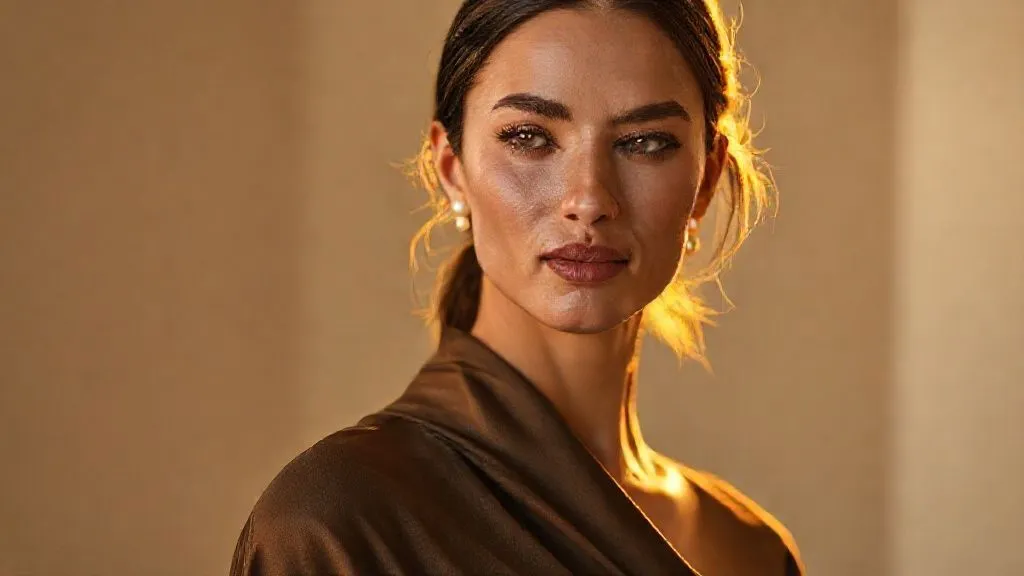
How to Make Budget Fashion Outfits Appear Luxury in Portraits?
For over 15 years in the cutthroat world of fashion photography, I've witnessed firsthand the transformative power of a well-executed vision. I've seen countless shoots where designers, models, and photographers alike grapple with the perennial challenge: how do you create an aura of high-end luxury when the budget barely covers a fast-fashion haul? It’s a question that separates the truly ingenious from the merely competent.
The pain point is palpable: clients want magazine-worthy imagery, but their wardrobe budget is often closer to a coffee run than a couture shopping spree. Many photographers default to expensive props or locations, overlooking the fundamental techniques that can elevate even the most inexpensive fabric into a statement of opulence. This leads to frustration, unfulfilled expectations, and ultimately, a portfolio that doesn't quite hit that aspirational mark.
But what if I told you that the secret to making budget fashion outfits appear luxury in portraits isn't about the price tag of the clothes, but rather a sophisticated interplay of light, styling, posing, and post-production? In this definitive guide, I'll share my battle-tested strategies, actionable frameworks, and expert insights to help you craft images that exude luxury, regardless of your initial wardrobe investment. Prepare to unlock a new level of visual sophistication.
The Power of Styling: Beyond the Garment Itself
The first misconception many photographers and stylists make is believing the garment itself dictates the level of luxury. In reality, it's the styling—how the garment is presented, paired, and manipulated—that truly elevates its perceived value. I often tell my students, "A silk scarf can look like a rag, or it can look like a million dollars, depending on how it's styled."
Strategic Draping and Tailoring: Crafting the Silhouette
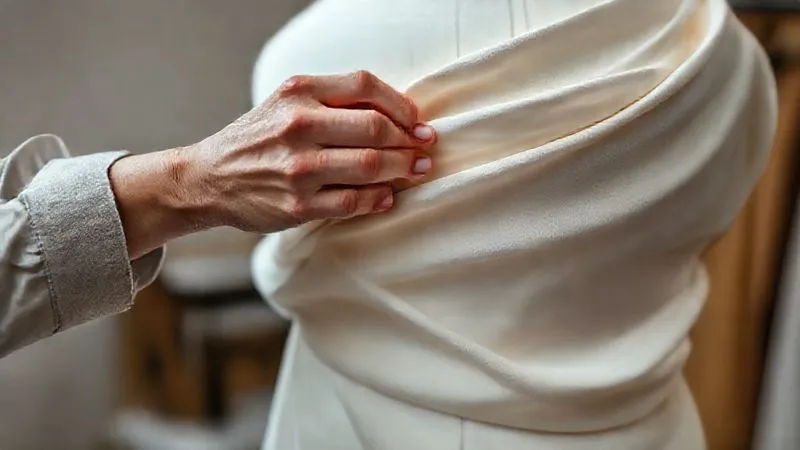
One of the most impactful ways to make budget fashion outfits appear luxury in portraits is through strategic draping and even minor, temporary tailoring. Fast fashion often lacks the structural integrity and precise fit of high-end garments. Your job is to create that illusion.
- Pin and Tuck: Use clothes pins, safety pins, and even masking tape (on the inside!) to cinch waists, shorten hems, and create elegant folds. Focus on creating flattering silhouettes that define the body or add intentional volume where desired.
- Steam and Iron Relentlessly: Wrinkles scream "cheap." Invest in a good steamer and iron. Every single garment, no matter how inexpensive, must be perfectly pressed. This simple step instantly adds a layer of professionalism.
- Layering with Intent: Thoughtful layering adds depth, texture, and visual interest. Even a simple, inexpensive t-shirt can look chic under a structured blazer or a draped cardigan. Think about complementary textures and tones.
"Luxury is not about expense, but about the perception of value, quality, and exclusivity. As a photographer, you are the architect of that perception." - My personal mantra.
Consider the fabric's movement. A stiffer, less expensive fabric might need more manipulation to create elegant lines. A softer fabric can be draped and allowed to flow naturally. This attention to detail transforms the ordinary into something extraordinary.
Mastering Light: The Ultimate Luxury Enhancer
If styling is the foundation, then lighting is the gilded crown. No single element in photography has a greater impact on perceived luxury than light. High-end fashion photography rarely uses harsh, flat, or uncontrolled light. Instead, it embraces soft, directional, and dramatic illumination that sculpts the subject and enhances textures.
Soft, Diffused Light: The Essence of Elegance
The hallmark of luxury photography is often soft, diffused light. This minimizes harsh shadows, smooths skin tones, and creates a gentle, flattering glow that elevates any garment.
- Natural Window Light: My go-to for an accessible, luxurious look. Position your subject near a large window, ideally on an overcast day or during the golden hour. The soft, ambient light is incredibly flattering.
- Large Softboxes and Octaboxes: If using artificial light, invest in the largest modifiers you can afford. The bigger the light source relative to your subject, the softer and more luxurious the light will be.
- Feathering the Light: Don't point your light directly at the subject. Instead, angle it slightly away, allowing the edge of the light to "feather" onto your subject. This creates a softer fall-off and more nuanced shadows, which scream sophistication.
According to a study published by Adobe on advanced lighting techniques, photographers consistently rank soft, directional lighting as the most effective for conveying quality and professionalism in portraiture. This principle applies tenfold when you're trying to make budget fashion outfits appear luxury in portraits.
Creating Dimension with Shadow and Highlight
Luxury isn't about brightness; it's about dimension. Use shadows intentionally to add depth and sculpt the form of both the model and the clothing. A carefully placed highlight can draw attention to a fabric's texture or a subtle accessory.
- Rembrandt Lighting: A classic technique that creates a small triangle of light on the cheek opposite the light source. It's dramatic, sophisticated, and adds incredible depth.
- Split Lighting: Illuminating one side of the face while leaving the other in shadow can create a powerful, artistic, and luxurious mood.
- Backlighting: A subtle backlight can create a beautiful rim light, separating your subject from the background and adding a ethereal, high-end glow.
Experiment with light modifiers like grids to control spill and focus the light precisely. This level of control demonstrates expertise and elevates the entire production value.
Posing & Expression: Commanding Presence
Even the most exquisite garment can fall flat with poor posing and an uninspired expression. Conversely, a budget outfit can look incredibly chic when worn with confidence and grace. This is where the model's performance becomes paramount in making budget fashion outfits appear luxury in portraits.
Elegance in Movement and Stillness
Luxury posing is rarely overly busy or overtly sexualized. It's about poise, elongated lines, and a sense of effortless confidence.
- Elongate the Limbs: Encourage the model to stretch, point toes, and extend arms. This creates graceful, elegant lines that are characteristic of high fashion.
- Subtle Curves: A gentle S-curve in the body, a slight tilt of the head, or a relaxed hand on the hip can add dynamism without being aggressive.
- Negative Space: Utilize the space around the model. A well-composed pose can use negative space to emphasize form and create a sense of grandeur.
- Avoid Stiffness: Luxury is often associated with comfort and naturalness. Guide your model to relax into poses, even if they are structured.
Expressions of Confidence and Intrigue
The model's expression is the final touch of luxury. It's not always about a big smile; often, it's about mystery, confidence, and a subtle allure.
- The "Smize": A slight smile with the eyes, conveying warmth and confidence without an open mouth. Tyra Banks popularized this for a reason – it works!
- Direct Gaze: A strong, direct gaze into the lens can be incredibly powerful and commanding, projecting authority.
- Away Gaze: Looking off into the distance, perhaps with a thoughtful or slightly aloof expression, can create a sense of intrigue and aspiration.
- Storytelling Expressions: Encourage the model to embody a character or emotion that aligns with the luxury aesthetic you're aiming for. Are they a CEO? A muse? A traveler?
As renowned fashion photographer Peter Lindbergh once said, "The most important thing is to make people feel good." When a model feels good, it translates into their posture and expression, imbuing the image with genuine confidence and luxury.
Location Scouting: Setting the Scene for Opulence
The backdrop for your portraits plays a critical role in how to make budget fashion outfits appear luxury in portraits. A carefully selected location can instantly elevate the perceived value of your entire production, even if the clothes themselves are inexpensive. Think of your location as an extension of the styling – it sets the mood, adds context, and reinforces the luxury narrative.
Minimalist and Architectural Backdrops
Often, less is more. Overly busy or cluttered backgrounds detract from the subject and can make a shot look amateurish. High-end photography often favors clean lines, sophisticated textures, and elegant architecture.
- Modern Architecture: Look for buildings with striking lines, glass facades, concrete walls, or interesting geometric shapes. These provide a sleek, contemporary, and often expensive-looking backdrop.
- Historic Buildings: Grand old libraries, museums, or ornate hotel lobbies (with permission, of course) can lend an air of timeless elegance and richness.
- Solid Color Walls: A perfectly smooth, clean wall in a neutral tone (grey, beige, deep blue, white) can be incredibly effective. It removes distractions and puts all the focus on the model and outfit.
- Natural Elements (with restraint): A dramatic rock face, a sprawling ancient tree, or a calm body of water can offer a sense of grandeur if used thoughtfully, ensuring they don't overpower the subject.
I once had a client who wanted a "European luxury" feel for a shoot featuring surprisingly affordable garments. Instead of flying to Paris, we found an old, beautifully preserved library with intricate moldings and diffused window light right in our city. The results were indistinguishable from a high-budget editorial.
Case Study: How "Urban Chic" Transformed Budget Fashion
Consider a photographer, Sarah, who wanted to shoot a series featuring budget-friendly denim and basic tees. Instead of a typical urban street, she scouted a newly renovated city block with sleek, reflective glass buildings and minimalist concrete benches. She strategically used the reflections to create dynamic visual layers and the clean lines of the architecture to frame her model. By posing her model with sophisticated, elongated postures and utilizing the ambient light reflecting off the glass, the seemingly simple outfits took on an edgy, high-fashion aesthetic, appearing far more expensive than their actual cost. This resulted in a portfolio that attracted clients looking for modern, sophisticated imagery.
| Location Type | Perceived Luxury Impact | Budget Friendliness |
|---|---|---|
| Modern Architecture | High | Medium (requires scouting/permits) |
| Historic Interiors | High | Low (often expensive/exclusive) |
| Solid Color Walls | Medium-High | High (accessible) |
| Nature (Minimalist) | Medium | High (accessible) |
Remember, the goal is to create a harmonious visual story. The location should complement, not compete with, the fashion. A clean, uncluttered background often allows the texture and details of the outfit to shine, even if those details are subtly created by your styling.
Post-Production Magic: Refining the Luxury Aesthetic
While the goal is always to get it right in camera, post-production is where you truly polish and refine the image to achieve that coveted luxury look. It’s not about drastic alterations, but subtle enhancements that elevate every detail. This is a critical step in how to make budget fashion outfits appear luxury in portraits.
Color Grading: The Mood Setter
Color grading is perhaps the most powerful tool in post-production for conveying luxury. High-end fashion photography often leans towards specific color palettes.
- Desaturated Tones: A slightly desaturated look can add sophistication and timelessness. Avoid overly vibrant, cartoonish colors.
- Subtle Color Shifts: Shift greens towards teal, blues towards cyan, and reds towards magenta to create a more refined palette.
- Consistent Tones: Maintain a consistent color scheme across your entire series. This creates a cohesive, professional body of work.
- Split Toning: Add subtle color to highlights (e.g., warm yellow) and shadows (e.g., cool blue) for a cinematic, rich feel.
"Post-production isn't about fixing mistakes; it's about amplifying intent. Every adjustment should serve the narrative of luxury."
Think about the color palettes used by high-fashion brands – often muted, elegant, and harmonious. Replicate that feeling in your grading.
Retouching for Perfection (Not Plastic)
Retouching in luxury photography is about enhancing, not erasing. The aim is flawless skin and pristine garments, without making the model look artificial or plastic.
- Skin Smoothing: Use frequency separation or selective dodging and burning to smooth skin while retaining texture. Avoid over-blurring.
- Stray Hairs & Lint Removal: Meticulously remove any distracting stray hairs, lint, or dust from the clothing. Even a tiny piece of lint can break the illusion of luxury.
- Fabric Refinement: Gently enhance fabric textures, sharpen details, and correct any minor wrinkles that couldn't be steamed out.
- Distraction Removal: Clean up the background. Remove any unwanted elements like power outlets, light switches, or litter that detract from the elegant scene.
According to Forbes, visual content with high production value significantly impacts brand perception and consumer trust. Your post-production is the final touch of that high production value.
Accessorize Smart: The Devil is in the Details
Accessories are the unsung heroes when it comes to making budget fashion outfits appear luxury in portraits. A simple, inexpensive dress can be completely transformed by the right necklace, belt, or pair of shoes. The key is strategic selection and mindful placement.
Quality Over Quantity
When working with a budget, focus on a few high-impact accessories rather than many cheap ones. A single, well-chosen piece can do more for perceived luxury than a pile of flimsy trinkets.
- Statement Jewelry: A bold, well-crafted necklace or a pair of elegant earrings can draw attention and elevate a simple neckline. Look for vintage pieces or well-made costume jewelry that mimics fine materials.
- Belts: A structured belt can cinch a waist, add definition, and elevate a shapeless dress or top. Leather or faux leather belts with interesting buckles are excellent choices.
- Scarves: A silk or satin scarf, even an inexpensive one, can be styled in countless ways – tied around the neck, in the hair, on a bag, or even draped as a top – adding instant sophistication.
- Footwear: Shoes can make or break an outfit. Classic pumps, elegant loafers, or sleek boots can instantly upgrade a look. Ensure they are clean and in excellent condition.
I always carry a small kit of versatile, high-quality-looking accessories on my shoots. These are often items I've found at thrift stores or discount retailers, but they look expensive because of their design and how they're used.
Texture and Material Play
Even if the main outfit fabric is budget-friendly, you can introduce luxurious textures through accessories. Think about the interplay of materials.
- Faux Fur or Leather: A faux fur stole or a faux leather clutch can add a touch of glamour and texture without the high cost of real materials.
- Metallics: Gold, silver, and rose gold accessories (even plated) can add a sophisticated shimmer. Ensure they are clean and free of tarnishing.
- Pearls and Gemstones: Faux pearls or well-cut glass gemstones can mimic the look of real jewels, adding sparkle and elegance.
The strategic use of accessories is about creating visual interest and hinting at a higher perceived value. It's about demonstrating an understanding of styling that transcends the price tag of individual items.
Fabric & Texture Play: The Illusion of Richness
While we're aiming to make budget fashion outfits appear luxury in portraits, we can't ignore the inherent qualities of fabrics. However, instead of despairing over inexpensive materials, we learn to *work with them* to create an illusion of richness and depth. This involves understanding how different textures interact with light and how to manipulate them for maximum impact.
Emphasizing Texture Through Light and Movement
Certain fabrics, even budget ones, have inherent textures that can be highlighted to create a more luxurious feel. The key is to use light and movement to your advantage.
- Sheen and Drape: Fabrics like satin, silk blends (even synthetic ones), or rayon often have a beautiful sheen and drape. Use soft, directional light to highlight the way light catches these fabrics, emphasizing their flow and luster. Encourage movement in the pose to show off the fabric's natural fall.
- Structured Fabrics: Even inexpensive cotton or linen can appear more substantial if it's a thicker weave. Use strong, sculptural posing to emphasize the fabric's structure and the garment's form.
- Knits and Weaves: For chunky knits or textured weaves, use a slightly harsher, more direct light (but still diffused) to bring out the tactile quality of the fabric. A close-up shot can really emphasize this.
I've often used simple cotton muslin, dyed to a rich hue, and then dramatically draped on a model. With the right lighting, it transforms into something that looks far more opulent than its humble origins.
The Power of Contrast and Layering
Introducing contrasting textures can instantly elevate a simple outfit. This is where your styling prowess truly shines.
- Smooth & Rough: Pair a smooth, flowing satin top (even a budget one) with a textured faux leather skirt or a chunky knit cardigan. The contrast creates visual depth.
- Matte & Shiny: Combine matte cotton with shiny metallic accessories or a sequined element. The interplay catches the eye and suggests thoughtful design.
- Sheer & Opaque: A sheer blouse over an opaque camisole, or a sheer overlay on a dress, adds a layer of complexity and elegance.
As Vogue often highlights, layering is a fundamental technique in high fashion for adding depth and sophistication to an ensemble. Apply this principle to your budget outfits by thinking about how different textures can build upon each other.
Building a "Luxury" Wardrobe on a Dime: Smart Shopping
To consistently make budget fashion outfits appear luxury in portraits, you need a smart approach to acquiring those "budget" items. It's not just about what you shoot, but what you select. As an experienced industry specialist, I've developed a keen eye for finding hidden gems that punch above their weight.
Thrift Store & Vintage Finds: Timeless Elegance
Some of my most successful "luxury" shoots have featured pieces sourced from thrift stores or vintage shops. These places are treasure troves for unique, well-made garments that often have a higher quality than contemporary fast fashion.
- Look for Natural Fibers: Wool, silk, linen, and cotton blends often drape better and look more expensive than synthetic materials. These are common finds in vintage items.
- Check Construction: Inspect seams, buttons, and zippers. Well-constructed garments, even old ones, will hold up better and look more polished.
- Timeless Silhouettes: Focus on classic cuts – a well-tailored blazer, a simple shift dress, a classic trench coat. These never go out of style and lend an air of sophistication.
I once found a vintage silk blouse for $10 that, with steaming and the right lighting, looked like it came straight from a high-end boutique. The key is patience and knowing what to look for.
Strategic Sales & Discount Retailers
Don't dismiss discount retailers or end-of-season sales. Many stores carry perfectly good items that are simply out of season or have minor imperfections you can fix.
- Outlet Malls: Often carry previous season's items from higher-end brands. While not "couture," they are a step up from typical fast fashion.
- Online Sales & Flash Sales: Keep an eye on sales from mid-range brands. You can often snag quality basics or statement pieces at a fraction of their original price.
- Rental Services: For truly high-end items needed for a specific shoot, consider fashion rental services. This allows you to access designer pieces without the purchase price.
Building a diverse styling kit with these principles in mind ensures you always have options to make budget fashion outfits appear luxury in portraits, without breaking the bank. It's about smart curation and understanding the potential of each piece.
| Source | Pros | Cons |
|---|---|---|
| Thrift Stores/Vintage | Unique finds, natural fibers, timeless pieces | Time-consuming, sizing varies, may need cleaning/repair |
| Outlet Malls | Brand names at discount, newer styles | Still higher budget, limited selection |
| Online Sales | Convenience, wide selection, good deals | Can't inspect quality in person, returns |
| Fashion Rental | Access to true luxury, no commitment | Rental fees, limited time use |
Ultimately, your ability to create luxury isn't about the cost of the clothes, but your vision and execution. By focusing on these core principles, you'll consistently deliver stunning, high-end fashion portraits that defy their budget origins.
Frequently Asked Questions (FAQ)
Question: How important is the model's experience when trying to make budget fashion outfits appear luxury? While an experienced model can certainly make your job easier, it's not strictly necessary. A model with great potential, a willingness to learn, and excellent communication with you can achieve stunning results. Focus on clear direction, positive reinforcement, and demonstrating poses rather than just describing them. A confident model, regardless of experience, elevates any outfit.
Question: Can I achieve a luxury look with outdoor natural light, or do I always need studio lighting? Absolutely! Outdoor natural light, especially during the golden hour (shortly after sunrise or before sunset) or on an overcast day, can produce incredibly soft, flattering, and luxurious lighting. Large open shade areas also work wonderfully. The key is to understand light direction and quality, and use it to sculpt your subject. Studio lighting offers more control, but natural light, used skillfully, can be equally, if not more, beautiful for a luxury aesthetic.
Question: What are some common mistakes photographers make when trying to create a luxury look on a budget? One of the biggest mistakes is trying too hard to make things look expensive by adding too many flashy, cheap elements, which often backfires. Another common error is neglecting basic details like steaming clothes or cleaning accessories. Poor lighting, cluttered backgrounds, and inconsistent post-processing also quickly undermine the luxury illusion. Focus on refinement, simplicity, and attention to detail over extravagance.
Question: How can I convince clients that budget outfits can still look high-end in portraits? The best way is to show, not just tell. Build a strong portfolio that demonstrates your ability to make budget fashion outfits appear luxury in portraits. Share behind-the-scenes glimpses of your styling process (e.g., pinning, steaming) to illustrate your expertise. Explain your approach to lighting, posing, and post-production, highlighting how these elements contribute more to the final look than the garment's price tag. Education and a proven track record are your strongest allies.
Question: Are there specific color palettes that inherently look more luxurious? While personal preference plays a role, certain color palettes are widely associated with luxury. These often include rich neutrals like charcoal grey, deep navy, camel, cream, and black. Jewel tones such as emerald green, sapphire blue, and ruby red, used thoughtfully, can also convey opulence. Muted, desaturated tones tend to look more sophisticated than overly bright or neon colors. Consistency in your chosen palette across a series of images further enhances the luxury feel.
Key Takeaways and Final Thoughts
Mastering the art of making budget fashion outfits appear luxury in portraits is a testament to skill, creativity, and an unwavering attention to detail. It's a challenge I've embraced throughout my career, and one that consistently yields some of the most rewarding results. Remember, luxury is a perception, an illusion meticulously crafted through a blend of technical mastery and artistic vision.
- Strategic Styling is Paramount: Focus on fit, drape, and meticulous preparation (steaming, pinning).
- Light is Your Luxury Brush: Embrace soft, directional, and dramatic lighting to sculpt and define.
- Posing Conveys Confidence: Guide your model to exude poise, elegance, and compelling presence.
- Location Sets the Stage: Choose clean, architectural, or minimalist backdrops that enhance, not distract.
- Post-Production Refines the Vision: Use color grading and subtle retouching to polish the luxury aesthetic.
- Accessories are Impactful: Select a few high-quality-looking pieces strategically.
- Understand Fabric Potential: Work with textures and layers to create depth and richness.
- Smart Sourcing is Key: Develop an eye for quality in thrift stores, sales, and rentals.
Don't let a modest budget limit your creative aspirations. Instead, view it as an opportunity to sharpen your skills and push the boundaries of what's possible. By diligently applying these principles, you won't just take photographs; you'll craft aspirational imagery that tells a story of elegance and sophistication, proving that true luxury is found not in the price tag, but in the artistry of the capture. Go forth and create magic!
Recommended Reading
- Unlock Ultimate Comfort: How Responsive Textiles Enhance Wearer Experience
- 7 Proven Strategies: Avoid Women's Shoe Trend Overstock Fails
- Mastering Artisan Training: 7 Steps for Haute Couture Skill Transfer
- Runway to Reader: 7 Actionable Ways to Master Engaging Fashion Blog Posts
- 7 Key Challenges Appraising 1920s Designer Clothing & How to Overcome Them


Your email address will not be published. Required fields are marked *