

How to Maintain Exclusivity When Expanding Luxury Accessory Lines?
Having spent over two decades navigating the intricate world of luxury fashion accessories, I've witnessed firsthand the exhilarating highs of successful brand expansion and the devastating lows of dilution. It’s a tightrope walk, isn't it? The desire to grow, to reach new markets, to innovate, constantly battles against the fundamental premise of luxury: scarcity, prestige, and an unwavering sense of exclusivity.
The core problem many luxury accessory brands face isn't a lack of desire for growth, but a profound misunderstanding of how to achieve it without sacrificing the very essence of what makes them luxurious. The fear of becoming 'too accessible' or 'mainstream' is a legitimate concern that can paralyze even the most ambitious brands, leading to missed opportunities or, worse, a gradual erosion of brand value.
In this definitive guide, I'll share the frameworks, battle-tested strategies, and nuanced insights I've gathered over the years. We'll explore how to maintain exclusivity when expanding luxury accessory lines, providing you with actionable steps, real-world analogies, and expert perspectives to ensure your brand's growth journey is one of sustained prestige and profitability, not compromise.
The Paradox of Luxury: Balancing Growth with Scarcity
The luxury market operates on a unique set of principles, often appearing counter-intuitive to conventional business wisdom. While most brands strive for mass appeal and economies of scale, luxury thrives on rarity, aspiration, and a distinct lack of widespread availability. This creates a fundamental paradox: how do you grow a business whose intrinsic value is tied to its limited reach?
In my experience, understanding this paradox is the first step toward mastering it. Luxury isn't just about price; it's about perceived value, heritage, craftsmanship, and the emotional connection consumers forge with a brand that feels special, almost unattainable. Expanding without a clear strategy to preserve these elements is akin to opening the floodgates to a carefully curated garden – you risk losing its unique beauty.
"Luxury is not about being expensive; it's about being rare, unique, and having a story that resonates deep within the consumer's psyche. True luxury brands sell dreams, not just products."
As Jean-Noël Kapferer, a leading authority on luxury brands, often emphasizes, luxury is a social marker. It signals status, taste, and belonging to an exclusive group. When a brand expands, it must do so in a way that reinforces, rather than diminishes, this social signaling. This requires a meticulous approach to every touchpoint, from product design to distribution, ensuring that each step forward enhances the brand's mystique.
Strategy 1: The Art of Controlled Distribution
One of the most critical levers a luxury accessory brand has for maintaining exclusivity during expansion is its distribution strategy. This isn't just about where your products are sold, but how they are presented and who they are sold to. Uncontrolled distribution is a fast track to dilution.
Curating Retail Partnerships
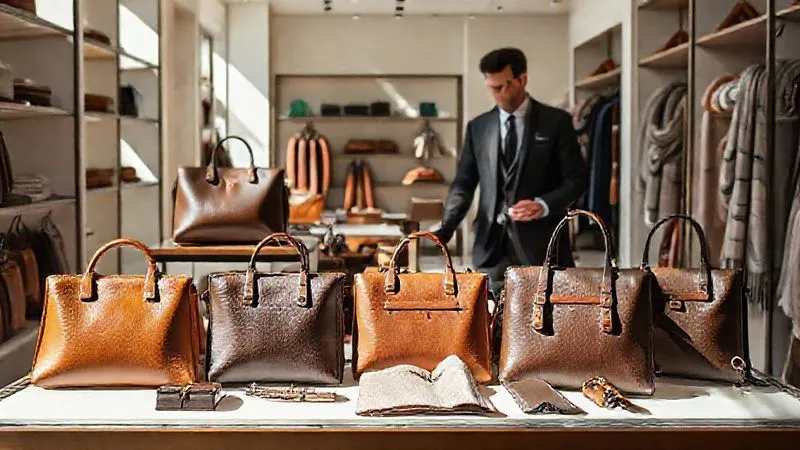
I've seen countless brands make the mistake of chasing volume by partnering with too many retailers, or the wrong kind. For luxury, less is truly more. Your retail partners are extensions of your brand, and their environment, clientele, and service standards must align perfectly with your own.
- Define Strict Criteria: Establish non-negotiable standards for potential partners. This includes store aesthetics, sales associate training, customer service protocols, and geographical reach.
- Limit Points of Sale: Resist the urge to be everywhere. Select only a handful of the most prestigious department stores, high-end boutiques, or specialized luxury retailers in key markets.
- Negotiate Exclusivity: Where possible, negotiate exclusive rights within specific regions or even within a single store category to further protect your brand's unique positioning.
- Regular Audits: Conduct frequent, unannounced checks on your retail partners to ensure they are upholding your brand's standards of presentation, service, and inventory management.
Direct-to-Consumer (DTC) Mastery
The rise of DTC channels offers an unparalleled opportunity for luxury brands to control their narrative and customer experience. This is where you can truly dictate the perception of exclusivity.
- Flagship Stores: Invest in iconic, immersive flagship stores in prime locations. These aren't just sales points; they are brand temples offering unique experiences that cannot be replicated elsewhere.
- Bespoke Boutiques: Consider smaller, appointment-only boutiques that offer highly personalized service, emphasizing the artisanal and intimate aspects of your brand.
- Online Exclusivity: Your e-commerce platform should reflect the same level of luxury as your physical stores. Offer exclusive online collections, early access for loyal customers, and a seamless, high-touch digital experience. Avoid selling through third-party mass-market online retailers.
Strategy 2: Elevating the Product Narrative and Craftsmanship
The story behind a luxury accessory is often as valuable as the item itself. When expanding, you must amplify this narrative, not dilute it. This is where the true artistry and heritage of your brand can shine.
Storytelling as a Value Multiplier
Every luxury accessory should tell a story – of its origin, its materials, its creator, its inspiration. This narrative transcends mere functionality and imbues the product with emotional and cultural significance.
- Heritage and Legacy: Emphasize the brand's history, its founding principles, and the generations of craftsmanship that have contributed to its excellence.
- Artisan Skill: Highlight the human element – the skilled artisans, their techniques, and the countless hours of dedication poured into each piece. Behind every stitch and polish lies a story of expertise.
- Unique Materials: Detail the sourcing of rare leathers, precious metals, or exotic gemstones. Transparency about ethical sourcing can also add to the narrative of responsible luxury.
- Inspiration and Design Philosophy: Share the creative journey behind new collections, linking them to art, culture, travel, or a particular vision that makes them distinctive.
Uncompromising Quality and Innovation
Luxury consumers expect nothing less than perfection. As you expand, your commitment to quality must remain absolute. Any compromise here will quickly erode trust and exclusivity.
- Investment in R&D: Continuously innovate with new materials, techniques, and designs that push boundaries while respecting your brand's DNA. This can include integrating sustainable practices or smart technology.
- Handcraft and Attention to Detail: Maintain a significant handcraft component, even if production scales. This ensures each item retains its unique, artisanal character.
- Limited Production Runs: Even for core lines, consider controlled production volumes to maintain a sense of scarcity and prevent oversupply, which can devalue a product.
"The true measure of luxury is not its price tag, but its intrinsic value, born from unparalleled craftsmanship, a compelling narrative, and an unwavering commitment to quality. This is what fosters lasting desire and exclusivity."
Strategy 3: Mastering Limited Editions and Bespoke Offerings
One of the most effective ways to maintain exclusivity when expanding luxury accessory lines is to strategically leverage scarcity through limited editions and personalized services. These offerings cater to the highest echelons of luxury consumers who seek uniqueness above all else.
The Allure of Scarcity
Limited editions create urgency and a sense of privilege. They allow a brand to experiment, generate buzz, and reward its most loyal clientele without diluting its core offerings.
- Strategic Release Schedules: Plan limited edition drops with precision. Announce them with fanfare, creating anticipation and a 'fear of missing out' (FOMO) among your audience.
- Distinctive Design: Ensure limited editions are truly unique, not just variations of existing products. They should feature novel materials, colors, or design elements that justify their special status.
- Exclusive Access: Offer pre-orders or early access to VIP clients, brand ambassadors, or members of your exclusive loyalty program. This reinforces their privileged status.
- Transparent Scarcity: Clearly communicate the exact number of units produced. Authenticity and transparency build trust and enhance the perceived value of the limited item.
The Power of Personalization and Bespoke Services
Bespoke services represent the pinnacle of luxury, offering unparalleled exclusivity. This is where a client's individual desires are met with your brand's exceptional craftsmanship.
- Made-to-Order Programs: Allow clients to customize certain elements of a product, such as material, color, hardware, or engraving.
- Fully Bespoke Creations: For your most discerning clients, offer a completely custom design service, where an accessory is created from scratch to their exact specifications. This is a powerful statement of exclusivity and unparalleled service.
- Dedicated Artisans: Assign specific master artisans to bespoke projects, emphasizing the human connection and the unique skill involved in creating a one-of-a-kind piece.
| Offering Type | Exclusivity Level | Price Point | Effort/Customization | Growth Potential |
|---|---|---|---|---|
| Mass Production | Low | Standard Premium | Standardized | High Volume |
| Limited Edition | Medium-High | Premium | Unique Design, Limited Run | Buzz & Aspiration |
| Bespoke/Made-to-Order | Highest | Ultra-Premium | Client-Specific, Handcrafted | Brand Prestige & Loyalty |
Strategy 4: Strategic Pricing and Value Perception
Pricing for luxury accessories is not merely a reflection of cost plus margin; it's a critical communication tool that reinforces brand exclusivity and perceived value. It must be carefully managed during expansion.
Premium Pricing as a Statement
A high price tag in the luxury sector isn't just a barrier to entry; it's an affirmation of quality, rarity, and status. It signals that the product is worth investing in, both financially and emotionally.
- Value-Based Pricing: Price your products based on their perceived value, which includes brand heritage, craftsmanship, design, materials, and the exclusive experience they offer, rather than solely on production cost.
- Anchoring: Position your entry-level luxury items alongside your ultra-premium pieces to make the former seem more accessible within the luxury spectrum, without devaluing the brand.
- Global Consistency: Maintain consistent pricing strategies across different markets, adjusting only for taxes, duties, and local economic conditions. Significant price discrepancies can undermine global exclusivity.
Avoiding Promotional Pitfalls
Discounts and widespread promotions are anathema to luxury. They signal a desperation for sales and immediately erode the perceived value and exclusivity of your products.
- No Sales or Clearance: Luxury brands almost never engage in traditional sales. If inventory needs to be moved, consider internal staff sales, discreet outlets, or destroying unsold goods (though the latter is increasingly frowned upon for sustainability reasons).
- Value-Added Incentives: Instead of discounts, offer value-added incentives such as complimentary personalization, exclusive event invitations, or extended warranties for loyal customers.
- Strategic Collaborations: If a price adjustment is necessary for a specific market entry, frame it as a special introductory offer or a limited-time collaboration with a high-end partner, ensuring it doesn't look like a discount.
According to a study by Deloitte on global luxury consumers, perceived quality and exclusivity are paramount drivers of purchase decisions, often outweighing price as the primary factor. Undermining this perception through aggressive discounting can be fatal for a luxury brand's long-term viability.
Strategy 5: Cultivating an Exclusive Brand Community
In an increasingly connected world, exclusivity isn't just about who *can't* buy your product; it's also about who *can* and how they feel a part of something special. Building a curated community around your brand is a powerful way to maintain exclusivity when expanding luxury accessory lines.
VIP Programs and Inner Circles
Reward your most loyal and valuable customers with experiences and access that reinforce their status and connection to your brand.
- Tiered Loyalty Programs: Create multi-tiered programs that offer increasing levels of benefits, such as early access to new collections, invitations to private events, personalized styling sessions, or even direct access to designers.
- Exclusive Events: Host intimate gatherings, preview showings, or cultural experiences that are strictly invitation-only. These events foster a sense of belonging and provide unique networking opportunities for your clientele.
- Personal Shoppers/Advisors: Assign dedicated brand ambassadors or personal shoppers to top-tier clients, offering highly personalized service and anticipating their needs.
Digital Exclusivity and Engagement
Even in the digital realm, exclusivity can be maintained through careful curation and personalized interaction.
- Private Online Forums: Create exclusive online communities or messaging groups for your VIP clients, allowing them to connect with each other and with the brand in a privileged space.
- Personalized Digital Content: Deliver tailored content, such as behind-the-scenes videos, interviews with artisans, or previews of upcoming collections, directly to your most valued customers.
- Controlled Social Media Presence: While a public social media presence is essential, focus on quality over quantity. Curate your feed with aspirational imagery and engaging storytelling, and use private messaging for exclusive interactions.
Case Study: "Aethelred Handbags" Reinvents Exclusivity
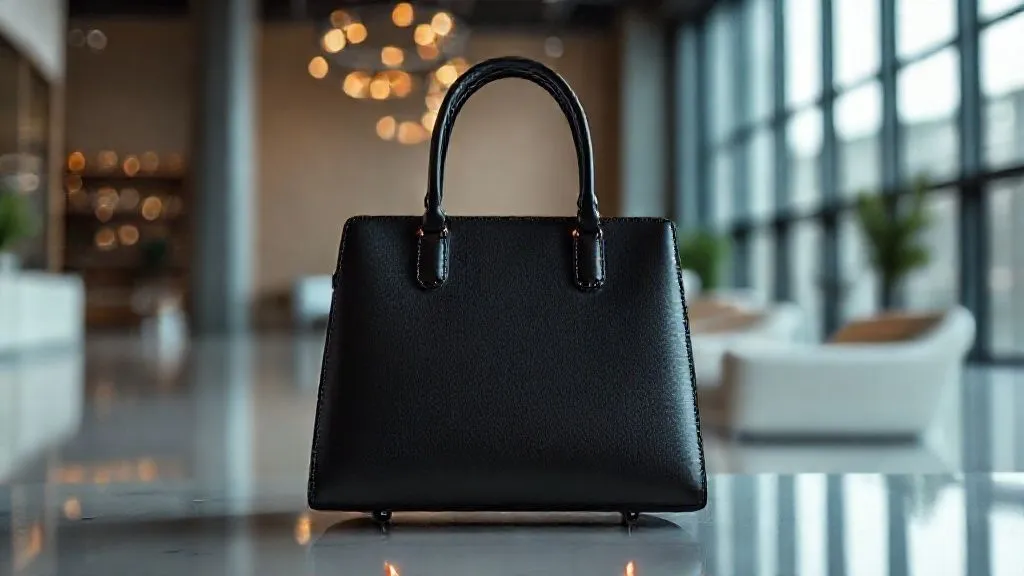
Aethelred Handbags, a fictional heritage luxury brand, faced a challenge. Their classic lines were beloved, but attempts to introduce new, trendier collections felt disjointed, risking dilution. Their solution? They launched an exclusive 'Atelier Club' for their top 5% of clients. Members received early access to a new, ultra-limited 'Capsule Collection' – only 50 pieces per design – and were invited to biannual private dinners with the creative director. They also gained access to a secure online portal where they could vote on future material choices and receive personalized video messages from the artisans crafting their bespoke orders. This strategy didn't just maintain exclusivity; it deepened loyalty, created a powerful word-of-mouth buzz, and allowed Aethelred to innovate without compromising its core prestige. Sales for the Capsule Collection consistently sold out within hours, and overall brand perception among their target demographic soared.
Strategy 6: Brand Collaborations and Strategic Alliances
Collaborations can be a double-edged sword for luxury brands. While they offer avenues for expansion and reaching new audiences, poorly chosen partnerships can quickly dilute your brand's image. The key is strategic alignment and mutual enhancement.
Curated Partnerships
When selecting collaborators, think beyond immediate sales. Focus on partners who share your brand values, aesthetic, and target demographic, but offer a complementary expertise or reach.
- Co-creation with Artists or Designers: Partner with renowned artists, architects, or designers for limited-edition collections that blend their unique vision with your brand's craftsmanship. This injects fresh creativity while maintaining luxury appeal.
- Luxury Lifestyle Brands: Collaborate with other high-end brands in non-competing categories – perhaps a luxury automobile manufacturer, a five-star hotel chain, or a fine wine producer – to create exclusive experiences or co-branded products.
- Cultural Institutions: Partnerships with museums, opera houses, or prestigious academic institutions can elevate your brand's cultural capital and intellectual appeal.
Expanding into Complementary Luxury Verticals
Consider diversifying your product portfolio into related luxury categories, but always with a meticulous approach that maintains your core identity.
- Jewelry or Watches: If your brand is known for leather goods, expanding into fine jewelry or timepieces can be a natural progression, leveraging similar craftsmanship principles.
- Homeware or Fragrance: These categories offer a broader entry point for new customers who aspire to your brand's lifestyle, without directly competing with your core accessory lines. Ensure the quality and design aesthetic are consistent.
- Travel Accessories: For brands with a focus on travel or heritage, expanding into bespoke luggage or unique travel accessories can reinforce your brand's narrative.
As Seth Godin often says, "The market is a conversation." For luxury brands, this conversation must be carefully controlled, especially when introducing new voices or expanding the dialogue. Every collaboration should feel like an exclusive invitation, not a general announcement.
Strategy 7: The Role of Impeccable Customer Experience
In luxury, the product is only one part of the equation; the experience is everything. As you expand, ensuring a consistently exceptional customer journey is paramount to maintaining exclusivity and fostering loyalty.
From Purchase to Post-Sale
Every interaction a customer has with your brand must be seamless, personalized, and memorable, reflecting the premium nature of your products.
- White-Glove Service: Whether in-store or online, provide highly attentive, knowledgeable, and discreet service. Sales associates should act as brand ambassadors, not just salespeople.
- Personalized Communication: Beyond the sale, engage customers with personalized follow-ups, birthday wishes, or exclusive previews tailored to their preferences.
- Exceptional After-Sales Support: Offer world-class repair services, authentication, and care advice. The longevity and maintenance of a luxury item are part of its enduring value.
- Exquisite Packaging: The unboxing experience should be an event in itself, with luxurious packaging that conveys the value and care put into the product.
Building Emotional Connections
Luxury consumers often seek an emotional connection with brands that resonate with their values and aspirations. This goes beyond transactional relationships.
- Brand Values: Clearly articulate your brand's values, whether it's sustainability, ethical sourcing, heritage preservation, or artistic innovation. Consumers increasingly align with brands that reflect their own moral compass.
- Story-Driven Engagement: Continue to weave your brand's narrative through all customer touchpoints, making customers feel part of a larger, inspiring story.
- Anticipatory Service: Train staff to anticipate customer needs and preferences, offering proactive solutions and personalized recommendations before being asked.
Navigating Digital: Preserving Exclusivity in an Open World
The digital landscape presents both opportunities and challenges for luxury brands. While it offers unprecedented reach, it also demands careful management to prevent dilution and maintain an aura of exclusivity. This is a critical aspect of how to maintain exclusivity when expanding luxury accessory lines in the 21st century.
Controlled Online Presence
Your digital footprint must be as curated and exclusive as your physical stores.
- Exclusive E-commerce: Your brand's own website should be the primary, if not sole, online retail channel. Avoid selling through mass-market online platforms that might dilute your brand's image.
- Curated Social Media: Use social media not for mass marketing, but for brand building, storytelling, and engaging with a highly targeted, aspirational audience. Focus on high-quality visuals and limited, meaningful engagement.
- Influencer Strategy: Partner with a select few, highly credible influencers whose personal brands align perfectly with your luxury ethos. Avoid micro-influencers or those with overly broad appeal if your goal is exclusivity.
Leveraging NFTs and Digital Collectibles
The emerging Web3 space offers novel ways to create digital scarcity and exclusivity, providing new avenues for luxury brand engagement.
- Digital Twins: Offer NFTs (Non-Fungible Tokens) as digital certificates of authenticity for physical luxury items, adding a layer of verifiable rarity and provenance.
- Virtual Accessories: Create exclusive digital accessories for metaverses or gaming platforms, allowing consumers to express their luxury identity in virtual worlds. These can be limited-edition drops tied to physical purchases.
- Exclusive Digital Experiences: Use NFTs to grant access to private online communities, virtual events, or early access to physical product drops, blending digital and physical exclusivity.
| Strategy Aspect | Traditional Exclusivity | Digital Exclusivity |
|---|---|---|
| Distribution | Limited physical boutiques, high-end department stores | Brand's own e-commerce, curated online marketplaces, NFT-gated access |
| Marketing | Private events, word-of-mouth, print ads in luxury magazines | Targeted social media, exclusive online content, influencer collaborations, metaverse activations |
| Product Offerings | Bespoke, limited editions | NFTs as digital twins, virtual wearables, digital collectibles |
| Customer Engagement | Personal shoppers, VIP events | Private online communities, personalized digital experiences, blockchain-verified loyalty programs |
Frequently Asked Questions (FAQ)
Q: How do I measure exclusivity in a quantifiable way? Measuring exclusivity isn't always straightforward with hard numbers, but key indicators include brand perception surveys (tracking attributes like 'premium,' 'unique,' 'aspirational'), limited distribution metrics (number of doors, percentage of sales through owned channels), waitlist lengths for exclusive items, and engagement rates within VIP programs. Customer lifetime value (CLV) and repeat purchase rates from your top-tier clients are also strong indicators of successful exclusivity. Ultimately, it’s about maintaining a strong brand desire that outstrips readily available supply.
Q: Can a luxury brand ever truly go "mass market" and retain prestige? In my experience, the answer is almost universally no for true luxury brands. While some brands might attempt 'masstige' strategies (mass prestige), this often leads to a significant erosion of the core luxury identity. Brands like Coach or Michael Kors, for example, expanded aggressively and saw their perceived luxury status diminish. True luxury relies on scarcity and aspiration. Once a product becomes widely accessible, its ability to confer status and uniqueness is fundamentally compromised. The goal should be controlled, strategic growth, not mass market penetration.
Q: What's the biggest mistake brands make when expanding? The biggest mistake I've observed is prioritizing short-term revenue gains over long-term brand equity. This often manifests as uncontrolled distribution, aggressive discounting, or compromising on quality to meet higher production demands. These actions quickly dilute the brand's perceived value, making it incredibly difficult, if not impossible, to regain its exclusive standing. It's a short-sighted approach that sacrifices the very foundation of luxury.
Q: How do social media and influencers fit into luxury exclusivity? Social media and influencers are powerful tools, but they must be used with extreme caution. For luxury, it's about curation, not saturation. Instead of chasing viral trends, focus on creating aspirational content that reinforces your brand's narrative and aesthetic. Choose influencers who genuinely embody your brand's values and lifestyle, and collaborate on exclusive content or experiences rather than generic product placements. The goal is to inspire desire and showcase the brand's world, not to make it universally available.
Q: Is sustainability important for maintaining luxury appeal? Absolutely. In today's market, sustainability is rapidly moving from a 'nice-to-have' to a 'must-have' for luxury brands. Discerning consumers, particularly younger generations, are increasingly scrutinizing the ethical and environmental practices of brands. A commitment to responsible sourcing, ethical production, and reducing environmental impact can significantly enhance a luxury brand's appeal, adding a layer of 'conscious exclusivity' that aligns with modern values. Ignoring it risks alienating a crucial segment of the luxury market and being perceived as outdated.
Key Takeaways and Final Thoughts
Navigating expansion while preserving exclusivity in the luxury accessory market is an intricate dance, demanding foresight, discipline, and an unwavering commitment to your brand's core values. It's not about avoiding growth, but about mastering the art of thoughtful, strategic expansion.
- Controlled Distribution is Paramount: Every sales channel must reinforce, not diminish, your brand's prestige.
- Narrative and Craftsmanship are Your Foundations: Tell compelling stories and uphold unparalleled quality.
- Leverage Scarcity Intelligently: Master limited editions and bespoke services to create powerful desire.
- Price as a Statement: Strategic pricing reinforces value; avoid discounts at all costs.
- Cultivate Exclusive Communities: Reward loyalty with privileged access and experiences.
- Collaborate Strategically: Choose partners who elevate, rather than dilute, your brand.
- Deliver Impeccable Experiences: Every customer touchpoint must reflect your luxury ethos.
- Master Digital Exclusivity: Curate your online presence and explore new digital scarcity models like NFTs.
In my two decades in this industry, I've learned that true luxury isn't just sold; it's desired, earned, and meticulously protected. By embracing these strategies, you can confidently expand your luxury accessory lines, not just growing your business, but solidifying its legendary status for generations to come. Your brand's legacy depends on it.
Recommended Reading
- Mastering Antique Filigree Repair: 5 Proven Methods for Intricate Jewelry
- 7 Ways Cultural Shifts Are Redefining Fashion Eyewear Design
- 7 Proven Ways to Diversify Your Fashion Blog Income Beyond Ads & Affiliates
- Unlock the Secrets: How to Care for Delicate Antique Pearl Jewelry
- Beat the Shine: The Ultimate Makeup Guide for Oily Skin This Summer



Your email address will not be published. Required fields are marked *