

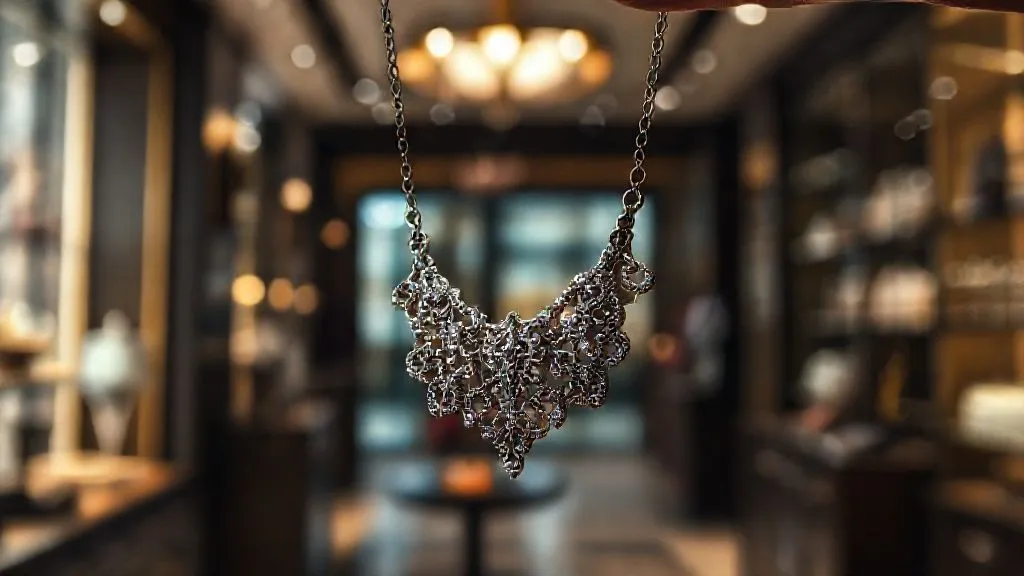
How to Justify Premium Pricing for Artisan Jewelry to Hesitant Buyers?
For over two decades in the intricate world of jewelry design, I've witnessed countless artisan jewelers pour their heart and soul into creating truly magnificent pieces. Yet, time and again, I've seen a common stumbling block emerge: the challenge of effectively communicating the profound value behind their premium pricing to a market often conditioned by mass production.
This isn't merely about selling a product; it’s about selling a piece of art, a narrative, a legacy. The hesitation from buyers often stems from a lack of understanding – they see a price tag but don't always perceive the hidden depths of skill, time, and unique materials that contribute to it. This disconnect can be disheartening for creators who know their worth but struggle to articulate it in a compelling way.
In this definitive guide, I will share the frameworks, insights, and actionable strategies I’ve developed and refined over years of experience. You’ll learn how to bridge that gap, transforming hesitant glances into confident purchases by mastering the art of value articulation, brand storytelling, and an unparalleled customer experience. Get ready to empower your artisan jewelry business with the confidence it deserves.
1. Master the Art of Storytelling: Weaving Narrative into Every Piece
In a world saturated with mass-produced commodities, the artisan's greatest asset is their story. A price tag alone can feel arbitrary, but a story imbues a piece with soul, history, and an irresistible allure. This isn't just a marketing tactic; it's an authentic extension of your craft that connects deeply with buyers.
The Artisan's Journey: More Than Just Materials
Every scratch, every polish, every carefully chosen gem has a narrative. What inspired this design? Where did the materials originate? What challenges were overcome in its creation? These aren't just details; they are the brushstrokes of your brand's identity.
Here’s how to effectively tell your story and make it resonate:
- Identify Your Core Inspiration: What drives your creativity? Is it nature, history, personal experience, or cultural heritage? Be specific.
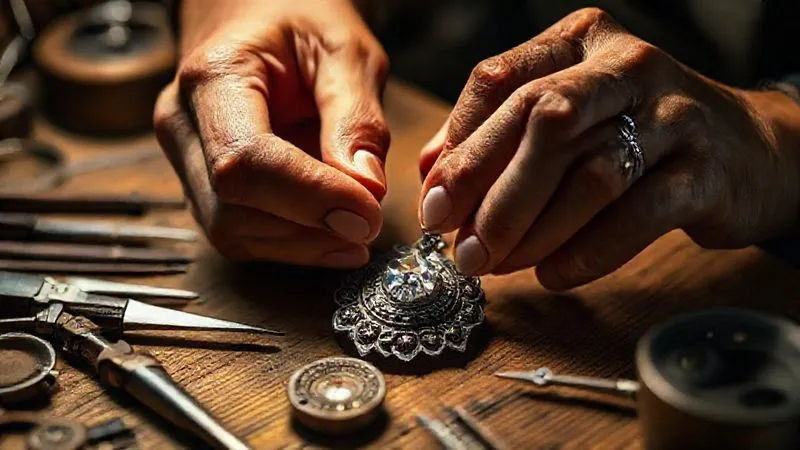
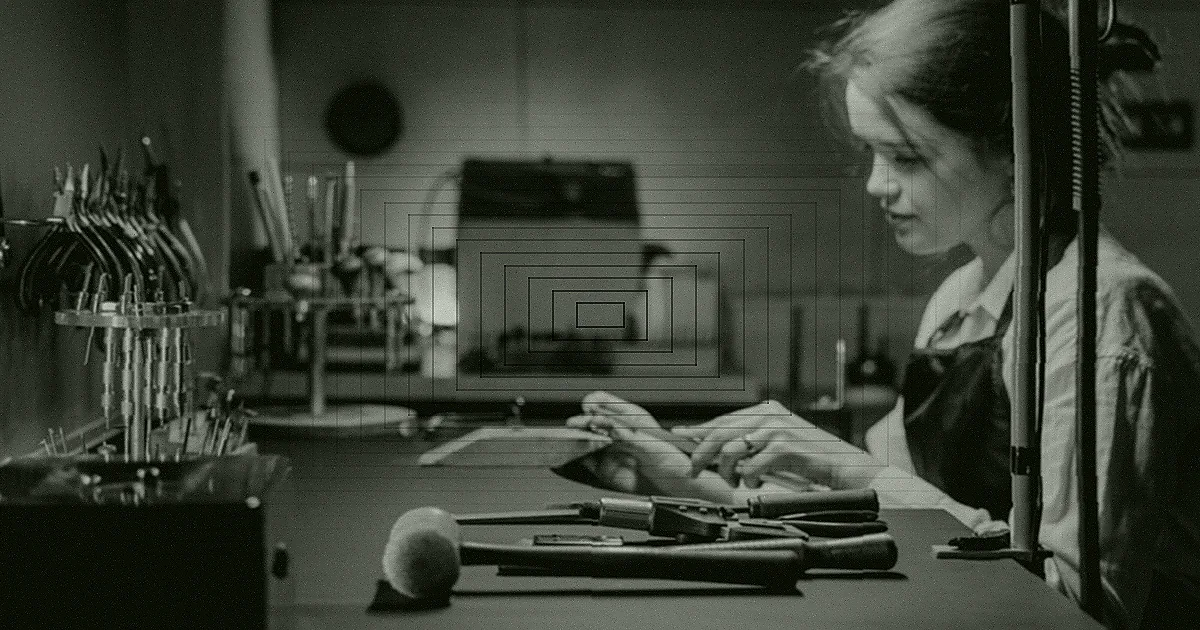
- Detail Your Process: Share glimpses into your workshop, the tools you use, the techniques you employ. Highlight the 'handmade' aspect without romanticizing the labor – focus on the skill.
- Connect to the Customer: Explain how the piece is designed to evoke emotion, mark an occasion, or become a treasured heirloom. Make it about their future story with your piece.
- Use Visuals and Multimedia: Don't just tell; show. High-quality photos and short videos of your process or inspiration are incredibly powerful.
- Craft a Unique 'Origin Story' for Each Collection/Piece: While your brand has an overarching narrative, each collection or significant piece should have its own mini-story that ties back to the larger brand ethos.
By weaving these narratives, you're not just selling jewelry; you're offering a piece of your journey, a fragment of inspiration, and an opportunity for the buyer to become part of that unique story.
2. Demystify the Craft: Educating on Materials, Techniques, and Time
One of the most common reasons for buyer hesitation is a lack of understanding about what goes into a truly premium artisan piece. They might see a mass-produced item for a fraction of the cost, unaware of the vast differences in quality, ethics, and longevity. Your role as an expert is to educate, not just sell.
Beyond Gold and Silver: The True Cost of Quality
The choice of materials is paramount in artisan jewelry. It encompasses not just the aesthetic appeal but also the ethical sourcing, rarity, and intrinsic value. When you use ethically sourced gemstones, conflict-free metals, or rare, natural elements, these choices come with a higher cost – a cost that reflects responsible practices and superior quality.
For instance, explaining the difference between lab-grown and natural diamonds, or the purity levels of various precious metals (e.g., 24K vs. 14K gold), helps justify the price. Discuss the durability, hypoallergenic properties, and lasting beauty that superior materials offer compared to cheaper alternatives.
| Feature | Mass-Produced Jewelry | Artisan Jewelry |
|---|---|---|
| Material Sourcing | Often untraceable, bulk purchasing, cost-driven | Ethical, conflict-free, often direct from miner/supplier, premium quality |
| Gemstone Quality | Lower grades, synthetic options common, standardized cuts | Hand-selected, unique cuts, higher clarity/color, rare specimens |
| Metal Purity & Alloy | Lower karat gold, base metals, less durable alloys | Higher karat options, precious metals, custom durable alloys |
| Labor & Skill | Machine-made, assembly line, low-skill labor | Hand-fabricated, specialized techniques, years of training, meticulous attention |
| Uniqueness | Identical, mass-market designs | One-of-a-kind, limited edition, bespoke options |
The Hand-Forged Difference: Time and Skill Investment
The techniques employed by an artisan jeweler are often centuries old, passed down through generations, or painstakingly learned over years of dedicated practice. Lost wax casting, intricate filigree, meticulous stone setting, hand-engraving – these are not processes that can be automated or rushed. Each piece demands hours, sometimes days or even weeks, of focused, skilled labor.
I often advise jewelers to quantify this if possible. For example, 'This filigree pendant took 40 hours of intricate hand-weaving using a technique perfected over seven years.' This level of detail transforms a price into an investment in skill and artistry. For further reading on the value of traditional craftsmanship, I recommend exploring resources from reputable craft organizations or academic studies on material culture, such as those often cited by the Gemological Institute of America (GIA), which provides authoritative insights into gemology and jewelry arts.
3. Articulate the Intangible Value: Scarcity, Uniqueness, and Emotional Connection
While materials and labor are tangible costs, much of artisan jewelry's premium value lies in its intangibles. These are the aspects that mass production simply cannot replicate, and they resonate deeply with buyers seeking more than just an accessory.
The Rarity Factor: Limited Editions and One-of-a-Kind Pieces
In a world of ubiquitous products, true rarity is a luxury. Artisan jewelers inherently offer this through their limited production capacity. Emphasize that your pieces are not mass-produced; they are often one-of-a-kind creations or part of very small, exclusive collections. This scarcity creates a sense of urgency and desirability.
Highlight the fact that owning an artisan piece means owning something truly unique, an item that sets the wearer apart. It's an expression of individuality, a statement against conformity. This exclusivity is a powerful motivator for buyers who appreciate bespoke luxury.
Emotional Resonance: Crafting Heirlooms, Not Just Accessories
Perhaps the most profound intangible value is the emotional connection a piece of artisan jewelry can forge. These are not disposable fashion items; they are potential heirlooms, carriers of memories, and symbols of significant life events. When a buyer understands that they are investing in something that can be passed down through generations, accumulating sentimental value with each passing year, the perceived monetary value shifts dramatically.
"Artisan jewelry isn't merely adorned; it's embodied. It carries the whisper of the maker's soul and the promise of future memories, transforming from a mere object into a cherished legacy."
Encourage buyers to imagine the future stories this piece will tell, the milestones it will witness. This shifts the focus from a transactional purchase to an emotional investment in a tangible piece of personal history.
4. Showcase Your Expertise and Authority: Building Trust and Credibility
In any high-value transaction, trust is paramount. Buyers are more willing to pay a premium when they have absolute confidence in the expertise and authority of the creator. As an artisan jeweler, your personal brand and credibility are as valuable as the materials you use.
Certifications, Awards, and Peer Recognition
Don't be shy about showcasing your credentials. Have you completed specialized training, received certifications from esteemed gemological institutes, or won awards for your designs? These are not mere accolades; they are tangible proofs of your skill and dedication. Display them prominently on your website, in your studio, and mention them in your artist statements.
Similarly, if your work has been featured in reputable publications, art shows, or galleries, leverage this social proof. It acts as an independent endorsement of your artistry and quality, significantly boosting buyer confidence.
Case Study: Elevating 'Glimmer & Gem' Through Transparency
Consider the story of 'Glimmer & Gem,' a small artisan jewelry brand that initially struggled to justify its prices. The founder, Anya, was a master silversmith but felt awkward discussing her own achievements. After attending one of my workshops, she began to implement a strategy of transparency and authority-building.
Anya started by clearly listing her GIA certifications and the intensive apprenticeship she completed in Florence on her 'About Us' page. She then created short videos showcasing her intricate lost-wax casting process, explaining the historical significance and skill involved. She also started a blog where she detailed her ethical sourcing practices, even sharing photos of her visits to gem suppliers. Within six months, Glimmer & Gem saw a 40% increase in average order value. Buyers, now educated and confident in Anya's expertise and ethical approach, were far more willing to invest in her premium pieces.
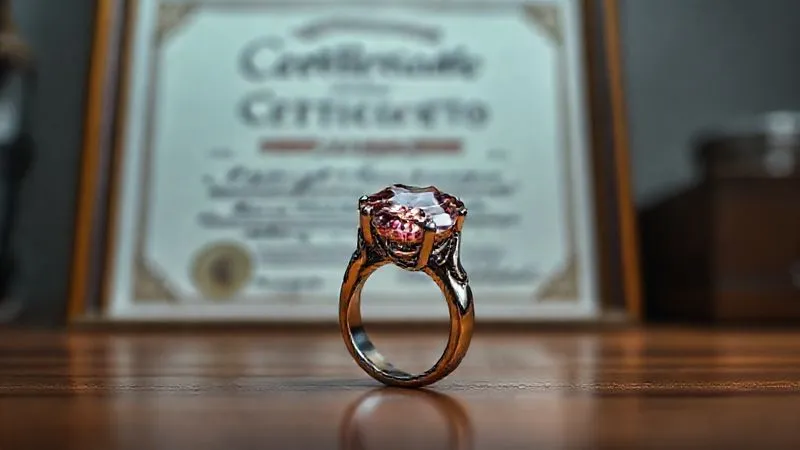
Building authority isn't just about boasting; it's about providing evidence that you are a trusted expert in your field. For more insights on building brand authority and trust, articles from leading business publications like Harvard Business Review often provide excellent frameworks.
5. Offer a Premium Experience: Packaging, Service, and Aftercare
The value of artisan jewelry extends far beyond the physical piece itself. It encompasses the entire journey a customer takes with your brand, from discovery to ownership and beyond. A truly premium experience reinforces the premium price tag.
The Unboxing Ritual: Beyond Just a Box
Think about the moment a customer receives their jewelry. Is it an experience, or just a delivery? Luxury packaging – a beautifully crafted box, a velvet pouch, a personalized note, a care guide – elevates the perceived value immensely. It transforms the act of opening into a ritual, a moment of anticipation and delight.
This attention to detail signals that every aspect of your brand is considered and premium, subtly reinforcing the quality of the jewelry within. It's a tactile representation of the care and thought invested in the product itself.
Personalized Service and Lifetime Care
Mass-produced items come with generic customer service; artisan pieces warrant a personal touch. Offering personalized consultations, bespoke design options, and exceptional aftercare services like cleaning, repairs, or resizing, adds immense value. This commitment to the customer and the longevity of the piece fosters loyalty and justifies the investment.
- Personalized Consultations: Offer one-on-one virtual or in-person sessions to discuss custom designs, material choices, or styling advice.
- Comprehensive Care Guides: Provide detailed instructions on how to care for their specific piece, ensuring its beauty lasts for generations.
- Repair and Refurbishment Services: Stand behind your work by offering repair services, even for wear and tear, reinforcing the idea that this is a lifetime investment.
- Warranty/Guarantee: Offer a clear guarantee on your craftsmanship, demonstrating confidence in your quality.
These services transform a purchase into a relationship, where the buyer feels valued and assured that their investment is protected and appreciated. It’s about building a community around your brand, not just a customer base.
6. Leverage Social Proof and Testimonials: Let Others Speak Your Value
In today's digital age, what others say about your brand often carries more weight than what you say about yourself. Social proof – in the form of testimonials, reviews, and features – is an incredibly powerful tool for justifying premium pricing. It builds trust and validates your claims of quality and unique value.
Curating Authentic Endorsements
Actively seek and curate testimonials from satisfied customers. These should be more than just 'I love it!' Encourage clients to share their stories: what made them choose your piece, what emotions it evokes, and how it has become meaningful to them. Video testimonials or photos of customers wearing your jewelry can be particularly impactful.
Display these endorsements prominently on your website, social media, and even in your physical studio. Real stories from real people resonate deeply and provide tangible evidence of your value proposition.
Influencer Collaborations and Media Features
Strategic collaborations with micro-influencers whose values align with yours, or features in reputable lifestyle and fashion magazines, can significantly amplify your message. When an admired figure or an authoritative publication endorses your work, it lends immense credibility and exposes your brand to a wider audience that trusts those sources.
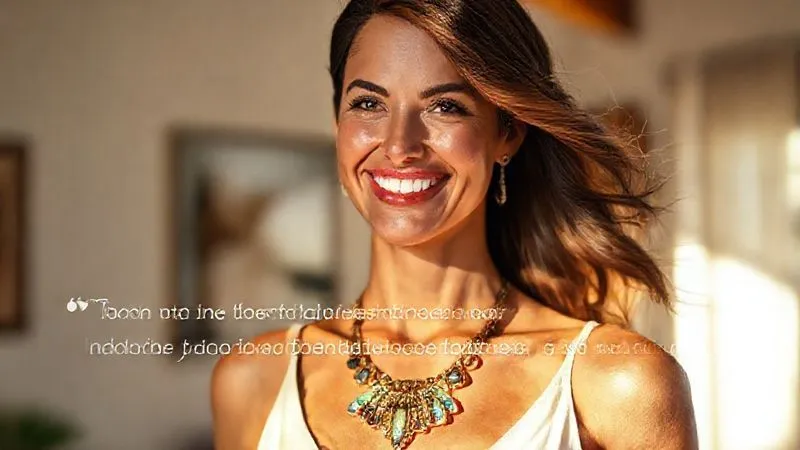
Remember, the goal is to create a chorus of voices that reinforce your brand's premium standing. For excellent strategies on harnessing the power of social proof, explore articles on consumer psychology and marketing from sources like Forbes or reputable marketing blogs.
7. Mastering the Price Conversation: Confident Communication Strategies
Even with all the value articulated, the moment of discussing price can still be daunting. However, approaching this conversation with confidence and clarity is crucial. It’s about being prepared, proactive, and truly believing in the value you offer.
Anticipating and Addressing Objections Proactively
Before a buyer even voices a price concern, you should have already laid the groundwork for justification. However, it's also wise to anticipate common objections and have thoughtful responses ready. These aren't defensive reactions but rather opportunities to reiterate value.
Here’s a framework for addressing price objections:
- Acknowledge and Validate: "I understand that artisan pieces are a significant investment, and it's natural to consider the cost."
- Reiterate Core Value: Briefly recap the unique story, craftsmanship, materials, and emotional resonance. "What you're investing in is not just a piece of jewelry, but an heirloom crafted from ethically sourced materials, with a story that will connect deeply with you."
- Highlight Long-Term Benefits: Emphasize durability, timelessness, and potential for appreciation. "Unlike fast fashion, this piece is designed to last a lifetime and beyond, becoming more cherished with each passing year."
- Offer Comparison (Subtly): Without disparaging competitors, gently guide them to consider alternatives. "While there are cheaper options available, they often lack the unique design, ethical sourcing, and hand-finished quality that ensures longevity and personal connection."
- Shift Focus to Investment: Frame the purchase as an investment in art, legacy, and self-expression. "Consider this not just a purchase, but an investment in a unique piece of wearable art that reflects your personal style and values."
Value Stacking: Reinforcing Every Aspect of Worth
When presenting the price, don't just state the number. Instead, engage in 'value stacking' – a concise summary of all the value points you've already discussed. This isn't about repeating yourself, but about drawing a clear line from the premium price to the premium experience and product.
This holistic approach ensures that the buyer sees the price as a reflection of the entire package, not just the cost of raw materials. It’s the story, the skill, the ethical choices, the unique design, the personalized service, and the emotional legacy – all encapsulated in that single price.
| Value Component | Description |
|---|---|
| Artisan Story & Inspiration | Unique narrative, personal connection, emotional resonance |
| Exceptional Materials | Ethically sourced, rare gemstones, high-purity metals, certified quality |
| Master Craftsmanship | Intricate hand-fabrication, specialized techniques, extensive labor hours |
| Uniqueness & Scarcity | One-of-a-kind, limited edition, bespoke design |
| Premium Experience | Luxury packaging, personalized service, comprehensive aftercare |
| Legacy & Heirloom Potential | Designed to last generations, sentimental value appreciation |
By confidently and comprehensively articulating every layer of value, you empower buyers to make an informed decision, one that recognizes and appreciates the true worth of your artisan jewelry. For deeper insights into value-based pricing and negotiation, resources like Entrepreneur.com often provide practical advice for small businesses and artisans.
Frequently Asked Questions (FAQ)
Q: Is it ethical to charge so much for handmade jewelry? A: Absolutely. Ethical pricing reflects the true cost of creation: fair wages for the artisan's time and skill, the cost of ethically sourced, high-quality materials, sustainable production practices, and the investment in education and tools. It's unethical to undervalue an artisan's labor and expertise, which often happens in mass production. Premium pricing ensures fair compensation and sustainable business practices.
Q: How do I deal with a customer who says 'I can get this cheaper elsewhere'? A: Respond by reiterating the unique value proposition of your piece. "You're right, there are many jewelry options available at different price points. However, what sets this piece apart is [mention 2-3 key differentiators: e.g., the hand-selected conflict-free sapphire, the 40 hours of intricate filigree work, and the unique story behind its design]. Our focus is on creating heirlooms that offer lasting quality and a personal connection, rather than disposable fashion."
Q: What if my target audience can't afford premium prices? A: This might indicate a misalignment between your product's value and your current target audience. It's crucial to refine your market research to identify buyers who genuinely appreciate and can afford artisan quality. Alternatively, consider creating entry-level pieces within your brand's aesthetic that still carry your signature craftsmanship but are made with slightly less rare materials, allowing broader access while maintaining your brand's integrity.
Q: Should I ever offer discounts on artisan jewelry? A: Generally, I advise against frequent discounting, as it can devalue your brand and condition buyers to wait for sales. If you must offer a discount, make it strategic and rare – perhaps for loyal customers, during a special event, or for a limited-time collection launch. Frame it as an exclusive opportunity, not a reduction in inherent value. Focus instead on adding value through complimentary services or unique experiences.
Q: How important is my personal brand in justifying price? A: Hugely important. Your personal brand – your story, expertise, passion, and integrity – is intrinsically woven into the value of your artisan jewelry. Buyers often connect with the person behind the art. Cultivating a strong, authentic personal brand builds trust, fosters emotional connection, and allows buyers to feel they are investing not just in a piece, but in a respected artist and their vision.
Key Takeaways and Final Thoughts
- Storytelling is paramount: Weave compelling narratives around your inspiration, process, and materials to create emotional connections.
- Educate with transparency: Demystify the craftsmanship, material choices, and time investment to justify tangible costs.
- Highlight intangible value: Emphasize scarcity, uniqueness, and the heirloom quality of your pieces.
- Build unshakeable authority: Showcase your expertise, certifications, and social proof to foster trust.
- Deliver a premium experience: Elevate every customer interaction from packaging to aftercare.
- Master the price conversation: Address objections confidently by continually reinforcing your multifaceted value.
Justifying premium pricing for artisan jewelry is not a challenge to overcome, but an opportunity to deeply connect with your audience. It requires a shift from merely selling a product to articulating a profound value proposition that encompasses art, skill, ethics, and emotion. By implementing these strategies, you're not just securing a sale; you're cultivating a community of appreciative collectors who understand and cherish the true artistry you bring to the world. Believe in your craft, articulate its worth, and watch your business flourish.
Recommended Reading
- EU-Compliant Antimicrobial Fabrics: 7 Sustainable Solutions for Textiles
- 7 Expert Steps: Authenticating 1970s Designer Vintage Against Fakes
- Unlock Ultimate Comfort: How Responsive Textiles Enhance Wearer Experience
- 5 Proven Strategies to Conquer Kids Accessory Supply Chain Delays
- 5 Crucial Steps to Prevent Diamond Chipping in Micro-Pavé Setting

Your email address will not be published. Required fields are marked *