

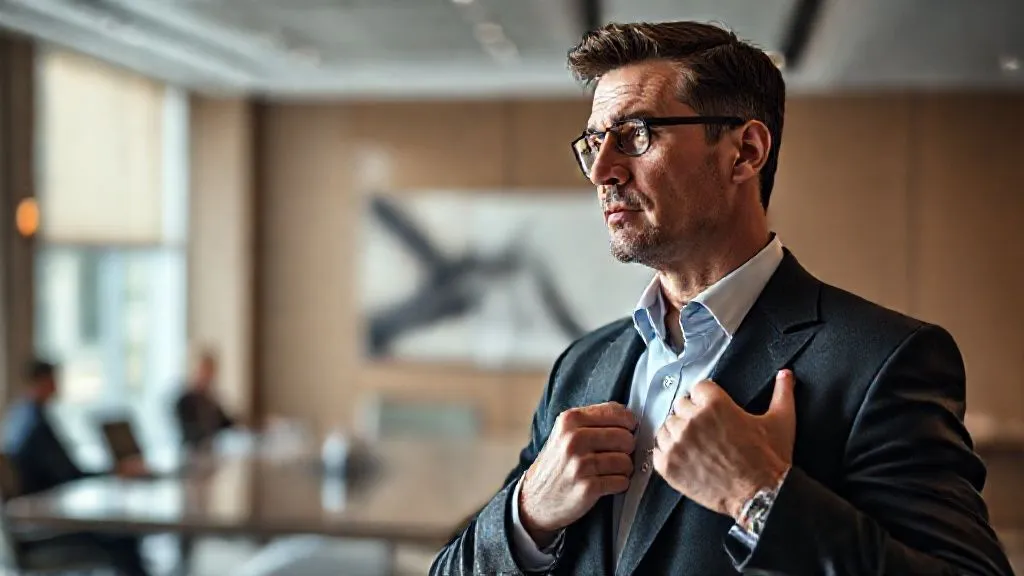
How to Interpret Vague 'Business Casual' for Senior Leadership?
For over two decades in the dynamic world of menswear, I've witnessed firsthand how a well-chosen wardrobe can be an unspoken language of ambition, respect, and executive presence. Yet, I've also seen countless aspiring leaders stumble over one of the most perplexing corporate directives: the elusive "business casual." It's a term that, while seemingly straightforward, often leaves even the most confident professionals second-guessing their choices, especially when aiming to impress senior leadership.
The problem isn't a lack of effort; it's a lack of clarity. What does "business casual" truly mean when you're interacting with the C-suite, attending high-stakes meetings, or vying for that promotion? The ambiguity can breed anxiety, leading to either overdressing, which can appear out of touch, or underdressing, which risks undermining your credibility and perceived gravitas. This vagueness can be a silent career impediment, subtly shaping how senior leaders perceive your professionalism and readiness for greater responsibility.
Fear not, for this isn't an insurmountable challenge. In this definitive guide, I will share my accumulated wisdom and actionable frameworks to help you confidently navigate the nuances of executive business casual. We'll delve into the unspoken rules, decode the signals, and equip you with the insights to craft a wardrobe that not only adheres to the dress code but actively enhances your executive presence, ensuring you always present yourself as ready for the next level of leadership.
Beyond the Garments: Understanding the 'Why' of Executive Attire
Before we dive into specific clothing items, it's crucial to understand the fundamental principles that underpin executive attire. Dressing for senior leadership isn't merely about following a trend; it's about strategic communication. Your clothing choices are a powerful, non-verbal cue that signals your respect for the environment, your understanding of corporate culture, and your attention to detail – qualities highly valued at the executive level.
The Psychology of First Impressions
In a professional setting, especially when interacting with senior leadership, first impressions are indelible. Research consistently shows that people form opinions about others within seconds of meeting them, and these initial judgments are heavily influenced by appearance. When you dress thoughtfully, you project confidence, competence, and reliability. Conversely, a haphazard approach can suggest a lack of seriousness or attention to detail, regardless of your actual capabilities.
I've always advised my clients that their attire is their personal brand's billboard. For senior leaders, this billboard must convey a message of professionalism, authority, and trustworthiness. It's not about being flashy, but about being polished and intentional. Your goal is to blend seamlessly into the executive environment while subtly standing out for your refined presentation.
Company Culture as Your Compass
The definition of "business casual" is not universal; it's deeply embedded in an organization's culture. A tech startup's business casual might involve designer jeans and a smart polo, while a traditional financial institution's version could lean heavily towards tailored trousers and blazers. Observing the existing culture, particularly how senior leaders dress, is your most reliable guide.
Pay attention to the subtle cues: Do senior executives wear ties even if others don't? Are sneakers ever acceptable? Is there a preference for specific colors or styles? Your interpretation of "business casual" should always be calibrated to your specific corporate ecosystem. This cultural intelligence demonstrates your ability to adapt and understand the unspoken rules of your environment, a critical skill for leadership.
"Your wardrobe is a strategic tool. It's not just about looking good; it's about signaling your understanding of the corporate landscape and your readiness to lead within it."
Decoding the Unspoken: Observing Senior Leadership's Style
One of the most effective strategies for interpreting vague "business casual" for senior leadership is to become an astute observer. Senior leaders often set the de facto standard, whether explicitly stated or not. Their choices, even if seemingly relaxed, are usually intentional and communicate their standing within the organization.
The "Uniform" of the Top Tier
Look for patterns in what the most respected and influential leaders in your organization wear. Is there a common thread? For instance, in many traditional settings, a senior leader's "casual" might still involve a tailored sport coat, a crisp button-down shirt (often without a tie), dark trousers, and polished leather shoes. They rarely opt for t-shirts, distressed denim, or athletic sneakers in professional contexts.
- Observe Color Palettes: Do they stick to a more conservative range of navy, charcoal, grey, and white, with occasional subtle patterns?
- Note Fabric Quality: Are their garments made from high-quality wool, fine cotton, or premium linen blends?
- Evaluate Fit: Is everything impeccably tailored, or do they wear looser, more relaxed fits? (Often, it's the former for senior roles.)
- Assess Footwear: Are they always in polished leather shoes (loafers, oxfords, derbies, Chelsea boots), or do premium, minimalist sneakers make an appearance?
- Consider Accessories: What kind of watches do they wear? Do they use pocket squares or sophisticated eyewear?
These observations are not about mimicry but about understanding the baseline expectation. Your goal is to align with this elevated standard, signaling that you belong in those circles.

The Foundational Pillars of Executive Business Casual
Regardless of specific industry nuances, there are universal tenets that define appropriate business casual for senior leadership. These revolve around quality, fit, and understated elegance.
The Power of Quality Fabrics
At the executive level, the quality of your garments speaks volumes. Cheap fabrics can look flimsy, wrinkle easily, and diminish your overall appearance. Invest in natural fibers and well-constructed blends that hold their shape and drape well. Think fine wools (flannel, fresco, worsted), premium cottons (oxford, poplin, twill), linen, and cashmere for knitwear.
These materials not only look and feel better but also convey a sense of discernment and appreciation for enduring value, which resonates with senior leaders. They suggest you pay attention to detail and invest wisely – qualities that translate to business acumen.
Fit is Non-Negotiable
A poorly fitting garment, no matter how expensive, will detract from your appearance. Conversely, a well-tailored piece, even if moderately priced, can elevate your entire look. Executive business casual demands a precise fit – neither too tight nor too baggy. Shoulders should align perfectly, sleeves should end at the wrist bone, and trousers should have a clean break or no break, depending on your preference and shoe style.
I cannot stress this enough: find a good tailor. The small investment in alterations will transform your wardrobe and significantly enhance your executive presence. It shows that you care about presentation and hold yourself to a high standard.
"In the realm of executive style, fit isn't just a detail; it's the foundation upon which all elegance is built. A perfect fit is silent confidence."
Understanding the impact of fabric choice on both comfort and perception is crucial. Here’s a quick comparison of common fabrics for business casual:
| Fabric Type | Key Characteristics | Best For | Perception |
|---|---|---|---|
| Worsted Wool | Smooth, durable, wrinkle-resistant, excellent drape | Blazers, tailored trousers | Sophisticated, formal-leaning |
| Fine Cotton (e.g., Poplin, Twill) | Breathable, versatile, crisp, can wrinkle | Button-down shirts, chinos (high-quality) | Clean, smart, everyday professional |
| Linen Blend | Lightweight, breathable, natural texture, wrinkles easily (part of its charm) | Summer blazers, casual shirts, trousers | Relaxed elegance, seasonal appropriateness |
| Cashmere/Merino Wool | Soft, luxurious, warm, excellent drape | Knitwear (sweaters, cardigans) | Affluent, refined, comfortable luxury |
Key Wardrobe Components for the Aspiring Leader
Now, let's explore the specific items that form the core of an effective executive business casual wardrobe for men, focusing on versatility and polish.
Blazers and Sport Coats: The Versatile Workhorse
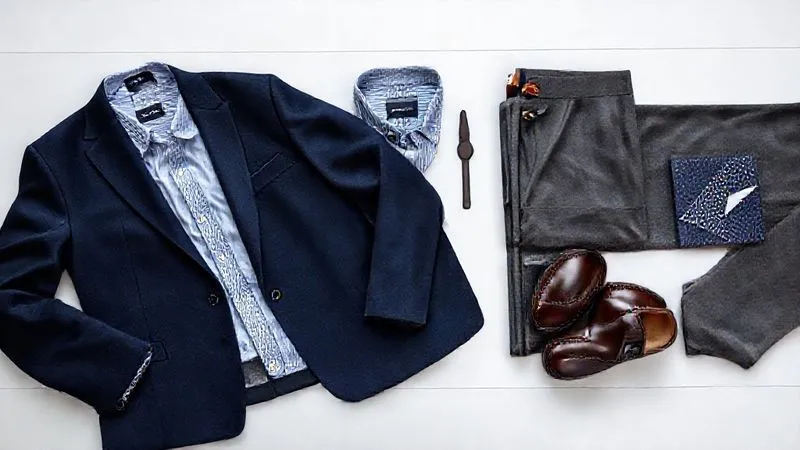
A well-fitting blazer or sport coat is the cornerstone of executive business casual. It instantly elevates any outfit, adding structure, authority, and polish. Opt for versatile colors like navy, charcoal grey, and perhaps a subtle plaid or houndstooth. Materials like wool, tweed, or a sophisticated cotton blend are ideal. Ensure the fit is impeccable – shoulders, sleeve length, and torso should all be spot on.
This single item can transform a simple shirt and trousers into an outfit suitable for a boardroom discussion or a client lunch. It’s your sartorial power-up.
Trousers: Beyond the Chinos
While chinos can be part of a business casual wardrobe, for senior leadership contexts, elevate your choice. Focus on tailored trousers in wool, cotton twill, or even a sophisticated moleskin. Colors like charcoal, navy, dark grey, olive, and tan offer versatility. Ensure they are well-pressed, free of excessive creasing, and have an appropriate break at the ankle. Avoid overly casual cargo pants, distressed jeans, or overly baggy styles.
Dark, well-fitting jeans (without rips or fading) can sometimes be acceptable in more relaxed creative or tech environments, but always err on the side of caution and observe your leadership's choices before venturing into denim.
Shirts: Texture and Subtlety
Your shirts should be crisp, clean, and well-fitting. Button-down collar shirts in solid colors (white, light blue, subtle patterns) or fine stripes are excellent choices. Fabric textures like Oxford cloth, pinpoint Oxford, or fine twill add depth. Polo shirts can be acceptable in some settings, but ensure they are premium quality, well-fitting, and made of fine materials like merino wool or Pima cotton, not synthetic blends. Avoid graphic tees, loud patterns, or anything that looks like casual weekend wear.
Footwear: The Silent Statement
Your shoes are a critical component of your executive presence; they are often the first thing a discerning eye notices. Invest in high-quality, polished leather shoes. Options include:
- Loafers: Penny loafers, tassel loafers, or horsebit loafers in brown or black leather.
- Derbies or Oxfords: While more formal, plain-toe or cap-toe versions can work well with tailored trousers for a more elevated business casual look.
- Chelsea Boots: A sleek and sophisticated option, especially in cooler weather.
- Dress Boots: Well-polished chukka boots or other clean-lined dress boots.
Clean, well-maintained, and polished shoes are non-negotiable. Scuffed or worn footwear can instantly detract from an otherwise impeccable outfit. For more progressive environments, some premium, minimalist leather sneakers (e.g., common projects style) can be acceptable, but again, observe senior leadership and err on the side of classic leather shoes.
Accessories: Elevating Your Executive Presence
Accessories are not mere afterthoughts; they are the subtle details that complete your executive look, demonstrating polish and attention to detail. They can subtly convey status and personal style without being ostentatious.
Watches: More Than Just Timekeeping
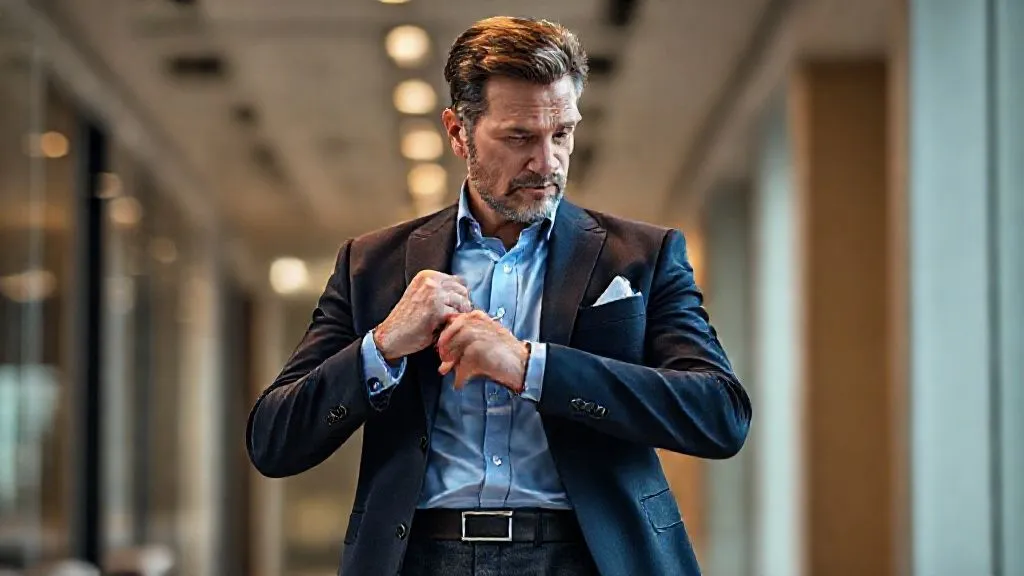
A sophisticated watch is a powerful accessory. Opt for a classic timepiece – a dress watch with a leather strap or a tasteful metal bracelet. It doesn't need to be a luxury brand, but it should be well-made and understated. Avoid overly sporty, bulky, or brightly colored smartwatches in formal business casual settings, unless it's a specific industry norm.
Belts and Ties: Cohesion and Polish
A high-quality leather belt that matches your shoes (or at least coordinates) is essential. Its buckle should be understated and elegant. While ties are often optional in business casual, a tasteful tie can be a powerful tool for a more formal meeting or to differentiate yourself. If you choose to wear one, ensure it complements your shirt and blazer in terms of color and pattern. Silk or knit ties are excellent choices.
Pocket Squares: The Touch of Distinction
A pocket square is an excellent way to add a touch of personality and sophistication without being overly formal. Choose a silk or linen pocket square with a subtle pattern or complementary color to your shirt or blazer. A simple presidential fold or a relaxed puff can elevate your look. This small detail signals an elevated understanding of style and attention to finesse.
"The true mark of executive style lies not in extravagance, but in the meticulous attention to detail and the thoughtful selection of accessories that complete the narrative of your professionalism."
According to a Harvard Business Review article on "Dress for Success," "clothing can boost confidence, which in turn improves performance." This highlights the psychological impact of well-chosen accessories and attire.
Case Study: Mastering the 'Business Casual' Transition
Case Study: Mark's Journey to Executive Presence
Mark, a rising star in a mid-sized consulting firm, was consistently praised for his analytical skills but often overlooked for client-facing leadership roles. His "business casual" typically consisted of ill-fitting chinos, generic plaid shirts, and sneakers. He realized his informal attire, while comfortable, wasn't aligning with the firm's senior partners, who always presented a polished, understated image.
Following a mentor's advice, Mark embarked on a wardrobe overhaul. He invested in two tailored wool blazers (navy and charcoal), several crisp button-down shirts in solid white and light blue, and three pairs of well-fitting tailored trousers. He also acquired two pairs of high-quality leather loafers and a classic dress watch. Crucially, he found a skilled tailor to ensure every piece fit perfectly.
The transformation was subtle yet profound. Within months, Mark noticed a shift in how senior partners engaged with him. He was invited to more strategic meetings, entrusted with leading client presentations, and his input seemed to carry more weight. His new attire, combined with his existing competence, projected an undeniable executive presence. He wasn't just dressing the part; he was embodying it. This resulted in a promotion to Senior Consultant within the year, attributing much of his newfound confidence and perception to his refined style.
Common Pitfalls to Avoid in Executive Business Casual
While aiming for an elevated look, it's equally important to be aware of the common missteps that can undermine your efforts to present an executive image.
- Poor Fit: As emphasized, this is the cardinal sin. Baggy trousers, shirts that billow, or jackets that are too tight or too loose instantly diminish your professionalism.
- Wrinkled or Stained Clothes: Even the finest garments lose their appeal if they are not immaculately maintained. Always ensure your clothes are clean, pressed, and free of imperfections.
- Overly Casual Footwear: Unless you work in a highly specific, extremely casual industry, athletic sneakers, flip-flops, or overly distressed boots are generally inappropriate for senior leadership interactions.
- Loud Patterns or Bright Colors: While personal style is important, executive business casual often leans towards subtlety. Avoid overly bold patterns, neon colors, or graphic prints that can be distracting or appear unprofessional.
- Heavy Logos or Branding: Excessive visible branding on clothing or accessories can detract from a sophisticated image. Understated quality is preferred over ostentatious displays.
- Ignoring Context: Dressing the same way for every "business casual" event can be a mistake. A networking happy hour might allow for more relaxed choices than a quarterly board meeting. Always consider the specific event and audience.
To further clarify, here's a quick reference for common "Do's and Don'ts":
| Category | Do | Don't |
|---|---|---|
| Footwear | Polished leather loafers, Oxfords, Derbies, Chelsea boots | Athletic sneakers, flip-flops, worn-out shoes |
| Trousers | Tailored wool, cotton twill, dark, well-fitting jeans (if appropriate) | Cargo pants, distressed denim, overly baggy styles |
| Shirts | Crisp button-down shirts (Oxford, poplin), fine knit polos | Graphic tees, Hawaiian shirts, overly casual t-shirts |
| Outerwear | Tailored blazers, sport coats, smart trench coats | Hoodies, denim jackets (unless very specific creative industry), overly casual bombers |
| Accessories | Subtle watch, quality leather belt, tasteful pocket square | Bulky smartwatches, novelty ties, excessive jewelry |
The Art of Seasonal and Regional Adaptations
Executive business casual isn't a static concept; it adapts to climate and regional norms. What's appropriate in a humid summer in Miami will differ significantly from a crisp autumn in New York.
Warm Weather Considerations
When temperatures rise, maintaining polish without sacrificing comfort requires strategic fabric choices. Opt for lightweight wools (like fresco or tropical wool), linen blends, or seersucker for blazers and trousers. Shirts in breathable cottons or linen are ideal. While you might shed the blazer, ensure your shirt is still crisp and your trousers are impeccably tailored. Light-colored trousers (e.g., stone, light grey) can be more appropriate, paired with loafers or driving shoes without socks (if the environment permits and your shoes are designed for it).
Cold Weather Layering
In colder climates, layering becomes key. Start with a fine-gauge merino wool or cashmere sweater over a button-down shirt. A wool blazer or tweed sport coat adds warmth and sophistication. Consider incorporating heavier wool trousers (flannel) and stylish outerwear like a classic trench coat or a sophisticated wool topcoat. Boots (Chelsea, chukka, or dress boots) are practical and stylish footwear choices that convey a robust, professional image.
Always remember that each layer should be able to stand on its own in terms of fit and quality, ensuring you look polished even if you remove your outer layers indoors.
Frequently Asked Questions (FAQ)
Q: Is it ever acceptable to wear jeans in an executive business casual setting? A: It depends heavily on your company culture and industry. In more traditional fields like finance or law, jeans are almost always a no-go for senior leadership interactions. In tech or creative industries, dark-wash, well-fitting, non-distressed jeans can be acceptable, especially on "casual Fridays" or for internal meetings. Always observe what senior leaders wear. If in doubt, opt for tailored trousers.
Q: How do I know if my "business casual" is too casual? A: A good rule of thumb is to ask yourself if you would feel comfortable meeting an important client or your CEO in your current outfit. If you feel underdressed or that your attire might distract from your message, it's likely too casual. Look for cues like visible logos, athletic wear, worn-out items, or anything that lacks structure and polish. When in doubt, it's always better to be slightly overdressed than underdressed for executive interactions.
Q: Should I always wear a blazer, even if others don't? A: While not strictly mandatory for all business casual, a blazer or sport coat is arguably the single most impactful item for elevating your look to an executive level. It provides structure, signals authority, and instantly makes you appear more put-together. Even if your colleagues forgo it, wearing one demonstrates an understanding of executive presentation and a readiness for higher-level interactions. It's a strategic choice to project gravitas.
Q: What role do colors play in executive business casual? A: Colors play a significant role in conveying professionalism and authority. For executive business casual, stick to a foundation of classic, subdued colors: navy, charcoal grey, black, white, and various shades of blue. These colors are universally recognized as professional and versatile. You can introduce subtle pops of color through accessories like a pocket square or a patterned shirt, but avoid overly bright or distracting hues for primary garments. Understated elegance is key.
Q: Are luxury brands necessary to achieve an executive business casual look? A: Absolutely not. While luxury brands often use high-quality materials, the essence of executive business casual lies in quality fabrics, impeccable fit, and thoughtful coordination, not brand names. You can achieve a sophisticated and polished look with mid-range brands, especially if you prioritize tailoring. Focus your investment on foundational pieces like blazers, quality shoes, and tailored trousers, and ensure everything is well-maintained and fits perfectly. The perception comes from the overall presentation, not the label.
Q: How do I balance personal style with corporate expectations? A: This is where true sartorial skill comes in. The goal isn't to erase your personality but to express it within the professional framework. You can infuse personal style through subtle details: a unique watch, a distinctive pattern on a pocket square, the texture of a knit tie, or a specific cut of trouser. The key is to ensure these elements enhance, rather than detract from, your professional image. Think of it as refining your personal brand to align with executive expectations, rather than suppressing it. Seek out pieces that resonate with you but also meet the high standards of quality and fit required for senior interactions.
For further insights into corporate dressing, I often recommend resources like Forbes' articles on professional attire or GQ's style guides for their blend of contemporary trends and timeless advice.
Key Takeaways and Final Thoughts
Mastering "business casual" for senior leadership is less about rigid rules and more about understanding the unspoken expectations, the subtle cues, and the strategic impact of your presentation. It’s about projecting confidence, competence, and respect through thoughtful, polished attire.
- Observe and Adapt: Your primary guide is the style of senior leaders within your specific organization.
- Prioritize Quality and Fit: Invest in natural, high-quality fabrics and ensure every garment is impeccably tailored.
- Embrace the Blazer: A well-fitting blazer is your most powerful tool for elevating any business casual outfit.
- Details Matter: Polished shoes, a tasteful watch, and subtle accessories complete the executive look.
- Avoid Common Pitfalls: Steer clear of overly casual items, poor maintenance, and distracting elements.
- Be Intentional: Every choice, from fabric to footwear, should be a conscious decision to enhance your executive presence.
Remember, your journey to senior leadership is multifaceted, and your wardrobe is a vital, visible component of that journey. By thoughtfully interpreting and executing executive business casual, you're not just dressing for the job you have; you're dressing for the job you aspire to. Cultivate a style that speaks volumes about your capability and ambition, and watch as doors open to new opportunities. Your sartorial intelligence is a powerful asset – wield it wisely.
Recommended Reading
- Beyond the Hype: How to Retain Customers After Failed Streetwear Drops
- 7 Proven Strategies: Bio-Based Fashion Textiles & Performance Standards
- 7 Steps: Select Truly Eco-Friendly Dyes for Production (No Greenwashing!)
- 7 Strategies to Scale Circular Textile Production Without Prohibitive Costs
- 7 Steps to Ensure Structural Integrity for Large-Scale Wearable Art Jewelry



Your email address will not be published. Required fields are marked *