

How to Ethically Source Traceable Gold for Small Jewelry Brands?
For over two decades in the jewelry design industry, I've witnessed a profound transformation in consumer values. What was once a niche concern, the ethical provenance of materials, has now become a central pillar for discerning buyers. Many small jewelry brands, passionate about their craft and their impact, often find themselves at a crossroads: how do you reconcile the beauty of gold with the sometimes-ugly realities of its extraction?
The challenge for small brands is particularly acute. Without the purchasing power or dedicated teams of larger corporations, navigating the complex supply chains of precious metals can feel like an insurmountable task. You want to do right by the planet and its people, but where do you even begin to find gold that is not only beautiful but also ethically sourced and genuinely traceable?
This comprehensive guide is designed to empower you with the knowledge, frameworks, and actionable strategies I've gathered through years of experience. We'll demystify the process, from understanding certifications to leveraging technology, ensuring your brand can proudly stand behind every gram of gold you use, building trust and a truly sustainable future.
Understanding the Landscape: Why Ethical Gold Matters More Than Ever
The allure of gold is undeniable, but its journey from earth to adornment can be fraught with environmental degradation, human rights abuses, and conflict financing. Artisanal and Small-Scale Mining (ASM) accounts for a significant portion of global gold production, often operating in informal sectors with limited oversight. This leads to issues like child labor, mercury pollution, unsafe working conditions, and funding of armed groups.
Today's conscious consumer isn't just buying a piece of jewelry; they're investing in a story, a set of values. A recent Deloitte study highlighted a significant increase in consumers willing to pay more for sustainable products. For small jewelry brands, embracing ethical sourcing isn't just about compliance; it's a powerful differentiator and a moral imperative. It's about ensuring your craft contributes to a positive legacy, not a problematic one.
"In my experience, transparency isn't just a buzzword; it's the bedrock of modern consumer trust, especially in luxury goods. Small brands have an opportunity to build deep, authentic connections by revealing the true story behind their materials."
Defining 'Ethical' and 'Traceable': What to Look For
Before diving into sourcing, it's crucial to understand what 'ethical' and 'traceable' truly mean in the context of gold. These terms are often used loosely, but for a small brand aiming for genuine impact, precision is key.
- Ethical Gold: This refers to gold extracted and processed under conditions that respect human rights, protect the environment, and contribute positively to local communities. It means no child labor, fair wages, safe working conditions, minimal environmental impact (e.g., no mercury or cyanide pollution, land rehabilitation), and no financing of conflict.
- Traceable Gold: This means that the gold's journey from mine to market can be independently verified at every step. You should be able to identify its origin, the mine it came from, and the various hands it passed through. This transparency is crucial for ensuring ethical claims are legitimate.
A truly ethical and traceable gold supply chain requires due diligence, robust documentation, and often, independent third-party verification. It’s about moving beyond vague claims to verifiable facts.
Navigating Certifications: Fairmined, Fairtrade, and RJC
For small jewelry brands, navigating the myriad of certifications can be daunting. However, these certifications are your strongest allies in ensuring ethical and traceable gold. They provide a framework of standards and third-party auditing that builds trust and simplifies your due diligence.
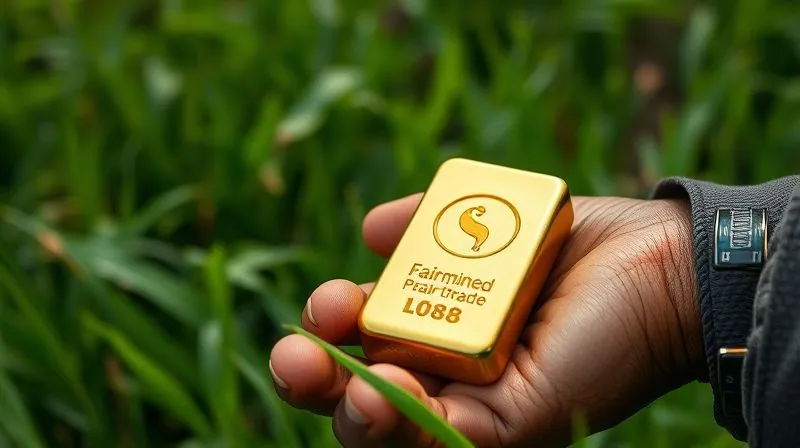
- Fairmined Gold: This is an assurance label for gold from empowered, responsible artisanal and small-scale mining organizations. It ensures social development, environmental protection, fair wages, safe working conditions, and formalization of mining operations. Fairmined gold is fully traceable from certified mines to your workshop. Learn more at Fairmined.org.
- Fairtrade Gold: Similar to Fairmined, Fairtrade Gold focuses on empowering artisanal miners, ensuring fair prices, safe working conditions, environmental protection, and community development premiums. It's another excellent choice for verifiable ethical sourcing. Visit Fairtrade.org.uk for details.
- Responsible Jewellery Council (RJC) Certification: While not a direct gold certification, RJC provides a set of standards for the entire jewelry supply chain, from mine to retail. Members are audited against the RJC Code of Practices, which covers business ethics, human rights, social performance, and environmental performance. Sourcing from RJC-certified suppliers adds a layer of assurance. Explore their work at ResponsibleJewellery.com.
Choosing a certified source provides a clear path to ethical and traceable gold, significantly reducing the burden of individual verification for small brands.
Here's a quick comparison of key certification aspects:
| Certification | Focus | Traceability | Key Benefit for Small Brands |
|---|---|---|---|
| Fairmined | Artisanal & Small-Scale Mining (ASM) empowerment, social development, environmental protection | Full mine-to-market traceability | Direct impact, strong narrative, verifiable ethics |
| Fairtrade Gold | ASM empowerment, fair price, community premium, environmental standards | Full mine-to-market traceability | Similar to Fairmined, strong consumer recognition |
| RJC Certification | Entire supply chain (mine to retail), holistic standards (ethics, human rights, environment) | Applies to member companies, not individual gold batches | Sourcing from RJC-certified suppliers adds robust supply chain assurance |
Direct Sourcing & Building Relationships: The Power of Proximity
While certifications are invaluable, some small brands may explore more direct relationships, especially if they are working with specific artisan communities or unique mining initiatives. This path requires significant investment in time and resources but can offer unparalleled transparency and a compelling brand story.
Steps for Direct Relationship Building:
- Identify Reputable Initiatives: Look for non-profit organizations or social enterprises that facilitate direct trade with ASM communities. These organizations often have established relationships and can help bridge the gap.
- On-the-Ground Verification (if feasible): If your brand has the capacity, visiting the mining sites (or working with trusted partners who do) offers the highest level of assurance. This allows you to witness practices firsthand and build genuine trust.
- Establish Clear Contracts: Ensure agreements with mining cooperatives or communities clearly outline ethical standards, fair pricing, environmental protocols, and traceability requirements.
- Continuous Engagement: Ethical sourcing is not a one-off transaction. Foster long-term relationships, provide feedback, and support continuous improvement in mining practices.
As Seth Godin often says about building brands, it's about making a promise and keeping it. Direct relationships allow you to deeply understand and articulate that promise.
Leveraging Technology: Blockchain and Digital Traceability Tools
In the quest for ultimate traceability, technology is emerging as a game-changer. Blockchain, in particular, offers an immutable, transparent ledger for tracking gold from its origin to its final form. Each transaction and transfer of ownership is recorded, creating an unalterable chain of custody.
How Technology Aids Traceability:
- Digital Fingerprinting: Some technologies use physical markers or forensic analysis to link gold back to its mine of origin, which is then recorded on a blockchain.
- Supply Chain Platforms: Companies like Provenance and Everledger offer platforms that allow brands to input and verify data about their materials, making it accessible to consumers via QR codes.
- Enhanced Due Diligence: These tools streamline the collection and verification of documents, certifications, and audit reports, making it easier for small brands to manage complex supply chains.
While implementing these technologies directly might be beyond the scope of a very small brand, demanding that your suppliers utilize such systems is a powerful way to push for greater transparency across the industry. Ask your refiners and metal dealers what digital traceability solutions they employ.

Due Diligence & Supplier Vetting: Beyond the Certificate
Even with certifications, thorough due diligence is paramount. Certifications provide a baseline, but your brand's reputation rests on your own vetting process. This is where your critical thinking and commitment truly shine.
Actionable Due Diligence Steps:
- Request Full Documentation: Always ask for certificates of origin, chain of custody documents, and any relevant audit reports from your potential suppliers.
- Understand the Supply Chain: Ask detailed questions about their refiners, sub-suppliers, and how they ensure their own compliance. Don't be afraid to dig deep.
- Check for Red Flags: Be wary of suppliers who are evasive, offer unusually low prices (which can indicate cutting corners), or cannot provide clear documentation.
- Cross-Reference Information: Verify supplier claims with external sources where possible. Look up their certifications on the respective organization's website.
- Regular Review: Due diligence is not a one-time event. Re-evaluate your suppliers periodically, especially if there are changes in regulations or geopolitical situations.
The OECD Due Diligence Guidance for Responsible Business Conduct provides an excellent framework for understanding the scope of due diligence expected in supply chains. Tailor these principles to your brand's scale.
The Role of Recycled Gold: A Viable Ethical Alternative?
Recycled gold often presents itself as the most straightforward ethical option, bypassing the mining process altogether. It's gold that has been refined from existing jewelry, industrial scrap, or electronic waste.
Benefits of Recycled Gold:
- Reduced Environmental Impact: Significantly less energy and water consumption compared to new mining.
- No Direct Mining Issues: Avoids the human rights and environmental concerns associated with primary extraction.
- Readily Available: Many reputable refiners offer certified recycled gold.
However, it's not entirely without nuance. The 'traceability' of recycled gold lies in the integrity of the refiner. You need to ensure the refiner has robust processes to verify that the recycled gold isn't being used as a laundered channel for conflict or illicitly mined gold. Look for refiners who are RJC-certified or have strong internal auditing and segregation processes for their recycled materials. A report by Statista on Gold Recycling highlights its growing importance, but also the need for continued vigilance in the supply chain.
Communicating Your Ethical Stance: Transparency as a Brand Asset
Once you've done the hard work of sourcing ethical and traceable gold, don't keep it a secret! Your commitment is a powerful brand asset that resonates deeply with conscious consumers.
Case Study: How 'Lumina Jewels' Built Trust with Transparency
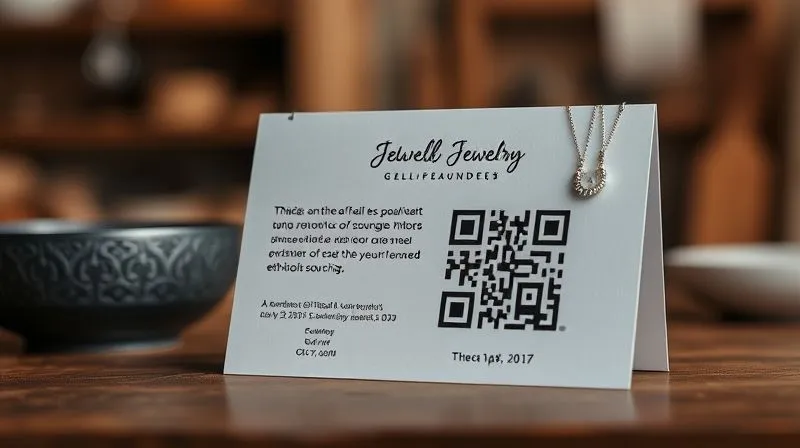
Lumina Jewels, a small, independent brand specializing in minimalist designs, initially struggled to differentiate itself in a crowded market. Their founder, Anya, was deeply committed to ethical sourcing but felt overwhelmed by how to communicate it effectively. By implementing a multi-pronged transparency strategy, they transformed their brand narrative. Anya started by clearly outlining their sourcing policy on a dedicated 'Our Ethics' page, detailing their preference for Fairmined gold and RJC-certified recycled gold. They then integrated a small QR code on their product tags, which linked to a digital story of the gold's journey, including a video interview with a Fairmined miner. This resulted in a 25% increase in online engagement with their ethical pages and a 15% uplift in conversion rates for products featuring traceable gold, proving that transparency directly translates to tangible business growth and stronger customer loyalty.
Be genuine, be clear, and be proud of your efforts. Use your website, social media, and product packaging to tell the story of your gold's ethical journey. This builds trust and positions your brand as a leader in responsible luxury.
Overcoming Challenges: Practical Solutions for Small Brands
I know these steps can seem daunting for a small operation, but remember, every large brand started small. Here are some practical ways to overcome common hurdles:
- Cost: Ethical and traceable gold often comes at a premium. Factor this into your pricing. Consumers willing to pay for ethics will understand. Start with a small percentage of your collection using ethical gold and expand as your brand grows.
- Minimum Orders: Some certified suppliers have minimum order quantities. Form a small collective with other independent jewelers to meet these minimums, sharing resources and knowledge.
- Finding Suppliers: Utilize industry networks, trade shows focused on sustainability, and online directories of certified suppliers. Don't be afraid to reach out to certification bodies directly for supplier lists.
- Time & Research: Dedicate specific time blocks each week to research and supplier communication. Consider it an investment in your brand's future and integrity.
Frequently Asked Questions (FAQ)
Is recycled gold truly ethical and traceable? Yes, recycled gold can be highly ethical, provided it's sourced from reputable refiners who have robust systems to prevent laundering of illicitly mined gold. Traceability here refers to the refiner's chain of custody for their scrap, ensuring it's not mixed with conflict gold. Always ask for documentation and look for certifications like RJC for the refiner.
How much more expensive is ethically sourced gold? Ethically sourced gold, particularly certified Fairmined or Fairtrade gold, typically carries a premium of 5-15% over conventional gold. This premium directly supports miners, community development, and environmental protection. Consider it an investment in your brand's values and a powerful marketing tool.
Can a very small brand afford to implement these practices? Absolutely. Start small. Perhaps commit to one collection or even one signature piece using certified gold. Focus on recycled gold initially as it's often more accessible. The key is to start somewhere and build your ethical supply chain incrementally. Transparency about your journey is also valuable.
What are the biggest risks in ethical gold sourcing? The biggest risks include greenwashing (suppliers making unsubstantiated claims), lack of genuine traceability, and accidentally supporting illicit mining through opaque supply chains. Mitigate these by prioritizing certifications, thorough due diligence, and building long-term relationships with trusted suppliers.
How do I verify a supplier's claims? Always request documentation: certificates of origin, chain of custody, and audit reports. Cross-reference certifications with the issuing body's official website. Don't hesitate to ask detailed questions about their processes, their refiners, and their commitment to ethical practices. A transparent supplier will welcome your scrutiny.
Key Takeaways and Final Thoughts
The journey to ethically source traceable gold for your small jewelry brand is a commitment, but it's one that will profoundly shape your brand's identity, resonate with your customers, and contribute to a more just and sustainable world. It's about building a business that you can be truly proud of, from the earth to the wearer.
- Prioritize Certifications: Fairmined, Fairtrade, and RJC offer robust frameworks for ethical and traceable gold.
- Embrace Due Diligence: Always verify supplier claims with documentation and critical questioning.
- Consider Recycled Gold: A powerful alternative, but ensure your refiner is reputable and transparent.
- Leverage Technology: Advocate for and utilize digital traceability tools where possible.
- Communicate with Integrity: Share your ethical journey transparently to build trust and connection with your customers.
Remember, every step towards greater transparency and responsibility makes a difference. Your small brand has the power to inspire change, one beautifully crafted, ethically sourced piece of jewelry at a time. The future of jewelry is not just about aesthetics; it's about integrity, and I have every confidence that you can lead the way.
Recommended Reading
- 7 Ways to Differentiate Men's Sustainable Denim & Dominate the Market
- Washable Power in Smart Apparel: 7 Best Practices for Seamless Integration
- 7 Critical Checks: Greenwashing-Proof Your Organic Cotton Supply Chain Now
- Stunning Nail Art Ideas for Short Nails at Home: Your Ultimate Guide!
- Ultimate Guide: Best Casual Shoes for Wide Feet Men





Your email address will not be published. Required fields are marked *