

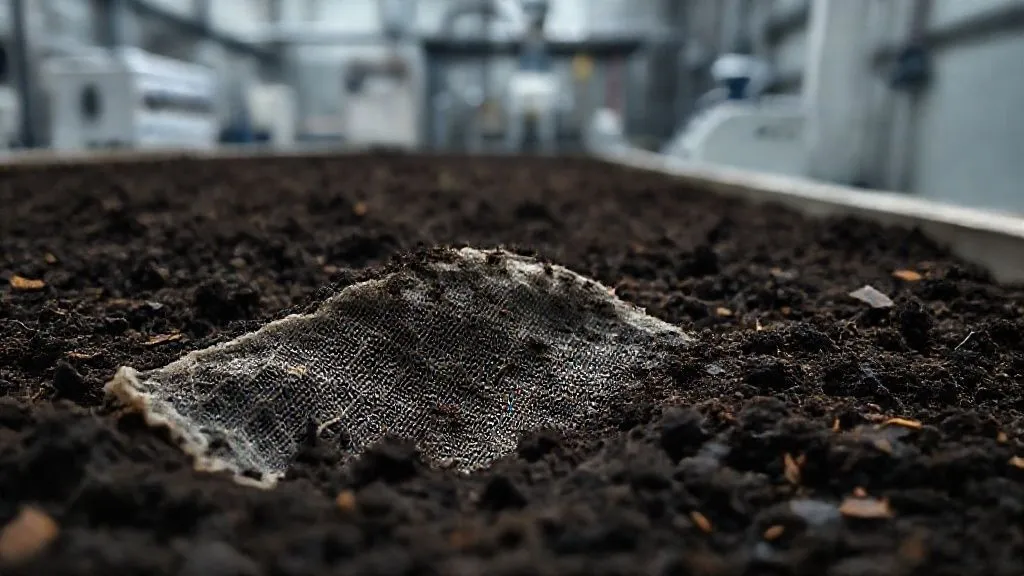
How to ensure true industrial compostability of new bio-textiles?
For over 20 years in textile innovation, I've witnessed firsthand the dizzying pace of change and, frankly, the confusion it often breeds. Many companies, with the best intentions, launch what they believe are 'sustainable' bio-textiles, only to face scrutiny when their claims of biodegradability don't stand up to rigorous real-world conditions.
The problem is a critical one: the market is flooded with 'bio-based' materials that are not truly industrially compostable. This disconnect leads to a crisis of trust, accusations of greenwashing, and ultimately, textiles that still contribute to landfill waste, despite their 'eco-friendly' label.
This article isn't just about definitions; it's a comprehensive framework. I'll guide you through actionable steps, critical certifications, and design principles to ensure your new bio-textiles genuinely achieve industrial compostability, safeguarding your brand's integrity and contributing to a truly circular textile economy.
Deconstructing "Bio-Based" vs. "Compostable": The Crucial Distinction
Let's clear up a fundamental misconception I encounter constantly: "bio-based" does not automatically mean "compostable." A material is bio-based if it originates from renewable biological resources, like plants. This is a great start for reducing reliance on fossil fuels.
However, industrial compostability is an entirely different beast. It refers to a material's ability to biodegrade under specific, controlled conditions in an industrial composting facility, turning into humus, CO2, and water within a defined timeframe without leaving harmful residues.
I've seen countless product development teams mistakenly assume that because a fiber is derived from corn or sugarcane, it will simply disappear in a compost pile. This oversight can lead to significant reputational damage and wasted investment, as the material might persist for decades or release microplastics.
Expert Insight: True industrial compostability is not a inherent property of all bio-based materials; it's a specific performance characteristic achieved through precise material design and verified by stringent testing under controlled industrial conditions.
Navigating the Labyrinth of Industrial Compostability Standards
Achieving true industrial compostability isn't a DIY project; it requires adherence to internationally recognized standards. These standards provide the scientific benchmarks and testing protocols that differentiate genuine compostable textiles from mere marketing claims.
The primary global standards you need to be intimately familiar with include EN 13432 (Europe), ASTM D6400 (North America), and ISO 17088 (International). Each specifies requirements for disintegration, biodegradation, chemical composition, and eco-toxicity in an industrial composting environment.
Choosing the right certification body and understanding their specific requirements is paramount. I always advise my clients to engage with these bodies early in the development process, as their insights can save immense time and resources down the line.
| Standard | Key Requirements | Focus |
|---|---|---|
| EN 13432 (Europe) | 90% biodegradation within 6 months, 90% disintegration within 12 weeks, low heavy metals, no eco-toxicity. | Packaging, but widely applied to textiles. |
| ASTM D6400 (North America) | 60% biodegradation within 180 days, 90% disintegration within 84 days, no eco-toxicity. | Plastics designed to be composted. |
| ISO 17088 (International) | Similar to EN 13432, 90% biodegradation, 90% disintegration, specific heavy metal limits, no eco-toxicity. | Compostable plastics, global applicability. |
The Science Behind Degradation: Key Factors for Bio-Textiles
Understanding the "how" of degradation is critical for designing truly compostable bio-textiles. It's a complex interplay of material science, environmental conditions, and microbial activity. The polymer structure of your bio-textile is the absolute starting point.
Materials like PLA (Polylactic Acid) or PHA (Polyhydroxyalkanoates) are often used, but their specific molecular weight, crystallinity, and additives significantly influence their degradation rate. A higher degree of crystallinity, for example, can make a material more resistant to microbial attack.
The composting environment itself – temperature, moisture, and the presence of diverse microbial communities – dictates the speed and completeness of decomposition. Industrial facilities maintain optimal conditions that are simply not replicable in a backyard compost pile, which is why the distinction is so vital.

Rigorous Testing Protocols: From Lab to Pilot Plant
Once you've designed your bio-textile with compostability in mind, the next crucial step is rigorous testing. This isn't a one-and-done process; it's iterative and demanding, ensuring your material meets every facet of the chosen industrial compostability standard.
- Disintegration Testing: This assesses how quickly your textile breaks down into small fragments during composting. Samples are exposed to industrial composting conditions, and after a set period (e.g., 12 weeks), they should be largely invisible or pass through a specific sieve size.
- Biodegradation Testing: This is the core of compostability. It measures the conversion of the textile's organic carbon into CO2 under controlled conditions, often in a respirometry test. You need to achieve a specific percentage of biodegradation (e.g., 90%) within a defined timeframe (e.g., 6 months).
- Chemical Characterization: Analysis ensures that the textile doesn't contain heavy metals or other hazardous substances above acceptable limits, which could harm the resulting compost.
- Eco-toxicity Testing: The final compost derived from your textile is used to grow plants (e.g., cress, barley). This test verifies that the compost is not toxic to plant life, ensuring it's safe for agricultural use.
Design for Deconstruction: Engineering Compostability from the Start
In my experience, the biggest mistake is treating compostability as an afterthought. It must be an integral part of your design process, a principle I call "Design for Deconstruction." Every component, from fiber to finish, must be considered.
This means carefully selecting not just the primary fiber, but also sewing threads, labels, interlinings, and even embellishments. If one component isn't compostable, the entire textile product fails the industrial compostability criteria.
Furthermore, dyes and finishes present a significant challenge. Many conventional dyes contain heavy metals or persistent organic compounds that are incompatible with composting. You must source compostable-compatible dyes and finishes, often requiring extensive R&D and supplier collaboration.
Expert Insight: A truly compostable textile is a symphony of compatible components. Any non-compostable element, no matter how small, acts as a discordant note, rendering the entire composition uncompostable.

Case Study: How ReForm Fabrics Achieved Certified Compostability
ReForm Fabrics, a fictional mid-sized textile manufacturer, initially launched a "bio-based" activewear line that they claimed was eco-friendly. However, internal testing revealed their polyester-based sewing threads and certain print dyes were not degrading in industrial compost conditions, leading to persistent microplastic residues.
By implementing a "Design for Deconstruction" framework, ReForm Fabrics undertook a complete overhaul. They partnered with a specialized supplier for PHA-based sewing threads and invested in certified compostable pigment dyes. They also streamlined their fabric composition to a single-material PLA structure where possible, reducing complexity.
After 18 months of intensive R&D and iterative testing with a certified lab, their new activewear line achieved EN 13432 certification. This resulted in a 15% increase in market share among eco-conscious consumers and a significant boost in brand reputation, proving that genuine commitment to compostability pays off.
Supply Chain Transparency and Verification: Building Trust
The journey to industrial compostability extends far beyond your own factory doors. It demands complete transparency and rigorous verification throughout your supply chain. You need to know precisely what goes into every component of your textile, from the raw material source to the final finish.
This means establishing strong partnerships with your suppliers, ensuring they understand and adhere to your compostability requirements. Requesting detailed material data sheets, third-party certifications for their own ingredients, and regular audits of their processes are non-negotiable.
I often advise clients to implement a "chain of custody" system. This provides documented evidence that all materials used in the final product meet the specified compostability criteria. Without this level of oversight, even a single non-compliant component can undermine your entire product's claim.
Engaging independent third-party certification bodies for ongoing verification of your supply chain is also a smart move. This external validation adds another layer of trust and authority to your compostability claims, reassuring both consumers and regulators.
Addressing the End-of-Life Infrastructure Challenge
Even with a perfectly designed and certified industrially compostable bio-textile, its journey isn't complete without the right end-of-life infrastructure. The reality is that industrial composting facilities are not universally available, and consumer awareness about proper disposal is often low.
As an industry, we must play a role in advocating for and supporting the expansion of these facilities. For your brand, this means clear labeling and consumer education are paramount. Consumers need to understand that "industrial compostable" means it requires specific conditions, not just tossing it in the garden.
Collaborate with waste management companies, local municipalities, and industry associations to bridge this gap. Explore pilot programs for textile collection and composting in key markets. Without a viable pathway for end-of-life, even the most compostable textile risks ending up in a landfill, defeating its purpose.
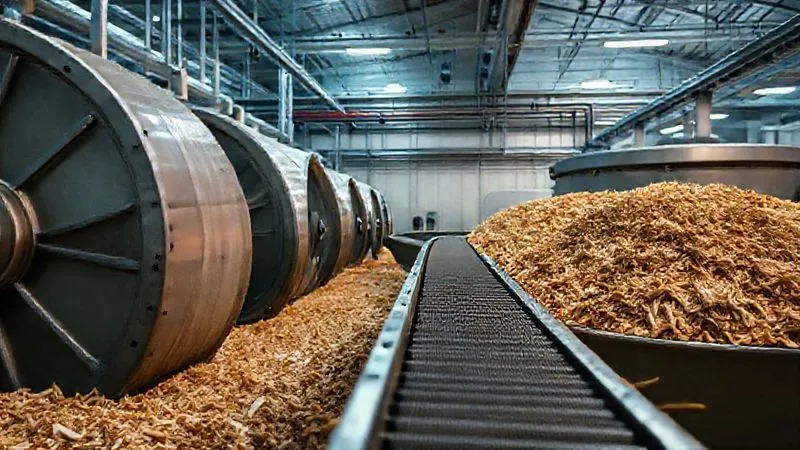
Future-Proofing Your Bio-Textile Strategy: Innovation and Collaboration
The field of bio-textiles and compostability is constantly evolving. What's cutting-edge today might be standard practice tomorrow. To truly future-proof your strategy, you must embrace continuous innovation and proactive collaboration.
Stay abreast of emerging biopolymer technologies, novel enzymatic degradation processes, and advancements in natural fiber treatments. Invest in R&D or partner with academic institutions and specialized startups. The next breakthrough in compostable textile technology could be just around the corner.
Furthermore, engage actively with industry consortiums and policy-making bodies. Your voice and experience are crucial in shaping future regulations and infrastructure development. Collective action is essential to create a supportive ecosystem for truly circular textiles.
I've seen many companies gain a significant competitive advantage by being early adopters and thought leaders in this space. It’s not just about compliance; it’s about pioneering a more sustainable future for fashion.

Frequently Asked Questions (FAQ)
What's the biggest mistake companies make when aiming for compostable bio-textiles? The most common and critical mistake is confusing "bio-based" with "industrially compostable." Many assume that if a material comes from a plant, it will naturally compost. This often leads to products that fail certification or, worse, contribute to microplastic pollution because they don't break down under industrial conditions. It's vital to focus on the end-of-life performance rather than just the origin.
Can home compostable textiles also be industrially compostable? Not necessarily. Home composting conditions are highly variable and generally less aggressive (lower temperatures, less controlled moisture, diverse microbial activity) than industrial composting. While some materials might meet both, a material certified for industrial composting typically requires those more intense conditions. Always adhere to the specific certification for the intended disposal pathway.
How do dyes and finishes affect a bio-textile's compostability? Dyes and finishes can significantly impact compostability. Many conventional chemicals contain heavy metals, persistent organic pollutants, or non-biodegradable binders that can prevent full degradation or render the resulting compost toxic. It's crucial to select dyes and finishes that are themselves certified compostable or proven to be non-toxic and non-persistent in a composting environment. This often requires deep collaboration with specialized chemical suppliers.
What if there aren't industrial composting facilities available in my target market? This is a significant challenge. If the necessary infrastructure isn't in place, even a perfectly compostable textile risks ending up in a landfill or being incinerated, negating its environmental benefit. In such cases, I advise focusing on other circular strategies like repairability, recyclability (if infrastructure exists), or exploring take-back programs until composting infrastructure improves. Clear consumer communication about disposal limitations is also essential to manage expectations.
Is it more expensive to develop truly compostable textiles compared to conventional ones? Initially, yes, the R&D, specialized materials, rigorous testing, and certification processes can incur higher upfront costs. However, these investments often lead to long-term gains. Brands can command a premium for truly sustainable products, enhance their reputation, attract eco-conscious consumers, and potentially benefit from future regulatory incentives. The cost of inaction – greenwashing accusations and environmental damage – can be far greater.
Key Takeaways and Final Thoughts
Ensuring true industrial compostability of new bio-textiles is a complex but entirely achievable goal. It requires a holistic, science-backed approach that integrates sustainable thinking at every stage of product development.
- Distinguish Clearly: "Bio-based" is not "industrially compostable." Focus on verifiable end-of-life performance.
- Embrace Standards: Adhere strictly to international certifications like EN 13432, ASTM D6400, and ISO 17088.
- Design Holistically: Engineer every component for deconstruction, from fiber to finish, ensuring full compatibility.
- Test Rigorously: Conduct comprehensive disintegration, biodegradation, chemical, and eco-toxicity testing.
- Ensure Transparency: Demand full traceability and verification throughout your entire supply chain.
The textile industry stands at a pivotal moment. By committing to genuine industrial compostability, you're not just creating a product; you're building trust, fostering innovation, and actively contributing to a more sustainable, circular future for fashion. It's a challenging path, but one that offers immense rewards for your brand and the planet.
Recommended Reading
- How to Evolve Haute Couture: 7 Strategies to Preserve Brand DNA
- Uncover the Truth: Ethical Fashion Influencer Practices Explained for a Better World
- Mastering Costume Longevity: 7 Ways to Beat Stage Lighting Damage
- Innovate Street Style: 8 Proven Strategies to Halt Audience Fatigue
- 5 Keys: How to Choose Menswear That Projects Authority in Meetings




Your email address will not be published. Required fields are marked *