

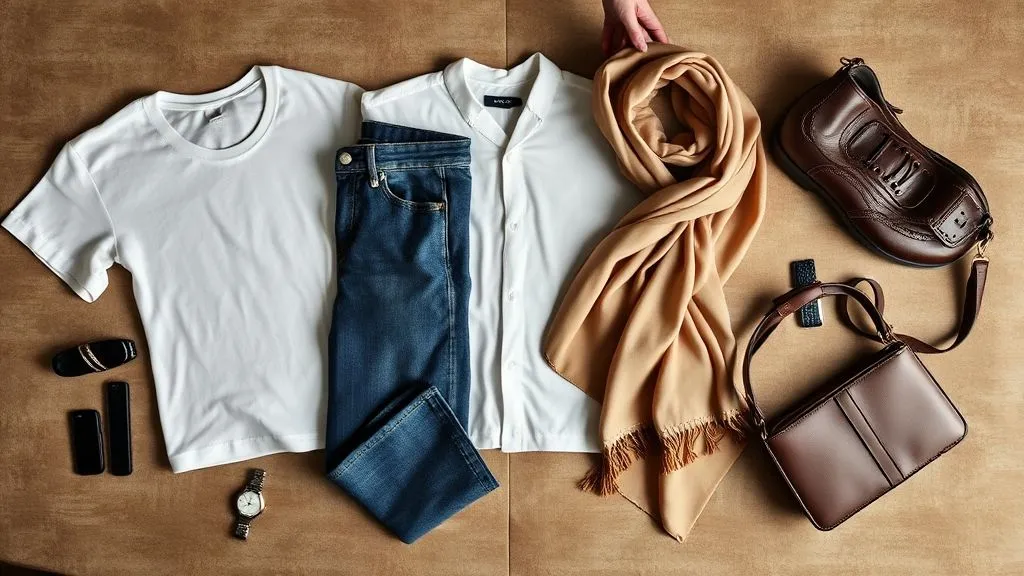
How to Elevate Basic Fashion Style Guides for Expert-Level Authority?
For over 15 years immersed in the dynamic world of fashion blogging and content creation, I've witnessed a recurring pattern: countless talented individuals pouring their passion into style guides, only to see them blend into the vast digital ocean. It's a disheartening experience when your carefully curated advice doesn't resonate or establish the expert position you know you deserve.
The digital landscape is saturated with 'basic' style guides – lists of trends, generic outfit ideas, and surface-level advice that, while well-intentioned, fails to captivate a discerning audience or build lasting credibility. The problem isn't a lack of style; it's often a lack of strategic depth, authoritative voice, and genuine insight that transforms a simple guide into an indispensable resource.
This comprehensive guide isn't just about sharing tips; it's about equipping you with frameworks, actionable strategies, and the mindset to truly elevate basic fashion style guides for expert-level authority. We'll explore how to inject your unique perspective, back your advice with robust research, master visual storytelling, and engage your audience in ways that solidify your status as a go-to expert in the fashion sphere.
Cultivating Your Unique Fashion Voice: Beyond Generic Trends
To truly stand out and establish expert-level authority, you must move beyond merely reporting trends. Your audience craves a distinctive perspective, a unique lens through which to view fashion. This 'Unique Point of View' (UPOV) is the cornerstone of your expert brand, making your style guides unforgettable.
Identifying Your Niche Sweet Spot
Your UPOV starts with a deep understanding of your niche. Are you passionate about sustainable fashion, vintage revival, minimalist wardrobes for busy professionals, or perhaps avant-garde styling for creative spirits? Don't be afraid to get specific; broadness often leads to blandness.
- Self-Reflection: What are your deepest fashion interests, values, and personal style struggles that you've overcome?
- Audience Research: What specific problems or unanswered questions does your target audience have that aren't being adequately addressed?
- Competitor Analysis: Where are the gaps in existing content? What unique angles can you bring to common topics?
Developing a Signature Style Philosophy
Once you've identified your niche, articulate your guiding principles. This isn't just about 'what to wear,' but 'why to wear it.' Your philosophy could be about conscious consumption, empowering personal expression, or the art of timeless elegance. This foundational belief system will infuse every piece of content you create.
"Your unique point of view isn't just a marketing tactic; it's the authentic expression of your expertise, making your fashion advice resonant and truly authoritative."
By clearly defining your UPOV and philosophy, you provide a consistent, recognizable identity that builds trust and draws a loyal following. This is the first crucial step to elevate basic fashion style guides beyond the ordinary.

The Art of Deep-Dive Research: Weaving Rich Narratives
Expert-level authority is built on more than just personal opinion; it's fortified by knowledge and context. To truly elevate basic fashion style guides, you must integrate thorough research, transforming simple advice into rich, insightful narratives that educate and inspire.
Unearthing Historical & Cultural Significance
Every fashion trend, garment, or style choice has a history. Delving into the origins, cultural impact, and evolution of fashion elements adds incredible depth to your guides. For instance, discussing the historical context of a trench coat's utilitarian origins or the cultural symbolism of certain fabrics can transform a simple 'how-to-style' into a captivating story.
According to fashion historians, understanding the past is crucial for predicting and influencing future trends. By providing this context, you demonstrate a breadth of knowledge that goes far beyond superficial styling tips, positioning yourself as a true scholar of fashion.
Integrating Socio-Economic & Sustainability Narratives
Modern fashion consumers are increasingly conscious of the broader impact of their choices. Incorporating insights into ethical sourcing, sustainable practices, labor conditions, or even the psychological effects of clothing choices adds immense value. This shows you understand the industry's complexities, not just its aesthetics.
- Source Credibly: Reference academic papers, reputable industry reports, and interviews with experts.
- Connect the Dots: Explain how macro-trends (e.g., economic shifts, climate change) influence micro-fashion choices.
- Provide Solutions: Offer actionable advice based on these insights, like identifying ethical brands or sustainable care practices.
For example, when discussing denim, don't just talk about cuts and washes. Explore its journey from workwear to high fashion, its environmental footprint, and innovations in sustainable production. This comprehensive approach is how to elevate basic fashion style guides to an authoritative level.
| Research Aspect | Value Added | Example |
|---|---|---|
| Historical Context | Deepens understanding, adds storytelling | Evolution of the little black dress |
| Cultural Significance | Connects fashion to identity, broader society | Impact of streetwear on high fashion |
| Sustainability & Ethics | Informs conscious choices, addresses modern concerns | Life cycle of a cotton t-shirt |
| Socio-Economic Factors | Explains trends, consumer behavior | Fast fashion's rise and fall |
To further bolster your authority, consider citing reports like the McKinsey State of Fashion report, which provides invaluable data on industry trends and consumer sentiment, lending significant weight to your arguments.
Mastering Visual & Multimedia Storytelling for Impact
Fashion is inherently visual, and your style guides must reflect this at an expert level. High-quality, thoughtfully curated visuals and multimedia aren't just decorative; they are integral to communicating complex ideas, illustrating concepts, and establishing your aesthetic authority. Generic stock photos simply won't cut it.
Strategic Photography & Videography
Every image should serve a purpose: to inspire, to instruct, or to exemplify your unique point of view. Invest in professional-grade photography, whether through your own skills or by collaborating with photographers. Focus on composition, lighting, and authenticity. If you're demonstrating a styling technique, a short, well-produced video clip can be far more effective than static images.
- Curated Aesthetics: Ensure all visuals align with your brand's specific aesthetic and message.
- Instructional Clarity: Use visuals to break down complex styling steps into easy-to-understand sequences.
- Authenticity: Showcase real people, diverse body types, and practical scenarios to build relatability and trust.
Infographics & Visual Data in Fashion
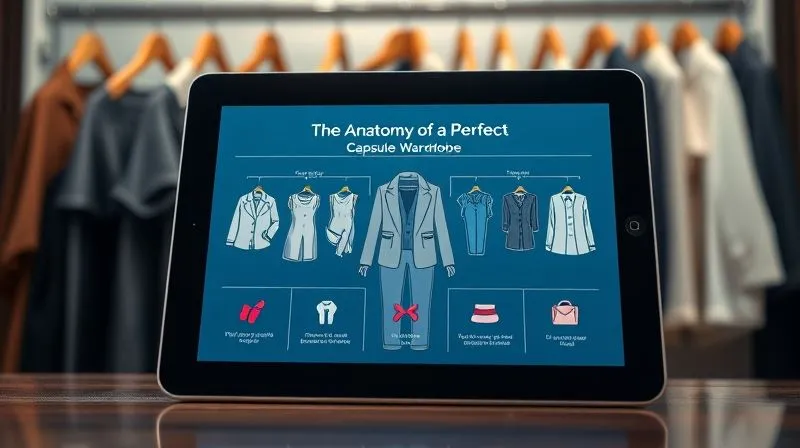
Beyond beautiful imagery, consider how visual data can enhance your guides. Infographics can distill complex information – like the anatomy of a garment, a capsule wardrobe breakdown, or the environmental impact of different fabrics – into digestible, shareable formats. This not only makes your content more engaging but also demonstrates your analytical prowess.
"In fashion, a picture is worth a thousand words, but a well-designed infographic can be worth a thousand data points, solidifying your expertise."
Using before-and-after shots, mood boards, or even interactive lookbooks can transform a static guide into an immersive experience. Remember, the goal is to make your content not just seen, but felt and understood on a deeper level.
Crafting Authoritative Prose: The Language of Expertise
While visuals are paramount, the written word remains the backbone of any authoritative style guide. Your language, tone, and ability to articulate complex fashion concepts clearly and persuasively are what truly differentiate expert content from basic advice. It's not just what you say, but how you say it.
Mastering Persuasive & Educational Copy
Your writing should be clear, confident, and compelling. Avoid jargon where simpler terms suffice, but don't shy away from using precise industry terminology when it adds accuracy and demonstrates your knowledge. Explain concepts thoroughly, anticipating reader questions, and always provide actionable takeaways. Think of yourself as a mentor, guiding your reader through the intricacies of style.
- Clarity & Conciseness: Every sentence should add value without unnecessary fluff.
- Empathetic Language: Address reader pain points and offer solutions with understanding.
- Strong Calls to Action: Encourage readers to apply your advice and share their results.
Incorporating Industry Terminology & Explanations
Knowing when and how to use specific fashion terms (e.g., 'sartorial,' 'haute couture,' 'draping,' 'silhouette') without alienating your audience is a sign of true expertise. When you introduce a complex term, always follow it with a clear, concise explanation. This educates your audience while subtly reinforcing your authority.
Case Study: How 'Style Savvy Sarah' Transformed Her Blog
Sarah, a fashion blogger with a passion for sustainable style, initially struggled to gain traction. Her guides were informative but often read like textbook entries. After implementing a more authoritative yet empathetic tone, incorporating personal anecdotes, and breaking down complex sustainability terms into relatable language, her engagement skyrocketed. She started using phrases like, "In my experience, choosing natural fibers like linen isn't just a trend; it's a commitment to longevity and biodegradability, a principle I've lived by for years." Her traffic increased by 60% within six months, and she became a recognized voice in the ethical fashion community, proving how to elevate basic fashion style guides through refined language.
"Your words are your currency of trust. Invest in them wisely, and they will pay dividends in authority and influence."
Practice writing with conviction, and always review your content with a critical eye, asking: Does this sound like an expert speaking? Is it inspiring and instructional at the same time?
Leveraging Data & Analytics: Proving Your Style Authority
While fashion often feels subjective, the most authoritative style guides are often backed by objective data. Integrating insights from market research, consumer behavior studies, and even your own content performance analytics adds an undeniable layer of credibility and helps you refine your approach. This is a powerful way to elevate basic fashion style guides.
Leveraging Analytics for Style Guide Refinement
Your website analytics are a goldmine of information. Which style guides are performing best? What topics keep readers engaged longer? Which calls to action lead to conversions? Analyzing these metrics allows you to understand what resonates with your audience and tailor future content to maximize impact.
- Track Engagement: Monitor time on page, bounce rate, and comments to gauge reader interest.
- Identify Popular Topics: Use keyword research and content performance to discover what your audience actively seeks.
- A/B Test Elements: Experiment with different headlines, image styles, or calls to action to optimize performance.
Citing Reputable Fashion Industry Reports
To truly establish expert-level authority, you must demonstrate awareness of the broader industry landscape. Referencing data from reputable sources like Statista, Deloitte, or trend forecasting agencies adds significant weight to your arguments. For example, when discussing the rise of a particular aesthetic, citing a report on shifting consumer preferences provides concrete proof.
As Harvard Business Review often emphasizes, data-driven decisions lead to superior outcomes. This applies equally to creative fields like fashion. By grounding your style advice in verifiable facts, you move beyond mere opinion into the realm of informed expertise.
| Metric | Relevance | Actionable Insight |
|---|---|---|
| Page Views | Overall interest | Identify high-demand topics for future content |
| Time on Page | Engagement depth | Analyze content structure and readability for long-form pieces |
| Bounce Rate | Initial appeal/relevance | Refine meta descriptions, intro hooks, and visual appeal |
| Conversion Rate (e.g., newsletter sign-ups) | Audience action | Optimize calls to action and value propositions |
This systematic approach not only enhances your authority but also makes your content more effective in guiding your audience toward better style choices.
Building Interactive Experiences: Engaging Your Community
Expert-level authority isn't just about broadcasting information; it's about fostering a community and creating interactive experiences that deepen engagement. Static style guides, however well-written, can feel one-sided. Introducing interactive elements transforms your content into a dynamic dialogue, making your audience feel seen and valued.
Quizzes, Polls, & Style Challenges
Inject fun and personalization into your guides. A "What's Your Style Archetype?" quiz, a poll asking for opinions on a new trend, or a monthly style challenge that encourages readers to share their interpretations of your advice can dramatically increase engagement. These elements provide immediate value and make your content memorable.
- Personalized Recommendations: Use quiz results to offer tailored style guide suggestions.
- Community Participation: Encourage photo submissions for style challenges, fostering a sense of belonging.
- Feedback Loop: Polls can provide valuable insights into audience preferences and content ideas.
Community Building & Live Q&A Sessions
Extend the conversation beyond the blog post. Host live Q&A sessions on social media or dedicated platforms where you can directly address audience questions about your style guides. Create a private Facebook group or Discord server where your most engaged readers can discuss style, share outfits, and receive direct feedback from you. This direct interaction solidifies your role as a mentor and builds immense trust.
As marketing thought leaders like Seth Godin often emphasize, building a tribe around your content is crucial for long-term influence. Your ability to connect and interact on a personal level is a powerful differentiator, showing how to elevate basic fashion style guides into a vibrant, living resource.
For more insights on building engaged online communities, explore resources from platforms like Hootsuite's guide on community engagement.
Strategic Collaborations & Thought Leadership: Expanding Influence
To truly cement your expert-level authority, you must expand your reach beyond your immediate audience. Strategic collaborations and establishing yourself as a thought leader in the broader fashion industry are critical steps. This demonstrates that your expertise is recognized and valued by peers and industry veterans.
Partnering with Complementary Experts
Seek out collaborations with individuals or brands whose expertise complements yours but doesn't directly compete. This could be a sustainable textile designer, a celebrity stylist, a fashion photographer, or even a lifestyle blogger. Joint webinars, co-authored guides, or guest posts leverage each other's audiences and lend mutual credibility.
- Identify Synergies: Look for partners whose values and audience align with yours.
- Offer Unique Value: Propose collaborative projects that genuinely benefit both parties and their audiences.
- Cross-Promote: Maximize reach by extensively promoting collaborative content across all channels.
Thought Leadership & Media Contributions
Don't just create content for your own platform; contribute to larger conversations. This means pitching articles to reputable fashion magazines (online or print), participating in industry panels, or being quoted as an expert source in news articles. These external validations are incredibly powerful in building broad authority.
According to a report by Forbes on influencer marketing, authentic expert endorsement is far more impactful than mere celebrity. By positioning yourself as a go-to voice for media inquiries or industry discussions, you reinforce your status as an authoritative figure.

These strategic moves not only expand your audience but also signal to the wider industry that your insights are valuable and your authority is well-earned. This is the ultimate step in how to elevate basic fashion style guides into a platform for industry influence.
Frequently Asked Questions (FAQ)
Q: How do I find my unique point of view if I feel my style is 'basic'? A: Start by exploring your personal values and how they intersect with fashion. Do you prioritize comfort, sustainability, self-expression, or minimalism? Reflect on fashion challenges you've personally overcome or niche areas you're genuinely passionate about. Your UPOV isn't about being outlandish; it's about a consistent, authentic perspective that resonates with a specific audience. Look for the 'why' behind your style choices, not just the 'what'.
Q: What are the best tools for creating high-quality fashion visuals without a huge budget? A: You don't need expensive gear to start. A modern smartphone with good lighting (natural light is your best friend!) can produce excellent results. Utilize free or affordable editing apps like Snapseed, Lightroom Mobile, or Canva for professional touches. Focus on strong composition, clean backgrounds, and a consistent aesthetic. Collaborating with emerging photographers or fashion students can also be a cost-effective way to get stunning imagery.
Q: How often should I update my style guides to maintain authority? A: Evergreen style guides (e.g., 'How to Build a Capsule Wardrobe') should be reviewed and updated annually to ensure accuracy and freshness, especially if new sustainable practices or technologies emerge. Trend-focused guides will naturally have a shorter shelf life, but you can always revisit them to discuss the evolution or cyclical nature of trends, adding a historical perspective to maintain relevance and authority. Regular updates signal active expertise.
Q: Can I really use data in fashion blogging, and what kind of data is useful? A: Absolutely! Data is crucial. Beyond your own blog analytics (page views, engagement), look at consumer trend reports from sources like Statista, McKinsey, or WGSN (if accessible). Data on sustainable consumption, demographic shifts in purchasing, or the performance of specific product categories can add immense credibility to your advice. Even small-scale surveys within your community can provide valuable, unique data points.
Q: How do I balance sharing personal style with offering general expert advice? A: The key is integration. Use your personal style as a living case study to illustrate your expert advice. Instead of just saying, "A trench coat is versatile," show how *you* style it in three different ways, explaining the principles behind each look. Your personal experiences build relatability, while the underlying principles demonstrate your broader expertise. Frame your personal choices as examples of your philosophy in action.
Key Takeaways and Final Thoughts
Elevating your basic fashion style guides to a level of expert authority is not a quick fix; it's a strategic evolution. It demands a commitment to depth, authenticity, and continuous learning. By implementing the strategies we've discussed, you're not just creating content; you're building a legacy of trusted insights and an engaged community.
- Cultivate Your UPOV: Define your unique voice and style philosophy to stand out.
- Deep-Dive Research: Enrich your guides with historical, cultural, and socio-economic context.
- Master Visual Storytelling: Use high-quality, strategic imagery and multimedia to communicate effectively.
- Craft Authoritative Prose: Refine your language to be persuasive, educational, and confidently expert.
- Leverage Data: Back your advice with analytics and industry reports for undeniable credibility.
- Build Interaction: Engage your audience with quizzes, challenges, and direct communication.
- Seek Collaboration: Expand your influence through strategic partnerships and thought leadership opportunities.
Remember, true authority isn't given; it's earned through consistent value, genuine expertise, and an unwavering commitment to your audience. Start applying these principles today, and watch your fashion style guides transform from mere advice into indispensable resources that solidify your position as a true industry leader. Your journey to expert-level authority begins now.
Recommended Reading
- 7 Steps: Select Truly Eco-Friendly Dyes for Production (No Greenwashing!)
- 5 Essential Travel Accessories to Prevent Professional Attire Wrinkles
- Scaling Unique Handcrafted Jewelry: 7 Proven Strategies for Growth
- 7 Proven Strategies: How to Mitigate Financial Risks at Luxury Fashion Week
- 7 Proven Steps: Authenticate High-Value Vintage Dresses for Resale




Your email address will not be published. Required fields are marked *