

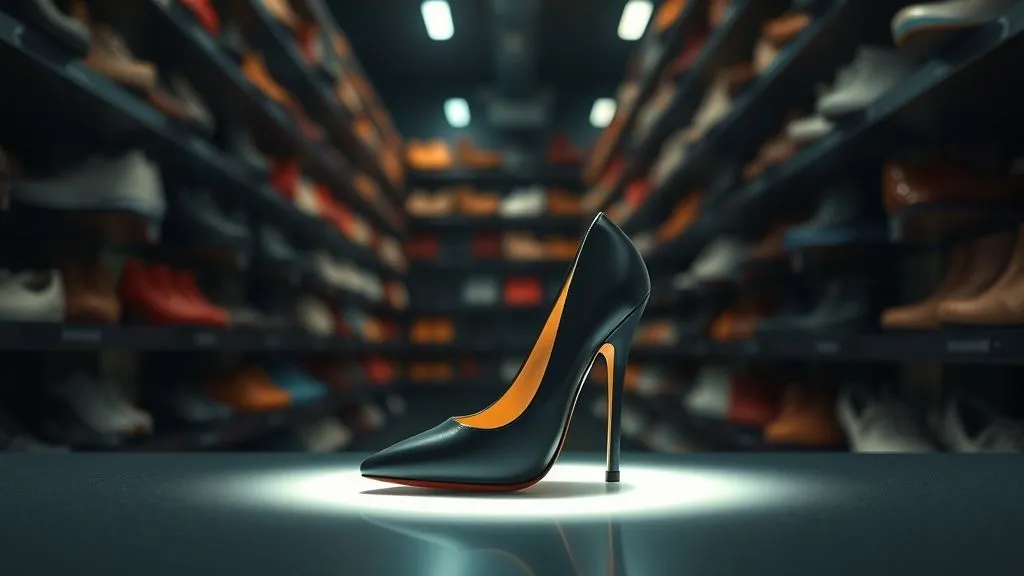
How to Differentiate Women's Footwear in a Saturated Market?
For over two decades, I've navigated the intricate, often turbulent, waters of the fashion industry, with a particular focus on women's footwear. I've witnessed countless brands rise and fall, not always due to product quality, but more often because they failed to carve out a unique space in an increasingly crowded marketplace. The sheer volume of options available to consumers today makes standing out less about shouting louder and more about whispering something truly meaningful.
The challenge is palpable: walk into any department store, browse online retailers, or scroll through social media, and you're bombarded with an endless array of women's shoes. From sneakers to stilettos, flats to boots, the market is saturated with similar styles, price points, and marketing messages. This sea of sameness leaves consumers overwhelmed and brands struggling to capture attention, build loyalty, and ultimately, drive sustainable growth. It's a problem that keeps even the most seasoned entrepreneurs up at night: how do you break free from the pack?
In this definitive guide, I'll share the frameworks, strategies, and deeply personal insights I've gathered over my career to help you not just survive, but thrive. We’ll delve into actionable steps, explore mini case studies, and uncover the critical differentiators that empower brands to truly resonate with their target audience. By the end, you'll have a clear roadmap on how to differentiate women's footwear in a saturated market, transforming your brand from just another option into an indispensable choice.
1. Master Your Niche: Beyond Demographics
The first, and arguably most critical, step I always advise brands to take is to stop trying to be everything to everyone. In a saturated market, broad appeal leads to generic products and diluted messaging. Instead, focus on mastering a hyper-specific niche. This isn't just about targeting a demographic like 'women aged 25-45'; it's about understanding a specific lifestyle, a particular pain point, or an underserved aesthetic preference.
Think about the emotional connection your footwear can foster. Is it about empowering professional women with comfortable, stylish heels for long days? Or perhaps creating sustainable, vegan sneakers for eco-conscious urban explorers? The deeper your understanding of this specific segment, the more precisely you can tailor your product, marketing, and entire brand experience.
Identifying the Unmet Need
To truly differentiate, you must identify an unmet need or an underserved segment. This requires deep market research that goes beyond surface-level trends. It means listening intently to consumer frustrations and aspirations.
Here’s how I guide brands through this process:
- Deep Dive into Consumer Data: Analyze online reviews, social media conversations, forums, and customer service inquiries related to existing footwear brands. Look for recurring complaints or wishes that current offerings aren't addressing. What do people consistently say is missing or could be better?
- Conduct Qualitative Research: Organize focus groups, one-on-one interviews, and ethnographic studies with potential customers. Observe their shopping habits, how they wear shoes, and their emotional connection (or lack thereof) to their current footwear. Ask open-ended questions like, "What’s your biggest frustration when buying shoes?" or "What kind of shoe do you wish existed?"
- Analyze Competitor Gaps: Map out your competitors' product lines, pricing, marketing messages, and target audiences. Identify areas where they are weak, where they have significant gaps in their offerings, or where their brand voice doesn't resonate with certain segments. Is there a specific style, material, or comfort feature that no one is truly excelling at?
- Define Your Ideal Customer Avatar: Go beyond demographics. Create a detailed persona for your ideal customer, including their values, daily routine, aspirations, fears, and preferred shopping channels. Give her a name and a story. This helps in empathizing with her needs.
- Test Your Hypothesis: Before launching a full collection, create prototypes or small batches and get direct feedback from your defined niche. Use surveys, pop-up shops, or online communities to validate your assumptions and refine your product.
By meticulously following these steps, you move beyond generic market segments to pinpoint a unique corner where your brand can truly shine.
2. Innovation in Design & Material: The Product as a Statement
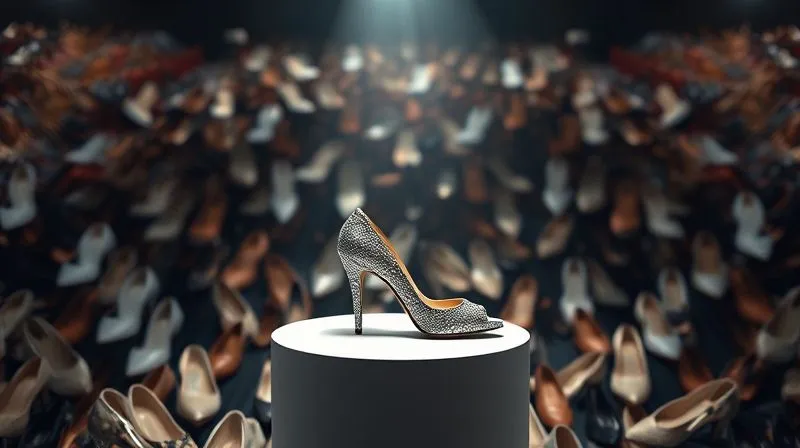
Once you've identified your niche, your product itself must embody that differentiation. In a market awash with 'me-too' products, innovation in design and material isn't just a bonus; it's a fundamental requirement. This doesn't necessarily mean reinventing the wheel with every collection, but rather infusing your footwear with unique characteristics that speak directly to your chosen audience's values and needs.
Consider how your shoes can offer a novel aesthetic, superior comfort, enhanced functionality, or a compelling ethical story through their construction. The tactile experience, the visual appeal, and the underlying narrative of the materials used all contribute to a product that feels truly distinct.
Sustainable & Ethical Sourcing
For a growing segment of consumers, the origin and impact of their purchases are paramount. Differentiating through sustainable and ethical sourcing is no longer just a trend; it's a powerful value proposition. This means exploring innovative materials that are recycled, upcycled, biodegradable, or plant-based, and ensuring transparent, fair labor practices throughout your supply chain.
I've observed brands gain immense traction by committing to these principles, turning their production process into a marketing asset. It builds trust and resonates deeply with environmentally conscious buyers.
"The greatest threat to our planet is the belief that someone else will save it. For businesses, this translates to a responsibility to innovate sustainably, or risk irrelevance." – Anonymous Industry Expert. This sentiment is increasingly echoed by consumers who demand accountability and purpose from the brands they support. According to a Deloitte study, consumers are increasingly choosing sustainable options and are willing to pay a premium for them. This presents a significant opportunity for differentiation in women's footwear.
Beyond the materials, consider the entire lifecycle of your product. Can you offer repair services? Take-back programs for recycling? These initiatives extend your brand's commitment and build long-term relationships.
Ergonomics & Comfort as a Luxury
While fashion often prioritizes aesthetics, there's a significant unmet need for truly comfortable, ergonomically designed women's footwear that doesn't compromise on style. Many women sacrifice comfort for fashion, leading to pain and dissatisfaction. Brands that successfully merge cutting-edge biomechanics with high-fashion design can capture a loyal following.
This could involve patented sole technologies, advanced cushioning systems, anatomical footbeds, or innovative construction methods that reduce pressure points. Comfort, when delivered with elegance and sophistication, transforms from a basic expectation into a luxury differentiator.
For instance, consider the advancements in materials that enhance both comfort and durability:
| Feature | Traditional Material | Innovative Alternative | Benefit |
|---|---|---|---|
| Advanced Cushioning | EVA Foam | Memory Foam/Gel Infusion | Superior shock absorption, personalized fit |
| Upper Material | Leather | Vegan Leather (e.g., Apple skin, Mushroom leather), Recycled PET | Ethical, sustainable, often lighter and more breathable |
| Outsole Grip | Rubber | Proprietary Rubber Blends with Traction Patterns | Enhanced stability, durability, all-weather performance |
| Arch Support | Standard Insole | Anatomical Contoured Footbed | Reduces foot fatigue, supports natural alignment |
By focusing on these often-overlooked aspects, you elevate your product beyond mere aesthetics, appealing to a deeper, more practical desire that many women harbor.
3. Crafting an Irresistible Brand Story & Identity
In a world where products can be easily replicated, a compelling brand story and a distinctive identity become your most powerful differentiators. Your brand isn't just the shoes you sell; it's the narrative you weave, the values you embody, and the emotional connection you forge with your customers. This is where your brand transcends mere commerce and becomes part of someone's personal identity.
I've seen brands with average products achieve extraordinary success simply because they had a story that resonated deeply. This story should be authentic, memorable, and consistently communicated across all touchpoints, from your website to your social media, and even the packaging of your shoes.
The Power of Authentic Narratives
What's the origin story of your brand? What problem are you trying to solve, beyond just selling shoes? Who is the founder, and what are their passions? These are the elements of an authentic narrative. Your story should articulate your brand's purpose, its values, and what makes it truly unique.
For example, a brand might share the journey of sourcing rare, handcrafted materials from artisans in a remote village, or the personal struggle of a founder to create comfortable yet stylish shoes after experiencing chronic foot pain. These narratives humanize your brand and create a deeper emotional bond with your audience. As marketing guru Seth Godin often says, "All marketers are storytellers." Your story is your promise, your identity, and your legacy.
"People don't buy what you do; they buy why you do it. The goal is not to do business with everybody who needs what you have. The goal is to do business with people who believe what you believe." – Simon Sinek. This philosophy is particularly potent in a saturated market where belief systems drive purchasing decisions.
Ensure your story is consistent and permeates every aspect of your brand. From the choice of models in your campaigns to the language used in your product descriptions, everything should reinforce your core narrative.
Visual Identity Beyond the Logo
While a logo is essential, your visual identity encompasses much more: your color palette, typography, photography style, website design, retail space aesthetics, and even the unboxing experience. These elements must be cohesive, distinctive, and reflective of your brand's personality and values.
Consider a brand focused on minimalist, architectural designs. Their visual identity might feature clean lines, muted tones, stark contrasts, and photography that emphasizes form and structure. Conversely, a brand celebrating vibrant, bohemian styles would employ rich colors, playful patterns, and dynamic imagery. Every visual cue contributes to the overall impression and helps your brand stand out visually in a crowded digital and physical landscape.
4. Elevating the Customer Experience (CX)
In a market where product parity is common, the customer experience often becomes the ultimate differentiator. It’s no longer enough to offer a great shoe; you must offer an exceptional journey from discovery to post-purchase. Every interaction a customer has with your brand—be it online, in-store, or through customer service—is an opportunity to build loyalty and advocacy.
I've observed that brands prioritizing CX create an emotional moat that competitors find incredibly difficult to cross. This involves anticipating customer needs, providing seamless support, and making every touchpoint feel personal and valuable.
Personalization at Scale
Modern consumers expect personalized experiences. This goes beyond simply addressing them by name in an email. It means understanding their preferences, purchase history, and browsing behavior to offer relevant recommendations, tailored content, and exclusive offers.
Here’s how to implement effective personalization:
- Data Collection & Analysis: Implement robust CRM (Customer Relationship Management) systems to gather data on customer interactions, purchases, and preferences. Analyze this data to segment your audience effectively.
- Personalized Product Recommendations: Use AI-powered recommendation engines on your website and in email marketing to suggest shoes based on past purchases, browsing history, and similar customer profiles.
- Tailored Content & Communication: Send emails or push notifications that are relevant to their interests (e.g., new arrivals in their preferred style or size, care tips for shoes they own).
- Customization Options: Offer options for customers to personalize their shoes, such as choosing colors, materials, or adding monograms. This creates a unique product and a deeper sense of ownership.
- Personalized Customer Service: Empower your customer service team with access to customer history so they can offer informed, empathetic, and efficient support.
The goal is to make each customer feel seen, understood, and valued, transforming a transactional relationship into a personal connection.
Post-Purchase Engagement & Community Building
The customer journey doesn't end at checkout; in fact, that's where the opportunity for long-term loyalty truly begins. Post-purchase engagement is crucial for reinforcing the brand experience and fostering a sense of community. This can include:
- Thoughtful Follow-ups: Send personalized thank-you notes, care instructions for their new shoes, or styling tips.
- Exclusive Content: Offer access to behind-the-scenes content, early access to new collections, or invitations to exclusive events.
- Loyalty Programs: Implement tiered loyalty programs that reward repeat purchases and engagement with exclusive benefits.
- User-Generated Content (UGC) Campaigns: Encourage customers to share photos of themselves wearing your shoes using a specific hashtag. Feature their content on your social media, making them feel part of your brand story.
- Online Communities: Create dedicated online forums or social media groups where customers can connect with each other and your brand, sharing experiences and offering feedback.
By investing in these post-purchase strategies, you transform customers into advocates who not only return but also actively promote your brand to their networks.

5. Strategic Pricing & Value Proposition
Pricing is far more than just a number; it's a powerful statement about your brand's value and position in the market. In a saturated women's footwear market, simply offering the lowest price is a race to the bottom that few brands can win sustainably. True differentiation comes from defining a clear value proposition that justifies your price point, whether it's entry-level or luxury.
I've seen brands successfully command premium prices by meticulously articulating the superior quality, innovative design, ethical production, or unparalleled customer experience they offer. Conversely, some have thrived by offering exceptional value at a more accessible price, without compromising on core benefits.
Beyond Low-Cost Competition
Attempting to compete solely on price in a saturated market is a perilous strategy. There will always be a brand willing to go lower, often at the expense of quality, sustainability, or fair labor practices. Instead, focus on building a robust value proposition that clearly communicates *why* your shoes are worth their price.
This involves highlighting:
- Superior Materials: Emphasize the quality, durability, and unique properties of the leathers, fabrics, or innovative synthetics you use.
- Expert Craftsmanship: Detail the artisanal techniques, hand-finishing, or advanced manufacturing processes that go into each pair.
- Exclusive Design: Showcase the unique aesthetic, limited editions, or collaborations that make your designs stand out.
- Ethical & Sustainable Practices: If applicable, highlight your commitment to fair wages, eco-friendly production, or community support.
- Exceptional Comfort & Ergonomics: Underscore any patented technologies or design features that enhance wearability.
- Unrivaled Customer Service: Explain the personalized support, generous return policies, or extended warranties that accompany a purchase.
"Price is what you pay. Value is what you get." – Warren Buffett. This timeless wisdom applies profoundly to differentiating in footwear. Your pricing strategy must reflect the tangible and intangible benefits your customers receive. A Harvard Business Review article on "The Elements of Value" illustrates how brands can combine various value elements to justify higher price points and build stronger customer relationships.
Case Study: How 'Stellar Steps' Elevated Their Value Proposition
'Stellar Steps,' a mid-sized women's footwear brand, initially struggled to compete in the crowded mid-range market. Their shoes were "good," but not remarkable, and they constantly found themselves discounting. After a strategic reassessment, I advised them to shift their focus from competing on price to redefining their value proposition entirely.
They implemented a three-pronged approach:
- Elevated Material Transparency: They began meticulously documenting the origin of their Italian leather and Portuguese cork, sharing videos of their suppliers and artisans. This built trust and justified a moderate price increase.
- Signature Comfort Technology: They invested in developing a proprietary, patent-pending insole technology that offered superior arch support and cushioning. This became a core selling point, differentiating them from competitors who offered standard comfort.
- Personalized Styling Service: They launched a complimentary online styling service where customers could consult with a stylist to find the perfect pair for their needs and wardrobe. This added immense value beyond the product itself.
Within 18 months, 'Stellar Steps' saw a 25% increase in average order value, a significant reduction in returns (due to better fit guidance), and a 30% increase in repeat customer purchases. They successfully moved from being a 'good' brand to a 'valued' brand, proving that a strong value proposition trumps price wars.
6. Leveraging Digital Presence & Omnichannel Marketing
In today's digital-first world, your online presence is your storefront, your billboard, and your customer service desk, all rolled into one. A powerful digital strategy, coupled with a seamless omnichannel experience, is non-negotiable for differentiating women's footwear in a saturated market. This means not only having a beautiful website but also strategically engaging across social media, email, paid advertising, and potentially physical retail, ensuring a consistent and compelling brand message everywhere.
I emphasize that it's not about being everywhere, but about being strategically present where your target customer spends their time, and ensuring that their journey from one touchpoint to another is fluid and intuitive. This cohesive approach amplifies your unique brand identity.
Content Marketing That Converts
Content marketing is your opportunity to educate, inspire, and entertain your audience, establishing your brand as an authority and a trusted resource. Instead of just selling shoes, you're selling a lifestyle, a solution, or an aspiration. This builds a deeper connection than traditional advertising ever could.
Effective content for women's footwear might include:
- Styling Guides & Lookbooks: Show customers how to integrate your shoes into various outfits and for different occasions.
- Behind-the-Scenes Stories: Share insights into your design process, material sourcing, or artisan craftsmanship to build transparency and trust.
- Comfort & Technology Deep Dives: Explain the ergonomic benefits or innovative technologies in your shoes, using clear, accessible language.
- Sustainability Reports: Detail your ethical practices and environmental initiatives, appealing to conscious consumers.
- Customer Spotlights: Feature real customers wearing your shoes, sharing their stories and testimonials.
- "How-To" & Care Guides: Provide valuable advice on maintaining and extending the life of their footwear.
The key is to create content that provides genuine value, positioning your brand as more than just a product seller, but as a trusted advisor and tastemaker in the world of women's fashion.
Influencer Collaborations & UGC
In the realm of women's fashion, social proof and authentic endorsements are incredibly powerful. Strategic collaborations with micro and nano-influencers who genuinely align with your brand's values and target audience can create highly credible differentiation. These aren't just paid advertisements; they're genuine recommendations from trusted voices.
Furthermore, actively encouraging and showcasing user-generated content (UGC) builds a community around your brand and provides authentic social proof. When potential customers see real women wearing and loving your shoes, it's far more persuasive than polished studio photography alone. This democratizes your marketing and empowers your customers to become brand ambassadors.
| Influencer Tier | Engagement Rate | Benefit for Footwear Brand |
|---|---|---|
| Nano-Influencer (1k-10k followers) | High (3-8%) | Authentic, niche reach, cost-effective, strong trust with audience |
| Micro-Influencer (10k-100k followers) | Moderate (2-5%) | Broader reach than nano, still good authenticity, good for specific product launches |
| Macro-Influencer (100k-1M followers) | Lower (1-3%) | Mass exposure, brand awareness, can be more expensive |
| Celebrity (1M+ followers) | Variable (0.5-2%) | Maximum reach, high-level brand association, very high cost |
When selecting influencers, focus on genuine alignment over follower count. A smaller, highly engaged audience that perfectly matches your niche is far more valuable than a vast, generic following.
7. Building Brand Loyalty Through Exclusivity & Community
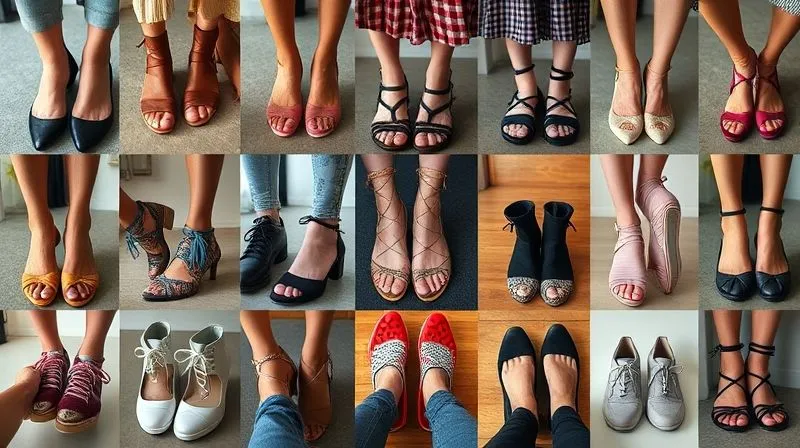
The ultimate goal of differentiation is not just to attract new customers, but to cultivate a loyal tribe that champions your brand. In a saturated market, loyalty is the golden ticket to sustainable success. This is achieved by making your customers feel special, valued, and part of something bigger than just a transaction. Exclusivity and community building are powerful tools to foster this deep connection.
I've seen brands thrive by treating their customers not just as buyers, but as members of an exclusive club, offering them privileges and a sense of belonging that no generic brand can replicate.
Limited Editions & Bespoke Services
Creating a sense of scarcity and uniqueness can significantly drive desire and loyalty. Limited edition collections, collaborations with artists, or seasonal drops create urgency and excitement. Customers feel they are acquiring something special and rare, which elevates the perceived value of your footwear.
Beyond limited editions, offering bespoke or made-to-order services for women's shoes is the pinnacle of exclusivity. This allows customers to co-create their perfect pair, ensuring a flawless fit, personalized style, and a truly unique product. While resource-intensive, this service can command premium prices and foster unparalleled loyalty among a select clientele. It transforms the purchase into an experience of personal luxury.
Cultivating a Brand Tribe
A brand tribe is a group of passionate customers who not only love your products but also identify with your brand's values and mission. They become your most enthusiastic advocates, spreading your message organically. Cultivating such a tribe involves:
- Exclusive Access: Offer early access to sales, new collections, or special events for loyal customers.
- VIP Programs: Create tiered loyalty programs with escalating benefits, making customers feel like insiders.
- Community Platforms: Host online forums, social media groups, or even regular virtual meet-ups where customers can connect with each other and the brand.
- Soliciting & Acting on Feedback: Regularly ask your loyal customers for their input on new designs, features, or initiatives, making them feel heard and valued as co-creators.
- Brand Ambassadors: Identify your most passionate customers and empower them to become official brand ambassadors, providing them with incentives and recognition.
By fostering this sense of belonging and exclusivity, you turn casual buyers into fervent enthusiasts, creating a powerful, self-sustaining ecosystem for your brand.
Frequently Asked Questions (FAQ)
Q: How can a new, small women's footwear brand compete with established giants in a saturated market? A: A new brand's advantage lies in agility and hyper-focus. Instead of trying to out-compete on scale, focus on out-innovating and out-connecting. Identify a micro-niche that larger brands overlook or can't serve profitably. Build a deeply authentic brand story, prioritize exceptional customer experience, and leverage digital channels for direct-to-consumer relationships. Sustainable practices, bespoke services, or a unique comfort technology can be powerful differentiators that don't require massive capital. Your small size allows for more personal interactions and quicker adaptation to feedback.
Q: What role does sustainability truly play in differentiating women's footwear today? A: Sustainability is no longer a niche concern; it's a growing expectation, particularly among younger demographics. For women's footwear, it offers a profound differentiation opportunity. Brands can stand out by using innovative eco-friendly materials (e.g., vegan leathers from plants, recycled plastics), implementing transparent and ethical supply chains, offering repair services, or designing for longevity. Communicating these efforts authentically builds trust and attracts a loyal segment of conscious consumers who are willing to pay a premium for purpose-driven brands. It's about aligning with evolving consumer values.
Q: Is it possible to differentiate on price in a saturated market without resorting to a race to the bottom? A: Yes, absolutely. Differentiation on price doesn't always mean being the cheapest. It means clearly defining and communicating a superior value proposition that justifies your price point. This could be through unparalleled quality, unique design, advanced comfort technology, ethical production, or an exceptional customer experience. For example, a luxury brand differentiates by offering exquisite craftsmanship and exclusive materials, while a value brand might differentiate by offering durable, stylish shoes at an accessible price through efficient direct-to-consumer models, cutting out middlemen. The key is to define what unique value your price delivers.
Q: How important is brand storytelling for women's footwear, and what makes a good story? A: Brand storytelling is paramount. In a sea of similar products, your story is what creates an emotional connection and makes your brand memorable. A good story is authentic, relatable, and highlights your brand's purpose beyond profit. It could be the founder's personal journey, the inspiration behind a design, the craftsmanship traditions, or the impact your brand aims to make (e.g., empowering women, supporting artisans). It should evoke emotion, build trust, and give customers a reason to believe in and connect with your brand on a deeper level. Consistency in telling this story across all touchpoints is crucial.
Q: What are the biggest mistakes brands make when trying to differentiate in women's footwear? A: The most common mistakes I've observed include: 1) Trying to appeal to everyone, resulting in a generic product and message. 2) Focusing only on aesthetics without considering comfort, durability, or ethical production. 3) Copying competitors instead of innovating. 4) Neglecting the customer experience, especially post-purchase. 5) Failing to build a strong, authentic brand story. 6) Underestimating the power of digital marketing and community building. Differentiation requires courage to be different and a deep understanding of your specific customer's unmet needs and desires.
Key Takeaways and Final Thoughts
Navigating the saturated women's footwear market is undoubtedly challenging, but it is far from impossible. As I've shared throughout this guide, the path to differentiation is paved not with mass appeal, but with strategic focus, genuine innovation, and a relentless commitment to your customer.
Here are the critical takeaways to embed in your brand's DNA:
- Master Your Niche: Don't chase the masses; serve a specific, underserved segment with unparalleled precision.
- Innovate Relentlessly: Let your product speak volumes through unique design, sustainable materials, and superior comfort.
- Craft an Authentic Story: Your narrative is your most powerful differentiator; make it compelling and consistent.
- Elevate Every Customer Interaction: From discovery to post-purchase, personalize and perfect the customer experience.
- Define Your Value, Not Just Your Price: Articulate why your shoes are worth their cost, focusing on benefits over features.
- Dominate Digitally: Leverage content marketing, influencers, and an omnichannel approach to amplify your unique message.
- Build a Loyal Tribe: Foster exclusivity and community to turn customers into passionate brand advocates.
The journey to differentiate women's footwear in a saturated market demands courage, creativity, and conviction. It requires moving beyond the conventional and daring to be truly distinct. By embracing these principles, you won't just sell shoes; you'll build a legacy, create lasting connections, and establish a brand that not only stands out but truly stands for something meaningful. I encourage you to embark on this journey with confidence, knowing that a well-defined, differentiated brand is not just a commercial success, but a testament to vision and purpose.
Recommended Reading
- 1950s Dresses: Which Neckline Flatters You Most? Find Out!
- Mastering Minimalist Fashion Photography: 7 Steps to a Distinctive Aesthetic
- 5 Indestructible Eyewear Materials: End Breakage for Active Customers?
- How to Integrate Flexible Electronics into Washable Smart Apparel?
- Unlock the Secret: How to Style Oversized Sweaters Without Looking Frumpy?



Your email address will not be published. Required fields are marked *