

How to Design New Garments for Circularity Using Recycled Materials?
For over two decades in the fashion industry, I've witnessed the pendulum swing from fleeting trends to a growing, urgent demand for sustainability. Designers, product developers, and brand owners often approach me with the same fundamental question: 'How can we truly make a difference, beyond greenwashing, especially when it comes to utilizing recycled materials?' It's a complex puzzle, but one with incredibly rewarding solutions.
The traditional linear 'take-make-dispose' model has pushed our planet to its limits, with textiles being a significant contributor to landfill waste and resource depletion. Simply incorporating 'recycled content' isn't enough; we need a paradigm shift. The real pain point lies in designing products that are not just made *from* recycled materials, but are *designed to be* recycled, repaired, or repurposed again and again, closing the loop effectively.
This article isn't just another overview; it's a deep dive into the actionable strategies and frameworks I've seen successful brands implement. You'll learn how to strategically select materials, design for longevity and disassembly, navigate manufacturing complexities, and ultimately, create beautiful, high-quality garments that are truly circular, leveraging recycled inputs effectively.
Understanding the Circular Design Imperative for Textiles
Beyond 'Recycled': The True Meaning of Circularity
Many brands proudly tout 'recycled content,' and while that's a step in the right direction, it often misses the larger picture of circularity. True circular design for garments means thinking about the entire lifecycle, from sourcing and manufacturing to use, repair, and end-of-life. It's about creating systems where materials never become waste, but rather flow back into new products.
In my experience, the biggest mistake is focusing solely on the 'input' (recycled material) without considering the 'output' (what happens when the garment is no longer wanted). A truly circular garment made from recycled materials must be designed with its next life, or even multiple next lives, in mind. This requires a fundamental shift in mindset from designing a product to designing a system.
The essence of circular design in fashion isn't just about using recycled inputs; it's about designing for perpetual material flow, ensuring every garment is a resource for the next generation of products, not a destined landfill inhabitant.
The core principles of circularity, as championed by organizations like the Ellen MacArthur Foundation, are: eliminate waste and pollution, circulate products and materials, and regenerate natural systems. For fashion, this translates into designing for durability, repairability, recyclability, and ultimately, designing out waste from the very beginning.
Strategic Material Selection: The Foundation of Recycled Garments
The Nuances of Post-Consumer vs. Pre-Consumer Recycled Fibers
When we talk about recycled materials, it's crucial to differentiate between post-consumer waste (PCW) and pre-consumer waste (PCW). Post-consumer waste comes from items that have been used by consumers and then discarded, like plastic bottles becoming rPET or old garments being processed into new fibers. Pre-consumer waste, on the other hand, is industrial waste generated during the manufacturing process, such as fabric scraps from cutting floors.
Both have their merits. Pre-consumer waste is often cleaner and easier to process, but tackling post-consumer waste is vital for addressing the sheer volume of discarded textiles. As a designer, understanding the origin and processing of your recycled inputs is key to both performance and impact. I always advise my clients to ask their suppliers about the full chain of custody and the environmental footprint of their recycled materials.
Selecting for Recyclability: Monomaterials and Blends
Here's where the rubber meets the road for circularity. The Holy Grail of textile recycling is the monomaterial – a fabric made from a single type of fiber (e.g., 100% cotton, 100% polyester). These are significantly easier and more cost-effective to recycle back into high-quality new fibers. Blends, while offering desirable properties like stretch or durability, pose significant challenges to current recycling technologies because separating different fiber types is complex and expensive.
When designing, challenge yourself: can this garment be made from a monomaterial? If a blend is absolutely necessary for performance or aesthetic, can it be a blend that existing or emerging technologies can handle, perhaps a 50/50 polyester-cotton that is specifically designed for chemical recycling? This foresight is what separates truly circular design from mere 'recycled content' use.
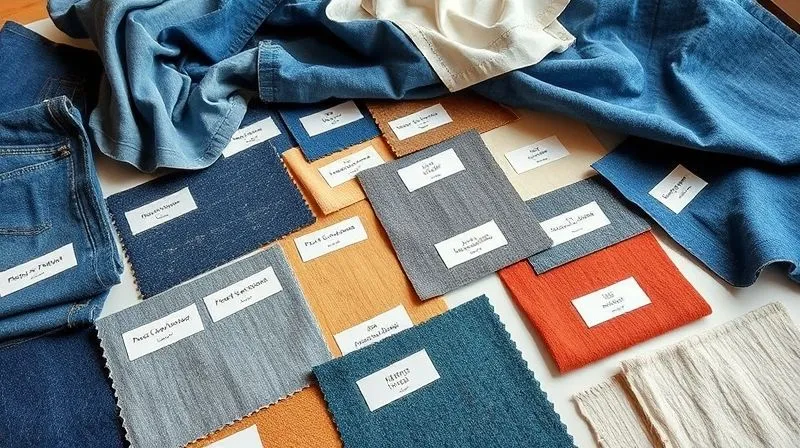
Consider this comparison of common recycled materials:
| Material Type | Source | Pros | Cons | Recyclability Potential (as monomaterial) |
|---|---|---|---|---|
| Recycled Polyester (rPET) | Plastic bottles, old polyester garments | Durable, versatile, widely available | Microplastic shedding, difficult to recycle into new rPET if blended | High |
| Recycled Cotton | Pre-consumer scraps, post-consumer garments | Soft, breathable, reduces water/pesticide use | Shorter fiber length can reduce strength, often blended | Medium-High |
| Recycled Nylon | Fishing nets, industrial waste | Strong, lightweight, good for activewear | Energy-intensive recycling, chemical processes | High |
| Recycled Wool | Post-consumer knitwear, textile waste | Warm, natural, reduces need for virgin wool | Shorter fibers, can be felted if not handled carefully | Medium |
Design for Disassembly: Engineering for Future Lives
Modular Design Principles for Garment Longevity
Designing for disassembly means creating garments that can be easily taken apart at the end of their useful life, allowing components to be repaired, replaced, or recycled separately. This is a game-changer for circularity. Think modularity: can a sleeve be replaced? Can a lining be removed? This extends the garment's life and simplifies its eventual recycling.
I’ve coached many designers through this process, and it often starts with simplifying construction. Fewer seams, straightforward shapes, and minimizing complex layering can all contribute. This doesn't mean sacrificing creativity; it means channeling it into innovative construction methods that embrace future utility.
Fasteners and Trims: The Hidden Barriers to Recycling
This is a critical, yet often overlooked, aspect. A beautiful garment made from 100% recycled cotton can become unrecyclable if it uses metal zippers, plastic buttons, or polyester labels that can't be easily removed or separated. These 'contaminants' often have to be manually cut out, which is costly and time-consuming, or they end up in landfill with the rest of the garment.
- Choose Monomaterial Fasteners: Opt for buttons made from the same material as the garment (e.g., cotton buttons on a cotton shirt). If not possible, select easily removable fasteners.
- Simplify Trims: Use natural, biodegradable trims where possible, or trims made from the same fiber as the main fabric. Avoid complex embellishments that are hard to separate.
- Prioritize Durability for Fasteners: Ensure chosen fasteners are robust enough to last the garment's intended lifespan, reducing the need for early replacement.
- Design for Easy Removal: Think about how a button or zipper could be easily detached without damaging the main fabric, if separation is necessary for recycling.
- Integrated Labeling: Explore innovative labeling solutions like woven-in information or easily removable tags made from a compatible material.
Manufacturing with Recycled Materials: Process and Partnership
Navigating Supply Chains for Recycled Textiles
Working with recycled materials introduces new complexities into the supply chain. Traceability becomes paramount. You need to know not just that a material is 'recycled,' but *how* it was recycled, *where* it came from, and *what certifications* it holds. This ensures both authenticity and ethical sourcing.
Building strong partnerships with trusted suppliers is non-negotiable. Look for suppliers who are transparent about their processes, who can provide Global Recycled Standard (GRS) or Recycled Claim Standard (RCS) certifications, and who are actively investing in improved recycling technologies. This due diligence is crucial for building a credible circular product line.
Optimizing Production to Minimize Waste
Even with recycled inputs, waste can still be generated during cutting, sewing, and finishing. A circular mindset extends to the production floor. This means optimizing pattern placement to reduce fabric scraps, implementing efficient cutting techniques, and exploring ways to reintroduce production waste back into the system (e.g., sending cutting scraps back to a recycler or upcycler).
Case Study: How ReThread Apparel Embraced Circular Manufacturing
ReThread Apparel, a mid-sized streetwear brand, faced challenges sourcing high-quality, genuinely recycled denim that also met their circular design goals. Their initial attempts involved using conventional recycled denim with mixed fiber content, leading to end-of-life recycling issues. By implementing a new strategy, they partnered with a mill specializing in monomaterial recycled cotton denim, ensuring all trims (buttons, rivets, labels) were either made from recycled cotton or designed for easy removal. They also introduced a take-back program for their old jeans. This resulted in a 40% reduction in their product's end-of-life waste profile and a 25% increase in customer loyalty, as consumers appreciated their transparent and truly circular approach. This demonstrates the power of a holistic approach.
For further insights into establishing robust, transparent supply chains for sustainable textiles, I highly recommend exploring resources from organizations like Textile Exchange, which offers invaluable guidance and certification standards.
Durability, Quality, and Aesthetics: Overcoming Perceptions
Challenging the 'Lesser Quality' Myth of Recycled Materials
One of the biggest hurdles I've observed is the lingering perception that recycled materials inherently mean lower quality or compromised aesthetics. This simply isn't true anymore. Advances in textile recycling technology have made incredible strides. Recycled polyester (rPET) can now achieve virgin-like performance, and innovative processes are creating high-quality recycled cotton and other natural fibers with excellent hand feel and durability.
It's the designer's role to choose the right recycled material for the right application and to educate consumers about these advancements. Don't just use recycled material; celebrate its story and its quality. Show, don't just tell, that sustainable can also be luxurious and performant.
Designing for Emotional Durability and Timeless Appeal
Beyond physical durability, emotional durability is crucial for circularity. A garment that is loved and cherished will be kept longer, repaired, and less likely to be discarded. This means designing timeless pieces that transcend fleeting trends, focusing on classic silhouettes, versatile colors, and exceptional craftsmanship. When a garment has a strong emotional connection, its lifespan naturally extends.

For cutting-edge developments in textile recycling and fiber innovation, particularly those addressing quality and performance, I often refer to the work of pioneers like Worn Again Technologies or companies like Infinited Fiber Company, which are transforming textile waste into new, high-quality fibers.
Lifecycle Assessment and Impact Measurement
Quantifying Environmental Benefits of Circular Design
To truly understand the impact of your circular design efforts, you must measure it. Lifecycle Assessment (LCA) is a methodology that quantifies the environmental impacts associated with all stages of a product's life, from raw material extraction through materials processing, manufacturing, distribution, use, repair and maintenance, and disposal or recycling. For circular garments made with recycled materials, LCA helps demonstrate the reduction in virgin resource use, energy consumption, and waste generation.
This data is not only crucial for internal decision-making and continuous improvement but also for transparent communication with your customers. Being able to say, 'This garment saved X liters of water and Y kg of CO2 compared to a conventional garment,' builds immense trust and credibility.
Tools and Methodologies for LCA in Fashion
Conducting a full LCA can be complex, but there are increasingly accessible tools and methodologies tailored for the fashion industry. These range from simplified online calculators to comprehensive software solutions. The key is to establish a baseline and consistently track your improvements. Even a simplified assessment focusing on key metrics like carbon footprint, water usage, and waste diversion can provide valuable insights.
Understanding and applying LCA principles is a powerful way to validate your circular design claims. Resources from the Higg Index by the Sustainable Apparel Coalition are excellent starting points for standardized measurement in the apparel industry.
Building a Circular Business Model Around Recycled Garments
From Ownership to Service: Exploring New Models
Designing garments for circularity using recycled materials is only one piece of the puzzle. To truly close the loop, brands need to consider how their business model supports this. Moving from a purely transactional 'buy and own' model to more circular approaches like rental, repair services, resale, or take-back schemes is essential. These models incentivize longevity and ensure that garments remain in use for as long as possible, and that their materials are recovered at the end of their life.
I've seen brands successfully integrate repair services directly into their retail experience, making it easy and appealing for customers to extend the life of their purchases. Others have launched sophisticated take-back programs that feed directly into their recycled material supply chains, creating a truly closed loop.
Consumer Engagement and Education
The success of circular garments made from recycled materials also hinges on consumer participation. Educating customers about the care, repair, and end-of-life options for their garments is paramount. Clear labeling about material composition, care instructions that preserve garment integrity, and accessible information on how to return or recycle items empower consumers to be part of the circular solution.
Engaging consumers as active participants in the circular economy, not just passive buyers, is the ultimate leverage point for sustainable fashion. Their choices, informed by your transparent communication, dictate the success of any circular initiative.

Overcoming Challenges and Future Outlook
Current Hurdles: Cost, Infrastructure, and Policy
While the path to circularity with recycled materials is clear, it's not without its challenges. The initial cost of sourcing advanced recycled materials or investing in design for disassembly can sometimes be higher than conventional methods. The infrastructure for textile collection, sorting, and advanced recycling is still nascent in many regions, presenting logistical hurdles. Furthermore, a lack of consistent policy and regulation can hinder progress, making it difficult for brands to scale their circular efforts.
However, these challenges are also opportunities for innovation and collaboration. Brands that invest early in circular practices are positioning themselves as leaders in a rapidly evolving industry, ready for future regulations and consumer demands.
The Role of Innovation and Collaboration
The future of circular garment design with recycled materials lies in continued innovation and unprecedented collaboration across the entire value chain. This means material scientists developing new recycling technologies, designers embracing radical new approaches, manufacturers optimizing processes, and consumers actively participating. Industry-wide initiatives and partnerships are vital to building the necessary infrastructure and sharing best practices.
Frequently Asked Questions (FAQ)
How do recycled materials affect garment cost? Initially, high-quality recycled materials or those requiring advanced processing can be more expensive than virgin counterparts due to nascent infrastructure and smaller scale. However, as demand grows and technologies mature, costs are becoming more competitive. Furthermore, the long-term environmental and brand value often outweighs the initial price difference. Designing for durability and repairability can also reduce overall cost of ownership for the consumer.
What are the biggest challenges in scaling recycled textile use? The primary challenges include inconsistent quality and availability of post-consumer textile waste, the complexity of sorting blended fabrics, the high cost of advanced recycling technologies, and the need for significant investment in new recycling infrastructure. Policy support and standardized collection systems are also crucial for scaling.
How can designers ensure the quality of recycled materials? Designers should work with certified suppliers (e.g., GRS, RCS) who provide transparent chain of custody. Conducting rigorous material testing for strength, durability, colorfastness, and hand-feel is essential. Additionally, understanding the specific recycling process (mechanical vs. chemical) and its impact on fiber quality helps in selecting the right material for the intended garment.
What role does policy play in promoting circular garment design? Policy is critical. Extended Producer Responsibility (EPR) schemes, which hold brands accountable for the end-of-life of their products, incentivize circular design. Regulations promoting monomaterial design, mandating recycled content targets, or supporting recycling infrastructure development can significantly accelerate the transition to a circular fashion economy.
Is it possible to achieve 100% circularity today? While true 100% circularity (where every fiber from every garment is endlessly recycled into new high-quality garments) is a long-term aspiration, significant progress can be made today. By focusing on monomaterial design, designing for disassembly, integrating take-back schemes, and choosing advanced recycled inputs, brands can achieve a very high degree of circularity. Continuous innovation is bringing us closer to that ultimate goal.
Key Takeaways and Final Thoughts
- Embrace a Holistic View: Circular design isn't just about using recycled materials; it's about designing the entire garment's lifecycle for minimal waste and maximum resource circulation.
- Prioritize Monomaterials: Whenever possible, design with single-fiber fabrics to simplify future recycling processes.
- Design for Disassembly: Plan for how a garment will be taken apart at the end of its life, choosing compatible or easily removable fasteners and trims.
- Build Transparent Supply Chains: Partner with certified suppliers and ensure traceability for your recycled inputs.
- Educate and Engage: Inform your customers about your circular efforts and empower them to participate in the garment's extended life.
The journey to truly circular fashion, leveraging recycled materials effectively, is challenging but deeply rewarding. It demands innovation, collaboration, and a willingness to rethink traditional design paradigms. As an industry, we have the power to transform waste into value, creating not just beautiful garments, but a more sustainable future. Take these insights, apply them with courage and creativity, and be a part of this essential evolution. The future of fashion is circular, and it begins with thoughtful design.
Recommended Reading
- The Ultimate Guide: How to Properly Store Leather Handbags Long Term
- Fashion Affiliate Slump? 7 Steps to Recover Commissions Post-Update
- 7 Proven Strategies: Cut Financial Loss from Unsold Bridal Gowns
- The Ultimate Guide to Selecting Your Dream Destination Wedding Dress Fabrics
- The Ultimate Guide: Repairing Small Tears in Cashmere Gloves Yourself




Your email address will not be published. Required fields are marked *