

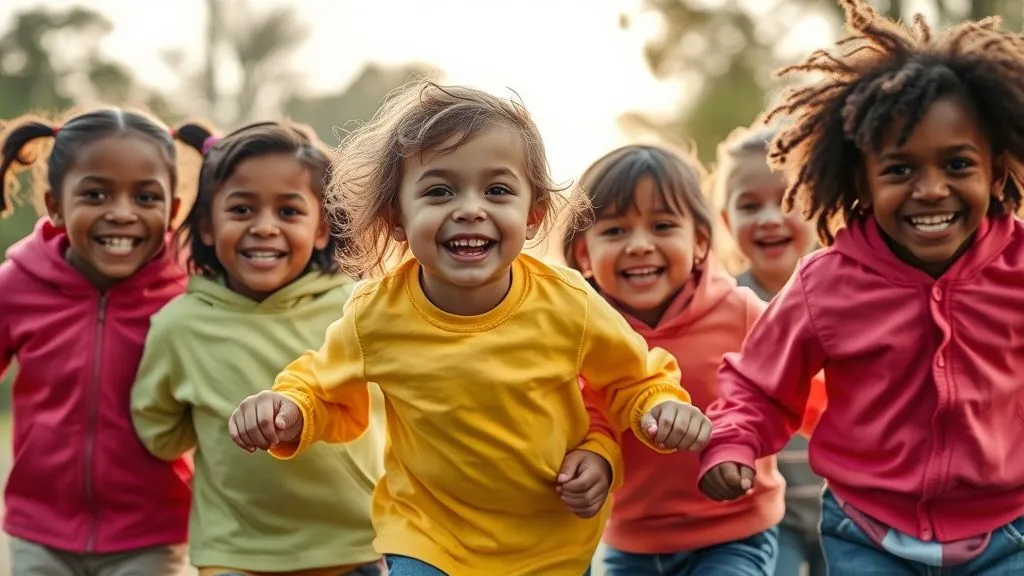
How to design kids wear for circularity without compromising style?
For over two decades in the vibrant, ever-evolving world of kids' fashion, I've witnessed a profound shift. What once was a niche concern for a few ethical brands has now become a central dilemma for the entire industry: how do we create clothing for our children that is both adorable and responsible? I've seen countless brands grapple with the tension between fleeting trends and enduring values, often sacrificing one for the other.
The problem is palpable: parents are increasingly demanding sustainable options, yet they refuse to compromise on the playful aesthetics and practical durability their children's wardrobes require. Designers, on the other hand, face immense pressure to innovate with materials, rethink production processes, and consider the entire lifecycle of a garment – from raw material to its ultimate end-of-life – all while keeping costs competitive and styles appealing. It's a complex puzzle, and many feel trapped between their creative vision and their environmental conscience.
This isn't just about making 'eco-friendly' clothes; it's about fundamentally redesigning our approach to children's apparel. In this definitive guide, I'll share my insights, drawing from years of experience, to provide a clear, actionable roadmap. We'll explore seven expert pillars, complete with frameworks, a mini case study, and data-backed strategies, demonstrating precisely how to design kids wear for circularity without compromising an ounce of style, ensuring a brighter, more fashionable future for the next generation.
Pillar 1: Embracing Circular Design Principles from Concept to Closet
True circularity in kids' fashion extends far beyond simply recycling a garment at the end of its life. It's a holistic mindset, an intentional design philosophy that begins at the very first sketch and permeates every decision thereafter. I've found that the most successful brands embed circular thinking into their core values, making it an intrinsic part of their creative process.
Material Selection: The First & Most Critical Step
In my experience, the choice of materials is the single most impactful decision a designer can make for circularity. It dictates everything from durability and comfort to biodegradability and recyclability. We must move away from virgin, resource-intensive materials and embrace alternatives that are regenerative or already within the loop.
Actionable Steps for Material Selection:
- Prioritize Natural & Organic Fibers: Opt for GOTS-certified organic cotton, hemp, linen, or Tencel™ Lyocell. These fibers are grown with minimal environmental impact and are biodegradable.
- Embrace Recycled & Regenerated Materials: Explore recycled polyester (RPET) made from plastic bottles, or regenerated nylon (e.g., ECONYL®) from ocean waste. Ensure these are certified to avoid greenwashing.
- Investigate Innovative Bio-based Materials: Keep an eye on emerging materials like mushroom leather or pineapple leaf fibers. While still nascent for kids' wear, they represent future circular potential.
- Assess Durability & Comfort: Circularity means longevity. Select materials that can withstand countless washes, active play, and still remain soft and comfortable for sensitive skin.
- Understand End-of-Life Properties: Can the material be composted, recycled, or upcycled? Design for mono-materiality where possible to simplify recycling processes.
“The fabric of our future is woven with intention. Every fiber chosen is a commitment to either deplete or regenerate our planet. In kids' wear, this commitment is amplified by the innocence of its wearers.”
According to a recent report by the Ellen MacArthur Foundation, shifting to renewable and recyclable materials is a cornerstone of a circular economy. This isn't just theory; it's a practical imperative for any brand serious about sustainability.
| Material Type | Environmental Impact | Circular Potential | Kids Wear Suitability |
|---|---|---|---|
| Traditional Polyester | High (fossil fuels, microplastics) | Low (difficult to recycle) | Durable, but low breathability |
| Organic Cotton (GOTS) | Low (no pesticides, less water) | High (biodegradable, recyclable) | Soft, breathable, durable |
| Recycled Polyester (RPET) | Medium (repurposes waste, but still plastic) | Medium (requires infrastructure) | Durable, good for outerwear |
| Tencel™ Lyocell | Low (closed-loop production) | High (biodegradable) | Very soft, breathable, drapes well |
Durability & Longevity: Designing for More Than One Season
Kids grow fast, but their clothes don't have to be disposable. A key aspect of circularity is extending the life of a garment for as long as possible, whether through continued wear by the original child, hand-me-downs, or resale. This means designing for exceptional durability and adaptability.
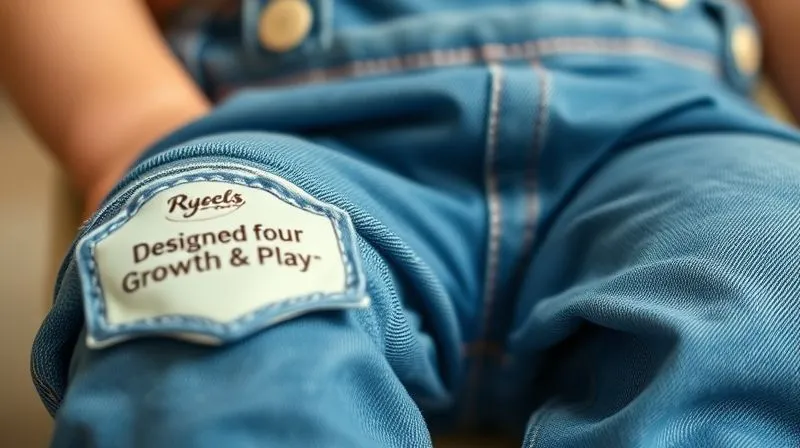
I always advise designers to think about the 'play factor.' Children's clothes endure constant motion, spills, and frequent washing. Reinforced seams, high-quality stitching, and robust closures are non-negotiable. Furthermore, consider adjustable features like roll-up sleeves with tabs, expandable waistbands, or convertible hemlines that allow a garment to 'grow' with the child, extending its usability over multiple seasons.
Pillar 2: Style that Endures: Aesthetics in Circular Kids Wear
The biggest misconception I've encountered is that circularity necessitates a compromise on style. This couldn't be further from the truth! In fact, designing for circularity often leads to more thoughtful, unique, and ultimately more appealing aesthetics. It challenges us to be more creative, not less.
Timeless Designs & Gender-Neutral Options
Fast fashion thrives on fleeting trends. Circular kids wear, however, champions timelessness. Think classic silhouettes, versatile colors, and patterns that transcend seasonal fads. These pieces are not only easier to mix and match but also hold their appeal for longer, making them ideal for hand-me-downs.
Embracing gender-neutral designs is another powerful strategy. By moving away from hyper-gendered clothing, we create garments that can be passed down between siblings, cousins, or friends regardless of gender, significantly increasing their lifespan and reducing the need for new purchases. This opens up a wider market and promotes inclusivity, too.
Playful & Practical: Infusing Joy with Purpose
Kids' wear should be fun! Circular design doesn't mean boring. It means finding ways to infuse joy and playfulness through thoughtful design choices that also serve a purpose. Consider:
- Vibrant, Non-Toxic Dyes: Use low-impact, OEKO-TEX certified dyes to create a spectrum of appealing colors.
- Engaging Prints & Patterns: Opt for whimsical, educational, or nature-inspired prints that have lasting appeal and aren't tied to a specific fleeting trend.
- Functional Details: Pockets for treasures, easy-to-manage closures for independence, and comfortable fits that allow for unrestricted movement are all practical elements that enhance style.
Case Study: How 'EverGreen Play' Revolutionized Kids' Basics
EverGreen Play, a fictional mid-sized brand specializing in children's apparel, faced stagnant growth and increasing pressure from eco-conscious parents. Their initial collections were trend-driven, leading to high seasonal waste and low resale value. By implementing the principles of timeless and gender-neutral design, they achieved a remarkable turnaround.
They shifted their focus to a core collection of durable, adaptable basics in a palette of earthy tones and subtle, nature-inspired prints. They introduced adjustable waistbands and snap-button extenders on their rompers, allowing them to fit children for up to two years. Their marketing highlighted the versatility and longevity, encouraging parents to see the garments as investments rather than disposable items. This resulted in a 40% increase in customer loyalty, a 25% reduction in unsold inventory, and a significant boost in their brand reputation as a leader in sustainable kids' fashion. Their pieces now regularly feature on resale platforms, extending their lifecycle even further.
Pillar 3: Innovative Production & Manufacturing for a Closed Loop
The design journey doesn't end at the drawing board. For circularity to be truly effective, production and manufacturing processes must align with our sustainable goals. This means scrutinizing every step, from cutting fabric to finishing garments, to minimize waste and impact.
Low-Impact Manufacturing Processes
Traditional manufacturing can be notoriously resource-intensive. As an expert, I've seen brands make significant strides by adopting low-impact alternatives:
- Water Conservation: Utilize technologies like ozone washing for denim or waterless dyeing methods.
- Energy Efficiency: Power facilities with renewable energy sources where possible.
- Waste Reduction: Implement 'zero-waste' cutting techniques to maximize fabric utilization. Scraps should be collected and repurposed for smaller items like accessories or insulation.
- Chemical Management: Ensure strict adherence to chemical management protocols, avoiding harmful substances in dyes and finishes. Standards like ZDHC (Zero Discharge of Hazardous Chemicals) are crucial.
The Textile Exchange offers invaluable resources and certifications for brands looking to improve their manufacturing footprint. It's a journey, not a destination, and continuous improvement is key.
Local Sourcing & Supply Chain Transparency
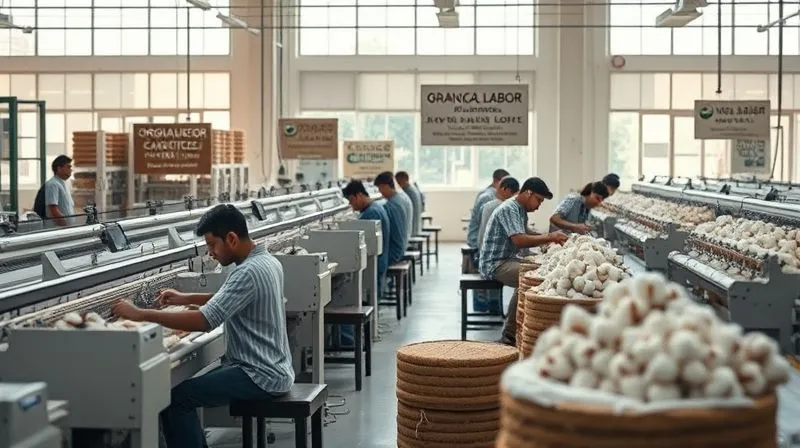
Reducing the carbon footprint of transportation is vital. Prioritizing local or regional sourcing of materials and manufacturing helps significantly. Beyond the environmental benefits, it often allows for greater oversight of labor practices and quality control, fostering stronger, more ethical relationships.
Supply chain transparency is non-negotiable for building trust. Consumers want to know where and how their children's clothes are made. Brands should be able to trace their materials from fiber to finished product, sharing this information openly. This not only builds credibility but also helps identify areas for further improvement in circularity.
Pillar 4: Designing for End-of-Life: Repair, Reuse, Recycle
A truly circular garment is one that has a plan for its life after it leaves the initial consumer. This means designing with its ultimate destination in mind, whether that's another child's closet, a repair shop, or a recycling facility. As an industry specialist, I've seen this 'end-of-life' thinking transform product development.
Built-in Repairability & Modular Design
One of the simplest yet most powerful circular design strategies is to make garments easy to repair. Buttons should be easy to replace, seams accessible for mending, and common wear points (like knees and elbows) reinforced or designed for patching. Some brands even include small repair kits with their garments, empowering parents to extend their clothes' lives.
Modular design takes this a step further. Imagine a jacket with detachable sleeves or a romper with interchangeable bottom halves. This allows for easier repair or replacement of worn-out sections, or even adaptation for different weather conditions, significantly extending the garment's functional life.
Take-Back Programs & Resale Models
Brands have a responsibility beyond the point of sale. Implementing take-back programs encourages consumers to return worn-out garments to the brand, which can then be sorted for repair, resale, or recycling. This closes the loop and ensures valuable materials don't end up in landfills.
Furthermore, supporting or even facilitating resale models is a fantastic way to promote reuse. This could involve partnering with second-hand platforms, creating a dedicated resale section on a brand's website, or offering incentives for returning gently used items. This not only extends the product's life but also creates a new revenue stream and fosters brand loyalty.
A report by ThredUp highlights the exponential growth of the resale market, demonstrating a clear consumer appetite for pre-loved fashion, especially in the kids' segment where items are often outgrown quickly rather than worn out.
Pillar 5: Educating Consumers: The Power of Informed Choices
Even the most perfectly designed circular garment needs an informed consumer to maximize its impact. As designers and brands, we have a crucial role to play in educating parents about the value of circularity and how their choices contribute to a better future. I've learned that clear communication is as important as the design itself.
Clear Labeling & Care Instructions
Transparency is key. Labels should clearly communicate the sustainable attributes of the garment – e.g., 'Made with GOTS-certified organic cotton,' 'Recycled materials,' 'Designed for repair.' Beyond material composition, providing precise care instructions is vital for longevity. Gentle washing, air drying, and proper storage can significantly extend a garment's life, and consumers need to be guided on this.
Consider adding QR codes to labels that link to a brand's sustainability page, offering deeper insights into their circular practices, material sourcing, and end-of-life options. This empowers parents to make truly informed decisions.
Storytelling & Brand Values
Beyond facts and figures, connecting with consumers on an emotional level is powerful. Share the story behind your circular designs: the care taken in sourcing, the ethical production, the vision for a sustainable future. Highlight the benefits not just for the planet, but for the child wearing the clothes – comfort, durability, and the joy of conscious consumption.
Brands that authentically embed their values into their narrative foster a deeper connection with their audience, transforming them from mere customers into advocates for circularity. This builds trust and loyalty, two invaluable assets in today's market.

Pillar 6: Navigating Challenges and Embracing Opportunities
I won't sugarcoat it: transitioning to circular design in kids' wear presents challenges. The initial investment in sustainable materials, innovative production, and new business models can be higher. However, these challenges are outweighed by significant long-term opportunities, both environmental and economic.
Collaboration Over Competition
No single brand can solve the industry's sustainability crisis alone. I've seen immense progress when brands, suppliers, innovators, and even competitors come together. Sharing best practices, collaborating on material research, and working towards common industry standards can accelerate the transition to circularity. Industry consortiums and initiatives are powerful catalysts for change.
This collaborative spirit often leads to unexpected innovations and economies of scale that benefit everyone. It's about collective impact, not individual heroism.
The Future is Circular: Economic & Environmental Benefits
While there are upfront costs, the long-term benefits of circular design are compelling. Environmentally, it drastically reduces waste, conserves resources, and lowers carbon emissions. Economically, it builds stronger brands, fosters customer loyalty, opens new revenue streams (e.g., resale, rental), and future-proofs businesses against resource scarcity and changing regulations. It's a win-win.
As Harvard Business Review often emphasizes, sustainability is no longer a niche concern but a core strategic imperative for business longevity and competitive advantage.
| Aspect | Traditional Model | Circular Model |
|---|---|---|
| Material Sourcing | Cheap, virgin, high environmental footprint | Higher initial cost, regenerative/recycled, lower long-term risk |
| Product Durability | Designed for seasonal trends, low lifespan | Designed for longevity, hand-me-downs, higher perceived value |
| End-of-Life | Landfill/incineration, waste liability | Repair, reuse, recycling, new revenue streams |
| Brand Reputation | Commoditized, price-driven | Strong, ethical, loyal customer base, premium positioning |
Pillar 7: Continuous Innovation & Adaptability
The landscape of sustainable materials and circular technologies is constantly evolving. What was cutting-edge five years ago might be standard practice today, and new innovations are always on the horizon. To truly excel in designing kids wear for circularity without compromising style, a brand must commit to continuous learning, experimentation, and adaptability.
Staying Ahead of the Curve: Research & Development
Invest in research and development to explore new fibers, dyeing techniques, and manufacturing processes. Attend industry conferences, connect with textile innovators, and collaborate with academic institutions. This proactive approach not only keeps your brand at the forefront of sustainability but also inspires fresh design perspectives.
I've seen brands stumble by resting on their laurels, assuming their current sustainable practices are enough. The truth is, circularity is a journey of constant improvement, driven by a commitment to pushing boundaries and finding better ways to create.
Feedback Loops: Learning from Every Garment
Establish robust feedback loops with your customers. How are the clothes performing? What are the common wear-and-tear points? What do parents wish for in terms of durability or adaptability? This invaluable information can inform future design iterations, making each collection more circular and more aligned with consumer needs.
Additionally, analyze the end-of-life journey of your garments. How many are returned? How many are successfully recycled or repurposed? Data from these programs provides critical insights for refining your circular strategies and identifying areas where design can make an even greater impact.
Frequently Asked Questions (FAQ)
Is circular kids wear significantly more expensive than traditional clothing? While the initial investment in high-quality, sustainable materials and ethical production can sometimes lead to a higher retail price point, circular kids wear often offers better value in the long run. Its durability means it lasts longer, can be passed down, or even resold, reducing the overall cost-per-wear. Many parents are willing to pay a premium for quality, ethics, and longevity.
How can I verify a brand's sustainability claims for kids' clothing? Look for third-party certifications like GOTS (Global Organic Textile Standard) for organic cotton, OEKO-TEX Standard 100 for harmful substances, or Fair Trade for ethical labor. Transparency reports on a brand's website, information about their supply chain, and participation in industry initiatives (e.g., Ellen MacArthur Foundation) are also strong indicators of genuine commitment. Always be wary of vague 'eco-friendly' claims without specific evidence.
What role do parents play in making kids' fashion more circular? Parents are crucial! By choosing durable, high-quality garments, caring for them according to instructions, repairing minor damages, passing down outgrown clothes, and utilizing resale or take-back programs, parents actively participate in the circular economy. Educating children about conscious consumption also instills lifelong sustainable habits.
Can all kids' clothing be designed for circularity? While the goal is to integrate circular principles across the board, certain specialized items (e.g., highly technical outerwear) might pose greater challenges due to material complexity. However, the vast majority of everyday kids' wear, from basics to occasion wear, can be designed with circularity in mind, focusing on material choice, durability, and end-of-life planning. Continuous innovation is making more categories circular every year.
How do growth spurts impact circular design strategies for kids' wear? Growth spurts are a primary challenge, but circular design addresses them head-on. Strategies include designing for adaptability (adjustable waists, cuffs, hemlines), creating gender-neutral styles for easier hand-me-downs, and focusing on durable materials that can withstand extended wear by multiple children. Some brands even offer rental or subscription models to accommodate rapid growth without needing new purchases.
Key Takeaways and Final Thoughts
Designing kids wear for circularity without compromising style is not just an aspiration; it's an achievable reality that demands intentionality, innovation, and collaboration. As an industry, we have a profound responsibility to create garments that are not only beautiful and functional but also kind to our planet and its future inhabitants. Here are the most critical takeaways:
- Prioritize Materials Wisely: Your material choices are the foundation of circularity.
- Design for Longevity & Adaptability: Durability and features that 'grow' with the child extend garment life significantly.
- Embrace Timeless & Playful Aesthetics: Style can be enduring and joyful without being trend-driven.
- Innovate in Production: Minimize waste and impact in every manufacturing step.
- Plan for End-of-Life: Design for repair, reuse, and effective recycling.
- Empower Consumers: Educate parents to make informed choices and participate in the circular economy.
- Commit to Continuous Improvement: Circularity is an ongoing journey of learning and adaptation.
The shift to circular kids' fashion is more than a trend; it's an imperative. By embracing these principles, designers and brands can not only meet the evolving demands of conscious consumers but also lead the way towards a more sustainable, equitable, and stylish future for our children. It's a challenging but incredibly rewarding path, and one I firmly believe will define the next era of kids' fashion. Let's design with purpose, passion, and a promise for tomorrow.
Recommended Reading
- Mastering Minimalist Fashion Photography: 7 Steps to a Distinctive Aesthetic
- Beyond Style: 7 Steps to Trendy Eyewear Without Digital Eye Strain
- 5 Steps to Source Eco-Friendly Textiles for Performance Running Gear
- 7 Steps to Optimize Seasonal Womens Accessory Inventory & Boost Profits
- 7 Essential Strategies: Differentiate Your New Womenswear Accessories Brand


Your email address will not be published. Required fields are marked *